A Munchkin Is a Normal Cat That Cannot Reach
One of the biggest misunderstandings about Munchkin cats is that their short legs somehow equate to them being less of a cat, or even "disabled." It's a frustrating misconception that often leads to people either pitying them unnecessarily or, worse, underestimating their capabilities. The truth is, a Munchkin is a cat in every sense of the word, brimming with personality, agility, and a playful spirit – they just navigate the world a little closer to the ground. This guide is here to shed light on the unique behavioral aspects and enrichment needs of these delightful felines, helping you understand how to best support their natural instincts and ensure they lead a full, happy life.
Understanding the Core Difference: Height, Not Spirit
When you first meet a Munchkin, their distinctively short legs are undeniably the most striking feature. It's easy to project human assumptions onto this physical difference, imagining limitations that aren't quite accurate. Owners often tell stories of people stopping them in their tracks, asking if their cat is "okay" or if it "can play normally." The reality, as any Munchkin parent will tell you, is far more nuanced and generally much more positive than an outsider might expect.
Dispelling the Myth of a "Disabled" Cat
Let's get this out of the way: a Munchkin cat is not inherently disabled. Their short stature is due to an autosomal dominant gene that causes a form of dwarfism known as pseudoachondroplasia, specifically affecting the long bones of their legs. Unlike some other forms of dwarfism that come with widespread skeletal or health issues, the Munchkin's spine and body length are typically normal. This is crucial because it means their internal organs aren't compressed, and their range of motion, while different, isn't necessarily painful or debilitating in itself.
The term "disabled" carries a heavy connotation, implying a lack of ability or significant impairment, which simply doesn't align with the vibrant, active nature of most Munchkins. They run, they play, they chase toys, and they interact with their environment with an enthusiasm that mirrors any other domestic cat. Their adaptation to their physical form is remarkable. They have learned to compensate for their shorter reach and lower center of gravity with incredible dexterity and speed on the flat. Thinking of them as "normal cats that cannot reach" is a much more accurate and empowering perspective, allowing us to focus on how we can adapt our world to theirs, rather than viewing them as perpetually limited.
The Psychology of a Cat That Cannot Reach
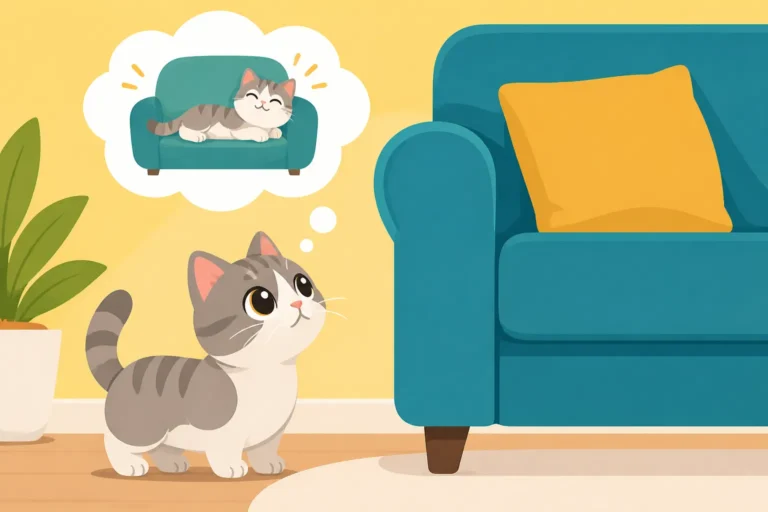
Imagine wanting to get to that tempting bird on the windowsill, or curling up on your favorite human's lap, but finding the journey just a little bit harder. This is the daily reality for a Munchkin. Their world is often defined by what's just out of reach. This doesn't make them sad or frustrated in a human sense, but it does shape their behaviors and problem-solving skills. They develop a keen understanding of vertical challenges and often employ clever strategies to overcome them. You'll see them "bouncing" against furniture, trying to gauge if a second jump or a strategic climb is possible.
Their problem-solving abilities are truly impressive. They learn to map out routes, using furniture as stepping stones where a longer-legged cat might simply leap. For example, to get onto a sofa, a Munchkin might first hop onto a footstool, then to an armchair, and finally onto the couch. This mental mapping is a testament to their intelligence and adaptability. They’re not simply giving up; they're actively working to achieve their goals, just with different physical parameters. This constant assessment of their environment contributes to their bright and engaged demeanor.
How a Munchkin Expresses Its Needs
Because they can't always just leap onto your lap or pat your face from a counter, Munchkins have developed distinct ways of communicating their desires, especially when it involves getting to a higher place. Many owners report that their Munchkins are very vocal when they want attention or assistance. A persistent meow, a gentle rub against your leg, or a little "purr-trill" when they look up at a desired spot are common signals.
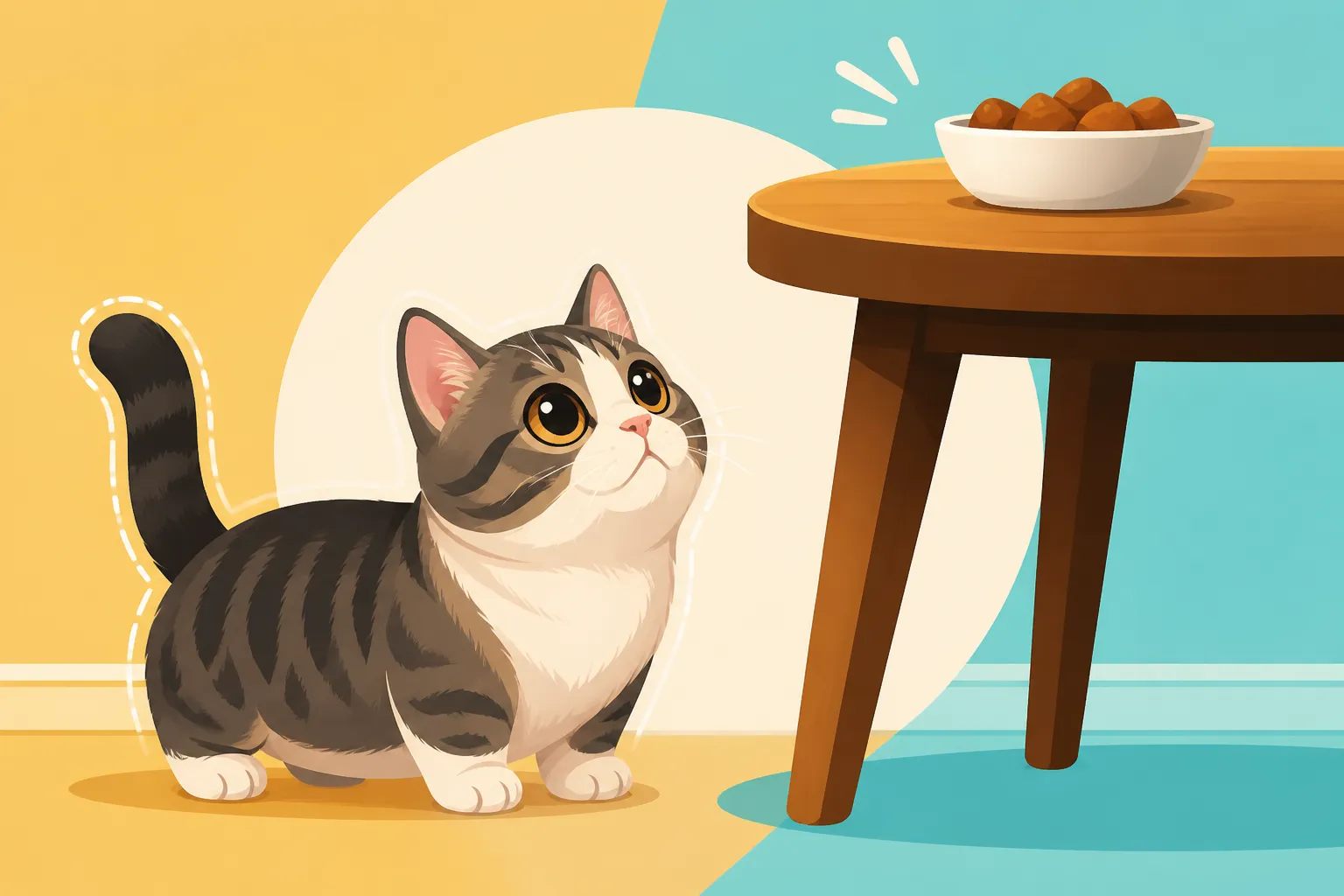
They're also masters of the "follow and stare." If your Munchkin wants to get somewhere high, like your bed or a specific chair, they might follow you to it, sit patiently, and gaze up at you with expectant eyes. This isn't them being lazy; it's a learned behavior born from necessity. They understand that their humans are their "lifts" to the places they can't access on their own. Responding to these cues with patience and a gentle lift builds a strong bond of trust and reinforces that their needs will be met, preventing potential frustration. How Much a Munchkin Talks When It Wants Lifting offers more insight into their vocalizations.
Navigating the Vertical World: What a Munchkin Can (and Can't) Do
It's tempting to think of a Munchkin as simply a "short cat," but their unique body mechanics mean they interact with their environment in distinct ways. Understanding these differences is key to providing a safe and enriching home. While they may not effortlessly scale a six-foot cat tree, their capabilities on horizontal planes often surprise those unfamiliar with the breed.
The Surprising Agility on Level Ground
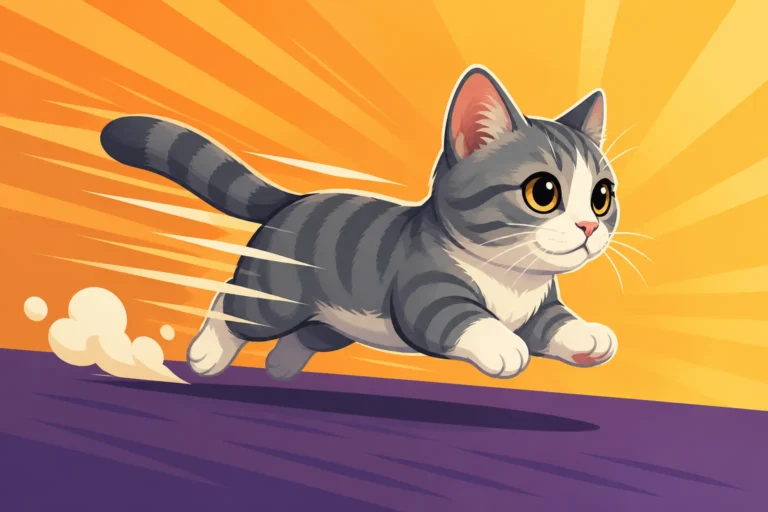
Many people assume that short legs mean slow movement, but this couldn't be further from the truth. On level ground, Munchkins are incredibly agile and surprisingly fast. Their low center of gravity actually gives them an advantage in certain situations. They can corner with remarkable precision, often leaving longer-legged cats looking a bit clumsy in comparison. Imagine a little furry racecar zipping around your living room – that's often a Munchkin in full play mode!
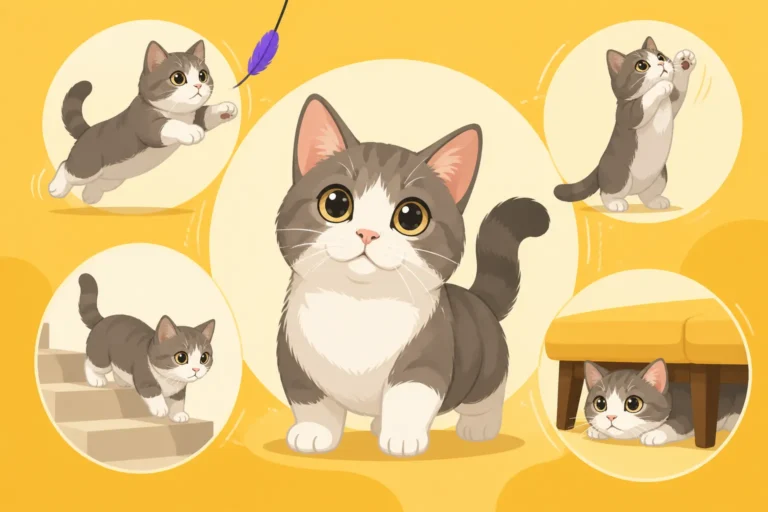
Their compact bodies allow for quick, darting movements and impressive acceleration. They can weave through furniture legs and under low obstacles with ease, turning quickly to chase a toy or playfully stalk a sibling. This ground-level agility is a huge part of their charm and why they don't feel "limited" in their day-to-day play. They fully embrace their ability to explore and dominate the horizontal plane, making up for their lack of vertical prowess with sheer speed and maneuverability. How Fast a Munchkin Runs on Level Ground delves deeper into their unexpected bursts of speed.
The Limits of Vertical Ascent
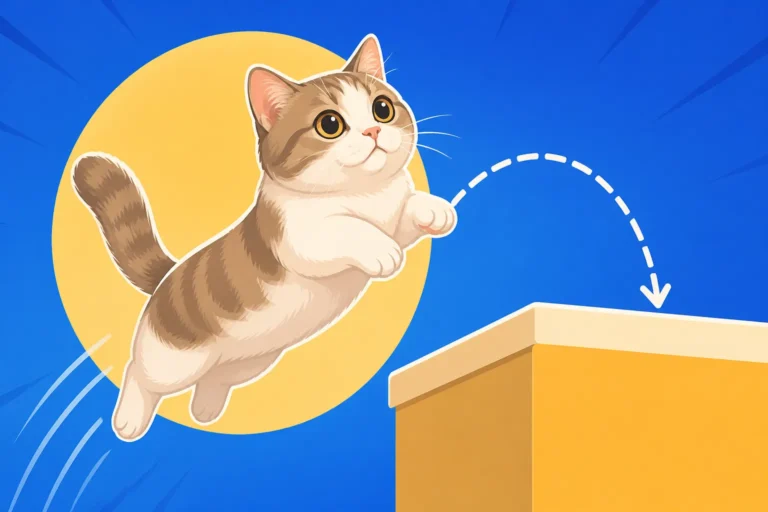
While they are champions on the flat, vertical challenges are where the Munchkin's physical limits become most apparent. They can jump, certainly, but their maximum height is significantly lower than that of a regular cat. A standard domestic cat might effortlessly leap onto a kitchen counter or the top of a tall cat tree; a Munchkin will likely find these feats impossible. They typically can manage a jump of about one to two feet, depending on their individual build and motivation.
This means that high surfaces, such as windowsills, tall beds, or the aforementioned kitchen counters, are usually inaccessible without assistance or carefully placed "steps." Owners often find themselves creating elaborate systems of ramps, steps, or strategically placed furniture to help their Munchkin reach desired heights. It's not that they don't want to get up there; it's simply a physical impossibility for many of the jumps a regular cat takes for granted. Trying to force them to jump too high can lead to frustration or, worse, injury. How High a Munchkin Can Actually Jump provides more context on their vertical limits.
Why Falling is a Real Concern
Because Munchkins can't always make those high jumps, when they do attempt them or try to descend from a height they've been lifted onto, the landing can be harder on their joints than for a cat with longer, more shock-absorbing legs. While they are agile, a misjudged leap or an accidental fall from a significant height poses a greater risk of injury to their shoulders, elbows, and spine. This is why careful home adaptation is so crucial.
Preventing falls means not only providing ramps and steps but also ensuring that any surface they can reach has a safe landing zone if they decide to jump down. Soft rugs or pet beds placed strategically below favorite perching spots can cushion any unplanned descents. It’s important to remember that they often don't have the same flexibility or reach to right themselves mid-air or brace themselves as effectively as a long-legged cat. Owners need to be extra vigilant about open windows, high shelves, or precarious perches that a Munchkin might attempt to access or descend from, even if it seems like a small drop to us. Why a Munchkin Should Not Be Jumping Down Repeatedly offers more reasons for concern.
The Unique "Prairie Dog" Sit: A Signature Munchkin Behavior
One of the most endearing and recognizable behaviors of a Munchkin cat is their "prairie dog" sit. If you've spent any time observing these fascinating felines, you've undoubtedly seen them rise up on their hind legs, balancing perfectly, often with their little paws tucked neatly in front. It's a behavior that elicits smiles and "awws" from everyone who witnesses it, but it's more than just a cute trick; it's a functional adaptation.
Why Munchkins Sit Up on Their Hind Legs
So, why do they do it? The primary reason is simply to gain a better vantage point. With their short stature, the world at floor level can sometimes be limiting for observation. Imagine trying to see what's happening on the kitchen counter, or getting a better view of a bird outside the window, when your eye level is only a few inches off the ground. By sitting up on their hind legs, a Munchkin can add several precious inches to their height, allowing them to survey their surroundings more effectively.
This behavior isn't exclusive to Munchkins; many cats will stand on their hind legs briefly to investigate something. However, Munchkins tend to do it more frequently and can maintain the posture for a surprisingly long time, sometimes several minutes. It's an instinctive response to their physical dimensions, allowing them to participate more fully in observing the world around them. It's a charming workaround, a testament to their desire to be fully aware and engaged, rather than limited by their height. What a Munchkin Is Looking At When It Sits Up can give you more insight into their curious gazes.
What the Sit Signifies
Beyond just gaining height, the prairie dog sit can communicate a few things. Often, it's a sign of curiosity. They might pop up like a meerkat if they hear an unfamiliar sound, see something moving outside the window, or are trying to get a better look at a new toy or person. It's their way of saying, "What's going on up there?" with their whole body.
It can also be a way of begging or asking for attention. If you're standing in the kitchen preparing food, a Munchkin might sit up on its hind legs to get your attention, hoping for a treat or a pat. It's a highly effective way for them to make eye contact and signal their presence when they can't simply jump up to meet your gaze. For owners, it's a valuable visual cue that their cat is alert, engaged, and potentially wanting something, whether it's information or interaction.
Is the Prairie Dog Sit Harmful?
This is a common question, and it's a valid concern given the breed's unique spinal structure. While the Munchkin's spine is generally of normal length and structure, concerns about conditions like lordosis (an inward curvature of the spine) have led some to worry if the prairie dog sit puts undue strain on their back. Lordosis is a condition associated with the Munchkin breed, though not all Munchkins develop it. What Lordosis Actually Is in a Munchkin offers a deeper explanation.
For most healthy Munchkins, the prairie dog sit is a natural and comfortable posture. They develop the core strength and balance to perform it without discomfort. It's not a forced or painful position for them. However, if your Munchkin has a diagnosed spinal condition or shows any signs of discomfort when sitting up, such as trembling, a reluctance to assume the position, or vocalizing, it would warrant a vet visit. Generally, a healthy Munchkin performing this sit is simply exhibiting a natural adaptation to their body shape and it's not something to be overly worried about. It's part of judging a Munchkin's quality of life, as it's a natural, comfortable movement.
Adapting the Home for a Happy Munchkin
Living with a Munchkin cat means embracing a slightly different perspective on home design. You're not just decorating for yourself; you're creating an environment that respects and celebrates your cat's unique physical abilities. This isn't about grand renovations, but rather thoughtful adjustments that make every corner of your home accessible and safe for your low-rider friend.
Essential Furniture Modifications
The first thing to consider is how your Munchkin will get to the places cats love most: sunny windowsills, the top of the sofa for a cuddle, or your bed for a nightly snuggle. Since direct jumping is often out of the question for higher spots, ramps and steps become indispensable. These aren't luxuries; they're vital tools for your Munchkin's independence and comfort. You can find ready-made pet ramps and stairs on sites like Amazon, or you can get creative and build your own.
Think about surfaces like your sofa, armchair, and bed. Even a relatively low bed can be a hurdle. Placing sturdy pet steps or a gradual ramp next to these items allows your Munchkin to climb up and down safely, reducing strain on their joints from repeated jumping. Similarly, for windowsills, consider stacking low, stable boxes, small pet stairs, or a carpeted ramp that allows them to reach their favorite sunbathing spots. The key is stability and a gentle incline or shallow steps to prevent slips and falls. How to Rearrange a Room So a Munchkin Can Climb offers more practical advice.
Creating Accessible Play Zones
Just because a Munchkin can't reach the highest perch of a standard cat tree doesn't mean they don't love to climb and explore! Their play zones simply need to be structured differently. Instead of vertical height, think horizontal accessibility and staggered levels. Look for cat trees with platforms that are close together, allowing for short, manageable hops, or ones with ramps integrated into the design.
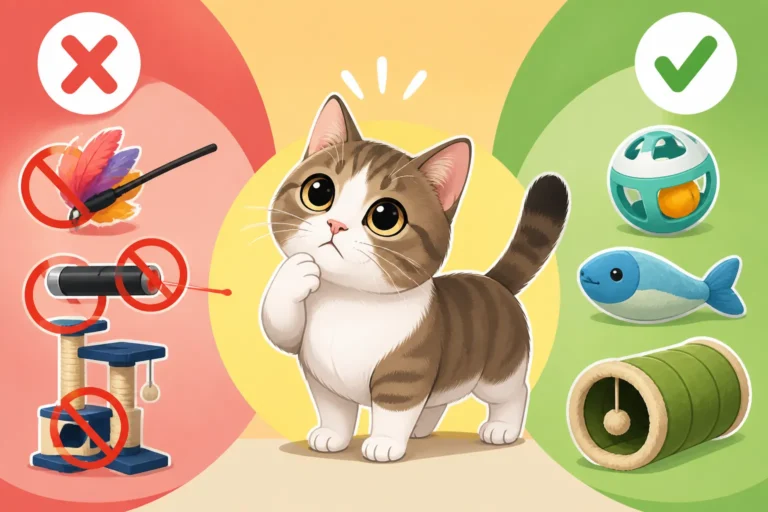
Floor-level enrichment is also paramount. Scatter toys, puzzle feeders, and crinkle balls throughout the house. Create "tunnels" from cardboard boxes or fabric tunnels where they can dart and hide. Low-rise scratching posts are essential too, as a tall, vertical post might be hard for them to stretch up and use effectively. Remember, their predatory instincts are just as strong as any other cat; they just operate on a different elevation. Engaging them with toys at their level will keep them mentally stimulated and physically active. Which Cat Tree Layout Suits a Munchkin provides specific layout ideas.
Safe Spaces and Hiding Spots
Every cat needs a safe space, a quiet retreat where they can feel secure and observe their surroundings without being disturbed. For Munchkins, this is especially important because their inability to jump to high vantage points means they can't always escape a perceived threat (like a rambunctious child or dog) by simply leaping away.
Ensure there are plenty of low, easily accessible hiding spots throughout your home. This could include open-front cat cubes, cozy beds under tables, or even a cardboard box turned on its side in a quiet corner. These spots give them the sense of security and control they need. Consider placing their food and water bowls, and especially their litter boxes, in easily accessible, low-traffic areas. A litter box with a low entry point is crucial, as a high-sided box can be difficult or even painful for them to enter and exit, potentially leading to accidents outside the box. How Low a Munchkin Litter Box Entry Should Be is a critical consideration.
Playtime and Enrichment: Engaging a Ground-Level Explorer
Munchkins are known for their playful, curious, and energetic personalities. Their short legs don't dampen their spirit for games; it just means we, as their human companions, need to be a little more creative in how we engage them. They are fully capable of enjoying a rich and stimulating life, provided their environment is set up to support their natural inclinations.
The Best Toys for Short-Legged Felines
When it comes to toys, think horizontally. Wand toys are absolutely fantastic for Munchkins because they allow you to engage them at their level. Drag a feather toy along the floor, making it dart and hide, mimicking prey. This allows them to use their incredible ground speed and quick turns to "hunt" effectively. Laser pointers are also a hit, encouraging them to chase and pounce without needing to jump. Just remember to end the laser session by pointing it at a physical toy they can "catch" to prevent frustration.
Smaller, lightweight toys that can be batted around easily are also great. Crinkle balls, soft mice, or small rolling toys are perfect for individual play. Puzzle feeders that require batting or nudging to release treats are excellent for mental stimulation and slow down eating, which is important for weight management. Remember to rotate toys regularly to keep things interesting. A simple Amazon search for "cat wand toys" or "interactive cat toys floor" will yield a treasure trove of options. Which Wand Toys Suit a Munchkin's Reach offers more tailored suggestions.
Interactive Play for Mental Stimulation
Munchkins thrive on interaction. Beyond just toys, engaging their minds is just as important as exercising their bodies. Hide-and-seek games, where you call their name and reward them when they find you, can be a lot of fun. Even simple conversations and gentle petting are forms of enrichment that strengthen your bond.
Training can also be incredibly stimulating. Many Munchkins are quite intelligent and can learn tricks like "sit," "stay," or even navigating their ramps and steps on command. Positive reinforcement with treats and praise works wonders. This mental engagement helps prevent boredom, which can sometimes manifest as unwanted behaviors. Think of it as keeping their clever minds as busy as their energetic bodies. Which Tricks a Munchkin Can Physically Do will give you ideas for training.
Harness Training and Safe Outdoor Experiences
While Munchkins should never be allowed to free-roam outdoors due to their inability to escape predators or climb to safety, harness training can open up a world of safe outdoor enrichment. A properly fitted harness and leash allow them to explore a securely fenced yard, a quiet park, or even a "catio" (enclosed cat patio) under direct supervision.
Introduce the harness slowly, allowing them to wear it for short periods indoors before attaching the leash. Always use a harness that fits securely, preventing them from slipping out. Once comfortable, let them explore at their own pace. The sights, sounds, and smells of the outdoors are incredibly stimulating and can provide a wonderful change of scenery. Just be mindful of other animals and ensure they always have a clear, safe escape route if something startles them. Where a Munchkin Can Be Walked Without Meeting a Dog provides considerations for safe outdoor excursions.
Social Dynamics: Munchkins with Other Pets and People
The Munchkin cat's charming personality extends well into their social interactions. They are generally known for being affectionate, outgoing, and good-natured, making them wonderful companions in a variety of household settings. However, their physical differences do require some consideration when introducing them to other animals or young children.
Interactions with Other Cats
Munchkins typically get along well with other cats, often enjoying the companionship and playful antics of their feline housemates. Their playful nature means they're usually up for a game of chase or a wrestling match. However, it's important to consider the size and temperament of other cats in the household. A very large or overly boisterous cat might unintentionally intimidate a Munchkin, especially if the Munchkin feels it can't easily escape to a higher perch.
Introducing cats slowly and providing ample resources (food bowls, litter boxes, scratching posts) can help ensure a smooth integration. Crucially, ensure that your Munchkin has their own accessible safe spaces and retreat options at their level, rather than relying on high spots that other cats might hog. Often, two Munchkins or a Munchkin and a calmer, long-legged cat will coexist beautifully, engaging in floor-level games and sharing sunny nap spots. Introducing a Long Legged Cat to a Munchkin delves into integrating them.
Safeguarding Against Dogs and Children
This is perhaps one of the most critical aspects of Munchkin ownership: protecting them from potential harm from larger, less aware creatures. While Munchkins can certainly form loving bonds with well-behaved dogs and gentle children, their physical limitations mean they cannot easily escape or defend themselves by climbing to safety. A large dog, even one that means well, could accidentally injure a Munchkin during boisterous play. Similarly, a young child, not understanding a cat's boundaries, could accidentally step on or mishandle a Munchkin that cannot quickly move away.
Supervision is key. Always supervise interactions between your Munchkin and dogs or young children. Teach children how to gently interact with a cat that cannot easily jump away and explain the importance of letting the Munchkin have its space. For dogs, ensure they are well-trained and have a calm temperament around cats. Creating dog-free zones or providing baby gates that allow the Munchkin to slip through but block the dog can be very effective. It's about proactive management to ensure everyone's safety and peace of mind. Why a Munchkin Cannot Get Away From a Dog highlights this concern.
Building Trust and Communication
Because Munchkins often rely on their humans for access to higher places, building a strong foundation of trust and clear communication is paramount. They learn quickly that you are their pathway to comfort, enrichment, and safety. Respond consistently and gently when they ask for help reaching a spot. Never scold them for being unable to jump or for seeking your assistance.
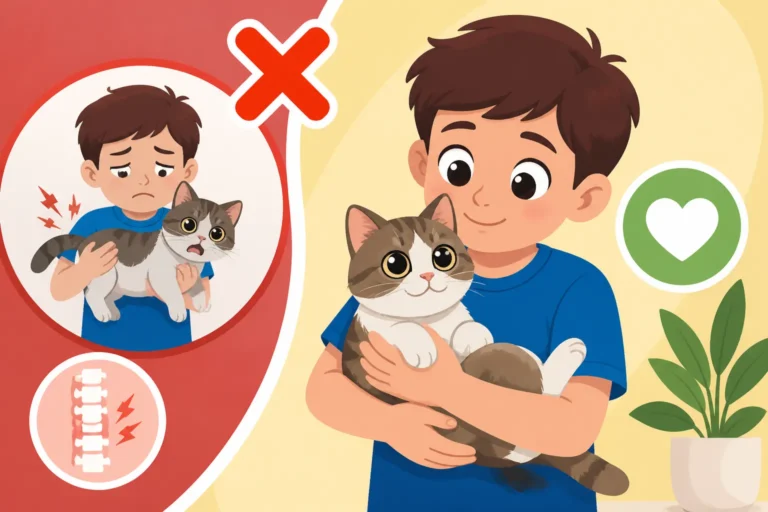
Gentle handling is also crucial. When lifting your Munchkin, always support their entire body, especially their back and hindquarters. Avoid picking them up by their front legs or letting them dangle, as this can put strain on their spine and joints. By being a reliable, gentle, and understanding companion, you reinforce their trust and ensure they feel secure in their home and with their family. This deep bond makes the effort of adapting your home all the more rewarding. How to Lift a Munchkin Correctly explains safe handling.
Special Considerations for Aging Munchkins
Just like any cat, Munchkins will experience changes as they enter their senior years. While their core personality remains, their physical abilities may gradually diminish, making their already height-challenged lives a little more challenging. Being proactive and understanding these changes can help you ensure your beloved Munchkin remains comfortable and happy well into their golden years. When a Munchkin Counts as Senior is a useful benchmark.
Recognizing Signs of Decreased Mobility
As Munchkins age, you might start to notice subtle shifts in their movement and behavior. They might become a little slower, less enthusiastic about chasing toys, or more reluctant to use their ramps and steps. You might observe a slight stiffness in their gait, particularly in their front legs and shoulders, which bear a significant amount of weight due to their short stature. How Arthritis Shows in a Munchkin's Front Legs provides more detail. They may also spend more time resting or prefer sleeping in easily accessible, floor-level beds.
Arthritis is a common concern in aging cats, and Munchkins, with their unique conformation, may be prone to joint wear over time. Watch for any hesitation before jumping, difficulty getting comfortable, or changes in how they groom themselves (they might struggle to reach their hindquarters). If you notice any of these signs, a vet visit is essential. Early detection and management of joint pain or other age-related issues can significantly improve their quality of life.
Adjusting the Environment for Senior Cats
Once your Munchkin starts showing signs of aging, it's time to re-evaluate your home setup. Those ramps and steps you installed might need to become even more gradual, or you might need to add more of them to reduce any strenuous effort. Ensure their favorite napping spots are easily reachable without any jumping at all. Consider lowering existing window perches or bringing their cat tree to a single, easily accessible level.
Their litter boxes might also need an upgrade. Even the low-entry boxes they used as adults might become too high if they're experiencing significant joint pain. Look for ultra-low entry boxes or create a custom one with virtually no lip. Food and water bowls should definitely be at floor level or slightly raised to ease strain on their neck and shoulders, making meal times comfortable. The goal is to minimize any physical exertion that could cause discomfort or exacerbate existing conditions. Why an Old Munchkin Needs Its Route Lowered emphasizes this need.
Maintaining Quality of Life in Later Years
Beyond environmental adjustments, keeping your senior Munchkin happy and engaged requires ongoing care. Regular veterinary check-ups are more important than ever to monitor for common age-related conditions like kidney disease, hyperthyroidism, or dental issues. Your vet might recommend joint supplements, pain management, or specialized diets to support their aging body. Which Blood Values Matter Most in a Munchkin can guide discussions with your vet.
Continue to engage them with gentle playtime, focusing on floor-level interaction rather than vigorous jumping. Grooming might become more challenging for them, so regular brushing from you will be appreciated, especially around their hindquarters where mats can form easily. Most importantly, give them extra love, patience, and understanding. Their inability to reach certain places or move as quickly as they once did doesn't diminish their need for companionship and comfort. By adapting to their changing needs, you ensure your cherished Munchkin enjoys a dignified and comfortable retirement. Caring for an Old Munchkin That Has Stopped Climbing offers more specific tips.
Disclaimer
This article is for general informational purposes only and does not constitute professional advice. Laws, prices and regulations vary by location and change over time. Consult a qualified professional for guidance on your specific situation.