Which Toys a Munchkin Cannot Use
It can be really frustrating as a Munchkin cat owner to realize that many of the typical cat toys you see in pet stores or online just aren't suited for your short-legged friend. You want to enrich their lives and provide plenty of fun, but seeing them struggle to reach or interact with toys designed for taller cats can be disheartening, and sometimes even dangerous. This guide will delve into the specific types of toys that aren't ideal for Munchkins, explaining why they pose challenges, and offering insights into better alternatives to keep your little one happy and healthy.
Understanding the Munchkin's Unique Physical Play Style
Munchkin cats are truly unique, and while their short legs are undeniably adorable, they also dictate a very specific way of moving and playing. It's not about them being "disabled" in a general sense, but rather about their physical architecture requiring a different approach to their environment and enrichment. They are just as playful and curious as any other cat, but they operate on a different plane, literally. Understanding these physical nuances is key to choosing appropriate toys and ensuring their safety and enjoyment.
The Challenge of Verticality for Short Legs
Imagine trying to play basketball with significantly shorter arms – that's a bit like what a Munchkin experiences with vertical toys. Their short stature means that anything requiring a significant upward reach or a high jump immediately becomes a challenge, if not an impossibility. While some Munchkins can manage impressive little hops, their capacity for sustained vertical movement is limited by their leg length. They can't launch themselves with the same power or maintain elevation like a long-legged cat.
This isn't just about reaching a dangling toy; it's also about the mechanics of landing. Every jump puts stress on their joints, and while cats are agile, repeated or high jumps can be particularly taxing for a Munchkin's unique anatomy. This is why toys that inherently demand verticality are often unsuitable. You might observe your Munchkin making valiant attempts, only to give up or land awkwardly, which is a clear sign that the toy isn't designed for their body. It's important to differentiate between a cat choosing not to play and a cat physically unable to engage safely.
Why High Jumps and Climbs Are Often Out of Reach
Traditional cat play often involves scaling heights, leaping from one perch to another, and batting at toys suspended far above the ground. For a Munchkin, this just isn't their reality. Their legs, while strong, simply don't provide the leverage needed for significant jumps. Think about a cat tree with widely spaced platforms; a long-legged cat might effortlessly bound up, but a Munchkin will find themselves stranded after the first level, looking up with longing but ultimately unable to ascend further. This is not a matter of willingness but physical limitation. You can learn more about their jumping ability in How High a Munchkin Can Actually Jump.
Similarly, toys that hang high from doorframes or ceilings, while great for encouraging athletic leaps in other breeds, will simply frustrate a Munchkin. They might try to reach, stretching their little bodies as far as they can, but without the necessary leg length to bridge the gap, the toy remains out of reach. This leads to them resorting to other tactics, like trying to climb the doorframe itself or simply giving up, neither of which is ideal for engagement or safety. It's crucial to acknowledge this fundamental difference in their physical capabilities when selecting playtime accessories.
The Impact of Spinal Load on Play
Beyond just leg length, it's also important to consider the overall biomechanics of a Munchkin cat. Their spine, while appearing normal in length, is supporting a body with disproportionately short limbs. This means that certain movements, particularly those involving twisting, arching, or sudden impacts from jumps, can place undue stress on their back. It's a key reason why we emphasize careful consideration of their play environment and activities. Why a Munchkin's Spine Carries a Load a Normal Cat's Does Not is an essential read on this topic.
When a toy encourages actions that involve strenuous spinal movement or hard landings, it increases the risk of discomfort or potential long-term issues. For instance, a toy that sends them sprawling after an unsuccessful jump, or one that causes them to contort their body into awkward positions, should be avoided. Play should be enriching and safe, not a physical strain. This understanding helps us guide them towards play that leverages their strengths – their incredible speed on the flat, their low center of gravity for cornering – rather than highlighting their limitations in a way that could cause harm.
Toys That Are Generally Incompatible or Unsafe for Munchkins
Given their unique physiology, many standard cat toys, while perfectly fine for other breeds, simply don't work for Munchkins. It's not about being overprotective; it's about being realistic and proactive in preventing frustration or injury. Recognizing these incompatible toys is the first step in creating a truly enriching and safe environment for your short-legged companion.
Tall Cat Trees and Multi-Tiered Structures
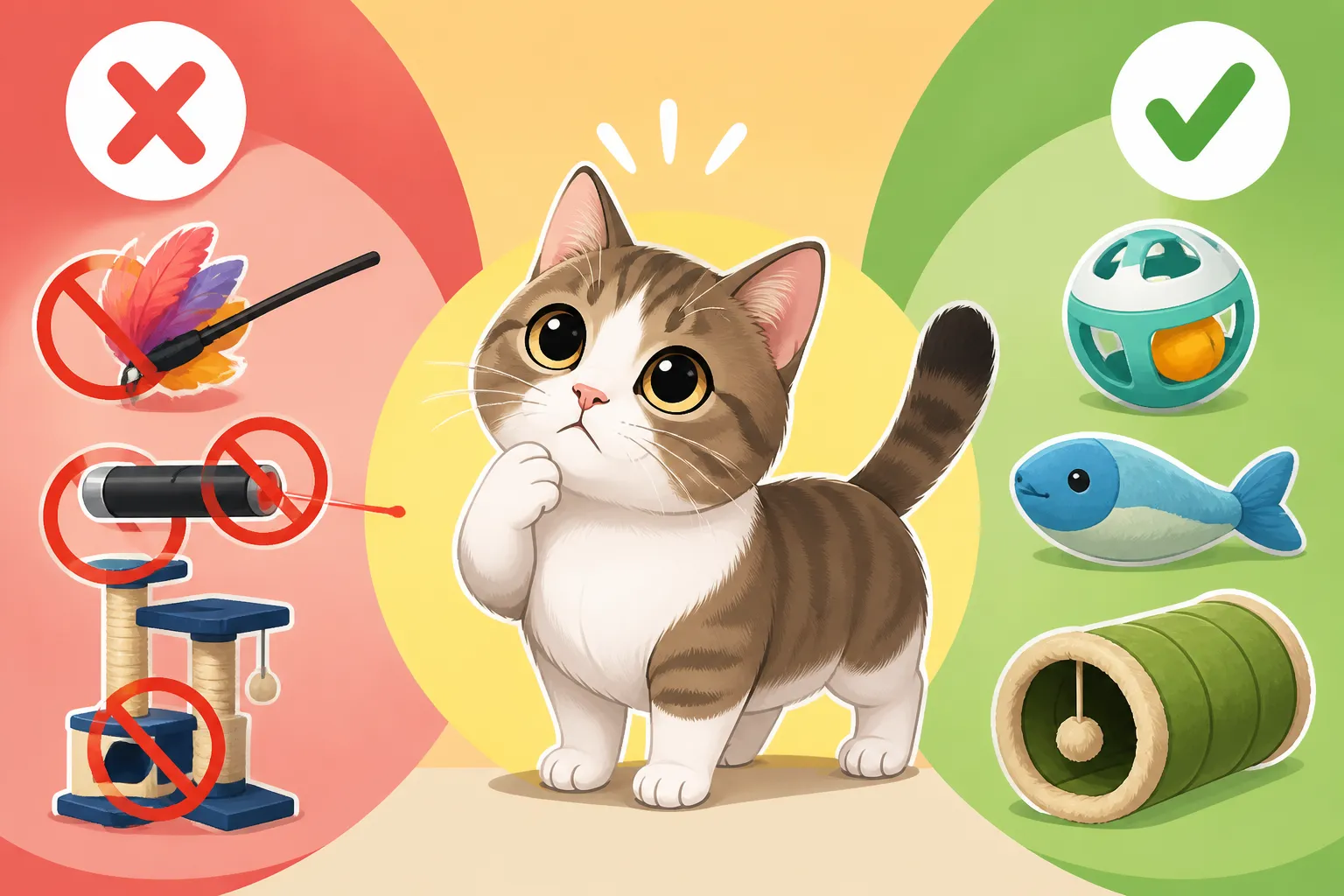
This is probably one of the most common mistakes new Munchkin owners make. You see those magnificent, towering cat trees with multiple levels, cozy perches, and dangling toys, and you naturally think your cat will love it. However, for a Munchkin, these structures are largely inaccessible beyond the very bottom level. The platforms are often spaced too far apart for their short legs to bridge the gap, turning a potential playground into an insurmountable obstacle. They simply cannot make it to the higher levels or reach toys placed there, leading to significant frustration.
Consider a multi-story cat tree from a large retailer like Amazon. While these are fantastic for agile, long-legged cats, your Munchkin will likely only be able to utilize the ground-level scratching posts or perhaps the very first platform if it's low enough. Anything above that becomes a challenge, and repeated attempts to jump to out-of-reach levels can be hard on their joints and spine. Instead, opt for cat trees designed for senior cats or those with lower, closely spaced platforms or built-in ramps, ensuring every part of the structure is accessible. Why a Tall Post Is Wasted on a Munchkin provides more details on this.
Interactive Toys Requiring Significant Vertical Reach
Think about fishing rod toys with feathers or mice on strings, or automatic laser pointers that direct beams onto walls and high surfaces. While these can be incredibly engaging for many cats, they often demand a level of vertical athleticism that a Munchkin simply doesn't possess. If the toy dangles high or requires them to constantly jump and stretch upwards, your Munchkin will quickly lose interest or become visibly frustrated by their inability to connect with it effectively.
The joy of these toys comes from the chase and the satisfying "capture," but if the target is perpetually out of reach, the fun quickly dissipates. Imagine a laser pointer that only shines on the ceiling or high up on a wall – your Munchkin might track it, but the inability to pounce and "catch" it will be a letdown. Similarly, wand toys where the feather is always held above their head will only cause them to strain their neck and back rather than engage in natural, floor-level hunting behaviors. These toys can even be detrimental if they encourage risky jumps that lead to falls or awkward landings. Which Wand Toys Suit a Munchkin's Reach offers alternatives for engaging your Munchkin.
Toys That Encourage Risky Jumping or Landing
Any toy that inherently promotes high, uncontrolled jumps or awkward landings should be approached with extreme caution, if not avoided altogether. This includes spring-loaded toys that launch objects high into the air, or even certain puzzle toys that require a jump onto a wobbly surface to retrieve a treat. The unique structure of a Munchkin means their joints and spine are more vulnerable to impact forces from uncontrolled landings.
It's not just about the height of the jump, but the manner of the landing. While cats are generally adept at landing, a Munchkin's short legs can make absorbing shock more challenging, especially if they misjudge a jump. Repeated high-impact landings could contribute to joint issues over time. This is especially true for toys that are placed on elevated surfaces, forcing the Munchkin to jump down from a height, which can be even more impactful than jumping up. We really want to prevent scenarios where they attempt a jump, fall short, and land awkwardly. What Happens When a Munchkin Misjudges a Jump further elaborates on this.
Heavy or Cumbersome Toys
While most cat toys are lightweight, there are some larger, plush toys or certain types of puzzle toys that can be quite heavy or unwieldy. For a smaller, short-legged cat like a Munchkin, trying to maneuver or carry a toy that is disproportionately large or heavy can be difficult and even discouraging. They might struggle to bat it around, pick it up, or drag it, which can diminish their enjoyment and make playtime feel like a chore.
A Munchkin's strength is typically in their quick, low-to-the-ground movements, not in brute force. A toy that requires significant pushing, pulling, or lifting might simply be too much for their compact frame. They should be able to interact with their toys easily and naturally, without having to strain. This doesn't mean all large toys are out – a lightweight crinkle tunnel, for example, is fantastic – but anything with significant weight or a very rigid, bulky design might not be suitable for their playful pounces and carries.
Adapting Play and Choosing Suitable Alternatives
Since many standard cat toys aren't a good fit, it's up to us as responsible Munchkin owners to adapt their play environment and select toys that truly cater to their unique needs. It’s not about limiting their fun, but rather enhancing it by focusing on activities and items they can engage with safely and joyfully. This often means thinking about play from a floor-level perspective and making smart choices about how we set up their world.
Embracing Floor-Level Fun
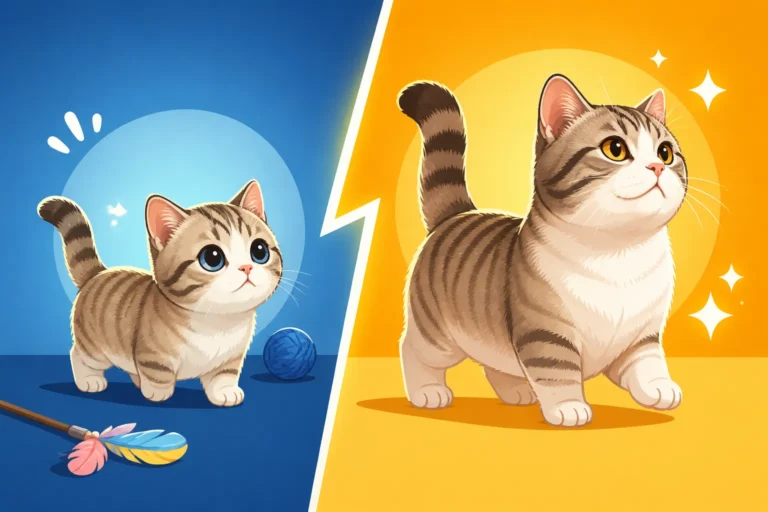
The absolute best approach for Munchkins is to lean into their natural inclination for floor-level play. These cats are incredibly agile and fast on the ground, often described as having a ferret-like gait. They excel at chasing, pouncing, and skittering after toys that stay within their reach. So, instead of trying to make them jump, focus on toys that encourage this horizontal movement. This means prioritizing toys that roll, slide, crinkle, or can be batted around comfortably from their low vantage point.
Think about interactive play where you drag a wand toy along the floor, making it dart and hide under rugs or furniture. This simulates hunting behavior perfectly and allows your Munchkins to use their impressive speed and agility without any vertical strain. Small, lightweight balls, crinkle toys, kickers, and even simple crumpled paper balls become fantastic sources of entertainment. How Much Floor Level Play a Munchkin Needs reinforces the importance of this type of interaction. Setting up "obstacle courses" on the floor with tunnels and boxes can also provide immense enrichment, allowing them to explore and stalk within their natural range.
Modifying Existing Toys and Play Spaces
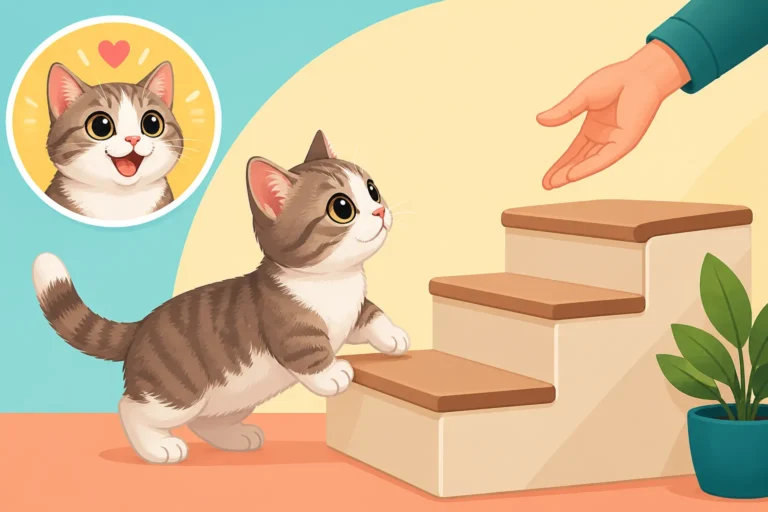
Sometimes, you don't need to completely replace a toy; you just need to modify how it's presented or where it's placed. For instance, if you have a favorite wand toy with a feather, instead of holding it high, drag it along the floor, across furniture legs, or under a blanket. This immediately makes it accessible and engaging for your Munchkin. Similarly, a cat tree that's too tall can be made more functional by adding pet ramps or steps to each level, or by placing other sturdy furniture nearby to create an accessible "staircase."
Consider also how you arrange your furniture. Can you create a series of low-to-the-ground steps using ottomans, sturdy boxes, or even cushions so your Munchkin can safely access a favorite window perch or the sofa? Companies like Amazon offer a wide variety of pet steps and ramps that can easily transform an inaccessible spot into a welcoming hangout. The goal is to create a multi-level environment that is horizontally navigable, rather than vertically challenging. This proactive approach ensures they can reach all the places they desire without putting undue stress on their bodies. How to Set Up Floor Level Enrichment for a Munchkin offers additional ideas for modifying your home.
Prioritizing Safety and Joint Health
Above all else, the safety and long-term health of your Munchkin must be the guiding principle in toy selection and play. This means being mindful of anything that could lead to injury, strain, or discomfort. When observing your cat play, pay close attention to their movements. Are they stretching uncomfortably? Are their landings awkward? Are they becoming frustrated rather than engaged? These are all signals that the toy or play style might need adjustment.
Regular, gentle play that encourages their natural instincts without physical strain is ideal. Think about toys that promote stalking, pouncing on flat surfaces, and exploring. Providing soft landing surfaces around any areas where they might jump (even low jumps) can also be beneficial. It's about creating an environment where they feel confident and secure in their movements, rather than constantly pushing their physical limits. Consult your vet if you have any concerns about their mobility or joint health, as early intervention is always best. When to Stop a Munchkin Attempting a Jump provides important advice on recognizing when to intervene during playtime.
What to Look for in Munchkin-Friendly Toys
So, what does make a good toy for a Munchkin? It boils down to understanding their physical design and catering to their strengths. The best toys will engage their minds, encourage healthy movement, and keep them safe and happy within their unique capabilities.
Engaging Ground-Based Options
When you're out toy shopping, keep a low-to-the-ground mindset. Look for toys that are designed to be played with on the floor, rather than up in the air. Think about anything that rolls, slides, or can be easily batted and chased. Small, lightweight balls (with or without bells), crinkle balls, soft stuffed mice, and kickers are often huge hits. Interactive toys that move across the floor on their own, like robotic mice or rolling feather toys, can also provide endless entertainment as your Munchkin gives chase.
Tunnels are another fantastic option. They provide hiding spots, opportunities for ambushes, and encourage dashing through tight spaces – all activities perfectly suited to a Munchkin's agility and love for exploring small areas. Look for tunnels that are wide enough for them to comfortably run through and aren't too long that they might get stuck. Many of these items are readily available through online retailers like Amazon, making it easy to build a diverse collection.
Toys That Promote Horizontal Movement
Munchkins are built for speed and quick turns on a flat plane. Toys that capitalize on this, encouraging them to run, dart, and corner, will be the most rewarding. Laser pointers, when directed on the floor, can be excellent for this, allowing them to chase and pounce without needing to jump. Just remember to end the laser session by directing the beam onto a physical toy they can "catch" to prevent frustration.
Puzzle feeders that operate at ground level, requiring them to bat, push, or dig for treats, are also ideal for mental stimulation and encouraging natural foraging behaviors. These types of toys keep their minds engaged while keeping their bodies moving in a safe and appropriate manner. Which Puzzle Feeders a Munchkin Can Reach Into has great suggestions for these. Dragging a soft toy on a string along the floor, making it weave and hide, will tap into their prey drive beautifully, allowing them to stalk and pounce just like their wild cousins, but without the risk of high-impact acrobatics.
Mental Stimulation Through Accessible Puzzles
While physical play is important, mental stimulation is equally crucial for any cat, including Munchkins. Since their physical play might be more limited in terms of vertical challenges, accessible puzzle toys become even more valuable. Look for treat-dispensing toys that sit on the floor, slow feeders, or puzzle boxes that they can manipulate with their paws to get a reward. These encourage problem-solving skills and prevent boredom, which can sometimes lead to unwanted behaviors.
These puzzles are fantastic because they keep your Munchkin engaged for extended periods, providing a healthy outlet for their intelligence and curiosity. Many are designed to be placed directly on the floor or a low, stable surface, making them perfectly accessible. This focus on mental enrichment, combined with safe, floor-level physical play, creates a well-rounded and stimulating environment for your beloved short-legged companion, ensuring they live a full and happy life.
Table: Suitable vs. Unsuitable Toy Types for Munchkins
To help visualize, here's a quick comparison of toy types and their general suitability for Munchkin cats:
| Toy Category | Typical Description | Suitability for Munchkins | Rationale |
|---|---|---|---|
| Cat Trees/Climbers | Multi-level towers with high perches | Unsuitable | Platforms too high, require excessive jumping, stress on joints/spine. |
| Wand/Fishing Rod Toys | Feathers/toys on a string, held high | Unsuitable (if high) | Difficult to reach, encourages straining neck/back, frustrates "capture" instinct. |
| Laser Pointers | Beam directed on walls/ceilings | Unsuitable (if high) | No physical object to "catch," frustrates prey drive; high beams are unreachable. |
| Spring-Loaded Toys | Toys that launch objects high into the air | Unsuitable | Encourage uncontrolled, high jumps and potentially awkward landings. |
| Heavy Plush Toys | Large, weighted, or rigid stuffed animals | Unsuitable | Too cumbersome to bat, carry, or interact with easily. |
| Interactive Floor Toys | Robotic mice, rolling balls, auto-moving feathers | Highly Suitable | Promotes horizontal chase, pouncing, and batting without vertical strain. |
| Crinkle Balls/Mice | Small, lightweight, noisy toys | Highly Suitable | Easy to bat, carry, and chase on the floor. |
| Tunnels | Collapsible fabric tunnels | Highly Suitable | Encourages exploration, hiding, ambushing, and active ground play. |
| Kickers/Wrestlers | Long, soft toys for bunny kicks | Highly Suitable | Satisfies natural instinct to "capture" and wrestle from a floor position. |
| Puzzle Feeders | Ground-level dispensers for treats/kibble | Highly Suitable | Provides mental stimulation and encourages safe foraging behavior. |
| Ramps/Pet Steps | For accessing furniture/windowsills | Accessory (not toy) | Essential for making vertical spaces horizontally accessible for safety/enrichment. |
Disclaimer
This article is for general informational purposes only and does not constitute professional advice. Laws, prices and regulations vary by location and change over time. Consult a qualified professional for guidance on your specific situation.