What Ramps for a Munchkin Cost to Buy
Bringing a Munchkin cat into your life is an absolute joy, but it also comes with a unique set of considerations, especially when it comes to their mobility. Many new owners are surprised to learn that adapting your home with ramps and steps isn't just a nice-to-have, it's often an essential part of keeping your little short-legged friend safe and comfortable. This guide will walk you through the various costs associated with buying ramps for your Munchkin, from the basic considerations to the more advanced setups, ensuring you can make informed decisions to create the perfect accessible environment for your feline companion.
Why Ramps and Steps Are Non-Negotiable for Munchkins
It's easy to assume that because a Munchkin is a cat, it can just… cat. They're notoriously playful and active, often described as having a ferret-like agility on the ground. But their adorable short legs, the very characteristic that defines the breed, also mean they can't jump or climb like other cats. This isn't just about convenience; it's about their long-term health and well-being. Think about how many times a typical cat jumps on and off furniture in a day – a dozen, two dozen? Each jump for a Munchkin puts a different kind of strain on their spine and joints than it would for a long-legged cat. Repeated impacts, even from seemingly small jumps, can lead to accelerated wear and tear.
Imagine your Munchkin constantly trying to leap onto the sofa to snuggle with you, or struggling to get down from the bed after a nap. It might seem cute at first, their little determined efforts, but over time, these small stresses add up. They might be able to make the jump for a while, but the sheer physics of their shorter limbs mean their spine and shoulders bear a disproportionate load during landings. That's why providing appropriate ramps and steps isn't just spoiling them; it's a preventative measure against potential joint issues down the line, such as early onset arthritis or discomfort. It's about respecting their unique physical needs and ensuring their quality of life remains high. Why a Munchkin's Shoulders Wear First is something many owners learn the hard way if they don't provide proper support.
Protecting Their Spine and Joints from Daily Strain
Every time a Munchkin jumps, even just off a chair, there's a jolt. While cats are built to be agile, the Munchkin's chondrodystrophic dwarfism means their leg bones are shorter, altering their biomechanics. They don't have the same shock absorption capabilities as a cat with standard leg length. This means the impact force is distributed differently, often putting more stress on their spine and the joints in their shoulders and elbows. Over years, this cumulative stress can contribute to conditions like osteoarthritis. It's not that they can't jump at all; it's that repeated high-impact jumps are not ideal for their unique anatomy. Whether a Munchkin Should Be Discouraged From Jumping is a common question, and the answer is usually yes, for their long-term health.
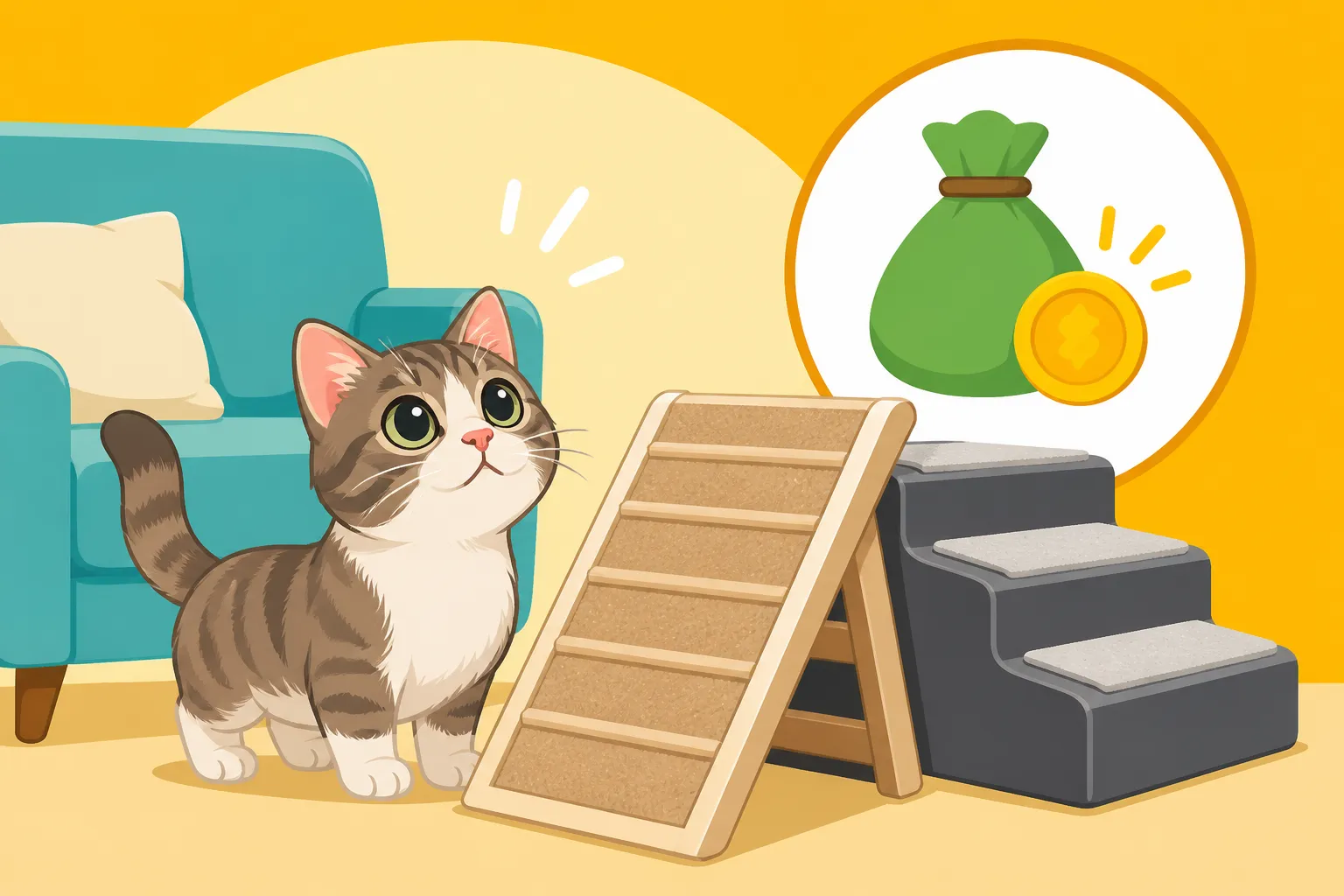
Ramps offer a gentle incline, allowing your Munchkin to ascend and descend furniture without any jarring impacts. Steps, when properly spaced and sized, can also serve as a safer alternative, creating a gradual staircase rather than a single large leap. This proactive approach significantly reduces the daily wear and tear on their delicate skeletal system, helping them maintain mobility and comfort well into their senior years. Just like you might use an ergonomic chair to protect your back, ramps are ergonomic furniture for your Munchkin, designed specifically to support their physical structure.
Ensuring Access to Their Favorite Spots
Cats, Munchkins included, thrive on being part of the family and having access to their preferred resting and viewing spots. Whether it's a sunny windowsill, the top of the sofa for a cuddle, or snuggling into bed with you, these are important aspects of their enrichment and comfort. Without ramps, your Munchkin might be excluded from these activities, leading to frustration or even accidents as they try to achieve what comes naturally to their long-legged counterparts.
A Munchkin often expresses its desire to be lifted or to reach a particular spot with persistent meows or by rubbing against your legs. While it's lovely to scoop them up, you won't always be there, and empowering them to navigate their environment independently is crucial for their confidence and overall well-being. Imagine your Munchkin waiting patiently at the edge of the bed, wanting to join you but unable to make the leap. Ramps and steps solve this, giving them the freedom to access their entire world safely and comfortably. How to Get a Munchkin Up to a Window Safely is a great example of how these simple aids enhance their quality of life.
Understanding the Different Types of Ramps and Their Costs
When you start looking into ramps for your Munchkin, you'll quickly realize it's not a one-size-fits-all situation. Just like furniture, ramps come in various styles, materials, and sizes, each impacting the overall cost. The "best" ramp isn't necessarily the most expensive, but the one that best suits your home's layout, your Munchkin's specific needs, and your budget.
Material and Construction
The material of the ramp is a primary cost driver. You'll typically find ramps made from wood, plastic, or a combination of materials.
- Plastic Ramps: These tend to be the most budget-friendly option. They are lightweight, easy to clean, and often portable. They're great for temporary solutions or for areas where you might need to move the ramp frequently. However, some plastic ramps can feel less stable or look less integrated into home decor. Look for those with good non-slip surfaces. You can often find decent plastic pet ramps on sites like Chewy that offer a wide variety of options.
- Wooden Ramps: Wood ramps generally cost more than plastic ones. They offer a more robust and sturdy feel and can often be stained or painted to match your home's aesthetic. High-quality wooden ramps are durable and can last for years. Some might even feature carpeted surfaces for extra grip, which is a big plus for a Munchkin.
- Carpeted or Upholstered Ramps/Steps: These can be made with a wooden or plastic core and then covered in carpet or upholstery fabric. The covering provides excellent traction for your Munchkin, preventing slips, and can also help absorb sound. These are often mid-to-high range in price, depending on the quality of the covering and the core material. For a Munchkin, good traction is absolutely vital. Which Surface a Munchkin's Ramp Should Have is a key consideration.
Length, Width, and Slope
The dimensions of the ramp are crucial for a Munchkin. Longer ramps provide a gentler slope, which is always preferable for their short legs and spinal health. A ramp that's too short for a high piece of furniture will be too steep, negating many of its benefits. Similarly, the width needs to be adequate for your cat to feel secure and pass comfortably.
- Length: A longer ramp means a shallower incline. For a Munchkin, a gentle slope is paramount to avoid straining their back and legs. While a regular cat might handle a steeper incline, a Munchkin needs something closer to a human's idea of a gentle slope for a long walk. This means ramps designed for much larger animals (like dogs for sofas) might actually be appropriate in terms of length for a Munchkin if the height is significant, even if they seem oversized. The longer the ramp, generally the higher the cost due to more material and more complex construction for stability.
- Width: A wider ramp provides more stability and confidence for your cat. A narrow ramp can feel precarious, especially if your Munchkin is still learning to use it. Wider ramps will naturally incur a higher cost.
- Slope/Angle: This is perhaps the most important factor for a Munchkin. You want a very gradual incline. A ramp that reaches, say, a 20-inch high bed might need to be 40-60 inches long to maintain a comfortable, safe slope. How Steep a Munchkin's Ramp Can Be delves into this in more detail, but generally, the shallower the better. Custom-built ramps or those specifically designed for very short-legged pets will factor this in, often leading to a higher price tag.
Special Features and Brands
Some ramps come with extra features that can add to the cost but also enhance usability and safety.
- Non-slip surfaces: Essential for any cat ramp, but especially for a Munchkin who needs firm footing. Textured plastic, carpet, or rubberized treads are common.
- Adjustable height: Some ramps can be adjusted to different heights, making them versatile for various furniture pieces. This can be a smart investment if you plan to move furniture or want to use the same ramp in different locations.
- Foldable/Portable design: Great for storage or travel, but the folding mechanisms can add to the price.
- Integrated steps: Some products combine ramps with shallow steps, offering a hybrid solution.
- Brand reputation: Well-known pet accessory brands or those specializing in mobility aids might have higher price points but often offer better quality and warranties. Brands found on platforms like Chewy often provide a good balance of quality and price, with detailed reviews from other pet owners.
Here's a quick overview of ramp types and their general cost implications:
| Ramp Type | Typical Materials | Best Use Case | General Cost Level | Pros | Cons |
|---|---|---|---|---|---|
| Basic Plastic | Molded plastic | Temporary, travel, low-height access | Entry-level | Lightweight, portable, easy to clean, affordable | Can feel less stable, less aesthetic, may lack traction |
| Wooden Standard | Plywood, solid wood | Permanent furniture access, indoor | Mid-range | Sturdy, durable, blends with decor, good stability | Heavier, less portable, may need added non-slip surface |
| Carpeted/Fabric | Wood/plastic core, carpet | Permanent furniture access, indoor | Mid-to-High | Excellent traction, comfortable, good aesthetics, sound dampening | Can be harder to clean, potential for wear and tear on fabric |
| Adjustable/Foldable | Wood, plastic, metal hinges | Versatile, multi-use, storage | High-range | Adaptable to various heights, easy to store/transport | More complex mechanisms can increase cost and potential failure points |
| Custom Built | Any desired material | Unique spaces, specific aesthetic | Variable/Highest | Perfect fit, tailored aesthetic, ideal slope and width | Requires DIY skills or professional builder, potentially expensive |
Factors That Influence the Cost of Munchkin Ramps
Beyond the basic materials and features, several other elements can swing the price pendulum when you're looking to buy ramps for your short-legged companion. Understanding these can help you budget effectively and choose wisely.
Pre-made vs. Custom-Built
This is one of the biggest determinants of cost.
- Pre-made ramps: These are mass-produced and readily available from pet stores, online retailers (like Chewy), and general merchandise stores. They offer convenience, a wide variety of styles, and usually come at a lower price point than custom options. The downside is that they might not be a perfect fit for every piece of furniture or every corner of your home. You might find a ramp that's a bit too steep or not quite long enough for your particular sofa height. However, for many standard uses like bed or couch access, a good quality pre-made ramp will be perfectly adequate.
- Custom-built ramps: If you have an unusually high bed, unique furniture, or a specific aesthetic you want to maintain, a custom-built ramp might be the answer. These are made to your exact specifications, ensuring the perfect length, width, and slope for your Munchkin and seamless integration with your home decor. The trade-off, of course, is cost. Hiring a carpenter or even buying specialized materials for a DIY project will be significantly more expensive than purchasing a standard pre-made option. However, the investment might be worth it for optimal safety and aesthetics. What Ramps for a Munchkin Cost to Buy can really vary here!
Quality and Durability
Just like anything else you buy, the quality of a pet ramp varies greatly.
- Cheaper options: While appealing to the wallet, very inexpensive ramps might be made with flimsier materials, less stable construction, or inadequate non-slip surfaces. They might not hold up well to daily use, especially if you have an energetic Munchkin or multiple cats. A ramp that wobbles or slips could deter your cat from using it or even cause an injury.
- Higher quality options: These ramps are built to last, using sturdier materials, secure fasteners, and superior traction surfaces. They often come with better warranties and are designed with pet safety and comfort in mind. Investing in a high-quality ramp might seem like a larger upfront cost, but it can save you money in the long run by avoiding replacements and potential vet bills from falls or joint strain. Always check reviews, particularly focusing on stability and durability, when purchasing.
Shipping and Installation
Don't forget to factor in these often-overlooked costs!
- Shipping: If you're buying online, shipping costs can add a surprising amount to the total, especially for larger or heavier wooden ramps. Some retailers, like Chewy, might offer free shipping thresholds, which can be a good way to save if you're bundling other pet supplies.
- Installation: Most pre-made ramps are designed for easy assembly, often requiring just a few screws. However, if you opt for a custom-built solution or if a pre-made ramp requires more complex setup (like anchoring it securely to a bed frame), you might need tools or even professional assistance, which adds to the overall expense. Ensuring the ramp is stable and doesn't shift when your Munchkin uses it is paramount. How to Anchor a Ramp So a Munchkin Trusts It is crucial for their confidence.
Location and Retailer
Where you buy your ramps can also impact the price. Local pet boutiques might offer specialized, higher-end ramps with personalized advice, but often at a premium. Large online retailers, on the other hand, typically have more competitive pricing and a broader selection due to higher volume. Comparison shopping across different platforms and retailers is always a good strategy to find the best deal for the quality you need.
Beyond the Initial Purchase: Related Costs for Munchkin Mobility
Buying the ramps is often just the beginning of creating a truly accessible and safe home for your Munchkin. There are other related considerations and potential costs that contribute to their overall mobility and well-being. Thinking about these comprehensively helps ensure you're fully prepared.
Ongoing Maintenance and Replacements
Ramps, especially those with carpeted surfaces, will experience wear and tear over time. Your Munchkin's claws, daily use, and even just dust and dirt will take their toll.
- Cleaning: Ramps will need regular cleaning, particularly the traction surface. If it's carpeted, you might need to vacuum or spot-clean it. Plastic or wooden ramps can be wiped down. This isn't a direct financial cost, but it's a time investment.
- Replacing non-slip surfaces: Over time, carpeted surfaces might fray or become less grippy. Plastic treads can wear smooth. You might need to replace the anti-slip material, either by reapplying new adhesive strips or recarpeting a wooden ramp. This is a recurring, albeit infrequent, cost.
- Structural repairs or replacements: If a ramp breaks or becomes unstable, it might need repairs or a full replacement. This is less likely with high-quality ramps but can happen with cheaper ones or due to accidental damage.
Maintaining your ramps ensures they remain safe and functional, protecting your initial investment and, more importantly, your Munchkin's health.
Complementary Mobility Aids and Home Modifications
Ramps are fantastic for reaching specific heights, but a Munchkin-friendly home often needs more than just ramps.
- Steps/Stairs: For lower heights, or if your Munchkin prefers a step-by-step approach, dedicated pet stairs can be a good complement to ramps. They might be used for lower chairs, cat trees with platforms that are too far apart, or even to help reach a favorite window perch. How Many Steps a Munchkin Needs to Reach a Bed is a common calculation you'll make.
- Low-entry litter boxes: Because of their short stature, traditional litter boxes with high sides can be difficult for Munchkins to enter and exit comfortably. Investing in a low-entry litter box is crucial to prevent accidents and ensure litter box hygiene. You can find many options on sites like Chewy that cater to senior cats or those with mobility issues, which are perfect for Munchkins. Which Litter Box a Munchkin Can Actually Enter is a practical consideration.
- Raised food and water bowls: Bending down too far to eat or drink can strain a Munchkin's neck and shoulders. Raised bowls elevate their mealtime, making it more comfortable and reducing strain. These are generally an affordable addition but contribute significantly to their daily comfort.
- Strategic furniture placement: Sometimes, simply rearranging furniture to create "staircases" or natural ramps can reduce the need for purchased aids. Think about placing a sturdy ottoman next to a sofa or a low bookshelf that leads up to a window. This is a cost-free "mobility aid."
- Non-slip flooring solutions: If you have hard floors like laminate or tile, your Munchkin might struggle with traction, making ramps and even just walking less secure. Investing in rugs, runners, or non-slip mats can improve their overall mobility and prevent slips and falls.
Veterinary Care and Joint Health Supplements
While ramps are preventative, some Munchkins may still develop joint issues as they age, especially if they weren't always in an optimally adapted home or have a predisposition.
- Joint Supplements: Many owners opt to put their aging Munchkins on joint supplements containing ingredients like glucosamine, chondroitin, and MSM. These can help support cartilage health and reduce inflammation. Prices vary widely depending on the brand and dosage, but it's an ongoing monthly expense to consider, particularly as your Munchkin gets older.
- Veterinary Check-ups: Regular vet visits are important to monitor your Munchkin's joint health. Your vet might recommend specific medications or treatments if arthritis develops. The cost of these check-ups, potential X-rays, and medications should be factored into your long-term budget. When a Munchkin Should Have Its Spine Imaged might be a recommendation as they age.
- Pet Insurance: This is where a company like Healthy Paws can come into play. Pet insurance can help offset the costs of unexpected veterinary care, including treatments for arthritis, spinal issues, or injuries that might arise despite your best efforts to provide a safe environment. While pet insurance itself is an ongoing monthly premium, it can be a lifesaver for larger, unforeseen medical expenses related to mobility or general health as your Munchkin ages.
By considering all these related costs and aids, you can create a truly holistic and supportive environment for your Munchkin, allowing them to live a full, happy, and comfortable life, regardless of their unique stature.
Disclaimer
This article is for general informational purposes only and does not constitute professional advice. Laws, prices and regulations vary by location and change over time. Consult a qualified professional for guidance on your specific situation.