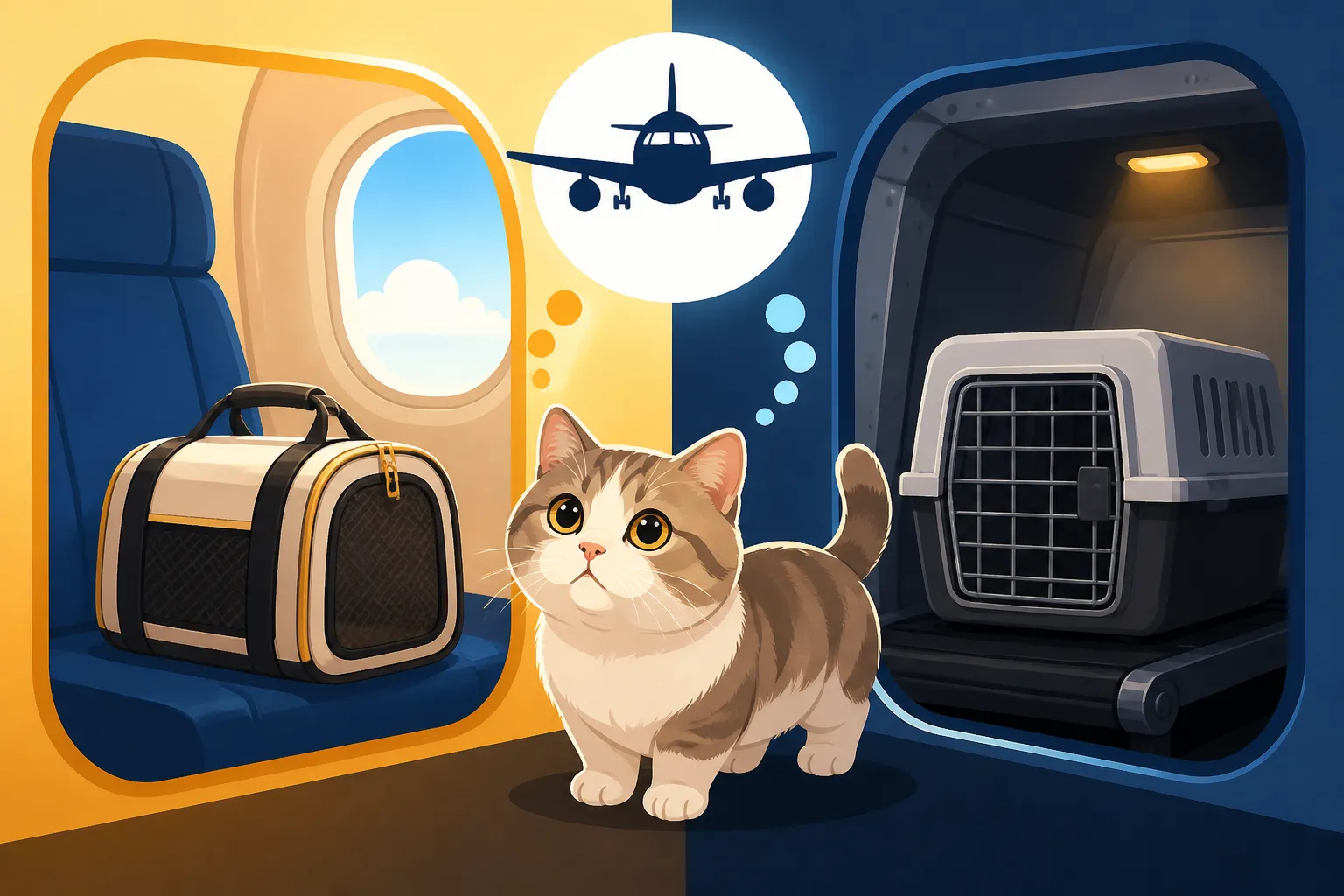
Whether a Munchkin Should Travel in the Cabin or the Hold
The thought of traveling with your beloved Munchkin cat can bring a mix of excitement and anxiety. You want to bring your furry family member along, but the sheer logistics, especially with their unique short legs and potential sensitivities, can feel overwhelming. Deciding between the cabin and the cargo hold isn't just about airline rules; it's about weighing your Munchkin's comfort, safety, and well-being against the practicalities of travel. This guide aims to help you navigate those decisions, ensuring your Munchkin has the safest and least stressful journey possible.
Understanding the Fundamental Differences: Cabin Versus Cargo
When you're planning air travel with your Munchkin, the first major hurdle is understanding the two primary options: keeping them with you in the cabin or entrusting them to the cargo hold. These aren't just different locations on the plane; they represent vastly different experiences for your cat, each with its own set of considerations for a short-legged breed.
The Controlled Environment of the Cabin
Bringing your Munchkin into the cabin with you offers the highest level of supervision and comfort. Your cat remains under your seat, safely tucked away in an approved carrier, for the duration of the flight. This means you can monitor their behavior, offer reassurance, and ensure they are experiencing a consistent environment.
Think about the feeling of knowing your pet is right there. You can feel the rise and fall of their carrier with the plane, know the temperature they're experiencing, and speak softly to them through the mesh if they seem distressed. This close proximity can significantly reduce separation anxiety for both you and your Munchkin. The cabin's climate control means no extreme heat or cold, and the ambient pressure is the same as yours. This is a huge factor for any animal, but especially for cats who can be sensitive to environmental changes. For a Munchkin, whose physical structure might make them slightly less resilient to stress than a long-legged cat, the familiar presence of their owner can make all the difference. This option prioritizes their emotional and physical comfort above all else, making it the preferred choice for many owners.
The Realities of the Cargo Hold
The cargo hold, while pressurized and temperature-controlled for live animals, is a completely different world from the cabin. Your Munchkin would travel in a separate, specially designated compartment beneath the plane, out of your sight and direct care. This can be a source of immense worry for pet parents, and for good reason.
The environment in the cargo hold, while designed for animals, is not the same as the cabin. There can be fluctuations in temperature and air pressure, especially during ground delays or transitional periods between different climates. It's also a much noisier place, with the sounds of engines, loading, and other airport operations. For a cat, particularly one that relies on its human for comfort and security, this can be incredibly disorienting and frightening. The separation from their owner can lead to significant stress, which can manifest in various ways, from excessive vocalization to hiding or refusal to eat. While Munchkins aren't typically considered brachycephalic (short-nosed) breeds which face severe breathing risks in cargo, any cat under extreme stress can experience health issues. The inherent risks of cargo travel for any animal, combined with the Munchkin's unique physical needs, make this a less-than-ideal option unless absolutely unavoidable.
Why a Munchkin's Unique Physiology Matters for Air Travel
A Munchkin isn't just a regular cat with short legs; their unique anatomy, while adorable, means that certain considerations for travel are amplified. You can't just treat them like any other cat when it comes to flying; their short stature and the way their bodies are structured need extra thought.
Stress, Short Legs, and Spinal Health During Travel
The short legs of a Munchkin cat mean their center of gravity is lower, and they move differently than long-legged cats. While they are agile and surprisingly fast on the flat, their ability to brace themselves or absorb impacts, especially in a confined, moving space like an airplane, might differ. During turbulence or unexpected jostling, a long-legged cat might be able to shift its weight or stretch more effectively within its carrier. A Munchkin, with its unique gait and structure, may find it harder to adjust or might put more strain on its back and joints if jostled repeatedly. You should always be mindful of Why a Munchkin's Spine Carries a Load a Normal Cat's Does Not.
Beyond the physical, stress itself is a major factor. Cats are creatures of habit, and being removed from their familiar environment, even for a short trip, can be incredibly stressful. For a Munchkin, this stress can be compounded by confinement in a carrier for extended periods, especially if they are separated from their owner in the cargo hold. Extreme stress can lead to gastrointestinal upset, suppression of the immune system, and exacerbate any underlying health issues. While a Munchkin's legs are short, their spine is of normal length, and maintaining its health is paramount. Proper carrier size, familiar bedding, and the calming presence of their owner can significantly mitigate these risks.
Temperature Sensitivity and Grooming Needs
Cats are generally sensitive to temperature extremes. While Munchkins don't have the same brachycephalic breathing concerns as some short-nosed breeds, prolonged exposure to either very cold or very hot temperatures can still be dangerous. The cabin environment is maintained for human comfort, offering a stable and safe temperature range. The cargo hold, despite being regulated, can experience wider fluctuations, particularly during loading, unloading, and ground delays, which can be critical.
Another often overlooked aspect relates to their grooming needs. Munchkins, particularly long-haired varieties or those with certain body conformations, can struggle to groom their hindquarters effectively. You might find yourself needing to groom the half of a Munchkin it cannot reach. If your Munchkin is traveling in cargo and is highly stressed, they might soil themselves and be unable to clean up, leading to discomfort and potential skin issues. The lack of ability to reach to groom themselves after using the litter box in their carrier, or if they have an upset tummy, could turn a stressful journey into an unhygienic and uncomfortable ordeal. This means ensuring they are as clean as possible before travel and considering a hygiene trim if they have longer fur, perhaps with products from a brand like Chewy, to help manage cleanliness during the journey.
Navigating Airline Regulations and Pet Policies
The biggest hurdle for many pet owners isn't just deciding between cabin and cargo, but understanding the labyrinth of airline rules and regulations. Every airline has its own specific policies for traveling with pets, and these can change frequently. It's not a "one size fits all" situation, especially when your furry companion is a Munchkin.
Airline-Specific Requirements for Cabin Travel
If you're hoping for your Munchkin to travel with you in the cabin, you'll need to do your homework. Each airline sets strict limits on the size and weight of the carrier, including the cat inside, that can fit under the seat in front of you. These dimensions are non-negotiable, and if your carrier or cat exceeds them, they won't be allowed. Typically, carriers must be soft-sided, well-ventilated, and large enough for your Munchkin to stand up, turn around, and lie down comfortably. Remember, Why a Munchkin Cannot Make the Kitchen Counter means they are generally lower to the ground, so finding a carrier that allows them to stand without hitting their head, but is still flexible enough to fit under a seat, is key.
You'll also need to be aware of the booking process. Most airlines limit the number of pets allowed in the cabin per flight, so early reservation is crucial. Many will require a specific pet fee. It's also important to note that while your cat is in the cabin, they must remain in their carrier at all times. This can be challenging for some cats, so acclimating them to their carrier well in advance is paramount. Don't forget the necessary health certificates – usually issued by a licensed veterinarian within a specific timeframe before your flight – proving your Munchkin is fit to travel and up-to-date on vaccinations. Check with your airline well ahead of your travel date for their precise requirements, as these can vary significantly.
Airline-Specific Requirements for Cargo Travel
Considering cargo for your Munchkin introduces a whole new layer of complexities and concerns. Airlines have very stringent rules for pets traveling in the hold, primarily focused on safety and welfare. These include specific crate requirements – usually hard-sided, well-ventilated, and large enough for your cat to stand naturally, turn around, and lie down. There are also precise labeling requirements for the crate itself.
One of the most critical aspects is temperature embargoes. Airlines often refuse to transport animals in cargo during periods of extreme heat or cold at either the departure or arrival airport, or any connecting city. This is to protect the animals from dangerous temperature fluctuations. Given that a Munchkin, like any cat, is susceptible to these extremes, these embargoes can severely restrict travel options. Additionally, many airlines have breed restrictions, often aimed at brachycephalic breeds, but it's vital to confirm that Munchkins are not included in any general "short-legged" category that might raise red flags for cargo travel. Sedation for cargo travel is generally advised against by veterinarians due to potential respiratory and cardiovascular problems at altitude, and many airlines will not accept sedated animals. You will need a comprehensive veterinary health check and certificates completed within a very short window of your flight, often just days beforehand. Knowing How Often a Healthy Adult Munchkin Needs Checking will give you a good rhythm for these pre-travel vet visits. Be sure to confirm Whether a Munchkin Is a Normal Anesthetic Risk if you are even considering any calming medication with your vet.
| Feature / Consideration | Cabin Travel | Cargo Travel |
|---|---|---|
| Supervision | Direct & constant by owner | None by owner, airline staff supervision |
| Environment | Pressurized, climate-controlled (human comfort) | Pressurized, climate-controlled (animal comfort) |
| Temperature Stability | High | Can have more fluctuations, esp. during loading/unloading |
| Noise Levels | Relatively low | High (engine, ground operations, other animals) |
| Stress Factors | Less separation anxiety, familiar presence | High separation anxiety, unfamiliar environment |
| Carrier Type | Soft-sided, flexible, fits under seat | Hard-sided, rigid, IATA compliant |
| Size/Weight Limits | Strict, varies by airline, typically small | More lenient on size, but total weight limits apply |
| Health Certificates | Required, usually within 10 days of travel | Required, usually within 10 days of travel |
| Sedation | Discouraged by vets, often not allowed | Strongly discouraged by vets, often not allowed |
| Access to Pet | Yes (for reassurance) | No |
| Cost | Pet fee, typically lower | Often higher, plus special crate costs |
| Overall Risk for Munchkin | Lower (due to owner presence, stable environment) | Higher (due to stress, less predictable environment) |
Health Certifications and Pre-Travel Vet Visits
Regardless of whether your Munchkin flies in the cabin or cargo, a pre-travel veterinary visit is non-negotiable. This isn't just about ticking a box; it's about ensuring your cat is healthy enough for the stresses of travel. Your vet will perform a thorough examination, confirming vaccinations are up-to-date and checking for any underlying health conditions that could be exacerbated by flying. They'll issue a health certificate, a document required by all airlines, stating your Munchkin is fit for travel. The timing of this certificate is crucial, as it usually needs to be issued within a very short window—often 10 days, sometimes even less—of your departure date.
During this visit, it's also a good time to discuss any concerns you have, such as travel anxiety. Your vet might suggest calming pheromone sprays or other gentle aids, but generally, sedation is not recommended due to the potential for respiratory or cardiovascular issues at altitude. Having a robust pet insurance plan, such as one from Healthy Paws, in place is also a smart move. While we all hope for smooth travels, emergencies can happen, and knowing you have coverage for unexpected vet bills—especially when considering potential issues like spinal stress or respiratory distress from travel—can provide immense peace of mind. Ensure you understand what Whether Pet Insurance Covers a Munchkin's Spine before travel.
Preparing Your Munchkin for the Journey
Even if you’ve decided on the safest travel option, the journey itself can be a significant event for your Munchkin. Thoughtful preparation is key to minimizing stress and ensuring their comfort and safety.
Carrier Acclimation: Making Their Travel Home Comfortable
One of the most effective ways to reduce travel stress is to make your Munchkin's carrier a familiar and positive space long before the travel day. Don't just pull it out from the back of the closet an hour before you leave! Instead, leave the carrier open in a common area of your home, perhaps with a soft blanket, a favorite toy, or even some treats inside. Encourage your Munchkin to explore it at their leisure. You can place their regular food bowl or a special treat, like a lickable paste, inside to create positive associations.
For a Munchkin, the carrier should be appropriately sized, allowing them to stand, turn around, and lie down comfortably without excessive space that might cause them to be jostled too much. A familiar blanket or an old t-shirt with your scent can provide immense comfort. Brands like Chewy offer a wide range of carriers, from soft-sided to rigid, so you can find one that perfectly fits both airline requirements and your Munchkin's comfort. The goal is for your cat to view the carrier not as a prison, but as a safe, cozy den, a little slice of home they can retreat into during a potentially overwhelming experience.
Food, Water, and Potty Prep for Travel
Managing food and water intake before and during travel requires a delicate balance. Generally, it's recommended to feed your Munchkin a light meal about 4-6 hours before travel, and then withhold food until after you've reached your destination. This helps prevent nausea and vomiting during the flight. Water, however, should be offered up until departure. A travel water bowl that attaches to the carrier or a spill-proof dispenser can be invaluable during layovers or once you've landed.
For potty breaks, line the carrier with an absorbent pad or a thin layer of shredded paper or a familiar, lightweight litter, though many airlines prefer just absorbent padding. While your cat should be in a clean carrier at the start of the journey, accidents can happen, especially with stress. Given that Why a Munchkin's Belly Nearly Touches the Floor, they might also be more prone to getting soiled if they do have an accident. Pack a small, sealable bag with extra absorbent pads, wet wipes (cat-safe!), and a few small plastic bags for waste disposal. This ensures you can clean up quickly and minimize discomfort if an accident occurs. You might consider small portions of their regular diet in travel-friendly packaging for immediate post-flight comfort.
Calming Aids and Strategies
While avoiding sedation is generally recommended by veterinarians, there are other strategies and calming aids that can help reduce your Munchkin's stress during travel. Pheromone sprays, such as those that mimic natural feline calming pheromones, can be sprayed into the carrier about 15-30 minutes before your cat enters. These create a sense of familiarity and security in a new environment.
You might also discuss with your vet if a mild, non-sedating anti-anxiety supplement is appropriate for your particular Munchkin, though again, heavy sedation is rarely advised for air travel. For a Munchkin, who can sometimes be quite vocal when they want attention or are feeling out of sorts, having these calming tools can be a godsend. During the flight, if your Munchkin is in the cabin, you can drape a light blanket over part of the carrier to create a darker, more den-like space, further reducing visual stimulation and promoting a sense of security. Your comforting voice, even if they can't see you, can also provide immense reassurance. Remember, What a Munchkin Does When It Cannot Get Away is often to seek comfort or hide, so providing a safe haven within the carrier is crucial.
Choosing the Best Option for Your Munchkin
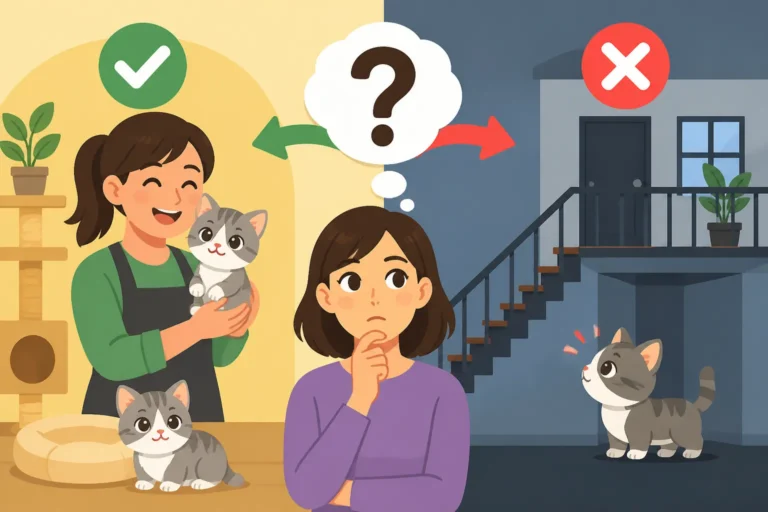
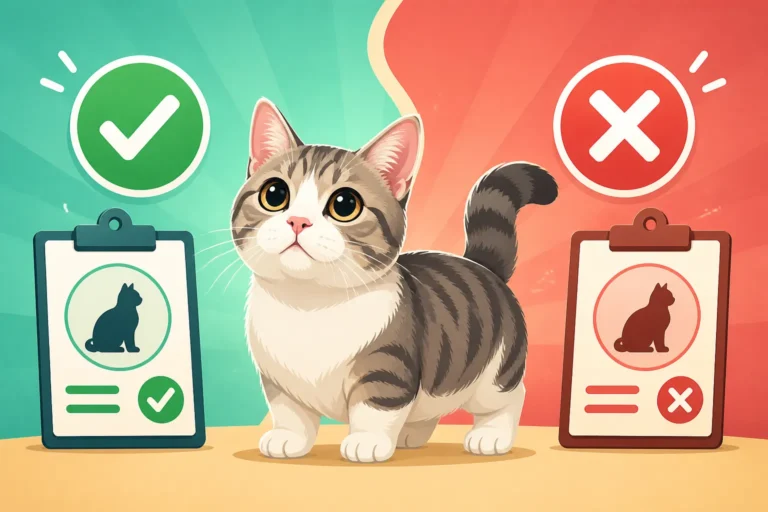
Ultimately, the decision to travel with your Munchkin in the cabin or the cargo hold boils down to an informed assessment of risks versus benefits, always prioritizing your cat's health and well-being.
Why Cabin Travel Is Generally Preferred for Munchkins
For most Munchkin owners, cabin travel is the overwhelmingly preferred option, and for very good reason. The ability to keep your cat with you, directly under your seat, offers unparalleled peace of mind and control over their environment. You can monitor their breathing, listen for signs of distress, and offer quiet reassurance. The stable climate-controlled environment of the cabin is far less stressful than the potential temperature fluctuations and noise of the cargo hold.
For a Munchkin, whose physical structure may imply certain vulnerabilities (even if not strictly medical), minimizing stress is paramount. The emotional comfort of being near their human companion can make the difference between a terrifying ordeal and a manageable, if not enjoyable, experience. Why a Munchkin Should Never Be Let Outdoors applies similarly to placing them in an unfamiliar, uncontrolled environment like a cargo hold – it increases their vulnerability significantly. If your Munchkin can fit within the airline's size and weight limits for in-cabin carriers, this should almost always be your first choice.
When Cargo Travel Might Be Unavoidable and How to Prepare
Sometimes, despite all best intentions, cargo travel might be the only option. Perhaps your Munchkin is too large for cabin limits, or you're moving internationally and cabin travel isn't feasible for the entire journey. If cargo is unavoidable, preparation becomes even more critical.
Firstly, choose your airline wisely. Research their pet safety records and understand their specific animal transport policies down to the smallest detail. Opt for direct flights whenever possible to minimize handling and stress. Schedule your flight during cooler parts of the day in summer, or warmer parts in winter, to avoid temperature extremes during ground transport. Ensure the crate is IATA compliant, clearly labeled, and equipped with a leak-proof bottom, absorbent bedding, and a water dispenser. Attach a "Live Animal" sticker and your contact information prominently. Feed a light meal several hours before, and place a familiar, unwashed item of your clothing in the crate for comfort. Inform airline staff at check-in and again at the gate that your Munchkin is traveling in the cargo hold. While it's a less-than-ideal scenario, meticulous preparation can help mitigate some of the inherent risks. Remember, a comprehensive vet check-up, as part of How Often a Healthy Adult Munchkin Needs Checking, is vital immediately before travel.
Considerations for International Travel
When you cross borders with your Munchkin, the complexity ratchets up significantly. International travel with pets involves a dizzying array of regulations that can vary dramatically from one country to another.
Country-Specific Import Regulations
Every country has its own set of rules for importing animals, and these are often far more stringent than domestic airline policies. These regulations typically include specific vaccination requirements (such as rabies), microchipping, parasite treatments, and often blood tests to prove immunity. Many countries require an international health certificate, endorsed by a government veterinarian, which can take weeks or even months to process. Some nations have quarantine periods, which means your Munchkin might be separated from you upon arrival for a set amount of time, sometimes for weeks or even months.
Research these requirements meticulously for both your destination country and any transit countries. Start this process months in advance, as some vaccinations or blood tests have waiting periods before travel is permitted. For example, some countries require a rabies titer test and then a three-month waiting period after the blood is drawn. This isn't a quick process you can rush. Missing even one tiny detail can result in your Munchkin being denied entry, quarantined, or even sent back to your origin country, which would be incredibly traumatic for everyone involved.
Planning for Layover and Transit Points
Layover and transit points are often the most stressful parts of international travel for pets. This is where mishandling, missed connections, or exposure to temperature extremes are most likely to occur. If your Munchkin is traveling in cargo, their crate might be moved between different planes, potentially sitting on a tarmac for extended periods.
Whenever possible, opt for direct flights to your international destination. If a layover is unavoidable, choose an airport known for its pet-friendly facilities or animal care services. Verify that the airline has procedures in place for monitoring animals during layovers, especially in extreme weather conditions. Consider whether a very long layover might actually be beneficial if it allows your Munchkin to be removed from the cargo hold and placed in a sheltered area, if such services are available through the airline or a specialized pet transport company. Always ensure all documentation is securely attached to your Munchkin's carrier and easily accessible. Long journeys like these highlight the importance of careful planning, from the initial vet visit to the final arrival, and understanding What a Munchkin Owner Regrets Not Budgeting For can help you anticipate additional costs for specialized services.
Disclaimer
This article is for general informational purposes only and does not constitute professional advice. Laws, prices and regulations vary by location and change over time. Consult a qualified professional for guidance on your specific situation.