How Much a Kinkalow Costs Against a Munchkin
It’s perfectly natural to be curious about the costs associated with unique and distinctive cat breeds like the Munchkin and the Kinkalow. When you’re looking to welcome one of these adorable felines into your home, it’s easy to get lost in the numbers and wonder why there can be such a significant difference in price, especially when both are known for their charming short legs. This guide will walk you through the factors that influence the purchase price and ongoing expenses for both Munchkin cats and their Kinkalow cousins, helping you understand the real financial commitment involved.
Understanding the Foundation: The Munchkin's Cost
Let's start with the delightful Munchkin, the foundation breed for many other short-legged varieties. The initial cost of a Munchkin kitten can feel like a considerable investment, and it truly is. These prices reflect the breeder's dedication, the lineage of the cats, and the specific physical traits of the kitten itself. It's not just about getting a cat; it's about acquiring a well-cared-for animal from a reputable source.
Factors Influencing a Munchkin Kitten's Price
Several elements play a huge role in how much you'll pay for a Munchkin kitten. It's rarely a single, flat fee because each kitten is unique, and so is its genetic makeup and potential.
Leg Length and Conformation
One of the most defining characteristics of a Munchkin is, of course, its short legs. Breeders often classify Munchkins by the degree of their dwarfism, which can affect the price. Kittens with extremely short legs, sometimes called "Rug Huggers," tend to command higher prices due to their distinctive appearance and often higher demand. This is because they most closely align with the aesthetic that many buyers seek. Conversely, a Munchkin kitten from the same litter that inherits normal-length legs, often referred to as a "long-legged Munchkin," will typically cost less than its short-legged siblings. They carry the Munchkin gene but don't express the short-legged trait, making them unsuitable for show but still wonderful pets. What a Long Legged Munchkin From the Same Litter Costs Less explores this price disparity in detail. The overall conformation, meaning how well the kitten's body structure aligns with the breed standard set by organizations like TICA, also influences pricing. A kitten with excellent conformation and proportionate body length to leg height will naturally be more valuable to a breeder or show enthusiast.
Breeder Reputation and Pedigree
A breeder's reputation is paramount, and it directly impacts the price. Reputable breeders invest heavily in the health and well-being of their breeding cats, including genetic testing for common feline diseases and ensuring proper veterinary care throughout pregnancy and kittenhood. They also often register their cats with recognized associations like The International Cat Association (TICA), providing official pedigrees. These papers verify the kitten's lineage and guarantee it comes from healthy, screened parents. You'll find that Why Munchkin Prices Sit Between One and Three Thousand is largely due to these meticulous practices. A breeder who can provide health guarantees, proof of vaccinations, and a clean bill of health from a vet, along with socialization for their kittens, will justifiably charge more. It’s an investment in a healthy, well-adjusted companion, and you really do get what you pay for in terms of peace of mind.
Rarity of Color or Coat Type
While leg length is the primary driver, unusual coat colors, patterns, or lengths can also add to a Munchkin's price. For example, a rare chocolate point or a longhaired Munchkin (sometimes called a "Poshkin") might cost a bit more if it's less common in a breeder's lines. However, these are secondary factors compared to the core defining trait of leg length. Most importantly, avoid any breeder advertising "Teacup Munchkins" or "Dwarf Munchkins" as specific categories, as these are often marketing terms rather than recognized types and can sometimes indicate less reputable practices aiming to capitalize on perceived 'cuteness' rather than healthy breeding.
Introducing the Kinkalow: A Hybrid's Price Tag
Now, let's talk about the Kinkalow. This breed is a wonderful example of combining unique traits, and its price reflects not just its rarity but the complexity of breeding a cat with two distinct genetic mutations.
The Double Distinction: Munchkin + American Curl
A Kinkalow is essentially a hybrid cat, a fascinating cross between a Munchkin and an American Curl. This means it inherits the signature short legs of the Munchkin and the distinctive curled-back ears of the American Curl. It’s a truly striking combination, giving the Kinkalow a whimsical, almost elf-like appearance that many find irresistible. The rarity of finding a cat that consistently displays both these dominant traits in a healthy manner makes the Kinkalow a more specialized and, consequently, more expensive breed than a purebred Munchkin. Breeders working with Kinkalows are managing two separate genetic characteristics, which requires extensive knowledge of genetics and careful breeding programs to ensure the health and well-being of the kittens.
The Influence of Two Mutations
The Kinkalow's higher price tag often stems from the fact that breeders are specifically trying to produce kittens with both the short-legged mutation (from the Munchkin) and the curled-ear mutation (from the American Curl). This isn't always a straightforward process. Not every kitten in a Kinkalow litter will inherit both traits, or even one of them perfectly. Some might have straight ears, some might have long legs, and some might have neither. This makes the "double-feature" kittens with both curled ears and short legs quite special and in high demand, thus increasing their value. The ethical implications of breeding cats with two skeletal mutations are also a consideration for many, making it a topic of discussion among feline enthusiasts and veterinarians. Understanding What Two Skeletal Mutations Do to One Munchkin is crucial for any potential Kinkalow owner.
Rarity and Demand
Kinkalows are far less common than Munchkins. There are fewer breeders, and the litters tend to be smaller, with fewer kittens exhibiting the desired combination of traits. This scarcity, coupled with their unique appearance, drives up demand considerably. When supply is low and demand is high, prices naturally follow suit. Potential owners are often prepared to pay a premium for such a distinctive and rare companion. Finding a breeder who is genuinely focused on health and temperament, rather than just marketability, is absolutely essential when considering a Kinkalow.
Comparing the Price: Kinkalow vs. Munchkin
So, how do these breeds stack up against each other in terms of initial cost? While individual prices can vary wildly based on location, breeder, and specific kitten traits, we can look at the general trends and factors that contribute to their differing price points.
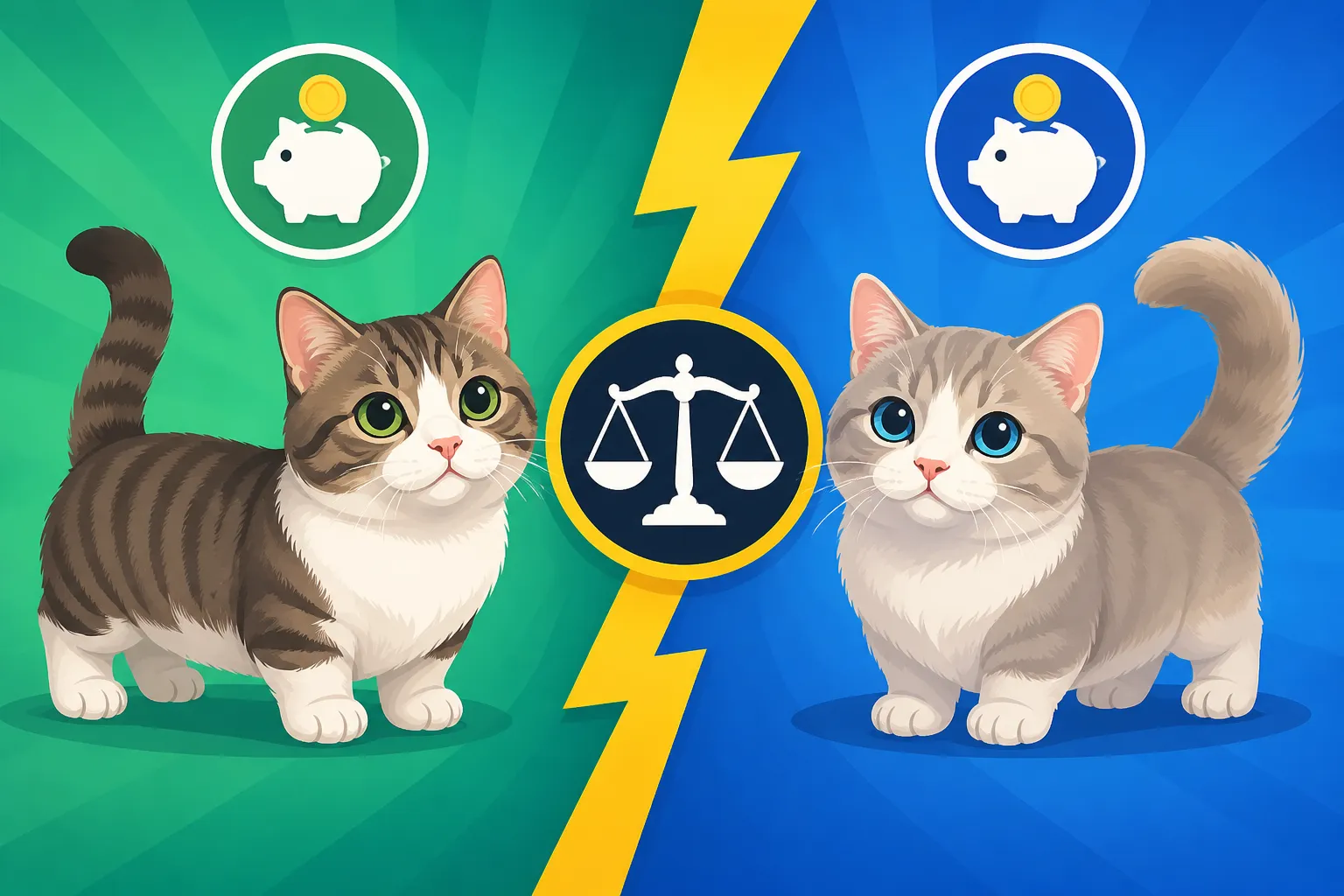
Generally speaking, you can expect a Kinkalow kitten to cost more than a Munchkin kitten. This isn't just because they are "cuter" (though many would argue they are!). It's a reflection of the breeding complexity, the inherent rarity, and the specific genetic traits being sought.
Here's a simplified comparison of factors that often influence their initial purchase price:
| Factor | Munchkin | Kinkalow |
|---|---|---|
| Primary Defining Trait(s) | Short legs (chondrodysplasia) | Short legs (chondrodysplasia) AND Curled ears |
| Breeding Complexity | Manage one dominant gene (Munchkin) | Manage two dominant genes (Munchkin & American Curl) |
| Breed Rarity | Moderate (relatively well-established) | High (newer, niche hybrid breed) |
| Demand for Desired Traits | High for short legs, especially "rug huggers" | Very high for both short legs and curled ears |
| Genetic Screening Needs | Standard feline health, spinal checks | Standard feline health, spinal checks, ear checks |
| Average Purchase Price Shape | Higher end for recognized breeds | Typically significantly higher than purebred Munchkins |
This table illustrates why the Kinkalow generally sits at a higher price point. You're essentially paying for the successful combination and manifestation of two unique genetic traits in one kitten, a process that requires more specialized breeding efforts and often yields fewer specific-trait kittens per litter.
Beyond the Purchase Price: Lifetime Costs and Considerations
The initial cost of buying a Munchkin or Kinkalow kitten is just the beginning of your financial journey. Owning these unique breeds comes with specific ongoing needs that can add up over their lifespan, which can typically be 12 to 15 years for a healthy Munchkin. The Twelve to Fifteen Years a Munchkin Usually Gets is a good read if you're curious about their general longevity.
Health and Veterinary Care
Both Munchkins and Kinkalows have genetic traits that require careful monitoring and potentially specialized veterinary care throughout their lives. This is where a realistic budget for vet expenses truly comes into play.
Munchkin-Specific Health Concerns
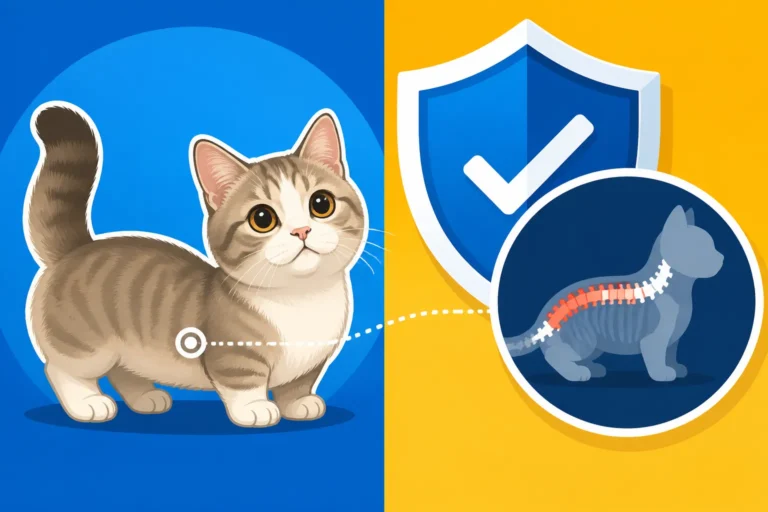
Munchkins, due to their short legs, can be prone to certain skeletal and spinal issues. Conditions like lordosis (an inward curvature of the spine) and pectus excavatum (a sunken chest) are sometimes seen in the breed. While not every Munchkin will develop these, reputable breeders screen for them, and watchful owners should be aware. Regular veterinary check-ups are crucial to catch any potential issues early. For instance, Lordosis Is the Spinal Curve the Munchkin Argument Is About and Pectus Excavatum and the Munchkin's Sunken Chest detail these conditions. As they age, joint health also becomes a more prominent concern because their short legs mean their joints bear weight differently. This might necessitate joint supplements or specific pain management later in life.
Kinkalow-Specific Health Concerns
Kinkalows inherit the potential for Munchkin-related issues, meaning you're looking at similar concerns regarding their spine and joints. Additionally, while American Curls are generally a very healthy breed, their unique ear structure means you need to be mindful of careful handling and routine ear checks to ensure no dirt or wax builds up in the crevices. You really don't want to compound any existing issues. This is why Why Munchkin Hybrids Stack Two Mutations is such an important topic for Kinkalow owners to understand, as it highlights the combined potential for genetic predispositions. Regular vet visits for a Kinkalow might include extra attention to ear health in addition to skeletal assessments. Pet insurance can be a real lifesaver here. Companies like Healthy Paws offer plans that can help cover unexpected veterinary bills, potentially including those related to genetic predispositions if the policy is purchased before symptoms arise. It's a proactive step that can save you significant stress and money down the line.
Environmental Adaptations and Supplies
Your home environment will need to be adapted to ensure the comfort and safety of both a Munchkin and a Kinkalow. These adaptations are not luxuries but necessities for their quality of life.
Ramps and Steps
Because of their short legs, these cats can't jump as high as a typical feline. This means you'll need to provide ramps or pet stairs to help them access furniture like sofas, beds, and windowsills. Ramps and Steps Are Munchkin Equipment, Not Luxuries emphasizes how vital these are. Investing in good quality, stable ramps or steps is essential, and this can be an ongoing cost, especially if you have multiple access points in your home. They can range from simple carpeted steps to more elaborate custom-built ramps.
Low-Entry Litter Boxes and Feeding Stations
Their low stature also means standard litter boxes can be difficult or uncomfortable to enter, leading to accidents outside the box. Low-entry litter boxes are a must. Similarly, food and water bowls should be easily accessible without requiring them to stretch their neck or crouch uncomfortably, which can put strain on their spine. Raised food bowls that are still low enough for them to reach easily are a great solution, helping to ease any potential shoulder strain. Many pet supply stores, like Chewy, offer a wide range of accessible litter boxes and ergonomic feeding stations designed for cats with mobility challenges or unique builds, making it easier to find appropriate options.
Food, Grooming, and Weight Management
Diet and grooming are also important considerations, especially for these breeds.
Nutritional Needs
Both Munchkins and Kinkalows will benefit from high-quality cat food. Given their potential for joint issues and their slightly lower activity levels compared to a long-legged cat (because they can't jump as much), weight management is absolutely critical. Why Weight Control Is the Whole Munchkin Care Plan highlights this perfectly. Even a small amount of excess weight can put undue strain on their spines and short legs, exacerbating any predispositions to joint problems. Portion-controlled meals tailored to your cat's specific caloric needs can help maintain a healthy weight.
Grooming Requirements
Their short legs can make self-grooming challenging, particularly for their hindquarters. This means you, as the owner, will need to take on a more active role in their grooming routine. For both short-haired and long-haired varieties, regular brushing is essential to prevent mats and keep their coat healthy. Pay special attention to their belly and rear end, as these areas are harder for them to reach. For Kinkalows, the curled ears might need gentle cleaning to prevent wax buildup, which can also be part of the routine grooming. Sometimes, a "sanitary clip" around the hindquarters by a professional groomer is necessary to prevent hygiene issues.
Disclaimer
This article is for general informational purposes only and does not constitute professional advice. Laws, prices and regulations vary by location and change over time. Consult a qualified professional for guidance on your specific situation.