What Feeding a Cat That Burns Less Costs Monthly
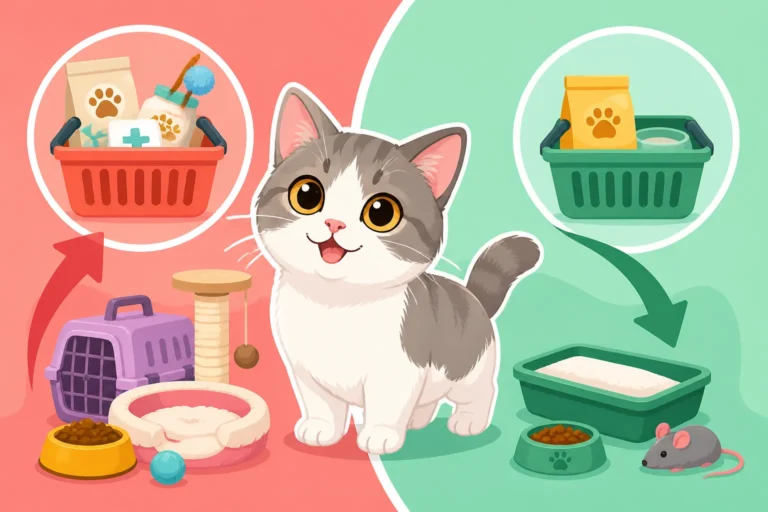
It's easy to assume that a smaller cat, especially one with adorable short legs like a Munchkin, would naturally eat less and cost less to feed each month. But the reality is often a bit more nuanced. While a Munchkin might consume a smaller volume of food compared to a towering Maine Coon, their unique physiology means their dietary needs are incredibly specific, and neglecting these can lead to far greater costs down the line. This guide will walk you through what to expect when budgeting for your Munchkin's monthly meals, from calorie requirements to choosing the right kind of food to keep them healthy and happy.
The Unique Calorie Needs of a Munchkin Cat
Understanding your Munchkin's energy expenditure is the first step to figuring out their feeding costs. These delightful little cats aren't burning calories in the same way their long-legged counterparts do, and that has a direct impact on what and how much they should eat.
Why Their Build Changes Everything
Think about a standard cat. They leap, they jump, they climb tall cat trees, and they stretch to incredible lengths. All of these activities burn a significant amount of energy. Now picture your Munchkin. Their short legs mean they can't achieve the same vertical feats. They might be incredibly agile and fast on the flat, but they're not expending energy by soaring onto high shelves or scaling tall furniture in a single bound. This difference in movement patterns directly translates to a lower overall caloric burn.
Because they naturally move closer to the ground and have less vertical reach, a Munchkin's daily activity often involves more scuttling and less jumping. They compensate for their short legs with incredible speed and clever navigation, using furniture as steps rather than making direct jumps. This means their resting metabolic rate might be similar to other cats of their size, but their active metabolic rate is generally lower. Consequently, the total calories they need to maintain a healthy weight are less than what a long-legged cat of the same body weight would require. This is why it's so important to understand Why a Munchkin Burns Less Than a Normal Legged Cat – it sets the stage for their entire feeding plan.
The Real Danger of Overfeeding
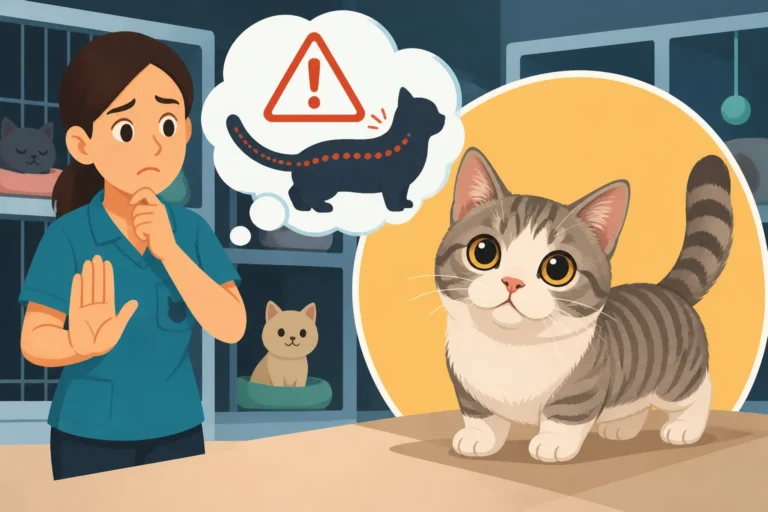
Given their lower caloric needs, it's incredibly easy to accidentally overfeed a Munchkin. A portion size that might seem perfectly reasonable for an average domestic cat can quickly become excessive for a short-legged one. And the consequences of even a little extra weight on a Munchkin are far more severe than on a normal-legged cat. Their unique skeletal structure, particularly their spine and joints, is not designed to carry additional load.
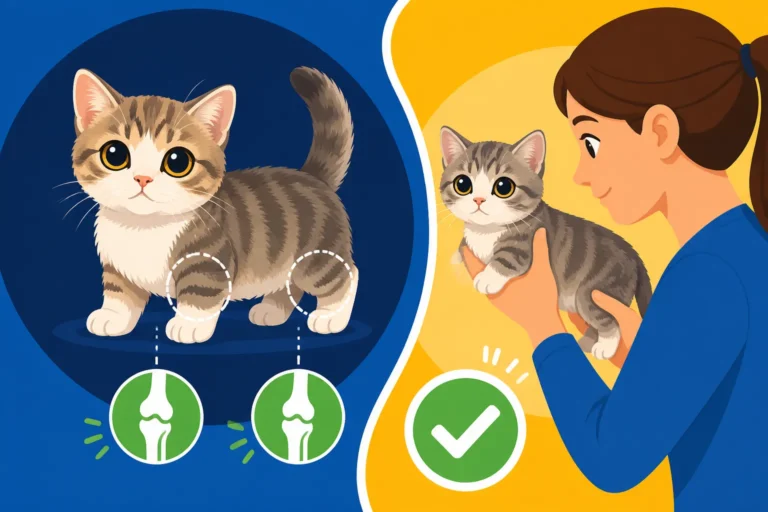
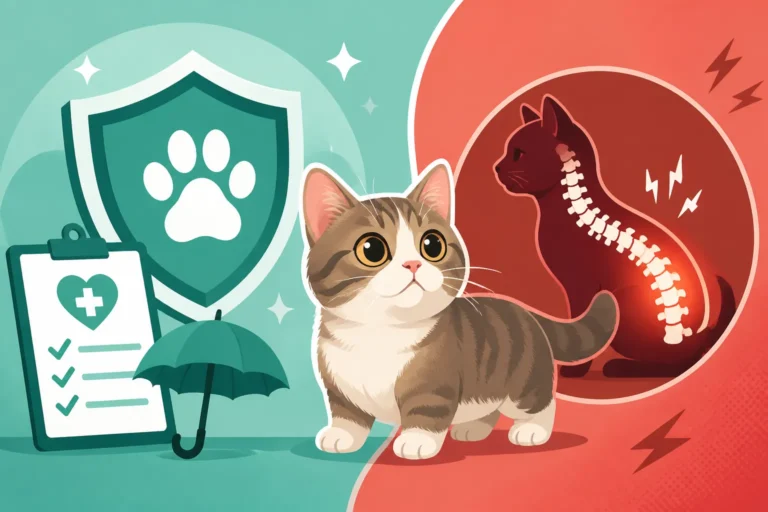
Imagine trying to carry a heavy backpack all day, every day, while already having a compromised posture. That's what extra weight can feel like for a Munchkin. Even a small increase in body fat can put immense strain on their delicate spines, leading to discomfort and potentially exacerbating conditions like lordosis or disc issues. Their front legs, which take much of the impact when they move, are also highly susceptible to premature wear and tear from carrying excess weight, potentially leading to earlier onset of arthritis. This isn't just about aesthetics; it's about serious health implications. Overfeeding can transform a healthy, active Munchkin into one struggling with pain and mobility issues, which then leads to significantly higher veterinary costs down the line. It's truly a situation where Why Every Extra Gram Lands on a Munchkin's Spine becomes a critical consideration for every owner. Neglecting this crucial aspect means setting your beloved pet up for avoidable suffering and expensive treatments.
Understanding Nutritional Requirements for a Munchkin
While they need fewer calories overall, the quality of those calories becomes even more paramount for a Munchkin. Their diet isn't just about sustenance; it's about providing targeted support for their unique physical needs.
Prioritizing High-Quality Protein and Ingredients
Even though a Munchkin needs fewer calories, they still need all the essential nutrients for a healthy, active life. In fact, because they burn fewer calories, the density of nutrients in their food becomes incredibly important. A high-quality, protein-rich diet is crucial for maintaining lean muscle mass, which helps support their skeletal structure. Protein is the building block for muscles, and strong muscles can offer better support to their spine and joints.
When we talk about “high-quality,” we mean food where the primary ingredients are identifiable animal proteins like chicken, turkey, or fish, rather than vague “meat by-products” or excessive fillers like corn or soy. These premium ingredients are more digestible and offer a fuller spectrum of amino acids, which are vital for a cat's health. While these foods might come with a higher price tag per bag, remember that you'll be feeding smaller portions. Investing in food with excellent ingredients means your Munchkin is getting more nutritional bang for their caloric buck. This strategic choice helps ensure Which Protein Level Holds a Munchkin's Muscle On, keeping them strong and less prone to issues caused by poor nutrition. It's about providing the best possible fuel for their unique bodies.
The Role of Joint-Supporting Nutrients
Given the inherent strain on a Munchkin's joints and spine due to their short legs and the way they move, proactive joint support through their diet is not just a good idea—it's often essential. Many premium cat foods now include ingredients specifically aimed at joint health, such as glucosamine and chondroitin. These compounds are natural components of healthy cartilage and connective tissue, and supplementing them can help maintain joint function and reduce inflammation. Omega-3 fatty acids, often derived from fish oil, are another excellent addition for their anti-inflammatory properties, which can be particularly beneficial for aging or active Munchkins.
While these ingredients add to the cost of the food, think of it as an investment in your cat's long-term mobility and comfort. Choosing a food that is already fortified with these elements means you might not need to add separate supplements, simplifying their feeding routine and potentially saving you money on standalone products. However, some vets might still recommend additional supplements, especially as your Munchkin ages. It's always a good idea to discuss this with your veterinarian to tailor the best approach for your individual cat. Prioritizing Which Food Suits a Munchkin's Joints now can potentially delay or reduce the severity of joint problems later, ultimately saving you on future veterinary bills for pain management or mobility aids.
Strategies for Budgeting Munchkin Feeding Costs
Feeding a Munchkin doesn't have to break the bank, but it does require a mindful approach to portion control and smart shopping. Thinking strategically about how you buy and serve their food can lead to significant savings and better health outcomes.
Portion Control and Measured Feeding
This is arguably the most critical aspect of managing a Munchkin's diet and, by extension, your feeding budget. As we've discussed, Munchkins burn fewer calories, making them particularly susceptible to weight gain. Free-feeding, where food is left out all day, is an absolute no-go for these cats. It almost guarantees overconsumption and the associated health problems. Instead, every Munchkin owner should commit to precise, measured meals.
Using a kitchen scale to weigh out their kibble or wet food portion daily is the most accurate method. Eyeballing it with a scoop is often inaccurate and can lead to feeding hundreds of extra calories over the course of a month without you even realizing it. While investing in a high-quality food might mean a higher cost per pound, the fact that you'll be feeding smaller, carefully measured portions means a bag or can will last longer than you might expect. For example, a 5-pound bag of premium kibble might last a Munchkin several months, whereas a normal-legged cat might go through it in a month or two. This diligent approach not only keeps your Munchkin at a healthy weight, safeguarding their joints and spine, but also optimizes your food expenditure. It truly underscores Why a Munchkin's Portion Should Be Weighed and Why a Bowl Left Down Is Dangerous for a Munchkin in their case.
Smart Shopping and Bulk Buying
Once you've identified the high-quality, protein-rich food that suits your Munchkin and your budget, smart shopping becomes your best friend. Buying in bulk, if feasible, can often reduce the per-unit cost significantly. Keep an eye out for sales, loyalty programs, or subscription services offered by pet supply retailers. Many online stores, like Chewy, offer discounts for auto-shipment, which not only saves you money but also ensures you never run out of your Munchkin's preferred food.
Consider buying larger bags of dry food if you have the storage space and know your cat will consume it before it loses freshness. For wet food, buying cases rather than individual cans can also lead to savings. Always check the "unit price" (e.g., price per ounce or pound) to truly compare costs between different sizes or brands. Don't be swayed by a lower sticker price on a smaller package; the larger one might be a better value. Being a savvy shopper means you can afford higher-quality food without constantly feeling the pinch on your wallet.
Considering Wet vs. Dry Food Costs
The choice between wet food, dry food, or a mix of both can significantly impact your monthly budget.
| Food Type | Pros for Munchkins | Cons for Budget |
|---|---|---|
| Dry Kibble | Generally more calorie-dense, often more economical per serving, helps with dental health (some formulations). | Less moisture, can be over-consumed if free-fed, some lower-quality options are high in fillers. |
| Wet Food | High moisture content (great for hydration), often more palatable, can be easier to control portions. | Generally more expensive per serving, once opened must be refrigerated and used quickly. |
| Mixed Feeding | Combines benefits: hydration from wet, cost-effectiveness from dry. Variety can aid palatability. | Requires careful calorie tracking to avoid overfeeding, potentially slightly higher overall cost. |
From a purely cost-per-calorie perspective, dry kibble is often the most economical. However, wet food offers superior hydration, which is crucial for feline urinary tract health. A compromise that many owners find effective is a mixed diet: perhaps a small portion of wet food in the morning and evening for hydration and palatability, supplemented with carefully measured high-quality dry kibble throughout the day. This balance can help manage costs while providing the benefits of both. Remember, for a Munchkin, every calorie counts, so whether wet or dry, precise measurement is paramount.
Ancillary Feeding Costs and Long-Term Considerations
Feeding a Munchkin isn't just about the food itself; it's about creating an environment where they can eat comfortably and maintain optimal health, which includes some indirect costs that smart owners factor into their budget.
Speciality Bowls and Eating Setups
Due to their short stature, Munchkins can sometimes find it uncomfortable to eat from standard floor-level bowls. Reaching down repeatedly can put strain on their neck and shoulders, especially as they get older or if they develop any spinal issues. This is where raised food bowls come into play. Elevated feeders allow your Munchkin to eat in a more natural, upright position, reducing the need to bend down excessively. This small adjustment can make a big difference in their daily comfort and can potentially help prevent strain that might lead to veterinary visits later on.
While a basic raised bowl setup might be a one-time purchase, selecting an ergonomic and durable option can add to your initial expenses. Consider ceramic or stainless steel bowls that are easy to clean and won't harbor bacteria. You might also want to look for bowls that are slightly tilted to make food even more accessible without strain. This foresight in your feeding setup is part of making your home truly Munchkin-friendly. It's not just about what they eat, but How High a Munchkin's Food Bowl Should Sit and Why a Raised Bowl Eases a Munchkin's Shoulders which contribute to their long-term well-being.
Treats and Dental Care
Treats are an undeniable part of most pets' lives, and Munchkins are no exception. They love a good reward! However, with their tendency to gain weight, treats must be factored into their daily calorie count. It's easy to forget that those little morsels add up quickly. Choose high-quality, low-calorie treats, and always measure them out or break them into smaller pieces. Over-treating can derail even the most carefully managed diet, leading to weight gain and the associated health problems we want to avoid.
Dental care is another crucial aspect that, while not strictly "feeding," is closely related to oral health and can incur costs. Regular toothbrushing is the gold standard for preventing plaque and tartar buildup, which can lead to painful dental disease. If home brushing isn't consistent, your Munchkin might need professional dental cleanings under anesthesia, which can be quite costly. Some treats are marketed as "dental treats" and can help reduce plaque, but they also contain calories that must be accounted for. It's important to select dental treats that fit the calorie ration (Whether Dental Treats Fit a Munchkin's Calorie Ration) to ensure you're not inadvertently contributing to weight gain while trying to maintain dental hygiene. Proactive dental care, whether through brushing, appropriate treats, or regular vet checks, is an investment that prevents more significant expenses down the road.
The Vet Bill Connection: Proactive vs. Reactive Spending
Perhaps the most significant long-term "cost" associated with feeding your Munchkin is the direct link between their diet, weight, and potential veterinary bills. Investing in high-quality food, practicing strict portion control, and providing joint-supporting nutrients are all proactive measures. They are about preventing problems before they start. While the monthly cost of premium food might seem higher upfront, compare that to the potential costs of treating obesity-related diabetes, severe arthritis, or spinal issues that can arise from a poor diet and excessive weight.
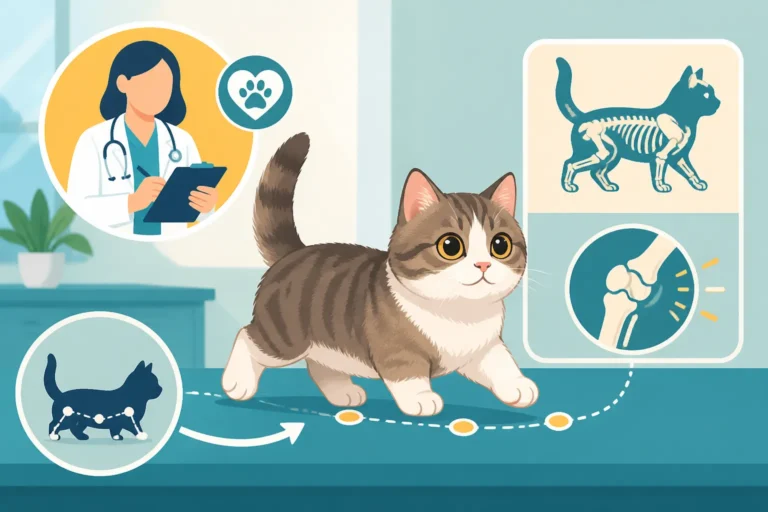
Reactive spending – paying for treatments after a problem has developed – almost always outweighs proactive spending. Medications for pain and inflammation, specialized diets for conditions like diabetes, physical therapy, or even surgery for severe spinal issues can quickly accumulate to thousands of dollars. Pet insurance, from providers like Healthy Paws, can certainly help cushion these blows, but even with insurance, you'll still have deductibles, co-pays, and potentially non-covered services. Thinking about Why a Munchkin's Vet Year Includes Its Joints as part of your overall budget underscores the wisdom of investing in a diet that supports their unique physiology from day one. By prioritizing excellent nutrition and weight management, you're not just buying food; you're buying health, comfort, and potentially many more happy, mobile years with your cherished Munchkin.
| Category | Monthly Cost Consideration | Impact on Munchkin Health |
|---|---|---|
| High-Quality Food | Potentially higher per-bag/can cost, but smaller portions needed. | Essential for muscle maintenance, nutrient intake, and overall vitality, reducing health risks. |
| Joint Supplements | Added cost if not in food, or part of premium food. | Crucial for supporting cartilage, reducing inflammation, and preserving mobility in their unique skeletal structure. |
| Portion Control | Free (requires discipline & kitchen scale). | Prevents obesity, reduces strain on spine and joints, lowers risk of associated chronic diseases. |
| Specialty Bowls | One-time initial cost. | Reduces neck and shoulder strain, improves comfort during eating, especially for older cats. |
| Low-Calorie Treats | Minimal added cost if carefully rationed. | Maintains bond, provides enrichment, but must be accounted for to prevent weight gain. |
| Dental Care (proactive) | Toothbrush/paste, dental treats (low cal). | Prevents painful dental disease and potential systemic health issues. |
| Vet Visits (proactive) | Annual check-ups, wellness plans (e.g. Healthy Paws). | Early detection of issues, regular weight checks, and dietary advice tailored to their needs. |
Disclaimer
This article is for general informational purposes only and does not constitute professional advice. Laws, prices and regulations vary by location and change over time. Consult a qualified professional for guidance on your specific situation.