Why a Breeder Grades a Munchkin’s Legs at Twelve Weeks
It's incredibly common for prospective Munchkin cat parents to wonder about the seemingly arbitrary timelines breeders follow, especially when it comes to assessing those adorable short legs. You've done your research, you know about the unique genetics, but why does it always seem to come back to that twelve-week mark for a definitive assessment? It can feel a bit like a mystery, especially when you're eager to know more about the kitten you're hoping to bring home. This guide will walk you through exactly why breeders wait until a Munchkin kitten is twelve weeks old to grade its leg length and what crucial developmental milestones are happening during that time.
The Unique Development of Munchkin Legs
Understanding why breeders wait for twelve weeks means first understanding a little about how Munchkin legs develop. It's not like other breeds where a kitten's adult conformation is clear almost from birth. The short leg gene, while dominant, manifests in a way that requires a bit more time to fully express itself in terms of bone growth and overall structure.
The Munchkin Gene and Early Growth
The characteristic short legs of a Munchkin cat are due to a naturally occurring genetic mutation, specifically an autosomal dominant gene that affects the long bones of the legs. This is How Munchkin Dwarfism Is Inherited, and it's what gives them their distinctive appearance. However, kittens aren't born with their final leg length fully formed. In the first few weeks, all kittens, regardless of their genetic predisposition, are quite small and their legs appear relatively proportionate to their tiny bodies. You might see hints, subtle differences even as early as three or four weeks, but these are rarely definitive. The growth plates in their bones are still actively developing, and the rate at which their long bones grow is still accelerating or decelerating based on their genetic code. It's a dynamic process, not a static state.
The Window of Leg Development
From birth through about ten to twelve weeks, a Munchkin kitten's leg bones are still undergoing significant growth and ossification. During this critical window, the effects of the dominant dwarfism gene become increasingly apparent. What might look like moderately short legs at six weeks could settle into a "standard" Munchkin length by twelve, or perhaps even become a "rug hugger" variety with significantly shorter limbs. This is why a breeder can't make a firm declaration too early. They are observing the unfolding of a genetic blueprint in real-time. Imagine trying to predict the final height of a child at age two—you can make an educated guess, but you wouldn't bet your house on it. The same principle applies here; the bones are still forming and settling into their mature length. This continuous development means that any early assessment would simply be a snapshot of an incomplete picture.
Why Twelve Weeks Is the Magic Number for Assessment
There's a reason breeders universally point to the twelve-week mark. It's not arbitrary; it's based on a combination of physiological and behavioral factors that converge to offer the most accurate assessment of a Munchkin kitten's leg length and overall health. This age represents a sweet spot where the kitten's development has progressed enough to provide reliable indicators, but it's still young enough to allow for appropriate placement in a new home.
Skeletal Maturity and Growth Plates
By twelve weeks, a Munchkin kitten's skeletal structure, particularly its leg bones, has reached a point where its adult-like proportions are much clearer. While full maturity takes longer, the rate of rapid growth in the long bones has typically begun to stabilize, and the genetic expression of their short legs is largely established. The growth plates are still active, but the pattern of growth is much more defined. This allows the breeder to confidently categorize the kitten's leg length, whether it's a "standard" Munchkin, a "rug hugger" (the shortest variety), or a long-legged variant that carries the gene but doesn't express the short phenotype. This is a crucial distinction, as Why Leg Length Splits the Price Inside One Munchkin Litter. It's also around this time that conditions like How Early Lordosis Shows in a Munchkin Kitten or How Early a Munchkin's Chest Should Be Checked become more detectable, allowing a comprehensive health evaluation alongside leg assessment.
Gait and Mobility Assessment
Beyond just looking at the length of the legs, a breeder is keenly observing how the kitten moves. By twelve weeks, a kitten is quite active and coordinated. They're running, playing, and exploring, which provides ample opportunity for the breeder to assess their gait and mobility. A healthy Munchkin will move with a distinctive "ferret-like" run, incredibly agile and fast on the flat, despite their short legs. Observing them during play, like chasing a feather wand toy or batting at something from a Chewy box, allows the breeder to see if their movement is fluid, symmetrical, and pain-free. They're looking for any signs of stiffness, awkwardness, or reluctance to move, which could indicate underlying issues beyond just leg length. This is where a trained eye can spot subtle red flags, ensuring the kitten is not just short, but healthy and well-conformed. This observation ties directly into understanding Why a Munchkin's Gait Looks Different.
Behavioral Patterns and Stability
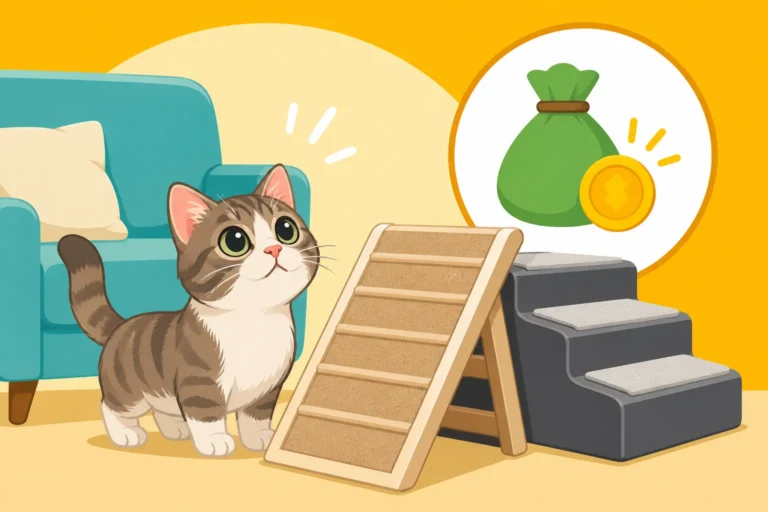
At twelve weeks, Munchkin kittens have also settled into more consistent behavioral patterns. They are typically well-socialized, confident, and interacting fully with their littermates and humans. This stability in behavior is important because a stressed or unwell kitten might not display its natural movement or posture, leading to an inaccurate assessment. A healthy, playful kitten will demonstrate its full range of motion, from attempting tiny jumps to scrambling under furniture. This is also the age when a kitten's personality truly begins to shine through. Are they a bold explorer, a gentle cuddler, or a curious observer? Knowing their leg length and observing their personality helps the breeder match the right kitten with the right family, considering factors like whether the new home has stairs or tall furniture that might require significant adaptation, a topic often explored when considering What Building Munchkin Steps Yourself Costs.
The Grading Process and What Breeders Look For
The actual grading of a Munchkin's legs at twelve weeks isn't a single, quick glance. It's a thorough evaluation that combines visual assessment, physical palpation, and observation of movement to ensure an accurate classification and to identify any potential health concerns. A responsible breeder takes this process very seriously, as it directly impacts the kitten's future.
Visual Inspection and Palpation
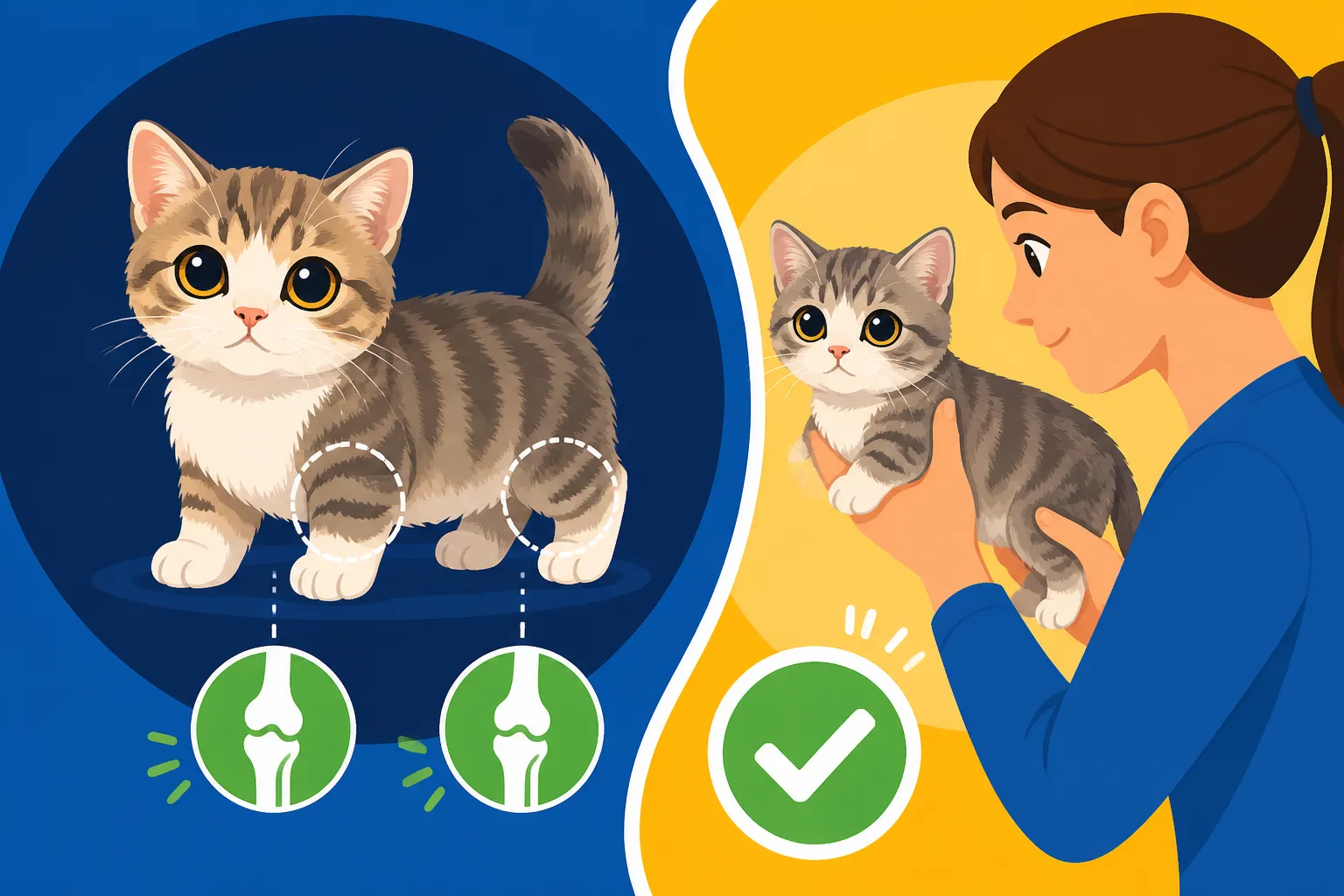
The first step in grading involves a careful visual inspection of the kitten's legs, front and back. The breeder will examine the overall proportion of the legs to the body, looking for characteristics described in the breed standard. They'll note How Short a Munchkin's Legs Actually Are and whether All Four Munchkin Legs Are Equally Short. Beyond just length, they'll check for any bowing in the front legs, which is typical for the breed but needs to be within acceptable limits, and assess the angle of the joints. Following the visual check, gentle palpation (feeling with the hands) is crucial. This allows the breeder to feel the bone structure, check for any abnormalities, and assess the condition of the joints. They are also feeling along the spine for any signs of curvature or irregularities that might suggest a condition like lordosis or pectus excavatum, which are concerns that Why a Munchkin's Spine Carries a Load a Normal Cat's Does Not.
Assessing Overall Conformation
A Munchkin is not just short legs; it's a cat with specific body conformation that the short legs must integrate into harmoniously. The breeder assesses how the legs fit with the rest of the cat's normal-length body. The TICA breed standard emphasizes that the body should be of normal length and size, with well-developed musculature. The short legs should not impede movement or cause discomfort. They'll look at the cat's topline (the line of the back) to ensure it's level and strong, and check for any signs of a sunken chest. This holistic approach ensures that the kitten isn't just "short enough" but is also structurally sound and appears healthy and robust. A healthy Munchkin, even with its unique leg structure, should have a generally robust and well-balanced appearance, a key point in understanding What a Munchkin Looks Like Against the TICA Standard.
Impact on Kitten Placement and Pricing
The grading at twelve weeks has direct implications for the kitten's placement and, often, its price. Kittens with the shortest legs, often referred to as "rug huggers," tend to be the most sought after and command a higher price due to their extreme cuteness and rarity within a litter. Standard Munchkins, with a moderate leg length, are also highly desirable. Long-legged Munchkins, while still genetically Munchkins and carrying the gene, do not express the short leg trait and are typically placed as pet-only companions at a lower price point. This allows breeders to match kittens to homes that appreciate their specific characteristics and are prepared for the particular care needs that come with their leg length. Families looking for a specific type of Munchkin will often rely on the breeder's twelve-week assessment to make their final decision. This assessment is the foundation for discussions around Why Shorter Legs Raise a Munchkin's Price.
Beyond Leg Length: Other Health Considerations at Twelve Weeks
While leg length is a primary focus for Munchkin breeders at twelve weeks, it's far from the only thing they're evaluating. This age is a critical juncture for several other health and developmental milestones that ensure a kitten is robust, well-socialized, and ready to thrive in its new home. It’s a comprehensive health check, not just a measurement.
Spinal Health Checks
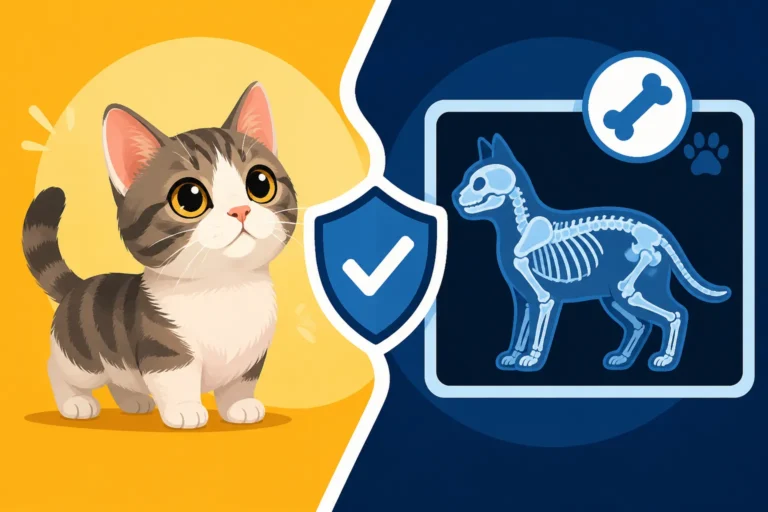
One of the most crucial, and often overlooked, aspects of the twelve-week check is the assessment of spinal health. Because Munchkins carry a form of dwarfism, there are concerns about spinal conditions like lordosis (an excessive inward curvature of the spine) and pectus excavatum (a sunken chest). While these conditions are not exclusive to Munchkins and can occur in any cat, diligent breeders will actively screen for them. At twelve weeks, a kitten’s skeletal system is developed enough for a skilled breeder or veterinarian to palpate the spine and chest, looking for any abnormalities. Early detection is key for managing these conditions, and breeders will discuss any findings openly with prospective owners. This attention to detail is part of a responsible breeder's commitment to the kitten's long-term well-being, addressing concerns like Why the Frequency of Munchkin Spinal Problems Is Disputed. For ongoing care, a good pet insurance plan, such as those from Healthy Paws, might be something to consider, especially given potential concerns.
Socialization and Vaccinations
By twelve weeks, Munchkin kittens have also undergone significant socialization. They've learned crucial feline social etiquette from their mother and littermates, including bite inhibition and appropriate play behavior. They should be comfortable interacting with humans, used to being handled, and exposed to various sights and sounds in a home environment. This period is also when their core vaccination series is typically completed or nearing completion. Kittens usually receive their first set of vaccinations around 8-9 weeks and a booster around 11-12 weeks. They will also have received deworming treatments. A healthy twelve-week-old Munchkin kitten should be robust, active, and playful, ready to transition to a new home without significant health risks or behavioral challenges. It's a testament to the breeder's dedication to proper early care, setting the stage for How Many Years a Well Bred Munchkin Lives.
Preparing for a New Home
The twelve-week mark also signifies a period of transition and preparation for the kitten's journey to its forever home. Breeders will use this time to reinforce positive habits, introduce various toys, and ensure the kitten is eating well on its own. They'll start conversations with new owners about diet, litter box habits, and enrichment, sometimes recommending specific brands for food, treats, or toys available at places like Chewy. They might suggest joint-supporting foods or supplements that can be easily added to their diet, keeping their unique needs in mind from the start. They'll discuss the importance of adapting the home environment, providing ramps and low-entry litter boxes, which is a big part of With a Munchkin the House Changes, Not the Cat. All these preparations ensure that when the kitten finally leaves, it’s not only physically sound but also mentally prepared and well-equipped for a happy life with its new family. This comprehensive approach underscores why twelve weeks is such a pivotal age for Munchkin kittens.
Disclaimer
This article is for general informational purposes only and does not constitute professional advice. Laws, prices and regulations vary by location and change over time. Consult a qualified professional for guidance on your specific situation.