Why a Rescued Munchkin Costs a Tenth of a Bred One
Bringing a Munchkin cat into your life is an exciting prospect, but the financial realities can be a real shock. Many prospective owners are surprised by the vast difference in cost between purchasing a kitten from a reputable breeder and adopting an adult Munchkin from a rescue organization. This comprehensive guide will explore the reasons behind this price disparity and help you understand what each option truly entails, financially and ethically.
Initial Investment: Breeder vs. Rescue
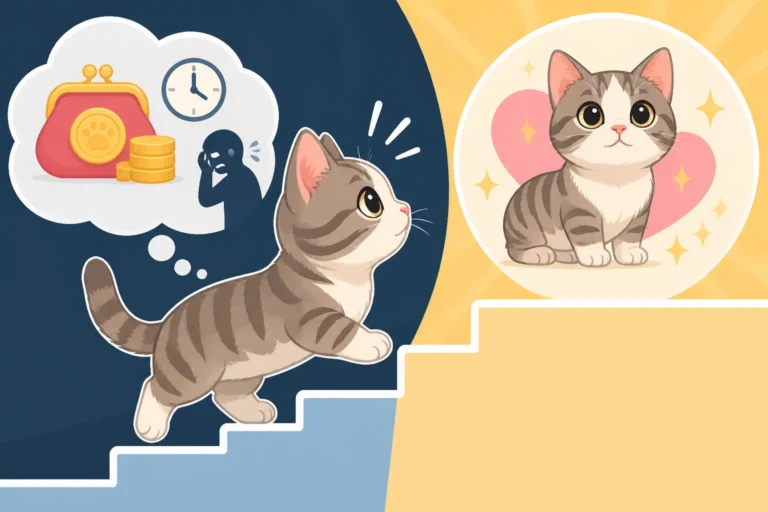
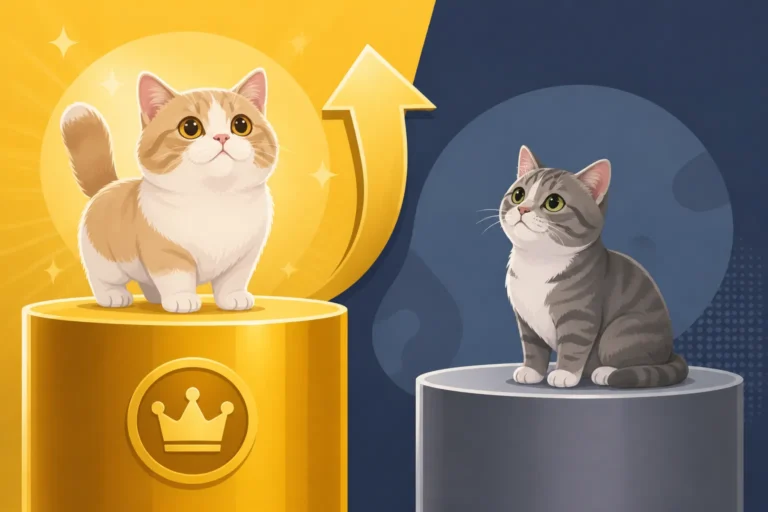
The moment you start looking for a Munchkin, you'll notice an immediate and striking difference in the upfront cost. It's not just a minor variation; we're talking about a difference that can easily span into thousands of dollars. This gap often leads to confusion and sometimes, unfortunately, to people making choices based solely on price without fully understanding the underlying factors.
Breeder Munchkins and Their Price Tag
When you purchase a Munchkin from a reputable breeder, you're not just buying a kitten; you're paying for a significant investment in time, genetics, and professional care. Breeders spend countless hours ensuring their breeding cats are healthy, well-tempered, and adhere to breed standards. This involves rigorous health screening, often including genetic tests to rule out inherited conditions that could impact the litter. They invest in quality food, veterinary check-ups for the queen and her kittens, vaccinations, deworming, and microchipping.
Beyond the medical aspects, there's the art and science of selective breeding. How a Breeder Plans a Munchkin Mating is a complex process designed to produce kittens with desirable traits while minimizing health risks. Good breeders are dedicated to the preservation and improvement of the breed, which involves extensive pedigrees, show entries, and adhering to strict guidelines set by feline associations like TICA. All these efforts, combined with early socialization and ensuring the kittens are litter-trained and well-adjusted before going to their new homes, contribute to the premium price tag. You're essentially paying for peace of mind, a known lineage, and a kitten that has received the best possible start in life under professional guidance.
Rescued Munchkins and Their Accessible Fees
On the flip side, adopting a Munchkin from a rescue organization or shelter presents a much more accessible initial financial commitment. Rescue fees are typically a fraction of what a breeder charges, often ranging in the low hundreds. These fees are not profit-driven; instead, they serve to cover a portion of the extensive care the rescue has already provided for the animal. When a Munchkin enters a rescue, it usually receives a thorough veterinary examination, including vaccinations, deworming, and often spaying or neutering. Whether a Munchkin Should Be Neutered Early is a common practice in rescues to prevent further unplanned litters and manage the pet population responsibly.
The adoption fee also contributes to the general operational costs of the rescue, such as food, litter, shelter maintenance, and any specialized medical treatments or rehabilitation the cat might have needed. Rescues are non-profit entities, and their primary mission is to find loving, permanent homes for animals in need, not to generate income. Therefore, their fees are structured to be affordable, encouraging adoption rather than acting as a barrier. While you might not receive a detailed pedigree or the same level of early life history as with a breeder kitten, you are giving a deserving cat a second chance at happiness, and the lower fee reflects this altruistic goal.
Deconstructing the Price Difference
The significant cost disparity between a breeder Munchkin and a rescued one isn't arbitrary. It stems from fundamental differences in their operational models, goals, and the services each provides to the pet and its new owner. Understanding these distinctions can help you appreciate why the numbers look so different.
What Goes into a Breeder's Price
A reputable Munchkin breeder operates with a meticulous and often costly approach to breeding. Firstly, they invest heavily in their breeding stock. This isn't just buying a pretty cat; it involves acquiring cats with excellent genetics, proven health records, and desirable conformation that align with the TICA breed standard. How Many Years a Well Bred Munchkin Lives can often be attributed to careful genetic selection and responsible breeding practices. These initial breeding cats can be quite expensive, especially if they come from champion lines or are imported. Then there are the regular veterinary checks, specialized diets, and ongoing care for the adult breeding cats, which is a continuous expense.
When a litter arrives, the expenses escalate. Around-the-clock care for a pregnant queen and then nursing kittens is labor-intensive and requires specialized knowledge. Vet visits for the queen during pregnancy and for the kittens after birth are frequent and necessary. Vaccinations, microchipping, and deworming for each kitten are standard. Many breeders also invest in early socialization programs, exposing kittens to various sights, sounds, and interactions to ensure they are confident and well-adjusted. Show fees, if the breeder participates in cat shows, facility maintenance, and high-quality food for growing kittens further contribute to the overall cost. Finally, a responsible breeder offers ongoing support and advice to new owners, acting as a resource for the cat's entire life. What a Munchkin Breeder Should Be Able to Show You goes beyond just papers; it includes transparency about these costs and practices.
The Financial Model of Rescue Organizations
Rescue organizations operate under a completely different financial paradigm. Their core purpose is animal welfare, which means they take in cats, often those who are abandoned, neglected, or surrendered by previous owners, and provide them with immediate care. These cats frequently arrive with pre-existing health issues, behavioral challenges, or simply needing basic vetting. The rescue absorbs all these costs. Every rescued Munchkin typically receives a comprehensive vet check, which includes vaccinations, deworming, and often spaying or neutering before adoption. Many also receive microchips. For cats needing more extensive care, such as dental work, specialized surgeries, or long-term medication, the rescue covers these substantial bills.
The adoption fees collected only partially offset these expenses. Rescues heavily rely on donations, grants, and the tireless efforts of volunteers. Their goal is not to recoup the full cost of each animal's rehabilitation but to cover a portion to sustain their operations and help the next animal in need. For example, if a Munchkin needs orthopedic surgery, which can be very expensive, the adoption fee will only cover a fraction of that cost. Many rescues also provide a temporary home through a network of foster families, which helps with socialization and provides a nurturing environment, but this also requires resources. For owners considering a rescued Munchkin, it's worth exploring pet insurance options from providers like Healthy Paws, as a rescue animal's history might be less known, and this can provide a safety net for future health needs.
The Universal Costs: Preparing Your Home and Ongoing Care
Regardless of whether you acquire your Munchkin from a breeder or a rescue, there are significant ongoing costs and necessary adaptations to your home that are universal to owning this unique breed. These expenses are often overlooked during the initial excitement of bringing a new feline friend home, but they are crucial for a Munchkin's well-being and happiness.
Adapting Your Living Space for a Munchkin
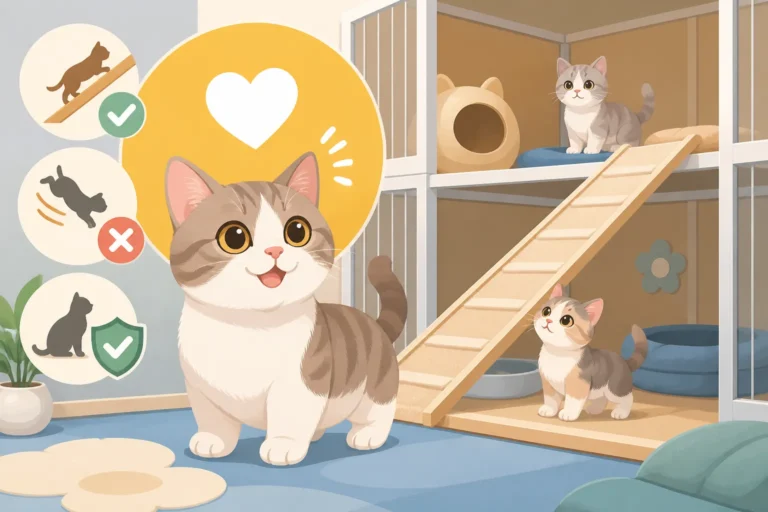
Munchkin cats, with their distinctive short legs, navigate the world differently from their long-legged counterparts. This means their environment needs some thoughtful adjustments to ensure their safety, comfort, and independence. High furniture, like beds and sofas, that a typical cat would effortlessly leap onto, can become inaccessible barriers for a Munchkin. Why a Munchkin's House Costs More Than the Cat is a truth many new owners quickly discover. You'll likely need to invest in pet-friendly ramps or sturdy steps to provide easy access to elevated surfaces. This isn't just about convenience; it helps prevent painful falls and reduces strain on their joints from repeated attempts to jump.
Litter boxes are another key consideration. A standard litter box with high sides can be challenging, if not impossible, for a short-legged Munchkin to enter comfortably. You'll need low-entry litter boxes, or even senior cat litter boxes, that allow them to walk in without straining or having to jump over a high lip. Additionally, food and water bowls might need to be slightly raised to prevent them from stooping too low, which can put stress on their neck and spine. Creating a "Munchkin-safe" home involves mapping out their pathways, ensuring they can reach their favorite spots, and providing plenty of floor-level enrichment. Retailers like Chewy offer a wide array of pet stairs, ramps, and accessible litter box solutions that can make this adaptation process much smoother.
Lifelong Health and Wellness Expenses
Beyond the initial setup, owning a Munchkin cat comes with a commitment to lifelong care that carries its own financial implications. Regular veterinary check-ups are paramount, and for a Munchkin, these checks often involve a keen eye on their skeletal health. While Munchkins are generally robust, their unique conformation means certain conditions, like lordosis (a spinal curvature) or pectus excavatum (a sunken chest), can occur, though not necessarily more frequently than in other breeds, but warrant careful monitoring. Which Health Problems the Munchkin Actually Has details some of these concerns.
Diet and weight management are also critical, perhaps even more so for a Munchkin. Why an Overweight Munchkin Is in Real Trouble is because any extra weight puts undue strain on their already unique skeletal structure, particularly their short legs and spine. Choosing a high-quality diet, and potentially even specialized joint-support formulas, can be an ongoing expense. Grooming, especially for long-haired Munchkins, is another consistent cost. Their low stature means they might struggle to reach certain areas, particularly their hindquarters, leading to matting if not regularly brushed by their owner or a professional groomer. Dental care, preventative flea and tick treatments, and occasional boarding or pet-sitting services also add up over the years. These are the sustained, often underestimated, costs that contribute to the true long-term budget of Munchkin ownership.
Navigating Health Information and Guarantees
The health of your Munchkin is undoubtedly a top priority, and how that health information is presented and guaranteed can differ significantly between breeders and rescue organizations. Understanding these differences is crucial for making an informed decision and preparing for potential future veterinary needs.
Breeder Promises and Health Disclosures
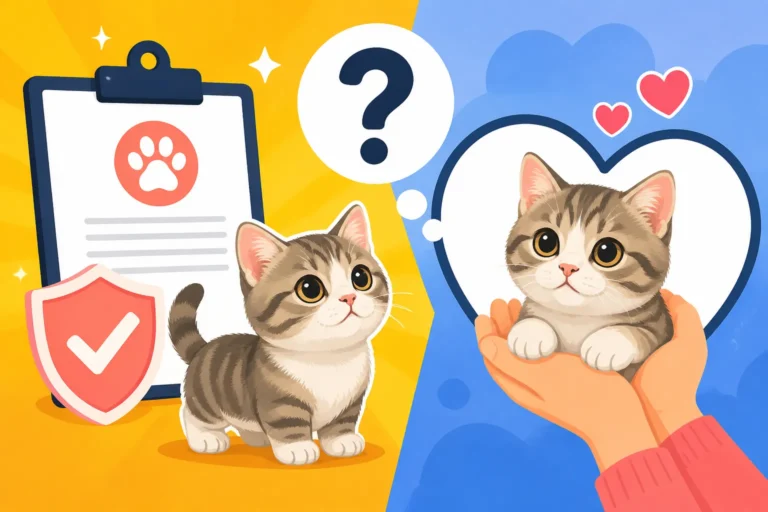
A reputable Munchkin breeder will be transparent about the health of their breeding cats and the kittens they produce. They should provide clear documentation, often including health clearances for the parents. This can involve screening for common feline genetic conditions, although it's important to note that the specific gene responsible for Munchkin dwarfism itself is inherent to the breed. However, breeders should be checking for other issues, such as heart conditions or kidney problems that can affect any cat breed. What a Munchkin Breeder Should Be Able to Show You often includes these health records.
Many breeders offer a health guarantee for a specified period, typically covering congenital defects or severe genetic conditions that manifest within the first year or two of the cat's life. This guarantee might offer a replacement kitten or a partial refund if a serious, covered health issue arises. However, it's vital to read these contracts very carefully. They usually have specific conditions, such as requiring immediate veterinary examination, and might not cover every possible ailment. While breeders aim to produce healthy animals, even the most careful breeding cannot eliminate all risks, and certain Munchkin-specific conditions like lordosis or pectus excavatum are complex and their inheritance patterns are not always fully understood or guaranteed against in a simple way. Always ask detailed questions about these potential conditions and what, if anything, their guarantee covers regarding them.
The Reality of Health in Rescued Munchkins
When adopting a Munchkin from a rescue, the health information available can be a bit more of a mixed bag. Many rescued cats come from unknown backgrounds, meaning their genetic history and the health of their parents might be completely unknown. This can be a concern for some potential adopters, as there's no way to guarantee they haven't inherited predispositions to certain conditions. However, rescue organizations are committed to rehabilitating every animal they take in. This means that by the time a Munchkin is available for adoption, it will have undergone a thorough veterinary examination, including blood tests if necessary, vaccinations, deworming, and typically spaying or neutering.
The rescue will disclose any known health issues or conditions the cat has. For example, if a Munchkin has been diagnosed with mild arthritis (something Whether a Munchkin Gets Arthritis Earlier is a common concern for the breed) or a specific dental problem, the rescue will inform you and provide all available medical records. They will also often treat these conditions before adoption. While you might not get a "guarantee" in the breeder sense, you are adopting a cat that has been medically cleared to the best of the rescue's ability, and any existing issues are usually documented and addressed. This transparency, coupled with the opportunity to discuss the cat's specific needs with rescue staff, allows you to make an informed decision, albeit with a different kind of health assurance than from a breeder.
The Ethical Landscape and Long-Term Value
The decision to bring a Munchkin into your home extends beyond just the initial cost and immediate care. It involves navigating ethical considerations surrounding the breed itself and understanding the true long-term value, both financial and emotional, of your choice.
The Choice Between Breeding and Rescue
The Munchkin breed, due to its unique short legs, sparks considerable debate within the feline community. Some view breeding for a specific genetic mutation that alters a cat's physical capabilities as unethical, citing concerns about potential health complications like spinal issues or osteoarthritis. Organizations like the GCCF in the UK and CFA in the US refuse to recognize the breed precisely for these welfare concerns. Choosing a breeder means, in essence, supporting the continuation of this breed. If you go this route, it's paramount to find a highly responsible, ethical breeder who prioritizes health and welfare above all else, conducts thorough health screenings, and adheres to the highest standards of care. They should be able to articulate What Munchkin Breeders Say in Reply to the welfare objections and demonstrate how they mitigate potential health risks.
Conversely, choosing to rescue a Munchkin is often seen as an unequivocally ethical decision. You are providing a home for an animal that has already been born and is in need. Many Munchkins end up in rescues through no fault of their own—perhaps due to owner surrender, unforeseen circumstances, or abandonment. By adopting, you are not directly supporting the breeding of more Munchkins, but rather giving a second chance to a cat that might otherwise face an uncertain future. This path aligns with a strong animal welfare philosophy, focusing on alleviating suffering and finding loving homes for existing pets. Both choices carry a significant responsibility to provide a safe, enriched, and appropriate environment for a Munchkin, regardless of its origin.
Calculating the True Cost Over a Munchkin's Lifetime
While the initial cost of a breeder Munchkin is higher, and a rescued one is lower, the upfront price is just the tip of the iceberg when it comes to lifetime ownership. The true cost of a Munchkin cat, which can live for The Twelve to Fifteen Years a Munchkin Usually Gets, is a cumulative sum of food, litter, routine vet care, preventative treatments, grooming, and potential specialized needs related to their unique physique.
For all Munchkins, investing in ramps, steps, and low-entry litter boxes is a continuous consideration, as these items may need replacing or upgrading over time. What a Full Set of Munchkin Ramps Costs can be substantial, and the need for these adaptive tools doesn't disappear. Diet and weight control are critically important for preventing strain on their spine and joints, meaning quality food and careful portioning are non-negotiable long-term expenses. As Munchkins age, they may develop conditions like arthritis, necessitating joint supplements, pain management, or even physiotherapy. Whether a Munchkin Gets Arthritis Earlier is a common concern, making proactive joint care important. These costs can be substantial, and even with pet insurance (which may or may not cover pre-existing conditions if adopting an older rescue), they become a significant part of the budget. Therefore, while a rescued Munchkin might cost a tenth of a bred one initially, the long-term commitment and expense for either option are extensive and require careful financial planning for the entire duration of their lives.
| Feature | Breeder Munchkin | Rescued Munchkin |
|---|---|---|
| Initial Cost (Upfront) | Significantly Higher (e.g., hundreds to thousands) | Significantly Lower (e.g., modest adoption fee) |
| What Cost Covers (Breeder) | Pedigree, health clearances, initial vet care, vaccinations, deworming, microchip, early socialization, breeder support, genetic screening of parents | |
| What Cost Covers (Rescue) | Thorough vet exam, vaccinations, deworming, spay/neuter, microchip, addressing existing health issues, foster care, behavioral assessment | |
| Known Background | Detailed lineage, parent health history, birth date, early life documented | Often unknown history, estimated age, sometimes vague past |
| Health Guarantees | Often includes written health guarantee for specific conditions/timeframe | No "guarantee" but all known issues disclosed and addressed before adoption |
| Age | Typically kittens (12-16 weeks) | Often adults, but can be kittens or seniors |
| Ethical Impact | Supports breeding practices (choose ethical breeder) | Gives a second chance to a cat in need |
| Ongoing Support | Lifelong breeder advice | Rescue organization support, resources |
Disclaimer
This article is for general informational purposes only and does not constitute professional advice. Laws, prices and regulations vary by location and change over time. Consult a qualified professional for guidance on your specific situation.