What a Munchkin Costs Against a Normal Legged Cat
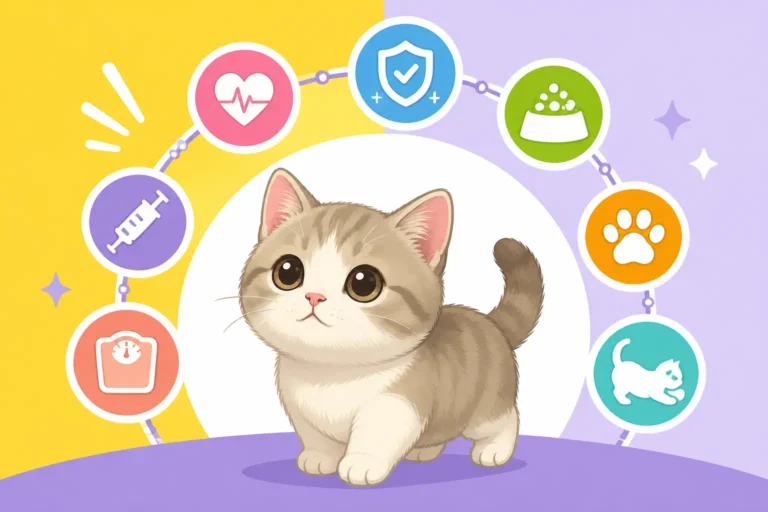
Bringing a new cat into your home is an incredibly exciting time, full of dreams of purrs, playful antics, and cuddles. But if you're looking at a Munchkin, you might be wondering if their unique, adorable short legs come with a unique price tag beyond the initial adoption fee. Many prospective owners are surprised to learn that the differences in cost between a Munchkin and a normal-legged domestic cat extend far beyond the purchase price, encompassing everything from everyday care to long-term health considerations. This guide will help you understand the full financial picture of what owning a Munchkin really costs compared to a cat without their characteristic short stature.
The Initial Investment: Purchase Price Differences
The moment you start researching Munchkin kittens, one of the first things you'll notice is the significant price difference compared to most domestic shorthairs or even many pedigree cats. It's not just a little bit more; it's often a substantial jump, and understanding why helps set expectations.
Why Munchkins Command a Higher Upfront Price
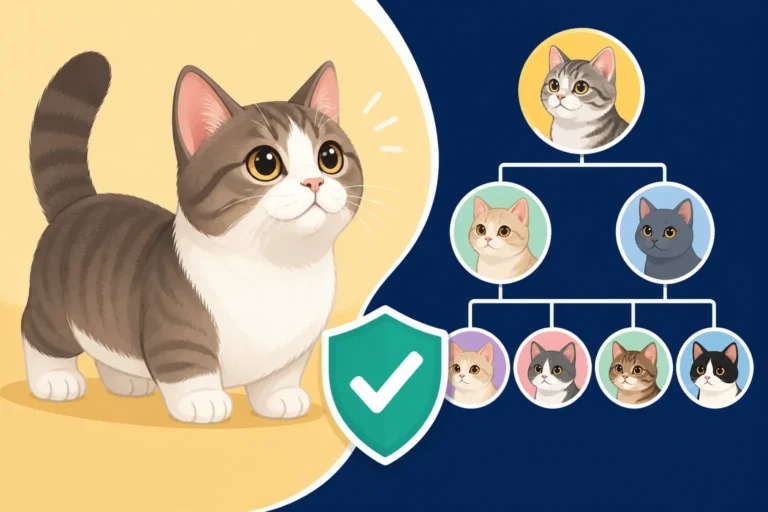
The price of a Munchkin kitten from a reputable breeder is generally considerably higher than what you might pay for a standard domestic cat or even many non-Munchkin purebreds. This isn't just arbitrary; it reflects several factors. Firstly, Munchkins are still considered a relatively uncommon breed, especially when compared to ubiquitous breeds like Persians or Maine Coons. The limited number of ethical breeders and the specific genetic requirements for breeding contribute to this exclusivity. Ethical breeders meticulously plan matings to ensure the health of their litters, always breeding a short-legged Munchkin to a normal-legged cat to avoid serious genetic issues, as two copies of the Munchkin gene are lethal to embryos. This means that roughly half of any given litter will have normal-length legs, even though they carry the Munchkin genetics. Why Half a Munchkin Litter Has Normal Legs These normal-legged kittens usually sell for less, impacting the overall cost recovery for the breeder.
Secondly, the specialized care involved in ensuring healthy kittens plays a role. Good breeders invest heavily in genetic testing for the parent cats, ensuring they are free from other common feline diseases that could be passed on. They also provide excellent nutrition and veterinary care for the queen and her kittens, from pre-natal checks to initial vaccinations and microchipping before the kittens go to their new homes. This level of care is essential for ensuring robust, healthy kittens, but it adds to the operational costs that are reflected in the purchase price. When you choose a Munchkin, you're not just paying for a cute cat; you're paying for the breeder's expertise, the careful genetic management, and the early life care that sets your kitten up for success.
Comparing Purchase Prices: Munchkin vs. Domestic Cat
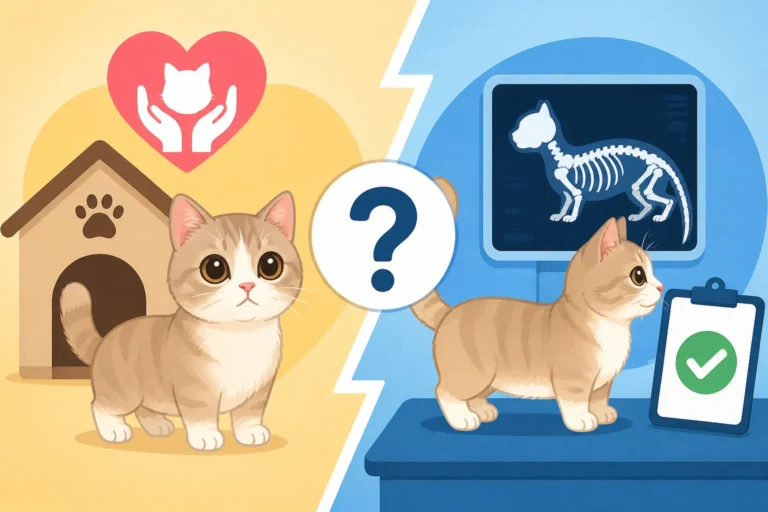
To really grasp the difference, let's look at a typical scenario. You might find a beautiful domestic shorthair or longhair at a local shelter or rescue for a modest adoption fee. This fee often covers their spay/neuter, initial vaccinations, and microchipping, making it an incredibly cost-effective way to bring a cat home. These cats are just as loving and wonderful, but they don't come with the "designer" breed price tag.
| Cost Factor | Munchkin Cat (from reputable breeder) | Normal-Legged Cat (from shelter/rescue) |
|---|---|---|
| Initial Purchase/Adoption | Higher, often reflecting breeding costs | Lower, typically an adoption fee |
| Pedigree Papers | Usually included (TICA) | Not applicable for domestic cats |
| Initial Vet Checks | Often included by breeder | Covered by adoption fee |
| Spay/Neuter | May be included or separate cost | Usually included in adoption fee |
| Microchipping | Often included by breeder | Usually included in adoption fee |
When you compare this to the purchase price of a Munchkin, the numbers can be quite startling. A Munchkin kitten, especially one with very short "rug hugger" legs, will typically cost significantly more. What the Short Legs Actually Cost a Munchkin This higher price reflects the breed's rarity, the specialized breeding practices required, and the careful selection for desirable traits while minimizing health risks. It's an investment, pure and simple, and one that sets the stage for the rest of your ownership journey.
Adapting Your Home: Ongoing Environmental Costs
Once you bring your Munchkin home, the initial cost isn't the only difference you'll encounter. Their unique physique means that your home environment often needs to be adapted to ensure their safety, comfort, and ability to thrive. This leads to ongoing expenses that a normal-legged cat owner might never even consider. With a Munchkin the House Changes, Not the Cat
Essential Mobility Aids: Ramps, Steps, and Cat Trees
One of the most immediate and impactful differences in ongoing cost comes from the need for mobility aids. A Munchkin, due to its proportionally short legs, simply cannot jump as high as a normal-legged cat. While they are surprisingly agile and fast on the flat, vertical challenges can be tough. This means that furniture, beds, and even high windowsills become inaccessible unless you provide assistance.
You'll quickly find yourself investing in ramps and steps. Imagine your Munchkin struggling to get onto your sofa for a cuddle, or unable to reach their favorite sunny spot on the windowsill. This isn't just about convenience; it's about their quality of life and preventing unnecessary strain on their joints and spine from repeated failed jumps or awkward landings. You'll need to strategically place ramps leading up to beds, sofas, and potentially even cat trees. Not just any cat tree will do either; you'll need ones with closely spaced platforms or modified ones to make them accessible. Ramps and Steps Are Munchkin Equipment, Not Luxuries These items, while not prohibitively expensive individually, add up when you consider outfitting several areas of your home. You might find yourself browsing online retailers like Chewy for a variety of pet steps and ramps, looking for options that are sturdy, stable, and have good traction.
Specialized Litter Boxes and Feeding Stations
Another area where Munchkins incur additional environmental costs is in their daily essentials. A regular litter box with high sides, a design often favored by owners of normal-legged cats to contain litter scatter, can become a significant barrier for a Munchkin. Their short legs mean they can struggle to climb into standard boxes, leading to accidents outside the box or uncomfortable contortions.
To solve this, you'll likely need to purchase low-entry litter boxes. These are often marketed for senior cats or kittens, but they are absolutely essential for Munchkins. The front lip needs to be low enough for them to walk in easily without strain. Why a Munchkin Needs a Litter Box It Can Walk Into Similarly, while many cat owners use raised food and water bowls for ergonomic benefits for taller cats, a Munchkin's short stature means their bowls should be at floor level or slightly raised, but never so high that they have to stretch uncomfortably. You'll want sturdy, non-slip bowls that don't require them to crane their neck excessively. Ensuring that their eating and drinking stations are easily accessible prevents unnecessary stress on their neck and spine, especially as they get older. Why a Munchkin's Food and Water Belong at Floor Level These seemingly small adjustments are crucial for a Munchkin's long-term comfort and health, and they represent costs that aren't typically a concern for owners of normal-legged cats.
Health and Grooming: Elevated Care Expenses
Beyond the initial purchase and home adaptations, the ongoing health and grooming needs of a Munchkin can also lead to higher expenses compared to a normal-legged feline companion. Their unique anatomy, while adorable, can predispose them to certain conditions and make routine care a bit more involved.
Veterinary Care and Potential Health Concerns
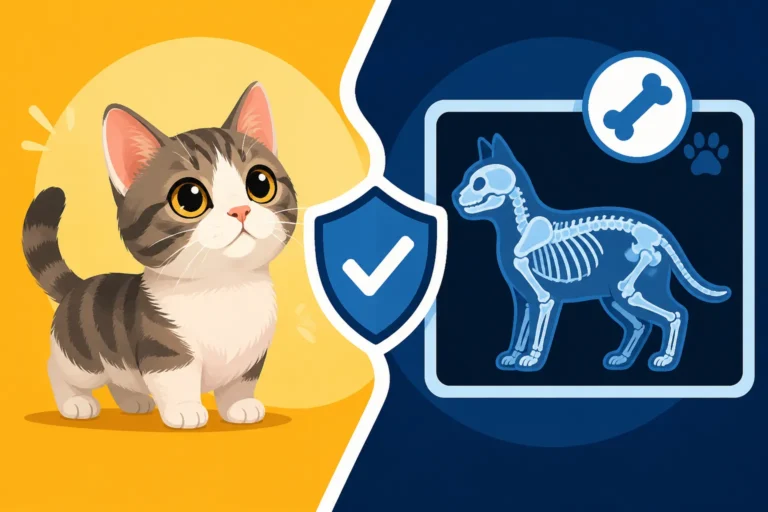
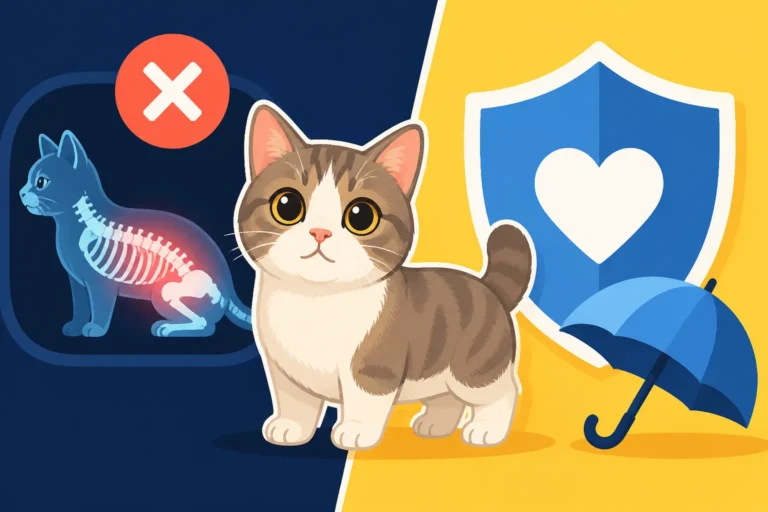
One of the most significant areas where Munchkin ownership can differ financially is in veterinary care. While Munchkins are generally robust cats, their short legs and unique spinal conformation mean there are specific health considerations to be aware of. Conditions like lordosis (an inward curvature of the spine) and pectus excavatum (a sunken chest) are sometimes associated with the breed, although their prevalence is often debated. Why the Frequency of Munchkin Spinal Problems Is Disputed Even if your Munchkin is healthy, regular veterinary check-ups are paramount, and your vet might recommend specific screenings as they age.
Joint health is another critical area. A Munchkin's short legs mean their joints, particularly in the shoulders and elbows, bear a different kind of load during movement and jumping (even short jumps). This can potentially lead to earlier onset of osteoarthritis compared to a normal-legged cat. Whether a Munchkin Gets Arthritis Earlier Proactive care, such as joint supplements or specific diets tailored for joint health, might be recommended by your veterinarian as your cat matures. These specialized foods might be a higher price point than standard cat food, but are a worthwhile investment in preventative care. It's also wise to consider pet insurance from providers like Healthy Paws. While some insurers might have caveats around pre-existing conditions or certain breed-specific issues, having a robust policy can provide peace of mind for unexpected medical expenses, which can be substantial for any cat, but particularly for a breed with specific conformational considerations. Regular check-ups with a vet who understands the breed's unique needs are a must.
Grooming and Weight Management Needs
Grooming might also incur higher costs, especially for longhaired Munchkins. Because of their short legs and low-slung bodies, many Munchkins struggle to properly groom their hindquarters, belly, and even parts of their back. This can lead to matting, dingleberries, and skin irritation if not addressed.
You might find yourself needing to brush your Munchkin's rear and belly more frequently than you would a normal-legged cat, or even require professional grooming for sanitary clips. Grooming the Half of a Munchkin It Cannot Reach A groomer might charge a fee for these specialized services, especially if mats have formed. Regular brushing is key to preventing these issues, so investing in good quality brushes and combs is important.
Furthermore, weight management is absolutely critical for a Munchkin. Every extra pound places undue stress on their unique spine and joints. Why Weight Is More Dangerous on a Munchkin This means careful portion control, regular weighing, and sometimes, specific low-calorie or joint-supportive diets. While these diets aren't always more expensive, the vigilance required to maintain a healthy weight is constant, and failing to do so can lead to significant veterinary expenses down the line. You'll need to be diligent about measuring food, perhaps choosing high-quality, nutrient-dense foods, and limiting treats, which can sometimes mean investing in more expensive, specialized kibble or wet food designed for weight control or joint support. Why Weight Control Is the Whole Munchkin Care Plan This level of meticulous dietary management might be more involved than for a normal-legged cat who has more leeway with their frame.
The Long-Term Financial Outlook: Over a Lifetime
When you look at the entire lifespan of a Munchkin, the cumulative costs can paint a very different picture than just comparing initial purchase prices. Thinking about a cat's lifetime — often 12-15 years for a Munchkin The Twelve to Fifteen Years a Munchkin Usually Gets — helps contextualize these various expenses.
Lifetime Costs: A Comparative Table
Let's break down the general cost categories over a cat's lifetime, illustrating where a Munchkin's unique needs often lead to higher expenditures.
| Cost Category | Normal-Legged Cat (Estimated Annual) | Munchkin Cat (Estimated Annual) | Key Differentiating Factors |
|---|---|---|---|
| Food & Treats | Moderate | Moderate to High | Special dietary needs for joint health or weight management may increase costs; less calorie burn may mean less food but premium food costs. |
| Litter & Supplies | Moderate | Moderate to High | Specialized low-entry litter boxes needed; more attention to litter type to prevent sticking to low belly. |
| Routine Vet Care | Moderate | Moderate to High | Increased vigilance for spinal and joint health; potential for more frequent screenings as they age. |
| Preventative Meds | Moderate | Moderate to High | Potential for joint supplements (glucosamine, chondroitin) recommended earlier or more consistently. |
| Grooming | Low to Moderate | Moderate to High | Professional sanitary clips or more intensive home grooming required for hindquarters/belly, especially for long-haired varieties. |
| Pet Insurance | Moderate | Moderate to High | May be higher premiums due to breed-specific concerns, or specific exclusions for spinal conditions. |
| Environmental Adapts | Low (basic cat tree/beds) | High (ramps, steps, modified furniture) | Ongoing need for accessible ramps/steps to furniture, beds, windowsills; modified cat trees. |
| Miscellaneous | Moderate | Moderate | Toys, beds, carriers, travel. |
Note: These are general estimates and actual costs can vary widely based on location, specific product choices, and individual cat's health needs.
As you can see, while some categories like toys or basic food might be similar, the accumulative effect of specialized equipment, potential for enhanced veterinary scrutiny, and more involved grooming pushes the Munchkin's annual and lifetime costs higher. What a Munchkin Costs Over Thirteen Years
The Value of Prevention and Preparedness
The biggest takeaway here is the importance of prevention and being prepared. For a Munchkin, proactively addressing their unique needs can significantly mitigate larger, more expensive problems down the line. For example, diligently maintaining a healthy weight from kittenhood can help prevent early onset arthritis and spinal strain. Investing in good ramps and steps means less stress on their joints, potentially delaying or reducing the severity of mobility issues later in life.
Choosing a reputable breeder who screens their cats for health issues and provides clear guidance on care is your first line of defense against unexpected costs. What a Munchkin Breeder Should Be Able to Show You Understanding that your Munchkin might require more hands-on grooming, dietary management, and environmental adaptations means you can budget accordingly and provide them with the best possible life. It's about being a responsible pet parent who understands the specific responsibilities that come with caring for this unique and charming breed. The joy and companionship a Munchkin brings are immeasurable, but being financially prepared for their specific needs ensures that their welfare is always a top priority.
Disclaimer
This article is for general informational purposes only and does not constitute professional advice. Laws, prices and regulations vary by location and change over time. Consult a qualified professional for guidance on your specific situation.