What a Munchkin Costs Over Thirteen Years
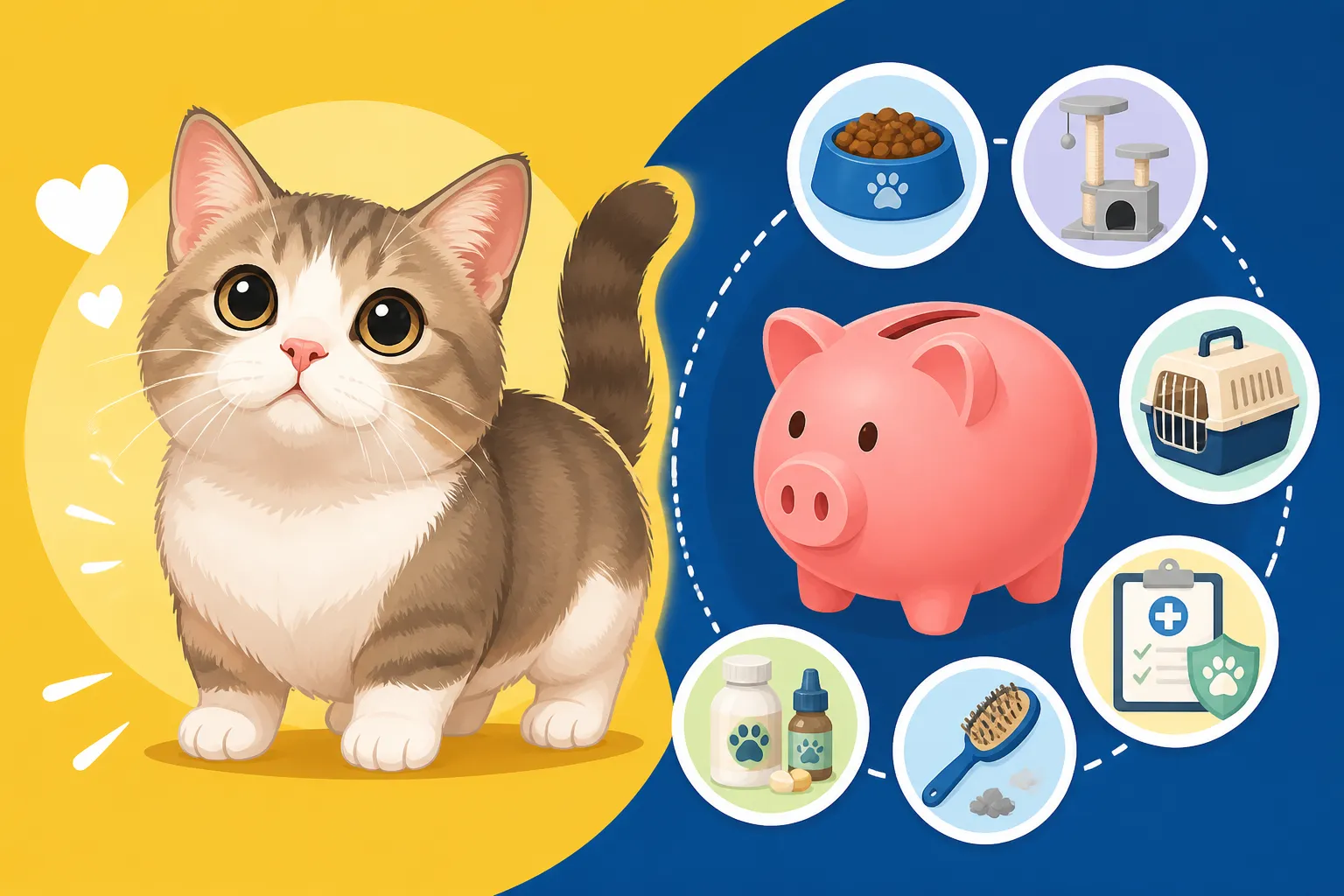
Many prospective Munchkin cat owners get swept away by the undeniable cuteness of those short legs and adorable little faces, often focusing solely on the initial purchase price. But let me tell you, as someone who has welcomed many wonderful felines into my life, the true financial commitment of a Munchkin cat stretches far beyond that first transaction. Owning a Munchkin isn't just about buying a cat; it's about investing in a lifestyle that accommodates their unique needs for their entire lifespan, which can easily be thirteen years or more. This comprehensive guide will walk you through the real, often surprising, costs involved in providing a happy, healthy home for your Munchkin, from kittenhood right through their golden years.
The Initial Sticker Shock: Getting Your Munchkin Kitten Home
When you first start looking for a Munchkin kitten, the asking price can certainly be a bit of a shock. It’s easy to get caught up in the excitement of choosing the perfect little furball, but understanding what goes into that initial cost – and what other expenses immediately follow – is crucial for any responsible owner. This isn't just a lump sum; it's the gateway to a long-term financial commitment.
Understanding the Munchkin Purchase Price
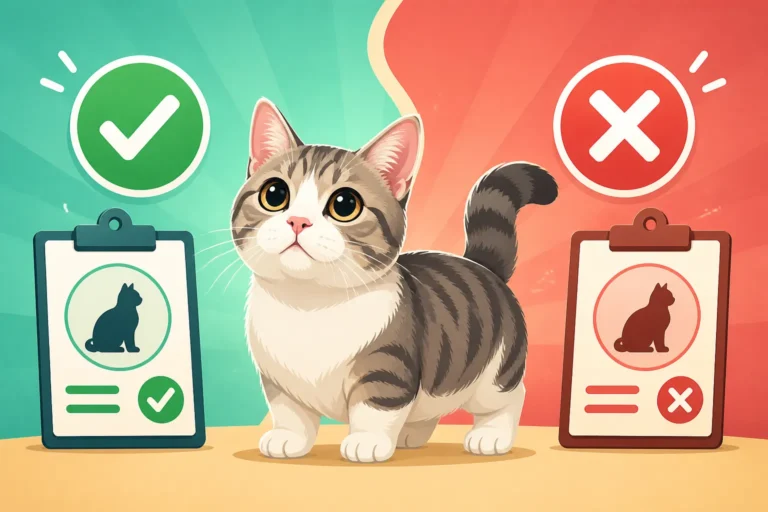
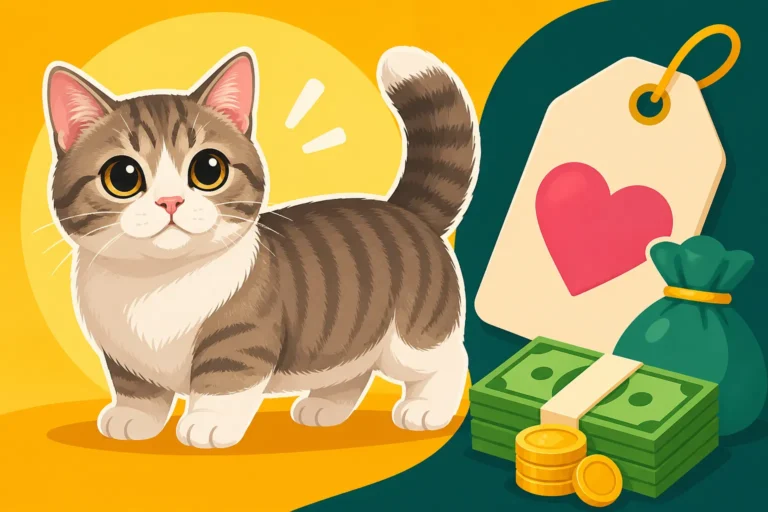
The price of a Munchkin kitten can fluctuate quite a bit, depending on factors like pedigree, breeder reputation, coat color and length, and, yes, even how short their legs are. You might see discussions about Why Munchkin Prices Sit Between One and Three Thousand or even more for exceptionally well-typed individuals. A "rug hugger" Munchkin, with extremely short legs, might command a premium because they are considered more desirable by some and fit a specific show standard. This initial cost isn't just for the cat itself; it often covers the breeder's extensive care, health screenings for the parents, initial vaccinations, deworming, and sometimes even microchipping. Reputable breeders invest heavily in their lines, ensuring the health and well-being of their kittens, and that's reflected in the price. They should be able to provide clear health records for the parents, detailing any screenings for common feline ailments, and often, a health guarantee for the kitten itself. Don't be shy about asking What a Munchkin Breeder Should Be Able to Show You regarding their breeding practices and the health history of their cattery.
Furthermore, the price often differentiates between kittens sold as pets (with a spay/neuter contract) and those sold with breeding rights, which are significantly more expensive and come with strict conditions. It's important to clarify what you're getting and what your responsibilities are under the contract. Sometimes, a deposit is required months in advance, long before the kitten's leg length is even fully apparent. This is just the beginning of the financial journey, and it's important to understand that the "sticker price" is just the down payment on a lifetime of care.
The Hidden Costs of Bringing a Kitten Home
Beyond the purchase price, there are immediate "hidden" costs that can quickly add up. Travel is a big one. If your breeder isn't local, you'll need to factor in gas, accommodation, or even airfare if you're flying to pick up your new companion. Some breeders offer shipping, but this also incurs a cost for a suitable carrier, airline fees, and potentially a health certificate from a vet. Then there's the initial haul of supplies. Think cat carrier, food and water bowls, a first bag of high-quality kitten food (often recommended by the breeder), a starter litter box, and toys. These aren't just minor purchases; they're the foundational pieces for your new pet's environment.
You'll also need to consider securing your home before the kitten arrives. This means kitten-proofing: blocking off dangerous areas, securing cabinets, and potentially investing in gates or playpens to prevent accidents. These aren't just minor expenses; they're essential for your Munchkin's safety and smooth integration into your home. The cost of a good, sturdy carrier alone can be substantial, and you'll use it for vet visits for years to come. Don't forget the cat bed – a cozy, easily accessible one that sits low to the ground will be a comfort to your new arrival. Many people find themselves making a large initial purchase from retailers like Chewy for all these essentials before the kitten even steps paw in the door. It's a significant outlay that comes right after the purchase price.
What Initial Vet Care Entails
Even if your kitten comes with its first set of vaccinations, there will be follow-up shots and a full vet check-up within the first few days or weeks of bringing them home. This initial vet visit is absolutely critical. Your vet will assess their overall health, check for any signs of congenital issues, and discuss a vaccination schedule, deworming, and flea/tick prevention. They'll also perform a thorough physical exam, which might include palpating the spine to check for conditions like Lordosis Is the Spinal Curve the Munchkin Argument Is About or checking the chest for signs of Pectus Excavatum and the Munchkin's Sunken Chest. Early detection of any issues is key to long-term management and can prevent more severe problems down the line.
Spaying or neutering is another significant expense within the first year. Most reputable breeders require this by a certain age as part of their pet contract, and it's essential for preventing unwanted litters and often comes with health benefits for your cat, reducing risks of certain cancers. Don't forget the microchip registration if it wasn't already handled by the breeder – this is your pet's permanent ID. These initial vet costs can easily run into hundreds of dollars, and it's important to budget for them upfront, rather than being surprised. Getting these foundational health checks done early sets the stage for a healthy life.
Adapting Your Home for a Munchkin: The Essential Setup Costs
One of the most significant, and often underestimated, ongoing costs of owning a Munchkin is making your home truly accessible for them. These aren't just decorative purchases; they're vital for your cat's quality of life and preventing potential injuries related to their unique physique. You're not just buying furniture; you're buying mobility and safety, which is a continuous project.
Creating a Low-Rise, Accessible Environment
Because of their short legs, Munchkins can't jump as high as a typical cat. This means you need to rethink how your cat navigates your home. Furniture like beds, sofas, and windowsills often become inaccessible platforms, leading to frustration or dangerous attempts at jumping. This is where ramps and steps become indispensable. You might need multiple ramps for different pieces of furniture or specific areas of the house, like accessing a favorite sunny spot on the sofa or your bed. Consider What Ramps for a Munchkin Cost to Buy or if you're handy, What Building Munchkin Steps Yourself Costs. These aren't one-time purchases; they might need to be replaced or augmented over the years as they wear out or as your cat's mobility needs change.
Think about the cat tree – a standard, tall cat tree with widely spaced platforms will be largely useless to a Munchkin. Instead, you'll need one with closely spaced platforms or invest in smaller, more horizontal "cat condos" that allow them to climb gradually, like a series of low steps. This also extends to window perches; your Munchkin will appreciate a low-set one where they can safely observe the outside world without straining. Every item needs to be considered from a Munchkin's perspective, ensuring they can reach, climb, and descend safely without putting undue stress on their back and joints, protecting them for the long haul.
Investing in Joint-Friendly Essentials
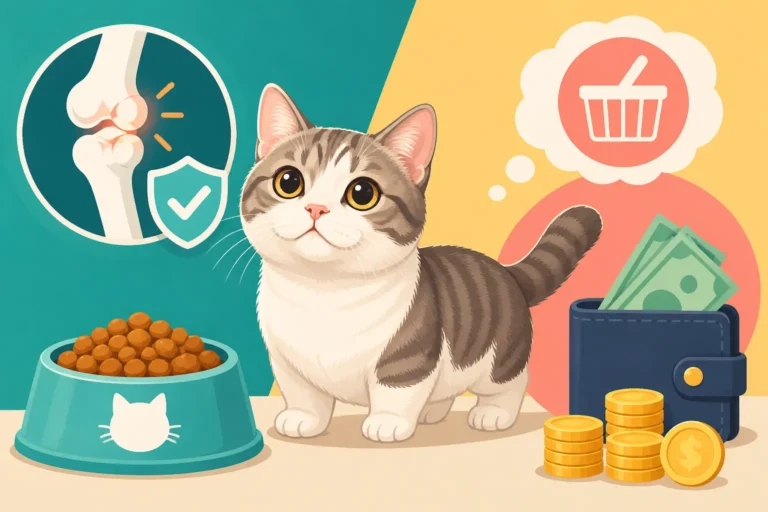
The very thing that makes Munchkins so endearing – their short legs – also means their joints and spine carry a unique load. Their short limbs mean more pressure on their shoulders and elbows, especially during activities like jumping down, even from low heights. This means special attention to joint health should be built into your budget from day one. Investing in high-quality, orthopedic pet beds, even for a young cat, can make a difference in comfort and support, helping to cushion their body and reduce pressure on vulnerable areas. These beds are often designed with supportive foam that contours to their body, promoting better sleep and joint health.
Food and water bowls are another area where slight adjustments make a huge impact. Raised food and water bowls prevent your Munchkin from having to crouch uncomfortably, reducing strain on their neck and spine during meal times. This might seem like a small detail, but over thirteen years, imagine the cumulative stress saved on their body. Similarly, scratching posts need to be horizontal or low-angle; a tall, vertical post is often impossible for a Munchkin to use effectively for a full stretch, which means they might scratch your furniture instead. You might find yourself on Chewy or other pet supply sites frequently, searching for these specialized, joint-friendly items that prioritize your Munchkin's comfort and long-term health.
Ongoing Home Adaptations Over Time
The adaptations aren't just for kittenhood; they evolve as your Munchkin ages. As they get older, just like any cat, they might start to stiffen up. What was once an easy hop onto a low chair might become a struggle. This means you might need to add more ramps, lower existing platforms, or even rearrange furniture to create "staircases" out of readily available items to make their favorite spots accessible again. Why an Old Munchkin Stops Using Its Ramp could be a sign of discomfort, prompting further adaptations and a vet visit to assess their joint health.
You might find yourself modifying shelves or buying modular cat furniture that allows for easier, multi-level access rather than single, high jumps. Think about their litter boxes too. While a low-entry box is important from the start, an older Munchkin might need an even shallower lip or a completely open tray if mobility becomes very limited, making it easier for them to get in and out without pain. These continuous adjustments ensure your Munchkin maintains independence and comfort throughout their senior years, which can easily span several years, reflecting a true commitment to their well-being.
Daily Care: Food, Litter, and Routine Grooming Expenses
Beyond the initial setup, the day-to-day essentials form the bulk of your ongoing Munchkin budget. These are the things you'll purchase regularly, and their specific needs can influence your choices and costs, demanding consistent attention to detail.
Budgeting for Munchkin-Specific Nutrition
Munchkins are often described as having a moderate activity level, but their short stature means they might not burn as many calories as a long-legged cat zooming around. This doesn't mean they eat less food, but it does mean that weight management is absolutely paramount for a Munchkin's health. Every extra gram of weight puts added strain on their unique spine and joints, increasing the risk of pain and mobility issues. Therefore, investing in high-quality, nutritionally balanced food is crucial. You'll likely be weighing their portions carefully rather than free-feeding, and this requires a good understanding of their caloric needs, consulting with your vet to determine the right amount.
Choosing a diet rich in appropriate proteins and healthy fats, possibly supplemented with joint-supporting ingredients like glucosamine or chondroitin, can be a proactive measure to support their skeletal system. It's not just about buying “cat food”; it's about buying the right cat food to support their skeletal structure. Over The Twelve to Fifteen Years a Munchkin Usually Gets, feeding a high-quality diet will be a significant, but vital, recurring expense. Treats, too, must be factored in, but sparingly, always keeping their lean body condition in mind to prevent unnecessary weight gain.
Managing Litter and Hygiene for Low Bellies
A critical aspect of Munchkin care revolves around their litter box. Due to their short legs and low-slung bodies, standard litter boxes with high sides can be challenging, or even painful, to enter and exit. This can lead to inappropriate elimination if not addressed, which nobody wants. You'll need low-entry litter boxes, which might be specialty items designed for senior cats or those with mobility issues, or require modification of a regular box by cutting down one side. Consider Which Litter Box a Munchkin Can Actually Enter and how that impacts your budget for appropriate supplies. You might even use large storage tubs with a section cut out of the front, offering a wider, more accessible entrance.
Furthermore, a Munchkin's low belly can sometimes drag in the litter, picking up bits and pieces that get stuck in their fur. This means you might go through litter more quickly, or need to choose a specific type of litter that is less prone to sticking, such as a finer grain or non-clumping variety. Maintaining cleanliness in and around the box becomes even more important to prevent skin irritation or infections on their underside, which can be very uncomfortable for your cat. You might find yourself needing to clean their rear more often, especially if they have long hair, which brings us to grooming, another unique need.
The Realities of Regular Grooming Needs
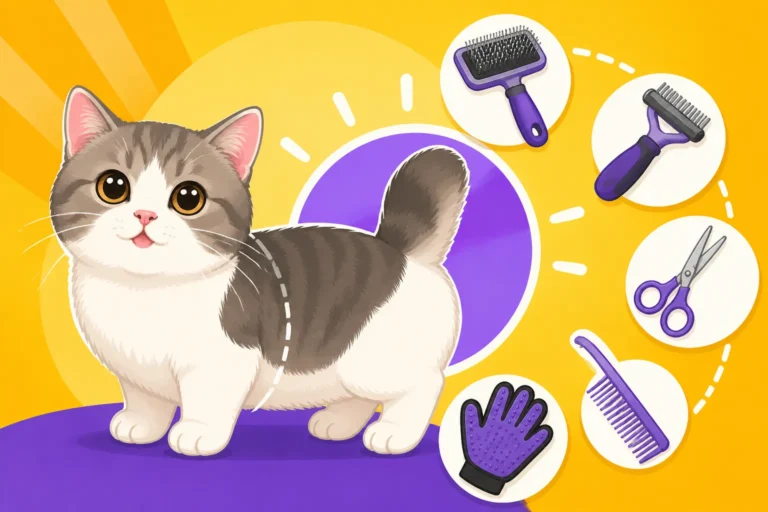
Many Munchkins have short coats, but some, like the long-haired Munchkin, require significant grooming to prevent mats and tangles. Even short-haired Munchkins can struggle to reach and clean their hindquarters, back, and belly due to their unique body structure. This means you, as the owner, become responsible for these areas that they simply cannot manage themselves. Regular brushing is essential to prevent mats, especially in longer-haired varieties, and can sometimes necessitate professional grooming appointments for sanitary clips or dematting, particularly around their rear.
Whether Matting Becomes a Health Problem in a Munchkin is a serious consideration, as severe mats can cause skin infections, pain, and restrict movement, leading to a diminished quality of life. Budgeting for quality brushes, combs, and perhaps even periodic trips to a professional groomer is part of Munchkin ownership. You'll need to learn How to Groom a Munchkin's Hindquarters gently and effectively, perhaps using special grooming wipes for daily upkeep. This isn't just about aesthetics; it's a vital part of their health and hygiene that their physiology makes difficult for them to manage independently, making your active participation indispensable.
Lifelong Health Monitoring: Vet Visits, Preventative Care, and Insurance
While Munchkins generally have a good lifespan, their unique anatomy means certain health considerations require vigilant monitoring and regular veterinary care. Proactive health management is key to ensuring your Munchkin enjoys How Many Years a Well Bred Munchkin Lives to the fullest extent possible.
Routine Vet Care and Preventative Measures
Just like any cat, Munchkins need annual veterinary check-ups, vaccinations, and parasite control. These routine visits are crucial for detecting any health issues early, before they become major problems. However, for a Munchkin, these check-ups might take on added significance. Your vet will pay close attention to their gait, spinal health, and joint mobility, looking for any subtle signs of discomfort or stiffness. They'll likely assess your cat's body condition score carefully, as Why Weight Is More Dangerous on a Munchkin cannot be overstated due to the extra strain on their unique skeletal structure. Regular dental care, including professional cleanings under anesthesia, is also a critical part of preventing oral health issues that can impact overall well-being.
Your vet might also recommend specific preventative measures or supplements, especially as your Munchkin approaches middle age. Discussing joint supplements with your vet early on, even before signs of stiffness appear, can be a wise preventative strategy to support their cartilage and joint fluid. These ongoing costs for exams, vaccinations, deworming, flea/tick medication, and dental care are a non-negotiable part of responsible pet ownership and will be a constant in your budget for over a decade.
Addressing Potential Munchkin Health Concerns
While well-bred Munchkins are generally healthy, their short legs are a form of dwarfism (pseudoachondroplasia), and with that comes a slightly higher predisposition to certain conditions. Spinal issues, like lordosis, where the spine curves downwards, or pectus excavatum, a sunken chest, are conditions that reputable breeders should screen for in their breeding lines. While Whether Munchkin Spinal Problems Are More Common Than in Other Cats is a debated topic among veterinary professionals and breeders, the potential for these conditions means that diagnostics, like X-rays, might be recommended during check-ups, especially if any gait abnormalities or discomfort are observed.
Arthritis, particularly in the shoulders and elbows, is another concern as they age due to the extra strain on these joints from their low stance and limited jumping ability. Understanding How Osteoarthritis Shows in a Munchkin's Shoulders can help you recognize early signs, such as reluctance to move, stiffness after rest, or changes in posture. Should these issues arise, treatment can involve medication (anti-inflammatories, pain relief), physiotherapy, or even specialized diets, all of which come with significant costs that need to be factored into a long-term budget. These aren't guaranteed to happen, but having a contingency fund or pet insurance is vital.
The Role of Pet Insurance in a Munchkin's Lifespan
Given the potential for specific health concerns related to their unique structure, pet insurance can be a game-changer for Munchkin owners. Policies from reputable providers like Healthy Paws can help offset the costs of unexpected illnesses, accidents, and even some diagnostic procedures, saving you from potentially devastating out-of-pocket expenses. While preventative care (like routine vaccinations) typically isn't covered, the peace of mind knowing that significant costs for conditions like arthritis, spinal issues, or other unexpected health problems are mitigated can be invaluable.
It's crucial to research policies carefully and understand what they cover, especially concerning pre-existing conditions or breed-specific exclusions. Some policies might have limitations regarding conditions related to dwarfism, so ask direct questions before committing. Generally, it's best to Why to Insure a Munchkin Before Its Spine Is Imaged or any other potential issues become apparent, as conditions diagnosed before coverage begins are often excluded. Over thirteen years, the cost of monthly premiums adds up, but one major veterinary emergency or chronic condition treatment could easily outweigh that cost, making it a wise investment for many.
Enrichment and Well-being: Toys, Training, and Social Needs
A happy Munchkin isn't just a healthy one; it's an enriched and stimulated one. Their unique physical capabilities mean that their play environment and social interactions need a bit of thoughtful planning and, yes, budgeting, to ensure a full and contented life.
Choosing Appropriate Toys and Enrichment
Munchkins are incredibly playful and curious cats, despite their short legs. They love to chase, bat, and pounce. However, not all cat toys are suitable. While they'll enjoy typical floor-level toys like crinkle balls and soft mice, you'll want to focus on items that don't require high jumping or extensive climbing. Wand toys that allow you to play with them at their level are perfect for encouraging exercise without strain on their joints. Puzzle feeders that are easily accessible on the floor are also excellent for mental stimulation, engaging their problem-solving skills to get treats or kibble.
Consider toys that roll easily or are small enough for them to "hoard" and carry around, as many Munchkins have a penchant for collecting small items and stashing them in their favorite spots. The cost of toys might seem minor on a monthly basis, but replacing worn-out toys, providing variety to prevent boredom, and ensuring safe play can add up over time. Enrichment is vital for preventing boredom and destructive behaviors, so consider it an investment in their mental and physical health. Think about Which Toys Work at a Munchkin's Height and avoid those that might lead to frustrating or potentially harmful jumps.
Training for a Munchkin's Unique Needs
Training isn't just for dogs; cats can absolutely be trained, and for a Munchkin, certain training can be incredibly beneficial for their safety and comfort. Teaching them to use ramps and steps from a young age is paramount, treating these mobility aids as fun pathways rather than obstacles. Positive reinforcement, using treats and praise, can make learning these essential skills fun and effective. You might even consider clicker training to solidify behaviors like coming when called (especially if they can't jump to you to get your attention) or consistently using their mobility aids.
Another aspect of training is helping them accept handling, particularly for grooming their hindquarters, which they can't reach themselves. Getting them accustomed to being brushed, wiped, and having their nails trimmed early on will save a lot of stress for both of you in the long run. While direct training costs (like classes) might be minimal if you do it yourself, the time and consistency required are a different kind of investment that pays dividends in a well-adjusted, easy-to-care-for cat. Sometimes, if behavioral issues arise, consulting a feline behaviorist could be an additional cost, though less common.
Socialization and Companionship Costs
Munchkins are known for their sweet, outgoing personalities and generally get along well with other pets and children, provided introductions are handled carefully and supervised. However, their physical limitations mean they can't always escape a rambunctious dog or an overly enthusiastic child by simply jumping to a high perch. This requires careful supervision and potentially more secure, low-level hiding spots or "safe zones" for your Munchkin, where they can retreat if they feel overwhelmed.
If you have other cats, ensure they are also friendly and gentle, as a dominant cat might bully a Munchkin who cannot easily get away. Whether a Second Cat Helps or Bullies a Munchkin depends entirely on their individual personalities and how you manage their interactions. While companionship itself doesn't have a direct monetary cost, creating a harmonious multi-pet household might involve purchasing additional resources like extra litter boxes, beds, or separate feeding stations to reduce stress and competition. If your Munchkin is an only cat and you travel, boarding costs can be significant, as not all catteries are equipped for their special needs; a friend or pet sitter might be preferable, adding another layer to your budget.
Senior Munchkin Care: Preparing for the Golden Years
Just like us, cats slow down as they age. For a Munchkin, their senior years, typically starting around eight to ten years old, can bring a unique set of challenges and, consequently, increased costs. Planning for Caring for a Munchkin Past Ten is a thoughtful and necessary part of responsible ownership, ensuring their comfort and dignity.
Anticipating Age-Related Changes and Costs
As Munchkins enter their senior years, you might notice them being less active, stiffer after naps, or less inclined to attempt even low jumps. These are often signs of arthritis or other age-related joint issues, which can become more pronounced due to the unique stress on their short legs. Regular vet check-ups will likely become more frequent – perhaps twice a year instead of once – to monitor for these conditions, as well as common senior ailments like kidney disease, hyperthyroidism, diabetes, or worsening dental problems. Diagnostics like blood work and X-rays become more common and necessary to accurately diagnose and manage these conditions, adding to vet bills.
You might need to adjust their diet to a senior-specific formula, which can be more expensive, or add supplements prescribed by your vet to support joint health or organ function. Even slight changes in their behavior, like a decreased appetite, increased vocalization, or changes in litter box habits, might warrant a vet visit. These can all contribute to a noticeable increase in your annual veterinary expenditure, so it's wise to set aside extra funds for this period.
Mobility Support for the Aging Munchkin
The ramps and steps you installed when your Munchkin was a kitten will become even more critical in their senior years. You might need to add more of them, ensure they have gentler slopes, or even lower platforms to make access easier as their mobility declines. Why an Old Munchkin Stops Using Its Ramp could be a sign of increased pain or weakness, requiring immediate investigation and potentially new mobility solutions, such as softer ramps or steps with more grip. Their beds might need extra cushioning or heated pads for comfort, especially for arthritic joints, which can be quite soothing.
You might even consider specialized mobility aids if their condition warrants it, though these are less common for cats than dogs, focusing more on making their existing environment fully navigable. The goal is to keep them comfortable, independent, and able to access their favorite spots without pain or struggle. This might mean investing in new, softer, or more stable ramps and steps, or even adapting existing furniture pieces further to create accessible "walkways" and eliminate any need for jumping.
Specialized Nutritional and Comfort Needs
An aging Munchkin's nutritional needs will shift as their metabolism slows and organ function may change. They may require a diet specifically formulated for senior cats, often with different protein and phosphorus levels to support kidney health, or with added omega fatty acids for joint and cognitive function. Specialized veterinary diets might become necessary as their health needs evolve. Appetite can sometimes decrease in older cats, so finding palatable and nutritious food that they'll readily eat becomes crucial to maintain their weight and muscle mass.
Comfort is also paramount. A soft, easily accessible bed – perhaps even a self-warming one or one with memory foam – on the floor is essential for their aching joints. Their litter box might need to be even shallower or a bit larger to accommodate any stiffness, making entry and exit effortless. Keeping their environment warm and draft-free, especially if they spend a lot of time on the floor, will contribute to their overall well-being. Regular, gentle grooming will continue to be important as they may struggle even more to reach their back and hindquarters, requiring your devoted assistance.
The True Thirteenth-Year Cost: A Lifetime Investment
Looking at the full picture, the cost of a Munchkin over thirteen years is far more than just the initial purchase price. It's a continuous, evolving investment in their health, happiness, and well-being, demanding both financial planning and emotional commitment.
Recalculating the Annual Budget
While the first year with a Munchkin often includes significant upfront costs for the cat itself, initial vet care, and home adaptations, subsequent years will settle into a more predictable rhythm of recurring expenses. However, this "predictable rhythm" will likely see an uptick in senior years due to increased veterinary needs and specialized care.
Here's a simplified breakdown to illustrate the spread of costs over a Munchkin's potential lifespan:
| Cost Category | Initial (Year 1) Estimate | Annual Ongoing Estimate (Years 2-7) | Senior Annual Estimate (Years 8-13) |
|---|---|---|---|
| Purchase Price | Significant | $0 | $0 |
| Initial Vet Care | High | Included in Annual Vet Care | Included in Annual Vet Care |
| Home Adaptations | Moderate to High | Low (maintenance/minor additions) | Moderate (more ramps/comfort items) |
| Food & Treats | Moderate | Moderate | Moderate to High (special diets) |
| Litter & Hygiene | Moderate | Moderate | Moderate |
| Grooming (DIY) | Low | Low to Moderate | Moderate (more owner involvement) |
| Grooming (Pro) | Optional | Optional (e.g., sanitary clips) | Moderate (more frequent clips) |
| Annual Vet Care | Included in Initial | Moderate | High (more frequent checks, diagnostics) |
| Preventative Meds | Included in Initial | Moderate | Moderate |
| Pet Insurance | Moderate (premiums start) | Moderate | Moderate (premiums may rise slightly) |
| Toys & Enrichment | Moderate | Low to Moderate | Low (less active play, more comfort) |
| Emergency Fund | Recommended | Recommended | Strongly Recommended |
This table is a broad generalization, as individual costs will vary wildly based on location, choices of products, and individual cat health. However, it highlights the consistent need for financial planning throughout their life. Many people budget What a Munchkin Costs Over Thirteen Years at a much lower rate initially, not understanding the lifelong implications.
The Emotional and Financial Returns
Despite the financial commitment, owning a Munchkin is, for many, an incredibly rewarding experience. Their playful nature, affectionate disposition, and unique quirks bring immense joy and companionship that truly enriches your life. The investment isn't just monetary; it's an investment of time, love, and care that fosters a deep, unbreakable bond with a truly special animal.
When you invest in quality food, regular vet care, and creating a safe, stimulating environment, you're giving your Munchkin the best chance at a long, healthy, and happy life. This proactive approach reduces the likelihood of costly emergencies and prolongs their active, comfortable years, which in turn brings immeasurable emotional returns. Knowing you've provided a life of comfort and care for your unique companion is truly priceless, and that's the real value of Munchkin ownership.
Planning for End-of-Life Care
While it's a difficult topic to consider, planning for end-of-life care is an important part of responsible pet ownership, as all good things must eventually come to an end. This includes potential costs for euthanasia, cremation or burial, and memorial items to honor their memory. These costs can range significantly depending on the services chosen, and it’s a compassionate decision to ensure your beloved Munchkin's final moments are peaceful and dignified, without adding financial stress during an already emotional time.
Some pet insurance policies might offer a small allowance for end-of-life services, but often this is an out-of-pocket expense. Having a small emergency fund specifically for this purpose, or simply being aware of the costs involved, can help ease the burden when the time comes. It's the final act of love and care you can provide for your cherished companion, ensuring their journey ends with the same consideration and love they received throughout their life.
Disclaimer
This article is for general informational purposes only and does not constitute professional advice. Laws, prices and regulations vary by location and change over time. Consult a qualified professional for guidance on your specific situation.