What a Munchkin With Longer Legs Sells For
It’s a common moment of confusion for anyone looking into bringing a Munchkin cat into their home: you’re researching breeders, looking at adorable pictures, and then you see price tags for kittens with "longer legs" that seem significantly different from their short-legged siblings. Many people wonder if they're still getting a "true" Munchkin, or what exactly they’re paying for when the defining characteristic of the breed, those adorable short legs, isn't as pronounced. This guide aims to clear up that mystery, breaking down what a Munchkin with longer legs sells for and why their pricing differs.
Understanding the Genetics of Munchkin Leg Length
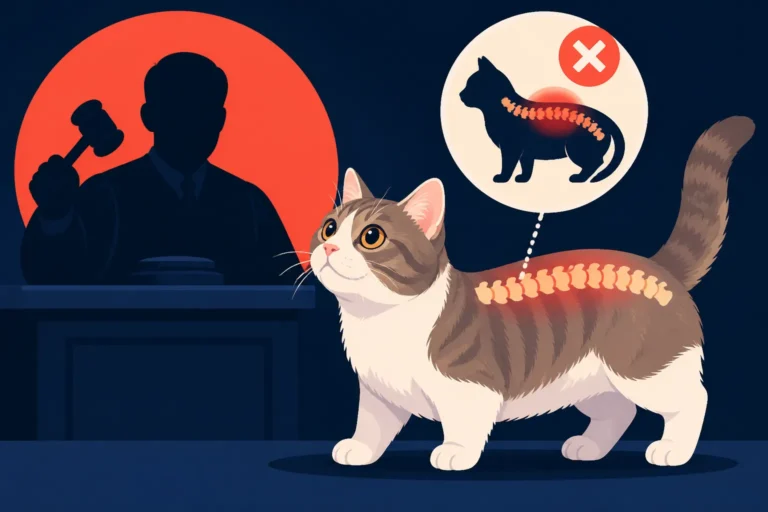
The Munchkin breed is defined by a genetic mutation causing chondrodysplasia, which results in shortened limbs. However, it’s not as simple as every kitten in a litter having short legs. The genetics are a bit more nuanced, and understanding this is key to grasping the pricing structure.
Why "Long Legs" Happen in a Munchkin Litter
The gene responsible for the Munchkin's short legs is an autosomal dominant gene. This means a cat only needs one copy of the gene to express the trait. However, having two copies of the gene is lethal, meaning a homozygous embryo (one with two copies) never develops. This is a crucial point: it’s why two short-legged Munchkins are never bred together. To produce viable short-legged kittens, a Munchkin cat with one copy of the gene (heterozygous) must always be bred to a normal-legged cat (an "outcross" or "non-standard" Munchkin, which does not carry the gene).
Because of this specific inheritance pattern, every Munchkin litter is essentially a carrier cross. When a short-legged Munchkin (carrying one copy of the gene) mates with a normal-legged cat (carrying no copies), the resulting kittens have about a 50/50 chance of inheriting the short-leg gene. This means that roughly half the kittens in a Munchkin litter will have the characteristic short legs, while the other half will have normal-length legs. These normal-legged kittens are genetically still Munchkins, but they don't display the physical trait. They are often referred to as "long-legged Munchkins" or "non-standard Munchkins." It’s quite common, then, to find these longer-legged kittens alongside their shorter siblings. You might be surprised to learn that Why Half a Munchkin Litter Has Normal Legs is a perfectly natural outcome of responsible breeding.
"Long-Legged Munchkin" Versus "Domestic Shorthair"
This is where some confusion can really set in for prospective owners. If a kitten from a Munchkin litter has normal-length legs, is it just a regular domestic shorthair or longhair cat? The answer is a bit more complex. Genetically, these long-legged kittens are still Munchkins. They descend directly from Munchkin parents (one of whom is short-legged), and their lineage is documented by the breeder. They carry the same personality traits, temperaments, and general physical characteristics as their short-legged siblings, minus the obvious leg difference.
The key distinction is that they do not possess the chondrodysplasia gene that causes the characteristic short legs. This is important for understanding their value and role in the breed. While they cannot be shown as "Munchkins" in categories requiring the short-leg trait, they are vital to the breed's health by providing genetic diversity for future breeding programs (though typically only standard-legged cats are bred to short-legged ones, not the long-legged offspring themselves). They also make wonderful pets, sharing the same playful and affectionate nature.
What Influences the Price of a Longer-Legged Munchkin?
Once you understand that long-legged Munchkins are a natural part of the breeding process, the question of their price becomes clearer. Several factors play into what a breeder asks for these cats.
The Impact of Leg Length on Desirability
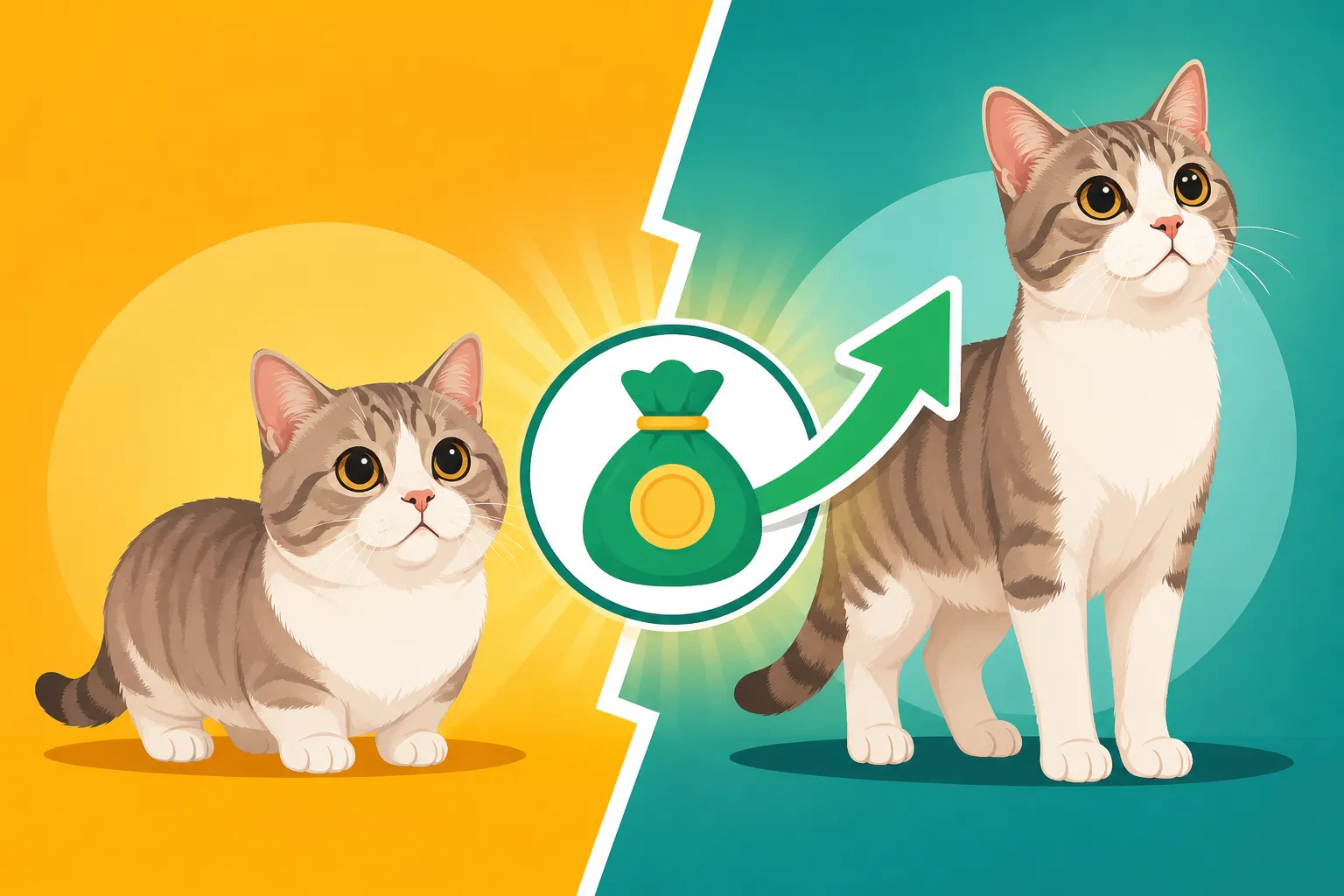
Let's be frank: the primary reason people seek out Munchkin cats is for their distinctive short legs. This unique physical trait is what makes them so recognizable and, for many, so endearing. When a kitten in a Munchkin litter doesn't inherit this trait, its perceived "rarity" or "specialness" diminishes in the eyes of many buyers who are specifically looking for the short-legged appearance. Because the demand for short-legged Munchkins is significantly higher than for their normal-legged counterparts, breeders typically price the long-legged kittens lower.
Think of it like this: if you're buying a designer handbag because of its unique pattern, and you're offered the same bag without that pattern, you'd expect a different price point, even if it's still the same high-quality brand. The short legs are the "pattern" for the Munchkin. Breeders understand this market dynamic. The value for a long-legged Munchkin comes more from its breed purity, documented lineage, and inherent personality rather than its visual novelty. This is a common factor when breeders determine What a Long Legged Munchkin Kitten Is Worth.
Breeder Reputation and Ethical Practices
A reputable and ethical breeder invests significant time, money, and care into their breeding program. This includes ensuring the health of their breeding cats, providing excellent veterinary care for the queen and kittens, proper nutrition, socialization, and maintaining a clean and stimulating environment. They perform genetic testing on their breeding stock (where applicable, though the Munchkin gene itself isn't DNA testable yet) and provide health guarantees. These are all factored into the price of any kitten from their cattery, regardless of leg length.
A breeder dedicated to the health and welfare of their cats will price their long-legged Munchkins to reflect these investments, even if lower than their short-legged siblings. They aren't simply "getting rid of" the normal-legged kittens; they are placing healthy, well-socialized purebred cats. Always look for a breeder who can provide transparency about their practices and show you the parents, health records, and living conditions. A good breeder will have a comprehensive contract, and be eager to answer your questions. This is why it's vital to know What a Munchkin Breeder Should Be Able to Show You before making any decisions.
Pedigree and Registration Status
For a cat to be considered a purebred Munchkin, it must be registered with a recognized cat association like The International Cat Association (TICA). TICA is the primary registry for Munchkins and allows both short-legged ("Standard") and long-legged ("Non-Standard") Munchkins to be registered. The ability to trace a kitten's lineage through a TICA pedigree adds to its value.
A long-legged Munchkin with full TICA registration papers, documenting its parentage and breed purity, will command a higher price than an unregistered one. These papers are a testament to the cat's heritage and ensure you are indeed getting a purebred Munchkin, even without the short legs. While long-legged Munchkins can't compete in TICA championship classes, their registration ensures their place within the breed's documented history. You might wonder Whether a Long Legged Munchkin Can Be Registered—and yes, they absolutely can, distinguishing them from a generic domestic cat.
Other Influencing Factors: Coat, Color, and Type
While leg length is the most significant factor in Munchkin pricing, other characteristics can also play a role, albeit a lesser one, especially for long-legged kittens.
Coat Type: Munchkins can come in both short-haired and long-haired varieties. Long-haired Munchkins might sometimes command a slightly higher price due to grooming demands or aesthetic preferences, but this difference is usually marginal compared to the impact of leg length. Regardless of leg length, the luxurious coat of a long-haired Munchkin still requires regular attention.
Color and Pattern: Rare or highly sought-after coat colors and patterns can sometimes influence price. For instance, a beautifully marked tabby or a striking colorpoint (like a Siamese pattern) might fetch a slightly higher price than a more common solid color. However, for long-legged Munchkins, the effect of color on price is usually minimal, as the absence of short legs remains the dominant pricing factor.
"Type" and Conformation: Even if a Munchkin has normal-length legs, its overall "type" – meaning how well it conforms to the general breed standard for head shape, ear set, eye shape, and body length – can influence its price. A long-legged Munchkin that is otherwise an excellent example of the breed will be more valuable than one with less desirable physical traits. These cats are bred from lines aiming for overall quality, not just the short leg mutation.
The Price Spectrum for Longer-Legged Munchkins
Let's talk numbers, or rather, the range of numbers, since specific pricing is always dynamic and varies by breeder, region, and individual kitten. Generally, you can expect long-legged Munchkins to be significantly less expensive than their short-legged littermates.
What "Pet Quality" Means for Longer Legs
Almost universally, long-legged Munchkin kittens are sold as "pet quality." This means they are intended to be beloved companions in a home and are not typically sold with breeding rights. Reputable breeders will require a spay/neuter contract, meaning you agree to have the kitten sterilized by a certain age. This practice is crucial for responsible breeding, as it helps prevent accidental litters and ensures the genetic integrity of the breed lines.
The "pet quality" designation, combined with the lower demand for normal-legged kittens, contributes directly to their lower price point. You're paying for a healthy, well-socialized purebred cat with a documented lineage, but not for the specific, highly sought-after short-leg trait or the potential for it to be part of a breeding program. The price of these kittens still reflects the breeder’s investment in health, care, and quality, but without the premium associated with the unique physical characteristic.
Regional Differences in Cost
Just like with almost any pet, the price of a Munchkin cat, even a long-legged one, can vary widely depending on your geographic location. In areas where Munchkins are particularly popular or where the cost of living (and thus, the cost of running a cattery) is higher, prices might be elevated. Conversely, in regions with lower demand or lower overhead for breeders, you might find slightly more accessible prices.
For instance, prices might differ significantly between a breeder in a bustling metropolitan area versus one in a more rural setting. Demand can also play a role; if there are fewer Munchkin breeders in a particular region, prices might be higher due to limited supply. It's always a good idea to research breeders in your local area and beyond to get a sense of the prevailing rates.
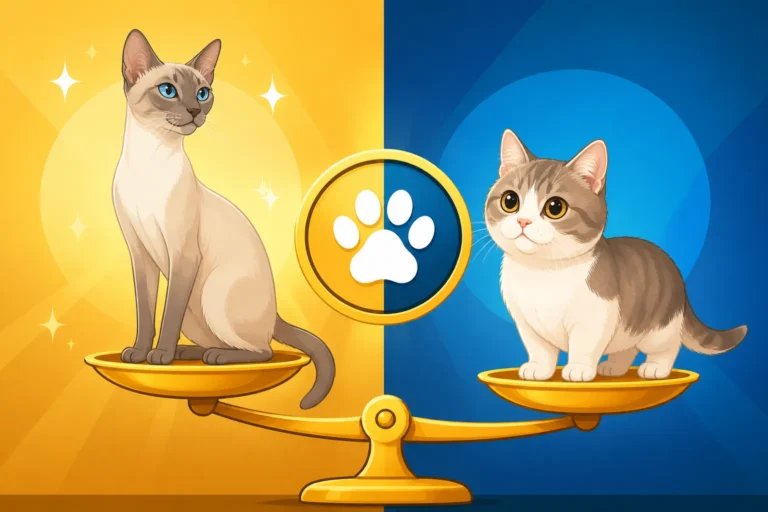
Comparing Costs: Long-Legged vs. Short-Legged Munchkins
To really highlight the difference, let’s look at a general comparison of what you might expect for short-legged versus long-legged Munchkin kittens. Please remember these are generalized ranges and actual prices will vary.
| Feature | Short-Legged Munchkin (Standard) | Long-Legged Munchkin (Non-Standard) |
|---|---|---|
| Leg Length | Distinctively short, characteristic of the breed. | Normal length, indistinguishable from a standard domestic cat's legs. |
| Demand | High, due to unique physical trait. | Moderate to lower, as the defining trait is absent. |
| Primary Use | Pet, Show, or Breeding (with conditions). | Pet only (usually sold with spay/neuter contract). |
| Price Point | Often in the higher range, reflecting demand and unique trait. | Significantly lower, reflecting reduced demand for specific trait. |
| Registration | TICA registered (can be shown in "Championship" class if quality allows). | TICA registered (cannot be shown in "Championship" class). |
| Health Profile | Same general health considerations, but added focus on spine/joints. | Same general health considerations. |
| Typical Cost | Usually starts around the middle to higher range, up to higher tier. | Often starts at the lower tier, up to middle range. |
Note: For specific figures, always check with individual reputable breeders. The intention here is to show the relative difference in pricing.
As you can see, the price difference can be quite substantial. While Why Munchkin Prices Sit Between One and Three Thousand might seem like a broad range, the leg length is often the primary driver for where a particular kitten falls within that spectrum.
What to Expect When Acquiring a Longer-Legged Munchkin
Bringing any new cat into your home is a big decision, and a long-legged Munchkin is no different. Knowing what to expect during the acquisition process can make it smoother and more enjoyable.
The Importance of a Reputable Breeder
Even though a long-legged Munchkin might be less expensive than its short-legged sibling, the importance of choosing a reputable breeder cannot be overstated. A good breeder will prioritize the health and temperament of their entire litter, not just the kittens that are destined for higher price tags. They will openly discuss the genetic background of their cats, provide health records, and offer a health guarantee. They’ll also be a great resource for advice as your kitten grows.
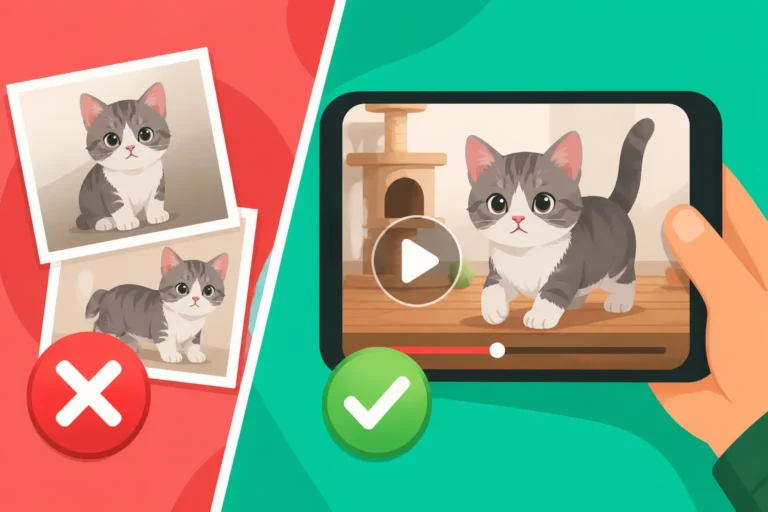
Beware of breeders who only show photos of the short-legged kittens, are vague about the health of the parents, or don't offer any paperwork. These can be red flags that indicate a less-than-ethical operation. A responsible breeder will often ask you questions about your home and experience to ensure their kitten is going to a good environment. They might even have a waiting list, even for their long-legged kittens, a sign that they are in demand due to quality, not just price. For peace of mind, always ask for What a Munchkin Breeder Should Be Able to Show You before committing.
Contracts and Spay/Neuter Agreements
As mentioned, long-legged Munchkins are almost always sold as pet quality. This means your purchase will typically come with a legally binding contract that stipulates you will spay or neuter the cat by a certain age. This is a standard practice in responsible breeding to protect the breed and prevent indiscriminate breeding. The breeder may even register the cat in your name only after proof of spay/neuter is provided.
These contracts are there for your protection and the cat's. They often outline health guarantees, return policies, and expectations for care. Reading and understanding the contract thoroughly before signing is crucial. Don't hesitate to ask the breeder to clarify any points you don't understand.
Initial Costs and Ongoing Care Considerations
While the upfront cost of a long-legged Munchkin may be lower, remember that owning a pet involves significant ongoing financial commitment. Your initial expenses will include basic supplies like a carrier, food and water bowls (consider raised ones to ease shoulder strain, even for longer-legged cats), a litter box, toys, and grooming tools. You’ll also have initial vet visits for vaccinations, deworming, and a general health check.
Ongoing costs include quality cat food, litter, regular vet check-ups, and potentially pet insurance. While a long-legged Munchkin doesn't have the same immediate physical challenges as a short-legged one, they still benefit from preventative care. If you are worried about unexpected vet bills, exploring pet insurance options from providers like Healthy Paws can provide peace of mind, regardless of your cat's specific breed characteristics. When you consider What a Munchkin Costs Over Thirteen Years, the initial purchase price is just a small piece of the pie.
Long-Legged Munchkins as Companion Animals
Perhaps the most important thing to remember is that a long-legged Munchkin is, at its heart, still a Munchkin – a vibrant, affectionate, and playful feline companion.
The Myth of "Less of a Munchkin"
It's easy to fall into the trap of thinking that a long-legged Munchkin is "less" of a Munchkin because it doesn't have the signature short legs. This simply isn't true. These cats share the same lineage, the same personality traits, and often the same quirky behaviors as their short-legged siblings. They are just as loving, curious, and playful. They will still engage in spirited games, explore their environment with gusto, and snuggle up for affection.
They may not do the famous "prairie dog sit" as often or for as long as a short-legged Munchkin (as they don't need to stretch as much for a better view), but they are full of personality. In fact, some owners appreciate that a long-legged Munchkin has fewer potential mobility restrictions, while still embodying the delightful temperament of the breed. It allows them to enjoy the Munchkin personality without some of the specific care considerations.
Health Considerations for All Munchkins
Even though long-legged Munchkins don't have the leg shortening associated with chondrodysplasia, it's important to remember they are still part of the Munchkin breed line. This means they share the same general health profile as their short-legged relatives. While they are less likely to experience issues directly related to shortened limbs, like early arthritis in the shoulders or elbows due to impact, they can still be prone to any genetic predispositions present in the overall Munchkin gene pool or their outcross ancestors.
For example, if the Munchkin breed line was outcrossed to a Persian, a long-legged Munchkin from that line might still carry a predisposition for Polycystic Kidney Disease (PKD), even if its legs are normal. Reputable breeders will screen for common diseases relevant to their specific outcrosses. Understanding Which Health Problems the Munchkin Actually Has is beneficial for all owners, regardless of their cat's leg length. General feline health issues like dental disease, kidney disease, or hyperthyroidism can affect any cat, and regular vet check-ups are essential.
Adapting Your Home for a Longer-Legged Munchkin
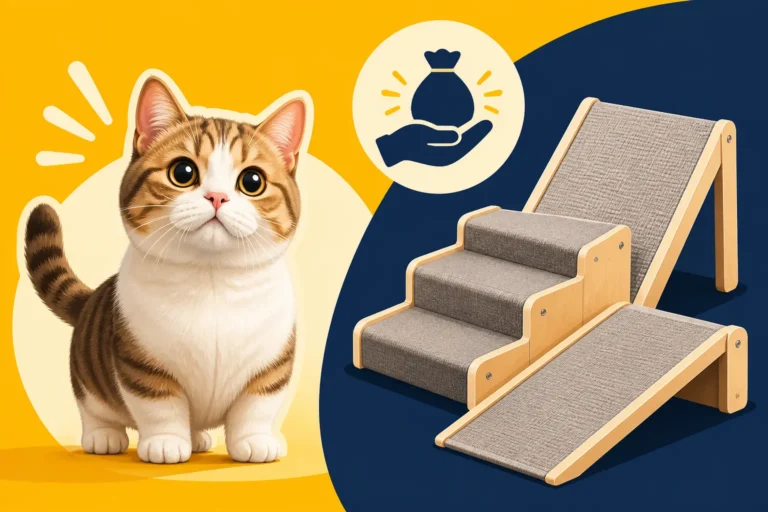
While a long-legged Munchkin doesn't have the same physical limitations as its short-legged counterparts, some home adaptations can still be beneficial. For example, they might not need ramps to get onto the sofa or bed, but ensuring safe landing zones from higher jumps can help protect their joints over a lifetime. Providing sturdy cat trees with easily accessible levels, and a variety of scratching posts (both vertical and horizontal) is always a good idea for any active cat.
Even if a long-legged Munchkin can jump higher, consistent jumping down from extreme heights can still put strain on their joints over many years. Think about sturdy steps or strategically placed furniture to give them options for ascent and descent, especially as they age. After all, the philosophy of With a Munchkin the House Changes, Not the Cat still holds some truth, even if the adaptations are less intensive for a normal-legged variant. Ensuring a safe and enriching environment is key to a happy and healthy cat, regardless of leg length.
Disclaimer
This article is for general informational purposes only and does not constitute professional advice. Laws, prices and regulations vary by location and change over time. Consult a qualified professional for guidance on your specific situation.