What Short Legs Cost on a Munchkin Kitten in 2026
Getting a Munchkin kitten can be an incredibly exciting time, but many new owners quickly realize that the initial purchase price is just the tip of the iceberg when it comes to the true financial commitment. The unique physiology that makes Munchkins so endearing also dictates a specific set of needs and associated costs throughout their lives. This guide is here to walk you through the realistic expenses involved, from the moment you bring your adorable short-legged furball home to their golden years, ensuring you're fully prepared for the financial journey ahead.
The Initial Sticker Shock: Understanding Munchkin Kitten Prices
Let's be real: Munchkin kittens are not cheap. Many prospective owners are surprised by the figures they see, and it's important to understand why these cats command such prices. It's not just about their cuteness; it's intricately tied to their genetics and the careful breeding practices required. The truth is, What the Short Legs Actually Cost a Munchkin goes far beyond the initial fee.
Why Short Legs Drive Up the Cost
The very trait that defines a Munchkin – their distinctively short legs – is the primary driver of their higher price tag. This isn't just a physical characteristic; it's a genetic mutation, specifically an autosomal dominant gene that causes pseudoachondroplasia, a form of dwarfism affecting long bones. Responsible breeding of Munchkins is complex because the gene is lethal in two copies, meaning you can never breed two short-legged Munchkins together. This inherent genetic challenge means breeders must always outcross to a normal-legged cat.
This necessity of outcrossing means that only about half of any given litter will have the desired short legs, making those kittens rarer and more sought after. The time, effort, and resources invested by ethical breeders to ensure healthy parents and genetic diversity contribute significantly to the cost. They are performing genetic testing, providing excellent prenatal care for the queen, and meticulous care for the kittens, including early socialization and vet checks, all before they even leave for their forever homes.
What "Standard" vs. "Rug Hugger" Means for Your Wallet
When you start looking at Munchkin kittens, you'll often hear terms like "Standard" and "Rug Hugger." These aren't official classifications but rather descriptors used by breeders and enthusiasts to categorize leg length, and yes, they absolutely impact the price. A "Standard" Munchkin will have noticeably short legs but still manage typical cat activities with some modifications. A "Rug Hugger," on the other hand, is the extreme end of the short-legged spectrum, with legs so short their belly nearly touches the ground.
The demand for these "Rug Hugger" Munchkins is typically higher due to their extremely unique appearance, and consequently, their price can be significantly inflated. While adorable, these ultra-short legs can sometimes come with a greater potential for mobility challenges and a need for even more extensive home adaptations, indirectly adding to future costs. It’s crucial to understand that these descriptive terms are marketing, and a truly ethical breeder will prioritize health and temperament over extreme leg shortness.
The Price Difference for Long-Legged Littermates
It might surprise you to learn that not all kittens in a Munchkin litter have short legs. As mentioned, because a short-legged Munchkin must be bred to a normal-legged domestic cat (or a long-legged Munchkin from an outcross), roughly half of the kittens in any given litter will inherit normal-length legs. These long-legged siblings are genetically still Munchkins, carrying the same pedigree and temperament, but without the defining short legs.
Naturally, these long-legged Munchkin kittens will be priced considerably lower than their short-legged counterparts, sometimes at a fraction of the cost. Many breeders sell them as high-quality domestic pets, often to homes that appreciate the breed's personality but don't specifically seek the short leg trait. They make wonderful companions and offer a chance to experience the Munchkin temperament without the higher financial commitment associated with the unique physical characteristic.
Beyond the Purchase Price: Essential Startup Costs
Bringing any pet home involves initial expenses, but with a Munchkin, there are some specific items you'll need to invest in right away to ensure their safety, comfort, and long-term health. These aren't luxuries; they're necessities for a short-legged cat.
Adapting Your Home: Ramps, Steps, and Low-Entry Litter Boxes
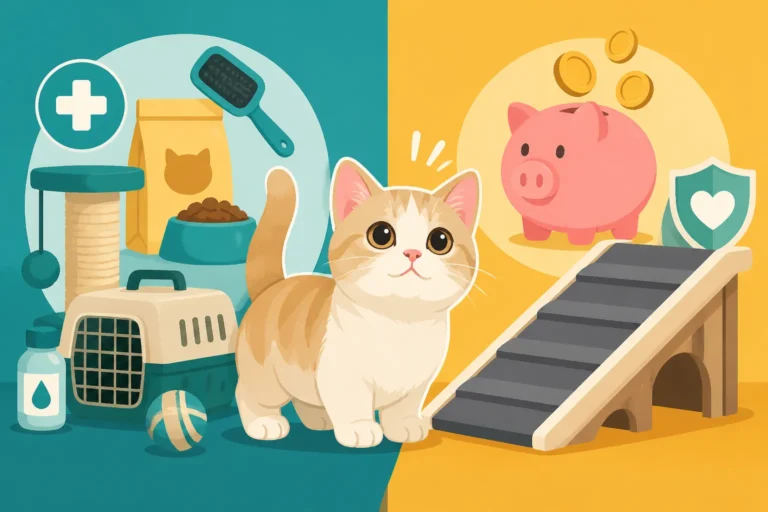
Your new Munchkin kitten, with its distinctive short legs, isn't going to be able to jump onto your sofa, bed, or even certain windowsills like a normal cat. This isn't a minor inconvenience; it's a fundamental aspect of their mobility that requires immediate attention. Therefore, one of your first significant investments will be adapting your home. This means acquiring or building sturdy ramps and steps to allow them safe access to elevated surfaces they would otherwise be unable to reach. Think about all the places your current cat (or previous cats) love to nap – the back of the sofa, a sunny windowsill, your bed – and realize your Munchkin will need a helping hand, or rather, a ramp. Remember, Ramps and Steps Are Munchkin Equipment, Not Luxuries for their independence and mental well-being.
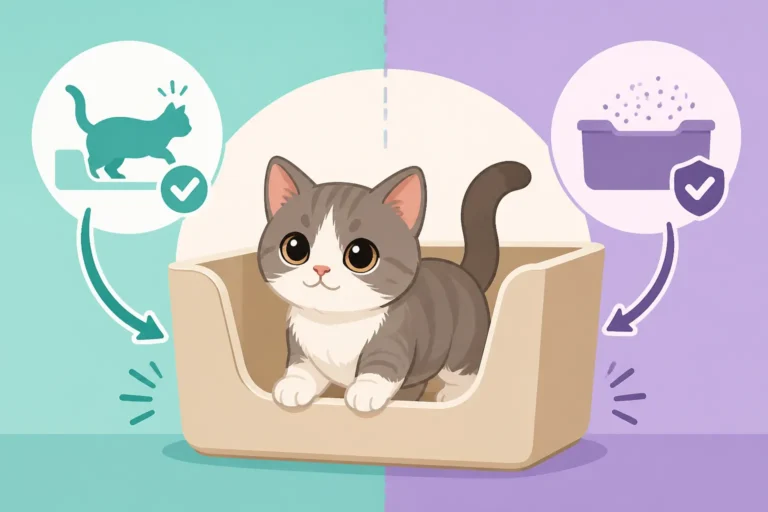
Beyond vertical access, consider their litter box. A standard litter box with high sides, which might be great for keeping litter contained, can become an insurmountable barrier for a Munchkin. You'll need low-entry litter boxes, or even shallow trays, that they can easily walk into without having to jump or strain. Imagine the frustration and potential for accidents if they can't comfortably access their toilet. This crucial detail ensures they maintain good litter habits and reduces strain on their developing joints. You might even find that a senior cat litter box is the perfect fit. Why a Munchkin Needs a Litter Box It Can Walk Into is paramount for their hygiene and comfort.
Initial Vet Visits and Health Screenings
Just like any new kitten, your Munchkin will need an initial vet check-up within the first few days of coming home. This isn't just a formality; it’s a critical step to ensure they are healthy, to confirm their vaccination schedule, and to discuss preventative care. Beyond the standard kitten protocol, a vet visit for a Munchkin carries additional importance. The vet will pay close attention to their unique skeletal structure, checking for any signs of conditions like lordosis or pectus excavatum, which, while not exclusive to Munchkins, are sometimes associated with the breed.
These initial screenings are essential for establishing a baseline for your kitten's health and discussing any specific care needs related to their short legs. It's also an excellent opportunity to talk about nutrition, weight management, and activity levels, all of which play a vital role in preventing future joint issues. Be prepared for a thorough examination, possibly including palpation of the spine and a gait assessment. An experienced vet will be looking for subtle signs that might not be immediately apparent to a new owner.
Grooming Tools and Specialized Supplies
While Munchkins come in various coat lengths, even shorthaired ones will require some specialized grooming attention due to their unique build. Their low-slung bodies mean their belly fur and hindquarters are closer to the ground, making them more prone to collecting debris from the litter box or getting matted. For long-haired Munchkins, this is especially true. You'll need a good quality brush or comb that can gently work through these areas, and possibly a slicker brush for longer coats.
Additionally, consider hygiene wipes for their rear end, especially after litter box use, to prevent matting and skin irritation. Some owners even opt for regular "sanitary clips" around the hindquarters to keep things clean, which might involve professional grooming costs. Their short legs also mean they can't stretch and reach all parts of their bodies for self-grooming as easily as a normal cat, increasing your responsibility in keeping them tidy. Invest in gentle nail clippers too, as their unique gait might affect how their claws wear down. Companies like Chewy offer a wide array of grooming tools suitable for all coat types.
Ongoing Monthly Expenses: Keeping Your Munchkin Happy and Healthy
The costs don't stop after the initial setup. Like all pets, Munchkins have ongoing needs that translate into regular monthly expenses. However, their unique physical characteristics mean some of these costs might be higher or require more specific attention than with a normal-legged cat.
Specialized Food and Weight Management
One of the most crucial aspects of Munchkin care, directly impacting their long-term health and your wallet, is weight management. Why Weight Is More Dangerous on a Munchkin cannot be overstated. Their short legs and unique spinal structure are simply not designed to carry excess weight. Even a few extra pounds can put significant strain on their joints and spine, potentially leading to discomfort, mobility issues, and costly vet visits down the line. This means their diet isn't just about feeding them; it's about precise caloric control and providing high-quality nutrition to support their musculoskeletal system.
You'll need to invest in a premium, species-appropriate cat food that offers excellent protein content without excessive fillers. Often, this means higher-quality, and thus more expensive, kibble or wet food. Feeding will likely involve carefully measured portions rather than free-feeding, and you might consider foods specifically formulated for joint health, even from a young age. Some owners explore fresh food options, always consulting with their vet to ensure it's balanced. This proactive approach to diet is an investment in their health, preventing potentially far greater expenses related to obesity-induced health problems.
Grooming Needs for Hard-to-Reach Spots
As mentioned in the startup costs, a Munchkin's anatomy presents ongoing grooming challenges. Their low body means they often struggle to reach their hindquarters and the underside of their belly effectively for self-grooming. This isn't just an aesthetic issue; it can lead to serious matting, skin irritation, and even infections if neglected. Regular, diligent owner-assisted grooming becomes a vital part of their care routine.
For long-haired Munchkins, professional grooming might become a recurring expense, perhaps every few months, to keep their coat in check and prevent painful mats. Even short-haired Munchkins benefit from regular brushing, especially around their rear and undercarriage. You'll need to factor in the cost of brushes, combs, and possibly professional sanitary clips. Overlooking this can lead to expensive vet visits to treat skin problems or to have severe mats shaved off under sedation, making those regular grooming sessions a wise preventative measure.
Litter and Other Consumables
While litter might seem like a straightforward expense, the type and amount you use for a Munchkin can sometimes be a bit different. Because their bellies are so close to the ground, some types of litter, particularly finer, dustier varieties, can stick more readily to their fur and skin. This can lead to irritation or being tracked throughout the house more easily. You might find yourself experimenting with different litter types, such as pelleted or larger granule options, which can sometimes be more expensive per bag.
Additionally, if your Munchkin needs hygiene wipes or regular cleaning of their hindquarters, these consumables will add to your monthly budget. Factor in the cost of toys that are accessible at their height, as well as regular treats (always mindful of their weight!). While not dramatically different from other cats, the specific considerations for a Munchkin can subtly push these "standard" pet expenses a little higher than you might initially anticipate.
The Unavoidable Vet Bill: Health Considerations and Insurance
No matter how well you care for your Munchkin, vet visits are a certainty throughout their life. Due to their unique anatomy, there are particular health considerations that Munchkin owners need to be aware of, which can influence both routine care costs and potential emergency expenses.
Understanding Potential Breed-Specific Health Concerns
The primary concern with Munchkins, directly related to their short-legged dwarfism, is their musculoskeletal health. While Munchkins are generally considered healthy and sturdy, their unique body structure means they are predisposed to certain conditions that normal-legged cats are not. Why a Munchkin's Spine Carries a Load a Normal Cat's Does Not is a critical piece of information here. The most commonly discussed conditions include lordosis and pectus excavatum. Lordosis is a spinal condition where the spine curves downwards, potentially compressing internal organs, while pectus excavatum is a "sunken chest" deformity that can affect breathing.
Although these conditions are not exclusive to Munchkins, their prevalence is often discussed in relation to the breed. It’s important to understand that a responsible breeder will screen their cats, but these conditions can still arise. Knowing the signs and symptoms, such as a change in gait or difficulty breathing, is vital for early detection and intervention. Other concerns include potential for earlier onset of arthritis due to the load on their joints, especially in the shoulders and elbows.
The Cost of Preventative Care and Regular Check-Ups
For a Munchkin, preventative care isn't just good practice; it's essential for managing potential breed-specific vulnerabilities. Regular veterinary check-ups, often yearly, are critical for monitoring their weight, assessing their joint health, and checking for any early signs of spinal issues. Your vet will pay close attention to their gait, their spine, and their overall mobility. Why a Munchkin's Annual Visit Includes Its Gait is a specific focus because subtle changes can indicate underlying problems.
These routine visits might sometimes include recommendations for X-rays as they age, to keep an eye on their spine and joints, which will add to the cost. Discussion about joint supplements, appropriate exercise, and maintaining an ideal body condition will be ongoing. While these preventative measures cost money, they are often far less expensive than treating advanced conditions that could have been caught earlier. Investing in regular, proactive care is the best way to safeguard your Munchkin's health and your finances in the long run.
Navigating Pet Insurance for a Munchkin
Given the potential for musculoskeletal issues, investing in pet insurance for your Munchkin is a very sensible decision. Many owners wonder Whether Pet Insurance Covers a Munchkin's Spine or if their unique breed is classified as high-risk. It's crucial to research different providers and their policies carefully before any health issues arise. Most insurance plans will not cover pre-existing conditions, so getting coverage while your Munchkin is a healthy kitten is paramount.
Look for policies that offer comprehensive coverage for accidents and illnesses, ideally including hereditary and congenital conditions. Be transparent with the insurer about your cat's breed. Some companies may have specific exclusions or higher premiums for certain breeds, but many reputable providers like Healthy Paws offer flexible plans. Understand the deductibles, reimbursement percentages, and annual limits. Pet insurance can provide invaluable peace of mind, cushioning the financial blow if your Munchkin ever needs extensive diagnostic tests, specialist consultations, or surgery for a spinal or joint condition.
Long-Term Investments: Lifetime Care and Quality of Life
A Munchkin is a lifelong commitment, and their unique needs evolve as they age. Planning for these long-term investments ensures your companion enjoys the best possible quality of life from kittenhood through their senior years.
Ongoing Mobility Support as Your Munchkin Ages
As your Munchkin enters their senior years, typically around 8-10 years of age, you might find that their mobility, already unique, starts to change even more. Like all cats, they can develop arthritis, but with their predisposed joint and spinal considerations, this can become more pronounced. The ramps and steps you installed earlier might need adjustments, or you might need to add more throughout the house as their ability to jump even small heights diminishes. Caring for a Munchkin Past Ten often involves heightened awareness of their physical comfort.
Consider non-slip mats on hard floors, orthopedic beds, and even low-level heated pads to soothe stiff joints. Hydrotherapy or physiotherapy might become options recommended by your vet to maintain muscle mass and flexibility, incurring additional costs. These are investments in their comfort and dignity, allowing them to remain independent and engaged in their environment despite the effects of aging. Regular pain management, prescribed by a vet, will likely become a part of their daily routine, a recurring expense that vastly improves their quality of life.
Specialized Senior Care Needs
Beyond mobility, senior Munchkins will have broader care needs. Regular vet check-ups become even more critical, focusing on age-related conditions common to all cats, such as kidney disease, hyperthyroidism, and dental issues. Early detection of these conditions is key to effective management, which can involve medication, special prescription diets, and more frequent blood tests. These all add to the ongoing monthly and yearly expenses.
Grooming might also become more challenging for an elderly Munchkin. As their flexibility decreases, they may struggle even more to reach their hindquarters, making your role in their hygiene even more important. You might need to increase professional grooming appointments or commit to more frequent home grooming sessions to prevent mats and skin problems. Ensuring they have easily accessible food and water bowls, and multiple low-entry litter boxes spread throughout the house, becomes essential for their comfort and health.
The Emotional and Time Investment
While not a direct financial cost, the emotional and time investment required for a Munchkin's lifetime care is significant and often underestimated. Their dependency on you for safe access to their environment means you need to be constantly aware of their limitations and adaptable in your living space. You'll spend time ensuring ramps are secure, adjusting furniture, and performing regular grooming tasks they cannot do themselves.
The unique bond you form with a Munchkin often comes with a deeper level of attentiveness to their specific needs. Their playful and affectionate nature makes this investment incredibly rewarding, but it’s important to enter into Munchkin ownership with your eyes wide open about the time and emotional energy you'll dedicate to ensuring their well-being throughout their The Twelve to Fifteen Years a Munchkin Usually Gets. This isn't a cat you can just set and forget; they thrive on interaction and a thoughtfully adapted environment.
Debunking Misconceptions: What Doesn't Cost More
Amidst the unique costs associated with Munchkins, it's easy to assume everything will be more expensive or more difficult. However, many aspects of their care and companionship are remarkably similar to normal-legged cats, or even surprisingly straightforward. It's important to separate fact from fear-mongering.
Training and Socialization Efforts
One common misconception is that Munchkins are harder to train or socialize due to their different physical structure. This couldn't be further from the truth. Munchkins are intelligent, playful, and highly adaptable cats. Their short legs don't impact their cognitive abilities or their capacity to learn. They respond just as well to positive reinforcement, clicker training, and consistent routines as any other feline.
In fact, some owners find their inquisitive nature makes them even more eager to learn tricks or engage with puzzle toys. Socialization, too, is a breeze with a well-bred Munchkin kitten. They typically integrate well into households with other pets and respectful children, provided they have safe spaces they can retreat to if needed. The cost of training aids, like clickers or treat dispensers, is the same as for any other cat, and your time investment in these areas will yield the same rewarding results.
Play and Enrichment Tailored for Short Legs
While a standard tall cat tree might be completely unsuitable for a Munchkin, this doesn't mean their enrichment needs are more expensive or complex. You simply need to adjust your approach to play. Munchkins love to play and are surprisingly agile on the floor. How High a Munchkin Can Actually Jump is quite limited, but they are very fast on the flat and excel at chasing toys.
Instead of vertical climbing structures, focus on ground-level enrichment. Tunnels, crinkle balls, interactive wand toys that stay low to the ground, and puzzle feeders that don't require high reaches are perfect. You can find these items at standard pet supply stores or online from retailers like Chewy without paying a premium. Creating stimulating environments doesn't have to break the bank; it just requires thoughtful consideration of their physical limitations and focusing on horizontal exploration rather than vertical.
Common Scams to Avoid (e.g., "Teacup" Munchkins)
Unfortunately, the popularity and unique nature of Munchkins have given rise to various misleading marketing tactics and outright scams. One of the most prevalent is the "Teacup Munchkin." There is no such breed or officially recognized size variant as a "Teacup Munchkin." This term is purely a marketing ploy, often used to inflate prices for unusually small kittens or to mask potentially unhealthy breeding practices that result in smaller-than-average, sometimes sickly, cats.
Similarly, be wary of breeders advertising "miniature" or "dwarf" Munchkins in a way that suggests a separate, even tinier breed. A Munchkin is already a dwarf breed. Any breeder using these terms to describe an even smaller cat might be irresponsibly breeding for extreme size, which can lead to severe health problems and costly vet bills down the line. Always look for breeders who focus on health, temperament, and adhere to TICA standards, and How to Spot a Munchkin Breeder Selling Two Mutations or otherwise engaging in risky practices. A legitimate breeder will never promise an unnaturally small cat; they will focus on healthy, well-socialized kittens.
Ethical Considerations: Where Your Money Goes
When you purchase a Munchkin kitten, especially one with a higher price tag, a significant portion of that cost should be directly attributed to the ethical and responsible practices of the breeder. Understanding this can help you make an informed decision and ensure your money supports the health and welfare of the breed.
The Cost of Responsible Breeding Practices
A responsible Munchkin breeder invests heavily in the health and welfare of their breeding cats and kittens. This is a major factor in the final price of your kitten. These costs include:
- Health Testing: Screening parent cats for genetic conditions and infectious diseases to prevent passing them on.
- High-Quality Nutrition: Providing top-tier food and supplements for queens during pregnancy and lactation, and for growing kittens.
- Veterinary Care: Regular vet check-ups for all cats, vaccinations, deworming, and any necessary medical interventions.
- Housing and Enrichment: Clean, safe, and stimulating environments for the cats, ensuring their physical and mental well-being.
- Socialization: Spending significant time handling and socializing kittens to ensure they are well-adjusted and confident when they go to their new homes.
- Genetic Management: Carefully selecting outcrosses to maintain genetic diversity and prevent inbreeding. Remember, Why Every Munchkin Litter Is a Carrier Cross is a core aspect of ethical breeding.
- Support and Guarantees: Offering ongoing support to new owners and providing health guarantees for their kittens.
These practices are not cheap, and they are what separates a reputable breeder from a backyard breeder or kitten mill. When you pay a higher price for a Munchkin from a good breeder, you're paying for this commitment to ethical standards and the health of your future companion.
Why a Cheap Munchkin Is a Warning
It's tempting to look for a deal, especially when prices for Munchkin kittens can be substantial. However, a significantly cheaper Munchkin kitten should always be seen as a major red flag. Breeders who sell kittens at unusually low prices often cut corners in critical areas, leading to severe problems for the kitten and immense costs for the unsuspecting owner.
These corners might include foregoing essential health screenings, leading to kittens with inherited diseases or parasites. They may house cats in unsanitary conditions, resulting in illness, or fail to provide adequate nutrition and socialization, leading to behavioral problems. You could end up with a kitten that is chronically ill, poorly adjusted, or has serious genetic health issues that will cost you thousands in vet bills over its lifetime – far more than you saved on the initial purchase price. Always prioritize the breeder's reputation and practices over a low price.
Supporting Rescues and Rehoming Efforts
While many people seek out Munchkin kittens from breeders, it's also worth considering adoption from a rescue organization or shelter. While dedicated Munchkin rescues are rarer than for more common breeds, they do exist, and sometimes Munchkins (or Munchkin mixes) find their way into general cat rescues. The cost of adopting a rescued Munchkin is typically a fraction of the price of a kitten from a breeder, often just covering veterinary care, spay/neuter surgery, and microchipping.
Adopting offers the immense reward of providing a loving home to a cat in need, and often these cats come with their full health history. While an adult rescue might already have some health considerations, the rescue organization will typically be transparent about these, and you'll be giving a second chance to a deserving feline. It's a wonderful way to experience the unique charm of a Munchkin without contributing to breeding practices, and it's certainly a more budget-friendly option for the initial acquisition.
Table: Munchkin Cost Breakdown Comparison (Illustrative)
Here's an illustrative comparison of potential costs, highlighting how initial savings can sometimes lead to greater long-term expenses if not considered carefully.
| Item/Category | Ethical Breeder Kitten (Initial) | "Bargain" Kitten (Initial) | Ethical Breeder Kitten (Long-term) | "Bargain" Kitten (Long-term, high risk) |
|---|---|---|---|---|
| Purchase Price | Higher (e.g., $1500-$3000) | Lower (e.g., $500-$1000) | N/A | N/A |
| Initial Vet Check | Standard | Standard | N/A | Potentially Higher (if existing issues) |
| Home Adaptation (Ramps, etc.) | Required | Required | Standard | Standard |
| Quality Food/Supplements | Ongoing | Ongoing | Standard | Potentially Higher (prescription diets) |
| Regular Grooming Supplies | Ongoing | Ongoing | Standard | Potentially Higher (due to neglect) |
| Pet Insurance | Recommended (early coverage) | Recommended (early coverage) | Standard premiums | Higher (if issues arise before coverage) |
| Treating Genetic Health Issues | Low Risk (due to screening) | High Risk (due to poor breeding) | Low likelihood of major costs | Very High likelihood of major costs |
| Behavioral Training | Low Risk (due to socialization) | Medium-High Risk | Standard | Higher (if behavioral issues need specialists) |
| TOTAL LIFETIME COST | Moderate to High | Potentially Very High | Moderate to High | Extremely High |
Note: This table uses illustrative cost shapes, not specific figures, as actual prices vary widely.
Disclaimer
This article is for general informational purposes only and does not constitute professional advice. Laws, prices and regulations vary by location and change over time. Consult a qualified professional for guidance on your specific situation.