How Much a Munchkin’s First Year Costs With Ramps Included
Bringing a charming Munchkin cat into your home is an exciting prospect, but it’s natural to feel a little overwhelmed by the unique considerations and expenses involved. Unlike a typical cat, a Munchkin’s shorter stature means you’ll need to adapt your living space and approach their care with specific items and considerations from day one. This guide is here to walk you through the comprehensive first-year costs of owning a Munchkin, including those essential ramps and adaptations, so you can budget wisely and provide your new furry family member with the best possible start.
Initial Acquisition and Breeder Costs
The very first expense you’ll encounter is, of course, the Munchkin kitten itself. This isn't just about the dollar figure; it's about the investment in a healthy, well-socialized companion from a responsible source. The price can vary quite a bit, but understanding what goes into that cost is crucial.
Understanding Kitten Prices
Munchkin kitten prices can fluctuate widely, often influenced by factors like the kitten's leg length (a "rug hugger" with extremely short legs typically commands a higher price), its pedigree, whether it's show quality, and the reputation of the breeder. A Munchkin kitten from a reputable breeder, particularly one with championship lines registered with an organization like TICA (The International Cat Association), will naturally cost more than one from a less established source.
When you're looking at that initial price tag, remember you're not just paying for a kitten. A good breeder includes significant value in that cost. This usually covers the queen's health checks, stud fees, veterinary care for the litter (including initial vaccinations, deworming, and a thorough health check-up), and often microchipping. They've invested time and effort into ensuring the kittens are healthy, well-socialized, and free from common inherited issues, which is paramount for a breed with specific conformational traits. You'll often find that breeders will include a health guarantee with your kitten. It’s always a good idea to research How Much a Munchkin With TICA Papers Costs to understand the value proposition.
What to Look for in a Breeder Contract
A comprehensive breeder contract is your first line of defense and peace of mind. Beyond the purchase price, it should detail health guarantees, particularly concerning common Munchkin-related conditions like lordosis or pectus excavatum. While these conditions aren't directly caused by the short leg gene, a responsible breeder will screen their lines and offer assurances.
The contract will also specify breeding restrictions – most reputable breeders sell pet-quality kittens on a spay/neuter contract to prevent irresponsible breeding. It should also outline what happens if a congenital health issue arises within a certain timeframe. Don't be shy about asking questions and ensuring you understand every clause. Knowing How Long a Munchkin Breeder Stands Behind a Kitten can give you an idea of the kind of support and guarantees you should expect. A good breeder is transparent and happy to discuss their health protocols and genetic testing.
Essential Gear and Home Adaptation Costs
This is where Munchkin ownership truly starts to diverge from standard cat care. Due to their short legs, Munchkins can’t jump or climb as easily as other cats, which means your home needs to be adapted to their unique mobility. These adaptations are not luxuries; they are fundamental for your Munchkin's safety, comfort, and independence.
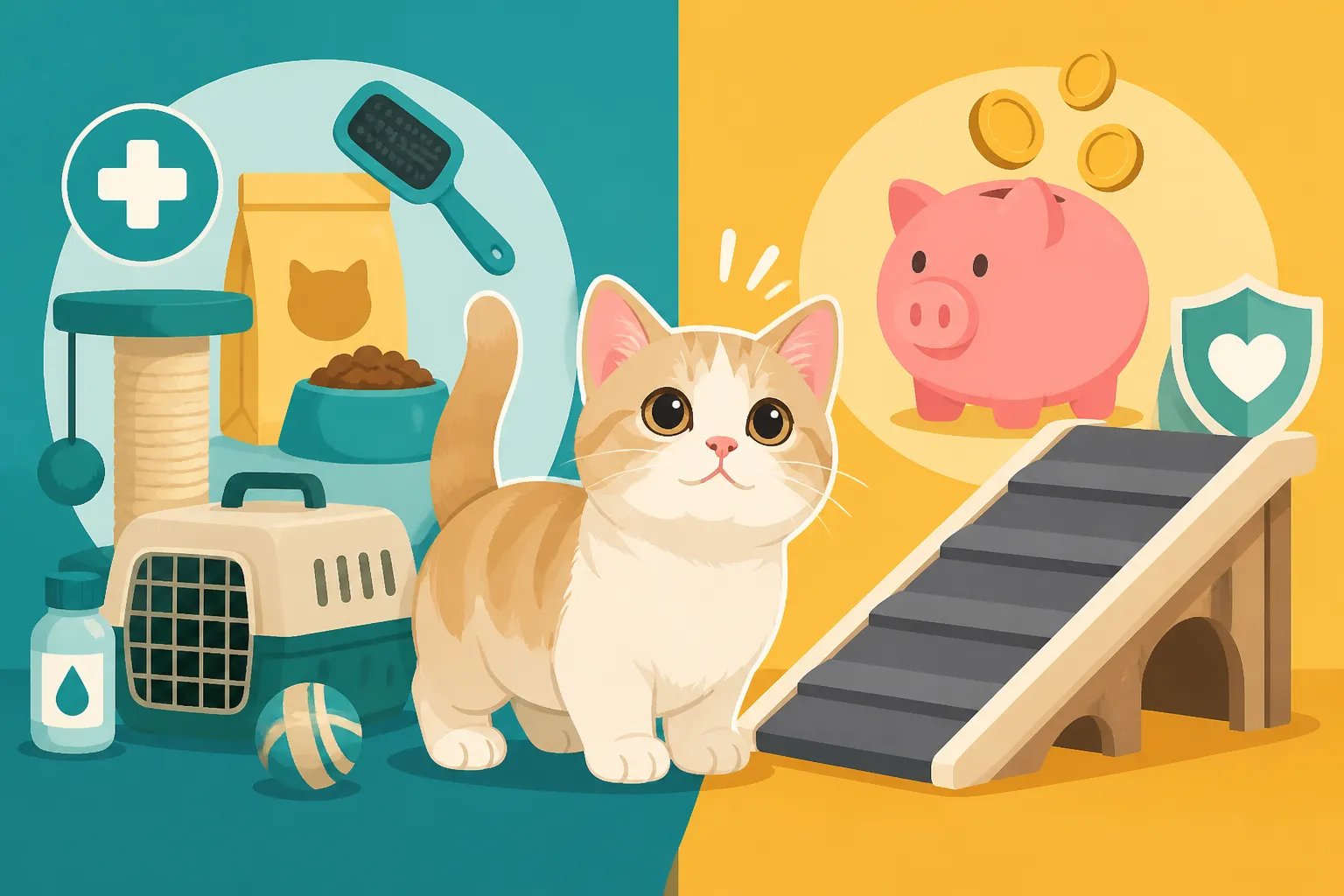
Ramps, Steps, and Low-Entry Essentials
The most significant adaptation will be the introduction of ramps and steps throughout your home. Your Munchkin won't be able to hop onto your bed, sofa, or favorite armchair without assistance. Imagine having to rely on someone to lift you every time you wanted to get onto your favorite perch!
You'll need sturdy, carpeted, or non-slip ramps and steps for:
- Sofa and Chairs: So they can join you for cuddles.
- Bed: To get up and down safely without risking injury from jumping.
- Windowsills: If your cat loves to birdwatch, a ramp or stack of steps will be essential.
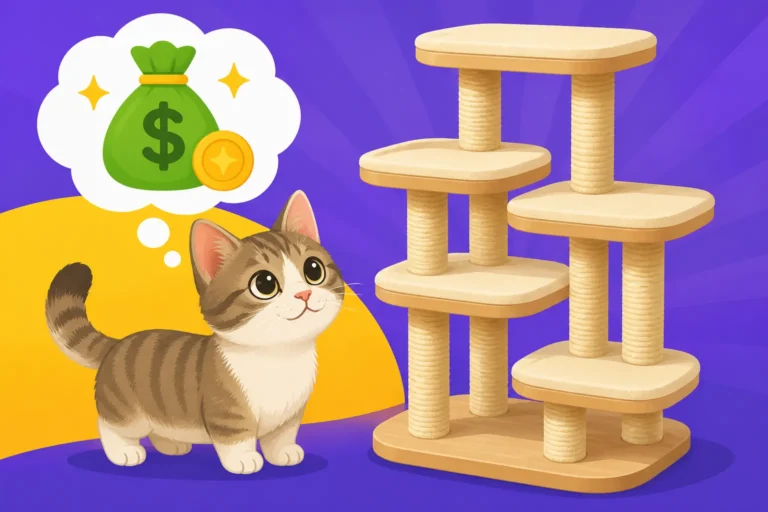
- Cat Trees: Standard cat trees often have platforms spaced too far apart. You'll need to modify them or invest in one specifically designed with closer, easily accessible platforms.
These items can range from simple, affordable pet ramps to custom-built solutions. Remember, Ramps and Steps Are Munchkin Equipment, Not Luxuries – they are vital for their quality of life. Many pet supply stores, including online retailers like Chewy, offer a variety of options. Knowing What Ramps for a Munchkin Cost to Buy can help you budget for these necessary items.
Beyond ramps, consider their litter box situation. A standard litter box with high sides can be a significant hurdle. Your Munchkin needs a low-entry litter box that they can comfortably walk into without straining their back or belly. Many senior cat litter boxes work perfectly for Munchkins. Likewise, food and water bowls should be easily accessible at floor level or slightly raised but without requiring a stretch. This prevents discomfort and potential strain on their shoulders and neck. Understanding What a Low Entry Munchkin Litter Box Costs is another important line item.
Safe Play and Scratching Solutions
Playtime and scratching are fundamental for any cat, and Munchkins are no exception. However, their unique physical structure dictates the types of equipment that will be most beneficial and safe.
Forget the towering cat trees with massive leaps between platforms; your Munchkin won't be able to navigate them. Instead, look for:
- Modular Cat Trees: Ones where you can customize the spacing of platforms, ensuring easy, short "steps" up.
- Ground-Level Scratchers: While vertical scratchers are good, horizontal cardboard scratchers, or those angled slightly, will be much more frequently used by your Munchkin as they can't always stretch up high. It's important to choose Which Scratching Post a Munchkin Can Use effectively.
- Interactive Toys: Toys that encourage floor-level play, like wand toys that sweep across the ground, laser pointers, and small, rollable toys, will be their favorites. Puzzle feeders that are easy to access without standing on hind legs for extended periods are also great for enrichment.
The goal is to provide stimulation and activity that respects their physical limitations, encouraging exercise without risking injury from excessive jumping or reaching.
Grooming Supplies for Unique Needs
Munchkins, especially long-haired varieties, have specific grooming needs due to their inability to reach certain parts of their body effectively. Their short legs mean they can't contort themselves to clean their hindquarters, belly, or even some parts of their back as thoroughly as a long-legged cat.
You'll need:
- Soft Brushes and Combs: Regular brushing, particularly for long-haired Munchkins, is essential to prevent mats and tangles, especially around their hindquarters and belly, which are prone to collecting debris or litter.
- Sanitary Shears: For long-haired Munchkins, a "sanitary clip" around their rear end might be necessary to keep things clean and prevent fecal matting. This can be done at home with appropriate, blunt-tipped shears or by a professional groomer.
- Gentle Cat Wipes: For quick clean-ups around their rear after litter box visits, as they may not be able to fully self-groom.
These supplies are crucial for maintaining hygiene and preventing skin irritation or discomfort. You might even find yourself needing to learn How to Groom a Munchkin's Hindquarters if you have a particularly fluffy friend.
First-Year Veterinary and Health Expenses
The first year of a Munchkin's life is usually the most intensive in terms of veterinary care, establishing a strong foundation for lifelong health.
Initial Vet Visits and Preventative Care
Your Munchkin kitten will require several vet visits during their first few months for crucial preventative care. This includes:
- Initial Health Check: A thorough examination soon after bringing them home to ensure they are healthy, check for any congenital issues, and assess their overall development. The vet will specifically check their spine and legs. Why a Munchkin Kitten Needs an Early Vet Check
- Vaccination Series: Kittens typically need a series of core vaccinations (like FVRCP – Feline Viral Rhinotracheitis, Calicivirus, Panleukopenia) and often rabies, spaced out over several weeks.
- Deworming and Parasite Prevention: Regular deworming treatments and potentially initial doses of flea and tick prevention.
- Spay/Neuter Surgery: This is a significant one-time cost, typically performed around 5-6 months of age. It's a routine procedure but involves anesthesia and recovery care.
These early visits are paramount for catching any issues early and setting your kitten up for a healthy life.
Ongoing Health Monitoring and Preventative Measures
Beyond the initial puppy-shot stage, your Munchkin will need continued health monitoring. While the short leg gene itself isn't painful, the conformational changes can predispose them to certain conditions.
- Routine Check-ups: An annual wellness exam is crucial, even for seemingly healthy cats. For a Munchkin, the vet will pay close attention to their gait, spinal health, and joint mobility.
- Joint Supplements: Many Munchkin owners start their cats on joint supplements (like glucosamine and chondroitin) proactively, often recommended by vets to support joint health, particularly in their shoulders and elbows which bear more weight. Look for cat-specific supplements from reputable sources that focus on health.
- X-rays: Depending on your vet's assessment and your cat's specific history, X-rays might be recommended to monitor spinal health or check for early signs of arthritis, especially as they get older. This adds to the cost but can provide valuable insights. It's essential to understand Why a Munchkin's Vet Year Includes Its Joints.
Pet Insurance Considerations
Given the potential for musculoskeletal issues related to their unique conformation, pet insurance is an investment many Munchkin owners consider wise. While the short legs themselves aren't a disease, conditions like osteoarthritis in their joints or lordosis (a spinal curvature) could incur significant veterinary costs down the line.
When looking at pet insurance, consider:
- Coverage: What does the policy cover? Does it exclude congenital conditions or pre-existing conditions that might manifest early?
- Deductibles and Reimbursement Rates: How much do you pay out of pocket before coverage kicks in, and what percentage of the vet bill will be reimbursed?
- Specific Breed Considerations: Some insurers might view certain breeds differently, so ask direct questions.
Enrolling your Munchkin in pet insurance early, before any conditions are diagnosed, is usually the smartest financial move. Companies like Healthy Paws offer various plans that can provide a crucial financial safety net. Being prepared for questions like Whether Pet Insurance Covers a Munchkin's Spine is important, as some conditions might be treated as breed-specific.
Recurring Monthly and Miscellaneous Costs
Once the initial large expenses are out of the way, you’ll settle into a rhythm of monthly recurring costs. These are similar to any cat owner but tailored to your Munchkin's needs.
Food and Litter
- Premium Cat Food: High-quality food is essential for any cat, but for a Munchkin, maintaining a healthy weight is paramount to protect their joints and spine. They generally burn fewer calories than a long-legged cat because they don't jump as much. So, precise portion control with quality food (perhaps even formulas designed for joint health) is key. Don't be surprised if How Few Calories a Munchkin Actually Burns is less than you expect.
- Cat Litter: Using a good quality, low-dust litter is important, especially since their low belly might come into contact with it more frequently. Fine, clumping litters tend to track less and are often easier for them.
Toys, Treats, and Replacements
Budget for a consistent supply of toys to keep them mentally and physically stimulated at floor level. Treats are great for training and bonding, but always factor them into their daily calorie intake to prevent weight gain, which is particularly dangerous for a Munchkin. Ramps and steps might need occasional replacement or repair over time.
Professional Grooming (if needed)
Even with your best efforts, some Munchkins, particularly those with long coats, might benefit from occasional professional grooming, especially a sanitary trim around their hindquarters. This can prevent serious matting and hygiene issues. Knowing How Much a Groomer Charges to Clip a Munchkin's Rear is a good thing to factor into your annual budget, even if it's only once or twice a year.
First-Year Munchkin Cat Cost Estimate (with Ramps)
Here's a general idea of what you might expect to spend in the first year. Please remember these are broad ranges, and actual costs will vary significantly based on location, breeder, product choices, and your cat's individual health needs.
| Category | Estimated Range (First Year) | Notes |
|---|---|---|
| Initial Acquisition | ||
| Munchkin Kitten (from breeder) | Varies greatly; typically higher than a standard domestic cat | Includes initial vet checks, deworming, some vaccinations. |
| Home Adaptations & Gear | ||
| Ramps/Steps (for bed, sofa, windows) | $$100 – $500+$ | Depends on quality, number, and whether you DIY or buy. |
| Low-Entry Litter Box(es) | $$30 – $100$ | Often need 2-3 throughout the house. |
| Adapted Cat Tree/Furniture | $$50 – $300$ | Modular trees, floor-level scratchers, cat-friendly steps. |
| Food/Water Bowls | $$20 – $50$ | Low-profile or slightly raised for comfort. |
| Carrier | $$30 – $80$ | Essential for vet visits and travel. |
| Basic Grooming Supplies | $$20 – $60$ | Brushes, comb, nail clippers, cat-specific wipes. |
| Toys & Starter Kit (blanket, etc.) | $$50 – $150$ | Assortment of safe, engaging floor-level toys. |
| Veterinary & Health | ||
| Initial Vet Visits & Vaccinations | $$150 – $300$ | Multiple visits, core vaccines, deworming. |
| Spay/Neuter Surgery | $$200 – $500$ | Includes anesthesia, procedure, pain meds. |
| Microchipping (if not included) | $$30 – $60$ | One-time fee, often done at vet. |
| Annual Check-up (later in year) | $$80 – $150$ | Routine exam, possibly initial blood work. |
| Flea/Tick/Heartworm Prevention (6-12 months) | $$100 – $250$ | Monthly or quarterly treatments. |
| Joint Supplements (proactive) | $$50 – $150$ | Depending on brand and starting age. |
| Pet Insurance (first year premiums) | $$200 – $600$ | Varies by plan, deductible, coverage. |
| Recurring Monthly (Annualized) | ||
| Food (annual average) | $$300 – $700$ | Depends on food quality, brand, and your cat's needs. |
| Litter (annual average) | $$150 – $350$ | Depends on type and frequency of changes. |
| Miscellaneous | ||
| Professional Grooming (if needed) | $$0 – $150$ | Sanitary clips, full grooms. |
| Cat Sitter/Boarding | $$0 – Variable$ | If you travel. |
| TOTAL ESTIMATED FIRST YEAR (excluding kitten purchase price) | $1,000 – $3,000+ | This gives you a clear picture of the investment beyond the initial cost of the kitten itself. |
Bringing a Munchkin into your life is a deeply rewarding experience, and being prepared for the financial commitment, especially in that comprehensive first year, will ensure a smooth and happy transition for everyone. The initial investment in home adaptations and preventative care will pay dividends in your Munchkin's long-term health and well-being. By understanding these costs up front, you can focus on building a loving, adapted home where your little short-legged friend can thrive. After all, a happy, healthy cat is truly priceless.
Disclaimer
This article is for general informational purposes only and does not constitute professional advice. Laws, prices and regulations vary by location and change over time. Consult a qualified professional for guidance on your specific situation.