How Much a Munchkin With TICA Papers Costs
Bringing home a Munchkin cat can be an incredibly exciting time, but the financial aspect can often feel like navigating a maze. Many prospective owners find themselves wondering about the price tag, especially when a kitten comes with official registration papers. This guide aims to demystify exactly what goes into the cost of a Munchkin cat specifically when it holds TICA (The International Cat Association) registration papers, helping you understand the value and responsibilities involved.
Understanding TICA Registration and What It Means for Price
When you're looking at a Munchkin kitten advertised with TICA papers, you're looking at more than just a certificate; you're looking at a commitment to a standard of breeding and care that inherently adds to the cost. The TICA registry is one of the primary organizations that recognize the Munchkin breed, and their recognition brings with it certain expectations and advantages.
The Value of Pedigree and Certification
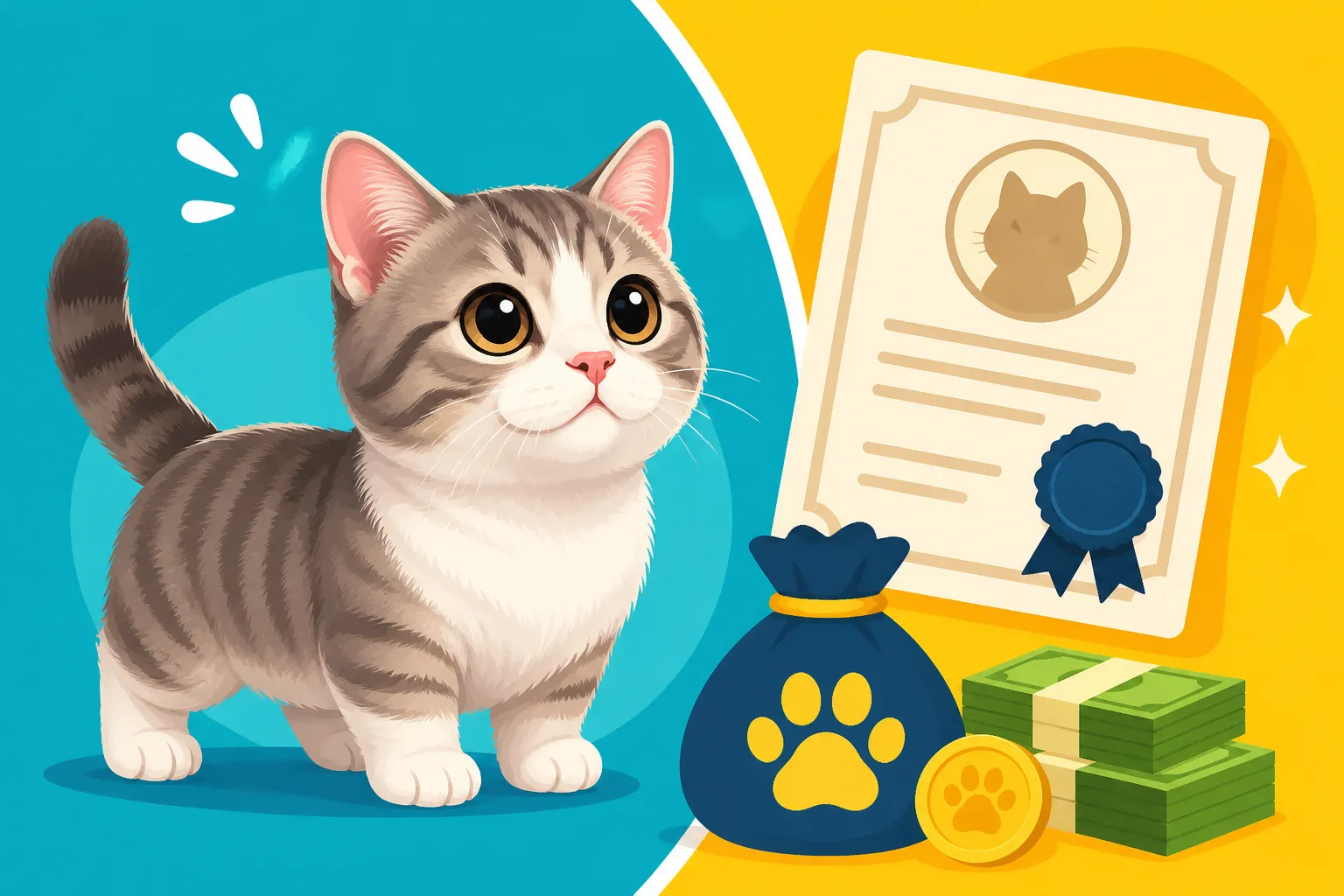
A TICA registration means that your Munchkin kitten's lineage is documented, tracing back to its ancestors within the breed. This isn't just about bragging rights; it's a testament to the breeder's dedication to maintaining breed integrity and health. When a breeder adheres to TICA standards, they are typically committed to ethical breeding practices, ensuring the genetic health and temperament of their cats. This pedigree means you're not just getting "a short-legged cat" but a purebred Munchkin whose background is verifiable.
This level of assurance, however, comes at a cost. Breeders invest significant time, effort, and money into their breeding programs to meet these standards. They maintain detailed records, participate in cat shows (which can be quite an expense in itself), and work to produce kittens that conform to the breed's ideal characteristics. This attention to detail and adherence to an official standard justifies a higher price compared to an unregistered short-legged cat, which might be a mix or come from unknown lineage, and whose health and genetic background would be uncertain. TICA's involvement provides a layer of credibility that significantly influences the asking price. TICA Judges the Munchkin and CFA Will Not Register It
What a Breeder Must Do for TICA Papers
The process of obtaining TICA papers for a kitten is not a simple one-and-done task; it involves several steps and associated costs for the breeder. First, the breeding cats themselves (the queen and stud) must be registered with TICA. This requires demonstrating their pedigree and adherence to breed standards. Once a litter is born, the breeder must then register the entire litter. This step usually involves submitting paperwork with details about the parents, the birth date, and the number of kittens.
Finally, each individual kitten intended for sale with papers must be individually registered. This process ensures that the kitten's unique identity is officially recorded within the TICA database, linking it to its registered parents and litter. All these registrations come with fees charged by TICA. Beyond the fees, there's the administrative work, the time spent on record-keeping, and the general overhead of running a reputable cattery. These aren't hidden costs but essential parts of the ethical breeding process, and they are naturally factored into the purchase price of a TICA-registered Munchkin kitten. When you see a higher price tag, part of it is covering these legitimate, mandatory expenses the breeder incurs to provide you with a properly documented purebred cat.
Papers vs. Breeding Rights
It's crucial to understand that receiving TICA papers for your Munchkin kitten typically means you're purchasing a "pet quality" cat. While it has a documented lineage, it's usually sold on a spay/neuter contract, meaning you agree to have the cat spayed or neutered by a certain age and not use it for breeding. The TICA papers confirm its purebred status, but they don't automatically confer breeding rights.
If you were interested in breeding a TICA-registered Munchkin, the cost would be significantly higher – often double or even triple the price of a pet-quality kitten. This is because a breeder selling with breeding rights is not only providing a top-quality animal suitable for reproduction but is also entrusting you with the continuation of their lines and the future of the breed. They will usually have stricter requirements and a more comprehensive contract for breeding placements. For the vast majority of people simply seeking a cherished companion, the TICA papers confirm that your new family member is indeed a purebred Munchkin from a reputable background, without the added expense or responsibility of breeding.
Factors Beyond Papers That Influence the Price Tag
While TICA papers establish a baseline of authenticity and quality, several other characteristics of the individual Munchkin kitten and the breeder's practices can significantly swing the final price. These factors are often what breeders use to differentiate their kittens within the market.
Leg Length and Conformation
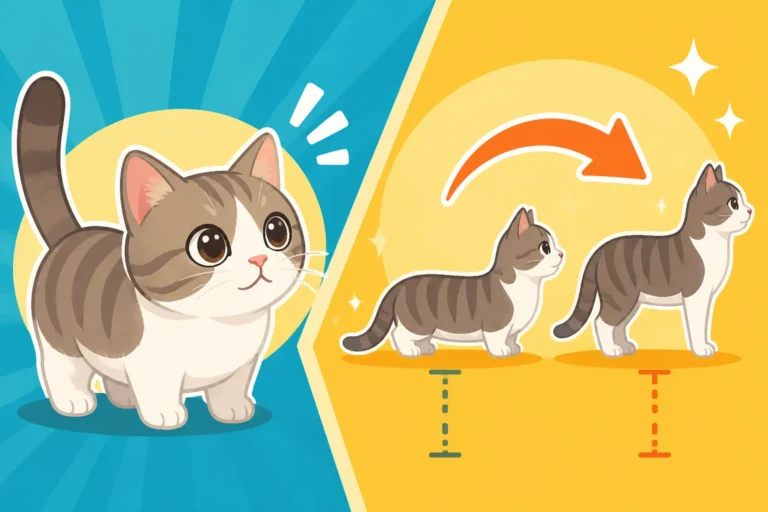
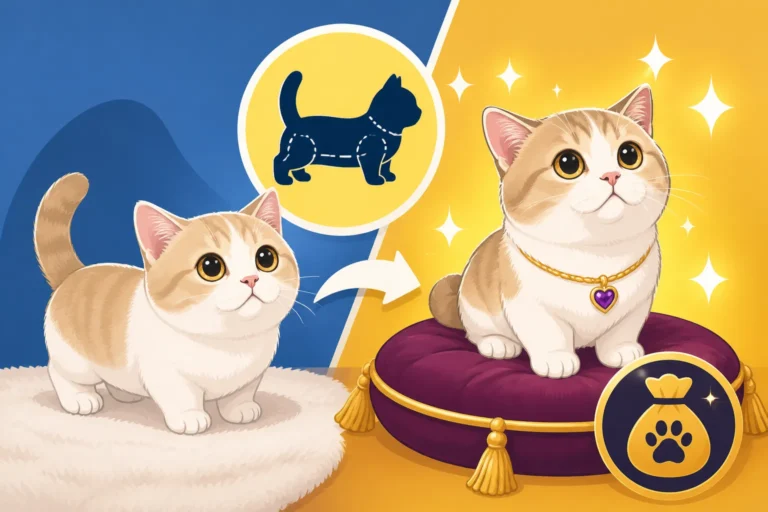
For Munchkins, the length of their legs is arguably the most defining physical characteristic and has a direct impact on their price. The shorter the legs, generally, the higher the demand and thus the higher the price. Kittens often categorized as "rug huggers" (meaning their legs are exceptionally short, causing their belly to almost touch the ground) are considered the most desirable by many enthusiasts and will command premium prices. These cats embody the unique "dwarf" trait most distinctly. Why Shorter Legs Raise a Munchkin's Price
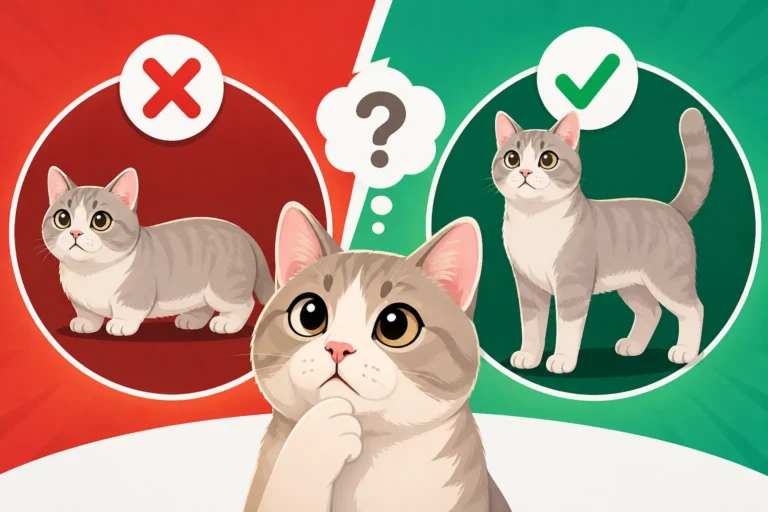
Breeders will carefully assess the leg length and overall conformation of kittens as they develop, usually around 8 to 12 weeks of age, before setting prices. The structure of the legs—whether they appear straight or slightly bowed, and how well-proportioned they are to the body—also plays a role. Kittens with ideal leg conformation, even if not "rug huggers," will still be valued higher than those with less desirable traits or any indications of potential mobility issues. The uniqueness of the short legs is, after all, the essence of the Munchkin breed, and therefore, it heavily influences what people are willing to pay. How Short a Munchkin's Legs Actually Are
Coat Type and Color
While leg length is paramount, the Munchkin breed also comes in a delightful array of coat types and colors, which can subtly influence the price. Munchkins can have short hair or long hair. Longhaired Munchkins, especially those with luxurious, silky coats, sometimes fetch a slightly higher price due to their unique appearance and the extra grooming required to maintain such coats.
Similarly, certain rare or highly sought-after coat colors and patterns can add to the kitten's value. For example, a blue-point or chocolate-point longhaired Munchkin might be priced a little higher than a standard black shorthair, simply because of demand for that specific aesthetic. However, it's important to note that these aesthetic traits are usually secondary to leg length and overall health. A common-colored Munchkin with perfectly short, well-conformed legs will almost always be more expensive than a rare-colored Munchkin with longer, less characteristic legs. The visual appeal is a bonus, not the primary driver of cost, unlike in some other breeds where color dictates price almost entirely.
Breeder Reputation and Location
The breeder you choose plays a massive role in the final price of your Munchkin. Reputable breeders with years of experience, a history of producing healthy, well-socialized kittens, and positive testimonials from previous clients will naturally charge more. This premium reflects their extensive knowledge, ethical practices, and the significant investment they make in their cattery. They will screen their breeding cats for genetic health issues, provide excellent nutrition, ensure proper veterinary care, and dedicate ample time to socializing their kittens, all of which contribute to a higher operational cost.
Conversely, a breeder selling kittens for a significantly lower price might be cutting corners on these essential aspects, potentially leading to health or behavioral problems down the line that will end up costing you more in vet bills and heartache. Location also impacts pricing. In areas where demand for Munchkins is very high or where there are fewer reputable breeders, prices can be elevated due compared to regions with more supply. Shipping costs, if applicable, would also add to the final bill, often running into several hundred dollars depending on the distance and method. Always consider the breeder's reputation and practices as a critical component of the kitten's true value.
Health Screening and Guarantees
One of the most important (and often overlooked) aspects that impact the price of a purebred Munchkin, especially one with TICA papers, is the breeder's commitment to health screening and the health guarantee they provide. Ethical breeders will invest in health tests for their breeding cats to screen for hereditary conditions relevant to the breed and its outcrosses, such as Polycystic Kidney Disease (PKD) if Persian lines are used, or genetic issues common in the domestic shorthair lines used for outcrossing. This proactive approach significantly reduces the risk of you acquiring a kitten with unforeseen health problems, which can save you thousands in future veterinary costs.
A comprehensive health guarantee is another hallmark of a reputable breeder. This typically covers specific genetic conditions for a certain period after purchase, offering peace of mind and demonstrating the breeder's confidence in the health of their kittens. While these screenings and guarantees add to the initial price, they are invaluable investments in your kitten's long-term well-being. A lower-priced Munchkin might come without these assurances, leaving you vulnerable to expensive medical issues. When you compare prices, always inquire about the health testing performed on the parents and the specifics of the health guarantee provided. It's truly a case where you get what you pay for in terms of peace of mind.
The Long-Term Financial Picture: Beyond the Initial Purchase
Bringing a Munchkin into your home is a long-term commitment, and the initial purchase price is just the first step. To truly understand the cost of owning a TICA-registered Munchkin, you need to budget for the ongoing care and potential adaptations necessary for their unique physical needs.
Initial Setup Costs
When you prepare your home for a Munchkin, you'll quickly realize that their short legs necessitate some modifications. You can't just expect them to navigate a standard cat's world effortlessly. Low-entry litter boxes are a must, as a regular high-sided box might be difficult or uncomfortable for them to get into, potentially leading to accidents outside the box. Look for options designed for senior cats or those with mobility issues.
Beyond the litter box, you'll need to consider how your Munchkin will access elevated surfaces like sofas, beds, or even favorite window perches. Ramps and steps become essential equipment, not just luxuries. You might need to invest in several of these, strategically placed around your home. Cat trees designed for Munchkins have closer-set platforms or ramps, as standard cat trees will have gaps too wide for their short legs to jump comfortably. While you can find practical and affordable options through retailers like Chewy, these initial setup costs for specialized equipment add up. Ramps and Steps Are Munchkin Equipment, Not Luxuries Why a Munchkin's House Costs More Than the Cat
Ongoing Care and Potential Health Considerations
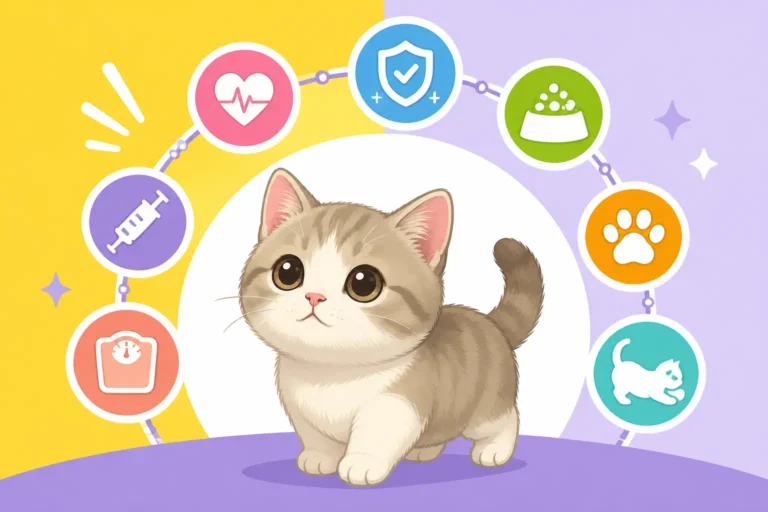
Munchkins, like all cats, require regular veterinary care, including vaccinations, routine check-ups, and preventative treatments. However, due to their unique physiology, there are specific health considerations that can add to their ongoing care costs. Weight control, for instance, is absolutely paramount for a Munchkin. Every extra pound places undue stress on their short legs and spine, increasing the risk of joint problems and conditions like lordosis or pectus excavatum. Why Weight Control Is the Whole Munchkin Care Plan Why a Munchkin's Vet Year Includes Its Joints This means a high-quality, portion-controlled diet is essential, and you might consider specialized joint-support foods or supplements available from pet retailers or veterinary lines.
As Munchkins age, they can be prone to osteoarthritis, particularly in their front legs and shoulders, which bear the brunt of their movement. This might necessitate ongoing joint supplements, pain management medications, or even physical therapy in later years. Investing in pet insurance early on, from providers like Healthy Paws, can be a financially savvy decision. It can help cover unexpected accidents or illnesses, as well as the chronic conditions that might arise from their unique bone structure. Without insurance, these long-term health management costs can quickly escalate, making a seemingly "cheap" cat much more expensive in the long run.
Why a "Bargain" Munchkin Isn't a Bargain
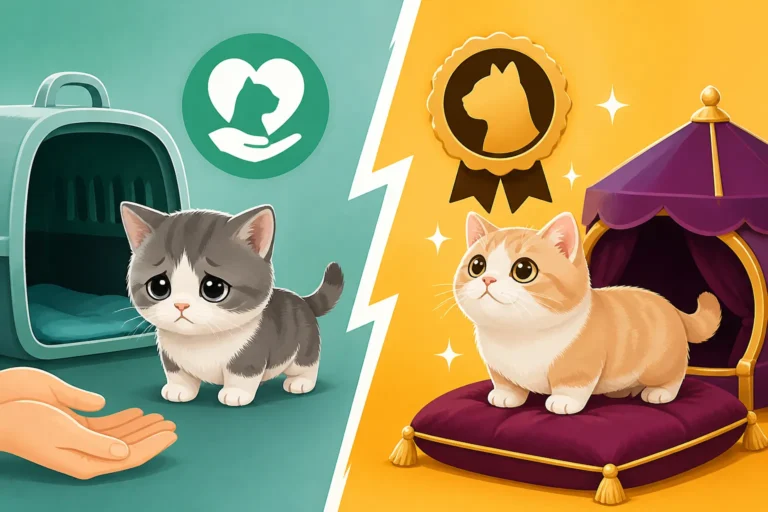
It's tempting to look for a "bargain" when purchasing a purebred cat, but with Munchkins, a significantly lower price should always raise a red flag. An unregistered Munchkin, or one sold without proper health guarantees, might initially save you hundreds of dollars, but the potential hidden costs can quickly eclipse those savings. Breeders who bypass TICA registration often do so because they don't meet the breed standards, aren't investing in proper health screenings, or are breeding indiscriminately. This can lead to kittens with undisclosed genetic health issues, poor socialization, or unknown lineage.
You might end up with a Munchkin that develops severe spinal problems (like lordosis) or severe joint issues, leading to extensive and costly veterinary care. Behaviorally, a poorly socialized kitten might come with challenging habits that require professional intervention. The initial savings from a cheap purchase can be wiped out by a single emergency vet visit or the need for ongoing medical management. Ultimately, the slightly higher price for a TICA-registered Munchkin from a reputable breeder is an investment in a healthy, well-adjusted companion with a verifiable background, providing peace of mind that a "bargain" simply cannot offer. Why a Cheap Munchkin Is a Warning
Table: Typical Munchkin Kitten Price Influencers (TICA Registered)
Here's a general overview of how different factors can influence the price of a TICA-registered Munchkin kitten:
| Factor | Impact on Price (Relative) | Notes |
|---|---|---|
| TICA Registration | Standard | Essential baseline for a purebred Munchkin; indicates pedigree and adherence to breed standards. Unregistered cats are almost always cheaper but come with significant risks. |
| Leg Length (Conformation) | Most Significant | "Rug Huggers" (shortest legs) command the highest prices due to rarity and demand. Standard short legs are also highly valued. |
| Coat Type (Long/Short) | Moderate | Longhaired Munchkins may be slightly more expensive due to aesthetic appeal and perceived rarity/extra grooming. |
| Color/Pattern | Moderate | Rare or highly desirable colors (e.g., points, unique patterns) can add a small premium, but leg length is usually more influential. |
| Breeder Reputation | High | Established, ethical breeders with health guarantees and excellent socialization practices charge more, reflecting their investment and experience. |
| Health Screening | Standard | Included in a reputable breeder's price; tests parents for hereditary conditions, reducing risk for the kitten. Lack of screening is a major red flag. |
| Health Guarantee | Standard | Provided by reputable breeders, covering specific genetic conditions. Adds peace of mind and is factored into the price. |
| Breeding Rights | Highest (significant premium) | For breeding quality cats, the price will be substantially higher than a pet-quality kitten, typically 2-3x as much. |
| Geographic Location | Variable | Prices can fluctuate based on regional demand, breeder availability, and cost of living. Shipping adds extra cost. |
Making an Informed Decision for Your Munchkin Companion
Deciding to bring a Munchkin into your life is a wonderful journey, but it requires careful consideration of the financial aspects, both initial and ongoing. A TICA-registered Munchkin provides a level of assurance regarding its lineage and the ethical practices of its breeder. This isn't just about a piece of paper; it's about the foundation of health and temperament that a reputable breeder strives to achieve. Understanding the value behind those papers, combined with other factors like leg length, breeder reputation, and health guarantees, allows you to make an informed decision.
Remember that the purchase price is only the beginning. Factor in the costs of adapting your home with ramps and low-entry litter boxes, maintaining a healthy diet to protect their joints, and budgeting for potential long-term veterinary care, including pet insurance from providers like Healthy Paws. By prioritizing a well-bred Munchkin, even if it means a higher upfront cost, you're setting yourself up for a fulfilling and less stressful experience with your unique short-legged friend. They deserve a home that understands and anticipates their needs, and a prepared owner is the best gift you can give them.
Disclaimer
This article is for general informational purposes only and does not constitute professional advice. Laws, prices and regulations vary by location and change over time. Consult a qualified professional for guidance on your specific situation.