What a Munchkin Kitten Has Had Done by Twelve Weeks
Bringing a new Munchkin kitten home is an incredibly exciting time, filled with anticipation and so many questions! You want to know that your little fur baby has had the very best start in life, especially with their unique needs. It’s completely natural to wonder what exactly a responsible breeder has done for your Munchkin kitten during those crucial first twelve weeks before they come home. This guide will walk you through the essential care, health checks, and socialization milestones your kitten should have experienced, ensuring you're well-informed and confident about their foundation.
The Foundation of Good Health: Early Vet Checks and Vaccinations
Those first few weeks of a kitten's life are absolutely critical for establishing a strong health foundation. A responsible Munchkin breeder works closely with their veterinarian from day one to ensure every kitten is thriving. It's not just about cute cuddles; it's about meticulous care.
The Initial Newborn Examination
Right after birth, usually within the first 24-48 hours, a good breeder will conduct their own thorough checks on each kitten. They're looking for signs of strong vitality, ensuring the kittens are actively suckling from their mother, and checking for any immediate, obvious physical anomalies. This includes things like observing breathing, checking for cleft palates, making sure no obvious limb deformities are present beyond the characteristic short legs, and assessing general responsiveness. While they might seem robust, newborn kittens are incredibly delicate, and early detection of any issues is paramount. If a kitten seems weak or isn't gaining weight, the breeder will be in immediate contact with their vet. This initial observational period sets the stage for everything that follows, helping to identify any kittens that might need extra care right from the start.
The First Round of Core Vaccinations
Around 8 weeks of age is typically when your Munchkin kitten will receive their very first set of core vaccinations. These aren't just arbitrary shots; they're vital protection against some nasty, common feline diseases. The core vaccines usually include protection against Feline Viral Rhinotracheitis (herpesvirus), Calicivirus, and Panleukopenia (often abbreviated as FVRCP). These diseases are highly contagious and can be severe, even fatal, especially in young kittens with developing immune systems. Your breeder's vet administers these, and you should receive detailed records of the dates and types of vaccines given. It's important to remember that this first shot isn't a "one and done" deal; kittens need a series of these vaccines, usually 3-4 weeks apart, to build robust immunity, so your kitten will need further boosters after coming home. This initial dose starts their protective journey, but consistency is key for full immunity.
Deworming and Parasite Prevention
Kittens, almost universally, are born with or acquire internal parasites like roundworms and hookworms very early in life, often transmitted from their mother. Because of this, a diligent breeder will start a regular deworming schedule for their Munchkin kittens, usually beginning as young as two weeks old and repeating every two weeks until they are at least twelve weeks old. This consistent treatment helps to eliminate these common intestinal parasites, which can cause poor growth, anemia, and digestive upset. You'll typically receive a record of the deworming dates and the product used, which is important information for your own vet. Beyond internal parasites, breeders also pay attention to external parasites like fleas. While indoor kittens might seem less susceptible, fleas can still find their way in, and a heavy infestation on a tiny kitten can lead to serious health issues. Why a Munchkin Kitten Needs an Early Vet Check will delve deeper into the overall importance of these initial vet visits.
Essential Checks for the Growing Munchkin Kitten
Beyond the basic vaccinations and deworming, specific health checks are incredibly important for a Munchkin kitten due to their unique genetics. A reputable breeder will be proactive in assessing these areas, often with their vet's help, to ensure the kitten is developing as expected.
Spinal and Leg Conformation Assessments
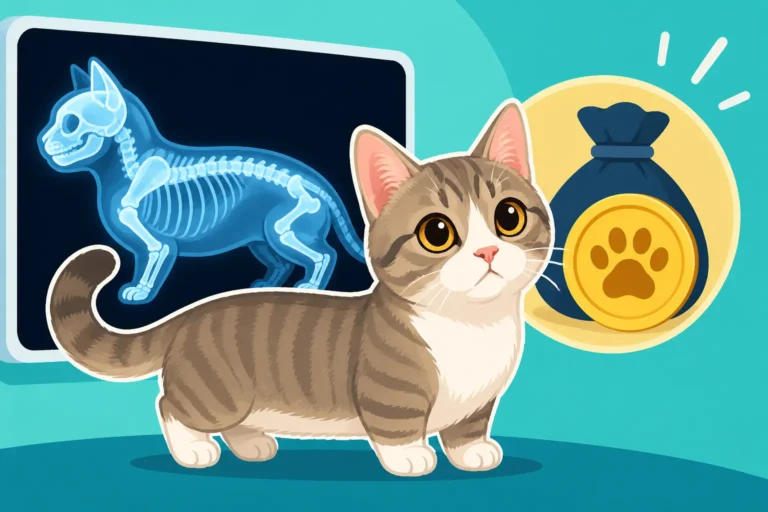
This is perhaps one of the most crucial aspects of a Munchkin kitten's early health care. While the short legs are the breed's defining characteristic, breeders and vets must carefully monitor the kitten for any signs of related skeletal issues. One significant concern is lordosis, a condition where the spine curves downwards, which can compress internal organs in severe cases. A good breeder, and certainly their vet, will gently palpate the kitten's spine regularly to check for any abnormalities or signs of discomfort. They'll observe the kitten's gait and movement to ensure they are active and unhindered by their short legs. Another condition to watch for is pectus excavatum, or a "sunken chest," where the sternum grows inwards. Early detection of either of these conditions allows for appropriate monitoring and advice for the new owners. You should expect that your breeder can confidently discuss these potential issues and demonstrate that they have been checking for them. Why a Munchkin Kitten's Spine Should Be Palpated elaborates on this vital examination, and you might also be interested in How Early Lordosis Shows in a Munchkin Kitten and What a Sunken Chest Feels Like on a Munchkin Kitten.
Overall Health and Developmental Milestones
Beyond specific skeletal checks, the breeder monitors the Munchkin kitten's general development closely. This involves regular weigh-ins to ensure steady growth – a consistent weight gain is a strong indicator of good health and adequate nutrition. They'll observe the kitten's coordination, making sure it's becoming more agile as it grows, despite its short legs. Eye and ear health are also routinely checked for discharge, clarity, or any signs of infection. Dental development, though embryonic at this stage, might involve checking for any early issues, though a full dental exam usually comes later. A responsible breeder keeps detailed records of these observations, not just for their own tracking, but to share with you. They want to ensure that by twelve weeks, each kitten is robust, active, and meeting all the expected developmental benchmarks for its age. This holistic approach ensures no small detail is missed in their early growth. What a Munchkin Kitten's First Exam Should Cover highlights all the important points a vet will be looking for.
| Age (Weeks) | Key Breeder/Vet Actions | Expected Kitten Milestones |
|---|---|---|
| 0-2 | Initial health check, ensure suckling, monitor growth | Eyes open, starts moving, vocalizes, rapid weight gain |
| 2-4 | First deworming, continued growth monitoring | More active, tries to stand, socialises with littermates |
| 6-8 | First core vaccinations, second deworming, vet check | Playing, exploring, litter training begins |
| 10-12 | Second core vaccinations, microchip, final vet check, third deworming | Fully mobile, independent feeding, ready for new home |
Socialization, Enrichment, and Preparing for a New Home
It's not just about physical health; a well-adjusted Munchkin kitten needs excellent socialization and early enrichment experiences to grow into a confident and friendly adult. A good breeder understands that the emotional and behavioral foundation laid in these first twelve weeks is just as important as their physical care.
Early Socialization with Humans and Other Cats
From a very young age, responsible breeders ensure their Munchkin kittens are regularly handled by humans. This means gentle petting, holding, and playing, exposing them to different voices and touches. This consistent positive interaction helps kittens become comfortable and trusting around people, reducing shyness or fear later on. They'll also be exposed to typical household sounds – vacuum cleaners, doorbells, music – in a non-threatening way, helping them habituate to a busy home environment. Importantly, interaction with their littermates and their mother, and often other friendly adult cats in the home, teaches them crucial feline social cues and bite inhibition. This interaction is vital for developing good "cat manners" and preventing behavioral issues down the line. A well-socialized kitten is a happy, confident kitten, ready to bond with its new family.
Litter Training and Basic House Manners
Litter training usually begins around 3-4 weeks of age, as kittens start to explore their surroundings and become more independent. A good breeder will provide low-sided litter boxes that are easy for short-legged Munchkin kittens to access, often using a fine, non-clumping litter that's gentle on their paws and safe if ingested (which can happen with curious kittens). They'll keep the boxes meticulously clean, encouraging good habits. By twelve weeks, your Munchkin kitten should be reliably using the litter box. Beyond that, they'll also be introduced to appropriate scratching surfaces, like scratching posts or pads. This teaches them early on what they can scratch, helping to divert them from your furniture. While a Munchkin can't stretch up a tall post like a long-legged cat, horizontal scratchers or shorter, sturdy posts are ideal. This early training is invaluable for a smooth transition into your home. You can learn more about appropriate litter boxes in Which Litter Box a Munchkin Can Actually Enter.
Microchipping and Preparing for Departure
Microchipping is an essential step in permanent identification, and it's usually done around the 10-12 week mark. This tiny chip, implanted just under the skin between the shoulder blades, holds your contact information, dramatically increasing the chances of your Munchkin being reunited with you if they ever get lost. Your breeder will arrange for this, and you'll be responsible for registering your details with the microchip company. Beyond the chip, the breeder also starts the process of preparing the kitten for its departure. This involves ensuring the kitten is fully weaned onto solid food, comfortable with independent eating, and sometimes, even starting to get them used to a carrier for travel. They'll also provide guidance on the specific food your kitten is currently eating, to ensure a smooth transition to their new home and diet.
What a Responsible Breeder Provides at 12 Weeks
When you pick up your 12-week-old Munchkin kitten, a reputable breeder will equip you with a wealth of information and support, demonstrating their commitment to the kitten's lifelong well-being. This goes far beyond just handing over a cute little furball.
Documentation and Health Records
You should expect a comprehensive package of documentation. This includes a detailed veterinary record, outlining all vaccinations received (with dates and vaccine types), deworming schedules, and any other treatments or health checks the kitten has undergone. Many breeders will also provide a health certificate from their vet, attesting to the kitten's good health at the time of sale. If the breeder is registering their cats with TICA (The International Cat Association), you should receive documentation that allows you to register your kitten. While some breeders may do the initial registration for you, others will provide the necessary forms and parental registration numbers. This paperwork is not just a formality; it's tangible proof of the care and legitimate breeding practices your kitten has benefited from. Always ask to see these records! Knowing How to Verify a Munchkin Is Registered at All can be a great help for new owners.
Dietary and Care Instructions
A responsible breeder understands that you're eager to provide the best care for your new family member, so they won't leave you guessing. They'll provide specific dietary instructions, including the brand and type of food the kitten is currently eating, recommended portion sizes, and a schedule for meals. This helps prevent digestive upset during the transition to your home. They'll also offer advice on general care unique to the Munchkin breed, such as the importance of maintaining a healthy weight to protect their joints, how to set up appropriate low-entry litter boxes, and the need for ramps or steps to access furniture safely. They might even suggest where to find these items, or discuss premium food options and their nutritional benefits for joint health. Understanding Feeding a Munchkin Kitten Without Loading Its Joints is crucial information that your breeder should share.
Ongoing Support and Contractual Guarantees
One of the hallmarks of a truly reputable Munchkin breeder is their commitment to offering ongoing support long after the kitten leaves their home. They should make it clear that they are available to answer your questions and offer advice throughout your cat's life. This is invaluable, especially for first-time Munchkin owners who might encounter unique challenges. Furthermore, a detailed sales contract is standard. This contract typically outlines health guarantees (often for a specific period against life-threatening congenital conditions), clarifies breeding restrictions (most pet kittens are sold on a spay/neuter contract), and might even specify what happens if, for unforeseen circumstances, you can no longer care for the cat. Some breeders might also discuss the benefits of early pet insurance, mentioning providers like Healthy Paws as a way to protect against unexpected veterinary costs. This contractual agreement, combined with their willingness to offer lifelong support, truly reflects a breeder's dedication. It's good to know How Long a Munchkin Breeder Stands Behind a Kitten to understand the scope of this commitment.
Disclaimer
This article is for general informational purposes only and does not constitute professional advice. Laws, prices and regulations vary by location and change over time. Consult a qualified professional for guidance on your specific situation.