Why a Munchkin Deposit Is Taken Before the Legs Are Graded
It's a common moment of confusion for many prospective Munchkin cat parents: you’ve found a reputable breeder, fallen in love with the idea of a little short-legged wonder, and then comes the request for a deposit. The catch? The kittens are still quite young, and their leg length – a defining characteristic and often a factor in pricing – isn't fully apparent yet. It can feel a bit like buying a car sight unseen, wondering if you'll end up with the sporty model or the family sedan. This guide is here to demystify why breeders often take deposits before a Munchkin kitten's legs are officially "graded," helping you understand the process from the breeder's perspective and how to navigate it with confidence.
The Unpredictable Nature of Munchkin Leg Length
The journey from tiny newborn kitten to a fully developed Munchkin with its characteristic short legs isn't an overnight transformation. It's a gradual process, influenced by genetics and early growth, which means breeders need time to properly assess each kitten.
Early Development and Genetic Expression
The Munchkin breed gets its distinctive short legs from a dominant gene, a specific mutation that affects bone growth in the long bones of the legs. This is why it's called Munchkin Dwarfism Is Dominant and Lethal in Two Copies. For a kitten to have short legs, it only needs one copy of this gene from one parent. All Munchkin kittens, regardless of their eventual leg length, start out looking pretty similar at birth. You won't see dramatic differences right away, which makes immediate grading impossible.
Imagine a litter of kittens, all wiggling and squirming, their little legs proportionate to their tiny bodies. The genetic blueprint for short legs is there, certainly, but it takes time for that gene to fully express itself in a way that's visually distinct and stable. A responsible breeder knows that rushing this assessment is unfair to both the kitten and the prospective owner. It's about patience and understanding the natural progression of feline development. This is also why Why Half a Munchkin Litter Has Normal Legs is a common phenomenon – not every kitten inherits that one copy of the gene.
The Waiting Game: When Legs Really Show Their Length
While all Munchkin kittens are undeniably adorable from day one, their legs don't truly "declare" their length until several weeks into their development. You might notice some subtle differences by around four to six weeks, but it's often not until ten to twelve weeks that a breeder can confidently categorize a kitten’s leg length. This period is crucial for accurate assessment.
During these weeks, the breeder is closely observing how the kitten moves, plays, and grows. They're looking for the characteristic short stature, the way the kitten carries itself, and the overall proportions. Some kittens will clearly be "rug huggers," with exceptionally short legs that sit very close to the ground, while others will be "standard" Munchkins, still short-legged but with a bit more clearance. And, of course, there will be the long-legged kittens, sometimes referred to as "non-standard" Munchkins, who didn't inherit the gene for short legs at all. If you're wondering Whether a Munchkin's Legs Change as It Grows, the short answer is that the relative length is established early, but final dimensions are only clear once growth plates close.
The breeder's keen eye, honed over years of experience, is vital here. They’re not just looking at a ruler; they’re assessing overall conformation and movement. This detailed observation is critical before making any final decisions about placement or pricing.
| Age of Kitten | Typical Leg Appearance | Breeder Actions | Buyer Considerations |
|---|---|---|---|
| Birth – 4 Weeks | All appear short, subtle differences | Focus on health, socialization | Too early to judge leg length definitively |
| 4 – 8 Weeks | Differences become more apparent | Observing gait, early conformation notes | Can start to see potential leg length categories |
| 8 – 12 Weeks | Leg length solidifies, categories clearer | Official grading, temperament assessment | Selection process often begins here based on deposit order |
| 12+ Weeks | Final assessment, ready for new homes | Final vet check, transition preparation | Confirm chosen kitten, finalize arrangements |
Breeder Logistics and Commitment to Litters
For a dedicated Munchkin breeder, raising a litter is a significant investment of time, resources, and passion. Taking a deposit isn't just about securing a sale; it's a vital part of managing the immense logistical and financial commitment involved in ethical breeding.
Covering Initial Breeding Costs
Breeding healthy, well-socialized Munchkin kittens is far from a cheap endeavor. Long before a kitten is even born, a responsible breeder incurs substantial costs. This includes genetic testing for the parent cats, ensuring they are free from heritable diseases, and stud fees if the male is from an outside cattery. Then there are the extensive vet check-ups for the queen throughout her pregnancy, specialized nutrition, and careful monitoring during birth. After the kittens arrive, the costs continue with vaccinations, deworming, microchipping, and their first veterinary examination.
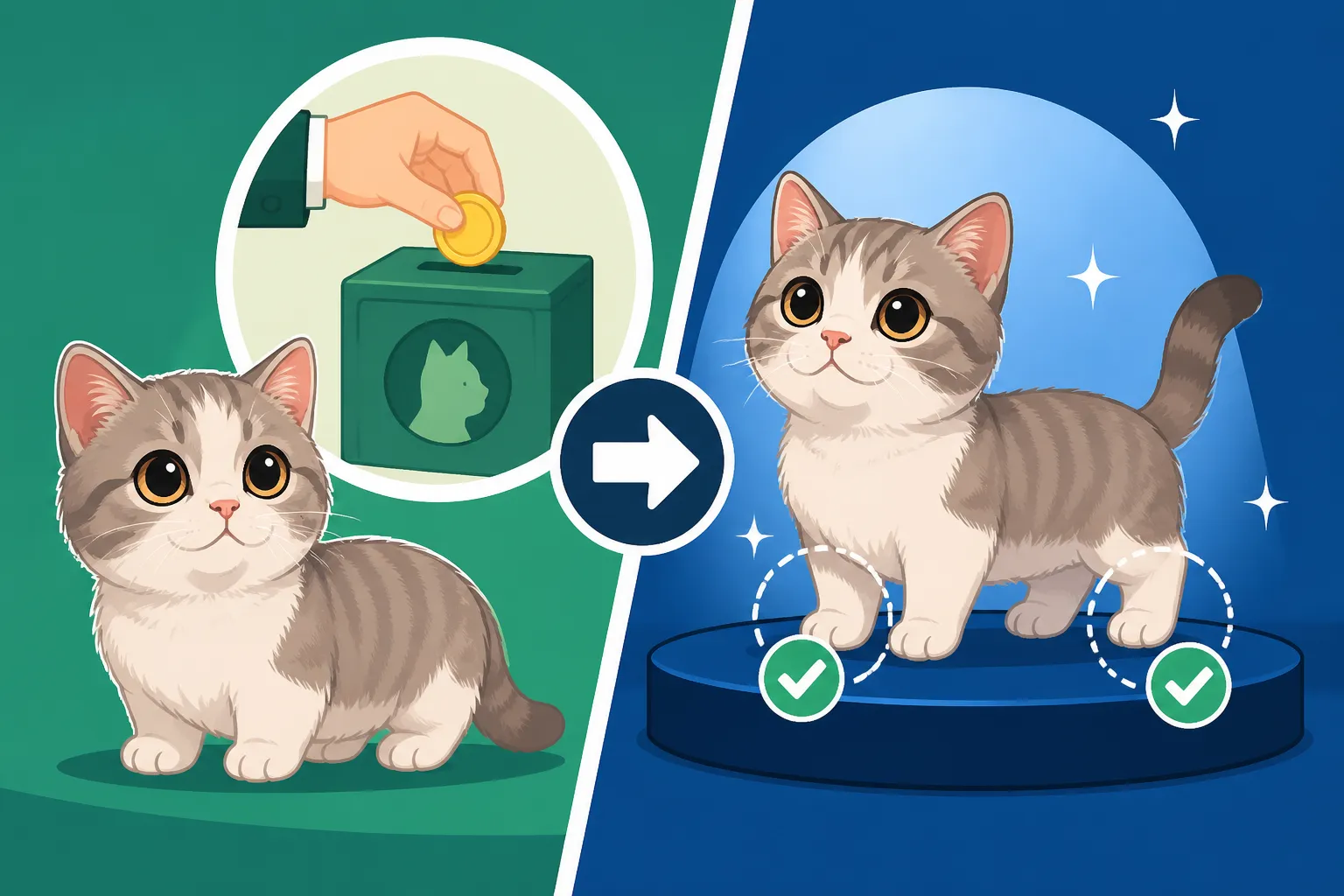
These expenses pile up quickly, and a deposit helps the breeder cover a portion of these initial outlays. It's a signal of serious intent from a prospective buyer, allowing the breeder to proceed with confidence, knowing there's a committed home waiting for each precious kitten. Without deposits, breeders would bear all these costs upfront with no guarantee of recouping them, making ethical and high-quality breeding much more financially precarious. This investment ensures that each kitten receives the best possible start in life, a crucial factor in their long-term health and happiness.
Managing Buyer Expectations and Preferences
Every potential Munchkin owner has an ideal kitten in mind, and often, that ideal includes a specific leg length. Some people dream of a tiny "rug hugger," while others are perfectly happy with a "standard" Munchkin, or even a long-legged one, knowing they carry the same delightful personality. This variety in preferences, combined with the natural variation in a litter, means breeders need a system to fairly manage expectations.
Deposits often secure a place on a waiting list, determining the order in which buyers get to choose their kitten once the litter is old enough for evaluation. This prevents a chaotic free-for-all and allows the breeder to match kittens with families more thoughtfully. For instance, if you're set on a specific look, being higher on the deposit list gives you a better chance. Conversely, if your heart is open to any short-legged Munchkin, your choice might be broader. It helps the breeder understand the demand for different kitten types and ensures that every kitten, regardless of its leg length, finds a loving home. This structured approach is essential for responsible breeders dealing with highly sought-after breeds.
The Allocation Process and Pricing Tiers
Once the kittens have grown sufficiently, the breeder begins the meticulous process of assessing each one. This isn't just about measuring legs; it's a holistic evaluation that ultimately influences both placement and price.
Grading Legs and Kitten Personalities
Around the 10-12 week mark, a reputable breeder will carefully grade each kitten’s legs. This isn't a simple "short" or "long" distinction; it involves evaluating the overall conformation, the degree of shortness, and how the legs impact the kitten’s movement. For example, How Early a Munchkin Kitten's Legs Show is a process of observation rather than a single moment of revelation. They're looking for characteristics that align with the breed standard for Munchkins. However, leg length is just one piece of the puzzle.
A good breeder also spends countless hours observing each kitten's temperament, energy levels, and unique quirks. Is one kitten a playful adventurer, always the first to explore? Is another a gentle cuddler, preferring lap time to boisterous games? These personality traits are just as crucial as physical characteristics when it comes to matching a kitten with the right family. A kitten’s health, including its gait and overall physical soundness, is also paramount. Why a Breeder Grades a Munchkin's Legs at Twelve Weeks is about ensuring a comprehensive understanding of the kitten's development. This detailed assessment ensures that the kitten you bring home is not only healthy but also a perfect fit for your lifestyle.
How Leg Length Impacts Price
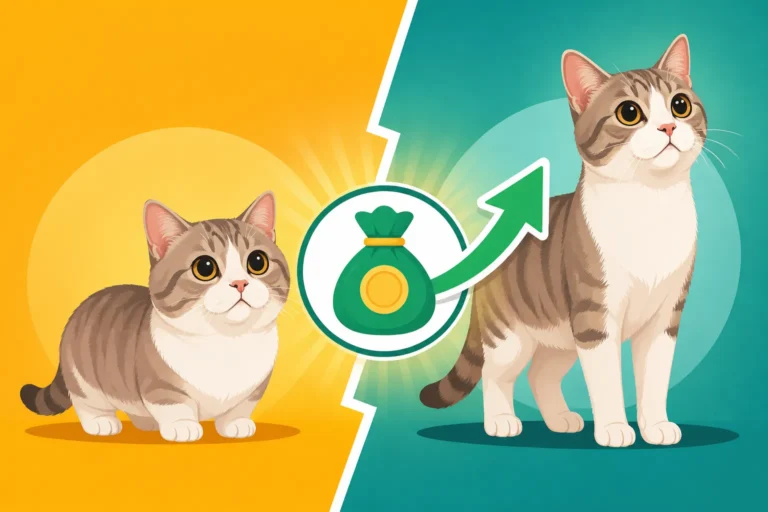
It’s no secret that the market for Munchkin cats often sees variations in price, and leg length is a significant factor in this. Typically, kittens with shorter legs – especially those deemed "rug huggers" due to their extremely low stature – often command a higher price. This isn't just arbitrary; it reflects the demand for this particular trait and, sometimes, the slightly higher challenges involved in breeding for it while maintaining overall health.
Conversely, a long-legged Munchkin, while still genetically a purebred Munchkin, will generally be priced lower. This is because they do not display the characteristic short legs that define the breed's unique appearance, even though they can carry the gene. For buyers, understanding What a Long Legged Munchkin Kitten Is Worth can help manage expectations and budgets. The breeder uses these pricing tiers to reflect the varying desirability and uniqueness of each kitten's physical presentation. The most sought-after kittens, often the ones with the shortest, most compact legs, are frequently selected first by those higher on the deposit list. This explains Why Leg Length Splits the Price Inside One Munchkin Litter quite distinctly.
Understanding the Breeder's Responsibility and Health Guarantees
Beyond the visual appeal and pricing, a deposit represents a mutual commitment. For the breeder, it's a pledge to provide a healthy, well-socialized kitten. For the buyer, it's a commitment to a particular cattery and the ethical practices they uphold.
Ethical Breeding Practices and Health Screening
A truly responsible Munchkin breeder prioritizes the health and well-being of their cats above all else. This means comprehensive health screening of parent cats to prevent the passing on of hereditary conditions. It also involves meticulous care for the pregnant queen and young kittens, including proper nutrition, a clean environment, and early socialization. By the time a Munchkin kitten is ready to leave for its new home, typically around 12-14 weeks, it will have had several vet checks, its first vaccinations, and deworming.
They are looking for signs of robust health and proper development, going beyond just leg length to ensure a sound foundation for the kitten's life. A good breeder will be transparent about their health protocols and provide you with records of vaccinations and veterinary visits. What a Munchkin Kitten Has Had Done by Twelve Weeks usually includes these essential health steps. They are committed to providing a kitten that is not only adorable but also has the best possible start in life, free from preventable health issues.
Deposits as a Mutual Agreement
When you place a deposit with a Munchkin breeder, you're not just putting money down; you're entering into a mutual agreement. This deposit secures your position for a kitten from a specific litter or within a certain timeframe, and it signifies your serious intent to add a Munchkin to your family. It acknowledges that you trust the breeder to raise healthy, well-adjusted kittens and to guide you through the selection process.
From the breeder’s side, accepting a deposit is their commitment to you. They commit to keeping you updated on the litter’s progress, to socializing the kittens, and to thoroughly evaluating them for health and temperament. The agreement is often formalized through a contract, which outlines everything from health guarantees to return policies. This contract is your safety net, ensuring that both parties understand their responsibilities. It’s an assurance that the breeder isn't just selling a cat, but placing a beloved member of their cattery into a suitable home. This mutual trust and commitment are the bedrock of a positive kitten adoption experience.
Navigating Your Munchkin Kitten Journey with Confidence
Bringing home a Munchkin kitten is an exciting prospect, but the process can feel overwhelming, especially with the unique aspects of leg length and deposits. Empowering yourself with knowledge and asking the right questions can make all the difference.
Asking the Right Questions Before Committing
Before you place any deposit, it's crucial to have a clear conversation with the breeder. Don't be shy about asking questions; a reputable breeder will welcome them. Inquire about their timeline for assessing leg length and when you can expect to choose your kitten. Ask what happens if the kitten you desire (e.g., a "rug hugger") isn't available from the litter you've placed a deposit on. Do they offer a refund, or can you transfer your deposit to a future litter? Understanding these contingencies upfront can prevent a lot of stress down the line.
It's also highly recommended to ask about their health guarantees, the vet checks the kittens receive, and the socialization they undertake. If possible, visit the cattery in person to see the living conditions and meet the parent cats. This gives you invaluable insight into the health and temperament of the lineage. Ask to see videos of the kittens playing and moving – this can tell you a lot about their mobility and emerging personalities. A good breeder, like those committed to transparency, will happily provide answers and allow you to thoroughly vet their practices. They should be able to show you What a Munchkin Breeder Should Be Able to Show You to instill confidence.
The Importance of Patience and Trust
Ultimately, finding the right Munchkin kitten requires a good measure of patience and a willingness to trust your chosen breeder. The wait for a litter to grow, for leg lengths to become apparent, and for personalities to truly blossom can feel long, but it’s a vital part of ensuring you bring home a healthy, well-adjusted companion. A strong, communicative relationship with your breeder is key throughout this period. They are your primary resource and advocate for the kittens.
Remember that while leg length might be a selling point, the most important qualities in any feline companion are good health, a loving temperament, and a personality that meshes with your home. Focus on finding a kitten that is robust, playful, and affectionate, regardless of whether its legs are an inch longer or shorter than you initially envisioned. Trust the breeder's expertise in matching you with a kitten that will thrive in your home. And when it comes to getting ready for your new arrival, consider reliable resources like Chewy for all your supply needs, or even Healthy Paws for pet insurance to give you peace of mind about future vet bills. A little patience now means many years of joy with your unique Munchkin cat.
Disclaimer
This article is for general informational purposes only and does not constitute professional advice. Laws, prices and regulations vary by location and change over time. Consult a qualified professional for guidance on your specific situation.