Why a Munchkin’s Second Year Costs Less Than Its First
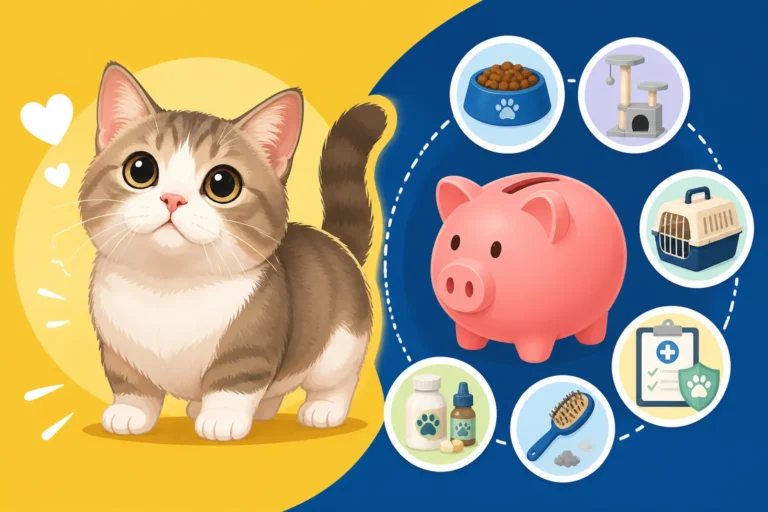
Bringing a new Munchkin cat into your life is an absolute joy, but let's be honest, that first year can feel like a financial whirlwind. Between all the initial setup, vet visits, and figuring out what your unique little short-legged companion truly needs, your wallet can take a significant hit. Many new Munchkin parents worry if this level of expenditure is simply the new normal, but thankfully, that's rarely the case. This guide will walk you through why, for most Munchkin owners, the second year of ownership typically settles down and becomes much more predictable, and often, more affordable.
The Initial Investment: Outfitting Your Home for a Munchkin
That first year with your Munchkin is often characterized by a flurry of one-time purchases and essential upfront costs. You're not just buying a cat; you're often adapting your home and establishing a baseline for their health and well-being. It's a big lift, both emotionally and financially, but it’s an investment that pays off in the years to come.
Essential Adaptations and Their Costs
One of the most significant initial outlays for a Munchkin owner is creating an accessible environment. Unlike their long-legged cousins, Munchkins can't just leap onto a sofa or climb a standard cat tree with ease. This means you'll be investing in ramps, pet steps, and modified furniture to ensure your little one can navigate their world safely and comfortably. Think about all the places your cat needs to go: the sofa for cuddles, your bed for nighttime snuggles, a favorite window perch, or even just getting into their litter box. Each of these might require a dedicated ramp or a set of steps.
For example, a good quality set of carpeted steps for the bed or sofa can cost a fair bit, especially if you need several for different pieces of furniture. You might also find yourself scouting for a cat tree with very closely spaced platforms, or even building custom steps yourself to bridge the gaps. Then there are the practicalities like a low-entry litter box. Many standard litter boxes have high sides that a Munchkin might struggle to climb over, leading to accidents or discomfort. You might need to buy a specific low-profile box or even modify an existing one. All these items, while absolutely essential for a Munchkin's quality of life, are usually one-time purchases. Once you have your ramps, steps, and appropriate litter boxes in place, they tend to last for many years, significantly reducing the financial burden in subsequent years. Ramps and Steps Are Munchkin Equipment, Not Luxuries truly highlights why these are non-negotiable initial costs.
Initial Vet Care and Health Screenings
Bringing a new kitten home, especially one of a specific breed like a Munchkin, comes with a predictable schedule of veterinary visits in the first year. These appointments are crucial for establishing their foundational health. Think about the vaccinations they need, which typically involve a series of shots over several weeks or months. Then there's deworming, initial health screenings, and often, the all-important spay or neuter surgery. These procedures can be quite costly upfront, especially the surgery, and are significant expenses that contribute to the higher first-year budget.
Your vet will also conduct thorough examinations, looking for any signs of congenital issues that might be more prevalent in Munchkins, such as potential spinal concerns like lordosis or pectus excavatum. While these are not always guaranteed expenses, the initial screening is part of that first-year cost. They might recommend specific tests or X-rays to establish a baseline, which adds to the bill. What a Munchkin Kitten's First Exam Should Cover dives into these crucial early vet visits. Once your Munchkin is fully vaccinated, spayed or neutered, and has had their initial health checks, your veterinary costs generally shift to annual wellness visits, which are typically much less expensive than that intensive first year.
Ongoing Maintenance: Shifting from Setup to Routine
After the initial flurry of setting up your Munchkin's world and getting their health baseline established, the second year marks a significant shift. You're moving from a period of heavy upfront investment to more predictable, recurring expenses. This is where the budget often feels much more manageable, as you're no longer constantly buying new infrastructure.
Regular Care vs. One-Time Purchases
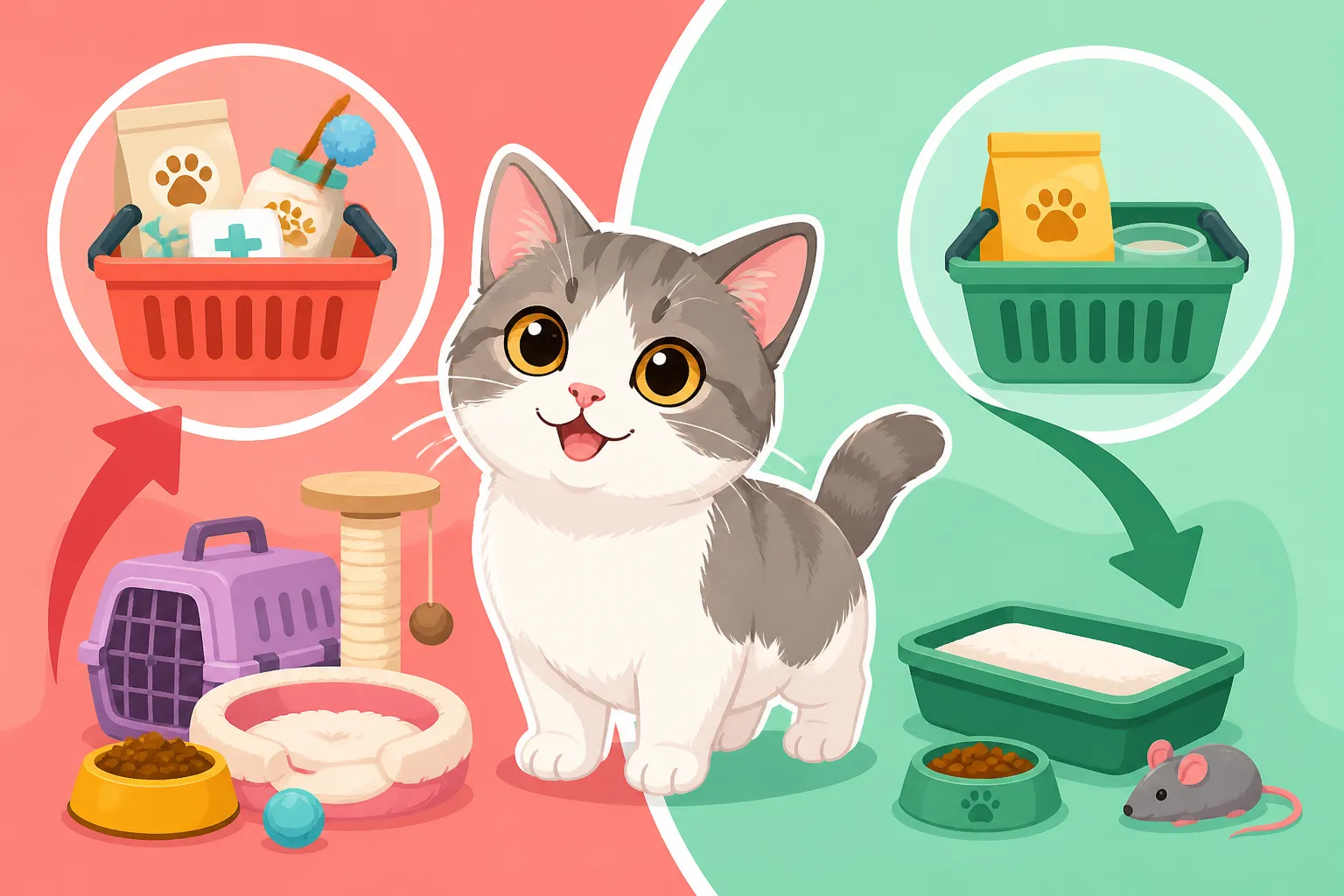
Once your home is adapted with ramps, appropriate litter boxes, and a Munchkin-friendly cat tree, these items don't need to be replaced annually. The initial surge of buying these essential pieces of equipment largely subsides. Instead, your budget focuses on the ongoing, day-to-day needs that any cat owner faces, albeit with a few Munchkin-specific considerations.
Your regular expenses will primarily revolve around high-quality food, litter, and routine preventative care. While you might opt for specialized food for joint health or weight management – Why Weight Control Is the Whole Munchkin Care Plan is incredibly important for this breed – these are consistent monthly costs rather than large, sporadic purchases. For instance, you'll be buying cat food from places like Chewy, ensuring a steady supply of whatever diet your vet recommends. Similarly, litter is a recurring expense. You'll have figured out Which Litter Box a Munchkin Can Actually Enter and settled into a routine of buying the appropriate type and quantity. The beauty of the second year is that you've likely found what works, so there's less trial and error, and less wasted money on items that don't quite fit your Munchkin's needs.
| Cost Category | First Year (Typical) | Second Year Onwards (Typical) |
|---|---|---|
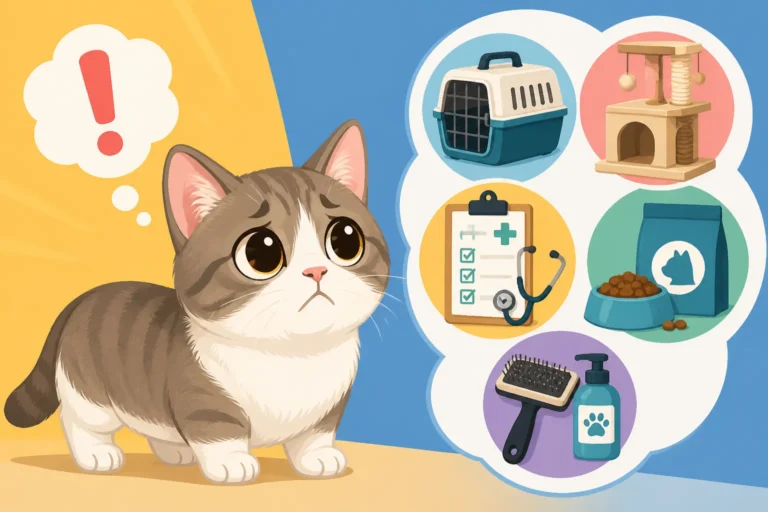
| Home Adaptations | Ramps, steps, low-entry litter boxes, modified cat tree, elevated bowls | Minimal replacements, maintenance |
| Initial Vet Care | Kitten exams, vaccinations, deworming, spay/neuter, initial screenings | Annual wellness exams, boosters |
| Food & Litter | Figuring out best brands/types, potential wasted purchases | Consistent, predictable monthly costs |
| Grooming Tools | Brushes, combs, clippers, potentially a hygiene trim | Replacements as needed, professional trims if applicable |
| Toys & Enrichment | Building a collection, discovering preferences | Replacements, occasional new items |
| Pet Insurance | Initial enrollment, higher initial costs if pre-existing conditions are excluded | Stable premiums (may increase with age/claims) |
Insurance and Health Management
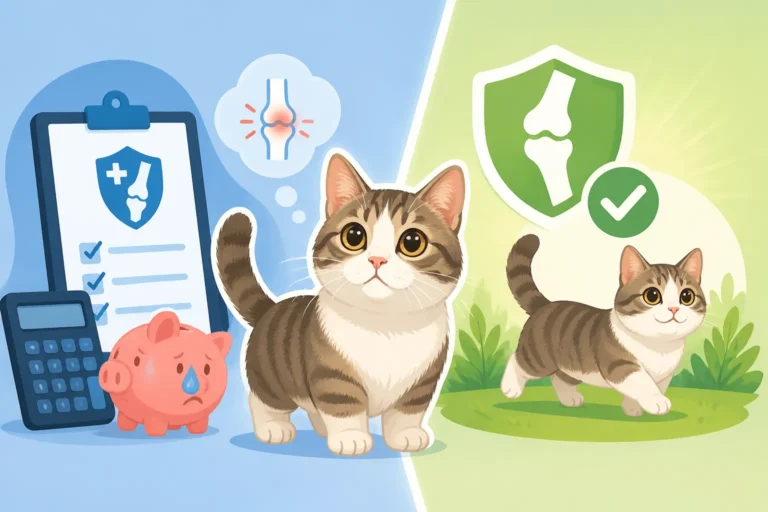
One area where costs might stabilize, or at least become more predictable, is pet insurance. Many owners choose to enroll their Munchkin in a pet insurance plan within the first year to cover potential unforeseen accidents or illnesses. While the premiums are an ongoing monthly expense, having that coverage in place can prevent catastrophic financial blows down the line. If your Munchkin develops a health issue in their first year that is then considered a pre-existing condition, future insurance might exclude it or come at a higher cost. Getting coverage early can be a smart move, even if it adds to that initial year's expenses.
Companies like Healthy Paws offer various plans that can help cover veterinary emergencies or long-term care needs. Once you're past the initial enrollment and any waiting periods, your out-of-pocket costs for unexpected medical issues can be significantly reduced. Whether Pet Insurance Covers a Munchkin's Spine is a question many Munchkin owners have, and understanding your policy is key. Without new major medical procedures like spaying/neutering, and with a health baseline established, the routine management of your Munchkin's health tends to be much more focused on preventative care, which is generally less expensive than reactive emergency treatments.
Long-Term Savings and Smart Choices
Beyond the mere absence of first-year expenses, the second year often ushers in a period of genuine financial efficiency. You've learned a lot, made smart purchases, and can now focus on maintaining rather than acquiring.
Durable Goods and Avoiding Replacements
The beauty of investing in good quality pet equipment in the first year is that it's designed to last. Those ramps, steps, and the specialized cat tree aren't typically items you'll be replacing year after year. Unless your Munchkin is particularly destructive (and even then, good quality items hold up), these foundational pieces of their accessible home environment will serve you for many years to come. This means that after the initial cost, your spending in these categories drops dramatically – essentially to zero, barring unforeseen damage or upgrades.
You've also likely accumulated all the basic grooming supplies you need, from brushes and combs (consider the needs of long-haired Munchkins) to nail clippers. Once you have a suitable collection, you're only replacing them as they wear out, which isn't an annual event. This significantly reduces the "stuff" budget compared to the first year, where you're stocking up from scratch. It's about maintaining what you have, rather than continually buying new things.
Learning Your Munchkin's Unique Needs
Perhaps one of the most underrated cost-saving aspects of the second year is simply knowing your cat better. In the first year, there's a lot of guesswork. You might buy several different types of toys to see what they like, experiment with various litter brands, or even try different food formulations. This trial-and-error phase, while necessary, can lead to wasted money on items your Munchkin ignores or dislikes.
By the second year, you've got a much clearer picture. You know their favorite toys (likely floor-level ones!), their preferred sleeping spots (probably the cozy bed on the floor you bought them), and their dietary needs. You've honed in on the right food, reducing the chance of buying food that goes uneaten. This knowledge helps you make more targeted purchases, eliminating the financial drain of buying things “just in case” or trying to find the perfect fit. You've truly mastered What a Munchkin Costs Over Thirteen Years by getting a handle on the recurring expenses early. This intimate understanding means you're not just saving money, but also reducing waste and ensuring your Munchkin is happy and healthy with items they genuinely use and enjoy.
When Costs Can Still Surge: Anticipating the Unexpected
While it's true that the second year generally sees a drop in expenses compared to the first, it's crucial to be realistic. Life with a pet, especially one with unique physical traits, can always throw a curveball. Being prepared for these potential cost surges is part of responsible ownership.
Unforeseen Health Issues
Even with the best initial vet care and a solid preventative routine, cats can develop health problems unexpectedly. Munchkins, due to their unique skeletal structure, can be prone to certain issues that may require specialized veterinary attention. Spinal issues like lordosis can sometimes progress or require management, even if they were mild initially. Arthritis, while often associated with older cats, can sometimes manifest earlier in breeds with conformation challenges, leading to needs for supplements, pain management, or even physiotherapy. What Physiotherapy for a Stiff Munchkin Costs can be a significant ongoing expense.
A sudden illness, an accidental injury, or the development of a chronic condition can quickly rack up vet bills, regardless of the cat's age or how well the first year went. This is where pet insurance, as mentioned earlier, can be an absolute lifesaver. Without it, a single emergency surgery or a long-term treatment plan could easily exceed the entire first-year budget. Regular check-ups remain essential, as catching issues early can sometimes prevent more costly interventions later on.
Lifestyle Changes and Their Financial Impact
Life happens, and sometimes, unexpected changes in your own circumstances can impact your Munchkin-related expenses. Moving to a new home, especially one with stairs, might necessitate new ramps or adaptations to ensure your cat can still navigate comfortably. While you might have adapted your previous single-story home beautifully, a multi-story layout could mean buying entirely new sets of steps and ramps, effectively restarting some of those "first-year" expenses. Caring for an Old Munchkin That Has Stopped Climbing is a good example of how adapting to a cat's changing needs as they age can introduce new costs.
Similarly, changes in your work schedule that require more frequent pet sitting or boarding can add up. If you travel more, the cost of specialized care for a Munchkin who might need particular attention to their environment or grooming can be higher than for a standard cat. Even expanding your family with children or other pets can sometimes mean investing in new barriers or safe zones for your Munchkin, ensuring their safety and comfort in a more dynamic household. While not directly cat-related health costs, these lifestyle shifts can certainly influence your overall pet budget in the second year and beyond.
Disclaimer
This article is for general informational purposes only and does not constitute professional advice. Laws, prices and regulations vary by location and change over time. Consult a qualified professional for guidance on your specific situation.