Why Leg Length Splits the Price Inside One Munchkin Litter
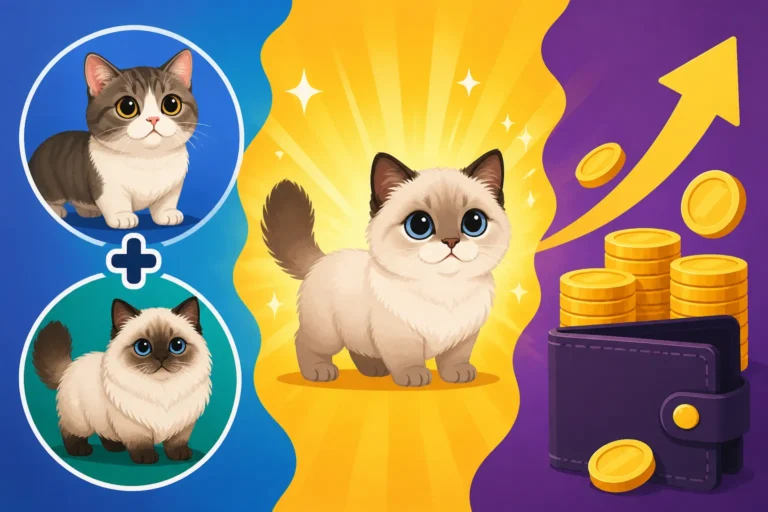
It can be quite a surprise when you start looking into bringing a Munchkin cat into your home and realize that even within the same litter, there can be a significant difference in price, often directly tied to the length of their tiny legs. You might wonder how kittens born from the same parents, at the same time, can have such varied price tags. This guide is here to shed light on why leg length plays such a crucial role in determining the cost of a Munchkin kitten, helping you understand the genetics, market demand, and breeder investments behind these adorable felines.
The Genetic Lottery of a Munchkin Litter
One of the most fascinating, and sometimes perplexing, aspects of Munchkin breeding is the inherent genetic lottery that dictates the leg length of each kitten in a litter. It’s not about random chance in the way you might think, but rather a direct result of how their unique dwarfism gene is inherited.
Why Every Munchkin Breeding Is an Outcross
The characteristic short legs of a Munchkin cat are due to a dominant gene for a condition called pseudoachondroplasia. This gene is actually lethal in two copies, meaning that two short-legged Munchkin parents can never be bred together. If an embryo inherits two copies of this dominant short-leg gene, it simply doesn't survive. This is why you'll find that Why Two Short Legged Munchkins Are Never Bred Together.
Because of this critical genetic factor, every single Munchkin breeding involves one short-legged Munchkin cat and one normal-legged domestic cat, often referred to as an "outcross." This breeding strategy ensures the health and viability of the litter. What it also guarantees, however, is that each kitten has a 50/50 chance of inheriting the short-leg gene from the Munchkin parent. So, in any given litter, you can expect to see roughly half the kittens with the signature short legs and half with regular-length legs. It’s a literal genetic coin toss for each little one! This is fundamental to Why Every Munchkin Litter Is a Carrier Cross.
Understanding "Standard" vs. "Long-Legged" Munchkins
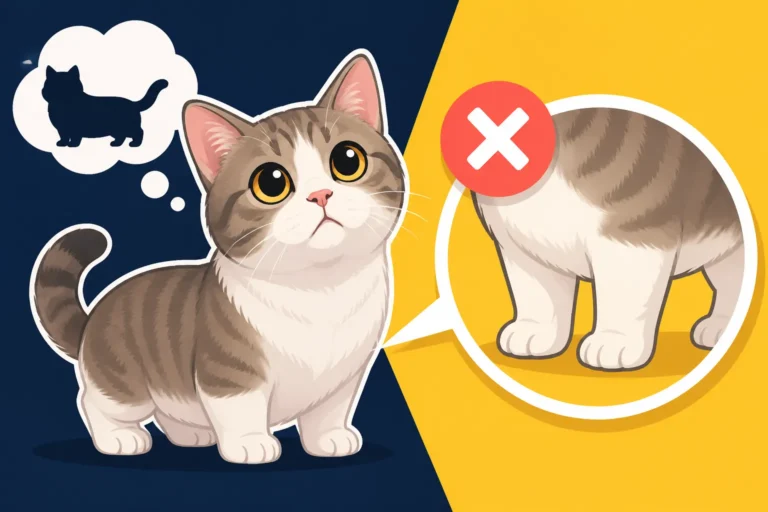
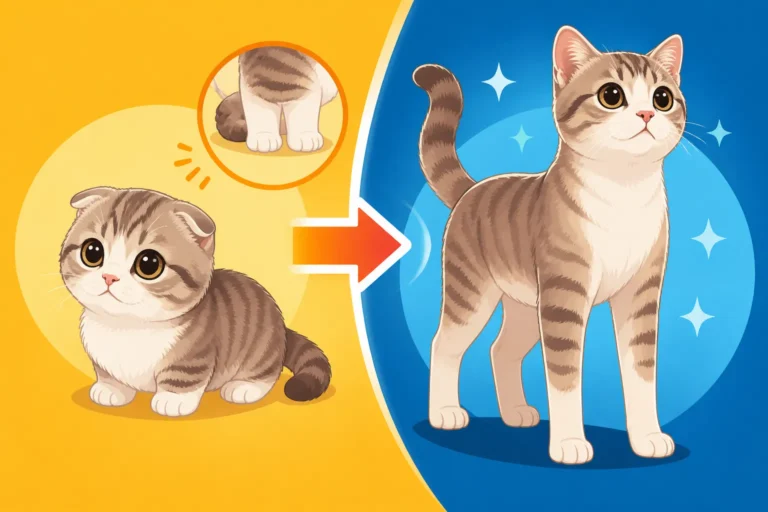
When we talk about Munchkin kittens, breeders typically categorize them based on their leg length, which is determined by whether they inherited that dominant short-leg gene or not. A "standard" Munchkin is a kitten that has inherited one copy of the gene, resulting in those adorable short legs that define the breed. These legs are short but should be healthy and well-formed, allowing the cat to run, play, and generally act like any other cat, albeit closer to the ground. Why a Munchkin's Legs Are Short but Its Body Is Not is a good read on this.
On the other hand, the kittens in the same litter who do not inherit the short-leg gene will have legs of normal length. These cats are often called "long-legged Munchkins" or sometimes "Munchkin variants." Despite their normal leg length, they are genetically still part of the Munchkin breed line, carrying the same temperament and other breed traits (like coat type or color if applicable) from their Munchkin parent and their outcross parent. They are often sold as companion pets, sometimes at a significantly lower price point, precisely because they don't possess the defining physical characteristic that gives the Munchkin its unique appeal to many buyers. However, they are wonderful cats and What a Long Legged Munchkin Kitten Is Worth explores this further.
Supply, Demand, and the "Look"
The pricing disparity within a Munchkin litter isn't just about genetics; it's heavily influenced by the principles of supply and demand, driven by the specific aesthetic that makes Munchkins so popular. People are drawn to the unique "look" of a short-legged cat, and this desire directly translates into market value.
The Demand for the Signature Short Legs
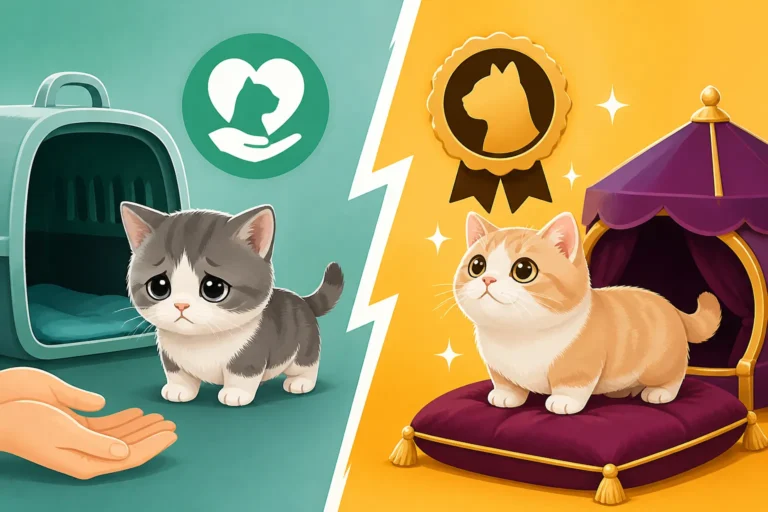
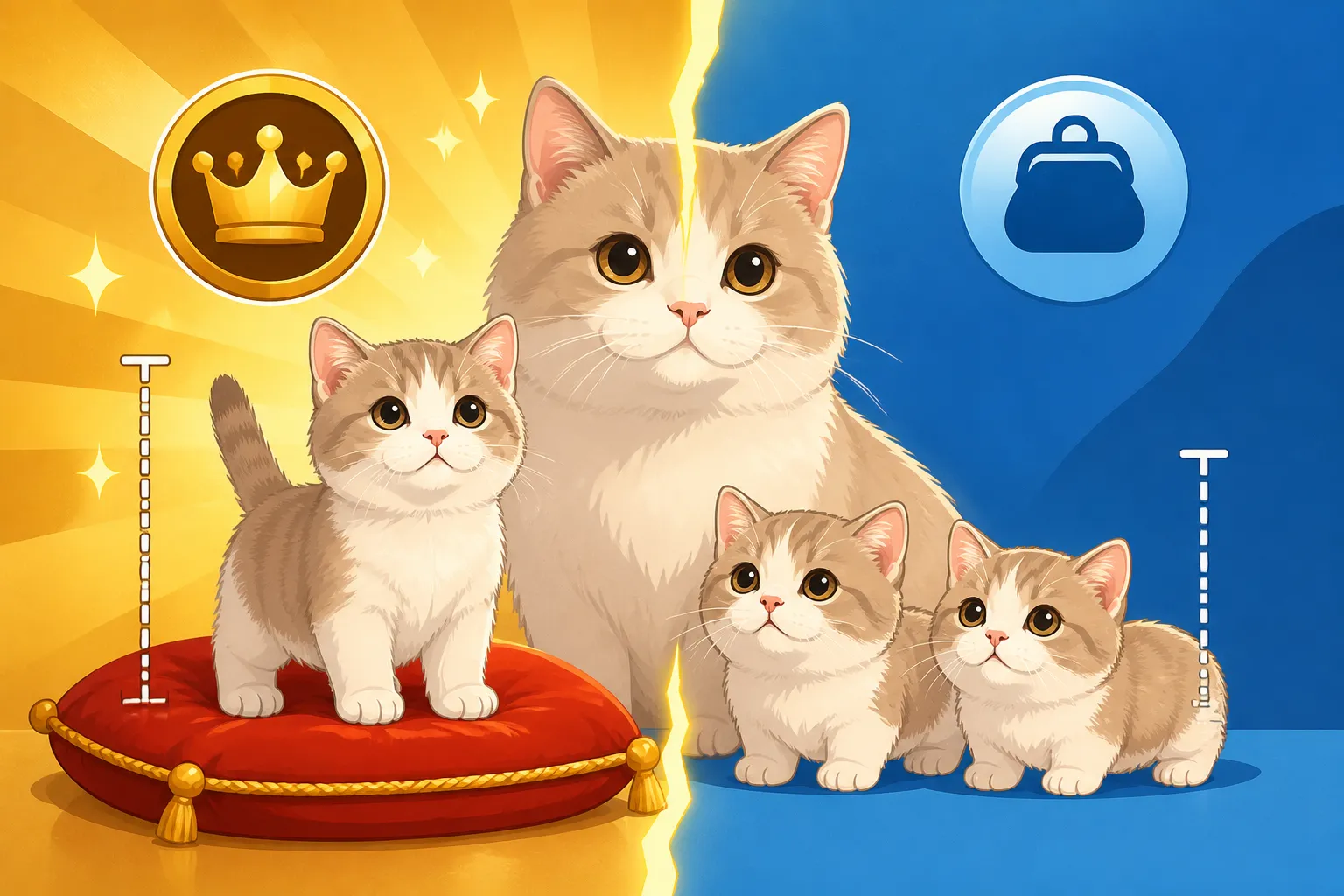
Let's be honest, the main reason most people are captivated by Munchkin cats is their distinctive short legs. It's what makes them instantly recognizable and, for many, incredibly cute and endearing. This unique appearance creates a strong demand for the short-legged kittens, making them the primary draw for potential buyers. People looking for a Munchkin specifically want that look, and they are willing to pay a premium for it.
The rise of social media has amplified this demand exponentially. Videos and photos of tiny, low-slung cats scampering around or doing their characteristic "prairie dog sit" posture go viral, showcasing their unique charm. This constant exposure solidifies the short-legged phenotype as the "ideal" Munchkin, further driving up their perceived value and, consequently, their price. It's a classic case of a unique, desirable trait commanding a higher price in the pet market, even when other siblings are equally healthy and charming.
The "Rug Hugger" and Its Premium Price Tag
Within the category of "short-legged Munchkins," there's often another tier that commands an even higher price: the "rug hugger." These are Munchkins whose legs are exceptionally short, making them appear even lower to the ground. Imagine a kitten that looks like it's almost gliding across the floor, barely clearing the rug – that's your quintessential rug hugger.
These ultra-short-legged kittens are even rarer within a short-legged litter, as not all kittens inheriting the gene will have the exact same degree of leg shortening. This scarcity, combined with the extreme visual appeal of their diminutive stature, pushes their price even higher. They are often seen as the epitome of the Munchkin breed's unique characteristic, and enthusiasts are prepared to invest more to bring one of these highly sought-after individuals home. What a Rug Hugger Munchkin Is and Why It Costs More delves deeper into this particular pricing phenomenon.
Breeder Ethics, Screening, and Initial Investment
While the market dictates much of the pricing, it's also important to remember the significant investment a responsible breeder puts into every single litter, regardless of leg length. These costs are a foundation for all kitten prices, with the more sought-after phenotypes helping to balance the overall financial outlay.
The Breeder's Investment in a Litter
Being a responsible Munchkin breeder is a considerable undertaking, both in time and finances. It starts long before the kittens are even conceived, with careful selection of breeding pairs. This includes health testing of the queen (mother cat) and the outcross sire (father cat) to ensure they are free from hereditary diseases. During pregnancy, the queen receives top-notch veterinary care and specialized nutrition.
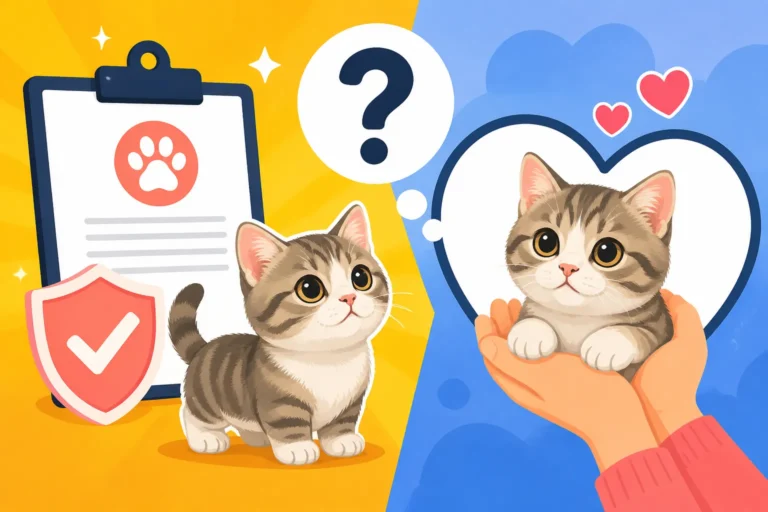
Once the kittens arrive, the investment only grows. Each kitten receives multiple vet checks, vaccinations, deworming treatments, and microchipping. For Munchkins, specifically, a responsible breeder will pay close attention to the development of the kittens, checking for common issues associated with the breed's conformation, such as How Early a Munchkin's Chest Should Be Checked or checking for any signs of spinal irregularities. All these essential services ensure the kittens are healthy, well-socialized, and ready for their new homes. These costs are spread across the entire litter, and the higher price commanded by short-legged kittens helps breeders maintain these high standards of care and invest in future litters. What a Munchkin Breeder Should Be Able to Show You outlines the transparency you should expect.
Why Long-Legged Kittens Are Still Valued Pets
It's crucial to understand that a long-legged Munchkin kitten, while typically less expensive, is by no means a "lesser" cat. These kittens are just as healthy, playful, and affectionate as their short-legged siblings. They carry the same genetic lineage, often resulting in wonderful temperaments and the same delightful personality traits that Munchkins are known for. They are simply physically indistinguishable from a regular domestic cat in terms of leg length.
Their lower price point often makes them an accessible option for families who love the idea of a Munchkin but might not be able to afford the premium for the short-legged variety. These kittens make fantastic companions, often exhibiting the same curious, loving nature of their breed, just without the physical characteristic that defines the "Munchkin look." Many breeders prefer to place their long-legged kittens in pet homes, valuing them for their individual personalities rather than just their appearance. What Happens to the Long Legged Munchkin Kittens further elaborates on their place in the breed.
Long-Term Ownership Considerations Beyond the Initial Price
The initial purchase price is just the first step in the financial commitment of owning any cat, and Munchkins, regardless of leg length, come with their own set of long-term considerations. It’s important to budget not just for the cat itself, but for its ongoing well-being and a potentially adapted lifestyle.
Adapted Home Costs and Ongoing Care
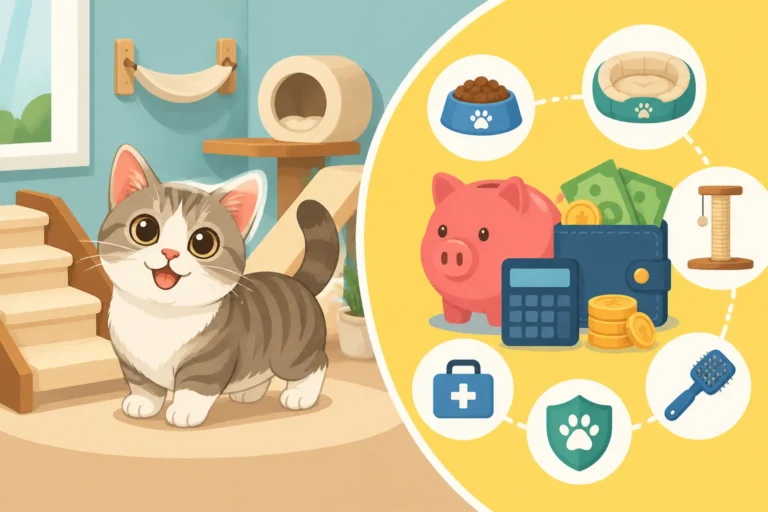
Bringing a Munchkin into your home means preparing your environment to suit their unique needs. For short-legged Munchkins, this often means ramps or steps to help them access furniture like sofas, beds, or even windowsills. Without these aids, they might repeatedly attempt jumps that could put strain on their joints over time, or simply feel excluded from higher spaces in the home. You'll also need low-entry litter boxes to ensure they can easily get in and out without unnecessary acrobatics. Brands like Chewy offer a wide range of senior-friendly or low-entry litter boxes that are perfect for Munchkins.
While long-legged Munchkins might not need as many ramps, all Munchkins still benefit from consideration of their physical capabilities and potential health predispositions. Regular grooming, especially for long-haired varieties or those with bellies that sit very low to the ground, can be an ongoing need, as they may struggle to groom their hindquarters effectively. These adaptations and specific care needs contribute to What a Munchkin's House Costs More Than the Cat over its lifetime. It’s a good idea to research Which Litter Box a Munchkin Can Actually Enter before your new kitten arrives.
Health Care and Insurance Implications
A critical aspect of long-term Munchkin ownership is understanding their potential health considerations. While many Munchkins live long, healthy lives, their unique skeletal structure can predispose them to certain conditions. Spinal issues like lordosis (an inward curvature of the spine) or pectus excavatum (a sunken chest) are sometimes seen in the breed, though reputable breeders screen for these. Joint health, especially in their shoulders and elbows, can also be a concern as they age due to the way their short legs impact their movement and weight distribution.
Managing these potential health issues can lead to significant veterinary costs over a Munchkin's lifetime. This is where pet insurance can be a real lifesaver. Providers like Healthy Paws offer coverage that can help offset the expense of diagnostics, treatments, and even ongoing therapies for conditions that may arise. However, it's crucial to review policies carefully, as some might have exclusions for pre-existing or breed-specific conditions if not obtained early. Maintaining a healthy weight is paramount for a Munchkin to minimize strain on their joints and spine, making Why Weight Control Is the Whole Munchkin Care Plan a foundational pillar of their care. You'll also want to budget for Why a Munchkin's Vet Year Includes Its Joints. High-quality nutrition can also play a role in supporting their overall health and joint well-being.
To give you a clearer picture, here’s a quick comparison:
| Feature | Short-Legged Munchkin Kitten | Long-Legged Munchkin Kitten (Munchkin Variant) |
|---|---|---|
| Leg Length | Significantly shorter | Normal length |
| Appearance | Distinctive "Munchkin look" | Resembles a standard domestic cat |
| Initial Price | Higher, often premium | Lower, more affordable |
| Demand | High, especially for "rug huggers" | Moderate, for those seeking personality |
| Genetic Trait | Inherited the short-leg gene | Did not inherit the short-leg gene |
| Mobility Needs | Often benefits from ramps/steps | Generally no special mobility aids needed |
| Health Considerations | Potential for skeletal/joint issues | Similar to a domestic cat |
| Temperament | Playful, affectionate | Playful, affectionate |
Ultimately, the decision to bring a Munchkin into your home, whether short-legged or long-legged, is a personal one. Understanding the factors that influence their price, both initially and over their lifetime, helps you make an informed choice and prepare for a rewarding companionship with these charming cats.
Disclaimer
This article is for general informational purposes only and does not constitute professional advice. Laws, prices and regulations vary by location and change over time. Consult a qualified professional for guidance on your specific situation.