Why a Munchkin Guarantee Rarely Mentions the Legs
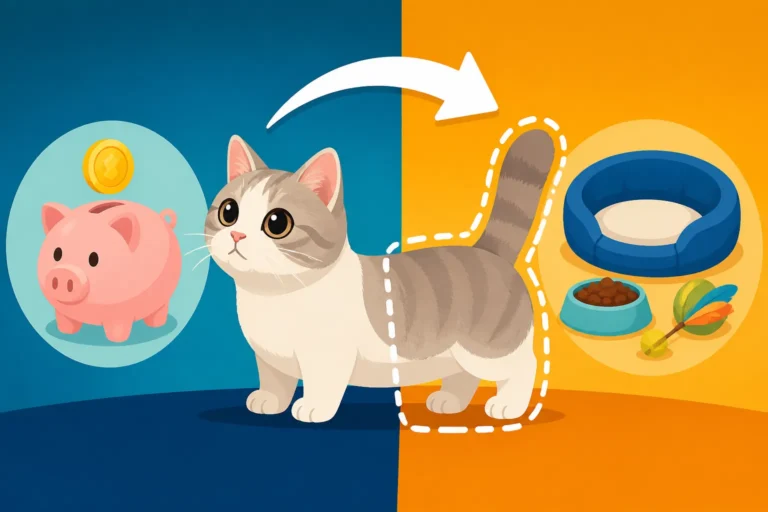
It's a common question, and frankly, a valid point of confusion for anyone looking into bringing a Munchkin cat into their home: you're investing in a pet with distinct short legs, yet many breeder guarantees seem to gloss over this defining characteristic entirely. It can feel like you're being asked to take a leap of faith on the very thing that makes the breed unique. This guide is here to shed light on why breeder guarantees for Munchkin cats rarely explicitly mention the legs themselves, helping you understand the underlying reasons and what you should be looking for in a comprehensive health guarantee.
Understanding the Munchkin's Defining Feature
When you're looking at a Munchkin cat, those short legs are the first thing that catches your eye, right? They're adorable and give the cat its distinctive low-slung appearance. But for breeders and those involved in the cat fancy, these legs aren't seen in the same light as, say, a heart murmur or a kidney condition. Understanding the genetics and breed standards is key to grasping why leg length isn't typically "guaranteed" against.
The Autosomal Dominant Gene
The short legs of a Munchkin cat are the result of a spontaneous genetic mutation, specifically an autosomal dominant gene. This means that a cat only needs one copy of this gene to display the short-legged trait. It's not a defect in the traditional sense of a disease or an illness, but rather a naturally occurring genetic variant that results in chondrodysplasia, a form of dwarfism affecting bone growth in the limbs. This is the same basic mechanism that gives dachshunds or corgis their short stature in the canine world.
Because it's a dominant gene, a Munchkin will always have one parent with short legs. And when a Munchkin is bred to a normal-legged cat (which is the only responsible way to breed them, as two short-legged Munchkins create lethal homozygous embryos), about half of the litter will inherit the short-legged trait, and half will have normal-length legs. Munchkin Dwarfism Is Dominant and Lethal in Two Copies This isn't a flaw in breeding; it's the expected outcome of the genetics. The breeder isn't trying to "fix" the short legs; they're breeding for them.
Short Legs as the Breed Standard
For registries like The International Cat Association (TICA), which officially recognizes the Munchkin breed, the short legs are not a fault but the very essence of the breed standard. TICA's standard describes the ideal Munchkin as having legs that are "short, well-muscled, and set moderately wide apart," with the front legs possibly having a slight bow. The emphasis is on maintaining flexibility and balance.
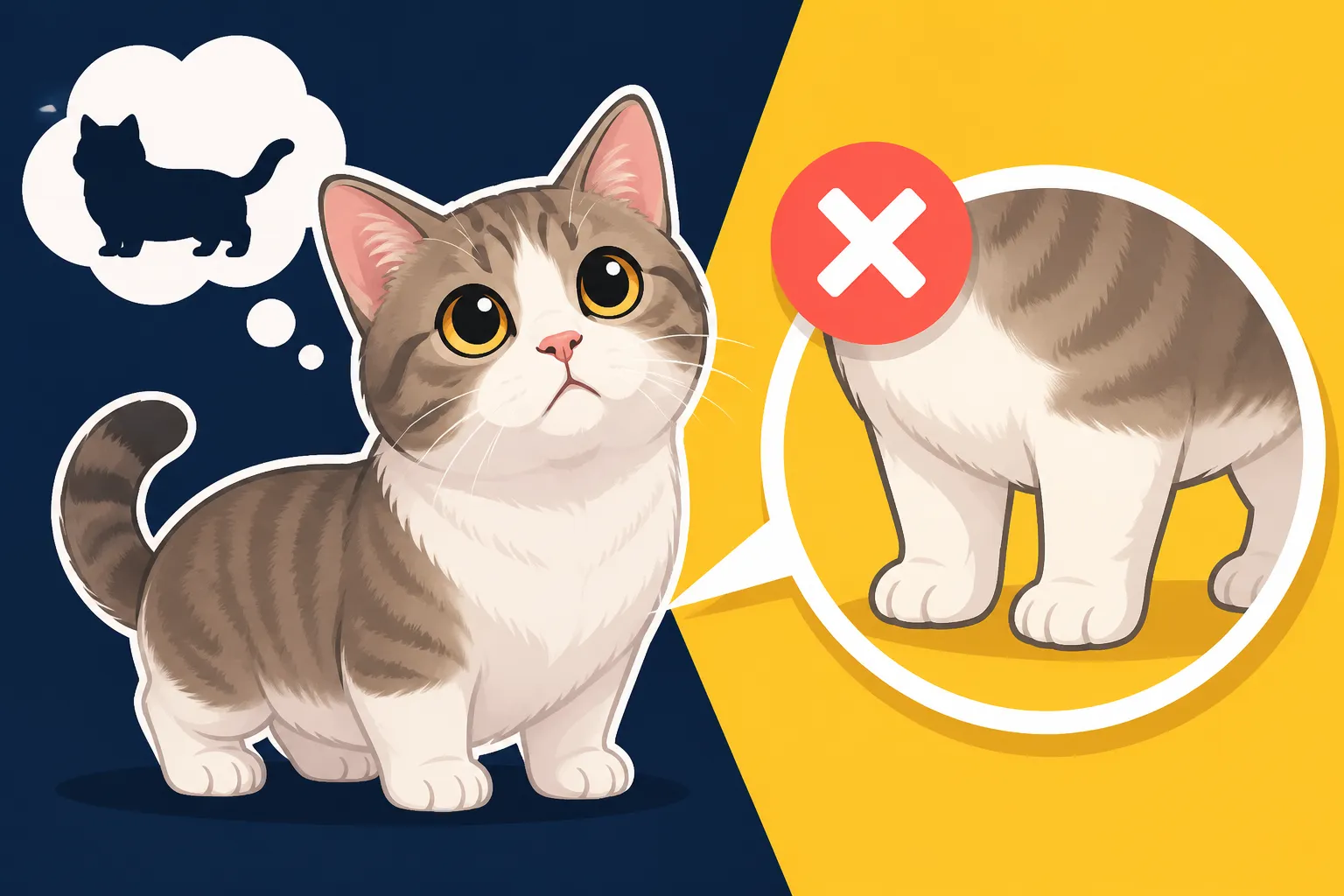
Think of it this way: you wouldn't expect a breeder to offer a guarantee that a Siamese cat will have colorpoint markings, or that a Maine Coon will have a bushy tail. These are intrinsic, defining characteristics of those breeds. Similarly, a Munchkin's short legs are its defining feature. Breeders are aiming for a certain type of short leg—one that allows for agile movement and a healthy life—but the presence of short legs isn't something to be guaranteed against. It's what makes a Munchkin a Munchkin. Therefore, to "guarantee" the legs would be to guarantee that the cat is, in fact, a Munchkin, which is more a question of identification and pedigree than health.
What a Typical Munchkin Guarantee Does Cover
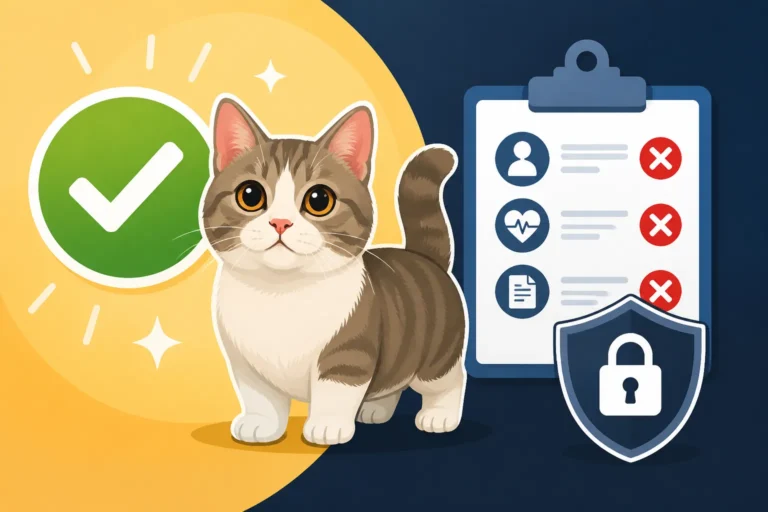
While the short legs themselves aren't usually subject to a guarantee, responsible Munchkin breeders absolutely provide comprehensive health guarantees. These guarantees focus on ensuring you receive a healthy kitten free from serious, preventable, or inherited diseases that could impact its quality of life.
Focus on General Health and Inherited Diseases
A good breeder's contract will clearly outline guarantees against life-threatening congenital defects or genetic diseases. This often includes things like:
- FIV/FeLV Negative Status: Ensuring the kitten is free from Feline Immunodeficiency Virus and Feline Leukemia Virus at the time of sale.
- Parasite-Free: Guaranteeing the kitten is free of internal and external parasites (though a re-test is often recommended by your vet shortly after bringing them home).
- Serious Congenital Defects: Protection against severe heart defects (like hypertrophic cardiomyopathy, especially if certain outcross breeds are in the lineage), kidney diseases (such as Polycystic Kidney Disease, particularly relevant if Persians or related breeds are used as outcrosses, and often requiring a PKD test for parents), or other life-altering conditions that might manifest early in life. A breeder should be able to provide documentation of health screenings for the parent cats, especially for conditions common in the breeds used for outcrossing. Why a Munchkin From a Persian Cross Needs a PKD Test
- Health at Time of Sale: A general assurance that the kitten is healthy and free from obvious illness upon leaving the cattery, typically requiring a vet check within a few days of purchase.
These guarantees are critical because they address actual health problems that could arise, regardless of leg length. It's about the cat's overall well-being, not its defining physical trait.
Addressing Spinal Issues Like Lordosis
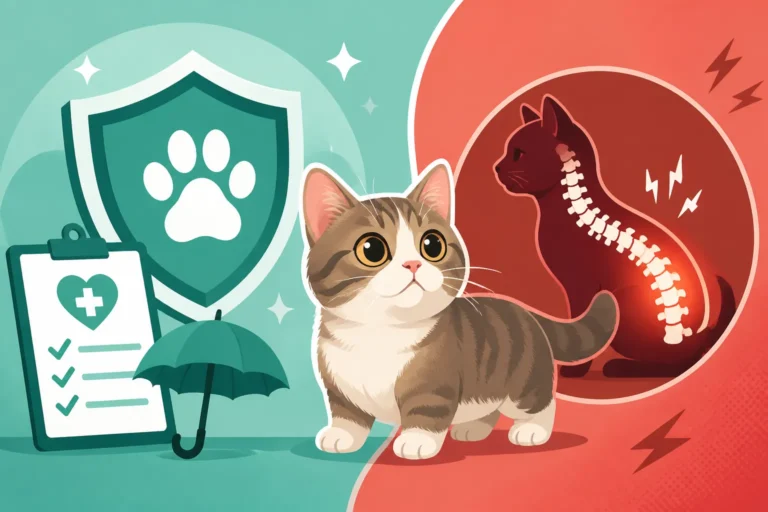
While the short legs are not a guarantee issue, some conditions, like lordosis or pectus excavatum, are sometimes associated with the Munchkin breed and might be addressed in a comprehensive health guarantee, or at least discussed openly by a responsible breeder. Lordosis is a spinal curvature where the spine sags inward, and pectus excavatum is a sunken chest. While not unique to Munchkins, there's ongoing debate about their prevalence in the breed.
A guarantee that specifically mentions the spine or chest, or outlines a process if these conditions are diagnosed early, shows a breeder's commitment to the overall health of their kittens. However, even when these are covered, it's typically about the presence of a severe, life-impacting form of the condition, not the physical structure of the spine or chest itself, which can vary slightly within normal limits. If you're concerned about these conditions, it's vital to ask a breeder directly about their incidence in their lines and what their guarantee covers. You might ask Whether a Munchkin Guarantee Covers Lordosis.
Why Explicit Leg Guarantees Are Problematic for Breeders
From a breeder's perspective, offering a guarantee specifically about the Munchkin's legs presents several challenges and is generally seen as unnecessary, given the nature of the trait.
The Inherent Nature of the Trait
As discussed, the short legs are the very genetic hallmark of the Munchkin breed. They are not a disease that needs to be guaranteed against. It would be akin to guaranteeing that a cat of a specific color will be that color—it's an expected, defining characteristic. Breeders are meticulously pairing cats to produce healthy kittens that exhibit this specific trait in an aesthetically pleasing and functional way. Their goal is to maintain the short legs while ensuring robust health and good conformation, not to guarantee against the legs existing.
If a guarantee were offered that a cat's legs would be a certain length, it would be difficult to define what constitutes a "failure." How Short a Munchkin's Legs Actually Are There's a spectrum of leg length within the Munchkin breed, from "standard" to "rug hugger," all considered acceptable variations of the trait. What one person considers "too short" or "not short enough" might be perfectly within the breed's normal variation.
Variation in Leg Length
Not all Munchkins have legs of precisely the same length, even within the same litter. There's a range, sometimes described as "standard," "super short," or "rug hugger." Breeders often assess and grade leg length around 10-12 weeks, as this is when the characteristic short stature is clearly established. This variation is a natural part of the genetics. A guarantee might implicitly suggest that there's a "right" or "wrong" leg length beyond the general short-legged trait, which doesn't align with the understanding of the breed.
A breeder aims for sound conformation—meaning the legs are straight, strong, and allow the cat to move freely and gracefully, albeit low to the ground. They are guaranteeing sound structure and health, not a precise measurement of bone. What you should be looking for instead is How a Vet Assesses a Munchkin's Leg Conformation and for the kitten to be active and mobile.
Ethical Considerations and Breed Acceptance
The Munchkin breed itself is a topic of ethical debate within the wider cat fancy, precisely because of its short legs. Many traditional cat registries and animal welfare organizations view the deliberate breeding of cats with genetic mutations causing physical deformities (like dwarfism) as unethical due to potential health and mobility issues. The argument often centers on whether the short legs inherently cause discomfort or predispose the cats to problems.
From the perspective of breeders who champion the Munchkin, they are breeding healthy, active cats that happen to have short legs. They often emphasize that the Munchkin's mobility is generally good, and they are not prone to the severe spinal issues seen in some dog breeds with similar dwarfism. Offering a specific leg guarantee might inadvertently validate the idea that the legs are a "problem" to be fixed, rather than a defining characteristic they are striving to maintain within healthy parameters. They prefer to focus on a broader health guarantee that covers actual diseases or severe conditions.
What Buyers Should Look for Instead of a Leg Guarantee
So, if a leg guarantee isn't common, how can you ensure you're getting a healthy Munchkin with good leg conformation? It comes down to due diligence, transparent communication with the breeder, and understanding what a truly comprehensive health guarantee should include.
Breeder Transparency and Health Screening
This is paramount. A reputable breeder will be upfront about their breeding practices, the health history of their parent cats, and any potential issues that might arise in the breed. They should be eager to answer your questions and provide documentation.
Look for a breeder who:
- Screens Parents: Especially for genetic conditions prevalent in the outcross breeds used (e.g., HCM scans for Sphynx or Maine Coon outcrosses, PKD tests for Persian outcrosses).
- Provides Vet Records: All kittens should have received age-appropriate vaccinations, deworming, and at least one vet check before going home. They should be microchipped and the registration paperwork should be transparent. What a Munchkin Breeder Should Be Able to Show You
- Offers a Comprehensive Health Guarantee: This should cover general health, specific genetic diseases, and potentially conditions like severe lordosis or pectus excavatum. It should clearly state the terms, conditions, and timeframe for claims.
- Allows Visits (if possible): Visiting the cattery allows you to see the living conditions and interact with the kittens and parent cats. Observe how the adult Munchkins move and play.
Don't hesitate to ask detailed questions about their lines, their experiences with health issues, and what exactly their guarantee covers.
Observing the Kitten's Mobility and Gait
When you interact with a Munchkin kitten, pay close attention to how it moves. A healthy Munchkin, despite its short legs, should be agile, playful, and able to run, jump onto low furniture (like a chair or small steps), and engage in typical kitten shenanigans. Their gait should be fluid, not stiff or painful. They might have a characteristic "ferret-like" run, or sit up in the "prairie dog" posture, but these are normal behaviors. Why a Munchkin Moves Like a Ferret
Look for:
- Ease of Movement: Does the kitten move freely, without stiffness or hesitation?
- Balance: Does it seem well-balanced when running or playing?
- Ability to Climb Low Heights: Can it easily get onto low cat trees, ramps, or small steps?
- No Signs of Pain: Limping, crying out when touched, or reluctance to move are red flags.
- Overall Demeanor: Is the kitten alert, curious, and interactive?
Filming the kitten's movement at the breeder's home can also be a good idea to review later or even show to your own vet. Why to Watch a Munchkin Kitten Walk in Person
Understanding the Contract's Scope
Always read the entire breeder contract carefully before signing. A good contract protects both the buyer and the breeder. Pay attention to:
- Timeframe for Health Guarantee: How long is the guarantee valid for congenital or genetic defects? Often it's for the first year or two of life.
- What Voids the Guarantee: Sometimes, failure to provide proper veterinary care or feed a species-appropriate diet can void parts of a guarantee.
- Return/Replacement Policy: What happens if a covered condition is diagnosed? Is there a refund, a replacement kitten, or assistance with vet bills?
- Spay/Neuter Clause: Most pet contracts require you to spay or neuter your kitten by a certain age.
- Disclosure of Known Conditions: Any existing conditions, even minor ones, should be disclosed upfront.
If anything in the contract is unclear, ask the breeder for clarification. A reputable breeder will want you to feel confident and informed about your purchase. Remember, the guarantee usually covers How Long a Munchkin Breeder Stands Behind a Kitten, but it's vital to understand the specifics.
Managing Expectations for Munchkin Ownership
Bringing a Munchkin into your home means embracing their unique physicality and making some adjustments to ensure they live a full, comfortable life. The absence of a specific "leg guarantee" doesn't mean you shouldn't consider the implications of their short stature; it means you should prepare for them proactively.
Embracing the Unique Physicality
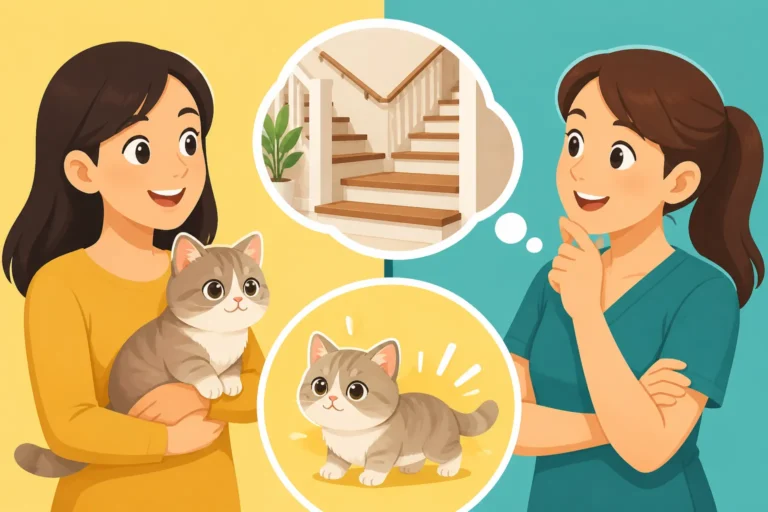
Your Munchkin will be a perfectly capable cat, but its world exists closer to the ground. They are generally active and playful, but they won't be scaling your tallest bookshelves or leaping onto high counters with ease. Part of the joy of owning a Munchkin is adapting your home to their needs and enjoying their ground-level antics.
This means:
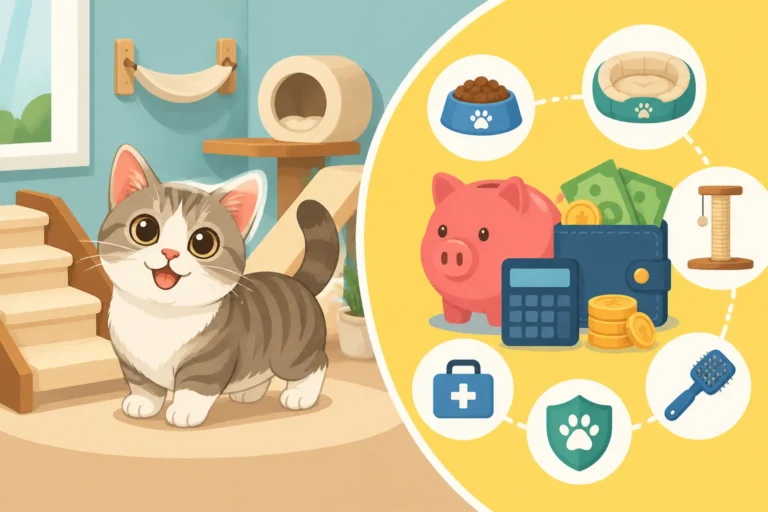
- Ramps and Steps: Providing ramps or low steps for them to access favorite perches like sofas, beds, and windowsills. Ramps and Steps Are Munchkin Equipment, Not Luxuries
- Low-Entry Litter Boxes: Ensuring they can easily get in and out of their litter box without straining. Why a Munchkin Needs a Litter Box It Can Walk Into
- Floor-Level Enrichment: Placing toys, food, and water bowls where they can easily reach them. Why a Munchkin's Food and Water Belong at Floor Level
- Secure Environments: Due to their limited jumping ability, Munchkins are indoor-only cats. They can't escape predators or climb fences if they get outside. Why a Munchkin Should Never Be Let Outdoors
Embrace these adjustments as part of creating a loving home for your special cat. Remember, With a Munchkin the House Changes, Not the Cat.
Proactive Joint and Spinal Care
While Munchkins are not universally prone to severe spinal issues in the same way some dog breeds with dwarfism are, their unique conformation means that proactive care for their joints and spine is always a good idea. This is where a holistic approach to their health becomes vital.
Key aspects of proactive care include:
- Weight Management: This is perhaps the most crucial factor. Every extra pound puts undue stress on a Munchkin's short legs and spine. A lean body condition is essential for their long-term health. Feeding a high-quality diet, carefully portioned, and monitoring their weight regularly are non-negotiable. Why Weight Control Is the Whole Munchkin Care Plan
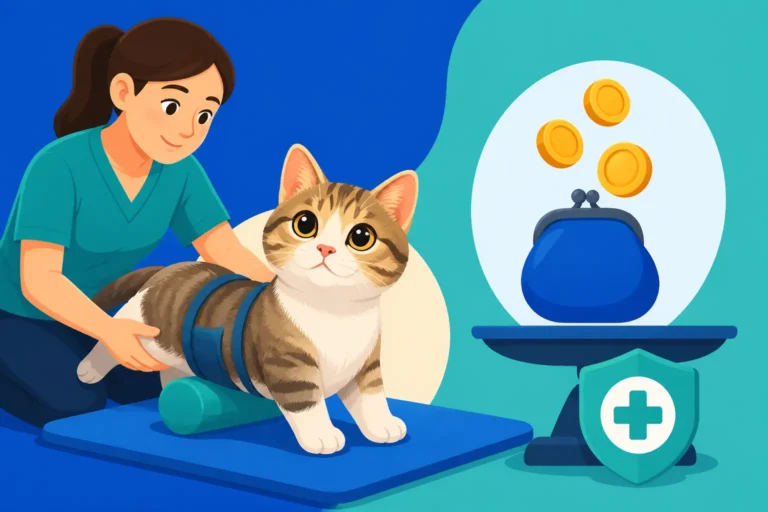
- Appropriate Exercise: Encourage regular, floor-level play to keep them active and maintain muscle tone without putting excessive strain on their joints. Wand toys or small rolling toys are often favorites.
- Joint Supplements: As they age, or if your vet recommends it, joint supplements containing glucosamine, chondroitin, or omega-3 fatty acids can be beneficial. Many pet supply stores, like Chewy, offer a wide range of options.
- Regular Veterinary Check-ups: Ensure your vet is familiar with the breed and pays close attention to their musculoskeletal health during annual exams. Early detection of any issues is key.
- Pet Insurance: Consider pet insurance from providers like Healthy Paws, especially if you're concerned about potential future health issues, including those related to joints or the spine. It can provide peace of mind and help with unexpected vet bills.
By being proactive in these areas, you're doing much more for your Munchkin's long-term comfort and mobility than any specific leg guarantee could ever offer.
A Comparative Look at Guarantee Coverage
To summarize, here’s a quick overview of what a typical Munchkin breeder guarantee often covers versus what it usually omits regarding their distinctive legs:
| Feature/Area | Typically Covered by Breeder Guarantee | Rarely Covered by Breeder Guarantee (Specifically Regarding Legs) |
|---|---|---|
| General Health | Freedom from infectious diseases (FIV/FeLV), internal/external parasites at time of sale. | The mere presence of short legs (as this defines the breed). |
| Genetic Diseases | Guarantee against specific, life-threatening inherited conditions (e.g., severe HCM, PKD) as identified by screenings. | A specific length of the legs, or variation in leg length within the breed's accepted spectrum. |
| Congenital Defects | Severe, life-altering conditions like severe lordosis or pectus excavatum (if specified). | Any potential consequence of having short legs, such as a predisposition to general arthritis (this is a care issue, not a defect). |
| Physical Conformation | Sound overall structure, ability to move freely, and good health at the time of purchase. | A guarantee that the legs will never lead to any mobility challenges later in life (this depends on care and age). |
| Temperament | Often a guarantee that the kitten will be social and friendly. | N/A |
Ultimately, the absence of an explicit guarantee for the Munchkin's legs isn't a red flag, but rather a reflection of the breed's genetic reality: short legs are the trait, not a defect. Instead, focus on a breeder who is transparent, health-tests their breeding cats, provides comprehensive general health guarantees, and prioritizes the overall well-being and sound conformation of their kittens. Your diligence in choosing a breeder and your commitment to proactive care will be the best guarantee for a long, happy life with your unique short-legged companion.
Disclaimer
This article is for general informational purposes only and does not constitute professional advice. Laws, prices and regulations vary by location and change over time. Consult a qualified professional for guidance on your specific situation.