Why Breeding Rights on a Munchkin Come With Conditions
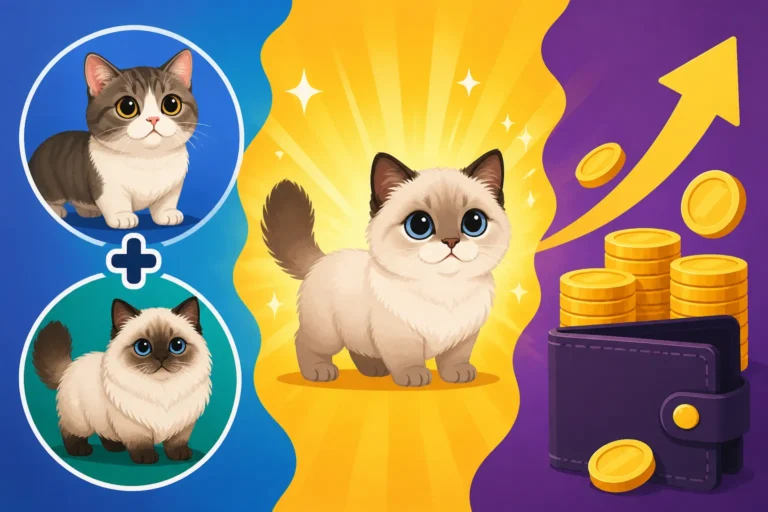
Bringing a Munchkin cat into your life is an exciting prospect, especially if you're considering the possibility of continuing their unique lineage. However, if you've started looking into acquiring a Munchkin with breeding rights, you've likely noticed that these opportunities almost always come with a strict set of conditions attached. It can feel a bit overwhelming, perhaps even a little intrusive, to have so many rules placed on something you're buying, but these conditions aren't there to make your life difficult. Instead, they are the cornerstone of responsible breeding practices, designed to protect the health of the cats, uphold the integrity of the breed, and ensure the future welfare of countless kittens. This guide will walk you through the essential reasons behind these conditions, helping you understand their importance.
The Unique Genetics Behind Munchkin Breeding
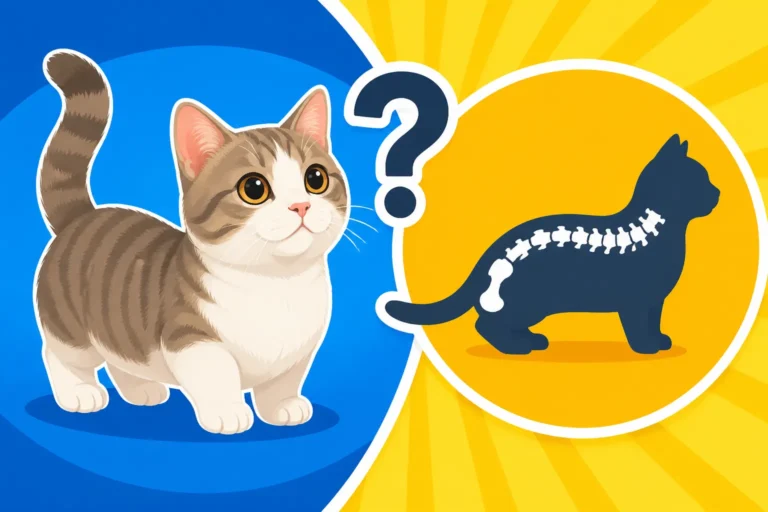
The defining characteristic of the Munchkin cat — its short legs — is the result of a specific genetic mutation. This isn't just any old gene; it's what we call an autosomal dominant gene. What does that mean for breeding? Well, it means that a cat only needs one copy of this gene to display the short-legged trait. This genetic reality is the primary driver behind many of the conditions you'll find in a breeding contract.
The Lethal Homozygous Gene
Here's the critical piece of information that dictates responsible Munchkin breeding: while one copy of the gene gives you those adorable short legs, two copies are lethal. This means that if a kitten inherits a short-leg gene from both parents, it won't survive. It's why Munchkin Dwarfism Is Dominant and Lethal in Two Copies. These homozygous embryos are reabsorbed by the queen early in pregnancy, or the kittens are stillborn. This heartbreaking reality means that ethical breeders have a paramount responsibility to prevent such pairings.
Because of this, you'll find a universal condition: Why Two Short Legged Munchkins Are Never Bred Together. A breeder will absolutely forbid you from breeding two short-legged Munchkins together. Their contract will specify that your Munchkin must only be bred with a normal-legged cat (often referred to as a "Munchkin-variant" or simply a domestic outcross). This ensures that every kitten born will receive at most one copy of the short-leg gene, thus avoiding the lethal homozygous combination. Understanding What Happens to a Homozygous Munchkin Embryo is key to appreciating this critical restriction.
The Necessity of Outcrossing and Its Implications
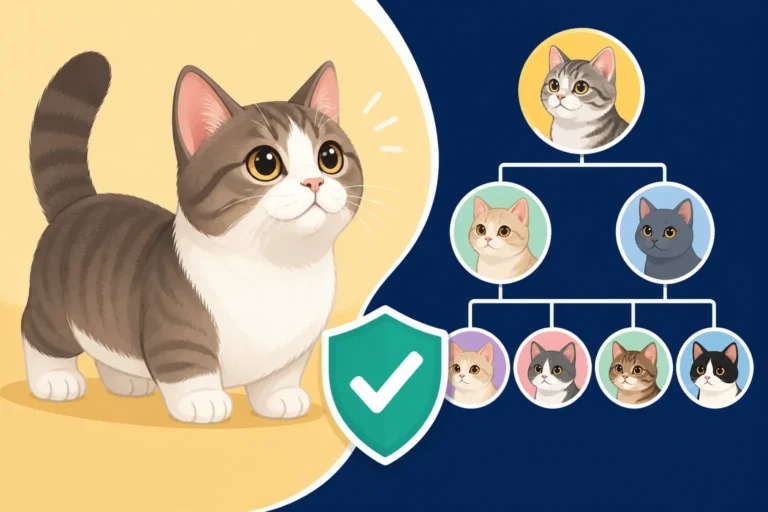
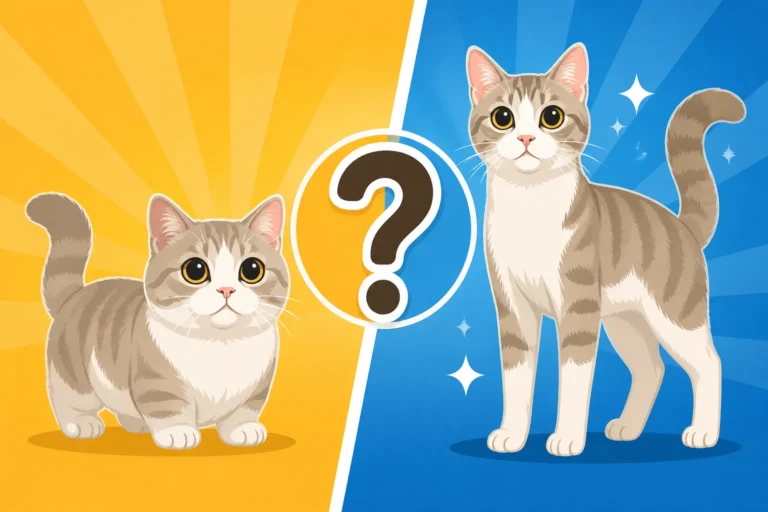
Given the lethal homozygous gene, every short-legged Munchkin needs to be bred to a normal-legged cat. This practice is known as outcrossing, and it's essential for the breed's health and genetic diversity. Why Every Munchkin Litter Is a Carrier Cross explains this perfectly. When you breed a short-legged Munchkin to a normal-legged cat, you can expect roughly half of the litter to have short legs and the other half to have normal-length legs. How Many Kittens in a Munchkin Litter Are Short Legged is a common question, and the 50/50 split is the usual outcome.
This predictable genetic outcome means that any breeding rights contract will likely stipulate how you must conduct these outcrosses. You might be required to use specific breeds or types of cats for outcrossing to maintain certain characteristics or to avoid introducing undesirable traits. The breeder wants to ensure that the genetic integrity and health of their lines, and the breed as a whole, are preserved. This includes careful record-keeping of all matings and offspring, often with requirements for genetic testing on the outcross partners.
Protecting the Health of the Queen and Kittens
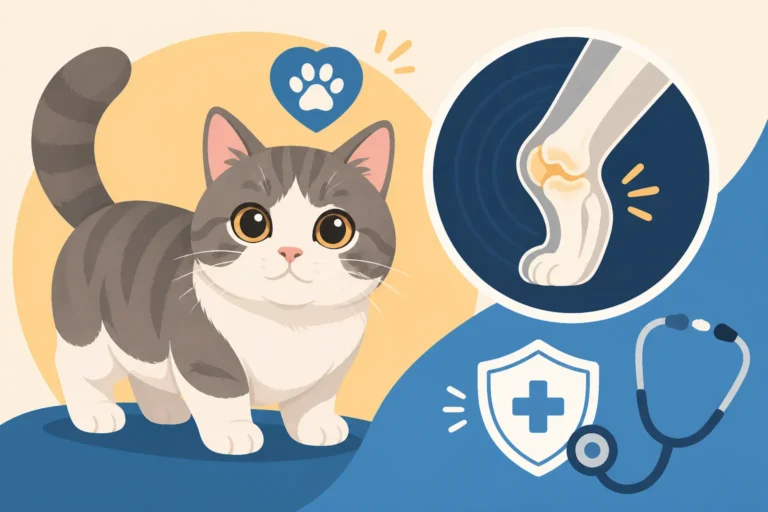
Beyond the primary genetic concern, breeding conditions also focus heavily on the overall health and welfare of the breeding cat (the queen) and her offspring. The short legs of a Munchkin, while charming, can sometimes be associated with certain health considerations that require careful management in a breeding program.
Screening for Conformation and Spinal Issues
While Munchkins are generally robust cats, their unique structure means that certain conditions require vigilance. Breeders, therefore, impose conditions related to health screenings. This often includes regular veterinary check-ups and specific imaging. Lordosis, for example, is a spinal condition where the spine curves inward, potentially compressing internal organs. Lordosis Is the Spinal Curve the Munchkin Argument Is About, and a responsible breeder will want to ensure their lines are as free of it as possible. Similarly, pectus excavatum, or a sunken chest, is another congenital condition that can affect Munchkins. Pectus Excavatum and the Munchkin's Sunken Chest details this concern.
A breeding contract will almost certainly require you to have your queen undergo regular veterinary examinations, including X-rays or other imaging, to screen for these conditions before breeding and throughout her breeding career. This information helps the original breeder track health trends in their lines and ensure that only the healthiest cats are contributing to the gene pool. You might also be required to provide proof of these screenings to the original breeder, demonstrating your commitment to responsible health management.
Ensuring Optimal Conditions for Pregnancy and Rearing
A queen's pregnancy and the early weeks of her kittens' lives are incredibly sensitive periods. Responsible breeders will include conditions that ensure the breeding environment meets high standards. This might involve specific dietary requirements, regular vet visits throughout pregnancy, and guidelines for the care of the new litter. For instance, a queen might need a specialized diet rich in certain nutrients to ensure optimal health for both her and the developing kittens.
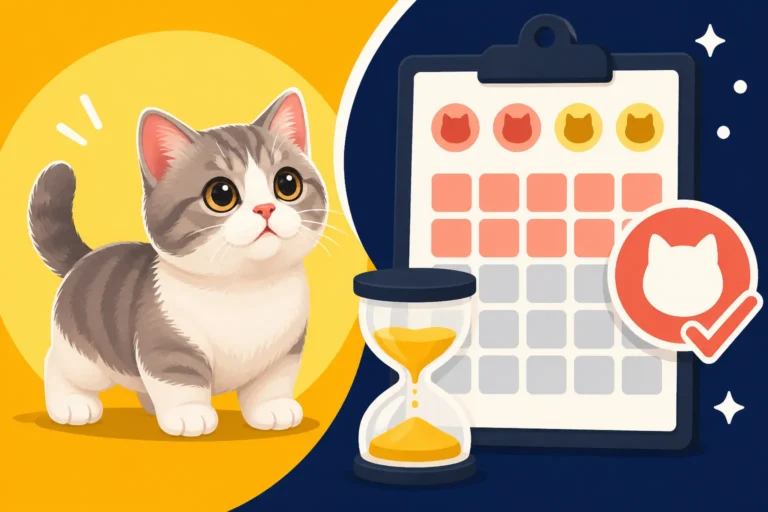
The contract may also specify the age at which a queen can begin breeding and how many litters she can have in her lifetime, as well as the interval between litters. These conditions are in place to prevent over-breeding, which can be detrimental to the queen's health and lifespan. They ensure she has ample time to recover between pregnancies, maintaining her physical well-being. Furthermore, there might be clauses about the environment where the kittens are raised, emphasizing cleanliness, socialization, and proper early veterinary care, including vaccinations and deworming, before they go to their new homes.
Maintaining Breed Standards and Responsible Practices
Breeding rights aren't just about genes and health; they're also about upholding the standards of the Munchkin breed and promoting ethical practices within the cat fancy community. Many breeders are deeply invested in the reputation and long-term viability of their chosen breed.
Adherence to TICA Standards
The Munchkin cat is primarily recognized and registered by The International Cat Association (TICA). Unlike some other major registries that do not accept the breed due to welfare concerns, TICA has established a breed standard that describes the ideal physical characteristics and temperament of a Munchkin. What TICA Championship Status Gives a Munchkin is a significant achievement for a breeder, validating their cats against these standards.
Breeding rights contracts will often stipulate that any kittens produced must meet the TICA breed standard as closely as possible. This means you would need to understand what constitutes good conformation beyond just short legs, including body type, head shape, ear set, and temperament. The breeder may require you to register all offspring with TICA and adhere to their guidelines for registration and showing, even if you plan to sell most kittens as pets. This helps ensure that the breed's characteristics are consistently maintained and that genetic lineage is properly documented.
Preventing Unethical Crosses and "Designer" Breeds
The popularity of Munchkin cats has led to the development of many hybrid breeds by crossing Munchkins with other breeds. While some of these, like the Minuet (Munchkin x Persian) or Bambino (Munchkin x Sphynx), are recognized by TICA, others are not. Some crosses, particularly those involving other genetic mutations that affect the skeletal system (such as the Scottish Fold), raise significant ethical concerns among veterinarians and responsible breeders. Why Munchkin Hybrids Stack Two Mutations is a crucial point of contention.
Breeding rights contracts often include specific prohibitions against certain crosses. For example, you will almost certainly be forbidden from breeding your Munchkin with a Scottish Fold, as combining these two genetic conditions can lead to severe health problems for the offspring. The breeder wants to ensure their lines are not used to create cats that may suffer from compounded health issues, reflecting a commitment to animal welfare above market trends. They are protecting their reputation and the health of the breed, ensuring that only healthy, ethically-produced kittens enter the world.
Limited Registration and Spay/Neuter Clauses for Offspring
A significant part of a breeding rights contract deals with the registration status of the kittens you produce. Typically, you will be required to sell most (if not all) of the kittens from your litters on a "pet-only" contract, meaning they come with limited registration papers and a strict spay/neuter clause. This means the new owners cannot breed these kittens themselves.
| Contract Type | Purpose | Key Conditions for Buyer | Breeder's Control |
|---|---|---|---|
| Pet-Only (Limited) | To ensure kittens go to loving homes and are not bred indiscriminately. | Mandatory spay/neuter by a certain age; proof often required. No breeding allowed. | Controls genetic spread, prevents backyard breeding, protects breed integrity. |
| Breeding Rights (Full) | To allow responsible expansion of the gene pool or specific lines. | Strict health screenings, adherence to TICA standards, specific outcross requirements. | Close oversight on breeding practices, progeny health, and future breeding decisions. |
This condition is paramount for responsible breeding. It prevents the proliferation of Munchkins by inexperienced or unethical breeders who may not understand the complex genetics or health considerations involved. It ensures that the majority of Munchkins born are simply cherished companions, not part of unregulated breeding operations. The original breeder maintains a degree of control over their lines, ensuring that only carefully selected cats continue the breeding program.
Understanding the Legal and Ethical Frameworks
Finally, the conditions within a breeding rights contract are a reflection of the legal and ethical responsibilities that come with breeding animals. These aren't just suggestions; they are often legally binding terms designed to protect all parties involved, most importantly, the cats themselves.
The Breeder's Ongoing Responsibility and Mentorship
When you acquire a Munchkin with breeding rights, you're not just buying a cat; you're entering into a long-term relationship with the original breeder. They often see themselves as mentors, invested in your success and the welfare of the cats you produce. The conditions in the contract reflect this ongoing commitment. They might require regular updates on the queen's health and any litters, allowing the original breeder to offer guidance and ensure that the breeding program aligns with their standards.
This mentorship can be invaluable, especially for new breeders. They can provide advice on everything from diet and litter box selection (perhaps recommending products from Chewy that are ideal for Munchkins, like low-entry boxes) to interpreting health reports and navigating the complexities of kitten socialization. The conditions are a framework for this relationship, ensuring open communication and adherence to best practices.
Legal Implications of the Contract
It's crucial to remember that a breeding rights contract is a legal document. By signing it, you are agreeing to all the terms and conditions. Failure to comply can have serious consequences, ranging from financial penalties to the mandatory return of the cat, and even legal action. For instance, if you were to breed two short-legged Munchkins together, violating a fundamental clause, the original breeder could take action against you. Why a Munchkin Contract Bans Breeding Two Short Legged Cats is not just an ethical guideline; it's a contractual obligation.
Before signing, it is always advisable to read the contract thoroughly and ask for clarification on any points you don't understand. If you have significant concerns, you might even consider having an attorney review it, especially if you are investing a substantial amount in a breeding animal. This isn't about distrusting the breeder, but about fully understanding your legal obligations and protecting yourself.
Ethical Considerations and the Future of the Breed
Ultimately, the conditions on Munchkin breeding rights are deeply rooted in ethical considerations. The existence of the Munchkin breed itself is a subject of debate in the wider cat community, with some organizations and individuals expressing concerns about breeding for a physical trait that can potentially lead to health issues. Responsible breeders understand these concerns and strive to breed Munchkins that are as healthy and robust as possible.
The conditions you encounter are designed to ensure that any breeding contributes positively to the breed's future, mitigating potential health risks and promoting overall welfare. They demonstrate a commitment to transparency, genetic health, and responsible pet ownership. By adhering to these conditions, you become a part of the solution, helping to ensure that Munchkin cats lead long, happy, and healthy lives, contributing to a positive image for the breed. How Long a Munchkin Lives depends significantly on responsible breeding and care. For instance, obtaining pet insurance from a provider like Healthy Paws for all breeding animals and their offspring is a responsible step that many breeders either recommend or require, ensuring that financial concerns don't compromise necessary veterinary care.
Disclaimer
This article is for general informational purposes only and does not constitute professional advice. Laws, prices and regulations vary by location and change over time. Consult a qualified professional for guidance on your specific situation.