How Far Ahead a Munchkin Litter Is Booked Out
It's incredibly exciting when you decide to bring a Munchkin cat into your home, and naturally, one of the first questions you'll have is, "How soon can I get one?" The reality, however, often involves a bit of patience. Finding an ethically bred Munchkin kitten isn't usually a quick process where you pick one up next week; litters from reputable breeders are often booked out well in advance, and understanding why will help you navigate the journey to finding your new furry family member.
Understanding Munchkin Litter Availability and Demand
When you're looking for a Munchkin kitten, it's easy to get caught up in the sheer cuteness of their short legs and unique appearance. However, the unique genetics of the Munchkin breed, combined with responsible breeding practices, mean that litters aren't as readily available as you might initially hope. This isn't a bad thing; in fact, it often points to a dedicated breeder who prioritizes the health and well-being of their cats.
The Rarity Factor and Breeder Practices
The defining characteristic of a Munchkin cat – their short legs – is due to a dominant genetic mutation that affects bone growth. What many people don't realize is that this gene is considered lethal in two copies. This means that two short-legged Munchkin cats can never be bred together because any kittens inheriting two copies of the gene will not survive. This crucial piece of genetics dictates that a Munchkin with short legs must always be bred with a normal-legged cat, often referred to as an "outcross." Why a Munchkin Is Always Bred to a Normal Legged Cat
Because of this breeding protocol, every litter produced by an ethical Munchkin breeder will consist of approximately half short-legged kittens and half normal-legged kittens. How Many Kittens in a Munchkin Litter Are Short Legged This immediately halves the potential number of short-legged kittens available from any given mating. Furthermore, cat litters are generally smaller than dog litters, often ranging from 3 to 6 kittens. If you have, say, a litter of four, you might only see two short-legged Munchkins available. This inherent genetic reality, coupled with careful selection of breeding stock to avoid other health issues, naturally limits the supply of kittens. Breeders are focused on quality, health, and conformation to the breed standard, not mass production.
The Impact of Ethical Breeding on Availability
Reputable breeders don't just breed any two cats together; they invest heavily in genetic testing, health screenings, and providing the best possible environment for their breeding cats and kittens. They will have their cats regularly checked by veterinarians, looking for signs of common feline ailments and, specifically for Munchkins, monitoring spinal health and overall mobility. This careful approach means they typically have fewer litters each year compared to less scrupulous operations. They also dedicate significant time to socializing kittens, ensuring they are well-adjusted, confident, and ready for their new homes.
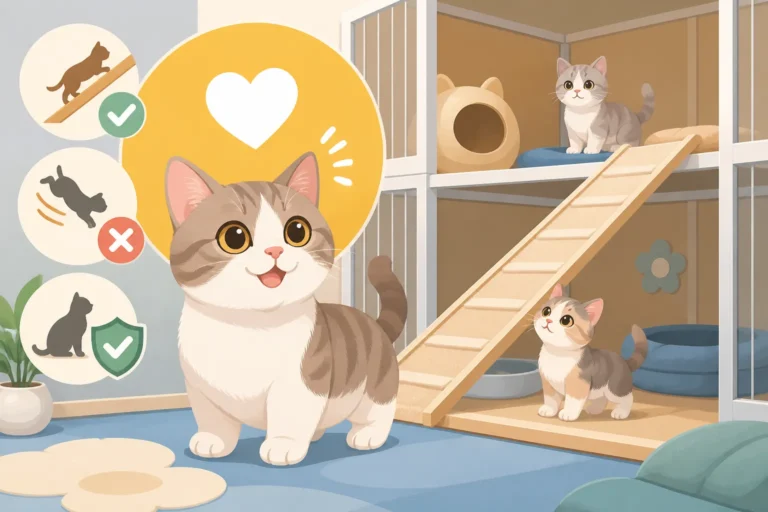
This meticulous care translates into higher demand. People who understand the value of a well-bred cat, free from preventable health issues and with a stable temperament, will naturally seek out these ethical breeders. These breeders often have strict criteria for potential owners, ensuring their kittens go to loving, prepared homes. They want to ensure that families understand the unique needs of a Munchkin cat, such as needing adapted environments with ramps and low access points. Why a Munchkin Cattery Should Have Ramps in Every Pen This thorough vetting process, while sometimes feeling like an interrogation, is ultimately for the kitten's benefit and speaks volumes about the breeder's integrity. It's not about making a quick sale; it's about making a lifelong match.
The Typical Waiting Game: How Far Ahead to Plan
So, with all these factors at play, how far ahead should you realistically plan if you want an ethically bred Munchkin kitten? The answer isn't a one-size-fits-all, but it certainly isn't a matter of days or weeks. Expect to put in some time and commitment if you're serious about bringing one of these special cats home.
Factors Influencing Waitlist Lengths
Several elements can significantly impact how long you'll be waiting for a Munchkin kitten:
- Breeder Reputation and Popularity: Highly respected breeders, known for their healthy lines and beautiful, well-socialized cats, will always have longer waitlists. Their kittens are in high demand because their commitment to ethical practices shines through. Word-of-mouth recommendations and a strong presence within the cat fancy community contribute to their popularity.
- Location: In areas where Munchkin cats are particularly popular or where there are fewer ethical breeders, waitlists can extend even further. Conversely, if you're willing to travel or work with a breeder remotely (ensuring you understand their shipping/pickup protocols), your options might expand, though the waiting time might still be substantial.
- Specific Preferences: If you're set on a particular gender, coat color, or even a specific leg length (e.g., a "rug hugger" with very short legs versus a "standard" Munchkin), your wait could be longer. Breeders cannot guarantee the exact characteristics of every kitten in a litter, so if your preferences are very specific, you might need to wait for several litters to be born until the right match comes along.
- Time of Year: While cats can breed year-round, there might be slight fluctuations in demand or breeding schedules at different times of the year. Some breeders might plan litters around holidays or warmer months for ease of transport.
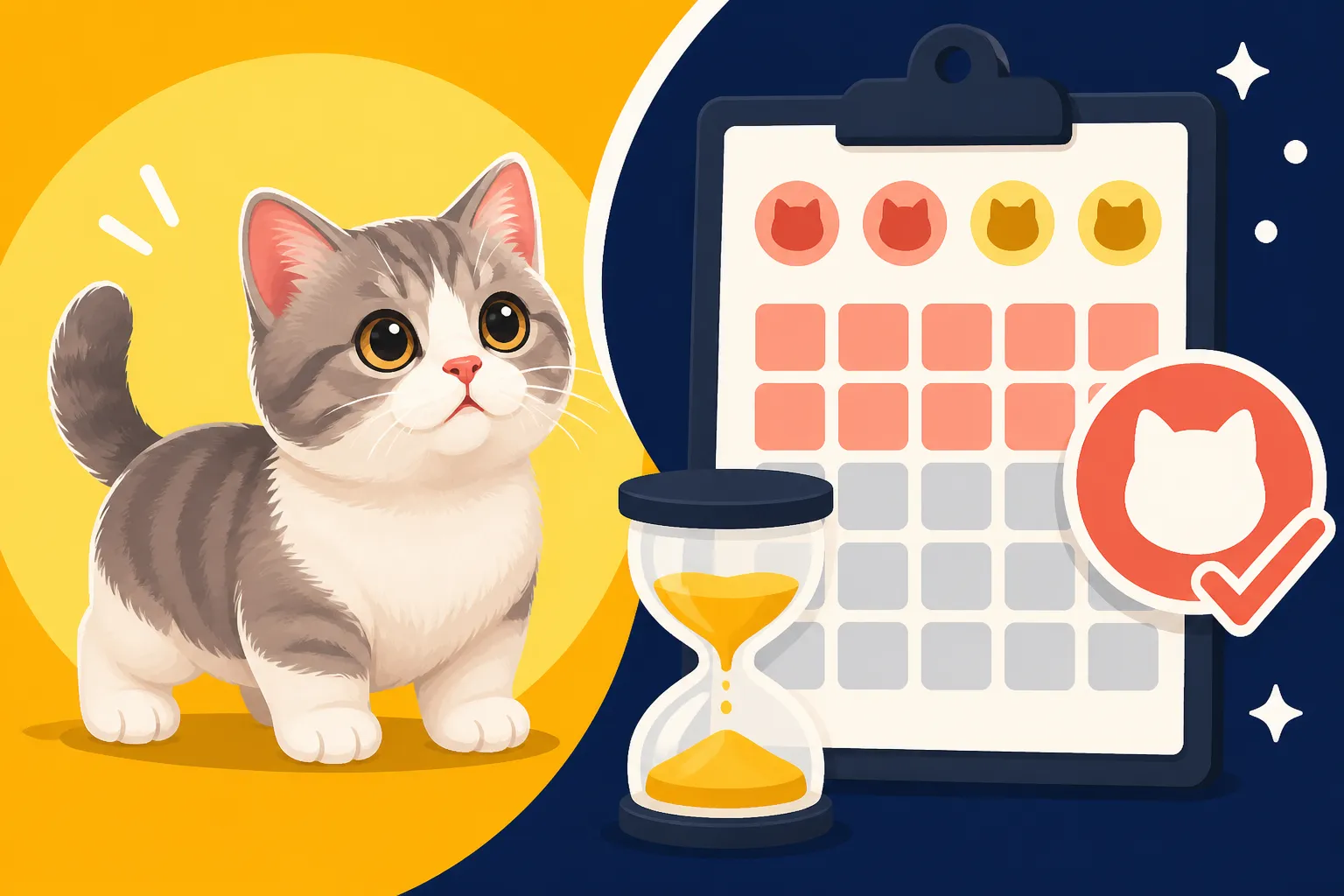
Generally, for a reputable breeder, you should expect to be on a waiting list for anywhere from six months to a year, or even longer. Some highly sought-after breeders may have lists that stretch out for two years or more. This isn't meant to discourage you, but rather to set realistic expectations and emphasize the importance of starting your search early.
What to Expect When You Inquire
When you first reach out to a reputable Munchkin breeder, don't expect them to immediately offer you a kitten. Instead, prepare for a conversation and an application process. They will want to know about your living situation, your experience with cats, other pets in your home, and your understanding of the unique needs of a Munchkin. This is their way of ensuring a good fit.
If you pass the initial screening and the breeder feels you're a suitable owner, they will likely place you on a waiting list. To secure your spot, most breeders require a deposit. This deposit signifies your serious commitment and is usually non-refundable, as it holds your place and accounts for the breeder's time and effort in matching you with a kitten. The breeder typically takes this deposit before the legs of a specific kitten are even graded, as the waitlist is for a future litter, not a specific kitten that may or may not have the desired traits. Why a Munchkin Deposit Is Taken Before the Legs Are Graded
Communication is key during this waiting period. A good breeder will keep you updated on their breeding plans, upcoming litters, and the general timeline. They might send you photos or videos of the parents, or even a general update when a new litter is born, even if your specific kitten isn't in that litter. This transparency helps build trust and excitement. They'll also be transparent about the overall How Much a Munchkin Costs Over Thirteen Years so you can budget appropriately.
Here's a quick overview of factors and their general impact on waiting times:
| Factor | Impact on Waitlist Length |
|---|---|
| Breeder Reputation | High: 12+ months; Medium: 6-12 months; Low: Shorter, but proceed with caution. |
| Specific Leg Length | "Rug Hugger" preference: Longer wait (fewer born); Standard: Shorter wait (more common). |
| Gender Preference | Can slightly lengthen wait if you're set on a specific gender. |
| Coat Color/Pattern | Can significantly lengthen wait if you have very specific aesthetic demands. |
| Geographic Location | Densely populated areas with high demand/few breeders: Longer; Rural areas: Shorter, but may require travel. |
| Time of Year | Typically consistent, but may vary slightly around holidays or specific breeding seasons. |
| Willingness to Be Flexible | High flexibility on preferences/timing: Shorter wait. |
Navigating the Booking Process and Securing Your Kitten
Once you've found a breeder and are on a waitlist, the next steps involve understanding the agreement you're making and what a responsible breeder provides. This isn't just about paying a fee; it's about entering into a partnership for the well-being of your future cat.
The Importance of a Reputable Breeder
This point cannot be stressed enough. A reputable breeder is your best assurance of getting a healthy, well-adjusted Munchkin kitten that has been ethically bred. They will be transparent about their breeding program, genetic history of their cats, and any health concerns relevant to the breed. Don't be shy about asking questions! What a Munchkin Breeder Should Be Able to Show You Ask to see the parents (or at least photos and health clearances), inquire about their vet, and understand their process for raising kittens.
A responsible breeder will:
- Provide Health Clearances: While specific DNA tests for Munchkin dwarfism aren't widely available or necessary due to its obvious physical manifestation, they should screen for common feline diseases and any issues that might affect their outcross breeds. They might also share information about spinal health checks, as this is a common point of discussion for the breed.
- Offer a Health Guarantee: This is crucial. A good breeder will stand behind the health of their kittens, often guaranteeing against congenital defects for a certain period. This isn't just a piece of paper; it's an indication of their confidence in their breeding program. Whether a Munchkin Guarantee Mentions the Spine
- Educate You: They'll be a resource for you, providing advice on care, nutrition, and integrating your new kitten into your home. They understand the unique aspects of Munchkin care, such as the need for adapted environments, and can guide you on setting up your home safely. They might even recommend specific products available on platforms like Chewy, from low-entry litter boxes to appropriate cat trees that account for a Munchkin's limitations.
- Insist on a Contract: A detailed contract protects both you and the breeder. It outlines the terms of sale, health guarantees, neutering/spaying agreements, and often includes clauses about what to do if you can no longer care for the cat.
What to Look for in a Contract and Guarantee
When the time comes to finalize the adoption, you'll be presented with a contract. Read it thoroughly and ask for clarification on anything you don't understand. Key elements to pay attention to include:
- Health Guarantees: Beyond basic health, look for specifics on congenital conditions or genetic defects. Some breeders may offer a replacement kitten or a refund of a portion of the purchase price if a severe, covered health issue arises within a specified timeframe. Understand what is covered and for how long.
- Spay/Neuter Clause: Most pet contracts will require you to spay or neuter your Munchkin kitten by a certain age. If you're interested in breeding, that's a whole different conversation and usually involves a significantly higher purchase price and specific conditions.
- Return Policy/Rehoming Clause: A responsible breeder will often require that if you can no longer keep the cat at any point in its life, it must be returned to them. This ensures their cats never end up in shelters.
- Registration Papers: For a registered Munchkin, the breeder should provide proof of registration with a recognized feline association like The International Cat Association (TICA). How to Verify a Munchkin Is Registered at All This is part of proving pedigree and ethical breeding practices.
Understanding these contractual obligations and protections helps ensure you're making a sound investment in a healthy companion. It also underscores the long-term commitment the breeder has to the welfare of their cats.
Preparing for Your Munchkin During the Wait
The waiting period, while potentially long, is a fantastic opportunity to prepare your home and your family for the arrival of your Munchkin kitten. This proactive approach will make the transition smoother and less stressful for everyone, especially your new feline friend.
Setting Up Your Home
Munchkin cats, with their distinctive short legs, have specific environmental needs that differ from a normal-legged cat. They might struggle to jump onto high surfaces or navigate steep stairs. Use this waiting time to adapt your home to their unique physical abilities.
- Ramps and Steps: Invest in or build small ramps and pet steps to allow your Munchkin easy access to furniture like sofas, beds, and windowsills. This prevents them from repeatedly attempting jumps that could strain their spine or joints. There are many options available on pet supply sites like Chewy.
- Low-Entry Litter Boxes: A standard litter box with high sides can be a challenge for a Munchkin, especially a young kitten or an older cat with arthritis. Look for litter boxes with a very low entry point, similar to those designed for senior cats. What a Low Entry Munchkin Litter Box Costs
- Floor-Level Enrichment: Since they can't always reach high perches, ensure plenty of stimulating toys and activities are available at floor level. Consider horizontal scratching pads or shorter scratching posts that they can stretch up against comfortably.
- Food and Water Bowls: While many cats prefer raised bowls, make sure the height is appropriate for a Munchkin to eat and drink comfortably without undue strain on their neck or shoulders. You might even consider having some bowls at floor level for convenience.
Thoughtful preparation demonstrates your commitment to providing a safe and enriching environment for your Munchkin, making the adjustment period much easier.
Financial Planning and Insurance Considerations
Beyond the initial purchase price and the cost of adapting your home, ongoing care for a Munchkin cat needs to be factored into your budget. This waiting period is an excellent time to get your finances in order and consider pet insurance.
- Routine Vet Care: Like all cats, Munchkins need regular veterinary check-ups, vaccinations, and parasite control. During your kitten's first year, these visits will be more frequent.
- Specialized Care (if needed): While ethically bred Munchkins are generally healthy, their unique conformation can mean they are more prone to certain conditions, such as lordosis (a spinal curvature) or osteoarthritis in their joints as they age. What Lordosis Does to a Munchkin Having a budget for potential physiotherapy, joint supplements, or pain management down the line is a wise decision.
- Pet Insurance: This is where pet insurance providers like Healthy Paws can be a lifesaver. Look into comprehensive pet insurance plans that cover accidents, illnesses, and potentially even hereditary or congenital conditions (read the fine print carefully, as some policies have exclusions for pre-existing conditions or breed-specific issues). Enrolling your kitten early, before any potential issues arise, is generally the best strategy to ensure broader coverage. Whether Pet Insurance Covers a Munchkin's Spine The cost of veterinary care can be substantial, and insurance can help mitigate unexpected expenses, allowing you to focus on getting your Munchkin the best possible treatment.
- Food and Supplies: Factor in the ongoing costs of quality cat food, litter, toys, grooming supplies, and any joint-supportive supplements your vet might recommend as your Munchkin ages. How Much a Munchkin Costs Over Thirteen Years
Being financially prepared for all aspects of Munchkin ownership will give you peace of mind and allow you to provide the best possible care throughout their life.
Disclaimer
This article is for general informational purposes only and does not constitute professional advice. Laws, prices and regulations vary by location and change over time. Consult a qualified professional for guidance on your specific situation.