Whether a Munchkin Guarantee Mentions the Spine
When you welcome a Munchkin cat into your home, you're not just getting a pet; you're often investing in a beloved family member, and the financial commitment can be significant. One of the most common anxieties for new Munchkin parents is understanding what kind of health guarantee their breeder provides, especially concerning the breed's unique skeletal structure. This guide dives deep into typical breeder guarantees, specifically addressing whether they cover spinal issues, and helps you navigate the complexities of protecting your short-legged companion.
The Nuance of Breeder Guarantees and What They Cover
It’s completely normal to feel overwhelmed by the paperwork that comes with a new purebred kitten. You’re excited, maybe a little nervous, and trying to absorb a lot of information at once. Breeder guarantees are meant to offer peace of mind, but their scope can vary wildly, leaving many prospective owners wondering what they really mean.
The Standard Health Guarantee Expectation
Most reputable Munchkin breeders will offer some form of health guarantee, typically covering a kitten's initial health for a short period after purchase, usually 48 to 72 hours. This initial window is generally for contagious diseases like upper respiratory infections or parasites that the kitten might have picked up before coming home. The expectation here is that you'll take your new feline friend to your own veterinarian for a full check-up within that timeframe. If a major, undisclosed illness or health issue is found during this initial vet visit, the guarantee might stipulate a return, exchange, or partial refund, depending on the terms.
Beyond this initial period, many breeders extend a guarantee for genetic or congenital health defects for a longer term, perhaps one or two years. This part of the guarantee is often where the real concerns for a Munchkin cat lie, as conditions related to their unique physiology might not manifest immediately. However, it's crucial to understand that even these extended guarantees often have very specific clauses and limitations. They aren't blank checks for any health problem that might arise down the line, and they rarely cover common ailments or injuries sustained after the cat leaves the breeder's care.
Why Certain Conditions Are Often Excluded
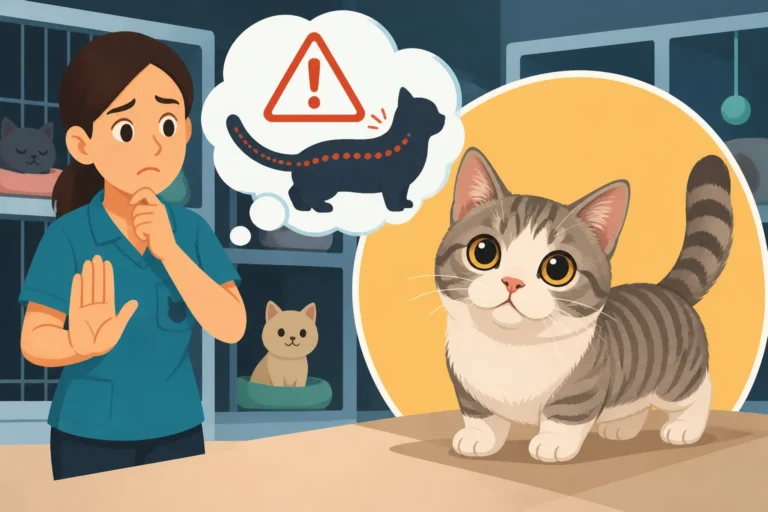
You might be surprised to find that some health conditions, even those considered breed-specific, are either explicitly excluded or vaguely addressed in breeder guarantees. This isn't always malicious; sometimes, it's due to the difficulty in definitively proving a condition is purely genetic versus environmental, or because some conditions are so prevalent in a breed that breeders feel they cannot realistically guarantee against them. For Munchkins, this often circles back to their defining trait: their short legs. Conditions like lordosis, a spinal curvature, or pectus excavatum, a sunken chest, are frequently associated with dwarf breeds. Breeders might argue that these conditions are either a recognized characteristic of the breed (even if undesirable in severe forms) or that mild forms are not debilitating.
The problem arises when these conditions progress from mild to severe, impacting the cat's quality of life. A breeder might feel that they have bred to the best of their ability to avoid severe outcomes, but they cannot guarantee perfection in every single kitten. For instance, Why the Frequency of Munchkin Spinal Problems Is Disputed within the veterinary community means there isn't always a consensus on what constitutes an "acceptable" level of risk or severity in the breed, which further complicates guarantee clauses. This can leave owners feeling vulnerable, especially if a condition like severe lordosis develops later, requiring expensive interventions.
The Role of a Vet Check in Validating a Guarantee
Your initial vet check within that crucial 48-72 hour window is paramount. It’s not just a formality; it's your first line of defense in validating your breeder's guarantee. Your veterinarian will perform a thorough physical examination, checking for general health, parasites, and any immediately observable congenital issues. For a Munchkin kitten, this check should include a careful palpation of the spine and an assessment of its chest conformation. You might want to ask your vet Why a Munchkin Kitten Needs an Early Vet Check specifically to look for signs of spinal issues.
If your vet identifies a potential issue, such as a noticeable spinal curve (even a mild one) or signs of a sunken chest, it's vital to get this documented immediately. This written documentation from your vet is usually the only proof a breeder will accept to honor their guarantee. Without it, you might find yourself without recourse if a problem becomes more severe later on. Be prepared to share your vet's findings with your breeder promptly and in writing, adhering to any notification clauses in your contract.
Munchkin Specific Health Considerations and Spinal Health
The very thing that makes Munchkins so endearing – their short legs – is also the source of much debate and concern regarding their long-term health. Understanding these specific health considerations is key to appreciating why spinal health guarantees are so critical and often so complex.
The Truth About Lordosis and Pectus Excavatum
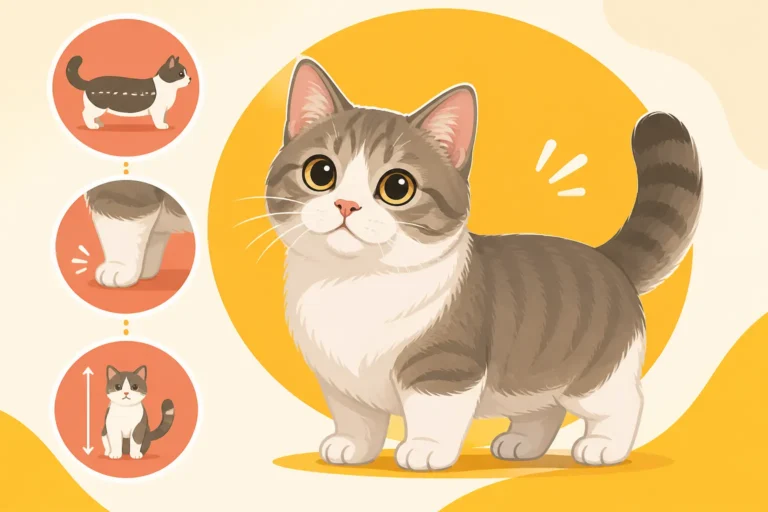
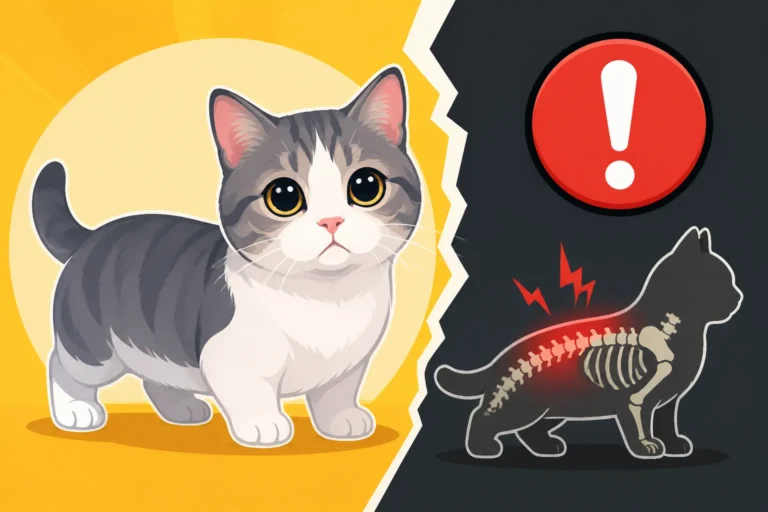
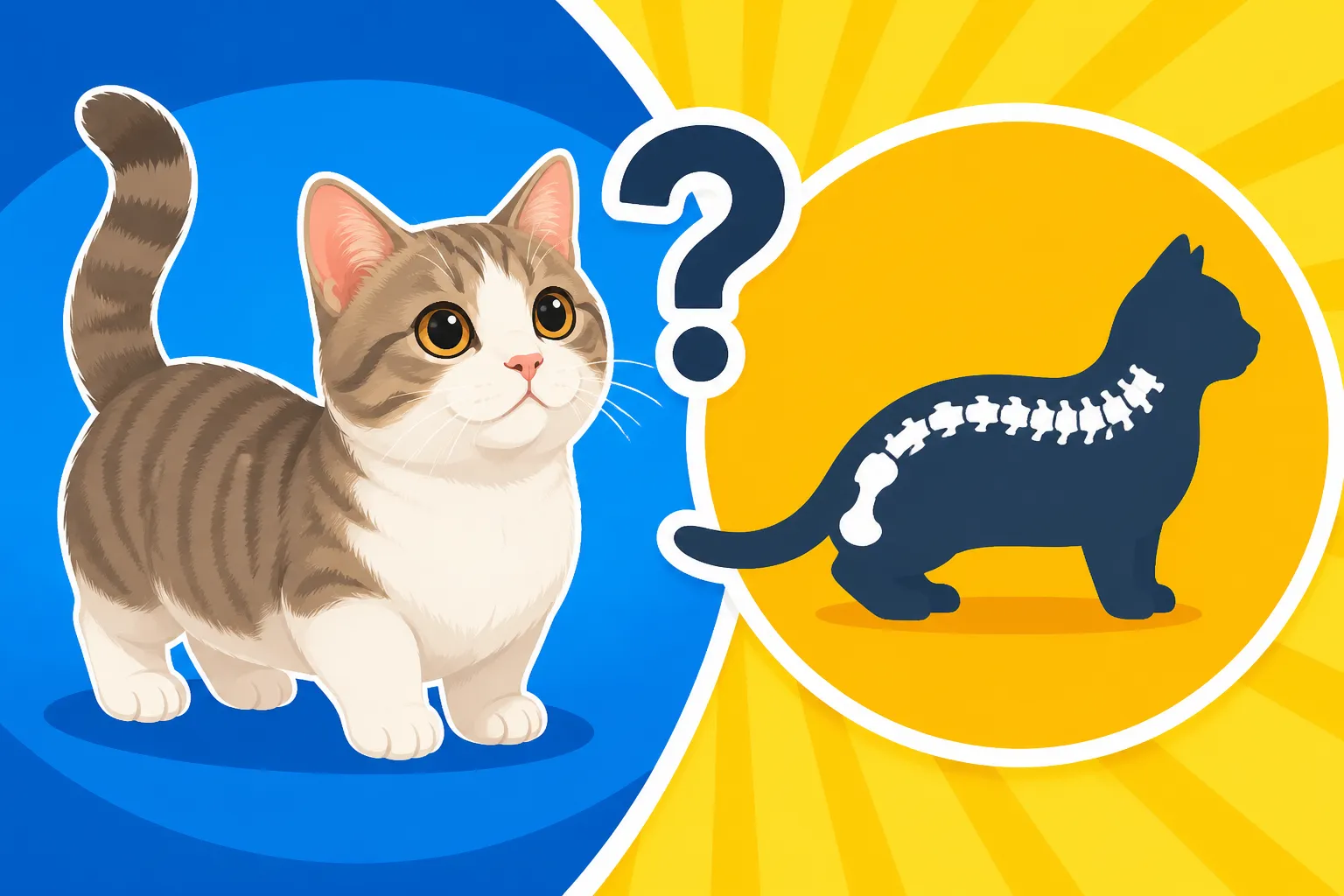
Munchkins are known for their distinctive appearance, but this comes from a genetic mutation that causes chondrodysplasia, a form of dwarfism affecting bone and cartilage development. Two primary concerns often associated with this are lordosis and pectus excavatum. Lordosis is a condition where the spine curves excessively inward, particularly in the lower back, which can compress internal organs. Pectus excavatum, on the other hand, is a congenital malformation of the chest wall where the sternum and ribs grow abnormally, leading to a sunken or hollowed chest. Both can range from very mild, barely noticeable forms to severe, life-threatening conditions.
While these conditions are not exclusive to Munchkins – they can appear in any cat breed or even mixed breeds – there is an increased incidence observed in Munchkins and other dwarf breeds. This correlation is what often fuels the ethical debates surrounding the breed and why potential owners need to be acutely aware. You can learn more about Lordosis Is the Spinal Curve the Munchkin Argument Is About and Pectus Excavatum and the Munchkin's Sunken Chest to understand the nuances of these conditions. A good breeder should be transparent about the potential for these issues and their efforts to minimize their occurrence in their lines.
Why a Munchkin's Spine Carries a Load a Normal Cat's Does Not
Imagine a long, flexible bridge. Now imagine that bridge being supported by shorter, less agile pillars. That’s a bit like what happens with a Munchkin's spine. While their legs are significantly shorter, their body length and overall organ size remain relatively typical for a domestic cat. This means their spine, though normal in length, is supported by shorter limbs, altering biomechanics and potentially increasing the load and stress on certain vertebrae and discs. Why a Munchkin's Spine Carries a Load a Normal Cat's Does Not is a fundamental point of contention and concern for veterinary professionals.
This altered biomechanics doesn't necessarily mean every Munchkin will have spinal problems, but it does mean they are predisposed to additional stress, especially if they are overweight or engage in strenuous jumping and landing without appropriate support. This predisposition is a key reason why owners must be vigilant about monitoring their Munchkin's movement and weight throughout its life.
Understanding the Genetic Predisposition
The short-legged trait in Munchkins is caused by an autosomal dominant gene mutation. This means only one copy of the gene is needed for a cat to display short legs. However, inheriting two copies of the gene is lethal, leading to embryonic death, which is What Happens to a Homozygous Munchkin Embryo. This genetic reality forces breeders to always breed a short-legged Munchkin to a normal-legged cat (often called a "Munchkin variant" or "non-standard Munchkin"). This breeding practice, while necessary to produce viable kittens, means that the genetic pool for issues potentially linked to chondrodysplasia remains present.
While the specific gene for the Munchkin's short legs has been identified, the precise genetic links to conditions like lordosis or pectus excavatum are not always clear-cut and can be polygenic (involving multiple genes) or influenced by environmental factors during development. This complexity is often cited by breeders as a reason why a comprehensive genetic guarantee against all forms of spinal issues is difficult, if not impossible, to offer. Responsible breeders, however, will screen their breeding cats for signs of these conditions and avoid breeding any cat that shows a propensity for severe forms.
Deciphering the Fine Print: What to Look for Regarding Spinal Health
When you’re handed a breeder contract, it can feel like reading legal jargon. But understanding the specific language around health guarantees, particularly concerning spinal health, is critical for Munchkin owners. Don’t be afraid to ask for clarification on anything you don’t understand.
Explicit vs. Implicit Coverage
Many general health guarantees might use broad terms like "free from genetic defects" or "guaranteed healthy." While this sounds promising, it's often too vague when it comes to specific conditions like lordosis or pectus excavatum. An explicit guarantee would directly name these conditions and outline the breeder’s responsibility if they are diagnosed. For example, it might state: "This kitten is guaranteed against severe lordosis or pectus excavatum for X number of years, provided veterinary diagnosis and supporting X-rays are provided."
Implicit coverage, on the other hand, relies on the assumption that a general health guarantee should cover such conditions if they are genetic. The problem with implicit coverage is that interpretation can vary widely between the buyer and the seller. What one person considers a severe genetic defect, another might see as a mild, manageable breed characteristic. Always push for clarity. If spinal issues are a concern (and they absolutely should be with a Munchkin), ask the breeder to specify exactly what their guarantee covers in this regard. If they are unwilling to explicitly include spinal conditions, understand that you are likely accepting that risk.
Timeframes and Conditions for Spinal Claims
Even if a breeder’s guarantee does mention spinal health, pay close attention to the timeframes and conditions attached. A guarantee that covers severe lordosis for only three months might be of little comfort if the condition often progresses or becomes apparent later in a cat's development. Some spinal issues, while present from birth, might not become clinically significant until a cat is older and more active, or even senior. How Early Lordosis Shows in a Munchkin Kitten can vary, for example, making a short guarantee period potentially inadequate.
Furthermore, there are often conditions tied to making a claim. These might include:
- Veterinary Documentation: Requiring clear diagnostic proof, often including X-rays. You might need to check When a Munchkin Should Have Its Spine Imaged and budget for these costs.
- Second Opinion: The breeder might require a second veterinary opinion, sometimes from a vet of their choosing, at your expense.
- Return or Exchange: Guarantees often stipulate that for a refund or replacement, the cat must be returned to the breeder, which can be emotionally difficult.
- Care Compliance: You might be required to prove that you’ve provided appropriate care, including proper nutrition and preventing injuries.
It's a good idea to discuss these conditions with the breeder before purchase and ensure they are reasonable and fair.
The Difference Between Guaranteeing Health and Guaranteeing Structure
This is a subtle but crucial distinction. A breeder might guarantee the overall health of a kitten, implying it is free from debilitating illness, but not explicitly guarantee specific anatomical structure. For a Munchkin, whose unique structure is the very essence of the breed, this distinction can be a grey area. A breeder might argue that a mild spinal curvature, while part of the cat's structure, does not inherently make the cat "unhealthy" if it isn't causing pain or impeding function.
However, many owners would disagree, viewing any spinal abnormality as a structural flaw that could lead to future health problems and compromise their pet's quality of life. This is why it’s so important to have a clear understanding of What a Munchkin Breeder Should Be Able to Show You regarding their lines' health and how they address potential structural concerns. If the guarantee focuses solely on the absence of infectious diseases or clearly debilitating, acute conditions, but sidesteps structural issues like lordosis or pectus excavatum, then you are assuming the risk for those specific conditions.
| Guarantee Aspect | Typical Coverage | Munchkin Spinal Implications | What to Ask Your Breeder |
|---|---|---|---|
| Initial Health | Contagious illnesses (e.g., URI, parasites) for ~72h | Excludes latent genetic/structural issues. | Does this cover any congenital anomalies found by my vet? |
| Genetic Health | Major life-threatening genetic defects for 1-2 years | May or may not explicitly cover lordosis/pectus excavatum. | Is severe lordosis/pectus excavatum explicitly covered, and for how long? |
| Timeframe | Short for initial, longer for genetic | May be too short for slow-developing spinal issues. | What is the exact timeframe for spinal conditions? |
| Conditions for Claim | Vet diagnosis, return of cat, proper care proof | Requires X-rays, possibly second opinion, can be emotionally taxing. | What specific diagnostic proof is needed for a spinal claim? |
| Structural vs. Health | Focuses on illness, not necessarily specific body forms. | Grey area for conditions directly linked to the breed's structure. | Do you guarantee against structural deformities like a severe spinal curve? |
The Impact of a Limited Spinal Guarantee on Ownership
Having a Munchkin means accepting certain unique care responsibilities, and a limited spinal guarantee only amplifies the need for proactive ownership. It shifts more of the long-term health responsibility onto you, the owner.
Financial Implications of Spinal Conditions
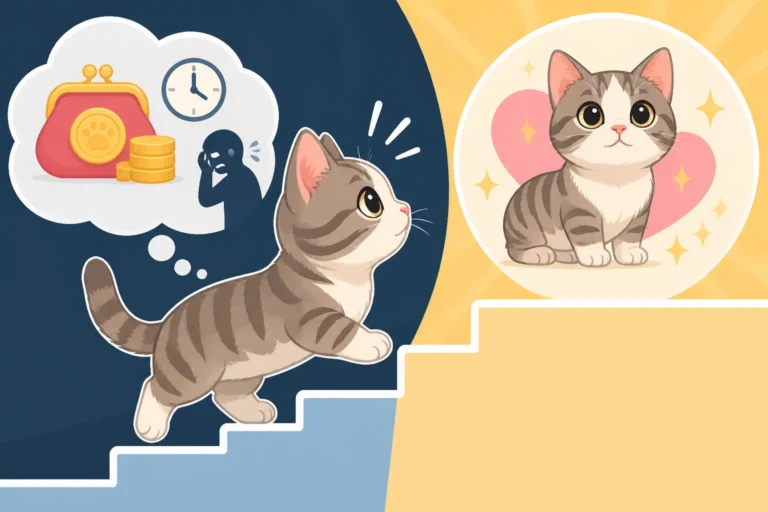
Let’s be honest: vet bills can add up quickly, especially when dealing with chronic or complex conditions. If your Munchkin develops a spinal issue like severe lordosis or a worsening pectus excavatum, and your breeder guarantee offers limited or no coverage, you will be solely responsible for the financial burden. This can include diagnostic imaging like X-rays (which can be costly, as you might know if you've ever had to get What Spinal X Rays Cost for a Munchkin), consultations with specialists, pain management medications, and potentially even corrective surgery in severe cases.
These costs aren't trivial. Imagine needing weekly physiotherapy, expensive long-term anti-inflammatory medications, or specialized dietary supplements to manage discomfort. Without a robust guarantee, this becomes your financial responsibility. This is where researching pet insurance becomes incredibly important. Many owners opt for a comprehensive plan from providers like Healthy Paws or similar companies, but it's crucial to understand Whether Pet Insurance Covers a Munchkin's Spine and if there are any breed-specific exclusions or waiting periods for congenital conditions. Always get insurance before any symptoms develop or diagnoses are made to ensure the best coverage.
The Importance of Proactive Veterinary Care
Regardless of what your breeder guarantee says, proactive veterinary care is your best friend in managing a Munchkin’s long-term health. Regular vet check-ups aren't just for vaccinations; they're opportunities for your vet to monitor your cat's weight, gait, and spinal health. A good vet will pay close attention to signs of stiffness, changes in posture, or any reluctance to move, which could indicate developing joint or spinal issues.
Early detection of conditions like arthritis, which Munchkins may be prone to due to the stress on their joints, or worsening lordosis, can lead to earlier intervention and better long-term outcomes. Your vet can advise on appropriate joint supplements, weight management strategies, and environmental adaptations to keep your Munchkin comfortable. Establishing a strong relationship with a vet who understands the unique needs of short-legged cats is invaluable.
Long-Term Management and Quality of Life
Living with a Munchkin that has a spinal condition requires dedication and adaptation. It's not just about treating the symptoms; it's about optimizing their environment and routine to support their long-term comfort and mobility. This might mean investing in ramps and steps to help them access furniture safely, ensuring their litter boxes have low entry points, and carefully monitoring their weight to minimize strain on their spine. Companies like Chewy offer a variety of adapted products, from low-entry litter boxes to pet stairs, that can make a huge difference in your Munchkin's daily life.
The goal is always to maintain the best possible quality of life. This could involve daily pain medication, regular massage, or even hydrotherapy, depending on the severity of the condition. It also means being attuned to subtle changes in their behavior, such as reluctance to play, changes in appetite, or increased hiding, all of which could indicate pain or discomfort. A limited guarantee means you, as the owner, become the primary advocate and caretaker for these long-term needs, making informed decisions with your vet to ensure your Munchkin thrives.
Moving Beyond the Breeder Guarantee: Additional Protections
A breeder guarantee, even a good one, is only one piece of the puzzle. For a Munchkin, whose unique genetics necessitate particular attention to their skeletal health, layering on additional protections and proactive measures is simply good ownership.
The Role of Pet Insurance in Covering Spinal Issues
As we've touched upon, pet insurance can be an absolute lifesaver when unexpected health issues arise. While a breeder guarantee might offer a short-term safety net for acute problems or specified genetic conditions, pet insurance covers a much broader range of illnesses, accidents, and chronic conditions that can develop over your cat's lifetime. For a Munchkin, spinal problems, arthritis, or other mobility issues can become long-term concerns, making insurance particularly valuable.
When selecting a policy, pay close attention to:
- Waiting Periods: Most policies have waiting periods before coverage begins, especially for orthopedic conditions. It's best to enroll your Munchkin as a kitten.
- Hereditary/Congenital Conditions: Confirm that the policy covers hereditary and congenital conditions. Some plans may have exclusions or lower reimbursement rates for these. Make sure to inquire specifically Whether Insurers Exclude a Munchkin's Spine.
- Annual Limits and Deductibles: Understand how much the policy will reimburse you each year and how much you'll pay out-of-pocket before coverage kicks in.
- Pre-existing Conditions: No insurance policy covers pre-existing conditions. This is why insuring your Munchkin before any signs of spinal problems appear is crucial.
Don't hesitate to compare different providers like Healthy Paws or others to find the best fit for your budget and your Munchkin's potential needs.
Comprehensive Health Screenings for Your Munchkin
Beyond the initial vet check, consider regular, comprehensive health screenings as your Munchkin grows. While routine physical exams are important, discussing potential diagnostic imaging with your vet as a preventative measure can offer valuable insight. For example, some vets might recommend baseline X-rays of the spine at a certain age, even if your cat isn't showing symptoms, to establish a reference point. This allows for easier detection of changes as they age.
These screenings can go beyond just imaging. Your vet might recommend specific blood panels as your Munchkin reaches senior status to check for common age-related issues. The more information you have about your cat's baseline health, the better equipped you'll be to identify and address problems early. This proactive approach allows you to tailor care plans, diet, and lifestyle adjustments before issues become debilitating.
Building a Relationship with a Knowledgeable Vet
Finding a veterinarian who is knowledgeable about Munchkin cats and other chondrodysplastic breeds is perhaps one of the most important steps you can take. Not all vets have extensive experience with the unique anatomical considerations of these cats, and some may even hold strong opinions about the breed. A vet who is open-minded, well-informed, and willing to work with you to understand and manage your Munchkin's specific needs will be an invaluable partner throughout your cat's life.
This vet can advise on everything from optimal nutrition to appropriate exercise, weight management, and early intervention strategies for any developing health issues. They can also help you interpret your cat's behavior, distinguishing normal Munchkin antics from signs of discomfort or pain. This collaborative relationship ensures that your Munchkin receives the most informed and compassionate care possible, giving you peace of mind and your short-legged friend the best chance at a long, happy, and comfortable life.
Disclaimer
This article is for general informational purposes only and does not constitute professional advice. Laws, prices and regulations vary by location and change over time. Consult a qualified professional for guidance on your specific situation.