Whether a Munchkin’s Coat Length Affects Its Price
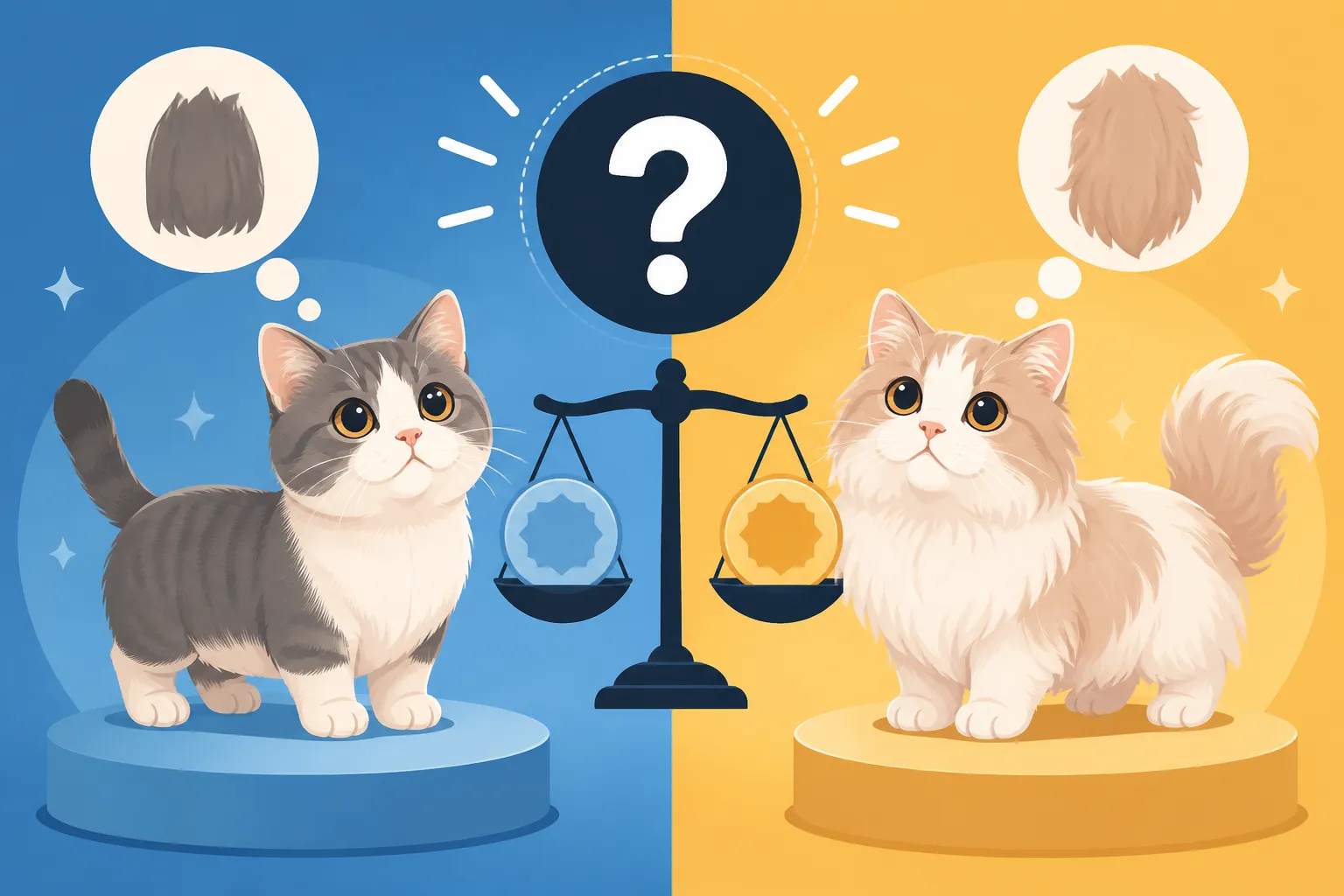
When you're dreaming of bringing a charming Munchkin cat into your home, it's easy to get caught up in all the adorable variations: the different colors, patterns, and yes, even the coat lengths. Many prospective owners assume that a fluffy, longhaired Munchkin must naturally command a higher price than its sleek, shorthaired counterpart, much like certain long-haired dog breeds often do. However, this isn't usually the case with Munchkins. The truth is, while coat length might tug at your heartstrings and influence your personal preference, it's very rarely the primary factor determining a Munchkin kitten's cost. This guide will peel back the layers to show you what truly influences the price tag of these unique felines, so you can make informed decisions and budget wisely.
The Dominant Price Driver: Munchkin Leg Length, Not Coat Type
It's a common misconception that the aesthetic features like coat color or length are the biggest financial determinants in a purebred cat. While these can play a minor role, especially if you're looking for a very specific, rare combination, for Munchkin cats, there's one defining characteristic that outweighs all others when it comes to price: the length of their legs. This singular trait is what makes a Munchkin a Munchkin, and its expression is directly tied to the cost.
Why Short Legs Command the Highest Price Tag
The Munchkin breed is defined by a naturally occurring genetic mutation that results in pseudoachondroplasia, which means their legs are significantly shorter than those of typical cats, while their body length remains proportionate. This is the hallmark of the breed, and the degree to which this trait is expressed is the main driver of their value. Breeders often categorize leg length into various informal classifications, such as "standard," "super short," or "rug hugger," with the latter describing a Munchkin whose belly almost brushes the floor.
Kittens exhibiting the shortest possible leg length, often referred to as "rug huggers," are usually the most sought-after and consequently, the most expensive. These are the Munchkins that most closely embody the breed's signature look and are often considered ideal for show potential, especially if they meet the specific aesthetic preferences outlined in breed standards. The demand for these uniquely short-legged individuals means breeders can, and often do, ask for a premium price. You'll find that a kitten whose legs are significantly shorter will almost always cost more than one with slightly longer legs from the same litter, regardless of what kind of fur they have. If you're looking for a show-quality kitten that truly exemplifies the short-legged trait, prepare for a higher investment. Understanding What a Munchkin Short Enough for the Ring Costs will give you a clearer picture of this phenomenon.
Understanding the "Long-Legged" Munchkin Kitten's Price
It's important to remember that the Munchkin gene is autosomal dominant and lethal in two copies, meaning a short-legged Munchkin must always be bred to a normal-legged cat (an outcross). This genetic reality means that every litter born to a Munchkin parent will contain a mix of short-legged and normal-legged kittens. These normal-legged kittens, often called "long-legged Munchkins," are genetically carriers of one parent's non-Munchkin genes and do not express the short-legged trait. This is Why Half a Munchkin Litter Has Normal Legs.
These long-legged kittens, while adorable and healthy, do not possess the defining short-legged characteristic of the Munchkin breed. As such, their price is significantly lower than their short-legged siblings. They are essentially domestic cats from a pedigreed line, and while they may inherit the wonderful temperament and other desirable traits of their Munchkin parent, they aren't sold as "Munchkins" in the traditional sense, purely because they lack the physical trait. They are often sold as pets to loving homes at a price point comparable to a well-bred domestic shorthair or longhair cat, and sometimes even less. It's a common misunderstanding that Whether a Long Legged Munchkin Carries the Gene, but they do not. Their value is in their health and temperament, not in a characteristic they don't possess. If you're curious, What a Long Legged Munchkin Kitten Is Worth further illustrates this pricing difference.
How Coat Length Intersects (or Doesn't) with Price
Now that we've established leg length as the primary financial factor, let's talk about coat length. While it might influence perceived value or even quicken a sale, it rarely dictates the base price in the way leg length does.
The Equal Value of Shorthair vs. Longhair Munchkins
The Cat Fanciers' Association (TICA), the primary registry that accepts Munchkins, recognizes both shorthaired and longhaired varieties of the breed. This means that from a breed standard perspective, one coat length is not inherently "superior" or more desirable than the other in terms of genetic purity or conformation points. The gene responsible for the short legs operates independently of the genes that determine coat length. Therefore, a breeder typically doesn't assign a higher base price simply because a Munchkin kitten has long, flowing fur versus a sleek, short coat.
What determines the price within a litter, once leg length is accounted for, often comes down to individual quality, health, and sometimes, exceptionally rare color or pattern combinations, rather than the length of the fur itself. So, if you have a "rug hugger" Munchkin, whether it's a shorthair or a longhair, its price will be largely determined by the very short legs, not by the texture or length of its coat. Which Coat Lengths a Munchkin Comes In are both accepted and celebrated in the breed.
Demand Fluctuations and Personal Preference
While the base price might not be dictated by coat length, the speed of sale or minor price nudges can sometimes occur due to prevailing preferences. Some buyers are specifically looking for the low-maintenance ease of a shorthaired cat, perhaps because they have allergies or prefer less grooming. Others are absolutely smitten with the luxurious, fluffy appearance of a longhaired Munchkin, envisioning endless snuggles with a soft, plush companion. This personal preference can create localized or temporary demand surges.
For instance, if longhaired Munchkins are currently "trendy" in a particular area or if a breeder has an unusually stunning longhaired kitten, it might sell faster. In rare cases, a breeder might be able to ask for a slightly higher price if demand for a specific coat length is exceptionally high and supply is low. However, this is typically a marginal difference compared to the impact of leg length. It's also worth considering the ongoing commitment; longhaired Munchkins, while beautiful, do require more regular grooming to prevent mats and keep their coats healthy, especially around their hindquarters due to their low-slung bodies. How Often a Longhaired Munchkin's Back Half Needs Brushing is a crucial consideration for potential owners. You'll want good grooming tools from a place like Chewy to keep those fluffy coats pristine.
The Impact of Rare Colors or Patterns on Coat Value
Here's where the coat can indirectly influence the price, though it's still not primarily about length. If a Munchkin, whether shorthair or longhair, presents a truly rare and striking color or pattern – think an unusual dilute colorpoint, a silver shaded, or an exquisitely patterned tabby – this can definitely add to its desirability and, consequently, its price. This is less about the fur being long or short and more about the unique visual appeal created by a specific genetic combination.
For example, a longhaired Munchkin kitten with a perfectly symmetrical blue point pattern and deep blue eyes might command a higher price than a solid black shorthair Munchkin of similar leg length, simply because the color and pattern are considered more exotic or harder to achieve in a breeding program. This often ties into show potential as well, where specific aesthetic attributes are highly valued. However, even in these cases, the "rarity" of the color or pattern typically contributes more to the price bump than the fact that the coat is long or short. Generally speaking, Why Color Matters Less Than Leg Length in a Munchkin still holds true for the majority of sales.
Other Crucial Factors That Truly Shape a Munchkin's Price
Beyond leg length and the minor influences of coat aesthetics, several other significant factors play a pivotal role in determining the final cost of a Munchkin kitten. These are often indicators of responsible breeding and the overall health and well-being of your future feline companion.
Breeder Reputation and Ethical Practices
The reputation of the breeder is paramount when it comes to pricing. Ethical, responsible breeders invest heavily in their cats. This includes extensive health testing for genetic conditions, ensuring their breeding cats are sound, and providing top-notch care, nutrition, and socialization for their kittens. They meticulously plan matings, adhering to breed standards, which, for Munchkins, means strictly never breeding two short-legged cats together to avoid the lethal homozygous gene. Why Two Short Legged Munchkins Are Never Bred Together is a fundamental ethical guideline.
A breeder who is transparent about their health protocols, provides a clean and stimulating environment, and offers a comprehensive health guarantee will naturally charge more. This higher price reflects their significant investment in preventing potential health issues, such as Lordosis Is the Spinal Curve the Munchkin Argument Is About or Pectus Excavatum and the Munchkin's Sunken Chest, and ensuring the longevity and health of their kittens. Conversely, a breeder offering significantly cheaper kittens might be cutting corners on health testing, proper nutrition, or socialization, which can lead to heartbreaking and expensive problems down the line. Always ask What a Munchkin Breeder Should Be Able to Show You to verify their practices. The peace of mind you get from a reputable breeder is truly invaluable, and it's reflected in the kitten's price.
Pedigree, Registration, and Show Potential
The lineage and registration status of a Munchkin kitten also heavily influence its price. Kittens from champion lines or those with an impressive pedigree will typically cost more. This is because the breeder has invested in high-quality breeding stock, often from established lines known for their excellent conformation and temperament. These kittens are often intended for showing or for future breeding programs themselves, which adds to their value.
A kitten that comes with full TICA registration papers (TICA is the primary registry that fully recognizes the Munchkin breed) will be more expensive than an unregistered kitten. Registration provides documented proof of the cat's lineage and allows owners to participate in cat shows. If the kitten is being sold with breeding rights, the price will skyrocket, as the purchaser gains the ability to continue the line. How Much a Munchkin With TICA Papers Costs can give you an idea of the premium associated with registered kittens. Be wary of unregistered cats, as Why a Cheap Munchkin Is a Warning often indicates a lack of proper breeding oversight and potential hidden health issues. Pet insurance from a provider like Healthy Paws can also offer a safety net, but it's always better to start with a kitten from a background where health concerns have been proactively addressed.
Location and Market Demand
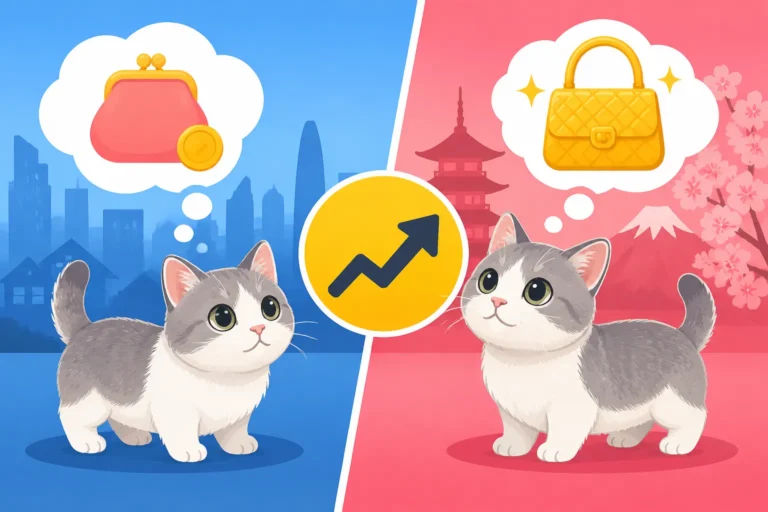
Just like real estate, the price of a Munchkin kitten can vary significantly depending on geographical location. In regions where demand for Munchkins is high and the number of reputable breeders is limited, prices will naturally be higher. Conversely, in areas with more breeders or less demand, prices might be slightly lower. International markets also show vast differences; for instance, Why a Munchkin Costs More in Japan Than America is a known phenomenon due to cultural preferences and import costs.
The overall economic climate and local trends can also play a role. If a breed gains sudden popularity, prices may temporarily increase. Conversely, a saturated market might see prices stabilize or even drop slightly. It's always a good idea to research breeders in your area and potentially neighboring states to get a sense of the regional pricing trends. While traveling for a kitten might seem like a way to save money, always factor in the additional costs and stress of transport for both you and the kitten.
Health Guarantees and Initial Vet Care
The upfront health care provided to a kitten before it goes to its new home is a crucial part of its price. A reputable breeder will ensure their kittens receive a thorough veterinary examination, all age-appropriate vaccinations, deworming treatments, and microchipping. They will often provide a health guarantee that covers genetic or congenital defects for a specific period. This initial investment in the kitten's health means you're bringing home a robust and well-cared-for animal, minimizing immediate vet bills.
A kitten that has received all its initial checks and comes with a solid health guarantee will be more expensive than one without. This is a good thing – it means the breeder stands behind the health of their kittens and has taken proactive steps to ensure their well-being. Always inquire about the health guarantee and what it covers, and remember that Whether a Munchkin Guarantee Lasts Past Its First X Ray can vary. Feeding high-quality kitten food is another vital step in maintaining your new Munchkin's health from day one.
Here’s a summary of how various factors influence a Munchkin's price:
| Factor | Primary Impact on Price | Secondary Impact on Price |
|---|---|---|
| Leg Length | Major: Shorter legs (Rug Hugger) command significantly higher prices due to breed definition and demand. | Dictates eligibility for show ring and overall breed appeal. |
| Coat Length | Minor: Generally, shorthair and longhair Munchkins are priced similarly. | Influences buyer preference, grooming needs, and potentially speed of sale. |
| Color/Pattern | Minor to Moderate: Rare or highly desirable colors/patterns can add value, especially if show-quality. | Aesthetic appeal, breeder's investment in specific genetic lines. |
| Breeder Reputation | Major: Ethical breeders with health testing, guarantees, and excellent care charge more. | Provides buyer confidence, reduces risk of future health issues. |
| Pedigree/Registration | Major: Kittens with strong pedigrees, TICA registration, and show potential are more expensive. | Proof of lineage, eligibility for shows, breeding rights (if applicable). |
| Location/Demand | Moderate: Prices vary by region, country, and current market popularity. | Influences availability and potential travel costs for buyers. |
| Initial Vet Care | Moderate: Inclusions like vaccinations, deworming, microchipping, and health guarantees add to price. | Ensures initial health, reduces immediate post-purchase veterinary expenses. |
In conclusion, while a longhaired Munchkin is undeniably beautiful and might even catch your eye more quickly, its luxurious coat length is not the primary factor that drives its price. When budgeting for a Munchkin, focus first and foremost on the length of its legs, the ethical practices and reputation of the breeder, and the comprehensive care the kitten has received. These are the elements that truly represent the significant investment in a healthy, well-adjusted, and genetically sound Munchkin companion.
Disclaimer
This article is for general informational purposes only and does not constitute professional advice. Laws, prices and regulations vary by location and change over time. Consult a qualified professional for guidance on your specific situation.