How to Spot a Munchkin Breeder Selling Two Mutations
Finding an ethical Munchkin breeder can feel like navigating a minefield, especially when you encounter breeders advertising "designer" crosses that combine the Munchkin's distinctive short legs with other breed-specific traits. This guide aims to equip you with the knowledge and red flags necessary to identify breeders who are unknowingly or deliberately selling kittens with a dangerous combination of genetic mutations, often leading to compounded health issues and a lifetime of potential problems for the unsuspecting cat owner.
Understanding the Munchkin's Core Mutation
Before we dive into what constitutes "two mutations," it’s crucial to understand the genetic foundation of the Munchkin cat itself. The defining characteristic of the Munchkin is its incredibly short legs, a trait that stems from a specific genetic mutation. This isn't just about appearance; it's about a fundamental alteration in bone development.
The Autosomal Dominant Nature of Munchkin Dwarfism
The short-legged trait in Munchkin cats is caused by an autosomal dominant gene. This means that a cat only needs to inherit one copy of this gene from either parent to express the short-legged phenotype. If a kitten inherits two copies of this dominant gene, it's a lethal combination, and those embryos sadly do not survive past early development. This is why every Munchkin litter is a carrier cross; you cannot breed two short-legged Munchkins together and expect healthy, viable offspring with short legs. Breeders must always outcross a short-legged Munchkin to a normal-legged domestic cat, which is why Why a Munchkin is Always Bred to a Normal Legged Cat is such a crucial aspect of responsible breeding. This breeding strategy ensures that kittens only ever receive one copy of the dominant short-leg gene, or no copies at all.
What this means for potential owners is that the Munchkin's short legs are not just a cute quirk; they are the result of a significant genetic alteration. While many Munchkin enthusiasts argue that healthy, well-bred Munchkins can live full, active lives, the underlying genetic condition itself is a form of dwarfism (specifically, pseudoachondroplasia). It affects bone growth, primarily in the long bones of the legs, but it's vital to recognize that the cat's spine, for instance, remains a normal length, carrying a load a normal cat's does not. This fundamental genetic difference is the first mutation we're talking about.
How the Short Legs Affect a Munchkin's Body
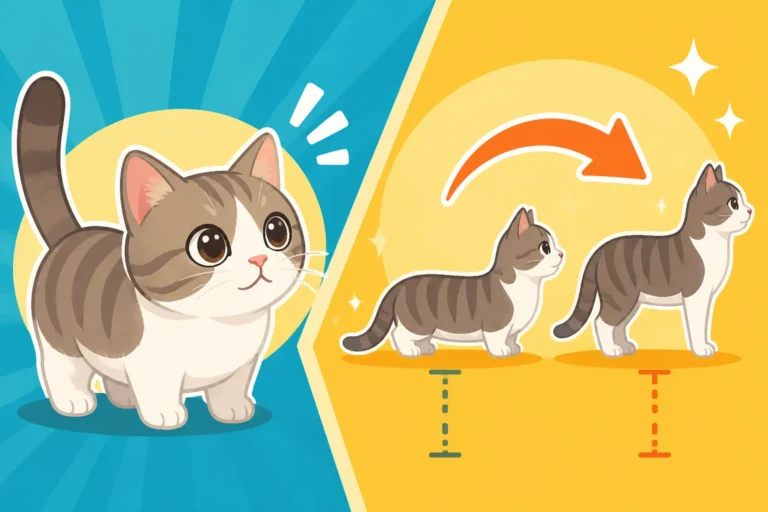
The shortened long bones mean that a Munchkin's body is closer to the ground, impacting their mobility in ways a non-Munchkin owner might not initially grasp. While they are surprisingly agile on the flat, their ability to jump and climb is significantly reduced. This isn't a minor inconvenience; it means they cannot escape threats or reach high places as a typical cat would. Their gait might look a little different, often described as a "ferret-like" waddle, but ideally, it shouldn't be painful or hindered. However, the unique conformation can lead to particular physical stresses over time. Why a Munchkin's Spine Carries a Load a Normal Cat's Does Not explores this in detail, highlighting the importance of careful breeding to minimize the risk of secondary conditions. The primary mutation itself is relatively well-understood in terms of its visible effects, but its interaction with other mutations can be catastrophic.
The Allure and Danger of Hybrid Breeds
The world of pedigree cats is fascinating, but it also has its share of questionable practices, particularly when it comes to creating "new" breeds. Hybrid Munchkin breeds often arise from the desire for unique aesthetics, but at what cost to the animal's welfare?
Why Breeders Create Munchkin Hybrids
The motivation behind creating Munchkin hybrids often boils down to market demand for novelty. People are captivated by unusual appearances, and combining the Munchkin's short legs with another distinctive trait can create a cat that looks truly unique. Breeders might aim for a "designer cat" that fetches a higher price due to its rarity or exotic look. For example, a Sphynx Munchkin (Bambino) combines hairlessness with short legs, or a Persian Munchkin (Minuet) blends the long, flowing coat and brachycephalic (flat) face of a Persian with the Munchkin's short stature. The appeal is purely aesthetic, driven by human preference for certain physical attributes, and often without a thorough understanding of the genetic consequences.
Sometimes, breeders might claim to be "improving" a breed or creating a cat with a specific temperament, but when it comes to combining two known genetic mutations, the primary driver is almost always appearance and perceived market value. This pursuit of novelty often overshadows ethical considerations and the long-term health of the animals involved. It's vital for prospective owners to scrutinize these motivations carefully.
The Risks of Stacking Genetic Mutations
The core danger in Munchkin hybrids isn't just about aesthetics; it's about stacking genetic mutations. A "second mutation" refers to another inherited genetic trait from a different breed that, when combined with the Munchkin gene, can lead to severe and debilitating health problems. This is distinct from a general predisposition to a common illness; these are specific, breed-defining genetic issues.
For instance, crossing a Munchkin with a Scottish Fold results in a cat that might inherit both the short legs (Munchkin mutation) and the osteochondrodysplasia gene responsible for the Scottish Fold's characteristic folded ears and, critically, severe cartilage and bone abnormalities throughout its body. This combination can result in excruciating joint pain, fused vertebrae, and skeletal deformities that dramatically reduce the cat's quality of life. What Two Skeletal Mutations Do to One Munchkin elaborates on the devastating consequences. It's a double burden on the cat's skeletal system, and it's precisely why welfare organizations and many veterinary professionals strongly object to such pairings. These cats are predisposed to painful, chronic conditions from birth, which often require extensive, expensive, and ongoing veterinary care, making pet insurance like Healthy Paws a wise consideration, though they may have exclusions for pre-existing conditions or certain breeds.
Common Munchkin Hybrid Crosses to Watch Out For
Understanding which specific crosses pose the most significant risk is key to spotting unethical breeders. These combinations are not just unfortunate accidents; they are often deliberate breeding decisions.
The Scottish Fold Munchkin: A Critical Warning
The Scottish Fold Munchkin, often marketed as a "Scottish Kilt" or similar catchy name, is perhaps the most ethically problematic hybrid. The Scottish Fold breed itself carries a dominant genetic mutation called osteochondrodysplasia. While this gene gives the breed its characteristic folded ears, it also causes severe abnormalities in cartilage and bone development throughout the entire body. Cats with this condition suffer from painful arthritis, fused joints, and skeletal deformities, particularly in the spine and limbs.
When you combine this gene with the Munchkin gene, you are stacking two significant skeletal mutations. The result is a cat with an incredibly high likelihood of suffering from severe, crippling pain. Imagine the stress on already shortened legs and a normal-length spine, combined with cartilage that is prone to calcification and painful joint degeneration. Why a Scottish Fold Munchkin Should Exist is a question with a clear answer for anyone prioritizing animal welfare: they absolutely should not. Any breeder offering these cats, regardless of their claims, is prioritizing novelty over the fundamental health and well-being of the animals. This is a primary red flag to look out for.
Other Questionable Munchkin Hybrids
While the Scottish Fold cross is the most notorious, other combinations also raise significant welfare concerns due to the stacking of genetic issues or extreme physical traits.
- Bambino (Sphynx Munchkin): This cross combines the hairless trait of the Sphynx with the short legs of the Munchkin. While hairlessness itself isn't a skeletal mutation, Sphynx cats require specialized care for skin health and temperature regulation. Combining this with the Munchkin's mobility limitations creates a cat that might struggle with normal grooming routines, be more susceptible to injuries due to lack of protective fur, and still face the joint challenges associated with the Munchkin stature. While not as immediately devastating as the Fold cross, it still combines two breeds known for requiring specific care and having genetic predispositions.
- Kinkalow (American Curl Munchkin): This hybrid blends the curled ears of the American Curl with the Munchkin's short legs. The American Curl's ear cartilage is distinctive, but generally, the breed is considered healthy. However, introducing another unique anatomical feature to a cat already compromised in its skeletal structure always warrants caution. The cumulative effect of multiple distinctive mutations, even if individually less severe, needs rigorous ethical consideration.
- Lambkin (Selkirk Rex Munchkin): This cross combines the curly coat of the Selkirk Rex with the Munchkin's short legs. The Selkirk Rex's curly coat is caused by a dominant gene, and while generally considered a healthy breed, the coat itself requires careful grooming to prevent matting. Adding this to a Munchkin, which already has difficulty grooming its own hindquarters due to its short stature, can create a cat with significantly increased grooming needs and potential for skin issues under neglected mats.
| Hybrid Name (Commonly Known As) | Component Breeds | Primary Mutations Stacked | Potential Welfare Concerns |
|---|---|---|---|
| Scottish Kilt | Scottish Fold x Munchkin | Osteochondrodysplasia + Pseudoachondroplasia | Severe, painful skeletal deformities, fused joints, chronic arthritis. |
| Bambino | Sphynx x Munchkin | Hairlessness + Pseudoachondroplasia | Skin sensitivity, temperature regulation issues, grooming difficulties. |
| Kinkalow | American Curl x Munchkin | Curled Ears + Pseudoachondroplasia | Potential for compounded mobility challenges, ear cleaning difficulties. |
| Lambkin | Selkirk Rex x Munchkin | Curly Coat + Pseudoachondroplasia | Significant grooming challenges, matting, skin irritation. |
These examples highlight that while some crosses might seem purely aesthetic, they often introduce new layers of health and care complexities for the cat and its future owner.
Red Flags in Breeder Advertising and Communication
A reputable breeder prioritizes health, temperament, and welfare. Unethical breeders, especially those selling mutation-stacked Munchkin hybrids, often give themselves away through their advertising and communication styles.
Buzzwords and Misleading Terminology
One of the biggest red flags is the use of sensationalized or misleading terms. Terms like "teacup Munchkin," "miniature Munchkin," or "dwarf Munchkin" are marketing ploys. While Munchkins are indeed a dwarf breed, these terms are often used to imply an even smaller size or a cuter, more fragile animal, sometimes suggesting further genetic manipulation beyond the standard Munchkin gene. Why a Teacup Munchkin Listing Is a Scam explains how these terms can be deceptive. A genuine breeder will use accepted terminology (Standard, Super Short, Rug Hugger) to describe leg length, not these fluffy, unregulated terms.
Similarly, be wary of breeders who emphasize "exotic rarity" or "designer status" above all else. When a cat's primary selling point is its unusual appearance derived from a combination of mutations, it signals that aesthetics are prioritized over health. If you see terms like "ultimate rarity" or "one-of-a-kind combination," proceed with extreme caution. They are selling a novelty, not a healthy companion.
Lack of Transparency Regarding Health and Genetics
An ethical breeder will be an open book about the health history of their breeding cats and kittens. They will proudly discuss health screenings, genetic tests, and the specific lineage of their cats. A red flag is a breeder who is vague about health guarantees, avoids discussing potential breed-specific issues like lordosis or pectus excavatum (which can affect Munchkins), or dismisses concerns about combining mutations.
They might refuse to provide veterinary records for parents or kittens, or they might not even be able to tell you definitively which outcross breeds they use. Remember, Munchkins should always be bred to normal-legged domestic cats, and a reputable breeder will be able to share details about those outcross lines. If a breeder is defensive or dismissive when you ask about specific genetic risks associated with their hybrid crosses, that's a huge warning sign. They should be able to explain why they chose a particular cross and how they mitigate potential risks, rather than simply stating "my cats are healthy."
What to Ask a Breeder About Their Lines and Health Testing
Asking the right questions is your most powerful tool in identifying a responsible breeder. Don't be shy; an ethical breeder will welcome your thoroughness.
Inquiring About Parental Health and Pedigree
Always ask to see the pedigrees of both parent cats. A transparent pedigree will show the outcrosses used and trace the lineage, helping you understand the genetic diversity and potential health risks. Ask specifically about health testing performed on the parents. For Munchkins, this often includes screening for cardiac issues (like hypertrophic cardiomyopathy), and general health checks. If the breeder is also crossing with another breed known for specific genetic problems (like the Scottish Fold's osteochondrodysplasia or a Sphynx's cardiac issues), they should be able to provide clear documentation of relevant genetic tests and health clearances for those conditions. If they can't or won't provide this, it's a significant cause for concern.
A breeder who is only interested in showing you the "cute" kittens and avoids detailed discussions about health and parentage is likely hiding something. They should be able to tell you the health status of their entire breeding program, not just the kittens currently for sale.
Specific Questions for Hybrid Breeders
When dealing with a breeder offering Munchkin hybrids, your questions need to be even more targeted:
- "Why did you choose to combine these specific breeds?" Listen for a welfare-focused answer, not just one based on appearance or market value. If their answer is purely aesthetic, that's a red flag.
- "What are the known genetic risks associated with both breeds in this cross, and what specific measures do you take to mitigate them?" A good breeder will acknowledge the risks and explain their screening protocols. For example, if breeding a Scottish Fold Munchkin, they should explain how they ensure kittens don't inherit two copies of the Fold gene, or better yet, advocate against such crosses due to the inherent welfare issues.
- "Can I see documentation of genetic testing for both sets of mutations (e.g., osteochondrodysplasia screening for the Fold parent, general skeletal health checks for Munchkin parents)?" If they have no idea what you're talking about, or if they claim "my cats are naturally healthy," run. There are specific DNA tests or radiographic screenings for many of these conditions, and a responsible breeder will utilize them.
- "What are the long-term health prospects for these kittens, specifically concerning the combined mutations?" They should be realistic and transparent, not just paint a rosy picture. Acknowledge that even with "mild" forms, complications can arise.
- "What is your guarantee for genetic health problems related to these combined mutations?" A strong, transparent guarantee that covers these specific risks is essential, though often hard to find for such experimental crosses.
The Importance of a Transparent Contract and Guarantee
A breeder's contract is more than just a piece of paper; it's a reflection of their ethics and commitment to their cats. This is particularly true when purchasing a hybrid Munchkin.
What an Ethical Contract Should Include
A comprehensive contract from an ethical breeder will detail much more than just the purchase price. It should include:
- Clear identification of the kitten: Breed, color, sex, birth date, microchip number, and registration details (if applicable, e.g., TICA registration for Munchkins).
- Health guarantee: This should specify what genetic conditions are covered, for how long, and what the breeder's responsibility is (e.g., refund, replacement kitten). Crucially, for Munchkin hybrids, it should specifically address potential issues related to both mutations, such as spinal or joint problems from the Munchkin gene, and cartilage issues from a Scottish Fold cross. A guarantee that only covers general illnesses but ignores the core genetic issues is inadequate. Whether a Munchkin Guarantee Covers Lordosis is a key question that should be clearly answered within the contract's terms.
- Spay/Neuter agreement: Most ethical breeders will require pets to be spayed or neutered by a certain age, with proof provided.
- Rehoming clause: A responsible breeder will want to be informed if you ever need to rehome the cat, ensuring it doesn't end up in a shelter.
- Breeding restrictions: If you are buying a pet, the contract should explicitly state that it is not for breeding. For Munchkins, it should also include a clause banning breeding two short-legged cats together, reinforcing the understanding of Why Two Short Legged Munchkins Are Never Bred Together.
Be suspicious of contracts that are overly simplistic, lack specific details, or contain language that shifts all responsibility to the buyer. If the contract doesn't clearly outline genetic health guarantees for both mutations in a hybrid, it's a major red flag.
Red Flags in Contractual Terms
Some breeders, particularly those involved in ethically questionable hybrids, might include clauses designed to protect themselves rather than the cat or buyer. Watch out for:
- Vague or non-existent health guarantees for genetic conditions: If the guarantee only covers general illnesses for a few days, it's insufficient for lifelong genetic problems.
- Exclusion of known breed-specific issues: A contract that explicitly excludes coverage for lordosis, pectus excavatum, or joint problems in Munchkin hybrids is a sign the breeder knows these are common issues and wants to avoid responsibility.
- No provision for veterinary re-evaluation: An ethical breeder might require a vet check within a few days of purchase and offer recourse if issues are found.
- Overly restrictive clauses: While some restrictions are normal (e.g., no breeding), overly demanding or punitive clauses can be a sign of a breeder trying to control the situation unduly.
- Refusal to allow you to review the contract in advance: A reputable breeder will provide a copy of their contract for you to read thoroughly before you commit to a purchase. If they rush you or demand a deposit before you've seen the full terms, be cautious.
Physical Signs to Observe in Kittens and Parents
Beyond paperwork and discussions, observing the cats themselves can provide crucial insights into a breeder's practices and the health of their animals. A visit to the breeder's home or cattery (if allowed) is invaluable.
Assessing Overall Health and Mobility
When you visit, pay close attention to the general health and demeanor of all the cats, not just the kitten you're interested in. Are the cats clean, alert, and active? Do they have bright eyes and clean noses? Are their coats well-maintained? This is where the importance of good nutrition comes in; a well-fed cat on a quality diet can show a noticeable difference in coat health and energy.
Specifically for Munchkins and their hybrids, observe their mobility.
- Walking and running: Do they move freely and without limping? Is their gait smooth for a Munchkin, or does it appear painful or stiff? A healthy Munchkin is surprisingly agile, able to dart and play on level ground. How Fast a Munchkin Runs on Level Ground illustrates their capabilities.
- Jumping and climbing: While Munchkins can't jump like normal cats, they should still be able to manage low climbs or utilize ramps and steps. Observe if they seem to be in pain or struggle excessively with minimal movements. A cattery that is truly adapted for Munchkins will have ramps and low-entry litter boxes. Why a Munchkin Cattery Should Have Ramps in Every Pen is a sign of a thoughtful breeder.
- Prairie dog sit: Munchkins famously sit up on their hind legs like a prairie dog. While charming, observe if this posture appears comfortable or strained. Whether the Prairie Dog Sit Strains a Munchkin's Spine is a valid question, and while generally considered normal, any sign of discomfort in this position could be a subtle red flag for spinal issues.
Looking for Signs of Specific Mutations
For hybrid Munchkins, you need to look for specific signs related to both component breeds.
- Scottish Fold Munchkin: Beyond the folded ears, carefully observe the kitten's legs and paws. Look for thickened, stiff, or unusually short limbs that seem out of proportion even for a Munchkin. Gently touch the tail; it should be flexible all the way to the tip, not stiff or thickened, which can indicate vertebral fusion common in severe osteochondrodysplasia. Ask to see the parents; if both parents have folded ears, that's a dire warning sign that the kittens are at extreme risk of severe skeletal disease, as two copies of the folded ear gene are always devastating.
- Sphynx Munchkin (Bambino): Check the skin for any signs of dryness, irritation, or unusual lumps. The skin should feel soft and warm. Also, look at their general build—is it robust, or do they appear overly delicate?
- Other hybrids: For breeds like the Selkirk Rex Munchkin, assess the coat quality. Does it look healthy, or is it already matting, indicating a potential grooming struggle for the kitten and increased work for the owner?
- General signs of discomfort: Any kitten that is overly lethargic, withdrawn, or vocalizes excessively when handled might be experiencing pain. A responsible breeder will address these concerns immediately and transparently.
Why Welfare Bodies and Reputable Vets Object
It's important to understand that the breeding of certain Munchkin hybrids, particularly those stacking two skeletal mutations, is a contentious issue within the veterinary community and among animal welfare organizations.
Ethical Concerns Over Breeding for Deformity
The core objection from welfare bodies and many veterinarians is that breeding a Munchkin hybrid with a breed like the Scottish Fold intentionally creates animals predisposed to severe, painful, and often incurable health problems. It's seen as breeding for deformity rather than health. While proponents argue that responsible breeding can mitigate risks, the very act of combining two such mutations is viewed by many as inherently unethical, as it significantly increases the statistical likelihood of suffering for the offspring. Why Vets Disagree About the Munchkin often comes down to this core ethical debate.
Organisations like the Governing Council of the Cat Fancy (GCCF) and the Cat Fanciers' Association (CFA) refuse to register the Munchkin breed at all, let alone its hybrids, precisely because of these welfare concerns regarding its unique physical attributes and potential for associated health issues. This stance highlights a significant ethical divide within the cat fancy itself.
The Role of Veterinary Advice
Your veterinarian is a crucial resource in evaluating a breeder or a potential kitten. Before committing to a purchase, especially of a hybrid Munchkin, discuss your concerns with your vet. Show them the breeder's information, pictures or videos of the kittens and parents, and any health guarantees. Your vet can offer an objective assessment of the potential risks and what you might be signing up for in terms of long-term care and costs.
Some vets may outright refuse to recommend certain Munchkin hybrids due to the high probability of severe health issues. They might advise against breeds like the Scottish Fold Munchkin due to the ethical implications and the anticipated lifetime of pain and medical intervention. It's vital to listen to their professional advice, as they are focused on the animal's well-being above all else. They understand that while a kitten might look cute, the underlying genetics could lead to immense suffering and significant financial burdens for the owner down the line.
Disclaimer
This article is for general informational purposes only and does not constitute professional advice. Laws, prices and regulations vary by location and change over time. Consult a qualified professional for guidance on your specific situation.