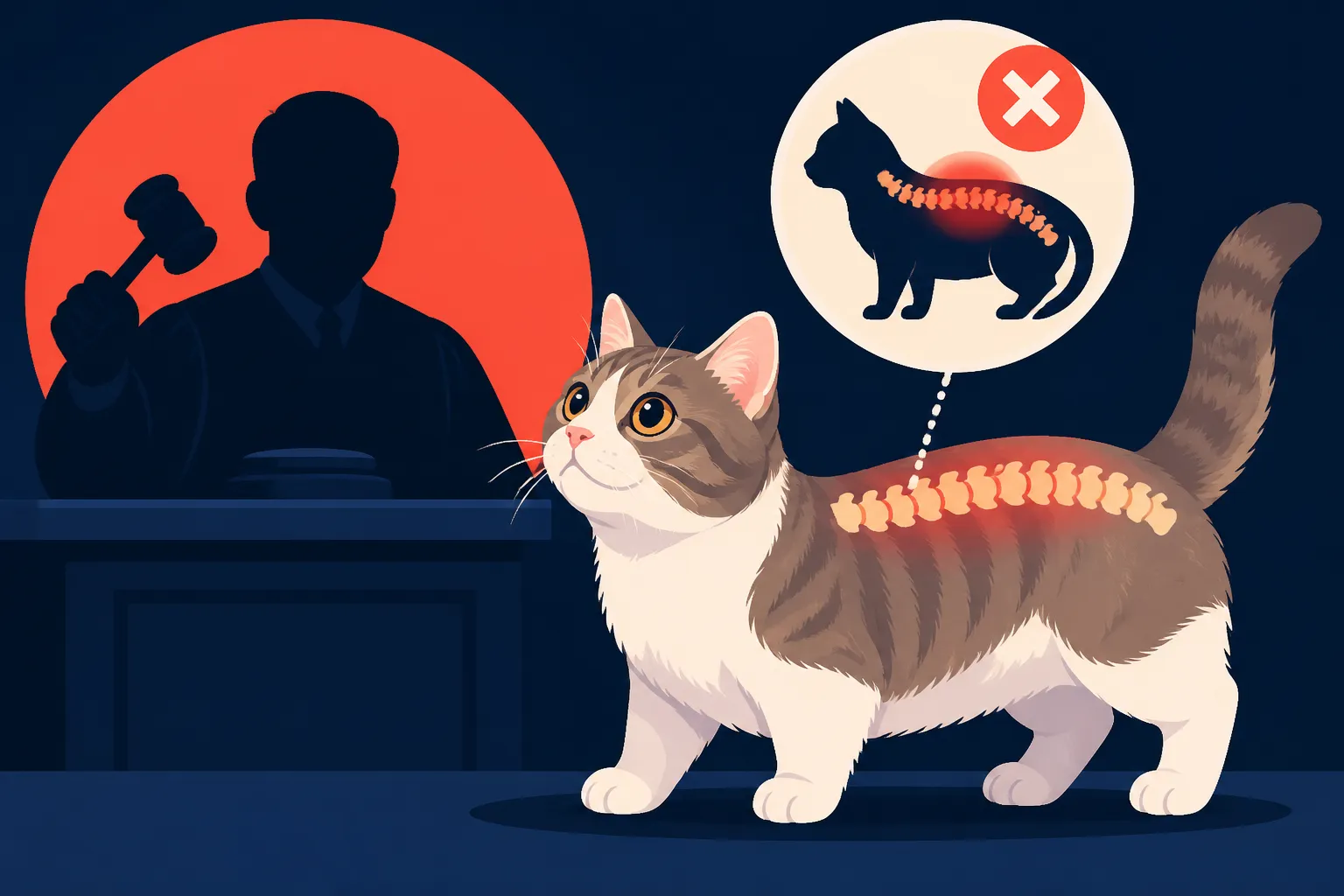
Why an Adult Munchkin’s Spine Has Already Been Judged
One of the most heart-wrenching realities for Munchkin cat parents is realizing that by the time their beloved short-legged companion reaches adulthood, the fate of their spinal health has largely already been determined. It’s not a judgment that comes overnight; rather, it’s a cumulative assessment based on genetics, early development, daily habits, and the physical demands placed upon a unique anatomy that often works harder than its long-legged counterparts. This guide will delve into how and why an adult Munchkin's spine arrives at its "judgment," helping you understand the factors at play and what you can do to support your feline friend.
The Unique Spinal Load of a Munchkin
It’s easy to look at a Munchkin and be charmed by their undeniably adorable short legs. But beneath that charming exterior lies a vertebral column that, while anatomically similar to other cats in length, bears a significantly different weight distribution and faces unique biomechanical challenges. Their short limbs mean that the entire trunk of their body sits closer to the ground, altering leverage and the way forces are distributed along the spine during everyday movements. This isn’t just a minor difference; it fundamentally changes the mechanical engineering of their skeletal system.
The Core Difference: Normal Body, Short Legs
Imagine a perfectly normal-sized cat body – a standard trunk, rib cage, and head – now imagine that body supported by legs that are significantly shorter, sometimes even half the length of an average feline. This is the essence of a Munchkin's structure. Their spine itself is not inherently "shortened" or "compressed" like the limbs; rather, it's of typical length, but its relationship to the ground and its points of support are dramatically altered. This unique configuration, often described by those passionate about the breed, means the spine is supporting a regular-sized load with compromised leverage and a lower center of gravity.
This can be a surprising revelation for many new owners, who might assume the entire cat is simply miniaturized. However, the fact that the spine remains a standard length while the legs are shortened means that the vertebral column is subjected to different shearing and compressive forces. When a Munchkin runs, walks, or even just stands, the angle at which gravity acts upon its torso, relative to its points of contact with the ground, is different. It’s like carrying a heavy backpack with your arms bent at the elbow versus having your arms fully extended; the stress points shift and intensify.
Moreover, the muscular support around the spine must adapt to these altered biomechanics. Muscles that would typically work in tandem with longer limbs to absorb shock and distribute weight now have to compensate in a system that doesn't offer the same range of motion or height. This can lead to certain muscle groups being perpetually more strained or underdeveloped in ways that can affect long-term spinal stability. Understanding Why a Munchkin's Spine Carries a Load a Normal Cat's Does Not is crucial for appreciating the inherent challenges they face.
How Weight Distribution Shifts
The shortened limbs of a Munchkin fundamentally alter its center of gravity and the way its body weight is distributed across its skeletal frame. Unlike a long-legged cat that has a more elevated and balanced stance, a Munchkin's torso rides much closer to the ground. This lower posture means that movements that might be effortless for other cats, such as minor adjustments in stance or turning corners, require more significant engagement of the core muscles and place different stresses on the spinal column. The spine, rather than acting as a flexible suspension bridge, might experience more direct compression and torsional forces.
Consider a Munchkin cat trying to navigate uneven terrain, even something as simple as a thick rug transitioning to a hard floor. The subtle shifts in surface level, which a normal-legged cat would barely register, require a Munchkin's spine and associated musculature to work harder to maintain balance and prevent jarring impacts. This constant subtle adjustment, over years, can contribute to wear and tear. It’s a bit like having a car with very short suspension; every bump in the road is felt more acutely by the chassis.
Furthermore, any extra weight carried by a Munchkin puts additional, magnified strain on its spine. Because their legs are short, the leverage available to support and move a heavy body is reduced. An overweight Munchkin's belly might even drag on the ground, creating friction and further complicating movement, which in turn stresses the spine as it tries to compensate. We'll talk more about this later, but it's a critical point to grasp: even a few extra ounces can have a disproportionately negative impact on a Munchkin's spinal health compared to a long-legged cat.
The Impact of Daily Movement
Every single movement a Munchkin makes, from a simple stretch to an enthusiastic run, involves its spine in a unique way. While they are often surprisingly agile and quick on the flat, their method of locomotion differs. They tend to scuttle and 'ferret-like' with a lower profile, which means their spine is constantly engaged in a more horizontal plane of movement than a high-stepping cat. This can create a different pattern of stress on the intervertebral discs and the surrounding ligaments and muscles.
Even activities like grooming, which are essential for feline hygiene, can exert particular pressures on a Munchkin's spine. Reaching certain areas, especially the hindquarters or the base of the tail, can become an awkward contortion that stretches and twists the spine in ways that might be less common for other breeds. If a Munchkin is unable to reach these spots, it can lead to matting and skin issues, further highlighting the unique physical challenges that stem from their short legs.
Ultimately, the daily grind of simply being a Munchkin cat involves continuous, subtle micro-adjustments and compensations by the spine. While many Munchkins live full, active lives without overt spinal problems, the potential for long-term cumulative stress is undeniable. This is why understanding their biomechanics from the outset is so important; it frames the entire discussion around their spinal health and why proactive care is essential.
Early Life Influences on Spinal Health
The "judgment" of a Munchkin's spine begins long before they even open their eyes. From the very genetic blueprint passed down from their parents to the environment they experience as tiny kittens, countless factors work together to shape the resilience and health of their vertebral column. A strong, responsible start is paramount, yet sadly, not all breeders or early environments provide the optimal conditions needed for these special cats.
Genetic Predisposition and Inheritance
The short legs of a Munchkin are the result of an autosomal dominant gene for pseudoachondroplasia. This means only one copy of the gene is needed for a cat to display the characteristic short limbs. However, this gene doesn't just affect leg length; it's a form of dwarfism that can have wider implications for skeletal development, including the spine. While the spine itself is usually of normal length, the way the vertebrae, ligaments, and supporting structures develop can be influenced by the same genetic factors that create the short legs.
A critical point to grasp here is that while the dwarfism gene is responsible for the short legs, the quality of the spinal development can vary significantly between individual Munchkins, even within the same litter. This variation is often down to modifier genes and the overall genetic health of the breeding lines. Reputable breeders meticulously screen their breeding cats for any signs of spinal deformities or related health issues, aiming to produce kittens with the soundest possible structure. Unfortunately, breeders who are less scrupulous may inadvertently (or knowingly) perpetuate lines with a higher predisposition to spinal problems.
This is why understanding the genetic background of a Munchkin kitten is so vital. A kitten whose parents have excellent spinal health records and come from lines known for robust structures starts life with a distinct advantage. Conversely, a kitten from an unknown background or from parents with suspected issues might already carry a genetic predisposition to spinal problems, even if not immediately apparent. For instance, Munchkin Dwarfism Is Dominant and Lethal in Two Copies, highlighting the specific genetic considerations unique to the breed.
Kittenhood Environment and Development
Beyond genetics, the early environment a Munchkin kitten grows up in plays a massive role in the development of its musculoskeletal system, including its spine. During those critical first weeks and months, a kitten's bones, muscles, and ligaments are rapidly forming and strengthening. An environment that encourages healthy, appropriate movement without undue strain can help build a resilient spine, while one that neglects these needs can lay the groundwork for future issues.
Consider a kitten in an environment where it's constantly forced to jump down from high surfaces, or where its litter box is difficult to enter. Repeated impacts, awkward landings, or straining to access basic necessities can put abnormal stress on a developing spine. For example, a kitten's spine is still quite cartilaginous and flexible, making it vulnerable to improper forces. A kitten that is constantly playing rough on hard surfaces without shock absorption might be accumulating micro-traumas.
Conversely, a kitten raised in a thoughtfully adapted environment – with low-entry litter boxes, ramps to access lower furniture, and plenty of floor-level play – can develop its musculature and coordination in a way that supports spinal health. Breeders who prioritize these details are investing in the long-term well-being of their kittens. It's about providing an environment that respects What the Short Legs Actually Cost a Munchkin in terms of physical adaptation from day one.
What Early Vet Checks Reveal
A thorough veterinary examination during kittenhood is another crucial part of "judging" a Munchkin's future spinal health. A skilled veterinarian can assess a kitten's gait, palpate its spine for any abnormalities, and check for early signs of conditions like lordosis or pectus excavatum. These early checks are not just about vaccinations; they are a vital opportunity to get a professional assessment of the kitten's physical structure.
For instance, a vet might notice a subtle dip or curve in the spine that could be an early indicator of lordosis. They might also feel for the shape of the rib cage to check for any signs of pectus excavatum. While some of these conditions might be mild and asymptomatic in kittenhood, identifying them early allows for careful monitoring and appropriate management strategies to be put in place, potentially mitigating future problems. This is part of What a Munchkin Breeder Should Be Able to Show You – transparent health records and vet check reports.
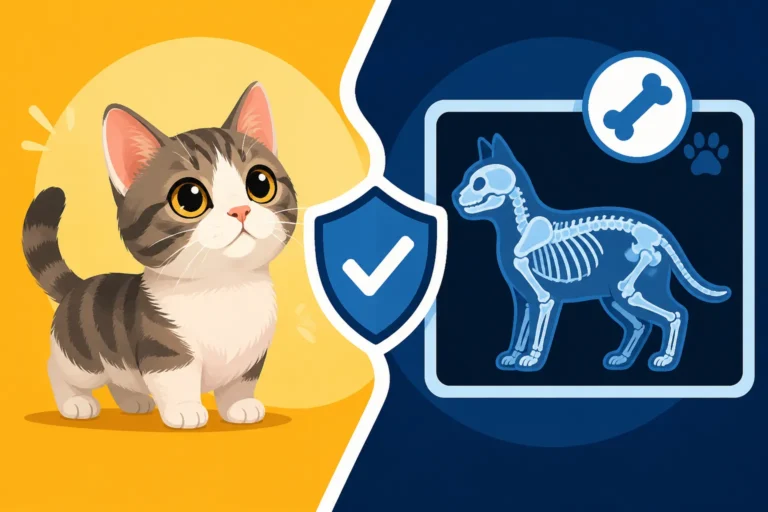
In some cases, a vet might recommend follow-up imaging, such as X-rays, if there are concerns. This early diagnostic step can provide a clearer picture of the spinal and rib cage conformation, offering critical insights into the cat's inherent structural soundness. While no crystal ball can predict every future issue, these early veterinary judgments are invaluable in understanding the foundation upon which an adult Munchkin's spinal health will be built.
Lordosis and Pectus Excavatum: The Major Concerns
When discussing Munchkin spinal health, two conditions often come to the forefront: lordosis and pectus excavatum. These are not exclusive to the Munchkin breed, but due to their unique skeletal structure and genetic predisposition, they can manifest with particular significance and impact their quality of life. Understanding these conditions is key to recognizing why an adult Munchkin's spine might already be carrying a hidden "judgment."
Understanding Lordosis: The Spinal Curve
Lordosis in cats refers to an excessive inward curvature of the spine, typically in the lumbar (lower back) region. While a slight curve is normal, severe lordosis causes the spine to arch downwards towards the belly, sometimes to an extreme degree. For a Munchkin, whose torso already sits low, this condition can be particularly problematic, potentially compressing internal organs and affecting mobility. It’s a serious issue, and frankly, it's one of the main reasons there's so much debate around the breed.
The severity of lordosis can range from very mild, barely noticeable curves that may cause no obvious symptoms, to severe cases where the cat's abdomen nearly touches the floor and its internal organs are visibly squashed. In severe cases, the restricted space for organs like the lungs and heart can lead to breathing difficulties, digestive problems, and a significantly shortened lifespan. This is Lordosis Is the Spinal Curve the Munchkin Argument Is About.
Diagnosing lordosis often involves a physical examination by a vet, who will palpate the spine and observe the cat's posture and gait. X-rays are usually necessary to confirm the diagnosis and assess the exact degree of curvature. While mild lordosis might be managed with careful weight control and environmental adaptations, severe cases unfortunately often carry a very poor prognosis and can be utterly heartbreaking for owners.
Pectus Excavatum: The Sunken Chest
Pectus excavatum, also known as a "funnel chest" or "sunken chest," is a congenital deformity of the sternum (breastbone) and rib cage. Instead of curving outwards, the sternum and ribs grow inward, creating a concave depression in the chest. Like lordosis, this condition can range from mild to severe. For a Munchkin, whose overall body structure already presents unique challenges, a compromised rib cage can exacerbate potential issues.
The primary concern with pectus excavatum is its impact on the internal organs, particularly the heart and lungs. A severely sunken chest can compress these vital organs, leading to reduced lung capacity, breathing difficulties, exercise intolerance, and even heart murmurs due to the abnormal pressure. Imagine trying to breathe deeply when your rib cage can't expand fully – that's the reality for a cat with significant pectus excavatum. This condition highlights Pectus Excavatum and the Munchkin's Sunken Chest.
Pectus excavatum is usually identified through a physical examination, where the vet can feel the inward indentation of the sternum. X-rays are crucial for assessing the severity, showing how much the heart and lungs are compressed. In some severe cases, surgical correction may be an option, especially in younger kittens, but it's a major, expensive procedure with no guarantee of full recovery. For adult Munchkins with untreated pectus excavatum, their spinal "judgment" may include chronic respiratory or cardiovascular challenges that stem directly from this chest deformity.
The Interplay of These Conditions
It's vital to understand that lordosis and pectus excavatum can sometimes occur together, or one can exacerbate the effects of the other. For instance, a cat with lordosis already has a compromised spinal posture; if they also have pectus excavatum, the combined effect on internal organ compression can be even more severe. The body is an interconnected system, and skeletal deformities rarely exist in isolation without influencing adjacent structures.
The unique biomechanics of the Munchkin breed, with their normal-length spine and shortened limbs, might make them more prone to displaying these conditions, or make the consequences more pronounced. The argument often arises that the breeding of Munchkins inherently carries a risk of such deformities. While responsible breeders work diligently to avoid these issues through careful screening and selective breeding, the presence of the dwarfism gene itself means that these potential challenges remain a concern within the breed.
When an adult Munchkin presents with symptoms related to its spine or chest, it often points back to an early "judgment" – either genetic predisposition, environmental factors during kittenhood, or simply the inherent structural challenges of the breed. The cumulative effect of these conditions can dictate their long-term health, mobility, and overall quality of life.
How Lifestyle and Environment "Judge" the Spine
Even if a Munchkin starts life with a seemingly sound spine, its daily activities and the environment it lives in continue to "judge" its spinal resilience throughout adulthood. Their unique physical capabilities mean that what might be a normal activity for a long-legged cat could pose a repetitive strain risk for a Munchkin. Understanding these everyday impacts is crucial for creating a home that supports, rather than stresses, their delicate spinal column.
The Toll of Jumping and Landing
Munchkins are cats, and cats like to jump. Despite their short legs, many Munchkins are surprisingly adept at getting to moderate heights, using sheer willpower and clever strategies to reach their desired perches. They might employ a two-stage jump, leveraging intermediate surfaces like chairs or lower shelves. While their enthusiasm is endearing, every jump and especially every landing, places a unique stress on their spine and front limbs.
Imagine a Munchkin launching itself off a sofa or a low table. Their shorter legs mean they absorb the impact over a reduced distance, potentially leading to more direct jarring forces being transmitted up their limbs and into their spine. Unlike a long-legged cat with more 'suspension,' a Munchkin's body has less buffer. Repeated, high-impact landings, particularly onto hard surfaces, can contribute to micro-traumas, disc compression, and accelerated wear and tear on spinal joints over time. This is why a Munchkin owner often regrets not budgeting for What a Munchkin Owner Regrets Not Budgeting For in terms of mobility aids.
Therefore, actively managing a Munchkin's jumping habits and providing safer alternatives is an essential part of preventing long-term spinal issues. This doesn't mean stopping them from being a cat, but rather redirecting their natural instincts. Thinking about how Why a Munchkin's Elbows Take the Landing illustrates the impact on their front structure, which often precedes spinal issues.
The Dangers of Stairs and Verticality
Stairs pose a significant challenge and potential risk for Munchkins. While many can navigate a flight of stairs, especially going up, the repetitive motion, particularly descending, can put considerable strain on their spine and front legs. Each step down involves a mini-jump or controlled fall, with the body absorbing the impact. Over time, this cumulative stress can contribute to spinal problems and joint pain, especially in the shoulders and elbows.
Consider a Munchkin living in a multi-story home without adapted access. Every trip up and down the stairs to reach food, water, or their litter box is a workout that a normal-legged cat simply doesn't experience with the same intensity. The constant twisting and torquing of their body, combined with the impact, can be detrimental. This is precisely Why a Munchkin in an Unadapted House Ends Up Rehomed – the daily struggle becomes too much for both cat and owner.
To mitigate this, ramps and steps are not luxuries but essential equipment for a Munchkin in a vertical home. Providing gradual inclines or low-rise steps allows them to ascend and descend safely, distributing weight more evenly and reducing impact. Think of it as investing in an accessible home that genuinely caters to their unique needs, helping them maintain their spinal health and mobility for as long as possible.
Why Weight Management is Critical
If there's one single lifestyle factor that heavily "judges" a Munchkin's spine, it's weight. Because their short legs provide less leverage and their torso sits so close to the ground, every extra ounce of body fat puts a disproportionately higher strain on their spine and joints compared to a long-legged cat. An overweight Munchkin is quite literally carrying a heavy burden on a system not ideally equipped to handle it.
An obese Munchkin often exhibits a "dragging belly" where their abdomen actually touches the ground as they walk, creating friction and altering their gait. This unnatural posture further stresses the spine, can lead to skin irritation, and makes grooming nearly impossible for the cat. Beyond the mechanical stress, excess weight contributes to systemic inflammation, which can exacerbate conditions like arthritis in the spinal joints. This is Why an Overweight Munchkin Is in Real Trouble.
Maintaining a lean, healthy weight is perhaps the most crucial aspect of a Munchkin's long-term care plan. This involves precise portion control, a high-quality diet, and encouraging appropriate exercise through floor-level play. Regular weigh-ins and body condition scoring are non-negotiable. Focusing on lean protein and measured portions helps manage their calorie intake effectively. This proactive approach helps prevent the compounding issues that arise when Why Weight Is More Dangerous on a Munchkin.
Recognizing the Signs of Spinal Stress in Adulthood
As a Munchkin reaches adulthood, the subtle effects of its unique anatomy and accumulated daily stresses can begin to manifest. It's not always a sudden onset; often, the signs of spinal stress are gradual and can be easily missed if you don't know what to look for. Being vigilant and understanding these indicators is essential for early intervention and ensuring your cat's comfort and quality of life.
Behavioral Changes and Mobility Issues
One of the first ways an adult Munchkin's spine might signal distress is through changes in its behavior and mobility. A cat that was once energetic and playful might become more withdrawn, less inclined to engage in games, or simply prefer to nap more. This isn't always just "getting older"; it could be a subtle sign that movement is becoming uncomfortable or even painful.
You might notice your Munchkin hesitating before attempting a jump they once made easily, or refusing to go to favorite spots that require climbing. They might start using ramps or steps more reluctantly, or even avoid them altogether if the angle or surface becomes uncomfortable. Perhaps they used to love chasing a wand toy, but now they only watch from a distance, or move stiffly and slowly when pursuing it. These shifts in activity levels and willingness to move are important cues.
Another common behavioral change is a reluctance to be picked up or handled, particularly around their back or hindquarters. A cat in spinal discomfort might flinch, growl, or even try to bite if a sensitive area is touched. They may also begin to spend more time grooming a particular area excessively, or conversely, neglecting areas they can no longer comfortably reach, such as their lower back or tail. Observing these subtle shifts in their daily routine can give you invaluable insight into their underlying comfort level.
Physical Indicators and Posture Shifts
Beyond behavior, there are often physical signs that can indicate spinal stress in an adult Munchkin. One of the most telling is a change in their posture or gait. You might notice them walking with a more hunched back, or their spine appearing more rigid rather than fluid. Their little "ferret-like" scurry might become less graceful, replaced by a stiff-legged shuffle.
Palpating their back gently can sometimes reveal areas of tenderness or muscle tension. If they react with pain or discomfort to light pressure along their spine, it's a definite red flag. You might also notice a loss of muscle mass, particularly over their hindquarters, as they may be using these muscles less due to discomfort. Conversely, compensatory muscles in other areas might become overdeveloped as they try to shift their weight and movement patterns.
Furthermore, look for changes in how they carry their tail. A cat in pain might hold its tail lower, or it might twitch more frequently as a sign of discomfort. Swelling around joints or obvious stiffness in their front legs (shoulders, elbows) can also be related, as these areas often take the brunt of impact and compensation for spinal issues. Early detection of these subtle signs is crucial for managing Which Health Problems the Munchkin Actually Has.
Pain Cues and Discomfort
Cats are masters at hiding pain, a survival instinct from their wild ancestors. This makes recognizing their discomfort particularly challenging, but not impossible. Beyond the obvious flinching or vocalization, subtle pain cues include changes in appetite (either eating less or more), altered litter box habits (missing the box, straining), and changes in their sleep patterns (restless, or seeking unusual, perhaps less comfortable, sleeping spots).
A cat experiencing chronic spinal pain might become irritable, less tolerant of other pets or children, or simply seek more solitude. They might develop a "thousand-yard stare" or appear generally unwell and withdrawn. Sometimes, their grooming habits might change dramatically – either over-grooming a painful area to the point of baldness, or neglecting grooming entirely because it's too uncomfortable to twist and bend.
It’s important to remember that if you suspect your adult Munchkin is in pain, a vet visit is absolutely essential. Don't wait for obvious lameness or crying out, as by then, the problem is often severe. Trust your gut; if something seems "off" about your cat's movement or demeanor, it's worth investigating. Early intervention can significantly improve their comfort and quality of life, potentially slowing the progression of any underlying spinal issues.
Veterinary Assessments and Ongoing Care for Spinal Health
When you suspect your adult Munchkin’s spine is under stress, or simply as part of proactive care, veterinary assessment is paramount. A vet can go beyond visual observation to accurately diagnose any underlying issues and recommend a comprehensive care plan. This professional "judgment" of your cat's spine is the cornerstone of effective management.
Diagnostic Tools and Procedures
When you bring your Munchkin to the vet with concerns about their spine, the examination will typically begin with a thorough physical assessment. The vet will observe your cat's gait, posture, and flexibility, and carefully palpate the entire spinal column, from neck to tail, checking for areas of pain, muscle tension, or abnormal curvature. They will also assess range of motion in the limbs and check for any neurological deficits.
If the physical exam raises suspicion of a spinal issue, diagnostic imaging is usually the next step. X-rays are commonly used to visualize the bones of the spine and rib cage, allowing the vet to identify conditions like lordosis, spondylosis (arthritis of the spine), or pectus excavatum. X-rays can show disc space narrowing, bone spurs, or vertebral malformations. However, X-rays primarily show bone; they don't give a clear picture of soft tissues like intervertebral discs or spinal nerves.
For more detailed imaging of soft tissues or if neurological signs are present, your vet might recommend advanced diagnostics like MRI (Magnetic Resonance Imaging) or CT (Computed Tomography) scans. These are specialized procedures that offer much greater detail and can identify disc herniations, spinal cord compression, or tumors. While more expensive and requiring anesthesia, they provide the most comprehensive "judgment" of your Munchkin's spinal integrity, guiding targeted treatment. Given the specialized nature of Munchkin anatomy, it’s not uncommon for vets to sometimes disagree on the best course of action, underscoring Why Vets Disagree About the Munchkin in certain clinical scenarios.
Management Strategies for Spinal Issues
Once a diagnosis is made, your vet will work with you to develop a management plan tailored to your Munchkin's specific needs and the severity of their condition. For mild spinal issues, this might involve conservative management focusing on pain relief, anti-inflammatory medications, and strict weight management. Your vet might prescribe NSAIDs (Non-Steroidal Anti-Inflammatory Drugs) or other pain relievers to improve comfort and mobility.
Environmental modifications are often a critical part of the strategy. This includes providing ramps or steps for access to favorite furniture, ensuring low-entry litter boxes, and placing food and water bowls at easily accessible heights. Physical therapy, including gentle massage, stretching exercises, and even hydrotherapy, can be beneficial for strengthening core muscles and improving flexibility. Companies like Chewy offer a wide range of mobility aids, from ramps to orthopedic beds, that can make a huge difference in an affected cat's daily life.
For more severe conditions, particularly those involving spinal cord compression or intractable pain, surgical intervention might be considered. However, surgery on a cat's spine is a complex and risky procedure, and not all cases are amenable to it. The decision to pursue surgery involves careful consideration of the potential benefits versus the risks, and a candid discussion with your veterinary specialist.
Proactive Care and Prevention
The best way to manage spinal issues in a Munchkin is to be proactive about prevention and early detection. This begins from kittenhood, ensuring a healthy environment and regular vet check-ups. For adult Munchkins, a routine annual veterinary exam is crucial, even if your cat seems healthy. During these visits, your vet can assess your cat's gait, body condition, and overall mobility.
Incorporating joint supplements into your Munchkin's diet can also be a preventative measure. Ingredients like glucosamine, chondroitin, and Omega-3 fatty acids are thought to support joint health and reduce inflammation, potentially slowing the progression of arthritis. Brands like Healthy Paws, known for pet insurance, often cover such supplements if prescribed by a vet, highlighting the importance of comprehensive care planning.
Maintaining a healthy body weight is paramount, as discussed earlier. Every extra pound puts unnecessary strain on their spine. Regular, appropriate exercise through floor-level play helps keep muscles strong and flexible, supporting the spine. Thoughtful home adaptations, such as providing ramps and comfortable, accessible resting spots, are lifelong commitments for a Munchkin owner. Being mindful of How Long a Munchkin Lives helps emphasize the importance of these long-term care strategies.
The Importance of Responsible Breeding and Early Screening
While much of an adult Munchkin's spinal health is a reflection of its early life and daily environment, the absolute foundation for a sound spine starts with responsible breeding practices. A good breeder understands the unique challenges of the Munchkin's anatomy and takes every possible step to mitigate risks, ensuring their kittens have the best possible start. This proactive approach significantly reduces the likelihood of future spinal "judgments."
The Breeder's Role in Spinal Health
A truly responsible Munchkin breeder does far more than just mate two cats and sell the kittens. Their role in ensuring the spinal health of their offspring is profound and begins with careful selection of breeding stock. They will only breed cats that are structurally sound, with no history or visible signs of lordosis, pectus excavatum, or other skeletal abnormalities. This often involves screening potential breeding cats with X-rays to assess their spinal conformation before they are ever bred.
Furthermore, responsible breeders understand the genetics of the Munchkin gene and avoid practices that could amplify health risks. For example, they will never breed two short-legged Munchkins together, as this carries a high risk of producing homozygous kittens which are lethal in utero or shortly after birth. They also carefully choose outcrosses to broaden the gene pool and introduce robust, non-dwarfism genetics that can contribute to overall skeletal health.
The breeder also provides an optimal environment for their kittens during their crucial early developmental weeks. This means accessible spaces, appropriate bedding, and careful monitoring of movement to prevent injury. They are transparent about their breeding practices, health testing, and the history of their lines, allowing prospective owners to make informed decisions. This level of dedication is a testament to their commitment to the health of the breed.
Why Early Kitten Health Checks Are Non-Negotiable
A key indicator of responsible breeding is the commitment to early and thorough veterinary health checks for every kitten. Before any Munchkin kitten leaves for its new home, it should have undergone a comprehensive examination by a veterinarian who is familiar with the breed's unique anatomy. This check-up is much more than just a vaccination appointment; it's a deep dive into the kitten's physical development.
During these early checks, the vet will specifically assess the kitten's spine for any early signs of lordosis, palpating the back for abnormal curves or tenderness. They will also examine the rib cage carefully for pectus excavatum, noting any inward depressions. The kitten's gait and overall mobility will be observed to ensure proper development and coordination. These early assessments are critical because some conditions, while potentially mild at first, can progress as the kitten grows.
A breeder who cannot or will not provide documentation of these thorough vet checks is a red flag. These checks offer an initial "judgment" of the kitten's skeletal health and provide reassurance to the new owner that the kitten has had the best possible start. It’s about building trust and ensuring the well-being of these unique felines.
The Value of a Comprehensive Health Guarantee
Finally, a truly responsible Munchkin breeder will offer a clear and comprehensive health guarantee that specifically addresses potential congenital and hereditary conditions, including those affecting the spine. This guarantee demonstrates the breeder's confidence in their breeding program and their commitment to the long-term health of the kitten. It outlines what recourse an owner has if a significant health issue, such as severe lordosis or pectus excavatum, becomes apparent within a specified timeframe.
While no guarantee can cover every single potential health issue for the cat's entire life, a strong health guarantee, typically covering the first year or two, provides peace of mind. It often includes provisions for congenital defects, and it underscores the breeder's accountability. If a breeder avoids discussing health guarantees or offers one that is overly vague or conditional, it should be a warning sign.
Choosing a Munchkin kitten from such a dedicated, transparent breeder is the single most important step an owner can take to stack the odds in favor of a healthy spine. It means the adult Munchkin's spine starts with the best possible genetic and developmental foundation, reducing the weight of that inevitable "judgment" it will face throughout its life. It's an investment in a happy, healthier future for these extraordinary cats.
Table: Healthy vs. Stressed Munchkin Spine Indicators
Recognizing the subtle differences in your Munchkin's posture and movement can be challenging. This table offers a quick guide to distinguishing between a typically healthy spine and one that might be experiencing stress or discomfort. Remember, these are general indicators, and any concerns should always lead to a veterinary consultation.
| Indicator | Healthy Munchkin Spine | Stressed/Compromised Munchkin Spine |
|---|---|---|
| Overall Posture | Smooth, relatively level back; natural slight curve | Hunched, excessively dipped (lordosis), or rigidly straight |
| Movement/Gait | Agile, fluid, ferret-like scurry; confident turns | Stiff, hesitant, less fluid; difficulty with turns; uneven steps |
| Jumping/Landing | Uses intermediate steps; lands with controlled fluidity | Hesitates to jump; lands stiffly or awkwardly; avoids higher surfaces |
| Pain Response | Tolerates gentle touch along spine | Flitches, hisses, or vocalizes with light pressure on back; irritable |
| Muscle Tone (Back) | Well-defined and firm along spine | Loss of muscle mass (atrophy) or excessive tension (spasms) |
| Litter Box Habits | Easy entry/exit; normal posture | Strains to enter/exit; squats awkwardly; may soil outside box |
| Grooming Habits | Reaches most areas, may need help with hindquarters | Struggles to reach back/hindquarters; matted fur; over-grooms painful spots |
| Activity Level | Playful, engaged, active on floor-level | Lethargic, withdrawn, avoids play; prefers solitary resting |
| Breathing (Chest) | Even, unlabored breathing | Labored, shallow breaths; signs of difficulty (e.g., mouth open) |
Caring for an Adult Munchkin with Spinal Concerns
Once an adult Munchkin's spine has been "judged" and potential issues identified, the focus shifts to compassionate, comprehensive care. This isn't about regret, but about moving forward with strategies that maximize comfort and maintain the best possible quality of life. Adapting your home, managing their diet, and working closely with your vet are crucial pillars of this ongoing commitment.
Adapting the Home Environment for Spinal Support
For a Munchkin with spinal concerns, their home environment becomes an extension of their care plan. Every aspect should be re-evaluated through the lens of accessibility and reduced strain. This means making a conscious effort to eliminate or modify obstacles that could exacerbate spinal stress.
The most immediate adaptations often involve vertical access. If your Munchkin loves to join you on the sofa or bed, provide sturdy, carpeted ramps or pet stairs with shallow rises. This removes the need for jarring jumps, protecting their spine and joints. Similarly, ensure any favorite window perches or elevated sleeping spots are reachable via a gentle incline. Think about creating a "horizontal playground" with plenty of floor-level enrichment to keep them mentally and physically stimulated without requiring vertical acrobatics.
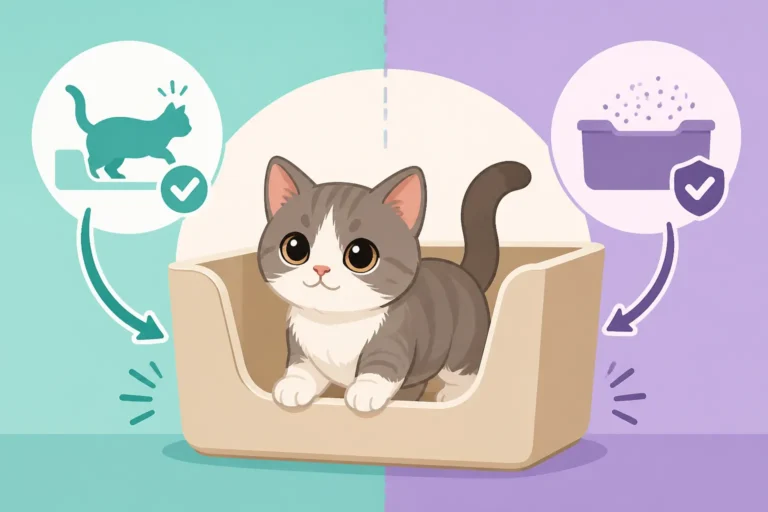
Furthermore, consider their basic necessities. Low-entry litter boxes are non-negotiable, allowing them to walk in and out without straining their back or hindquarters. Raised food and water bowls can also make a significant difference, as they prevent them from having to bend down excessively, reducing strain on their neck and upper spine. Even the type of flooring can play a role; rugs and carpet runners on slippery surfaces like hardwood or tile can provide better traction, preventing slips and falls that could injure a compromised spine. This thoughtful approach ensures that the environment supports, rather than detracts from, their spinal health.
Tailored Nutrition and Weight Management
Nutrition and strict weight management are perhaps the most powerful tools in supporting an adult Munchkin with spinal issues. As discussed, every extra ounce puts amplified stress on their short-legged frame and spine. A lean body condition is not just aesthetically pleasing; it is a critical component of their health.
Your veterinarian will help you determine the ideal weight for your Munchkin, often using a body condition score rather than just a number on the scale. The goal is to feel their ribs easily without seeing them, and to observe a visible waistline. A diet formulated for healthy weight management, often higher in lean protein and fiber, will be recommended. Precise portion control, measured using a kitchen scale, is absolutely essential, as is limiting treats.
Beyond just calorie control, certain nutritional supplements can be beneficial for joint and spinal health. Glucosamine, chondroitin, MSM, and Omega-3 fatty acids (like those found in fish oil) are commonly recommended for their anti-inflammatory properties and their role in supporting cartilage health. These can be added to their food or given as separate supplements. Always consult your vet before adding any supplements to your cat's diet to ensure they are appropriate and correctly dosed. This integrated approach to diet ensures your Munchkin receives the optimal internal support for their spine.
Working with Your Veterinarian for Ongoing Support
A collaborative relationship with your veterinarian is crucial for caring for an adult Munchkin with spinal concerns. Your vet will be your primary partner in monitoring their condition, managing pain, and adjusting their care plan as needed. Regular check-ups are vital, often twice a year for older cats or those with chronic conditions, to catch any changes early.
Your vet will likely recommend a pain management strategy, which might include NSAIDs, gabapentin, or other medications to keep your Munchkin comfortable. They can also advise on the benefits of complementary therapies such as acupuncture, laser therapy, or chiropractic adjustments if they believe these would be beneficial and are performed by a qualified veterinary professional. Remember, not all vets agree on every therapy, so open communication about all options is important.
Additionally, discussing pet insurance options early on can be very beneficial. Companies like Healthy Paws offer coverage that can help offset the costs of diagnostic tests, ongoing medications, and potential specialist consultations or therapies. While pre-existing conditions are typically not covered, having a policy in place before new issues arise can provide invaluable financial support for your Munchkin's long-term spinal care. Caring for a Munchkin with spinal issues is a marathon, not a sprint, and your vet is your guide for every step of the journey.
Disclaimer
This article is for general informational purposes only and does not constitute professional advice. Laws, prices and regulations vary by location and change over time. Consult a qualified professional for guidance on your specific situation.