Why a Munchkin’s House Costs More Than the Cat
It’s a common misconception that once you’ve paid the initial price for a Munchkin cat, the major financial hurdle is over. Many new owners, excited about bringing home their adorable short-legged companion, are surprised to learn that the real investment often begins after the adoption, specifically in transforming their living space to be safe and accessible for their unique feline friend. This guide will walk you through the often-underestimated costs of adapting your home to truly meet the needs of a Munchkin, explaining why these seemingly small changes add up to significantly more than just the purchase price of the cat itself.
Initial Purchase vs. Ongoing Adaptation: Understanding the True Cost
When you first consider bringing a Munchkin into your life, the adoption fee can seem like a significant outlay. These cats are sought after, and their unique appearance often commands a premium. However, it's crucial to understand that this initial cost is merely the down payment on a much larger, ongoing commitment to their well-being. The real financial weight comes from ensuring their environment supports their physical limitations and prevents long-term health issues.
The Sticker Shock of a Kitten
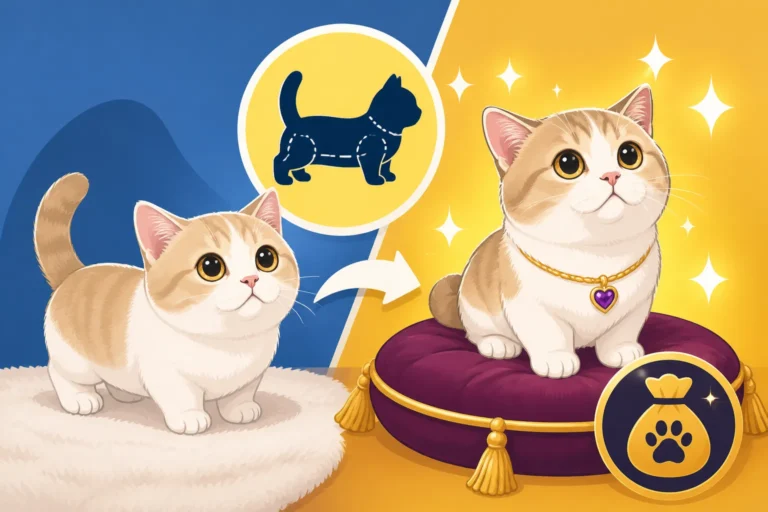
Let's be honest, the price tag on a Munchkin kitten can make anyone pause. Depending on factors like pedigree, coat color, and the specific leg length (with "rug huggers" often costing more due to their extreme shortness), these tiny bundles of joy can represent a considerable upfront investment. You might think, "Okay, I've saved up for this, now I just need food and a litter box." But this thinking, while logical for a standard cat, simply doesn't apply to a Munchkin. The sticker shock, as substantial as it might be, is actually the smallest part of the total equation when it comes to lifetime ownership. It’s like buying a specialized sports car and then realizing you need to build a custom garage and track to truly enjoy it safely and properly.
The Long-Term Investment in Their Well-being
The long-term investment in a Munchkin’s well-being isn't about luxury; it's about necessity. Their short legs, while endearing, mean they cannot navigate the world like a typical cat. Every jump, every climb, every stretch that a long-legged cat takes for granted becomes a potential challenge or even a hazard for a Munchkin. This means you, as their dedicated owner, become responsible for creating a safe, navigable environment. This isn’t a one-time fix; it’s an ongoing process of assessment and adaptation throughout their life, particularly as they age and their mobility might further decline. The adjustments you make to your home – from furniture placement to specialized equipment – are direct investments in their health, happiness, and longevity, often eclipsing the initial purchase cost over their The Twelve to Fifteen Years a Munchkin Usually Gets.
The Unseen Costs of Accessibility
Imagine trying to live in a house where every surface is just out of reach, every cozy spot requires an impossible leap. That’s often the reality for a Munchkin in an unadapted home. The "unseen costs" of accessibility are perhaps the most substantial, encompassing everything needed to bridge the height gap between your Munchkin and the world you share.
Ramps and Steps: Essential for Every Elevated Surface
Ramps and steps aren't just convenient for a Munchkin; they are absolutely essential equipment. Your sofa, your bed, your favorite armchair – all of these become insurmountable obstacles without assistance. Expect to invest in multiple ramps or sets of pet stairs. These aren't cheap, flimsy pieces of cardboard; they need to be sturdy, well-constructed, and have a non-slip surface to ensure your cat's safety and confidence. A steep ramp can be just as dangerous as no ramp at all, causing a Munchkin to hesitate or even slip, potentially leading to injuries.
Consider the layout of your home: do you want your Munchkin to join you on the couch for cuddles? Then a ramp or set of steps is needed there. Do they sleep with you? Another set for the bed. What about a favorite window perch or cat tree? More ramps or carefully positioned steps. The cumulative cost of these items, purchased or custom-built, can quickly add up, easily surpassing a significant portion of the kitten's initial price. We’re talking about creating multiple safe routes, not just one. You might find yourself searching for Ramps and Steps Are Munchkin Equipment, Not Luxuries to fully understand the commitment.
Furniture Modifications: Rethinking Your Home Layout
Beyond buying ready-made ramps, you might find yourself eyeing your existing furniture with a critical eye, asking, "Can my Munchkin get up there?" This leads to modifications or even entirely new purchases. Low-slung sofas, coffee tables that double as stepping stones, and open-shelf units strategically placed can all become part of your Munchkin's internal climbing frame. What if your favorite bookshelf offers a perfect series of ledges for climbing? Great! But what if your current setup means a huge, unscalable leap? You might need to add smaller, intermediary pieces of furniture or rearrange existing items to create a "staircase" effect.
This rethinking isn't just about height; it's about stability. A tall, wobbly cat tree, perfectly fine for a long-legged cat to launch off of, can be a serious hazard for a Munchkin who needs firm footing for every tiny leap. You might invest in new, lower-profile furniture or secure existing pieces to the wall to prevent tipping. This consideration of every elevated surface means that Why a Munchkin's House Costs More Than the Cat isn't an exaggeration—it's a practical reality of responsible ownership.
Safe Play Structures: Cat Trees Reimagined
Traditional cat trees, with their widely spaced platforms, are often completely useless for a Munchkin. A standard cat tree often requires a leap of 18-24 inches between levels, which is simply impossible for most Munchkins. Instead, you'll need specialized cat trees with very close-set platforms, or you might need to adapt a standard one yourself by adding extra shelves or ramps. Platforms that are 6-8 inches apart are ideal, allowing them to hop safely from one level to the next.
This means seeking out specific brands or even custom-building. Companies like Chewy offer a range of cat trees, but you'll need to scrutinize the spacing between levels carefully. If you're handy, modifying a standard tree with additional platforms or carpeted steps can save money but requires time and effort. The goal is to provide vertical enrichment – a crucial part of any cat’s environment – without risking injury. You might find yourself spending more on these adapted climbing structures than on the kitten itself, especially if you want multiple safe zones throughout your home.
Litter Box Logistics for Little Legs
This might seem like a small detail, but it’s an incredibly important one for a Munchkin's comfort, hygiene, and overall health. A standard litter box, with its typically high sides, presents an immediate barrier to a short-legged cat.
Low-Entry Boxes: A Non-Negotiable Necessity
Imagine trying to step over a wall that comes up to your waist every time you need to use the restroom. That's what a standard litter box is like for a Munchkin. A low-entry litter box is not a luxury; it's an absolute necessity. Without one, your Munchkin might struggle to get in and out, potentially leading to accidents outside the box or, worse, them holding their waste for too long, which can cause urinary tract issues.
These boxes often feature a scooped-out entrance or a very short front lip, allowing your Munchkin to walk right in without straining their short legs or spine. While many brands offer these, they might not be as widely available or as aesthetically pleasing as traditional boxes, and you might need to purchase several to ensure accessibility throughout your home. Investing in a senior cat litter box is often the best solution, as these are designed for easy access for cats with mobility issues, which perfectly suits a Munchkin.
Managing Litter Tracking and Hygiene
With a low-entry box comes a new challenge: litter tracking. A Munchkin's low belly and short legs mean they are much closer to the litter itself, making them more prone to getting litter caught in their fur, especially on their underside and hindquarters. This can lead to increased mess around the box and, if not addressed, potential skin irritation or matting.
You might need to invest in different types of litter (larger granules that track less, for instance), heavy-duty litter mats, and a more frequent cleaning schedule. Some owners even trim the fur around their Munchkin's belly and hindquarters to minimize litter adhesion. This isn't just about keeping your house clean; it’s about preventing hygiene issues that could lead to vet visits down the line. It's an ongoing, subtle cost in terms of time and supplies that adds to the overall expense of caring for these special cats. You can read more about Why a Munchkin Needs a Litter Box It Can Walk Into for a deeper dive.
Feeding & Hydration: How Their Stature Impacts Dining
Even something as fundamental as eating and drinking needs careful consideration for a Munchkin. Their short stature affects how they position their body, and prolonged awkward postures can lead to discomfort or strain.
Raised Bowls for Comfort: Preventing Neck and Spine Strain
Picture a normal-legged cat bending down to eat from a floor-level bowl; their neck forms a gentle curve. Now, picture a Munchkin doing the same. Their front legs are so short that their head often has to lower significantly more, causing a sharp downward angle of the neck and potentially putting strain on their cervical spine and shoulders. This can become uncomfortable over time and may contribute to issues as they age.
The solution is raised food and water bowls. These elevate the dining surface, allowing your Munchkin to eat and drink in a more natural, upright posture, reducing strain on their neck, shoulders, and spine. You can find attractive raised feeders from retailers like Chewy or create your own using sturdy stands. This seemingly small adjustment is a crucial part of preventative care and comfort, and the cost of ergonomic feeding stations adds to the overall investment in their long-term health.
Accessible Water Sources: Ensuring Constant Hydration
Just like with food, water access needs to be effortless. While a raised bowl is ideal, some Munchkins prefer water fountains, which can offer fresher, circulating water. If you choose a fountain, ensure that the drinking surface or spout is low enough for them to reach comfortably without having to stretch or crane their neck upwards. A fountain designed for a larger cat might have a spout too high or a basin too deep for a Munchkin to access without difficulty.
Proper hydration is vital for kidney health and overall well-being. Making water readily available in an accessible manner ensures your Munchkin drinks enough, which is especially important as they get older. This means selecting specific models of fountains or bowls, and potentially having several throughout the house, all placed at appropriate heights.
Grooming & Hygiene Challenges
One aspect many new Munchkin owners don't anticipate is the difficulty these cats have with self-grooming. While they are meticulous creatures by nature, their unique anatomy prevents them from reaching certain areas of their body.
The Parts They Cannot Reach: The Reality of Self-Grooming Deficits
Due to their short legs and proportionally normal-length body, Munchkins struggle to reach their hindquarters, their lower back, and sometimes even parts of their belly. Imagine trying to wash your lower back without being able to bend or twist properly – that's a Munchkin's daily reality. This means areas that would normally be kept pristine by a long-legged cat can become matted, dirty, or develop skin issues if left unaddressed.
This issue is particularly pronounced in long-haired Munchkins, where the fur can quickly become tangled and matted in these hard-to-reach spots. But even shorthaired Munchkins can struggle with cleanliness after using the litter box, as their low belly can easily pick up soiled litter or feces.
Preventing Mats and Skin Issues: The Need for Regular Owner Intervention
Because of their self-grooming deficits, you become your Munchkin's primary groomer for these difficult areas. This means regular brushing, bathing (if necessary), and potentially sanitary clips, especially for long-haired varieties or those prone to messy litter box habits. This isn't just about aesthetics; it’s about preventing painful mats that can pull at the skin, causing discomfort, infection, and requiring professional intervention. Skin issues can also arise from accumulated dirt or moisture.
You’ll need to invest in quality grooming tools – brushes, combs, perhaps even clippers for hygiene trims – and dedicate consistent time to this task. For some, this might even mean regular visits to a professional groomer who understands the unique needs of a Munchkin, adding another line item to the ongoing expenses. This is a critical part of Caring for a Munchkin Past Ten as older cats become even less flexible.
The Importance of Weight Management & Diet
Weight management is critical for all cats, but for a Munchkin, it is paramount. Their unique skeletal structure means that even a few extra pounds can have a disproportionately negative impact on their health and mobility.
Every Extra Pound Is a Burden: The Exaggerated Impact of Weight
A Munchkin's short legs and relatively long spine are not designed to carry excess weight. Every extra gram puts undue stress on their joints – especially their shoulders, elbows, and spine. This increased pressure can accelerate the onset of arthritis, exacerbate existing spinal issues like lordosis, and lead to pain and reduced mobility. Unlike a long-legged cat where a few extra pounds might just mean a softer belly, for a Munchkin, it can mean a significantly compromised quality of life.
Maintaining an ideal body condition is the single most important preventative health measure you can take for your Munchkin. This requires careful portion control, regular weighing, and a diet tailored to their activity level. It also means you need to be vigilant about treats, making sure they fit within their daily caloric intake. This emphasis on precise feeding often means higher-quality foods and careful measurement, contributing to the overall cost. You can learn more about Why Weight Is More Dangerous on a Munchkin in our related article.
Specialized Diets and Joint Supplements: Proactive Health Investments
To support their joint health and maintain an ideal weight, many Munchkin owners opt for specialized diets. These might include foods formulated for indoor cats (who burn fewer calories), weight management formulas, or diets enriched with joint-supporting ingredients like glucosamine and chondroitin. While these foods can sometimes be more expensive per bag, the investment is well worth it if it helps delay or prevent painful joint issues.
Beyond diet, many veterinarians recommend joint supplements as a proactive measure, especially as Munchkins age. These come in various forms – powders, chews, or liquids – and while their efficacy can vary, they represent an ongoing monthly cost. These aren't just “nice-to-haves”; they are often considered essential components of a comprehensive care plan to keep your Munchkin comfortable and mobile for as long as possible.
Enrichment & Play in a Modified Environment
A happy cat is a cat whose natural instincts are met through play and exploration. For a Munchkin, this requires a thoughtful approach to enrichment that respects their physical limitations.
Floor-Level Engagement: Toys and Activities That Work
Munchkins are incredibly playful, but their play style is often different from long-legged cats. They excel at floor-level games, chasing toys, pouncing, and batting at dangling objects. Wands and fishing pole toys are fantastic, as they allow you to engage your Munchkin in play that stays within their reach and doesn't require impossible jumps. Small, rollable toys, puzzle feeders they can manipulate on the ground, and interactive toys that move independently are all excellent choices.
The cost here isn't necessarily higher for the toys themselves, but in ensuring you have a variety of appropriate toys and that your play sessions are tailored to their abilities. This means more intentional interaction and possibly more frequent replacement of toys that get heavily used at floor level. Their inability to jump high also means that How High a Munchkin Can Actually Jump is a crucial piece of information for planning safe playtime.
Safe Exploration: Creating Accessible Play Zones
While floor-level play is key, Munchkins still enjoy vertical space. The challenge is making it accessible. This ties back into the ramps, steps, and modified furniture discussed earlier. Creating "cat highways" using low shelves, sturdy, closely spaced steps, or strategically placed furniture allows your Munchkin to explore different heights without dangerous leaps. A secure, carpeted ramp leading to a sunny window perch, for example, offers mental stimulation and a safe spot for napping.
This environmental enrichment is a significant part of their quality of life. The cost associated with creating these accessible play zones, whether through DIY projects or purchasing specialized items, is an investment in their mental and physical well-being. It prevents boredom, provides exercise, and gives them a sense of security that comes from being able to survey their territory from a slight elevation.
Veterinary Care Beyond the Basics
While Munchkins generally share many health characteristics with other domestic cats, their unique morphology introduces specific considerations that often lead to more frequent or specialized veterinary care.
Proactive Spinal and Joint Screenings: Why Regular Checks Are Critical
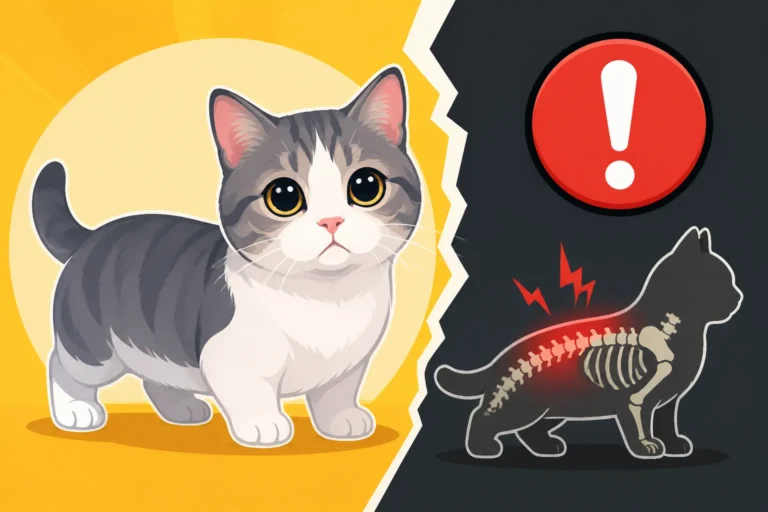
Because of their short legs and the way their spine carries weight, Munchkins are predisposed to certain orthopedic issues, most notably lordosis (an exaggerated inward curve of the spine) and pectus excavatum (a sunken chest). While not every Munchkin develops these, proactive screening is crucial. This means that regular veterinary check-ups for a Munchkin might go beyond the standard physical exam. Your vet might recommend X-rays to assess their spine and chest, particularly during their kitten and adolescent stages, and then again as they enter their senior years. These screenings are not cheap, and they add to the ongoing cost of care.
Early detection of issues like How Early Lordosis Shows in a Munchkin Kitten or What a Sunken Chest Feels Like on a Munchkin Kitten allows for earlier intervention, potentially improving their quality of life and managing symptoms more effectively. Having a pet insurance plan, such as those offered by Healthy Paws, which covers these diagnostic procedures, can be a smart financial move.
Managing Age-Related Mobility Issues: Preparing for the Senior Years
As Munchkins age, just like any cat, they can develop arthritis and other age-related mobility issues. However, given the baseline stress on their joints and spine, these problems can manifest earlier or be more debilitating than in a long-legged cat. Your home adaptations, which were crucial when they were young, become even more vital as they become seniors. Ramps might need to be less steep, steps even closer together, and soft, accessible beds become paramount.
Managing an aging Munchkin’s mobility often involves ongoing costs for pain management medications, joint supplements, and potentially even specialized physiotherapy or hydrotherapy. These treatments, while beneficial, are an additional financial commitment. Understanding What an Old Munchkin Stops Being Able to Do helps you prepare and budget for these eventualities, ensuring your beloved companion remains comfortable and can navigate their world with dignity in their golden years.
Comparing Costs: A Look at the Investment
To really put it into perspective, let's consider a hypothetical scenario comparing the initial kitten cost to some of the essential home adaptations over the course of a Munchkin's life. Keep in mind these are conceptual examples, and actual costs will vary greatly.
| Category | Initial Kitten Cost (Conceptual) | Estimated Home Adaptation & Ongoing Care (Conceptual) |
|---|---|---|
| Purchase Price | Significant (e.g., $1500-$2500) | N/A |
| Ramps & Steps | N/A | $200-$500 (multiple sets for bed, sofa, windows) |
| Adapted Cat Tree | N/A | $150-$400 (specialized or modified) |
| Low-Entry Litter Box | N/A | $50-$150 (multiple boxes + quality mats) |
| Raised Food Bowls | N/A | $30-$100 |
| Specialized Diet/Supplements | N/A | $20-$50/month (over 10-15 years) |
| Extra Grooming Supplies/Services | N/A | $10-$50/month (brushes, wipes, professional clips) |
| Proactive Vet Care | N/A | $100-$300/year (extra screenings, mobility checks) |
| Total Lifetime Adaptation (Conservative Estimate) | N/A | Easily exceeds initial purchase price |
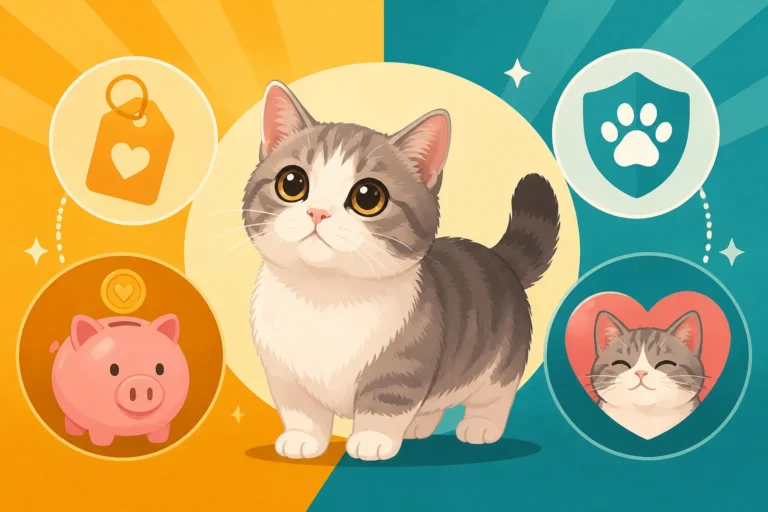
As you can see, the expenses associated with adapting your home and providing specialized care for a Munchkin cat truly are an ongoing investment that, over the span of their life, can eclipse the initial purchase price. This isn't to deter anyone from getting a Munchkin, but rather to ensure that prospective owners go into it with their eyes wide open, prepared for the full scope of what it means to give these wonderful, unique cats the best possible life.
Disclaimer
This article is for general informational purposes only and does not constitute professional advice. Laws, prices and regulations vary by location and change over time. Consult a qualified professional for guidance on your specific situation.