What a Year of Joint Support Costs a Munchkin Owner
Anyone who’s welcomed a delightful Munchkin cat into their home quickly learns that these unique felines come with equally unique care considerations. One of the biggest worries, and rightfully so, for many Munchkin owners revolves around their precious short legs and the potential for joint issues. It's not just a passing thought; it's a real concern that impacts their long-term health and, naturally, your budget. This guide is here to shed light on what a year of dedicated joint support might actually look like for a Munchkin owner, covering everything from supplements to vet visits and crucial home adaptations, helping you feel prepared and empowered.
Understanding Why Joint Support is Crucial for Your Munchkin
Let's be honest, those adorable short legs are what make Munchkins so incredibly charming, but they also bring a unique set of physical realities. It's not about scaremongering; it's about being a realistic, loving pet parent and understanding that their conformation means their joints work a little differently. Many owners worry about their cat's comfort and mobility as they age, and these concerns are completely valid.
The Unique Strain on Munchkin Joints
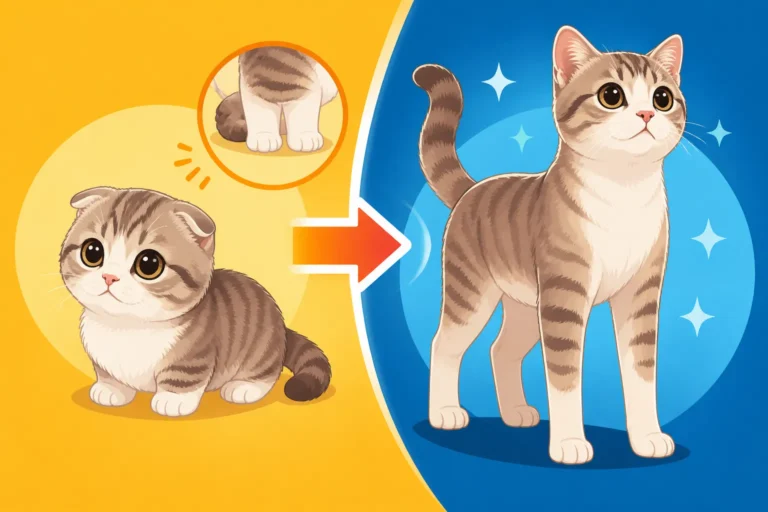
Imagine navigating the world with significantly shorter limbs. While a Munchkin cat is incredibly agile and adapted, their short legs mean that everyday movements, especially those involving jumping down or sudden stops, place a disproportionate amount of stress on their shoulders, elbows, and hips. Think about the impact: a normal-legged cat has a longer lever arm to absorb shock, while a Munchkin's limbs are much more compact. This can lead to increased wear and tear over time.
This isn't to say every Munchkin will suffer, but the potential for conditions like osteoarthritis is simply higher than in a typical feline. Their gait might look a little different, a bit like a ferret's scurry, and while they can zoom across a room surprisingly fast, the mechanics of their movement mean certain joints are doing more work. Why a Munchkin's Shoulders Wear First is something many owners come to understand as their cats get older, noticing subtle changes in how they move. The repetitive stress from landing, even from small jumps, can accumulate, explaining What Repeated Landing Does to a Munchkin's Elbows. It’s a sad reality that while they're full of beans as kittens, these physical demands can predispose them to needing joint support Whether a Munchkin Gets Arthritis Earlier than some other breeds.
Recognizing Early Signs of Joint Discomfort
One of the biggest frustrations for cat owners, especially with a breed as stoic as a Munchkin, is that cats are masters at hiding pain. By the time they're overtly limping or crying out, the issue is often quite advanced. That's why it's so important to be observant and sensitive to subtle shifts in their behavior. Has your usually playful Munchkin started to hesitate before jumping onto their favorite chair, or are they taking two small hops instead of one fluid leap? Are they spending more time resting, or perhaps grooming less than usual, particularly around their hindquarters or back, areas that become harder to reach if joints are stiff?
A key indicator can be a reluctance to engage in activities they once loved. If your cat used to race you to the food bowl but now takes a slower, more deliberate pace, that's a signal. Or if they stop using a ramp they once adored, it could be a sign of discomfort, as detailed in Why a Munchkin That Stops Using Its Ramp Is Unwell. These subtle changes, like difficulty stretching or a less enthusiastic response to toys, can be early red flags. Catching these signs early means you can start interventions sooner, which can make a huge difference in their long-term comfort and potentially even reduce the severity of conditions like arthritis that might emerge At What Age a Munchkin Starts to Stiffen. It's about paying attention to their normal routine and noticing when something is just a little bit off, even before they display more obvious signs of What an Old Munchkin Stops Being Able to Do.
Breaking Down the Annual Costs of Joint Supplements
Once you understand the 'why,' the 'how' and 'what' of joint support become the next big question. For many Munchkin owners, this means exploring the world of joint supplements. This is often the first line of defense, a proactive measure to support their joint health from the inside out.
Types of Joint Supplements and Their Typical Formats
The market for pet joint supplements is vast, which can be both a blessing and a curse. You'll encounter a range of ingredients, most commonly Glucosamine, Chondroitin, and MSM (Methylsulfonylmethane). Glucosamine is thought to help repair and form cartilage, while Chondroitin is believed to improve cartilage elasticity and water retention. MSM is often included for its anti-inflammatory properties. Beyond these, you might also see supplements featuring Omega-3 fatty acids (like fish oil, rich in EPA and DHA) which are powerful natural anti-inflammatories, or even hyaluronic acid (HA), which supports joint fluid viscosity.
These supplements come in various formats, each with its pros and cons. You'll find chewable treats, which are often palatable and easy to administer, but might contain additional calories or fillers. Powders can be mixed directly into wet food, offering flexibility in dosage, but some cats can be picky about texture changes. Liquid formulations are also available, often easy to syringe into the mouth or mix with food. Capsules are another option, which can be hidden in pill pockets or direct-fed. The cost will vary significantly based on the concentration of active ingredients, the quality and sourcing of those ingredients, and, of course, the brand's reputation. You'll find everything from more affordable, widely available options to premium, veterinarian-grade formulations. For a wide selection and to compare different brands and types, many owners find resources like Chewy incredibly useful for browsing and reading reviews.
Estimating Annual Supplement Expenses
When budgeting for joint supplements, it's not a one-time purchase but an ongoing commitment. The dosage typically depends on your Munchkin's weight and the severity of any existing joint issues. A kitten starting on preventive supplements might need a lower dose than a senior cat managing early arthritis. Many supplements recommend an initial "loading dose" for the first few weeks to build up the active ingredients in their system, followed by a lower "maintenance dose." This initial period can mean slightly higher costs upfront.
Let's consider a hypothetical scenario: A moderate-sized Munchkin might require one chewable tablet daily. A container of 90 chews, for example, might last three months on a maintenance dose. If you're paying a certain amount for that container, you'd multiply that by four for the year. However, if your cat needs two chews a day, that cost doubles. For a liquid supplement, you're looking at milliliters per day. A bottle might last a month or six weeks, and you'd need to factor that into your yearly budget. It's crucial to follow your vet's recommendation for dosage, as giving too little might not be effective, and too much could be wasteful or, in rare cases, harmful.
Here's a general idea of how different supplement types might impact your annual spending:
| Supplement Type | Key Ingredients | Format | General Cost Implication | Notes |
|---|---|---|---|---|
| Basic Glucosamine/Chondroitin | Glucosamine HCl, Chondroitin Sulfate | Chew/Powder | Lower | Good for maintenance and prevention. May take longer to show noticeable effects. |
| Advanced Joint Support | Glucosamine, Chondroitin, MSM, HA | Chew/Liquid | Moderate | More comprehensive. Often includes additional anti-inflammatory or cartilage-supporting agents. |
| Omega-3 Fatty Acids | EPA, DHA (Fish Oil) | Liquid/Capsule | Lower to Moderate | Excellent for reducing inflammation. Can be used alone or alongside other joint supplements. |
| Prescription Joint Diets | Specific nutrients, balanced diet | Kibble/Wet | Moderate to Higher | Vet-recommended for targeted support, often combined with weight management benefits. |
Keep in mind that these are just general guidelines. Always consult with your veterinarian to choose the Which Joint Supplements Suit a Munchkin that are best suited for your individual cat's needs and health profile.
Veterinary Care: The Other Side of Joint Support Costs
While supplements are a fantastic proactive step, they are just one piece of the puzzle. Regular veterinary oversight is absolutely non-negotiable for managing a Munchkin's joint health. Ignoring professional advice in favor of DIY solutions can lead to much higher costs and, more importantly, unnecessary suffering for your cat down the line.
Routine Vet Checks and Early Diagnosis
Regular veterinary check-ups are paramount, especially for a Munchkin. Even if your cat isn't showing obvious signs of discomfort, annual or even bi-annual visits allow your vet to establish a baseline of health and catch subtle changes. During these exams, your vet will perform a thorough physical assessment, carefully palpating joints and observing your Munchkin's gait. They might encourage you to share videos of your cat moving at home, as animals often behave differently in the clinic environment. These routine visits are crucial for screening conditions like lordosis, which is a spinal curvature that can affect Munchkins, or pectus excavatum (sunken chest), both of which can impact overall mobility and comfort.
Early diagnosis is truly priceless. If your vet suspects a joint issue, they might recommend diagnostic imaging, such as X-rays, to get a clear picture of what's happening internally. This might feel like an added expense, but having a precise diagnosis allows for a targeted treatment plan, potentially preventing conditions from worsening or requiring more invasive (and costly) interventions later. A thorough initial vet check, especially for a Munchkin kitten, should definitely cover spinal palpation and leg conformation assessment, as explored in Why a Munchkin Kitten Needs an Early Vet Check and How a Vet Assesses a Munchkin's Leg Conformation. Understanding Why a Munchkin's Spine Carries a Load a Normal Cat's Does Not from the outset helps you appreciate the importance of these routine evaluations.
Advanced Treatments and Management for Arthritis
Should your Munchkin develop arthritis or another significant joint condition, veterinary care goes beyond supplements. Your vet might prescribe specific medications to manage pain and inflammation. These could include non-steroidal anti-inflammatory drugs (NSAIDs) or other pain relievers designed for felines. These medications are not meant for indefinite use without veterinary guidance, as they can have side effects and require regular monitoring. The cost of these prescription medications will be an ongoing expense, varying based on the drug, dosage, and duration of treatment.
Beyond oral medications, there are other advanced therapies that vets might recommend. Laser therapy, for instance, can help reduce pain and inflammation and accelerate healing. Acupuncture is another option some pet owners explore for chronic pain management. Physiotherapy, often involving specific exercises or hydrotherapy (underwater treadmill), can strengthen supporting muscles and improve range of motion. While the initial course of these treatments might represent a significant investment, they can dramatically improve your Munchkin's quality of life and reduce reliance on daily pain medication. For example, understanding What Pain Relief a Stiff Munchkin Can Take is essential, and sometimes, options like Whether Hydrotherapy Helps a Munchkin or specific What Physiotherapy for a Stiff Munchkin Costs can be life-changing for an older cat struggling with mobility.
The Role of Pet Insurance
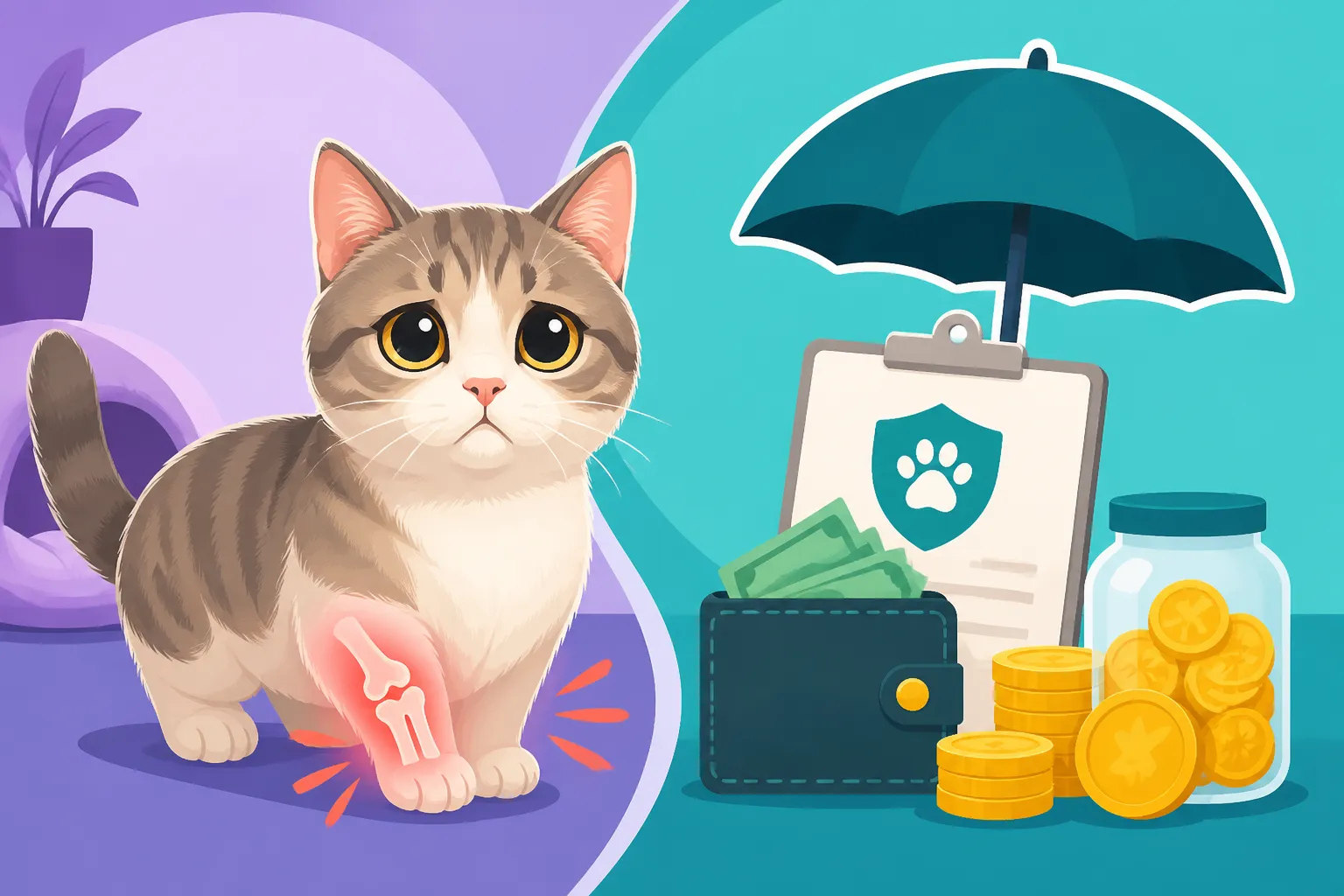
When you're facing potential long-term, chronic conditions like arthritis, the financial aspect can feel daunting. This is where pet insurance can be a real lifeline. A good pet insurance policy can help offset the significant costs associated with diagnostics, prescription medications, specialist visits, and advanced therapies. It's important to understand that not all policies are created equal. Some offer accident-only coverage, while others provide comprehensive accident and illness plans, which are crucial for chronic conditions. There are also wellness plans that can help with routine care, though these typically don't cover existing illnesses.
The absolute golden rule with pet insurance is to enroll your Munchkin before any symptoms or diagnoses of joint issues appear. Pet insurance policies almost universally exclude pre-existing conditions, meaning if your cat is diagnosed with arthritis before you have coverage, any future treatments for that condition likely won't be covered. Researching different providers like Healthy Paws can help you compare coverage options, deductibles, reimbursement percentages, and monthly premiums. While it's an upfront cost, the peace of mind and financial relief it can offer when faced with a chronic condition can be invaluable.
Lifestyle Adaptations That Save Your Munchkin's Joints (and Your Wallet)
The truth is, much of joint care for a Munchkin isn't just about medications and supplements; it's about prevention and creating an environment that supports their unique physicality. These adaptations not only contribute to their well-being but can also, in the long run, save you significant money on vet bills and pain management.
Creating a Joint-Friendly Home Environment
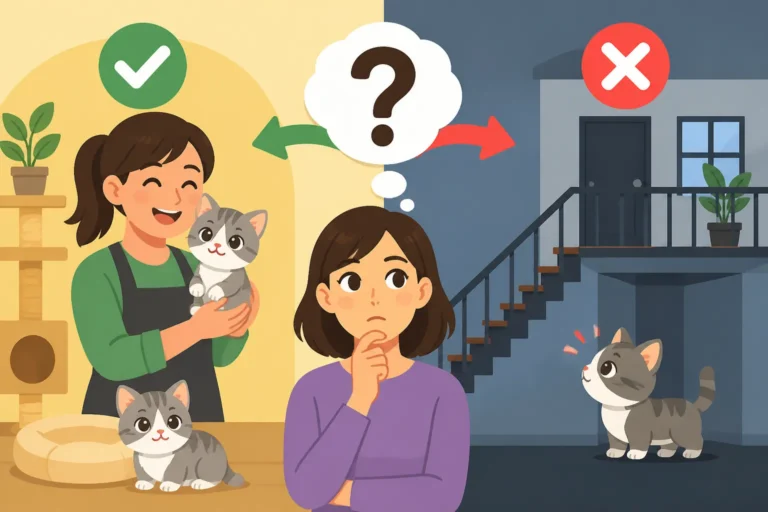
If you have a Munchkin, your house needs to be adapted to them – not the other way around. This means thoughtfully evaluating every elevated surface your cat might want to access, from sofas to beds and even windowsills. Ramps and steps become essential tools, not luxuries. Instead of letting your Munchkin repeatedly jump off furniture, which creates impact on their joints, provide carpeted ramps or sturdy pet stairs. This initial investment in Ramps and Steps Are Munchkin Equipment, Not Luxuries might seem like an extra expense, but it drastically reduces the wear and tear on their tiny legs and spine over years. You'll want to strategize How to Set Up Ramps Around a Munchkin's House to make sure all their favorite spots are accessible without strenuous jumps.
Another critical adaptation is their litter box. A standard litter box with high sides might be impossible or painful for a Munchkin to enter, especially as they age or if they're already experiencing stiffness. Opt for low-entry litter boxes, or even consider modifying a regular one yourself, as highlighted in Why a Munchkin Needs a Litter Box It Can Walk Into. Similarly, ensure their food and water bowls are at an ergonomic height that doesn't require them to strain their neck or crouch uncomfortably. Raised bowls can be a real game-changer, making meal times more comfortable. These seemingly small changes are monumental in reducing daily strain and preventing future injuries.
Weight Management and Nutrition
If there's one single aspect of Munchkin care that cannot be overstated, it's weight management. Every single extra gram your Munchkin carries puts additional stress on their already hardworking joints and spine. This is Why Weight Is More Dangerous on a Munchkin compared to a normal-legged cat. Maintaining a lean, healthy body condition is the single most effective preventive measure you can take to protect their joints and avoid exacerbating any underlying issues.
This means being incredibly diligent about their diet. Free-feeding is often not recommended for Munchkins. Instead, precise portion control with measured meals tailored to their activity level and ideal weight is crucial. Talk to your vet about your Munchkin's ideal body condition score and caloric needs. Choosing a high-quality cat food that supports joint health (some even contain added joint-supporting ingredients) can also be beneficial. While premium foods or vet-prescribed weight-loss diets might have a higher upfront cost, they are an investment in their health. Preventing obesity means you're potentially preventing future veterinary costs for pain medication, mobility aids, or even more severe complications like diabetes. Learning How to Score a Munchkin's Body Condition accurately at home is a skill every Munchkin owner should master, and making sure What Feeding a Munchkin for Joint Health Costs is part of your regular budget is essential.
Regular, Low-Impact Exercise
Keeping your Munchkin active is important for muscle strength and overall joint health, but it needs to be the right kind of activity. High-impact jumping and rough play that involves awkward landings should be minimized. Instead, focus on regular, low-impact exercise that keeps their muscles toned without stressing their joints. Interactive wand toys are fantastic for encouraging floor-level play, allowing them to chase, pounce, and bat without needing to leap high. Puzzle feeders that encourage movement and engagement on the floor are also excellent.
Structured play sessions throughout the day are more beneficial than one long, strenuous burst of activity. This type of consistent, gentle engagement helps maintain flexibility and muscle mass, which acts as a natural support system for their joints. A sedentary lifestyle, conversely, can lead to muscle atrophy and stiffness, making joint problems worse. Encourage them to explore and play at their natural height. Understand that How Much Floor Level Play a Munchkin Needs is substantial, and Which Wand Toys Suit a Munchkin's Reach are the ones they can truly enjoy without strain. By providing appropriate enrichment and exercise, you're not only helping their physical health but also their mental well-being, all while potentially reducing future medical expenses.
Disclaimer
This article is for general informational purposes only and does not constitute professional advice. Laws, prices and regulations vary by location and change over time. Consult a qualified professional for guidance on your specific situation.