When to Neuter a Munchkin and What It Costs
Bringing a new Munchkin into your home is an incredibly exciting time, full of cuddles and playful antics. But as they grow, responsible pet ownership brings up important decisions, and one of the most significant is neutering. It's perfectly normal to wonder about the best timing for this procedure and, let's be honest, what it's going to cost you. There's a lot of conflicting advice out there, and for a unique breed like the Munchkin, you want to make sure you're doing everything right to support their long-term health and happiness. This guide is here to walk you through the nuances of neutering your short-legged companion, covering everything from ideal timing to financial considerations, so you can make an informed decision with confidence.
Understanding the Ideal Timing for Neutering Your Munchkin
The decision of when to neuter your Munchkin isn't just about ticking a box on a checklist; it's about making a choice that impacts their growth, behavior, and overall health. While general recommendations exist for cats, the unique physical characteristics of a Munchkin cat might prompt a more nuanced discussion with your veterinarian.
The Conventional Wisdom vs. Breed-Specific Considerations
For most domestic cats, the conventional wisdom often points to neutering around five to six months of age, just before they reach sexual maturity. At this point, they're typically old enough to handle anesthesia well, but young enough that certain behavioral issues haven't become deeply ingrained. This general guideline aims to prevent unwanted pregnancies, reduce the risk of certain cancers, and curb problematic behaviors like spraying or roaming.
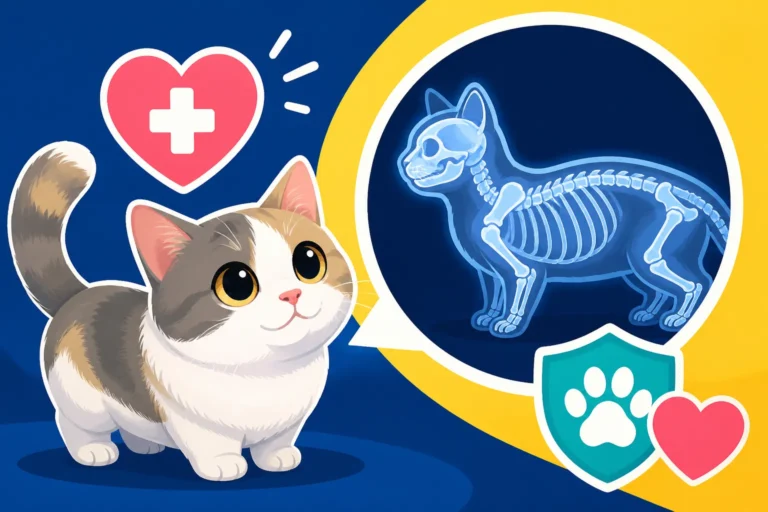
However, when you have a Munchkin, it's natural to pause and wonder if their distinct physique requires a different approach. Munchkins are known for their short legs, a characteristic stemming from a genetic mutation that affects bone growth. While their spine is generally of normal length, the shorter limb bones mean their musculoskeletal system experiences stresses that a long-legged cat does not. This doesn't mean you can't follow the standard timeline, but it does mean having a very open conversation with your vet about your individual cat's development. You'll want to ensure they've had What a Munchkin Kitten's First Exam Should Cover thoroughly, paying attention to their overall body condition and any subtle signs of skeletal development that might influence the best time for surgery.
Early Neutering: Pros and Cons for Munchkins
Early neutering, sometimes referred to as pediatric neutering, typically occurs between 8 to 16 weeks of age. For shelters and some breeders, it's a common practice to ensure all kittens are spayed or neutered before adoption, preventing future litters and reducing pet overpopulation.
Pros of Early Neutering:
- Population Control: This is the primary driver. Early neutering ensures that no accidental pregnancies occur, especially vital for a breed with specific breeding protocols like Munchkins, where Why Two Short Legged Munchkins Are Never Bred Together is a hard rule.
- Faster Recovery: Younger kittens often bounce back from surgery more quickly than older cats. Their smaller size and still-developing systems can sometimes mean less post-operative pain and a quicker return to normal activity.
- Reduced Risk of Some Cancers: Neutering early can significantly reduce the risk of mammary tumors in females and testicular cancer in males.
- Minimizing Undesirable Behaviors: For males, early neutering can prevent the onset of spraying, territorial aggression, and the urge to roam, which could be particularly dangerous for a short-legged cat like a Munchkin who cannot climb away from threats.
Cons of Early Neutering, with Munchkin Considerations:
- Growth Plate Closure: This is a common concern debated among vets and owners for any breed, but it's worth more careful thought for a Munchkin. Sex hormones play a role in the closure of growth plates in bones. Neutering early removes these hormones, which can delay the closure of growth plates. This might lead to slightly longer limb bones than if neutering occurred later. While this isn't necessarily a "bad" thing for a standard cat, for a Munchkin, whose leg conformation is already unique, some wonder if it could subtly alter the already short limb structure. However, there is no definitive scientific consensus showing a negative impact specifically on Munchkins in this regard.
- Anesthetic Risk: While generally safe, any surgery carries anesthetic risk. Some worry that very young kittens might be more susceptible to complications due to their smaller size and immature systems. However, modern veterinary anesthesia protocols are highly sophisticated, and many vets safely perform pediatric neuters regularly. It's important to discuss Whether a Munchkin Is a Normal Anesthetic Risk with your vet, especially if your cat has any underlying health conditions.
- Weight Management: Hormones also influence metabolism. Early neutering can sometimes predispose a cat to weight gain later in life because their metabolism slows down. For a Munchkin, Why Weight Is More Dangerous on a Munchkin is a critical concern, as extra weight puts undue strain on their already uniquely structured joints and spine. Close monitoring of diet and exercise becomes even more important.
Delayed Neutering: When and Why it Might Be Considered
Delaying neutering means waiting until your Munchkin is older than the typical 5-6 month mark, sometimes even until they are a year old or more. This is less common for pet cats but might be discussed in certain situations.
When it Might Be Considered:
- Breeding Animals (for a limited time): Obviously, if a Munchkin is intended for breeding, neutering is delayed until their breeding career is over. However, for a pet owner, this isn't a typical consideration.
- Specific Health Concerns: If your Munchkin has a pre-existing health condition that makes anesthesia risky at a younger age, your vet might recommend waiting until the condition is better managed or the cat is stronger.
- Larger Frame Development: For larger Munchkin males, some owners and vets might opt to wait a bit longer to allow them to fully mature and reach their maximum size before the procedure. The idea is that allowing natural hormones to run their course for a longer period could contribute to more robust bone and muscle development. Again, scientific evidence specifically for Munchkins is limited, but it's a discussion point to have.
Why it Might Be Considered:
- Full Skeletal Maturity: The main argument for delayed neutering in any breed is to allow for full skeletal and hormonal development, theoretically leading to stronger bones and joints. For a Munchkin, with their short legs and the weight bearing they endure, this can be an appealing argument for some owners. However, the benefits must be weighed against the increased risks of undesirable behaviors and certain health issues that can arise in intact cats.
- Behavioral Benefits (less common): Some argue that intact males might develop a slightly more "confident" personality, though this is highly anecdotal and often outweighed by the negative behaviors mentioned earlier.
Ultimately, the best timing for neutering your Munchkin is a conversation between you and your trusted veterinarian. They will assess your individual cat's health, growth, and lifestyle to recommend the most appropriate schedule.
Deconstructing the Costs of Neutering a Munchkin
Let's talk money, because veterinary care, while essential, can be a significant expense. The cost of neutering a Munchkin can vary quite a bit depending on where you live, the type of veterinary clinic you choose, and any additional services your cat might need. It's not just the surgery itself, but a whole package of care designed to keep your feline friend safe and comfortable.
Standard Neutering Costs: What's Included?
When you receive an estimate for neutering, it typically encompasses several key components. Understanding these can help you see where your money is going and why the price might differ from one clinic to another.
Typical Inclusions:
- Pre-Surgical Examination: Before any anesthesia, your vet will perform a thorough physical exam to ensure your Munchkin is healthy enough for surgery. This includes listening to their heart and lungs, checking their temperature, and generally assessing their overall condition.
- Pre-Anesthetic Bloodwork: This is a crucial step. Blood tests help ensure that your Munchkin's internal organs (like the kidneys and liver) are functioning properly and can safely metabolize the anesthetic drugs. This step drastically reduces anesthetic risks.
- Anesthesia and Monitoring: The cost covers the anesthetic medications themselves, as well as the equipment and personnel dedicated to monitoring your Munchkin's vital signs (heart rate, breathing, blood pressure, oxygen levels, temperature) throughout the procedure. Proper monitoring is paramount for safety.
- The Surgery Itself: This is the core of the procedure – the removal of the testicles in males. The cost includes the surgeon's time, sterile equipment, and the surgical suite.
- Pain Medication: Post-operative pain management is vital for your cat's comfort and recovery. This often includes injectable pain relief given immediately after surgery and oral medication to send home with you for a few days.
- IV Fluids (often an add-on): Many clinics recommend or include intravenous fluids during surgery. These help maintain blood pressure, support organ function, and aid in a smoother recovery by keeping your cat hydrated.
- E-Collar (Cone of Shame): Essential to prevent your Munchkin from licking or chewing at their incision site, which can lead to infection or reopening of the wound.
Costs can range significantly. Low-cost spay/neuter clinics often provide a more basic package at a reduced price, focusing solely on the surgery itself with minimal add-ons, while full-service veterinary hospitals might offer a more comprehensive approach including all the bells and whistles, leading to a higher price point. Always ask for a detailed estimate upfront.
Potential Additional Costs for Munchkins
While the basic neuter procedure is the same for a Munchkin as any other male cat, there can sometimes be additional considerations that might subtly influence the overall cost or lead to further recommendations.
- More Extensive Pre-Surgical Assessment: Although not directly related to the neuter, a responsible vet will always pay close attention to a Munchkin's musculoskeletal system. During the pre-surgical exam, they will likely palpate your cat's spine and check for any signs of conditions like lordosis or pectus excavatum, which, though not directly impacted by neutering, are important to note in their medical record. If any concerns are raised, further diagnostics (like X-rays) might be suggested, adding to the cost, though usually these would be separate and only if deemed medically necessary, not a standard neuter inclusion. When a Munchkin Should Have Its Spine Imaged might become a discussion point if a vet observes something unusual.
- Cryptorchidism: If your male Munchkin has one or both testicles undescended (a condition called cryptorchidism), the surgery becomes more complex. The vet will need to locate the undescended testicle, which could be in the inguinal canal or even in the abdomen. This requires a more invasive procedure, longer surgical time, and thus, a higher cost. This is not unique to Munchkins but is a possibility for any male cat.
- Weight Management Counseling: Given that Why Weight Is More Dangerous on a Munchkin is a significant concern, some vets might spend extra time discussing post-neuter weight management strategies, diet, and appropriate activity levels with you. This might be part of the general consultation, or in some cases, lead to recommendations for specific joint-supporting foods or supplements.
- Extended Stay: While most neuter patients go home the same day, if your Munchkin has any post-operative complications or is particularly groggy from anesthesia, an overnight stay for observation might be recommended, incurring additional charges.
Exploring Financial Assistance and Insurance Options
The cost of veterinary care can be a real worry for many, but there are ways to prepare and manage these expenses.
- Pet Insurance: Pet insurance can be a lifesaver for unexpected illnesses or accidents, and some plans also cover routine care or offer wellness add-ons. Look into providers like Healthy Paws. While neutering itself might be considered an elective procedure and not always covered by standard accident/illness policies, many pet insurance companies offer "wellness plans" or "routine care" riders that do help offset the cost of neutering, vaccinations, and annual exams. It's always best to get a policy early in your Munchkin's life, ideally before any pre-existing conditions (like potential spinal issues, even if mild) are diagnosed, as those are usually excluded. Check their terms carefully to see Whether Pet Insurance Covers a Munchkin's Spine.
- Veterinary Payment Plans: Many veterinary clinics understand financial constraints and offer payment plans, allowing you to pay off the cost of the procedure over several months. Don't be afraid to ask your clinic about their options.
- Third-Party Financing: Services like CareCredit or Scratchpay offer credit lines specifically for veterinary expenses. They can provide interest-free periods if paid off promptly, acting like a dedicated healthcare credit card.
- Low-Cost Clinics and Programs: As mentioned, many areas have low-cost spay/neuter clinics that are often subsidized by animal welfare organizations. These can be an excellent option if cost is a primary concern, but ensure they still meet your standards for pre-surgical screening and post-operative care.
- Wellness Plans from Retailers: Some large pet retailers, such as Chewy, offer their own wellness plans or partnerships that provide discounts on veterinary services, including neutering. These can be a great way to budget for routine care.
- Savings Fund: The most straightforward way to prepare is to start a dedicated savings fund for your pet's veterinary care as soon as you bring them home. Even putting aside a small amount regularly can make a big difference when procedures like neutering come up.
Taking the time to research these options beforehand can significantly ease the financial burden and allow you to focus on your Munchkin's well-being.
Preparing Your Munchkin for a Smooth Neutering Experience
Ensuring your Munchkin has a smooth neutering experience involves more than just showing up at the vet's office. It requires careful preparation before the big day and attentive care during their recovery period at home. Being well-prepared reduces stress for both you and your feline friend.
Pre-Surgery Consultations and Health Checks
The journey to a successful neuter starts long before the surgery date. Your veterinarian will likely schedule a pre-surgical consultation, or at least a thorough check-up on the day of the procedure. This is your opportunity to ask all your questions and voice any specific concerns you have about your Munchkin.
- Comprehensive Physical Exam: The vet will perform a detailed physical examination to ensure your Munchkin is in optimal health for surgery. This includes checking their heart, lungs, temperature, and overall body condition. For a Munchkin, the vet will pay extra attention to their unique conformation, ensuring there are no obvious skeletal issues that might complicate anesthesia or recovery. Remember, Why a Munchkin Kitten Needs an Early Vet Check is crucial for catching any potential concerns early on.
- Bloodwork Review: If pre-anesthetic bloodwork was done, the vet will review the results with you. These tests check organ function and blood clotting abilities, which are vital for a safe anesthetic experience. Don't hesitate to ask for explanations if any values are outside the normal range.
- Anesthesia Protocol Discussion: Your vet should discuss the type of anesthesia they plan to use and their monitoring protocols. Inquire about the pain management plan, both during and after the surgery. Understanding this helps alleviate your worries.
- Fasting Instructions: You'll receive specific instructions on when to withhold food and water before the surgery. Typically, food is withheld for 8-12 hours, and water for a few hours, to prevent aspiration during anesthesia. Adhering strictly to these guidelines is critical for your Munchkin's safety.
- Addressing Munchkin-Specific Concerns: This is the time to raise any concerns you might have about your Munchkin's mobility or any known quirks that could affect recovery. For example, if your Munchkin tends to "commando crawl" more than jump, you might adjust your recovery setup accordingly.
At-Home Preparation and Post-Op Care
The recovery period at home is just as important as the surgery itself. Creating a comfortable, safe, and easily accessible environment will greatly aid your Munchkin's healing.
- Create a Safe, Quiet Space: Designate a quiet, confined area for your Munchkin to recover. This could be a large crate, a small room, or a playpen. Make sure it's warm, has comfortable bedding, and is away from other pets or boisterous children. Minimize opportunities for jumping or climbing, as excessive movement can strain the incision.
- Low-Entry Litter Box: This is particularly important for a short-legged Munchkin. Their incision will be sensitive, and they won't want to exert themselves to step over a high edge. A low-entry litter box or even temporarily cutting down one side of an existing box will make bathroom breaks much easier and reduce the risk of straining the incision. You can find excellent options on sites like Chewy that cater to cats with mobility needs. Which Litter Box a Munchkin Can Actually Enter is a useful read for more details.
- Food and Water at Ground Level: Ensure their food and water bowls are easily accessible without any need to stretch or climb. Raised bowls are generally recommended for Munchkins to prevent neck strain during eating, but immediately post-op, floor-level might be temporarily safer to prevent any overexertion.
- Administering Medications: Your vet will likely send you home with pain medication and possibly antibiotics. Follow the dosage and schedule precisely. If you struggle to give your Munchkin pills, ask your vet for tips or inquire about liquid alternatives.
- E-Collar Management: Your Munchkin will likely come home wearing an E-collar (cone). While they might hate it, it's crucial to keep it on to prevent them from licking or chewing their incision. Licking can introduce bacteria, leading to infection, or even cause the stitches to come out. Ensure the cone fits properly – not too tight, not too loose – and that your Munchkin can still eat, drink, and use the litter box with it on.
- Monitor the Incision: Check the incision site daily for signs of redness, swelling, discharge, or any opening. A small amount of redness or slight swelling is normal, but anything more should be reported to your vet immediately. Also, watch for any signs of discomfort or pain in your Munchkin, such as lethargy, loss of appetite, hiding, or aggression when touched.
- Limit Activity: For the first 7-10 days, restrict your Munchkin's activity. No jumping onto furniture, no roughhousing, and avoid stairs if possible. This minimizes stress on the incision and allows for proper healing. Use ramps or steps you've already set up for them, or lift them gently if they need to access higher spots.
- Grooming Assistance: Your Munchkin might struggle to groom their hindquarters with the E-collar on. A quick, gentle wipe with a damp cloth if they get soiled after using the litter box might be necessary.
Nutritional Support During Recovery
Proper nutrition plays a supportive role in your Munchkin's recovery. While they might have a slightly reduced appetite for the first day or two after surgery, it's important to encourage them to eat.
- Offer Palatable Food: Stick to their regular diet if they're eating it well. If not, offer something highly palatable and easy to digest, like a small amount of canned food or a veterinary recovery diet. Fresh food can sometimes entice a picky eater if your vet approves the change.
- Monitor Appetite and Hydration: Ensure your Munchkin is eating and drinking normally within 24-48 hours. If they refuse to eat for more than 24 hours or show signs of dehydration, contact your vet.
- Prevent Weight Gain: Remember, neutering can slow metabolism. Once your Munchkin is fully recovered and cleared by the vet, gradually transition back to their regular feeding schedule, but be mindful of portion control to prevent excess weight gain. This is a long-term commitment for a Munchkin.
By following these guidelines and maintaining open communication with your veterinarian, you can ensure your Munchkin recovers comfortably and quickly, setting them up for a long and healthy life.
The Long-Term Benefits of Neutering Your Munchkin
Deciding to neuter your Munchkin isn't just about managing an immediate procedure; it's an investment in their long-term health, behavior, and overall well-being. The benefits extend far beyond preventing unwanted pregnancies, profoundly shaping the quality of life for your short-legged companion.
Health Advantages
Neutering brings a host of significant health benefits that can help your Munchkin live a longer, healthier life, reducing their risk of several common ailments.
- Reduced Risk of Testicular Cancer: For male Munchkins, neutering completely eliminates the possibility of testicular cancer. This type of cancer, while not the most common in cats, can be aggressive and life-threatening if it occurs. Removing the testicles removes the risk entirely.
- Elimination of Prostate Problems: While less common in cats than in dogs, intact male cats can experience prostate enlargement or infections as they age. Neutering significantly reduces the likelihood of these issues.
- Decreased Risk of Perineal Hernias and Tumors: These conditions, though not exclusive to intact males, are more common due to the hormonal influences that can weaken tissues in the perineal region (around the anus). Neutering can help prevent these painful and often surgically challenging problems.
- Reduced Risk of Feline Immunodeficiency Virus (FIV) and Feline Leukemia Virus (FeLV): Intact male cats are more prone to roaming and fighting, behaviors that dramatically increase their risk of contracting serious, often fatal, viral diseases like FIV and FeLV through bite wounds. Neutering significantly lowers their urge to fight and roam, thereby protecting them from these devastating illnesses. Considering Which Vaccines an Indoor Munchkin Needs and their overall health plan, preventing these transmissible diseases is crucial.
- Better Overall Health as They Age: By mitigating many of these risks, neutered Munchkins often experience fewer hormone-related health complications as they get older, contributing to a more comfortable senior life.
Behavioral Improvements
Beyond the physical health benefits, neutering can have a profoundly positive impact on your Munchkin's behavior, leading to a calmer, more predictable, and more affectionate household member.
- Reduced Roaming and Escaping: Intact male cats have a powerful instinct to seek out females in heat, leading them to try and escape the house, even from secure environments. This is particularly dangerous for a Munchkin, whose short legs and inability to jump high make them incredibly vulnerable outdoors. They cannot climb away from danger and are slower to escape predators or traffic. Neutering drastically reduces this powerful urge, making them far more content to stay safely at home. Why a Munchkin Should Never Be Let Outdoors is a crucial consideration.
- Less Spraying and Marking: Unneutered male cats are notorious for marking their territory with strong-smelling urine, both indoors and outdoors. This behavior can be incredibly frustrating for owners and makes indoor living challenging. Neutering, especially if done before the behavior becomes habitual, can eliminate or significantly reduce spraying, leading to a much cleaner and more pleasant home environment.
- Decreased Aggression: Intact males can be more territorial and prone to aggression towards other cats (and sometimes even people), especially if they perceive rivals. Neutering often results in a mellower temperament, reducing fighting and making your Munchkin a more amiable companion, particularly important if you have other pets.
- More Affectionate and Focused on Family: With the powerful drives of mating and territorial defense removed, neutered Munchkins often become more focused on their human families, showing increased affection and playfulness. They become less distracted by hormonal urges and more engaged with their immediate surroundings. A Munchkin Is a Normal Cat That Cannot Reach but still desires connection and interaction.
Preventing Unwanted Litters
This is perhaps the most obvious, yet most critical, benefit of neutering. Every year, countless cats end up in shelters, and many are euthanized due to overpopulation.
- Ethical Responsibility: As a responsible pet owner, preventing unwanted pregnancies is paramount. While Munchkins are often bred purposefully, accidental matings can happen, and responsible pet ownership dictates that you avoid contributing to the problem of homeless animals.
- Maintaining Breed Standards and Health: For breeds like the Munchkin, where specific genetic considerations are at play, accidental litters can lead to kittens that are not bred responsibly or health-screened. Knowing What a Munchkin Breeder Should Be Able to Show You about their cats' health and lineage highlights the importance of controlled, ethical breeding.
- Avoiding the Stress and Expense of Litters: Raising a litter of kittens is a huge undertaking, both in terms of time and financial resources. By neutering, you avoid this stress and can instead focus all your resources on the health and happiness of your individual Munchkin.
In conclusion, while the decision to neuter involves some planning and financial outlay, the long-term benefits for your Munchkin's health, behavior, and your peace of mind are invaluable. It's one of the most important things you can do to ensure your short-legged friend lives a full, happy, and integrated life in your home.
Disclaimer
This article is for general informational purposes only and does not constitute professional advice. Laws, prices and regulations vary by location and change over time. Consult a qualified professional for guidance on your specific situation.