Why a Long Legged Munchkin From the Same Litter Costs Less
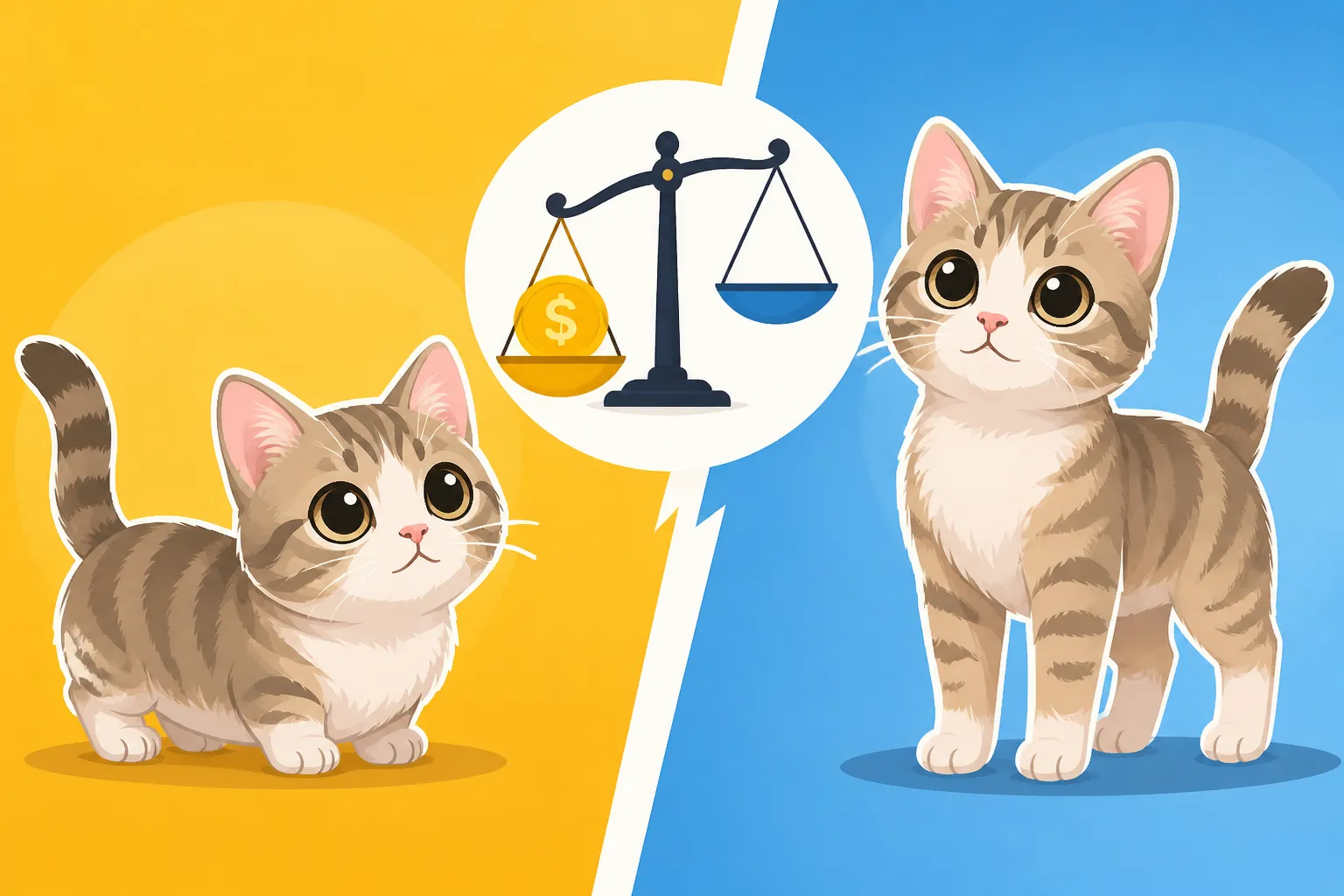
You're in the market for a Munchkin kitten, perhaps scrolling through breeder websites or chatting with enthusiasts, and you've probably noticed something a little perplexing. You might see two kittens from the very same litter, both equally adorable, playful, and with that undeniable Munchkin charm, yet their price tags tell a drastically different story. The main reason for this discrepancy almost always comes down to one thing: the length of their legs. This guide will unravel why those adorable short legs command a premium and why their long-legged siblings, while still purebred Munchkins, typically cost less.
The Genetic Lottery: Why a Munchkin Litter Isn't Uniform
It's easy to assume that if two parents are a certain breed, all their offspring will look exactly alike, especially when it comes to a defining feature like leg length. But with Munchkin cats, it's a bit more nuanced. The short legs are a result of a specific genetic mutation, and understanding how this gene works is key to understanding the price differences within a single litter.
Understanding the Autosomal Dominant Gene
The trait for short legs in Munchkin cats is governed by an autosomal dominant gene. What this means in plain language is that a kitten only needs to inherit one copy of this particular gene from either parent to develop those characteristic short legs. If a kitten inherits two copies of this gene, it's actually lethal, meaning the embryo won't survive, as explained further in Munchkin Dwarfism Is Dominant and Lethal in Two Copies. This crucial genetic detail dictates how breeders must approach Munchkin pairings, always breeding a short-legged Munchkin with a normal-legged cat, also known as an outcross.
Because a short-legged Munchkin carries one copy of the dominant gene and a normal-legged outcross carries no copies, each kitten in the litter has a 50/50 chance of inheriting the gene. It’s like flipping a coin for every embryo. One side means short legs, the other means normal legs. This explains why every Munchkin litter is a carrier cross, resulting in a mix of leg lengths.
The Expected Litter Split
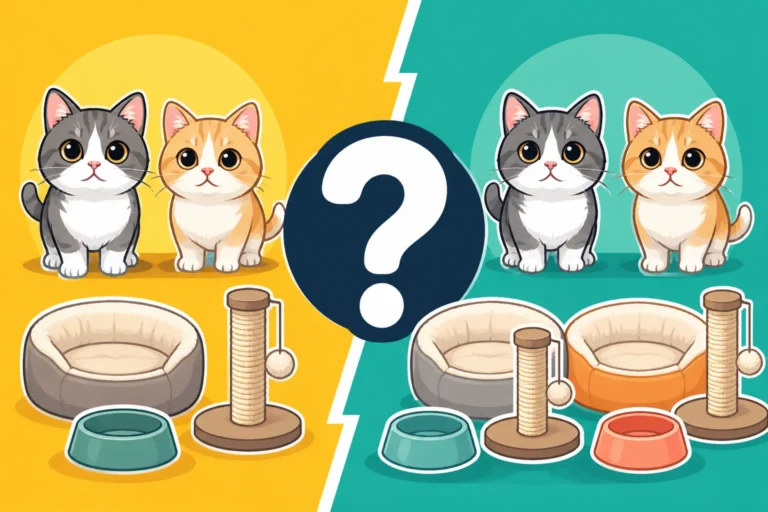
Given this genetic reality, a typical Munchkin litter will naturally consist of both short-legged and normal-legged kittens. It's not a flaw or an accident; it's simply how the genetics play out every single time. Breeders anticipate this split, knowing that roughly half of the kittens will inherit the short-leg gene, and the other half will not. This fascinating aspect of Munchkin breeding explains Why Half a Munchkin Litter Has Normal Legs.
So, while all the kittens share the same parents and the same birth announcement, their genetic inheritance regarding leg length will vary. The kittens without the short-leg gene are often referred to as "non-standard" or "long-legged" Munchkins, but it's vital to remember they are still genetically purebred Munchkins, just without the defining physical characteristic that gives the breed its name. They might have a slightly different future than their short-legged siblings, but their lineage is identical.
The "Munchkin Look": Why Short Legs Command a Premium
The defining characteristic of a Munchkin cat, the very reason most people are drawn to the breed, is its distinctive short legs. This unique appearance sets them apart from other felines and, as a result, creates a significant demand in the market. It's simply the core appeal.
The Defining Feature of the Breed
When you picture a Munchkin cat, you're picturing those adorable, stubby legs that make them look like perpetual kittens or tiny, low-riders. This phenotype, or physical manifestation of the dominant gene, is what the breed standard prioritizes and what enthusiasts seek out. Breeders work diligently to produce healthy kittens exhibiting this trait, and the success of a litter is often measured by the number of short-legged kittens it contains.
This isn't to say that long-legged Munchkins aren't wonderful cats – they absolutely are! They share the same delightful personalities, the same playful antics, and often the same striking colors and patterns as their short-legged siblings. However, they simply don't possess the physical attribute that defines the breed in the public eye and in the show ring. The market values the "Munchkin look," and therefore, the short-legged kittens are seen as more desirable and, consequently, more valuable.
Market Demand and Pricing Structures
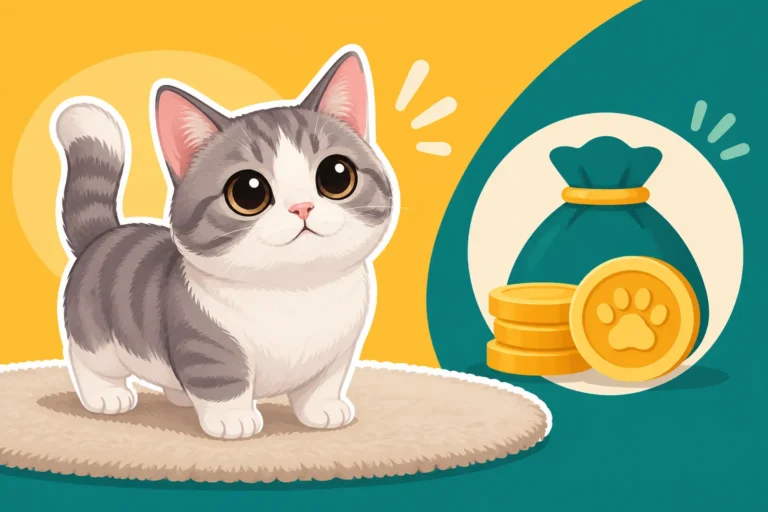
The principle of supply and demand plays a huge role in the pricing of Munchkin kittens. There's a high demand for the short-legged variety, often referred to as "standards" or, if exceptionally short, "rug huggers." People are willing to pay more for the very thing that makes the Munchkin unique. Breeders, understanding this demand, price their short-legged kittens accordingly. This is why How Many Kittens in a Munchkin Litter Are Short Legged directly impacts the overall value of a litter.
On the other hand, while long-legged Munchkins are equally healthy and charming, the demand for them isn't quite as fervent. They don't fit the stereotypical image of the breed, and therefore, their price reflects this. It's not a judgment on their quality as pets, but rather a reflection of market preferences for the specific physical trait. A long-legged kitten is often an excellent option for someone who loves the Munchkin personality but isn't as fixated on the short legs, and appreciates the lower price point.
What Constitutes a "Long-Legged Munchkin"?
When we talk about a "long-legged Munchkin," it's important to clarify what that actually means. These aren't mixed-breed cats; they are genetically purebred Munchkins, indistinguishable in lineage from their short-legged siblings. The difference lies purely in the expression of that one specific gene.
Genetically Pure, Phenotypically Different
A long-legged Munchkin is, at its core, a Munchkin cat that simply did not inherit the dominant gene for chondrodysplasia, which is the genetic condition causing the short legs. This means they have normal-length legs, just like any other domestic cat. They carry the same genetic markers as their short-legged littermates for everything except that one gene. Therefore, they are considered purebred and can still be registered with certain associations, although often with specific designations. Whether a Long Legged Munchkin Can Be Registered covers this in more detail.
They share the same mother and father, the same birth date, and often grow to the same overall body size and weight as their short-legged counterparts, just with legs proportionate to a regular cat. If you didn't know their parentage, you might simply assume they were a very handsome domestic shorthair or longhair, depending on their coat.
Physical Appearance and Behavior
Physically, a long-legged Munchkin will look much like a typical domestic cat in terms of its build and proportions, but often retaining the sweet, often large, expressive eyes and sometimes the specific head shape or coat type of the Munchkin outcrosses used in their lines. They run, jump, and climb with the agility and ease of any other normally proportioned cat. They don't exhibit the unique "ferret-like" gait or the "prairie dog sit" that is characteristic of their short-legged relatives, as described in The Prairie Dog Sit Only a Munchkin Does.
While their short-legged siblings might need ramps to reach the sofa or a special low-entry litter box, a long-legged Munchkin has no such physical limitations. This difference in physical capability means they blend more seamlessly into a standard household setup without the need for the specific adaptations that short-legged Munchkins require. This functional normalcy is part of why they are priced differently.
Breeder Investment and Costs
Behind every adorable kitten, whether short-legged or long-legged, there's a significant investment of time, money, and effort from the breeder. From health testing to food, vet care, and proper socialization, the costs for every kitten in a litter are largely the same. However, the potential return on that investment differs based on the kitten's leg length, which influences the final price.
Shared Rearing Costs
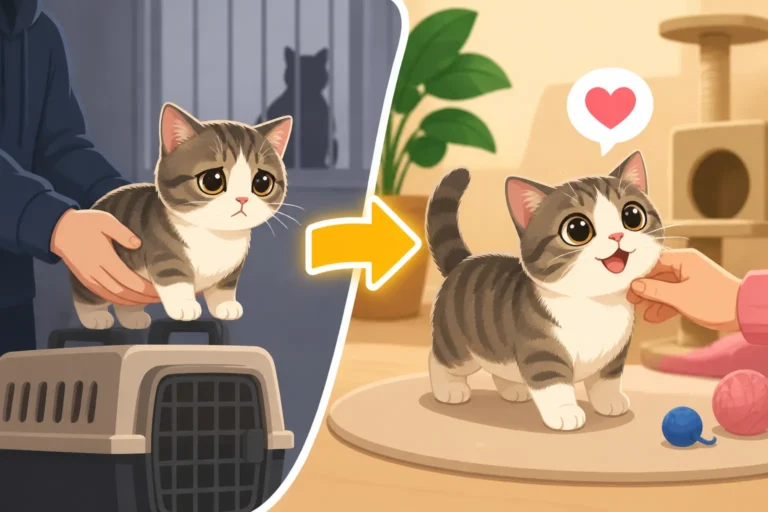
Every kitten in a Munchkin litter receives the same foundational care. This includes comprehensive veterinary check-ups for the queen and her kittens, vaccinations, deworming, microchipping, and high-quality nutrition. The breeder invests in creating a safe, stimulating environment for their development, which might include special low-entry litter boxes (easily found at places like Chewy or other pet supply stores) and ramps for the short-legged kittens, even though the long-legged ones might not strictly need them. They also spend countless hours on socialization, ensuring each kitten is friendly, confident, and well-adjusted to human interaction.
Regardless of leg length, all the initial expenses, such as the stud fee, breeding health clearances, maternity care for the mother, and the exhaustive daily care for the litter, are distributed across all kittens. These fixed costs are considerable, and a responsible breeder will ensure every kitten, whether short-legged or long-legged, benefits from them equally.
Valuation Based on Phenotype and Breeding Potential
Where the pricing diverges is in the inherent value placed on the short-legged phenotype. For a breeder, the short-legged kittens represent the perpetuation of the breed's defining characteristic. These are the kittens that will either go into show homes, approved breeding programs (with careful oversight, as Why a Munchkin Is Always Bred to a Normal Legged Cat explains), or be highly sought after as pets by those specifically wanting the distinct Munchkin look. This higher demand translates to a higher price.
Long-legged Munchkins, while still excellent pets, generally don't carry the same breeding or show potential. They cannot be used to produce more short-legged Munchkins if bred to another long-legged cat (because they don't carry the gene), and they don't meet the visual standard for showing as a "Munchkin" cat. They are often sold as companion animals, and their pricing reflects this role, offering a more accessible entry point to owning a purebred Munchkin-descended cat without the premium associated with the unique leg structure. This is often why What a Long Legged Munchkin Kitten Is Worth is significantly less than a short-legged one.
The Ownership Experience: Adapting for Short vs. Long Legs
Beyond the initial purchase price, the choice between a short-legged and long-legged Munchkin can subtly influence your long-term ownership experience, particularly regarding household adaptations and potential health considerations. While both are wonderful companions, their physical differences do lead to varying needs.
Adapting Your Home Environment
One of the biggest differences you'll encounter as an owner is the need for home modifications. A short-legged Munchkin, while surprisingly agile, simply cannot jump to the same heights as a normal-legged cat. This means you'll likely need to invest in ramps, steps, or strategically placed furniture to allow them to access sofas, beds, and windowsills. This commitment to adapting your home is a significant part of Why a Munchkin's House Costs More Than the Cat. You might find yourself browsing Chewy for pet stairs or custom-building platforms to ensure your little one can navigate their world safely and comfortably.
In contrast, a long-legged Munchkin requires no special adaptations. They can leap onto counters, scale cat trees, and access elevated spaces just like any other cat. This absence of modification needs makes their care feel more "standard" and often appeals to owners who prefer not to alter their living spaces extensively. It's a key reason why their initial cost is lower; the long-term investment in adaptive equipment isn't part of the package.
Long-Term Health and Mobility Considerations
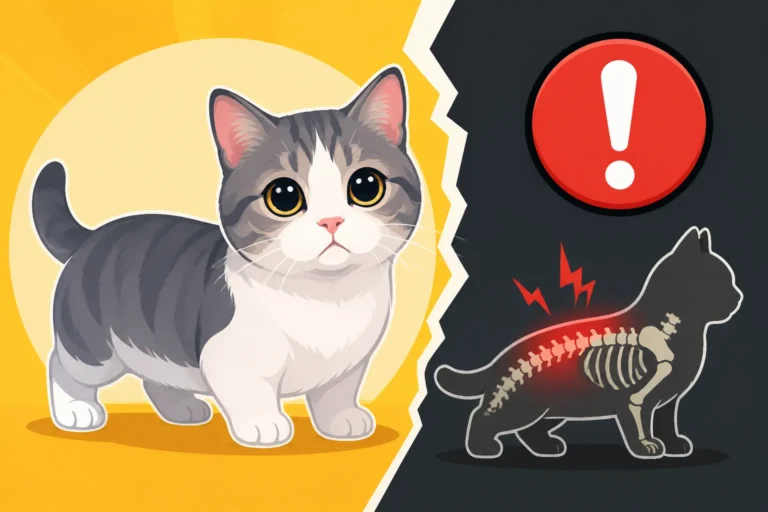
While both varieties of Munchkin cats are generally healthy, the short-legged variant does face some unique considerations due to their bone structure. Their shortened limbs mean their spines carry a different load, which is discussed in Why a Munchkin's Spine Carries a Load a Normal Cat's Does Not. Conditions like lordosis and pectus excavatum, while not exclusive to Munchkins, are often highlighted in discussions about their health. While reputable breeders screen for these issues, and many Munchkins live long, healthy lives, these are still considerations that an owner of a short-legged cat should be aware of. You might consider pet insurance from providers like Healthy Paws for peace of mind, covering potential future vet visits for these types of concerns.
A long-legged Munchkin, by virtue of having normal leg proportions, generally doesn't share these specific skeletal concerns related to their limb length. Their anatomy is more akin to a standard domestic cat, reducing the likelihood of issues directly stemming from chondrodysplasia. This isn't to say they are immune to all health problems – no cat is – but the breed-specific skeletal concerns associated with short legs are largely absent. This can sometimes contribute to the perception of lower long-term risk and, therefore, a lower initial purchase price.
Registration and Show Ring Eligibility
For many purebred cats, registration with a recognized cat fancy association and the potential for show ring success are significant factors influencing price and desirability. For Munchkins, specifically the short-legged kind, this path is unique, and long-legged Munchkins have a different role within these organizations.
TICA's Acceptance of the Munchkin Breed
The International Cat Association (TICA) is the primary registry that fully recognizes the Munchkin breed, including allowing them to compete for championship status. However, this recognition specifically applies to the short-legged variant. To be eligible for show, a Munchkin must exhibit the characteristic short legs according to the breed standard, which describes What the TICA Munchkin Standard Asks For. This means that only the kittens displaying the distinctive phenotype are considered true "standard" Munchkins in the context of TICA's championship classes.
This official recognition and show potential add a layer of value to short-legged Munchkins. A kitten from championship lines or one with show potential will naturally command a higher price, reflecting the breeder's investment in adhering to the standard and achieving recognition within the cat fancy. It's a significant marker of breed quality and adherence to desired traits.
The Status of Long-Legged Munchkins
Long-legged Munchkins, while still purebred and part of the same genetic family, cannot be shown in championship classes as "Munchkins" because they do not possess the defining short legs. They are generally registered as "non-standard Munchkins" or simply "domestic shorthairs/longhairs" within TICA, depending on the specific parentage and registry rules. This means they cannot earn titles or contribute to a breeder's show record in the same way their short-legged siblings can.
This lack of show ring eligibility for the defining trait reduces their market value from a breeder's perspective, especially if the breeder is focused on producing show-quality animals. While they might still be registered, the "value" of that registration is different. They are typically sold exclusively as pets, wonderful companions, but without the premium associated with being a representative of the breed's distinct physical standard in competition.
Ethical Considerations and Breeder Practices
The existence of short-legged and long-legged Munchkins within the same litter also brings up ethical considerations and highlights responsible breeding practices. Responsible breeders operate with transparency, understanding the genetic implications and how to best care for all their kittens.
Responsible Breeding and Genetic Health
A truly responsible Munchkin breeder will always outcross a short-legged Munchkin with a normal-legged domestic cat or a non-Munchkin purebred, as detailed in Why a Munchkin Is Always Bred to a Normal Legged Cat. This practice is vital because breeding two short-legged Munchkins together would result in a percentage of embryos inheriting two copies of the dominant gene, leading to non-viable pregnancies and potential distress for the queen. By outcrossing, breeders ensure the health and viability of their litters while still producing short-legged kittens.
Ethical breeders prioritize the health of all their kittens, regardless of leg length. They conduct thorough health screenings of parent cats, genetic testing where available, and provide full disclosure about the potential health considerations associated with the breed. They will ensure every kitten receives excellent care, early socialization, and a healthy start in life before going to their new homes.
Transparency in Pricing and Placement
Part of ethical breeding involves transparent pricing that reflects the different characteristics and potentials of the kittens in a litter. A reputable breeder will openly explain why a short-legged Munchkin costs more – due to its adherence to the breed standard, market demand, and perhaps higher potential for show or breeding (if sold with breeding rights, which typically carry additional costs and strict contracts). They will also clearly state that long-legged Munchkins, while equally cherished, are priced lower because they do not express the defining trait of the breed and therefore don't fit the same market niche or show potential.
This transparency allows prospective owners to make informed decisions based on their preferences, budget, and understanding of the breed's unique genetics. A breeder who tries to sell a long-legged Munchkin at the same price as a short-legged one, or misrepresents its leg length, would be a significant red flag. They understand that What a Long Legged Munchkin Kitten Is Worth is inherently different due to these factors.
Long-Term Financial Implications for Owners
Beyond the initial purchase price, the differences between a short-legged and a long-legged Munchkin can affect long-term costs. While many expenses, like food, routine vet care, and general supplies, are similar, some categories of expenditure might diverge.
Cost of Adapted Environment
As discussed, a short-legged Munchkin typically requires adaptations to their living environment. This can include:
- Ramps and Steps: To access furniture, beds, and windowsills. These can range from affordable DIY solutions to custom-built, aesthetically pleasing ramps.
- Low-Entry Litter Boxes: Essential for easy access and to prevent discomfort or accidents, as their low stature can make climbing into standard boxes difficult.
- Modified Cat Trees: Standard cat trees with wide gaps between platforms are often unusable. Owners might need to find specialized trees with closer platforms or add ramps to existing ones.
These items add to the initial setup cost of owning a short-legged Munchkin, contributing to How Much a Munchkin's First Year Costs With Ramps Included. While these are one-time or infrequent purchases, they are a necessary part of creating a suitable home. A long-legged Munchkin, on the other hand, can use standard pet equipment, reducing these initial and ongoing adaptation expenses.
Veterinary Care and Insurance Premiums
While it's impossible to predict any individual cat's health, the breed-specific structural considerations of short-legged Munchkins can sometimes influence veterinary costs. Owners might opt for more frequent orthopedic check-ups or be more inclined to invest in pet insurance. While Healthy Paws offers comprehensive coverage, some insurers might view certain breed-specific conditions differently, even if they don't explicitly exclude them. It's always wise to check policy details.
Long-legged Munchkins, due to their more typical feline anatomy, might theoretically incur fewer costs related specifically to dwarfism-associated conditions. While regular vet check-ups are still crucial for both, the absence of short-leg-related skeletal issues can offer some peace of mind and potentially lower the likelihood of needing specialized care down the line. This potential for lower future veterinary spending also indirectly contributes to their lower initial purchase price, as they are seen as less of a "risk" in terms of future medical bills related to their unique structure.
Table: Munchkin Kitten Cost & Ownership Factors
| Feature | Short-Legged Munchkin (Standard) | Long-Legged Munchkin (Non-Standard) |
|---|---|---|
| Initial Purchase Price | Higher (often significantly) | Lower |
| Defining Trait | Short legs (chondrodysplasia) | Normal length legs |
| Show Eligibility | Yes, in TICA championship classes | No, cannot be shown as a Munchkin in championship |
| Breeding Potential | Can be bred to normal-legged cats (with ethics/contract) | Cannot be used to perpetuate short-leg trait |
| Home Adaptations | Often required (ramps, low-entry boxes, modified cat trees) | Generally not required |
| Physical Mobility | Excellent, but restricted jumping/climbing height | Standard cat mobility, jumps/climbs normally |
| Breed-Specific Skeletal Concerns | Possible (e.g., lordosis, pectus excavatum) | Less likely to have dwarfism-related skeletal concerns |
| Market Demand | High, due to unique "Munchkin look" | Moderate, valued for personality over specific trait |
| Overall Value Proposition | Unique appearance, adherence to breed standard, show potential | Purebred lineage, normal mobility, lower upfront cost |
Conclusion: Making an Informed Choice
Ultimately, the decision to bring a short-legged or long-legged Munchkin into your home is a deeply personal one, driven by your preferences, lifestyle, and budget. Understanding why there's a price difference isn't about judging one type of cat over another, but about appreciating the unique genetics and market forces at play within the breed. Both short-legged and long-legged Munchkins are capable of being incredibly loving, playful, and loyal companions, each bringing their own distinct set of characteristics to your life. Whether you're drawn to the undeniable charm of those stubby legs or prefer the traditional agility of a normal-legged feline, knowing the full picture empowers you to make an informed and happy choice for your family.
Disclaimer
This article is for general informational purposes only and does not constitute professional advice. Laws, prices and regulations vary by location and change over time. Consult a qualified professional for guidance on your specific situation.