What Aftercare Costs When a Munchkin Is Put to Sleep
There's a moment in every pet owner's life that we dread, a decision we hope we never have to make, but one that sometimes becomes the most compassionate choice we can offer our beloved companions: saying goodbye. When that time comes for your precious Munchkin, the emotional weight is immense, often overshadowing the practical considerations. But understanding what aftercare costs when a Munchkin is put to sleep can help ease some of the burden during a profoundly difficult period. This guide aims to walk you through the various options and expenses involved, so you can make informed choices with a little less stress.
The Heartbreaking Reality: Understanding Euthanasia and Immediate Aftercare Costs
Saying goodbye is never easy, and for our short-legged friends, who bring so much joy and quirky personality into our lives, it's particularly heart-wrenching. The decision to euthanize is one made out of love, to prevent suffering, often after a long and full life or a sudden, irreversible illness. The Twelve to Fifteen Years a Munchkin Usually Gets is a blessing, but it means preparing for that eventual farewell.
The Euthanasia Procedure Itself
The first part of aftercare costs typically involves the euthanasia procedure itself. This is a gentle, peaceful process designed to minimize stress and pain for your cat. Most veterinarians will administer a sedative first, often as an injection, to help your Munchkin relax and drift off into a calm sleep. This initial step is crucial for ensuring a tranquil passing, and it's something many owners deeply appreciate, as it allows for a calm cuddle before the final step.
Once your Munchkin is deeply sedated and comfortable, the veterinarian will administer the euthanasia solution, typically into a vein. This medication works very quickly and painlessly to stop the heart and brain function. The cost for this procedure includes the veterinary visit fee, the sedation, and the euthanasia drug itself. Prices can vary significantly based on your location and the veterinary practice. Some clinics offer home euthanasia, where a vet comes to your house. While often a more comfortable and less stressful environment for both you and your cat, this service typically incurs a higher cost due to the added travel time and personalized attention. It's a premium option that many find invaluable for the peace it brings to their final moments with their pet.
Initial Decisions After Euthanasia
Once the procedure is complete, you'll be faced with immediate decisions regarding your Munchkin's physical remains. These choices directly influence the initial aftercare costs. You generally have a few main paths:
- Taking your pet home for burial: Some owners choose to take their beloved Munchkin home to bury them in a favorite spot in the garden. This option usually involves only the cost of the euthanasia procedure itself, plus any basic transport or handling fees if the vet assists with preparing your pet for transport.
- Leaving your pet with the veterinary clinic for communal cremation: This is often the most economical cremation option. With communal cremation, your Munchkin is cremated alongside other pets, and the ashes are scattered or buried together at a pet cemetery, so no individual ashes are returned to you.
- Arranging for individual or private cremation: This option means your Munchkin is cremated alone, and their ashes are carefully collected and returned to you in an urn or memorial box. This is a more personal choice and, consequently, a more expensive one.
These immediate choices need to be made at a time of immense grief, which can feel overwhelming. It's perfectly normal to feel unprepared, even if you've been Caring for a Munchkin Past Ten for years and knew this day was coming. When considering expenses, it's important to remember that general pet insurance policies, while helpful for medical emergencies and ongoing care, may have specific clauses regarding euthanasia and aftercare. Whether Pet Insurance Covers a Munchkin's Spine might be a question you've considered for medical issues, but for end-of-life aftercare, many policies either offer limited coverage or no coverage at all for these specific services, especially for cremation or burial. It's always best to check your policy details well in advance, if possible, to avoid surprises.
Honoring Their Memory: Exploring Cremation Options for Your Munchkin
For many pet parents, cremation offers a way to keep a part of their beloved Munchkin close, providing a tangible memory. There are two primary types of cremation, each with different costs and implications for remembrance.
Communal vs. Private Cremation
The distinction between communal and private cremation largely dictates the cost and whether you receive your pet's ashes back.
Communal Cremation:
In communal cremation, several pets are cremated together. After the process, their ashes are collected and typically scattered in a designated memorial garden or buried in a communal plot by the pet crematorium. This option is generally more affordable because it's a shared service. It offers a respectful way to handle your pet's remains without the added expense of individual ash retrieval. For some, the idea of their pet resting alongside others brings comfort, a collective peace. For others, the lack of individual ashes means a less personal connection.
Private Cremation:
Private cremation, on the other hand, means your Munchkin is cremated entirely by themselves. This ensures that the ashes you receive are exclusively those of your cat. Once the cremation is complete, the ashes are carefully returned to you, often in a simple urn, a wooden box, or a sealed container. This allows you to scatter them in a meaningful place, keep them in your home, or inter them in a personal memorial spot. Because it requires individual handling and dedicated crematorium time, private cremation is a more costly option. It's a choice many make for the deep personal connection and the ability to choose a final resting place that truly resonates with them.
The logistics for both communal and private cremation are usually handled seamlessly by your veterinary clinic, who partners with a local pet crematorium. They will transport your Munchkin's body, manage the paperwork, and, in the case of private cremation, facilitate the return of the ashes to you, either directly or via the clinic.
The Cost Breakdown of Cremation Services
The cost of cremation for your Munchkin will depend on several factors, making it a range rather than a fixed price.
- Type of Cremation: As discussed, private cremation is significantly more expensive than communal cremation due to the individualized service.
- Pet's Weight: While Munchkins are generally smaller cats, the pricing structure for pet cremation often scales with the animal's weight. Even within the "cat" category, there might be slight variations if your Munchkin is particularly robust or very petite.
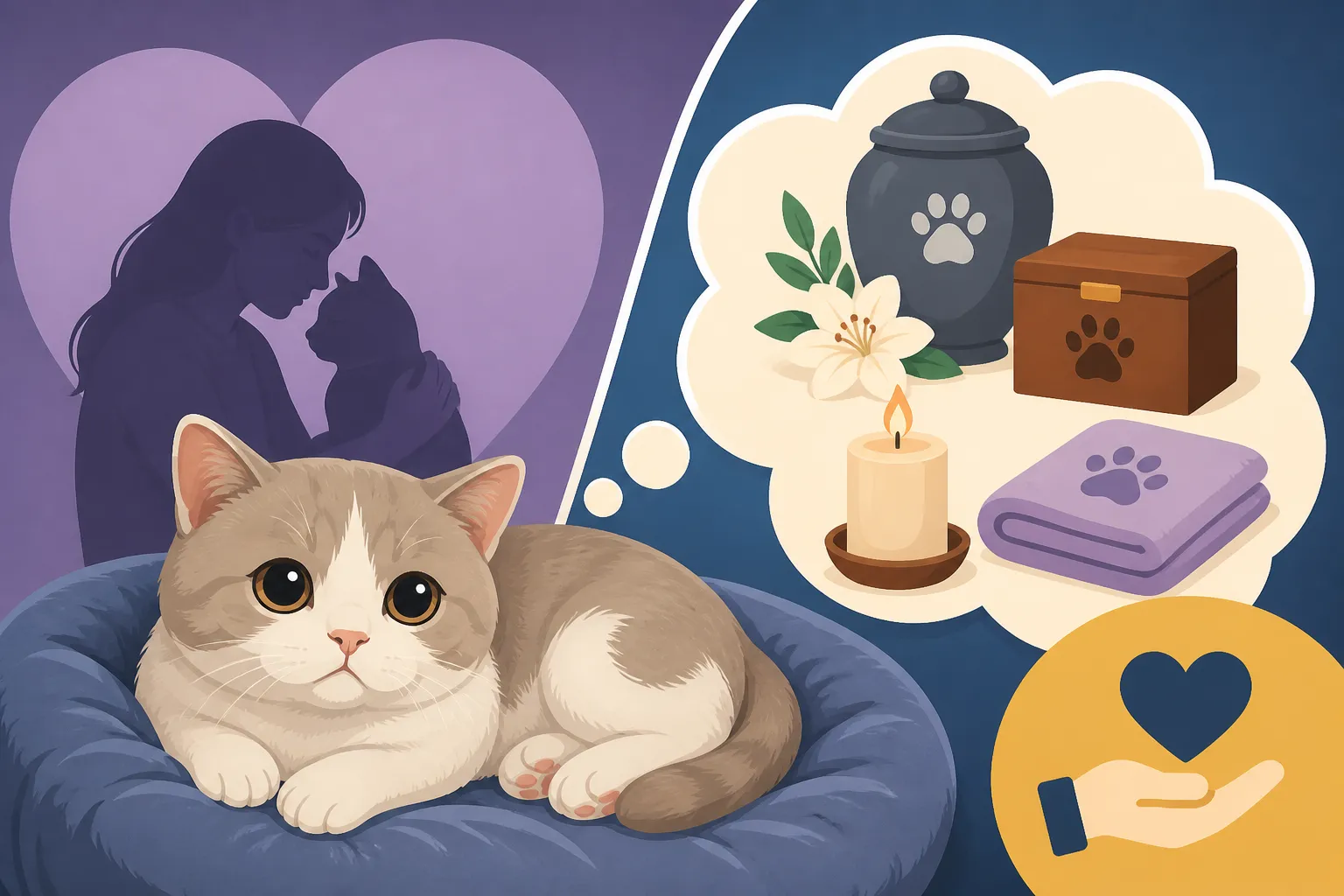
- Urn or Container Choice: The basic cost of private cremation usually includes a standard urn or a simple receptacle for the ashes. However, pet crematories and veterinary clinics often offer a wide array of upgraded urns—from elegant ceramic designs to personalized wooden boxes, or even bio-degradable options for scattering. These can add a considerable amount to the final bill.
- Additional Keepsakes: Many owners choose to memorialize their Munchkin with keepsakes, which come at an extra charge. These might include:
- Paw Prints: Impressions of your Munchkin's paw in clay or plaster.
- Fur Clippings: A small lock of fur for a memory locket or display.
- Engraved Plaques or Memory Boxes: Custom items that hold photographs or other mementos.
These additional memorial items, while deeply comforting, are entirely optional and contribute to the overall cost. It's worth considering what level of remembrance brings you peace without adding undue financial stress during an already trying time.
Here's a general comparison of the two main cremation options:
| Feature | Communal Cremation | Private Cremation |
|---|---|---|
| Ashes Returned | No, scattered or buried communally | Yes, individual ashes returned |
| Cost | Lower | Higher |
| Personalization | Minimal (e.g., certificate of cremation) | High (choice of urns, keepsakes, specific return) |
| Logistics | Handled by vet/crematorium, no owner interaction | Handled by vet/crematorium, ashes returned to owner |
| Emotional Impact | Provides closure, but no physical reminder | Provides a tangible connection and final resting choice |
Choosing a Reputable Cremation Provider
When dealing with such a sensitive matter, trusting your provider is paramount. Your veterinary clinic will likely have a long-standing relationship with a pet crematorium they recommend. Don't hesitate to ask them about their chosen partner. Inquire about their processes, their facilities, and how they ensure the respectful handling of pets.
Transparency in services and pricing is a good indicator of a reputable provider. You should feel comfortable asking all your questions, no matter how small, to ensure you understand exactly what you're paying for and how your Munchkin will be cared for. Reading reviews from other pet owners or seeking recommendations within local pet communities can also offer valuable insights into the experiences of others. While brands like Healthy Paws are excellent for pet insurance, and Chewy is great for pet supplies, they don't typically directly handle cremation services. Your vet's recommendation is usually your most reliable guide here.
A Final Resting Place: Burial Considerations and Associated Expenses
Choosing burial offers another deeply personal way to lay your Munchkin to rest. Whether in your own backyard or a dedicated pet cemetery, each option comes with its own set of practicalities and financial implications.
Home Burial: Logistics and Local Regulations
The thought of burying your beloved Munchkin in a familiar, cherished spot in your garden is incredibly appealing for many. It provides a sense of permanence and closeness, allowing you to visit their resting place whenever you wish. However, the emotional comfort of home burial must be weighed against important practical and legal considerations.
Firstly, and perhaps most crucially, local ordinances and homeowner association (HOA) rules are paramount. Many municipalities have strict regulations regarding the burial of pets on private property, citing concerns about public health, groundwater contamination, and the potential for disturbing the remains. Before you dig even a spadeful of earth, it is absolutely essential to check with your local city or county animal control, environmental health department, or even your HOA. Ignoring these rules could lead to fines or, worse, requiring you to disinter your pet, adding immeasurable heartache to an already painful situation.
Assuming local regulations permit it, consider the practicalities of the burial itself. The grave needs to be dug deep enough to prevent disturbance by other animals and to ensure proper decomposition. For a Munchkin, this might mean a depth of at least two to three feet, ideally more, with several feet of soil above the body. The ground conditions also play a role; rocky soil or areas with a high water table can make digging difficult or unsuitable for burial. Many owners choose to wrap their pet in a favorite blanket or place them in a small, biodegradable casket. Marking the grave with a small stone, plant, or a simple wooden cross can help create a lasting memorial.
While home burial often appears to be the most "cost-free" option after the euthanasia itself, there are still potential expenses. You might need to purchase tools for digging, materials for marking the grave, or even a small casket. These aren't always significant, but they are part of the overall aftercare consideration. The emotional benefit of having your Munchkin close, where you can often see their resting place from a window or as you tend your garden, is often priceless for owners seeking ongoing comfort.
Pet Cemeteries and Memorial Parks
For those who either cannot bury their pet at home due to local laws, lack of suitable space, or simply prefer a more formal and protected resting place, pet cemeteries and memorial parks offer a beautiful alternative. These dedicated grounds provide plots where pets can be interred, much like human cemeteries.
The costs associated with pet cemeteries can be substantial, and it’s important to understand the components involved:
- Plot Purchase: This is the initial cost for the physical space where your Munchkin will be buried. The size and location of the plot can affect the price.
- Opening and Closing Fees: These are charges for the labor involved in preparing the grave site and then backfilling it after interment.
- Headstone or Marker: Just like human cemeteries, you’ll typically have options for various types of headstones or markers, ranging from simple flat plaques to more elaborate upright monuments. Custom engraving, materials, and size all influence the cost.
- Ongoing Maintenance Fees: Many pet cemeteries charge annual or one-time endowment fees to cover the perpetual care and maintenance of the grounds, ensuring the cemetery remains a peaceful and well-kept memorial space.
These costs can vary widely depending on the pet cemetery's location, prestige, and the specific services and materials you choose. It's not uncommon for the total expense to be comparable to, or even exceed, what some might expect for human burial services. However, a pet cemetery guarantees a permanent, protected resting place, often with beautiful landscaping and a serene atmosphere for reflection. This can be a profound source of solace, knowing that your Munchkin's final resting place is secure and cared for in perpetuity.
Planning Ahead and Emotional Support During a Difficult Time
The journey of pet ownership, especially with a unique and endearing breed like the Munchkin, is filled with immense joy, but it also means facing the inevitable goodbye. Preparing for that moment, both financially and emotionally, can make a significant difference.
Financial Planning for End-of-Life Care
It's a conversation no one wants to have, but thinking about end-of-life care well in advance can alleviate a significant burden during an already emotional time. Just as you plan for What a Munchkin Costs Over Thirteen Years in terms of food, vet visits, and toys, allocating a small fund for future euthanasia and aftercare can be incredibly helpful. This doesn't mean dwelling on the sad future, but rather being a responsible and prepared pet parent.
Consider setting aside a small amount each month, perhaps in a separate savings account, specifically for this purpose. Knowing that the financial aspects are handled allows you to focus purely on your Munchkin in their final moments, rather than worrying about bills. Some veterinary clinics may offer payment plans for euthanasia services, though this is less common for aftercare options like cremation or burial, which are often handled by third-party providers. Always ask your vet about their financial policies and any support they can offer.
As mentioned earlier, while pet insurance can be a lifesaver for unexpected illnesses or accidents, policies vary greatly on end-of-life coverage. It's crucial to understand what your policy covers for euthanasia (if medically necessary) and whether any aftercare services are included. Proactive planning can also involve researching local pet cremation services or pet cemeteries in your area to get a general idea of their cost structures. Having this information on hand, even just a rough estimate, can make decision-making much smoother when the time comes. Many Munchkins live full, happy lives, often reaching The Twelve to Fifteen Years a Munchkin Usually Gets, so preparing for their senior years and eventual passing is a thoughtful part of their long-term care.
Seeking Emotional Support
Losing a beloved pet is a profound experience, and the grief can be just as intense as losing a human family member. It's a real, valid loss, and it’s important to acknowledge and honor your feelings. For many, a Munchkin is more than just a pet; they're a quirky, cherished member of the family, and their absence leaves a huge void. This is particularly true if you've been monitoring their health for conditions that might eventually lead to difficult decisions, like those sometimes associated with their unique physiology. When faced with signs like What an Old Munchkin Stops Being Able to Do or if you notice Why a Withdrawn Munchkin Should See a Vet, the emotional toll of knowing the end is near can be immense.
Don't feel pressured to "get over it" quickly or to minimize your grief. Everyone processes loss differently, and there's no right or wrong way to mourn. Seek out emotional support from those who understand. This could be friends or family members who have also experienced pet loss, or dedicated pet loss support groups. Many communities offer in-person groups, and there are numerous online forums and hotlines specifically designed to help pet owners navigate their grief. These resources can provide a safe space to share your feelings, connect with others who truly empathize, and find coping strategies.
Sometimes, the decision to euthanize is the hardest part. Carefully considering How to Judge a Munchkin's Quality of Life is paramount, and it often involves difficult conversations with your veterinarian about their comfort, mobility, and overall happiness. Knowing you made a loving choice can be a comfort, but it doesn't erase the pain. Remember that it's okay to cry, to feel angry, to feel lost. Allow yourself time to heal, and be gentle with yourself through this challenging period. The love you shared with your Munchkin leaves an indelible mark, and honoring that bond, even in sorrow, is a testament to the special place they held in your heart.
Disclaimer
This article is for general informational purposes only and does not constitute professional advice. Laws, prices and regulations vary by location and change over time. Consult a qualified professional for guidance on your specific situation.