Where in Europe a Munchkin Cannot Be Shown at All
It’s a truly confusing and sometimes heartbreaking situation for anyone who loves Munchkin cats and lives in Europe. You might fall head over heels for their adorable short legs, only to discover that the very act of breeding or even showing them is viewed very differently—and sometimes legally restricted—depending on which country you call home. This guide aims to clear up some of that confusion, shedding light on where in Europe the Munchkin cat faces significant challenges and why, helping you understand the complex legal and ethical landscape.
Understanding the Legal Landscape of Munchkin Breeding and Showing in Europe
The tapestry of European laws and regulations regarding animal welfare is intricate and, frankly, often contradictory. What’s perfectly acceptable in one country might be deemed illegal or unethical in another. This patchwork approach makes it incredibly challenging for international breeders and prospective owners to navigate, especially when considering a breed like the Munchkin, which carries specific genetic traits. It's not just about a preference; it often delves into deeply held ethical stances on animal breeding practices.
The Role of Cat Registries and Federations
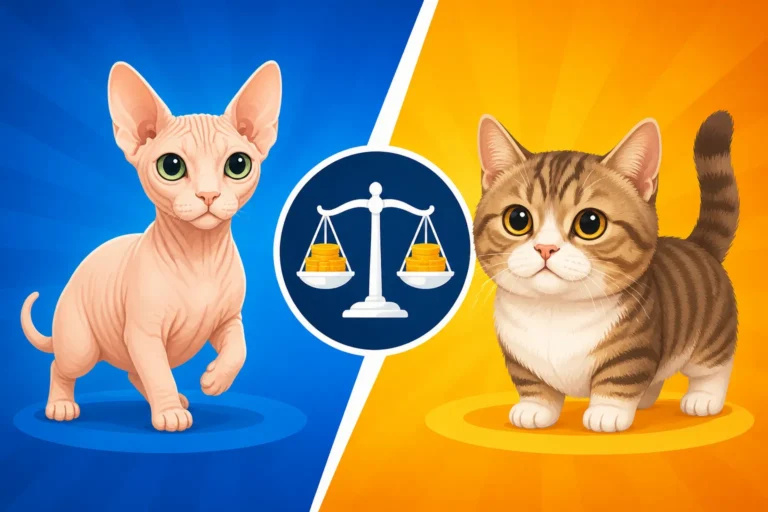
Across Europe, various cat registries and federations hold significant sway over which breeds are recognized, allowed to be shown, and thus, implicitly, bred. Organizations like The International Cat Association (TICA) are global and do recognize the Munchkin for championship status, meaning they can be shown under TICA rules in various parts of the world. However, many prominent European federations have taken a different stance. The Fédération Internationale Féline (FIFe), for instance, which governs many national cat clubs across Europe, generally does not recognize breeds associated with genetic health problems or physical exaggerations that could impair a cat's quality of life. This means that even if a breed is recognized by TICA, it might be barred from FIFe-affiliated shows, effectively shutting down show opportunities for a significant portion of the continent.
This divergence in recognition is not merely bureaucratic. It reflects a fundamental disagreement within the cat fancy about the ethics of breeding cats with certain genetic mutations. For instance, you might be familiar with the discussion around TICA Judges the Munchkin and CFA Will Not Register It, highlighting a similar divide even within North America. The European stance often leans heavily towards prioritizing animal welfare over aesthetic preferences, which directly impacts breeds like the Munchkin.
National Animal Welfare Legislation
Beyond the cat fancy's internal rules, national animal welfare laws are the true game-changer. Several European countries have robust legislation designed to prevent what they term "torture breeding" or "cruelty breeding" (Qualzucht in German). These laws are explicitly designed to prohibit the breeding of animals that suffer from genetic defects leading to pain, suffering, harm, or behavioral disorders. The short legs of the Munchkin, a form of dwarfism known as pseudoachondroplasia, place it squarely within the scope of these laws in certain nations. These legislative frameworks often don't explicitly name the "Munchkin cat" but rather define categories of traits that are prohibited for breeding.
This means that even if a breeder were to adhere to a registry like TICA's standards, they could still face legal repercussions, including fines or even imprisonment, for breeding Munchkins within these countries. The enforcement of these laws can vary, but their existence creates a serious barrier to breeding and often ownership. For many owners, it’s a shock to discover that their pet could be considered part of a "cruelty breeding" lineage, even if their individual cat is healthy.
Specific Countries and Their Stances on Munchkin Cats
When we talk about Europe, it's crucial to remember that it's a continent of many sovereign nations, each with its own legal framework. While there's a general trend, specific rules differ significantly. This means you need to do your homework for the exact country you're interested in.
Nations with Explicit Breeding or Showing Bans
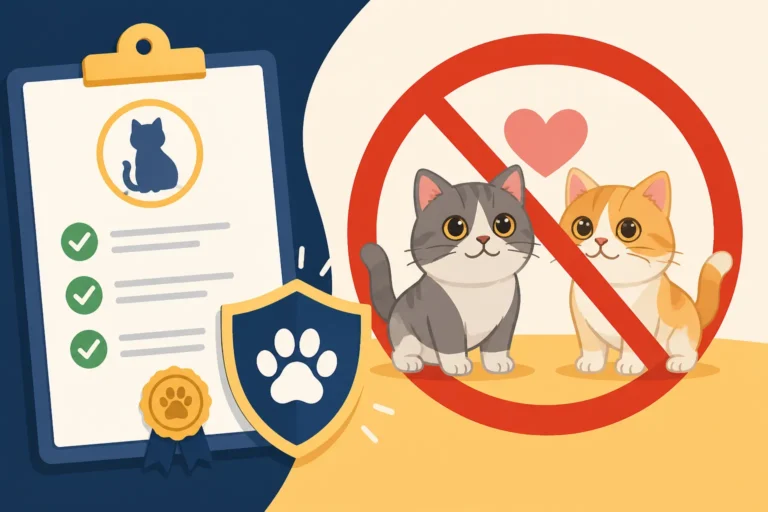
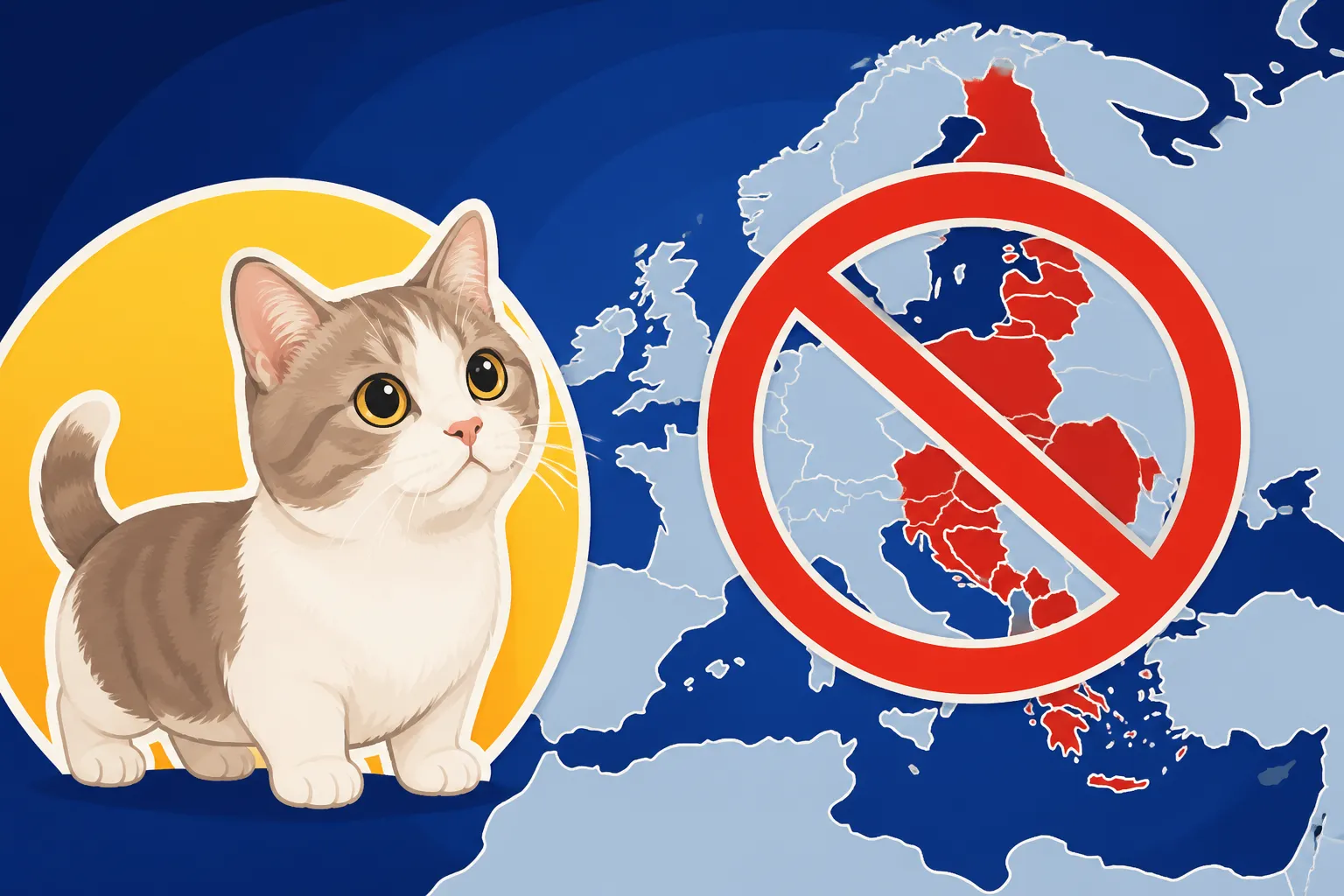
Several European countries have taken a firm stance against the breeding of Munchkin cats, often due to interpretations of their animal welfare acts. Germany is perhaps the most well-known example. Its Animal Welfare Act, specifically its "Qualzucht" (cruelty breeding) paragraph, is widely interpreted to prohibit the breeding of Munchkin cats due to their inherent dwarfism. The argument centers on the idea that breeding for a genetic mutation that causes shortened limbs, and potentially associated spinal or joint issues, constitutes cruelty. This doesn't necessarily mean owning a Munchkin is illegal, but breeding them or even selling them with the intent for breeding often is.
Similarly, the Netherlands has taken a strong position, with regulations aiming to prevent the breeding of animals with harmful genetic traits. The Munchkin falls under these regulations, effectively banning their breeding and sale within the country. Other countries like Belgium have also implemented strict interpretations of their animal welfare laws that restrict or outright prohibit the breeding of cats with genetic conditions causing physical deformities. This means that if you're living in one of these countries, participating in any cat show with a Munchkin, regardless of the sanctioning body, would likely be impossible and could even lead to legal trouble. It highlights why saying the Munchkin is legal to breed everywhere (Whether the Munchkin Is Legal to Breed Everywhere) is a problematic statement.
Countries with Implicit Restrictions or No Recognition
Beyond outright bans, many other European countries have implicit restrictions due to the lack of recognition from their dominant national cat registries. For example, while countries like France or Italy might not have explicit breeding bans on Munchkin cats in the same way Germany does, their primary cat associations, which are usually affiliated with FIFe, do not recognize the breed. This means Munchkins cannot be shown in major national shows, cannot obtain championship titles through these organizations, and breeders often struggle to find official registration pathways that are widely accepted within their own country's cat fancy.
This lack of recognition creates a significant hurdle. Without official breed standards or showing opportunities through mainstream channels, breeders operate in a more niche, often less regulated, environment. For owners, it means that while you might legally own a Munchkin, the avenues for participating in the broader cat community, such as showing or even finding local breed clubs, are severely limited. This also affects the perceived legitimacy and value of the breed within the national context, often driving prices down for non-recognized cats, or making it difficult to verify lineage.
The Ethical Debate: Why Some Countries Ban the Munchkin
The decision to ban or restrict the Munchkin isn't arbitrary; it stems from a profound ethical debate within the animal welfare community and among veterinary professionals. It centers on the concept of "welfare breeding" versus "designer breeding," questioning where the line should be drawn between admiring unique traits and deliberately perpetuating a condition that might lead to discomfort or health problems for the animal.
Welfare Concerns and 'Torture Breeding' Arguments
The core of the argument against Munchkin breeding revolves around the welfare of the cat itself. The short legs are a result of pseudoachondroplasia, a form of dwarfism that affects bone growth. While many Munchkin owners report their cats lead active, seemingly normal lives, critics argue that breeding for such a significant skeletal anomaly inherently predisposes the cats to certain health issues. The term "torture breeding" is used by some to describe the practice of intentionally breeding animals with genetic conditions that cause physical discomfort or restrict natural feline behaviors like jumping and climbing. For an in-depth look at this, consider reading What the Short Legs Actually Cost a Munchkin.
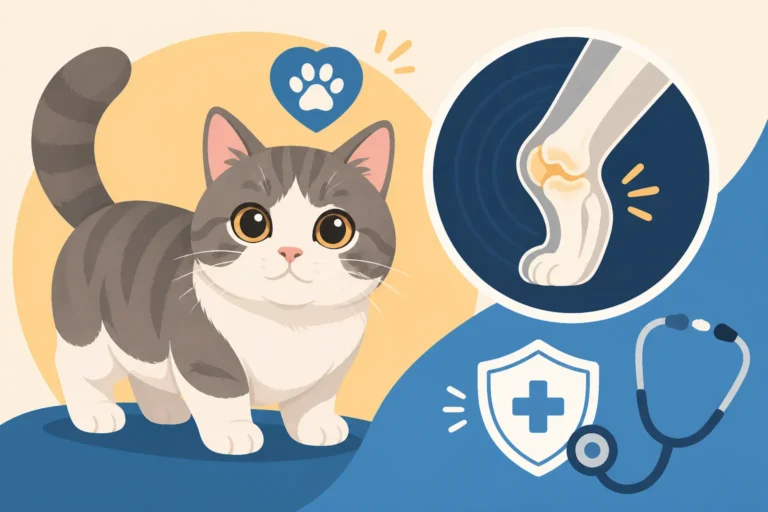
Advocates for bans point to potential issues like osteoarthritis in later life, as the joints are subjected to different biomechanical stresses. They also raise concerns about spinal issues, although the Munchkin's spine itself is generally a normal length, the unusual gait and posture could contribute to problems over time. The ethical argument emphasizes that a cat's ability to move, jump, and groom itself fully should not be compromised for a human-desired aesthetic.
Veterinary Opposition
A significant portion of the veterinary community, particularly in Europe, has openly opposed the breeding of Munchkin cats. Many national veterinary associations and individual practitioners view the breed as a product of irresponsible breeding practices that prioritize novelty over health. Their concerns are often rooted in the potential for spinal deformities, such as lordosis (a severe inward curvature of the spine) or pectus excavatum (a sunken chest), which some studies suggest may be more prevalent in Munchkins than in the general cat population. While the frequency of these issues is debated—you can delve into Why the Frequency of Munchkin Spinal Problems Is Disputed for more context—the potential link is enough for many vets to advise against supporting the breed.
Vets worry that even seemingly healthy Munchkins may be silently coping with discomfort or pain that only manifests later in life, making their care more complex and costly. The breed's unique anatomy can also present challenges during routine veterinary procedures, though Whether a Munchkin Is a Normal Anesthetic Risk is generally seen as true. The consensus among many European vets is that deliberately breeding animals with a known genetic condition that carries even a potential for suffering is ethically questionable, leading many to refuse to recommend the breed to clients.
Navigating the System: What Prospective Owners and Breeders Need to Know
For individuals deeply drawn to the Munchkin cat, understanding these European restrictions is paramount. Whether you're considering bringing a Munchkin into your home or aspiring to breed, the path in many parts of Europe is far from straightforward. Ignoring these realities can lead to significant emotional and financial stress.
Challenges for Prospective Owners
If you live in a country with a breeding or showing ban, or even just a strong lack of official recognition, acquiring a Munchkin can be fraught with challenges. You might find yourself needing to purchase a kitten from a country where breeding is still permitted, which then involves navigating complex international pet travel regulations. This not only adds considerable expense but also stress for the kitten. You'll need to research thoroughly to ensure the legality of importing such a cat into your specific nation. Even if you succeed, integrating your Munchkin into a community where the breed is frowned upon can be isolating; finding local vets who are supportive or experienced with Munchkins might be difficult, and you might encounter judgment from others in the cat community.
Furthermore, consider the long-term care. While Munchkins are generally robust, their unique physiology does mean that Why a Munchkin's Vet Year Includes Its Joints might include discussions about specific needs. Securing pet insurance might also be complicated, as some providers may classify the breed as higher risk or exclude conditions potentially linked to their short legs. It's essential to check with providers like Healthy Paws about their policies on specific breeds and conditions.
Implications for Breeders
For anyone aspiring to breed Munchkins in Europe, the landscape is even more daunting. In countries with explicit bans, breeding is simply not an option without risking severe legal penalties. In nations without outright bans but with no breed recognition, the challenges are primarily practical and ethical. You won't have access to major show circuits to showcase your cats or evaluate them against a widely accepted standard. This impacts the visibility and perceived legitimacy of your breeding program. Finding suitable mates for your queens or studs might require extensive travel and international collaboration, complicating genetic diversity efforts.
Breeders must also contend with the ethical implications and potential public backlash. Many responsible breeders prioritize the health and welfare of their animals above all else. Operating in an environment where your chosen breed is viewed as unethical can be a heavy burden. It demands a commitment to transparency, rigorous health screening, and often, an unwavering dedication to educating prospective owners about the breed's unique needs and the controversies surrounding it.
Beyond Showing: Impact on Ownership and Welfare
The debate and restrictions surrounding Munchkins in Europe aren't just about whether they can strut their stuff in a show ring. They have a tangible impact on the daily lives of Munchkin owners and, most importantly, on the welfare of the cats themselves. It forces us to think beyond the initial cuteness and consider the long-term responsibilities of owning a cat with specific physical traits.
Daily Life and Health Considerations in Restricted Areas
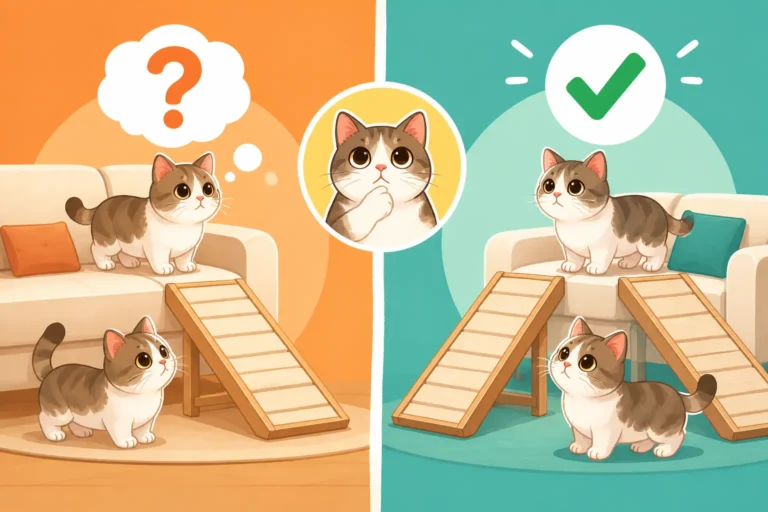
Even if you successfully acquire a Munchkin in a country where breeding is restricted, the implications for daily life can be significant. Local vets might be less familiar or even hesitant to treat the breed if they subscribe to the ethical objections. This means you might need to seek out specialized veterinary care further afield. You'll also need to be proactive about their unique care needs, understanding that Why Weight Is More Dangerous on a Munchkin due to the extra strain it places on their short limbs and spine. Providing an adapted home environment with ramps and steps is crucial to prevent them from repeatedly jumping, which can put undue stress on their joints.
Access to specialized products, like joint supplements or specific mobility aids, might also be limited in countries with strong opposition to the breed. You might find yourself relying on online retailers to source specific foods or joint supplements that support their unique physiology, especially as they age. This all adds to the financial and logistical demands of Munchkin ownership, which are important considerations even for healthy, well-adjusted cats.
The Future of the Munchkin in Europe
The trend in Europe suggests a growing legislative and ethical push towards prioritizing animal welfare in breeding. It is entirely possible that more countries will follow the lead of Germany and the Netherlands, implementing stricter laws against breeding practices deemed to produce animals with inherent welfare issues. This could further limit the availability of Munchkins and other breeds with similar genetic conditions. As What Welfare Bodies Say About the Munchkin continues to sway public and legislative opinion, the future of breeds like the Munchkin becomes increasingly uncertain in many European regions.
For existing owners, this may mean continued scrutiny and a need to be champions for their cats, demonstrating exceptional care and advocating for responsible ownership. For those considering a Munchkin, it emphasizes the importance of thorough research, understanding the local laws, and making an informed, ethical decision. The conversation around the Munchkin cat in Europe is far from over, and its trajectory will likely be shaped by evolving scientific understanding, shifting ethical standards, and ongoing advocacy from both supporters and critics of the breed.
| Country/Region | Breeding Legal Status | Showing Status (TICA/FIFe Affiliates) | Key Reason for Restrictions |
|---|---|---|---|
| Germany | Largely Banned | Prohibited | Animal Welfare Act ("Qualzucht" / Cruelty Breeding) |
| Netherlands | Largely Banned | Prohibited | Animal Welfare Act |
| Belgium | Restricted | Prohibited | Specific welfare criteria for breeding |
| UK (GCCF) | Not recognized | Prohibited | Welfare concerns about genetic defects |
| France (FIFe) | Not recognized | Prohibited | FIFe's general stance against breeds with health issues |
| Norway | Highly Restricted/Banned | Prohibited | Animal welfare legislation |
| Austria | Highly Restricted/Banned | Prohibited | Animal welfare legislation |
Disclaimer
This article is for general informational purposes only and does not constitute professional advice. Laws, prices and regulations vary by location and change over time. Consult a qualified professional for guidance on your specific situation.