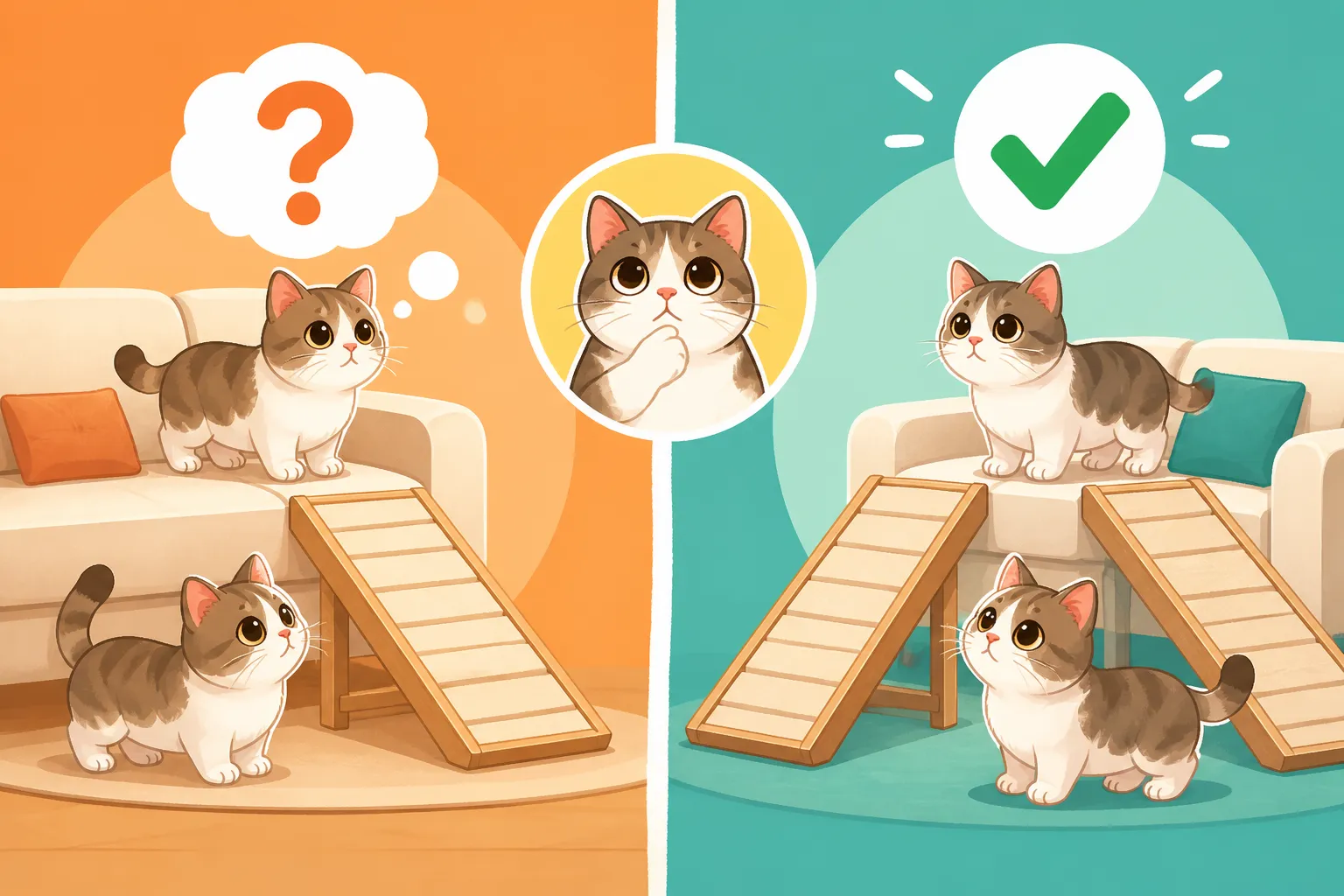
Whether Two Munchkins Need Two Sets of Ramps
Bringing a second Munchkin into your home is an exciting thought, often prompted by the sheer delight and unique companionship your first short-legged friend provides. But as the dream takes shape, a very practical question often arises: will two Munchkins require double the specialized equipment, particularly ramps and steps, that you've so carefully set up for your first little explorer? It’s a common dilemma, and the answer isn't a simple yes or no, but rather a nuanced look at their individual needs, your home's layout, and their personalities. This guide will help you navigate the practicalities of cohabiting with multiple Munchkins, ensuring both thrive in a safe and accessible environment.
The Core Question: Do Two Munchkins Necessarily Mean Double the Equipment?
It’s easy to assume that if one Munchkin needs a ramp to get onto the sofa, two Munchkins would logically need two ramps. However, the reality is often more about strategic placement and understanding each cat's unique habits and physical capabilities. You're not just doubling items; you're creating a comprehensive accessibility network for a multi-cat household.
Understanding Shared vs. Individual Needs
When it comes to the essentials, like food and water bowls, a reasonable rule of thumb is "one per cat, plus one," to minimize competition and ensure easy access. But with ramps and steps, it’s a bit different. A ramp leading to a beloved window perch or a set of steps up to the main bed might be perfectly shareable if both cats have similar mobility and temperament. Imagine two feline friends who enjoy napping together on the same plush blanket atop the living room ottoman. A single, sturdy ramp providing access to that ottoman would serve both equally well.
However, individual needs quickly complicate things. If one Munchkin prefers the master bed and the other adores a sunny spot on the guest room armchair, then yes, you'll need separate accessibility solutions for each of those preferred high spots. The key is observing their patterns. Do they both gravitate to the same elevated sanctuaries, or do they each have their own cherished spots? Their territorial instincts also play a role; some cats are perfectly happy sharing access points, while others might "guard" a favorite ramp or set of steps, making a second set a peaceful necessity. It’s also worth considering if one Munchkin is larger or heavier, which might necessitate a sturdier ramp than a lighter, more agile one might need.
The Layout of Your Home and Its Impact
Your home's architecture and furniture arrangement are huge determinants in how many ramps and steps you'll need. A sprawling, single-story home with easily accessible, low-profile furniture will naturally require fewer ramps than a multi-level house packed with towering cat trees and high beds. Think about every elevated surface your Munchkins might want to reach: sofas, chairs, beds, windowsills, and even designated feeding spots if you use raised bowls. Why a Munchkin's Food and Water Belong at Floor Level can tell you more about setting up feeding stations effectively, but sometimes a raised bowl on a low table might still require a step up.
If you have multiple rooms with distinct high points that both cats enjoy, it’s far more practical to install a ramp or steps in each relevant room than to expect your Munchkins to trek across the house to a single shared access point. For instance, if you have a sunbeam that hits a particular armchair in the morning in the living room, and a different one that graces a bedroom window perch in the afternoon, and both cats love to follow the sun, then you'd be looking at accessibility for both spots. A well-planned home ensures multiple, convenient routes, preventing frustration and unnecessary exertion for your short-legged companions.
Essential Shared Equipment for Multiple Munchkins
While individual preferences and home layouts dictate some needs, there are certainly areas where equipment can be shared, or where a common solution benefits all resident Munchkins. The goal is always to reduce strain and increase independence.
Ramps, Steps, and Safe Navigation Zones
For commonly accessed areas like the main living room sofa or a frequently used bed, one well-placed, sturdy ramp or set of steps can often serve two Munchkins admirably. The crucial factor here is the traffic flow. If both cats are accustomed to using the same path, and there's no contention over who goes first, then a single, high-quality solution can work. Look for ramps that are wide enough to offer stable footing and have a gentle incline, ensuring ease of use for cats of varying ages and agility. Materials matter too; carpeted ramps from reputable pet supply retailers like Chewy provide excellent grip, preventing slips and falls that could stress their unique spinal structures.
Beyond specific ramps, consider creating "safe navigation zones" at floor level. These are areas where your Munchkins can move freely and explore without needing to jump or climb. This might involve low shelves, strategically placed ottomans as intermediate steps, or simply ensuring clear, unobstructed pathways. For example, if you have a favorite armchair that's a bit too high for a single jump, adding a low stool beside it as a first step can create a two-stage ascent that's much safer than a single leap. This layered approach helps both Munchkins feel secure and independent in their home environment. Remember, Ramps and Steps Are Munchkin Equipment, Not Luxuries, they are fundamental to their wellbeing.
Litter Box Considerations for a Multi-Munchkin Household
Even if your question is specifically about ramps, no discussion of multi-Munchkin care is complete without mentioning litter boxes. While not "ramps," accessible litter boxes are absolutely critical for any Munchkin, and even more so when you have more than one. You might think one large litter box is enough for two cats, but the general rule for cat households is one box per cat, plus one extra. So, for two Munchkins, you’re ideally looking at three litter boxes. This isn't just about cleanliness; it's about giving each cat options, preventing territorial disputes, and ensuring easy access no matter where they are in the house.
For Munchkins, the type of litter box is paramount. They absolutely need a low-entry box that they can walk into comfortably without having to hop over a high lip, which can strain their backs and short legs. Which Litter Box a Munchkin Can Actually Enter goes into this in detail. If your current boxes have high sides, you might need to invest in new low-entry models or modify existing ones. Placing these boxes in easily accessible, quiet locations throughout your home, perhaps one on each floor if you have multiple levels, will make a significant difference in preventing accidents and promoting good litter habits for both your furry friends. You might find a great selection of these specialized litter boxes, along with appropriate litter, on sites like Chewy.
When Individual Equipment Becomes a Necessity
There are definitely situations where trying to make one set of ramps or steps work for two Munchkins simply won't cut it. Recognizing these scenarios early can save you and your cats a lot of stress down the line.
Different Mobility Levels and Ages
Perhaps the most common reason for needing distinct sets of equipment is when your Munchkins are at different life stages or have varying mobility levels. A young, agile Munchkin kitten might easily bound up a slightly steeper, narrower set of steps, but an older, senior Munchkin, whose joints may be starting to stiffen, will need a wider, more gradual ramp with excellent traction. When a Munchkin Counts as Senior discusses how their needs change. For a senior cat, even a small jump can become painful or risky, making carefully constructed ramps paramount. If one cat is experiencing early signs of arthritis, perhaps from a past injury or just age, a specialized ramp designed to minimize joint impact will be essential for that individual, even if the other cat doesn't need it yet.
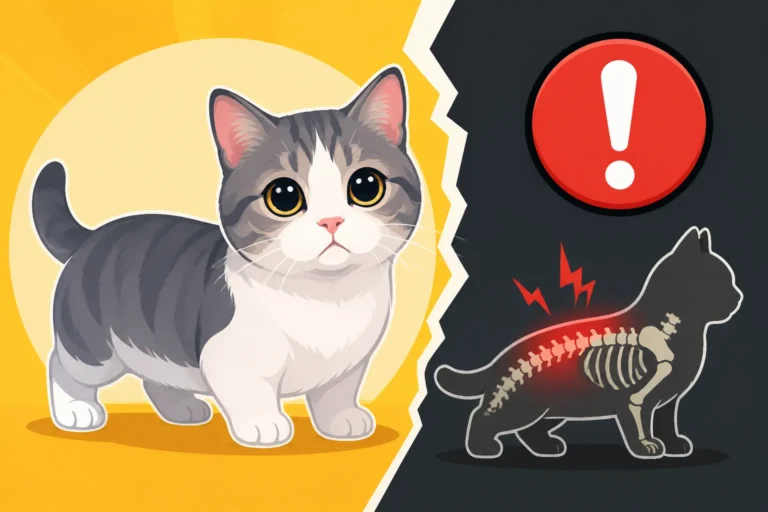
Consider the potential for health issues as well. If one of your Munchkins develops Lordosis Is the Spinal Curve the Munchkin Argument Is About or Pectus Excavatum and the Munchkin's Sunken Chest, their mobility requirements could change dramatically, necessitating unique access solutions that cater specifically to their condition. A cat recovering from an injury might also need temporary, specific ramps that differ from the norm. This is where personalized care truly comes into play; what works for one healthy, young Munchkin may be completely inadequate or even harmful for another with different physical needs.
Managing Personal Space and Resource Guarding
Cats, even when bonded, appreciate their personal space and can sometimes be particular about resources. If you notice one of your Munchkins becoming possessive over a specific ramp or set of steps, or if one is constantly waiting for the other to finish using it before approaching, it's a clear sign that doubling up on that particular access point is probably a good idea. Resource guarding isn't always aggressive; sometimes it's subtle, like one cat simply avoiding an area if the other is nearby. This passive avoidance can lead to undue stress and limit their access to comfortable, elevated spots.
Another factor is their preferred "escape routes." Cats often feel safer when they have multiple ways to get to a high vantage point or retreat to a safe hiding spot. If a single ramp serves as the only access to a popular hangout, it might create a bottleneck or a feeling of being trapped for one of the cats, especially if there's an occasional disagreement or playful chase. Providing alternative routes to favorite spots – perhaps one ramp and one set of steps leading to different parts of the same large cat tree – can alleviate tension and empower both Munchkins to navigate their environment independently and without feeling competitive. This thoughtful approach fosters a harmonious multi-Munchkin household.
Budgeting for a Multi-Munchkin Household
Let's be real, owning pets comes with costs, and two Munchkins will naturally have a larger overall financial footprint than one. Thinking ahead about expenses, particularly for their specialized needs, can prevent future strain.
Long-Term Costs Beyond Initial Purchase
While the upfront cost of two ramps might seem like a straightforward doubling, the long-term financial implications of two Munchkins, especially concerning their unique physical needs, go far beyond initial purchases. Think about the wear and tear on ramps and steps. What might last for years with one cat could degrade faster with double the daily traffic. You might find yourself replacing items more frequently, especially if they are heavily used. Moreover, the focus on joint health is magnified with two short-legged cats. What the Short Legs Actually Cost a Munchkin goes into detail on why their mobility needs constant consideration.
Regular vet check-ups will be crucial for both, and as they age, they might both require joint supplements or even more advanced veterinary care to manage age-related stiffness or How Arthritis Shows in a Munchkin's Front Legs. This means double the potential for ongoing medication or specialized food. Pet insurance, from a provider like Healthy Paws, for instance, can become an even more valuable investment when you have two cats with potential breed-specific predispositions, helping to offset unexpected veterinary expenses down the line. It’s about planning for a future where both your beloved Munchkins can enjoy a comfortable, pain-free life for as long as possible.
Smart Shopping for Durable and Adaptable Solutions
When equipping a home for two Munchkins, prioritize durability and adaptability in your purchases. Investing in high-quality ramps and steps made from sturdy materials with good traction will likely save you money in the long run compared to constantly replacing cheaper, flimsy options. Look for products designed for senior pets or those with mobility issues, as these often offer the best support for Munchkin anatomy. Online retailers like Chewy offer a wide variety of such products, often with customer reviews that can help you gauge their real-world performance for cats with unique needs.
Consider multi-functional furniture or customizable modular systems. For example, a set of pet steps that can be reconfigured or expanded can be more cost-effective and adaptable than buying entirely new items if one cat's needs change. Similarly, if one cat requires special joint-supporting food as they age, a specialized meal plan could be a practical solution. Planning for these needs from the outset allows you to create an environment that caters to both Munchkins comfortably and efficiently, ensuring they both have equal opportunities to explore, rest, and thrive in their shared home.
| Accessibility Item | Can Be Shared (Often) | Often Needs Duplication | Key Considerations for Two Munchkins |
|---|---|---|---|
| Main Sofa Ramp | Yes | No | If both use the same sofa, one sturdy ramp should suffice. |
| Bedside Steps/Ramp | Sometimes | Yes | If they each have a preferred sleeping spot (your bed, guest bed). |
| Window Perch Ramp | Yes | No | If the same perch is shared, one ramp works. |
| Cat Tree Steps | Yes | No | One cat tree can be adapted for multiple users with careful setup. |
| Intermediate Steps (Ottomans/Stools) | Yes | No | Place strategically to create accessible "ladders" for both. |
| Litter Boxes | No | Yes (1 per cat + 1) | Multiple low-entry boxes are essential to prevent competition/accidents. |
| Food & Water Bowls | No | Yes (1 per cat + 1) | Provides options, minimizes resource guarding. |
| Grooming Tools | Yes | No | Tools can be shared, but time commitment doubles. Grooming the Half of a Munchkin It Cannot Reach is important for both. |
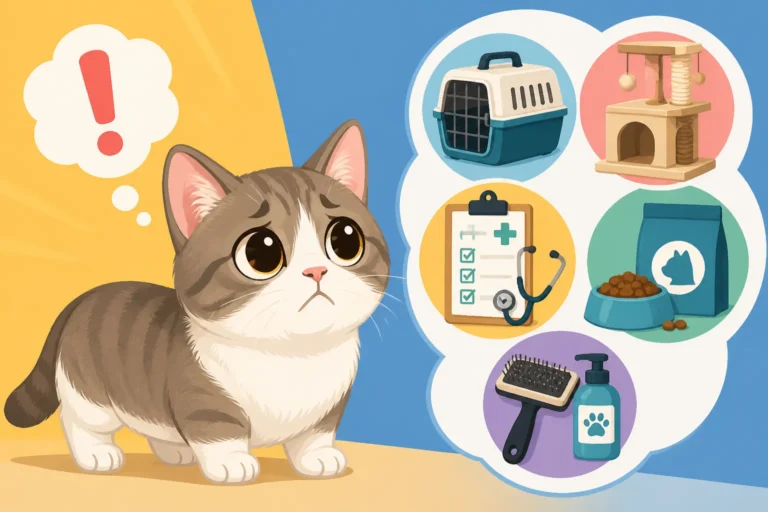
| Pet Carrier | Yes | Sometimes | One large carrier might work, but individual carriers are often better for vet trips or travel. |
Disclaimer
This article is for general informational purposes only and does not constitute professional advice. Laws, prices and regulations vary by location and change over time. Consult a qualified professional for guidance on your specific situation.