Why a Munchkin Budget Should Include X Rays
Bringing a Munchkin cat into your life is an absolute joy, filled with their playful antics and sweet, unique charm. But as a responsible owner, it's vital to understand that their distinctive short legs, while endearing, come with specific health considerations that can impact your budget. One often overlooked, yet incredibly important, expense that truly needs to be factored in is the cost of veterinary X-rays. This guide is here to walk you through exactly why X-rays are not just an optional extra, but a fundamental part of proactive Munchkin care, helping you anticipate and manage these crucial diagnostic costs for a lifetime of health.
Understanding the Munchkin's Unique Anatomy and Its Implications
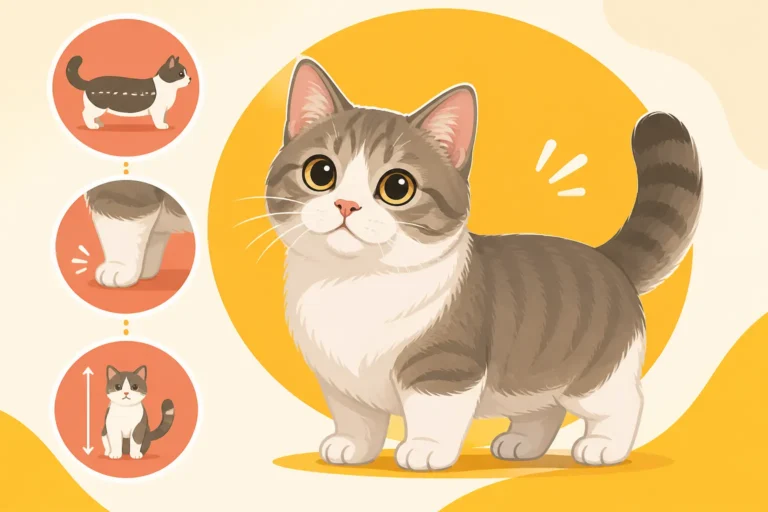
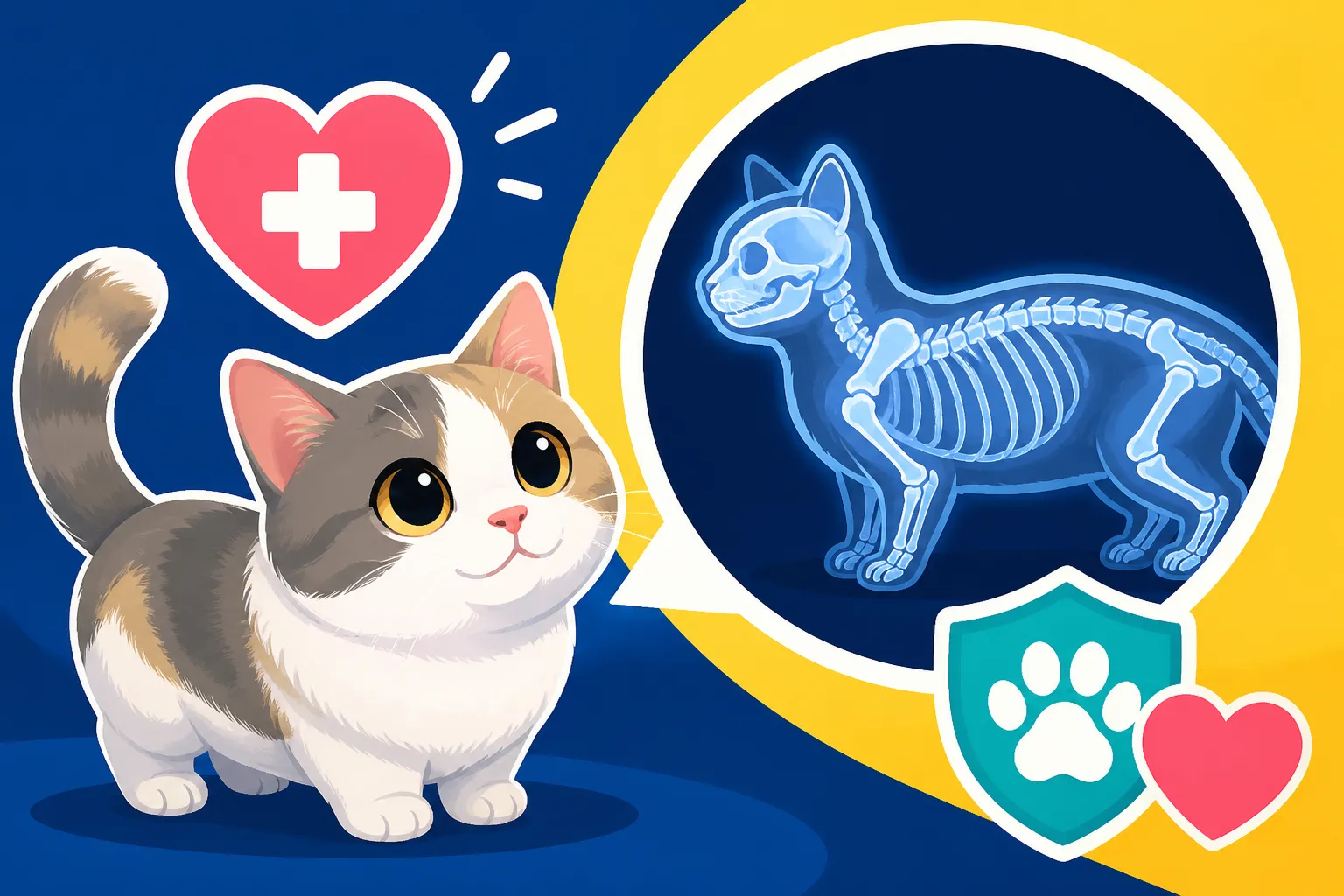
The very thing that makes Munchkins so distinctive – their short stature – is also at the root of many of their unique health considerations. The gene responsible for their abbreviated limbs is a form of dwarfism, and while it creates a wonderfully low-slung, playful companion, it also means their skeletal structure carries different stresses and has specific vulnerabilities that need careful monitoring. X-rays become an invaluable tool in peering inside and understanding these nuances, allowing you and your vet to be proactive rather than reactive.
The Core Concern: Lordosis
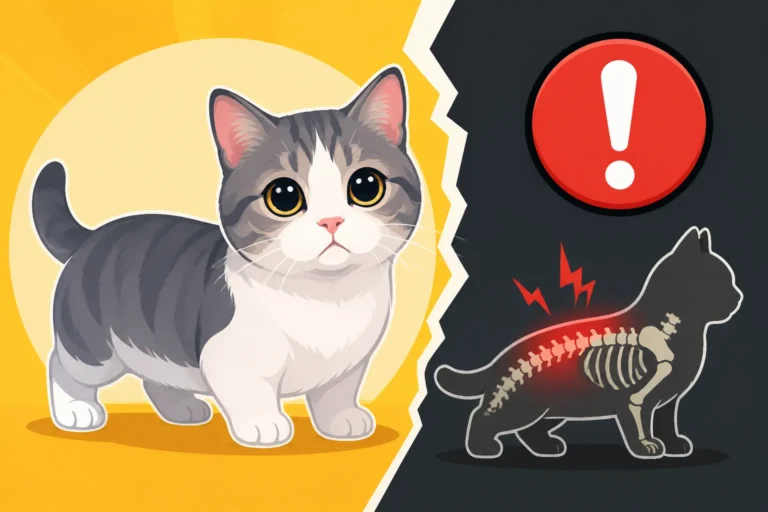
One of the most talked-about spinal issues in the Munchkin breed is lordosis. This isn't just a quirky posture; it's a condition where the spine curves inward significantly, forming a dip or swayback. Imagine your cat’s spine like a gentle arch, distributing weight evenly. With lordosis, this arch collapses inward, placing immense pressure on internal organs and the spinal column itself. Because this is a structural issue, often present from birth or developing in early kittenhood, X-rays are the gold standard for diagnosis. You can't truly see the extent of an internal spinal curve just by looking at the cat from the outside. A vet might suspect it during a physical exam, but it’s the radiographic images that reveal the severity and specific vertebrae affected. This diagnostic clarity is absolutely critical for understanding the cat's prognosis and guiding appropriate care. Lordosis Is the Spinal Curve the Munchkin Argument Is About delves deeper into this discussion.
Other Skeletal Considerations
Beyond lordosis, Munchkins can also be predisposed to other skeletal quirks that X-rays help diagnose. Pectus excavatum, often called a "sunken chest," is another condition where the sternum and rib cage don't develop correctly, pressing inward on the heart and lungs. Again, while you might feel an indentation on a kitten's chest, an X-ray gives a clear, two-dimensional view of how severely the organs are being compressed, which is vital for assessing the impact on breathing and cardiac function. Pectus Excavatum and the Munchkin's Sunken Chest explains this condition in more detail. Even general joint health, particularly in their shoulders and elbows, can be a concern over time due to the altered mechanics of their short legs and how they bear weight and impact from jumping. X-rays allow vets to assess joint spaces, look for early signs of arthritis, and monitor bone density, providing a baseline for future comparisons.
Why Routine X-Rays Are More Than Just a "Maybe" for Munchkin Owners
When you're dealing with a breed with unique anatomical features, standard veterinary check-ups are important, but X-rays add an entirely different layer of insight. They move beyond what can be felt or seen externally, offering a detailed internal snapshot that is indispensable for truly understanding and managing your Munchkin's health. This isn't about being alarmist; it's about being prepared and proactive.
Early Detection and Proactive Management
Think of X-rays as your early warning system. For Munchkin kittens, an X-ray around twelve weeks, coinciding with their final vet checks and vaccinations, can establish a crucial baseline. This allows a vet to identify early signs of lordosis or pectus excavatum that might be mild and not yet causing obvious symptoms. Catching these issues early is paramount. If you know a kitten has mild lordosis, for example, you can immediately implement preventive measures: ensuring all surfaces are easily accessible, providing ramps, managing their weight meticulously, and avoiding strenuous jumps. This proactive approach can significantly impact their long-term comfort and health, potentially delaying or reducing the severity of future problems. It empowers you to tailor their environment and lifestyle to support their unique body before issues become chronic or painful. Why a Munchkin Kitten Needs an Early Vet Check highlights the importance of early veterinary attention.
Monitoring Progression and Guiding Care
Life with a Munchkin means monitoring their musculoskeletal health throughout their years. As they grow and age, regular X-rays become critical for monitoring the progression of any previously identified conditions or for diagnosing new issues that might arise. An X-ray taken when your Munchkin is five years old can be compared to that kitten baseline to see if a mild lordosis has worsened, or if arthritis is developing in their joints. This longitudinal data is invaluable for your veterinarian to guide care decisions. If lordosis is progressing, a vet might advise further modifications to their living space or even refer to a specialist for advanced pain management. These periodic images allow for adjustments to their care plan, ensuring their quality of life remains as high as possible, especially as they enter their senior years. When a Munchkin Should Have Its Spine Imaged discusses ideal timings for these diagnostic scans.
The Financial Reality: Budgeting for X-Rays and Related Care
Let's be realistic: X-rays aren't free, and they can add a notable line item to your overall pet budget. It’s a cost that many new owners might not immediately consider, but it's essential for the health and happiness of a Munchkin. Understanding the financial implications upfront means you're prepared and can avoid difficult decisions down the line due to unexpected expenses.
The "Shape" of X-Ray Costs
The cost of X-rays for a Munchkin can vary quite a bit depending on several factors, though we can't give exact figures here. Typically, you're looking at a cost per view, and often, multiple views (front, side, oblique) are needed to get a comprehensive picture of the spine or chest. If your cat is particularly anxious or uncooperative, sedation might be required, which adds to the expense. Then there's the location of your vet practice – urban areas often have higher prices than rural ones. A single diagnostic X-ray for an acute issue will have one price point, but if your vet recommends a series of images over time to monitor a chronic condition, the total cost will naturally be higher. Think of it as investing in clear vision for your vet, helping them see what’s going on inside.
Beyond the X-Ray: Associated Expenses
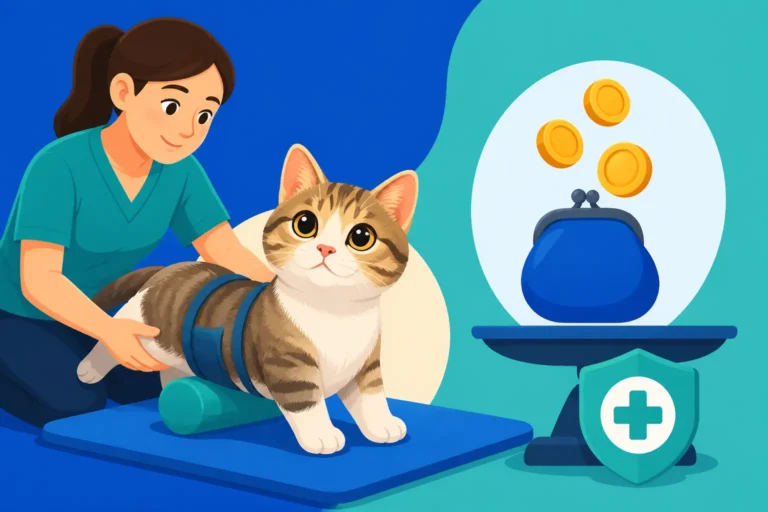
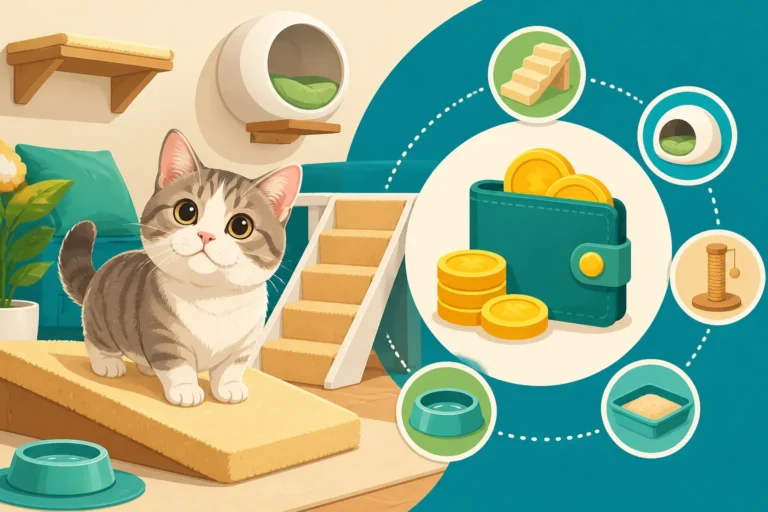
The X-ray itself is often just the beginning. Once the images are taken and interpreted, there might be further associated expenses. This could include the vet consultation fee to discuss the findings, prescription medications for pain or inflammation, or specialized joint supplements to support their skeletal health. If a condition like severe lordosis or pectus excavatum is diagnosed, you might need to invest in home modifications like ramps, orthopedic beds, or specialized litter boxes, as detailed in Why a Munchkin's Belly Nearly Touches the Floor. This is also where pet insurance, such as a policy from Healthy Paws, can become invaluable, helping to mitigate the financial impact of diagnostic tests and ongoing treatments.
Long-Term Savings Through Proactive Spending
While it might seem like an upfront investment, budgeting for X-rays can actually lead to long-term savings. Catching a spinal issue early, for example, allows for less invasive, more conservative management strategies like diet and environmental modifications. If an issue is left undiagnosed and progresses, it could lead to more severe pain, mobility problems, and potentially much more expensive treatments down the road, such as chronic pain medication, physiotherapy, or even specialized surgery if applicable. Think of it as preventive maintenance for their unique structure. An X-ray that confirms a clear spine or a mild, manageable issue can offer immense peace of mind. Conversely, an X-ray that flags a problem allows you to intervene early, potentially extending your Munchkin's comfortable lifespan and avoiding costly emergency care or debilitating chronic conditions that require intensive, expensive management. How Much a Munchkin Costs Over Thirteen Years can help you visualize the long-term financial picture.
Choosing a Vet and Preparing for X-Rays
Navigating veterinary care for a Munchkin can sometimes feel a bit different from caring for a standard domestic cat, primarily because of their unique skeletal structure. Having the right veterinary partner is key, and understanding what to expect during an X-ray procedure can help ease any anxieties you might have.
Finding a Vet Experienced with Munchkins
Not all veterinarians have extensive experience with Munchkin cats, given that they're still considered a relatively uncommon breed in some areas and often draw passionate debate within the veterinary community. It's incredibly beneficial to seek out a vet who is familiar with the breed's specific anatomical considerations and potential health challenges like lordosis and pectus excavatum. Don't be afraid to ask potential vets about their experience with short-legged breeds or their stance on breed-specific conditions. A vet who understands the biomechanics of a Munchkin’s body will be better equipped to interpret X-rays accurately and recommend appropriate care tailored to their unique needs. A good breeder should also be able to provide recommendations for vets in your area who are knowledgeable about the breed. What a Munchkin Breeder Should Be Able to Show You details questions to ask your breeder.
What to Expect During an X-Ray
When your Munchkin goes in for X-rays, the process is generally straightforward. For spinal or chest X-rays, your cat will need to be positioned very carefully to get clear, diagnostic images. This often requires them to lie still in specific positions that might be uncomfortable for more than a few seconds. Because of this, many vets will recommend mild sedation to ensure the cat remains calm, still, and correctly positioned, preventing blurry images and minimizing stress. The sedation is usually safe and short-acting, allowing your cat to be awake and recovering fairly quickly afterward. The images are typically taken quickly and can often be reviewed by the vet shortly after. They will then discuss the findings with you, explaining what the images show and what, if any, follow-up actions or treatments are recommended. This detailed explanation is crucial for you to understand your Munchkin's health status and how best to care for them moving forward.
Table: Key Munchkin Conditions and X-Ray Importance
| Condition | Why X-Rays Are Crucial | What They Reveal | Impact on Care |
|---|---|---|---|
| Lordosis | Definitive diagnosis, severity assessment | Inward curvature of the spine, degree of vertebral compression | Environmental modifications, weight management, pain relief |
| Pectus Excavatum | Assess internal compression of organs | Degree of sternum/rib cage indentation on heart/lungs | Monitoring, potential surgical referral, breathing support |
| Osteoarthritis | Early detection, monitoring progression | Joint space narrowing, bone spurs, cartilage degeneration | Joint supplements, anti-inflammatory medication, mobility aids |
| General Leg Conformation | Baseline assessment, identify structural anomalies | Alignment of bones in legs, elbow/shoulder joint health | Proactive joint care, jump restriction, appropriate exercise |
Ultimately, budgeting for X-rays for your Munchkin is about embracing responsible pet ownership. It’s an investment in their longevity, comfort, and overall quality of life, allowing you to be a truly informed and proactive guardian for your uniquely charming companion.
Disclaimer
This article is for general informational purposes only and does not constitute professional advice. Laws, prices and regulations vary by location and change over time. Consult a qualified professional for guidance on your specific situation.