What Raised Food Bowls Cost for a Munchkin
It's easy to overlook something as simple as a food bowl when you first bring home a Munchkin cat. But anyone who’s watched their short-legged friend try to crane its neck down to a standard bowl on the floor quickly realizes it’s not just awkward, it can be downright uncomfortable, potentially leading to long-term issues. This guide is all about understanding why raised food bowls are so important for your Munchkin, what types are available, and what you can expect in terms of cost and options to make mealtime a truly comfortable and healthy experience for them.
Why a Munchkin Needs a Raised Food Bowl
Imagine trying to eat your dinner off the floor while being a fraction of your normal height. That’s essentially what a Munchkin experiences with a standard floor-level food bowl. Their unique physique, while adorable, means they encounter challenges that normal-legged cats simply don't. Providing a raised food bowl isn't a luxury; it's a thoughtful adaptation to their specific anatomical needs.
Easing Strain on the Spine and Neck
One of the most immediate benefits of a raised food bowl for a Munchkin is the relief it offers to their delicate spine and neck. With their short legs, a Munchkin has to bend significantly further down to reach food placed on the floor. This posture can put undue stress on their neck vertebrae and the entire spinal column, especially over time and with repeated meals every day. It's like asking someone with a perpetually stiff neck to regularly tie their shoes without bending their knees – it just doesn't work comfortably.
This constant craning can exacerbate any underlying spinal sensitivities or contribute to stiffness as they age. Think about the cumulative effect of thousands of meals over a cat's lifetime. Each time they eat, they're engaging in a movement that could be stressing their body. A raised bowl allows them to eat in a more natural, upright position, reducing the acute angle of their neck and the pressure on their back, promoting better posture and comfort. This is particularly important because Why a Munchkin's Spine Carries a Load a Normal Cat's Does Not compared to other cats.
Preventing Shoulder and Foreleg Discomfort
Beyond the spine and neck, a Munchkin's short front legs and shoulders bear a significant burden when they eat from floor level. They often have to splay their front legs or hunch over, which can place awkward pressure on their shoulder joints and elbows. Over months and years, this repetitive strain can contribute to discomfort, inflammation, and potentially accelerate the onset of conditions like arthritis in these weight-bearing joints.
Providing a raised bowl ensures that their shoulders can remain in a more relaxed, natural position. Instead of leaning down, they can stand more upright, letting their body weight distribute more evenly rather than concentrating it on their forelegs and shoulders. This simple adjustment can go a long way in supporting their joint health and overall mobility as they grow older. It's about proactive care, recognizing that Why a Munchkin's Shoulders Wear First due to their unique structure, and alleviating that strain wherever possible.
Improving Digestion and Swallowing
While less talked about, the angle at which a Munchkin eats can also impact their digestion. When a cat is hunched over, with its neck significantly lowered, it can make swallowing more difficult and less efficient. This position might restrict the esophagus slightly, making it harder for food to travel down smoothly, and can sometimes lead to more air being swallowed, which could cause gas or discomfort.
By elevating their food, a Munchkin can maintain a more upright posture, which helps gravity assist in the passage of food from their mouth to their stomach. This can lead to smoother digestion, potentially reducing instances of regurgitation or indigestion. It's a subtle but important benefit that contributes to their overall well-being, ensuring that mealtime is not only comfortable but also conducive to good digestive health. You want to How to Stop a Munchkin Straining to Eat, not make it harder.
Types of Raised Food Bowls and Their Features
When you start looking for raised food bowls for your Munchkin, you'll find a surprising variety. It's not just about getting food off the floor; it's about finding the right height, material, and design that suits your cat's specific needs and your home's aesthetic. From simple stands to elaborate ergonomic feeders, there's an option for every Munchkin and every budget.
Adjustable Height Feeders
Adjustable height feeders are often considered the gold standard for Munchkin cats because they offer unparalleled flexibility. These feeders typically feature legs or a stand that can be moved up or down, allowing you to fine-tune the bowl's height to perfectly match your cat's comfortable eating posture. This is especially useful if you have a Munchkin kitten who is still growing, or if you have multiple cats of different heights, including some normal-legged siblings.
The best adjustable models will have a sturdy base to prevent tipping and easy-to-clean bowl inserts, often made of stainless steel or ceramic. You might find single-bowl options, or double feeders for both food and water. Some even come with angled bowls designed to make it even easier for your cat to reach without pushing food around. While they might be a slightly higher initial investment, the ability to customize the height means you're investing in a solution that can adapt as your cat ages or if their needs change, ensuring optimal comfort at every stage of their life. You can often find a good selection of these on sites like Chewy, offering various designs and price points.
Angled and Tilted Bowls
Angled or tilted bowls address a common feline feeding behavior: pushing food to the side of the bowl. For a short-legged Munchkin, this can be even more of a challenge, as they might have to stretch even further or awkwardly reposition themselves. These bowls are designed with a gentle slope or tilt, funneling the food towards the center or front, making it easier for your cat to access every last morsel without excessive effort.
Many tilted bowls are also raised to an appropriate height, combining two ergonomic benefits in one. The tilt helps prevent whisker fatigue, which can be a real issue for cats whose sensitive whiskers constantly brush against the sides of deep, narrow bowls. Materials range from durable plastic to elegant ceramic, often with non-slip bases to keep them stable during enthusiastic feeding sessions. The combination of a raised position and a tilted surface means your Munchkin can eat more comfortably and efficiently, reducing unnecessary strain.
Simple Raised Stands and Platforms
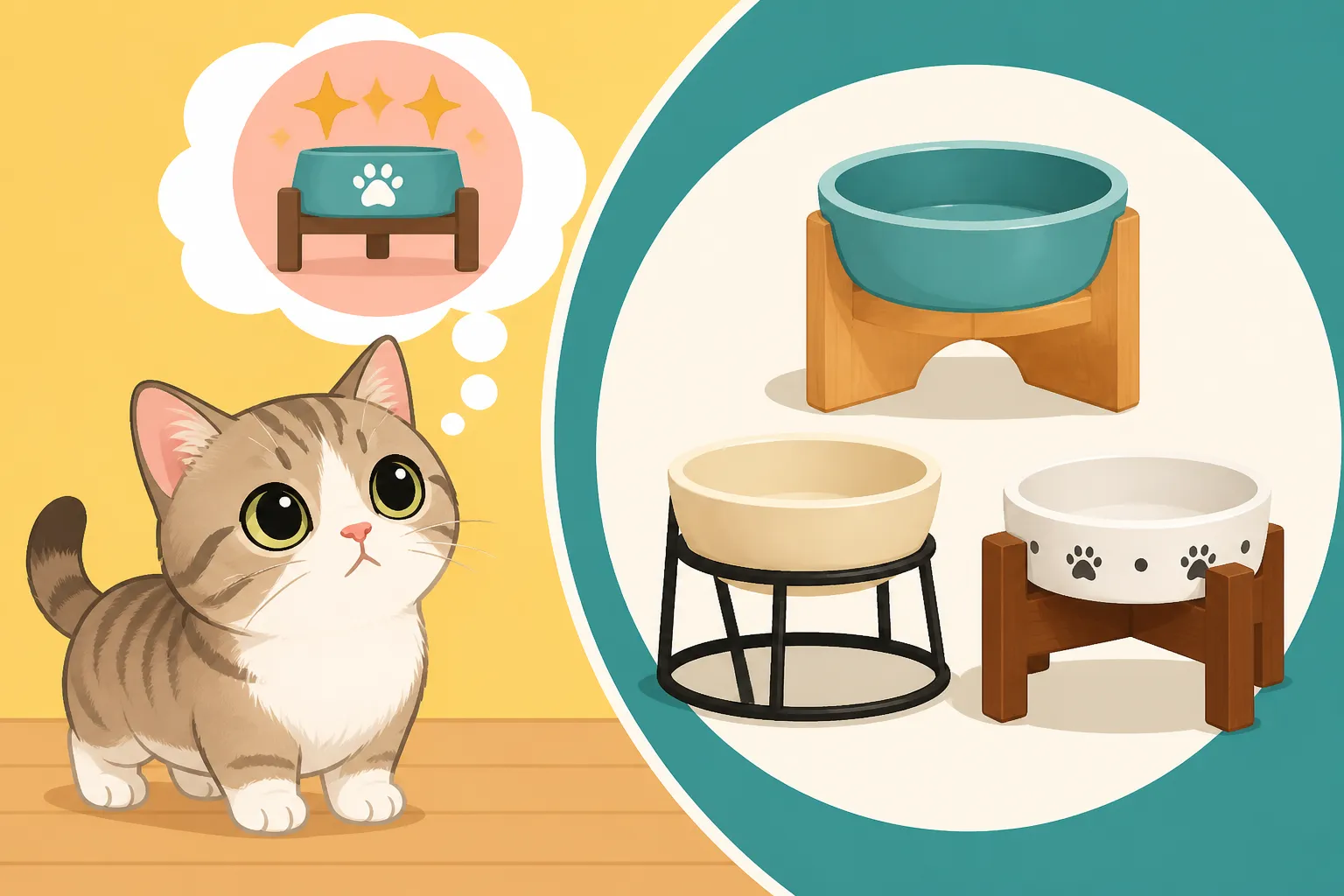
For a more straightforward approach, simple raised stands or platforms are a popular choice. These are essentially elevated bases onto which you place standard cat bowls. They come in a variety of materials, from wood and bamboo to plastic and metal, and often feature cut-outs designed to hold bowls securely in place, preventing them from being nudged off during mealtime. The key is to select a stand that provides an appropriate fixed height for your Munchkin.
While they lack the adjustability of more complex feeders, their simplicity makes them easy to clean and often more aesthetically pleasing if you prefer a minimalist look. You can find single or double stands, and some even have storage compartments underneath. When choosing, pay attention to the height provided and ensure it aligns with your Munchkin's comfortable eating level, making sure they don't have to crane their neck too much or bend their back. Remember, How High a Munchkin's Food Bowl Should Sit is crucial for their long-term comfort.
Cost Spectrum for Raised Food Bowls
The cost of a raised food bowl for your Munchkin can vary quite a bit, depending on the materials, features, and brand. It’s not just about buying a bowl; it’s an investment in your cat’s long-term health and comfort. You'll find options that fit nearly every budget, from very economical solutions to more premium, design-focused pieces.
Budget-Friendly Options
At the more affordable end of the spectrum, you can find basic plastic or melamine raised bowls and simple stands. These typically start at a modest cost, making them accessible for all pet owners. You might find a simple plastic stand designed to hold one or two standard cat bowls, or a molded plastic bowl that already has a built-in base. These are generally lightweight and easy to clean, though plastic can sometimes develop scratches over time, which can harbor bacteria.
When looking at budget-friendly options, durability and stability are still key considerations. Ensure the stand is sturdy enough not to tip over, especially if your Munchkin is an enthusiastic eater. While they might not offer features like adjustable height, they still provide the primary benefit of elevating the food, which is the most important aspect for your short-legged friend. These are a great starting point, especially if you're trying out the concept or need multiple feeding stations around the house.
Mid-Range and Premium Choices
Moving up the scale, mid-range raised bowls often feature more durable materials like ceramic, bamboo, or stainless steel. These options generally fall into a moderate price bracket and offer better aesthetics, increased stability, and enhanced hygiene. Stainless steel bowls are incredibly durable and easy to sanitize, while ceramic bowls are heavy and stable, less prone to tipping, and can be quite stylish. Bamboo stands offer an eco-friendly and attractive option that blends well with many home decors.
Premium options tend to be at the higher end of the scale and may include advanced features like multiple adjustable heights, slow-feeder inserts for cats who eat too quickly, or integrated water dispensers. These might also come from specialized pet ergonomic brands, focusing on sleek design and high-quality construction. While the price might be higher, these often represent a long-term investment in your cat's health and can offer superior durability and functionality. For instance, if you're feeding a fresh food diet, you might want a premium, easy-to-clean bowl that complements that investment in nutrition.
Here's a general idea of the cost spectrum:
| Type of Raised Bowl/Feeder | Materials Often Used | Key Features | General Cost Range (Qualitative) |
|---|---|---|---|
| Basic Raised Bowl | Plastic, Melamine | Fixed height, simple design, lightweight | Budget-Friendly |
| Simple Raised Stand | Wood, Bamboo, Plastic | Fixed height, holds standard bowls, varying aesthetics | Budget-Friendly to Mid-Range |
| Angled/Tilted Bowl | Ceramic, Plastic | Fixed height, tilted surface for easier access | Mid-Range |
| Adjustable Height Feeder | Stainless Steel, Plastic, Wood | Multiple height settings, often includes bowls | Mid-Range to Premium |
| Ergonomic/Designer Feeder | Ceramic, Stainless Steel, Premium Wood | Advanced adjustability, aesthetic design, extra features | Premium |
Considerations Beyond the Initial Purchase
It’s important to remember that the initial cost of the bowl isn’t the only financial consideration. Think about longevity and durability. A cheaper plastic bowl might need replacing sooner due to scratches or wear, whereas a stainless steel or ceramic option will likely last for many years. Also, consider the ease of cleaning; bowls that are dishwasher-safe can save you time and ensure better hygiene.
The long-term health benefits of a raised bowl can also indirectly save money. By reducing strain on joints and the spine, you might potentially mitigate future vet visits for pain management or joint-related issues. While nothing can guarantee perfect health, proactive measures like ergonomic feeding can certainly help. This is where a good pet insurance plan, like those offered by Healthy Paws, can provide peace of mind, knowing you're prepared for unexpected health challenges, even as you strive to prevent them. Keeping your Munchkin at a healthy weight and ensuring proper joint support from a young age, as discussed in Feeding a Munchkin Kitten Without Loading Its Joints, works hand-in-hand with appropriate feeding ergonomics.
DIY Solutions and Budget-Friendly Alternatives
If buying a specialized raised food bowl isn't immediately feasible or if you enjoy a good DIY project, there are plenty of creative and budget-friendly ways to elevate your Munchkin's feeding station. The goal is simply to get that bowl off the floor to a comfortable height, and you can achieve that with common household items or a bit of simple crafting.
Using Existing Household Items
Sometimes, the solution is already in your home! You can repurpose sturdy objects to create a temporary or permanent raised feeding station. For example, a small, overturned ceramic plant pot, a sturdy shoebox covered in decorative contact paper, or a small stack of thick books can serve as a stable platform for your cat's existing food bowl. Even a small, sturdy stool or a decorative storage box can work wonders.
The key is to ensure whatever you use is stable, heavy enough not to be easily tipped, and at an appropriate height. Observe your Munchkin as they eat from this makeshift setup to ensure their neck is straight and comfortable, and their back isn't hunched. This approach allows you to experiment with different heights to find the sweet spot for your individual cat before investing in a dedicated raised feeder. It's an excellent way to see the immediate benefits without spending a dime.
Simple Wood or PVC Pipe Stands
For those with a knack for DIY, crafting a simple stand from wood or PVC pipe can be a rewarding project. A basic wooden stand can be made from a small piece of wood for the top and four smaller pieces for legs, glued or screwed together. You can even cut holes in the top piece to snugly fit your cat's bowls, preventing them from sliding around. This allows for full customization of height and even color, should you choose to paint it.
PVC pipes offer another easy and inexpensive construction option. With a few lengths of pipe and connectors, you can build a sturdy, water-resistant frame that elevates your bowls. These materials are widely available at hardware stores and require minimal tools. The benefit of DIY is not only cost savings but also the ability to perfectly tailor the height and design to your Munchkin's needs and your home's decor. Plus, you can easily adjust it as your cat grows older or if you discover How Much a Munchkin Gets in a Weighed Meal means they need a slightly different setup.
Utilizing Old Containers or Upside-Down Bowls
Another incredibly simple trick is to use an old, clean plastic food container or even an upside-down, wider cat bowl as a base for your Munchkin's actual food bowl. Just make sure the base container is stable and wide enough at the bottom to prevent wobbling or tipping. This works best with bowls that have a flat bottom and sides that aren't too steep, so they rest securely on the elevated surface.
For example, a clean, empty ice cream tub or a small Tupperware container, placed upside down, can provide just enough lift for a smaller Munchkin. Always supervise your cat during the first few uses of any DIY solution to ensure it's safe, stable, and truly comfortable for them. The goal is to make mealtime a relaxed and enjoyable experience, free from strain or instability, ensuring that even something as simple as a food bowl helps in the long-term care of your Munchkin.
Disclaimer
This article is for general informational purposes only and does not constitute professional advice. Laws, prices and regulations vary by location and change over time. Consult a qualified professional for guidance on your specific situation.