Why Color Matters Less Than Leg Length in a Munchkin
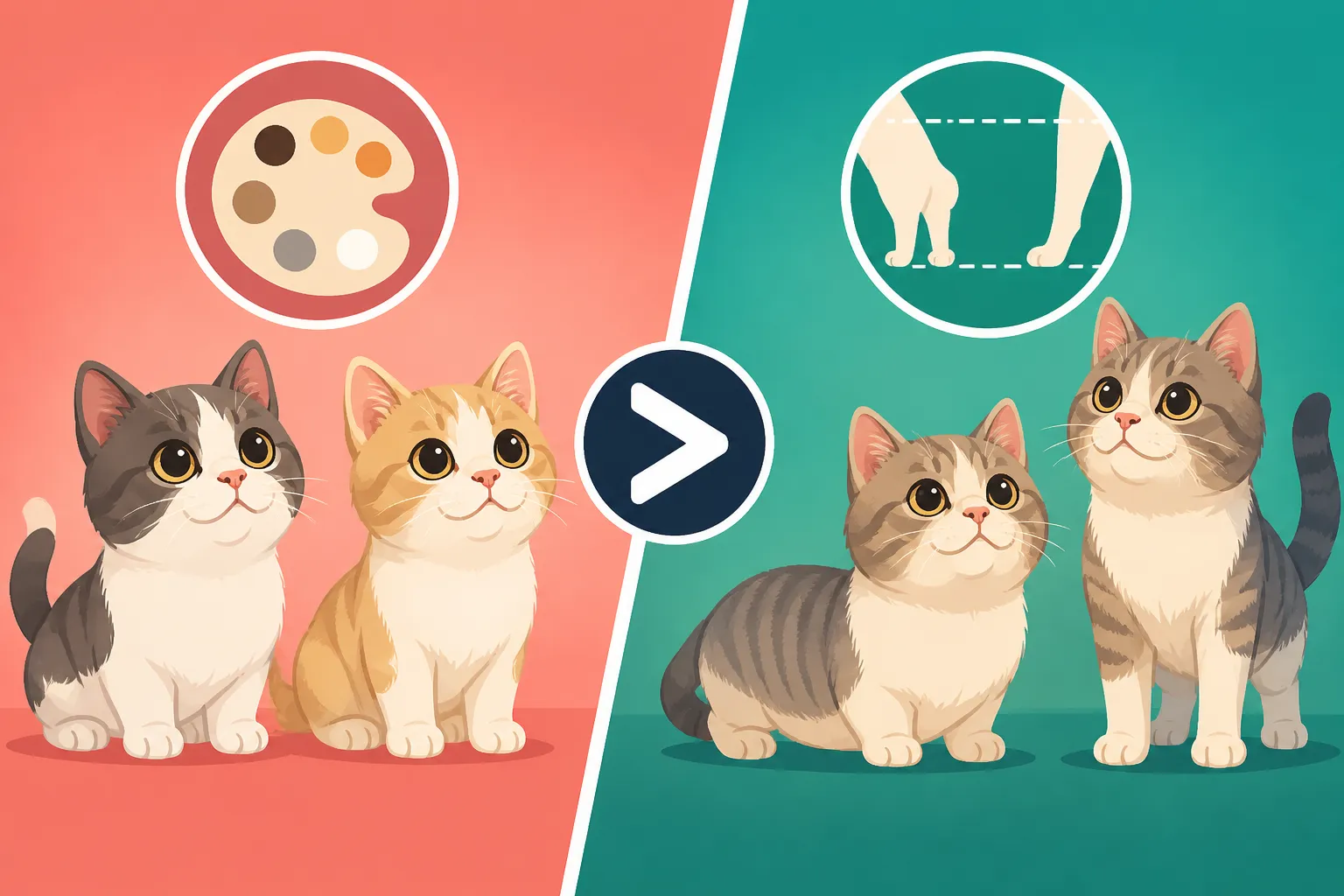
It’s a common misconception among aspiring Munchkin cat owners that the rarest coat color or the most striking pattern will be the biggest factor in the kitten's price. But when you’re looking at a Munchkin, the aesthetic appeal of a blue point or a silver tabby takes a backseat to a much more fundamental characteristic: the length of their tiny legs. This guide will walk you through why leg length is the true financial and health determinant for these unique cats, far outweighing the superficial beauty of their fur.
The Core Genetic Trait: Short Legs vs. Coat Color
When we talk about Munchkin cats, we're talking about a breed defined by a single, spontaneous genetic mutation that affects bone growth in their limbs. It's this core genetic trait that dictates so much about their lives and, consequently, their value.
Understanding the Munchkin Gene
The hallmark of the Munchkin is, quite obviously, its short legs. This isn't just a quirky feature; it's the result of an autosomal dominant gene. What does that mean in simple terms? It means that even inheriting just one copy of this gene from a parent is enough for a cat to display the short-legged characteristic. However, this same gene is lethal in two copies, meaning a kitten embryo that inherits two copies simply doesn't survive. This is why you will never see Munchkin Dwarfism Is Dominant and Lethal in Two Copies in a breeding pair, and why Munchkin breeding always involves one short-legged cat and one normal-legged cat.
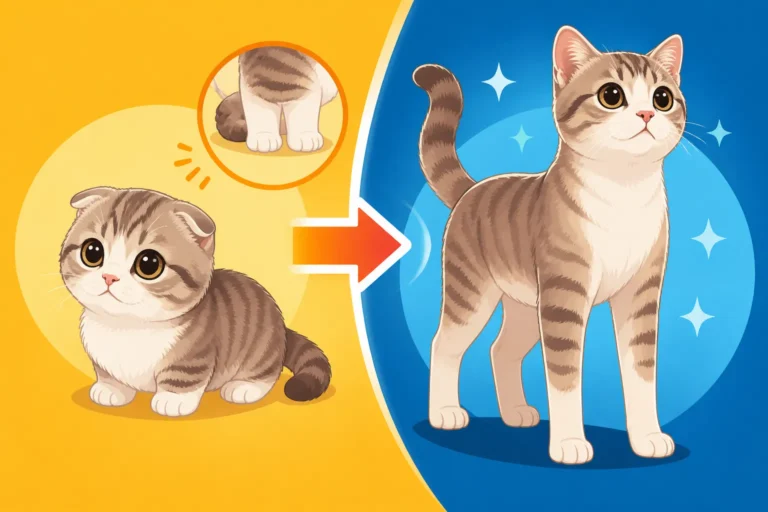
This genetic uniqueness directly impacts their physical structure. While their bodies are typically of normal length and size, their legs are significantly shorter, particularly the long bones of their forelegs and hindlegs. This can manifest in varying degrees, from what breeders call "standard" length to "rug hugger" or even "super short" lengths. These variations aren't just cosmetic; they influence how the cat moves, plays, and interacts with its environment throughout its entire life. The shorter the legs, the more pronounced these effects, and often, the more unique the cat is perceived to be.
The Secondary Nature of Coat Color and Pattern
In stark contrast to the defining short-leg gene, coat color and pattern in Munchkins are determined by a separate set of genes, just like in any other domestic cat breed. Whether a Munchkin is a sleek black, a striking calico, a vibrant ginger tabby, or a sophisticated seal point, these colors are essentially "skin deep." They don't affect the cat's health, its mobility, or its overall physical conformation in the same way leg length does.
You can find Munchkins in virtually every color and pattern known in the feline world. This wide variety is due to the breed's origins and ongoing outcrossing to domestic shorthairs and longhairs, which keeps the gene pool diverse. While some colors might be less common than others, they don't carry the same weight in terms of genetic significance or potential health implications as the length of the legs. They are purely aesthetic traits, chosen by personal preference, much like picking the color of your car – it doesn't change how the engine runs.
Leg Length: The Primary Price Driver in Munchkins
When it comes to the price tag of a Munchkin kitten, leg length is the undisputed champion. It’s the characteristic that breeders and buyers alike focus on, and for several understandable reasons.
Rarity and Demand for Shorter Legs
It might sound counterintuitive to some, but generally, the shorter the legs, the higher the price. This phenomenon is rooted in the "rarity" factor. While a Munchkin litter will typically have a mix of short-legged and normal-legged kittens, the degree of shortness in the short-legged ones can vary. A kitten with "super short" or "rug hugger" legs, meaning their body is incredibly close to the ground, is often seen as the most desirable embodiment of the breed's unique trait. This rarity drives demand, allowing breeders to command higher prices for these particularly diminutive individuals. For instance, How Much a Rug Hugger Munchkin Costs often eclipses that of a standard short-legged Munchkin.
Breeders typically assess leg length at around twelve weeks of age, once the kittens have developed enough to clearly show their adult conformation. This assessment directly influences the kitten's price. The perception is that the "shorter the better" truly defines the breed's novelty and charm, making these specific kittens hot commodities.
Health and Care Implications of Leg Length
Beyond the initial "wow" factor, the practical implications of leg length are where the true long-term costs and considerations lie. A Munchkin's short legs, especially the extremely short ones, directly impact their mobility. They might struggle with jumping onto furniture, accessing traditional litter boxes, or even reaching certain spots on their own bodies for grooming. This isn't just about convenience; it can lead to lifelong care needs and associated expenses.
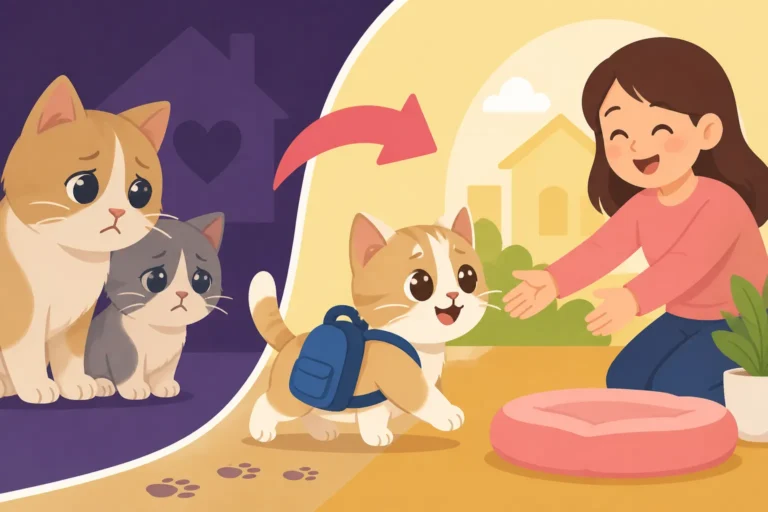
For example, a Munchkin might need ramps or steps to access sofas, beds, or even sunny window sills. Their litter boxes may need to be specially chosen to have low entry points, or you might find yourself needing to cut down a regular box. Ramps and Steps Are Munchkin Equipment, Not Luxuries are often a necessity, not an optional extra. Their unique gait, sometimes described as a ferret-like waddle, means their joints, especially shoulders and elbows, can experience different stresses over time. This makes them more susceptible to certain orthopedic issues as they age, possibly requiring more frequent vet visits or joint supplements.
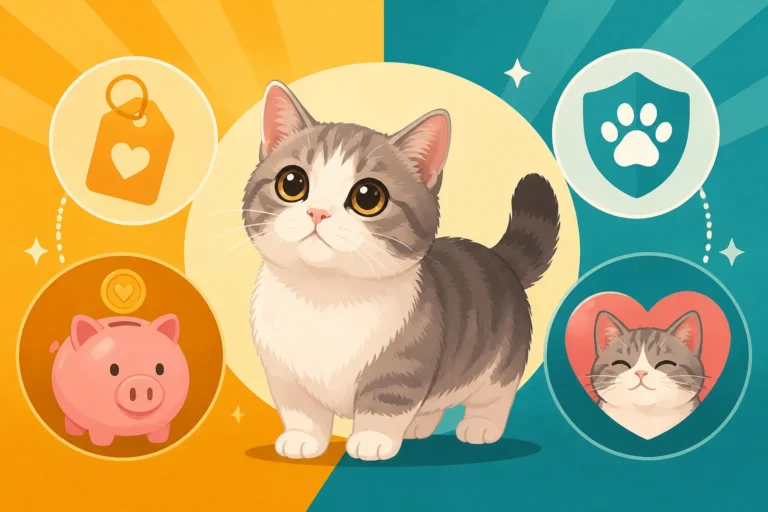
Furthermore, weight management becomes even more critical for a Munchkin. Every extra pound puts disproportionate strain on their short limbs and spine. Why Weight Is More Dangerous on a Munchkin is a serious concern, as obesity can severely exacerbate mobility issues and lead to further health complications. This means a lifelong commitment to a carefully portioned diet, potentially with joint-supportive ingredients. And when it comes to unexpected health issues, robust pet insurance, like plans offered by Healthy Paws, can be a lifesaver for managing potential long-term veterinary costs associated with their unique physique. These are the kinds of financial considerations that truly demonstrate What the Short Legs Actually Cost a Munchkin over their lifetime, far beyond the initial purchase.
Why Coat Color Is a Secondary Consideration (If at All)
While everyone has their preferred aesthetic, when it comes to the Munchkin, coat color simply doesn't hold the same sway as leg length in terms of overall cost or significance.
Availability and Predictability of Colors
Breeders have a pretty good handle on coat color genetics. Unlike the unpredictable variations in leg length that can appear in a single litter, a breeder can often predict the potential colors and patterns based on the parent cats' genetics. This predictability means that no single coat color is inherently "rare" in the same way that a "super short" leg length might be. You'll find Munchkins in a dazzling array of solid colors, tabbies, bi-colors, tri-colors, and colorpoints.
Even if a particular color or pattern is less common – say, a solid lilac or a particularly striking tortie point – it typically doesn't command a significantly higher price premium compared to the impact of leg length. While a breeder might price a very rare color slightly higher, this difference is usually marginal. The sheer availability and ease of producing specific colors mean they don't carry the inherent "exclusivity" that an exceptionally short-legged individual does. Therefore, you're less likely to see a vast price disparity based solely on, for example, a black Munchkin versus a cream Munchkin, assuming their leg lengths are comparable.
Aesthetic Preference vs. Breed Defining Trait
At the end of the day, coat color is an aesthetic preference. It's about what appeals to your eye, what you find beautiful. It doesn't define the breed itself. You can have a stunningly beautiful Munchkin with a rare color pattern, but if its legs are longer than the desired "standard," it will likely be priced lower than a common black tabby with exceptionally short legs. This is because the short legs are the defining characteristic of the Munchkin breed, the very trait that sets it apart.
Think of it like this: you're buying a unique piece of art. The canvas (the cat's physical form) is defined by its core structure (short legs), and the painting itself (the coat color) is merely the finishing touch. While you might prefer a certain painting, the value of the art is largely determined by the medium and the artist's unique contribution. Similarly, a beautiful coat on a Munchkin is lovely, but it doesn't fundamentally alter its identity or its breed-specific needs. This is why What a Long Legged Munchkin Kitten Is Worth is significantly less than a short-legged sibling, even if they share the same striking coat color. The long legs mean they don't fully embody the defining physical trait of the breed, regardless of their beauty.
Comparison: Leg Length vs. Coat Color
To really drive home the point, let's look at a quick comparison of how these two characteristics impact a Munchkin.
| Feature | Primary Impact on Cost/Value | Primary Impact on Care/Ownership | How Breeders View It |
|---|---|---|---|
| Leg Length | High: Shorter legs = higher price (rarity, demand). | High: Dictates mobility, need for ramps/steps, grooming needs, joint health. | The defining characteristic; critical for breed standard, influences breeding pairs. |
| Coat Color/Pattern | Low: Aesthetic preference, minimal price impact (unless very rare). | Low: No direct impact on health or mobility. | Aesthetic, can be predicted, less critical than conformation. |
This table makes it clear: while a gorgeous coat is a bonus, the functional and genetic aspects of leg length are the true determinants in the Munchkin world.
Making an Informed Decision Beyond Aesthetics
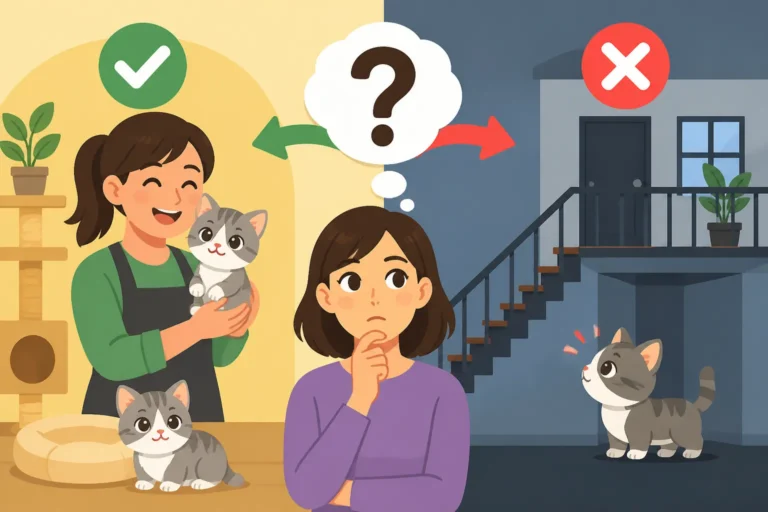
Bringing any cat into your home is a big decision, and with a Munchkin, there are extra layers of consideration. Focusing solely on a pretty coat can lead to overlooking the vital aspects that ensure a happy, healthy life for your feline friend.
Prioritizing Health and Temperament
When choosing a Munchkin kitten, your top priority should always be the kitten's overall health and temperament, regardless of its leg length or coat color. A reputable breeder will emphasize these factors and be transparent about the health history of the parents and the litter. They should be able to provide clear vet records, health guarantees, and allow you to meet the kitten's parents to assess their disposition. What a Munchkin Breeder Should Be Able to Show You goes beyond just papers; it's about seeing healthy, happy cats in a clean environment.
You want a kitten that is playful, curious, and well-socialized, not one that is withdrawn or appears unwell. Even a Munchkin with the "perfect" short legs and a stunning coat isn't a good choice if it comes with underlying health issues or a poor temperament. In fact, many vets maintain a critical stance on the breed, so having a healthy cat from the start is paramount. Learning Which Health Problems the Munchkin Actually Has can help you ask the right questions and spot potential issues.
Understanding Long-Term Commitment
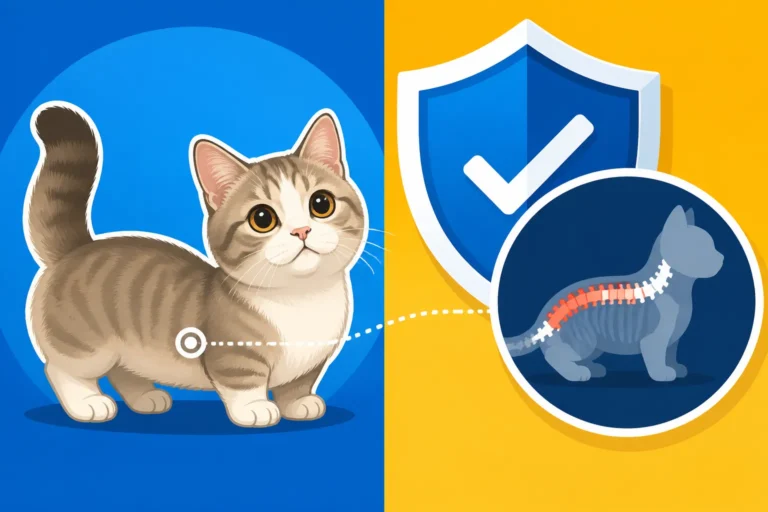
The initial purchase price of a Munchkin kitten is really just the tip of the iceberg when it comes to the financial and emotional commitment. A Munchkin's unique physique means you're signing up for potential long-term care needs that a normal-legged cat might not have. This includes ongoing veterinary care, especially monitoring for joint issues, which some believe are more prevalent due to Why a Munchkin's Spine Carries a Load a Normal Cat's Does Not.
You'll need to budget for those essential home adaptations like ramps and low-entry litter boxes. Regular grooming might also be a more hands-on affair, particularly for long-haired Munchkins, as they might struggle to reach their hindquarters, leading to matting. What a Munchkin Cannot Reach to Groom can become a significant issue if not addressed. Pet insurance is another crucial consideration. While policies vary, a good plan can help mitigate the costs of unexpected health challenges. It's wise to investigate options like Healthy Paws that might cover breed-specific conditions, or at least help with general veterinary care. Understanding Whether Pet Insurance Covers a Munchkin's Spine is essential for making an informed choice.
Ultimately, your commitment to a Munchkin is a long-term one, usually spanning The Twelve to Fifteen Years a Munchkin Usually Gets. This commitment needs to factor in all these practicalities, not just the fleeting appeal of a unique color.
In the world of Munchkin cats, while a cat's coat color can certainly capture your heart, it's the defining characteristic of their short legs that truly impacts their initial cost, their lifelong care requirements, and ultimately, the depth of your commitment. Prioritizing responsible breeding, robust health, and understanding the practical needs associated with their unique physique will lead to a far more rewarding experience than simply chasing the most fashionable fur.
Disclaimer
This article is for general informational purposes only and does not constitute professional advice. Laws, prices and regulations vary by location and change over time. Consult a qualified professional for guidance on your specific situation.