Why a Munchkin Kitten Leaves at Twelve Weeks
It’s a common scenario: you’ve found the perfect Munchkin kitten, you’re absolutely smitten, and you’re itching to bring your new furry family member home as soon as possible. But then the breeder tells you it will be another few weeks, possibly until the kitten is twelve weeks old, and you might wonder, "Why the wait?" This guide is here to unravel the critical importance of those first twelve weeks in a Munchkin kitten’s life, explaining precisely why this seemingly long waiting period is absolutely essential for their healthy development, both physically and emotionally, and for their smooth transition into your home.
The Foundation of Feline Development: Why Twelve Weeks is Crucial for All Kittens
Think of those first twelve weeks as a highly intensive feline finishing school. It's not just about size; it's about a complex interplay of physical maturation, immune system development, and crucial social learning. Rushing a kitten out the door before this time can set them up for a lifetime of health and behavioral challenges that could have been easily avoided.
Physical Maturity and Weaning Completion
By twelve weeks, a kitten has typically completed the crucial process of weaning. This isn't just about moving from milk to solid food; it's about their digestive system fully adapting to processing a solid diet. Before this, a kitten's gut biome is still developing, and abrupt changes can lead to digestive upset, diarrhea, and a failure to thrive. A good breeder will ensure their kittens are happily munching on high-quality kitten food, ensuring they're getting all the nutrients they need for strong bones and healthy growth.
Beyond food, the immune system of a young kitten is still quite fragile. They receive initial antibodies from their mother's milk, but this passive immunity wanes over time. The twelve-week mark often coincides with the completion of their core vaccination series, including crucial booster shots. These vaccinations take time to become fully effective, building up the kitten's own active immunity. Sending a kitten home earlier, before their immune system is robust and their vaccinations are complete, exposes them to a higher risk of illness in a new environment with new germs. This is why discussing the vaccination schedule with your breeder is vital, as outlined in articles like Which Vaccines an Indoor Munchkin Needs. A healthy, fully vaccinated kitten is simply more resilient.
Emotional and Social Benchmarks
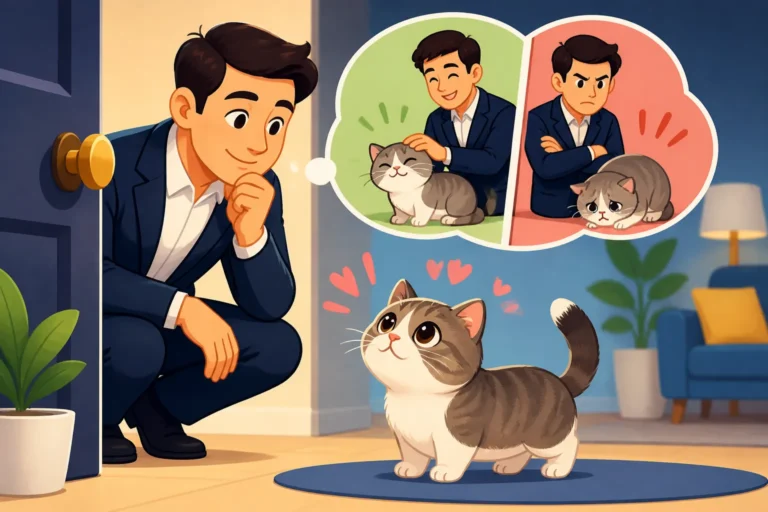
This period is perhaps even more critical for a kitten’s emotional and social development. Kittens learn essential "cat manners" from their mother and littermates. This includes bite inhibition – understanding how hard is too hard when playing – and appropriate play behavior. A kitten removed too early might never learn these boundaries, leading to biting or scratching issues in their new home. They also learn crucial body language cues from interacting with their siblings, which is vital for later interactions with other cats or even understanding their human companions.
Imagine a kitten trying to figure out the world alone. It's overwhelming! With their littermates, they practice hunting, pouncing, and wrestling in a safe, controlled environment. They learn how to share, how to negotiate, and how to retreat. Without this vital peer interaction, kittens can become shy, fearful, or even overly aggressive due to a lack of proper socialization. They also typically master litter box use by this age, learning from their mother's example. A well-socialized kitten is a confident kitten, and that confidence makes a world of difference when they finally arrive in your home. It’s during these weeks they start to understand how to communicate their needs, as explored in How Much a Munchkin Talks When It Wants Lifting.
Specific Milestones for Munchkin Kittens at Twelve Weeks
While the general principles apply to all kittens, Munchkins, with their unique physiology, have specific developmental considerations that make the twelve-week mark particularly significant. Breeders of Munchkins pay close attention to certain aspects that become more apparent as the kitten matures.
Assessing Physical Development in Short-Legged Kittens
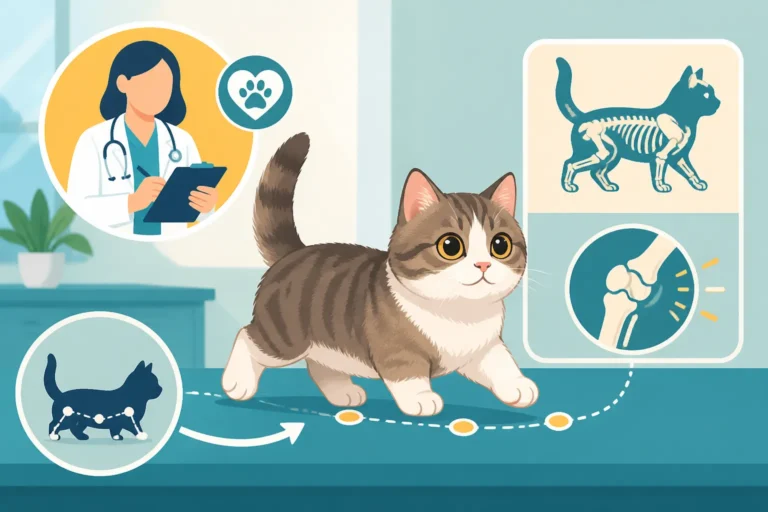
For Munchkin kittens, the twelve-week period is a crucial window for breeders to observe and assess their unique leg conformation. The characteristic short legs, due to a dominant genetic mutation, are present from birth, but how they affect the kitten's movement and overall structure becomes clearer as they grow and become more active. A breeder needs to ensure the kitten is moving freely, without discomfort or obvious impairment. They'll watch how the kitten walks, runs, and plays, looking for any signs of abnormal gait.
This is also the age when the "grade" or type of leg length (e.g., standard, rug hugger) becomes more distinct. While leg length is visually apparent earlier, the full expression of their pseudoachondroplasia — the term for their unique dwarfism — settles into its adult form. Observing their leg conformation is a critical part of a thorough evaluation, as detailed in How a Vet Assesses a Munchkin's Leg Conformation. This observation helps the breeder confirm the kitten’s overall health and suitability for placement. It's not just about aesthetics; it's about ensuring the kitten is developing in a way that supports a good quality of life.
Spinal and Chest Health Checks
Beyond the legs, a Munchkin kitten's spine and chest are areas that require careful monitoring during these early weeks. Conditions like lordosis, an inward curvature of the spine, or pectus excavatum, a sunken chest, can sometimes manifest or become more pronounced as a kitten grows. While severe cases might be evident earlier, milder forms could take more time to assess accurately.
By twelve weeks, a reputable breeder will have had the kitten thoroughly examined by a veterinarian who can palpate the spine and evaluate the chest for any abnormalities. This early screening is vital. For example, How Early Lordosis Shows in a Munchkin Kitten explains why this timing is important. A veterinarian can grade the severity of any such condition, which is critical for making informed decisions about the kitten’s future health and care. Knowing these potential issues early allows for proper management and ensures that only healthy kittens are placed in homes, and that new owners are fully aware of any considerations. Similarly, checking for issues like pectus excavatum is important, as noted in How Early a Munchkin's Chest Should Be Checked.
Ensuring Mobility and Environmental Adaptation Readiness
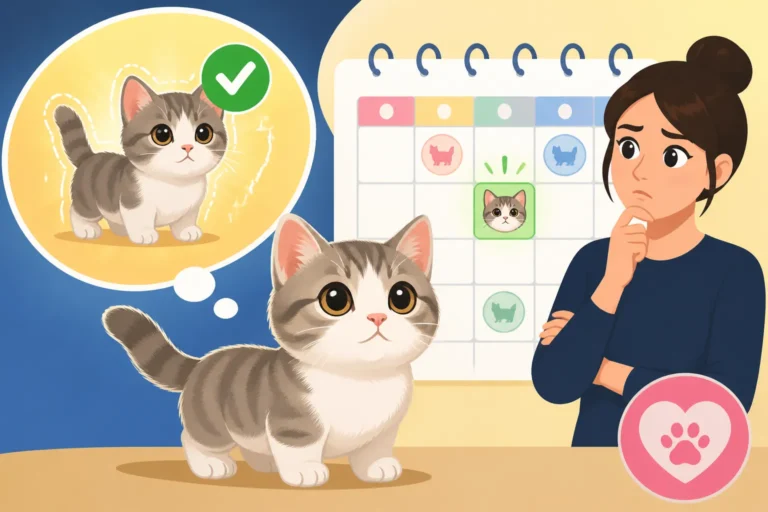
A twelve-week-old Munchkin kitten should demonstrate good mobility within its limitations. They've had ample time to explore their environment and figure out how to navigate obstacles that might be simple for a long-legged cat but present unique challenges for them. This means being able to confidently use low-entry litter boxes, climb onto low steps or ramps, and access food and water bowls without undue strain.
Breeders often provide adapted environments to help their Munchkin kittens learn these skills. You might see special litter boxes with very low fronts (like many convenient options from Chewy), or small steps leading to a favorite sleeping spot. By twelve weeks, the breeder can observe if the kitten is successfully adapting to these modifications. This ensures that when the kitten moves to your home, they are already accustomed to navigating a world designed for their unique needs. It prevents potential frustration or accidents and gives you a good baseline for what adaptations your own home might need, such as those discussed in How Low a Munchkin Litter Box Entry Should Be.
The Breeder's Role and Ethical Departure Practices
A responsible breeder isn't just selling you a kitten; they're ensuring that the kitten is ready for its new life and that you, as the new owner, are prepared to provide the best possible care. The twelve-week mark is integral to this ethical process.
Comprehensive Vet Checks and Health Documentation
By the time a Munchkin kitten reaches twelve weeks, a conscientious breeder will have ensured it has undergone a thorough veterinary examination. This isn't just a quick peek; it's a comprehensive check-up designed to identify any potential health concerns before the kitten leaves for its new home. This includes checks for parasites, listening to the heart and lungs, examining eyes and ears, and of course, a careful assessment of their musculoskeletal system, paying particular attention to their unique leg structure and spinal health.
You should expect a full set of health records, including vaccination dates, deworming history, and any microchipping details. These documents are vital for your own veterinarian when you take your kitten for its initial check-up. They provide a clear picture of the kitten's health journey so far. This transparency is a hallmark of an ethical breeder and helps you understand your new pet's baseline health, which is critical for breeds like Munchkins that might have specific considerations. It's worth considering pet insurance from providers like Healthy Paws right from the start to cover any unexpected future health needs. A good breeder should be able to provide all this information, as detailed in What a Munchkin Breeder Should Be Able to Show You and What a Munchkin Kitten's First Exam Should Cover.
Socialization and Desensitization
Beyond their littermates and mother, kittens at a reputable cattery are exposed to a variety of human interactions and household stimuli during these crucial twelve weeks. This "desensitization" process helps them become well-adjusted, confident adult cats. They'll be handled regularly, exposed to different voices, gentle touch, and the everyday sounds of a home environment – things like vacuums, doorbells, and even children's laughter (if applicable).
This early exposure is vital for a Munchkin, as their inability to jump to high places means they cannot easily escape potentially frightening situations. A kitten accustomed to a busy household is less likely to be fearful or skittish when introduced to your home. It makes the transition smoother for everyone and helps the kitten bond more easily with its new family. A well-socialized Munchkin is much more likely to be a happy, outgoing companion rather than a timid recluse.
Preparation for the New Home
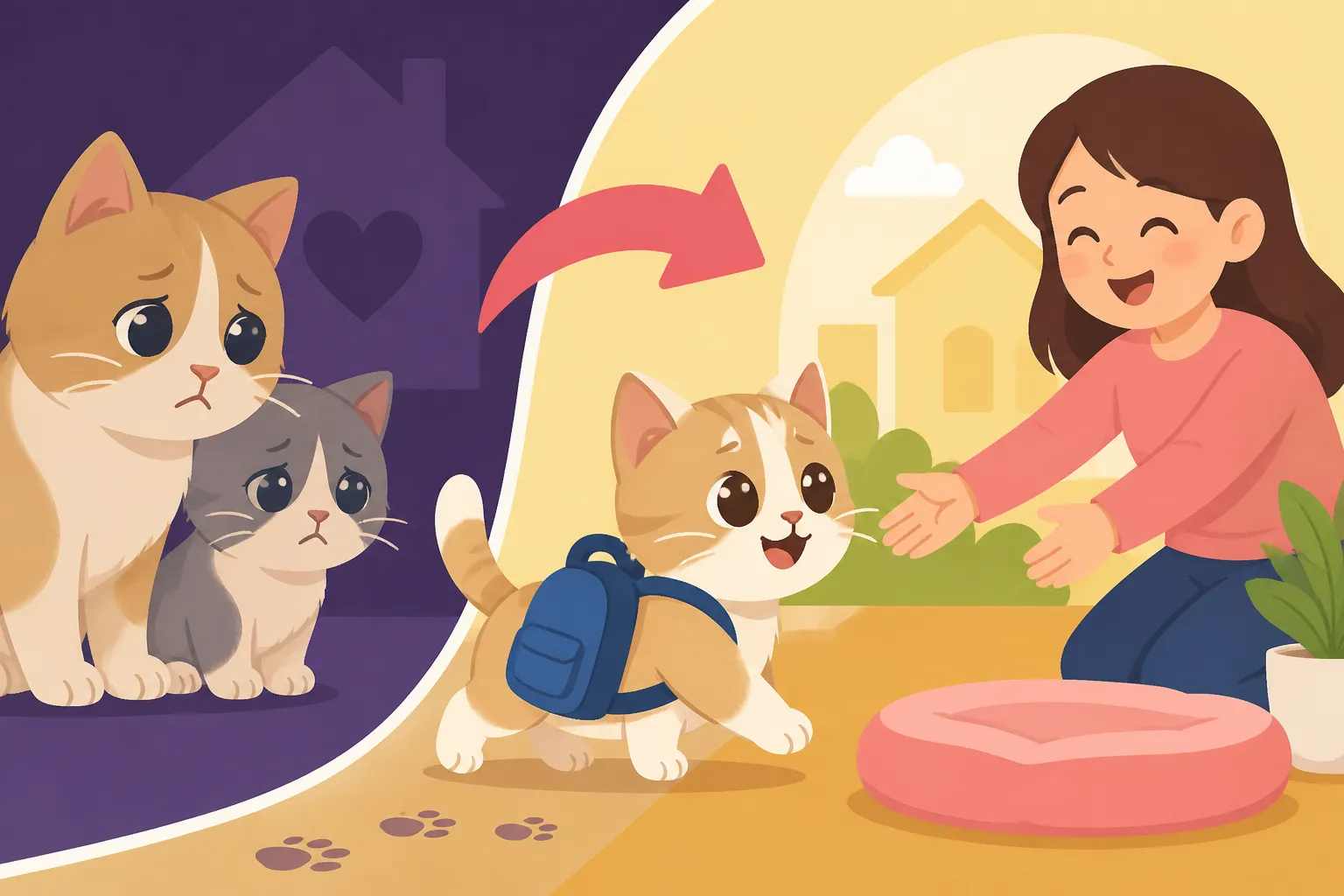
An ethical breeder also uses the twelve-week period to prepare both the kitten and the new owner for the upcoming transition. For the kitten, this might involve crate training for comfortable travel, or introducing them to different types of toys and enrichment. For you, the owner, it means providing comprehensive guidance on feeding, grooming, litter box habits, and general care specific to a Munchkin.
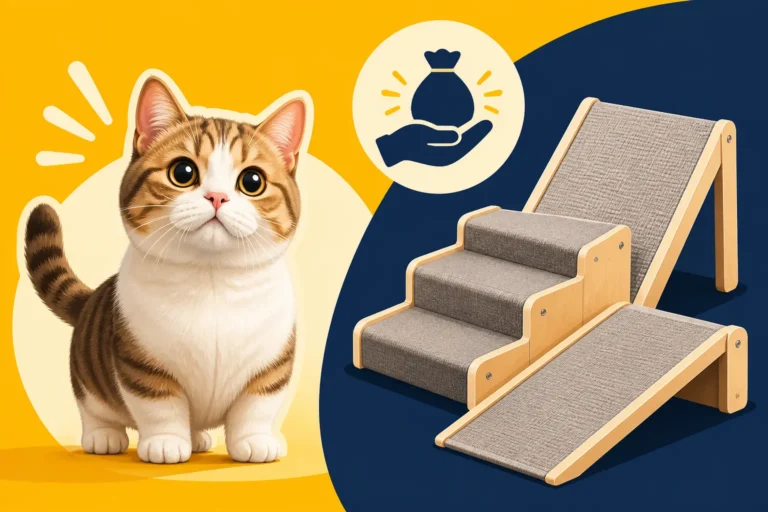
They’ll discuss how to "kitten-proof" your home, ensuring that the environment is safe and accessible for a cat with short legs. This might include recommending ramps or steps for furniture, ensuring appropriate scratching posts are available, and discussing any potential hazards. This preparation is a two-way street, ensuring you feel confident and ready to welcome your new family member. Think of it as a comprehensive handover, ensuring you have all the tools and knowledge necessary to give your Munchkin a fantastic start in its forever home, as highlighted in How to Set Up a Home for a New Munchkin Kitten.
Avoiding Premature Separation: Risks and Red Flags
While it's tempting to bring a tiny kitten home, cutting short that crucial twelve-week developmental period carries significant risks that can have long-lasting, detrimental effects on your Munchkin. Recognizing these risks, and understanding why breeders might push for earlier pickups, is crucial for making an informed and ethical choice.
Behavioral Problems Stemming from Early Departure
One of the most common and distressing outcomes of premature separation is the development of behavioral problems. Kittens who leave their mother and littermates too early miss out on critical lessons in bite inhibition. This often results in "play biting" that is far too rough, causing pain and making it difficult for owners to interact with their cat without getting hurt. This isn't aggression; it's simply a lack of understanding boundaries that their siblings would have taught them.
Beyond biting, early separation can lead to excessive kneading, suckling on blankets or even owners' skin (a comfort behavior typically outgrown), and extreme shyness or fearfulness. They may also struggle with litter box training, as they haven't had enough time to consistently learn good habits from their mother. A kitten that hasn't learned appropriate social skills might also struggle with interactions with other pets in your home, leading to stress for everyone involved. These behavioral issues, once established, can be very challenging to correct and can severely impact the bond between you and your cat.
Health Risks of Early Separation
From a health perspective, removing a kitten before twelve weeks can be disastrous. As mentioned earlier, their immune system is still developing, and they are typically in the middle of their vaccination series. Moving to a new environment, even a clean one, exposes them to new pathogens at a time when they are least equipped to fight them off. This makes them highly susceptible to common kitten illnesses like upper respiratory infections, parasites, and gastrointestinal issues, which can quickly become serious in a young, vulnerable animal.
Nutritional deficiencies are also a concern if weaning isn't fully complete or if the kitten is stressed and reluctant to eat in a new environment. Stress itself can suppress a kitten's immune system, making them even more vulnerable. While the instinct might be to "rescue" a tiny kitten, you could inadvertently be taking on significant veterinary bills and heartbreak. An older, stronger, fully vaccinated kitten is simply a safer and healthier bet. Even with great care and joint-supporting foods, a kitten needs the best start possible. Consider supplementing their diet with healthy treats from Chewy that support overall well-being.
Identifying Unscrupulous Breeders
A breeder who is eager to send a Munchkin kitten home before the twelve-week mark is often a huge red flag. Ethical breeders prioritize the health and well-being of their kittens above all else. They understand the crucial developmental stages and will never compromise on the appropriate departure age. They know that a few extra weeks with the mother and littermates makes a profound difference in the kitten's future.
Unscrupulous breeders, often driven by profit, might try to reduce their overhead by sending kittens home earlier. They might claim the kittens are "ready" or use terms like "teacup" or "mini" to imply they are smaller and more fragile, needing to go home sooner (these terms are often misleading for Munchkins anyway). They may also offer kittens at a suspiciously low price – a classic warning sign that quality and proper care have been cut. As detailed in Why a Cheap Munchkin Is a Warning, this is often a false economy, as you'll likely face higher vet bills and behavioral challenges down the line. Always prioritize a breeder who adheres to ethical practices and respects the natural developmental timeline of their kittens. Don't be afraid to ask to see the parents, observe the kittens in their environment, and review all health documentation.
| Kitten Age | Key Developmental Milestones | Why It Matters for Munchkins |
|---|---|---|
| 0-4 Weeks | Nursing, rapid growth, opening eyes/ears, initial mobility | Dependent on mother for all needs. |
| 4-8 Weeks | Introduction to solid food, initial litter training, active play with siblings, basic social cues. | Legs and body conformation become more visible. Learning early navigation skills. |
| 8-12 Weeks | Full weaning, completing core vaccinations, mastering litter box, refining bite inhibition, robust play, strong immune system development. | Crucial period for assessing leg health, spinal development (lordosis, pectus excavatum), and ensuring mobility skills are solid. Critical for socialization with littermates. |
| 12 Weeks + | Physically and emotionally ready for new home. Vaccinations complete, immune system stronger, well-socialized, prepared for transition. | Optimal time for departure, minimizing stress and health risks, ensuring a well-adjusted pet. |
Ultimately, waiting until your Munchkin kitten is at least twelve weeks old is an act of love and responsibility. It ensures you bring home a healthy, well-adjusted, and confident companion who is ready to thrive in your home and be a cherished part of your family for many years to come.
Disclaimer
This article is for general informational purposes only and does not constitute professional advice. Laws, prices and regulations vary by location and change over time. Consult a qualified professional for guidance on your specific situation.