When a Munchkin Is Chipped in the Breeder’s Schedule
Bringing a new Munchkin kitten into your home is an incredibly exciting time, but amidst all the joy and preparation, it's easy to overlook crucial details like microchipping. Many new owners wonder exactly when this tiny, vital device is implanted by the breeder and what their responsibilities are, often worrying about the logistics and ensuring their new family member is fully protected. This guide will walk you through the typical microchipping schedule for Munchkin kittens, why it's so important, and what you need to do to ensure your furry friend is safely registered.
The Importance of Microchipping Your Munchkin Kitten
Microchipping might seem like a small detail, just another item on a long checklist, but for any cat, especially a Munchkin, it's an absolutely essential layer of protection. Think of it as your cat's permanent ID, one that can't fall off like a collar or get lost during an adventure.
Why Microchips are Essential for Cat Safety
Imagine the unthinkable: your beloved Munchkin slips out the door, perhaps startled by a loud noise, or gets disoriented during a move. It's a terrifying thought for any pet parent, but for a Munchkin, who can't jump to safety on a high fence or climb a tree to escape danger as easily as a long-legged cat, getting lost can be even more precarious. A microchip is a tiny device, no bigger than a grain of rice, that's implanted under their skin. It carries a unique identification number that can be scanned by veterinary clinics, shelters, and rescue organizations. If your Munchkin is found, this chip is often the fastest, most reliable way to reunite them with you, their rightful owner. Collars and tags can break or come off, but a microchip stays with them for life. Without it, a lost cat's chances of returning home are significantly lower.
Breeder Responsibility in the Microchipping Process
Reputable Munchkin breeders understand this critical need for identification and generally take on the responsibility of microchipping their kittens before they ever leave for their new homes. This isn't just about good practice; in many regions, there are actually legal requirements for breeders to microchip puppies and kittens before sale. For a breeder, ensuring every kitten is chipped is a testament to their commitment to animal welfare and responsible breeding. It means that from the moment they are old enough, these little ones have a layer of protection. It also simplifies the process for you, as the new owner, by ensuring this crucial step is already handled by an experienced professional during the kitten's early veterinary visits. This foresight helps breeders provide the best start for their kittens, knowing they are identifiable from an early age.
The Typical Microchipping Timeline for Munchkin Kittens
Understanding when a Munchkin kitten is typically microchipped can help you align expectations with your breeder and ensure you're ready for the subsequent steps. It's usually a carefully planned part of their early veterinary care.
When Vets Recommend Microchipping Kittens
Generally, veterinarians recommend microchipping kittens when they are between 8 and 12 weeks old. There are a few good reasons for this specific timeframe. By 8 weeks, kittens are usually large enough that the procedure is very safe and straightforward, much like a routine vaccination. They've also often had their first round of core vaccinations by this point, making it convenient for the vet to perform both procedures during the same visit. Waiting until they're a bit older, around 10-12 weeks, also allows them to be a little more robust and less stressed by the handling. It's all about balancing safety, efficacy, and minimizing stress for the tiny bundles of fur. This window ensures they are chipped before they are typically ready to go to their forever homes, offering immediate protection.
How This Fits into a Munchkin Breeder's Schedule
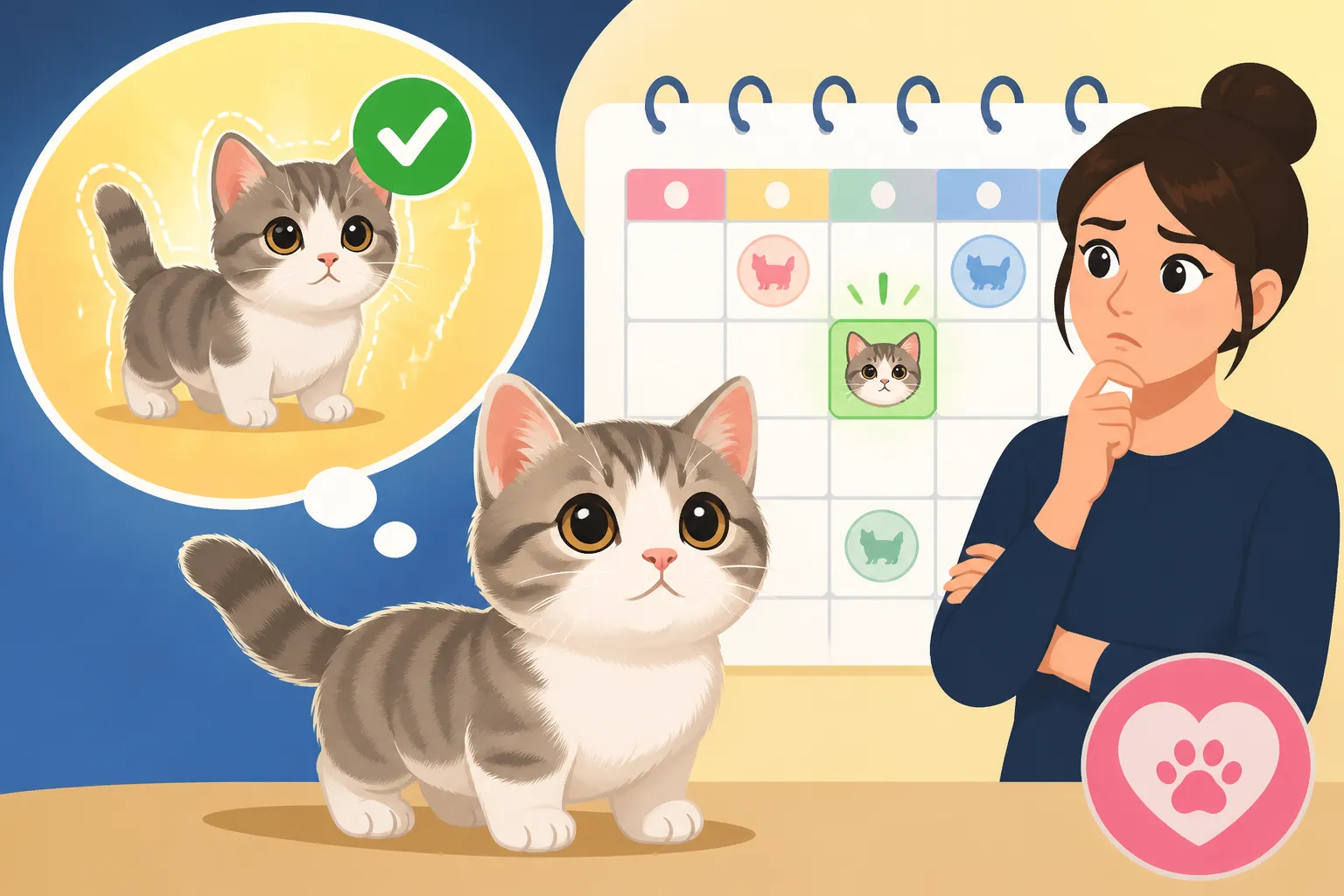
For a conscientious Munchkin breeder, the microchipping appointment is meticulously woven into the kitten's overall health schedule. It often coincides with the comprehensive health check-up they receive, where the vet will assess their general well-being, listen to their heart and lungs, check their eyes and ears, and administer necessary vaccinations. Many breeders prefer to have the microchip implanted during the second round of kitten vaccinations, usually around 10-12 weeks. This ensures the kitten is fully protected and identifiable before they leave the cattery, typically around 12 weeks of age. A good breeder should be able to provide you with detailed records of all these visits, including proof of microchipping and the unique chip number. It's part of What a Munchkin Kitten Has Had Done by Twelve Weeks before they transition to their new family, offering peace of mind that your kitten is fully vetted and ready for their next adventure.
What to Expect During the Microchipping Process
The idea of a microchip might sound daunting, but the actual procedure is quick, minimally invasive, and generally well-tolerated by kittens. Knowing what happens can ease any anxieties you might have.
The Microchip Insertion Procedure
When your Munchkin kitten is microchipped, the vet will use a special, sterile applicator to inject the tiny chip, about the size of a grain of rice, just under the skin between their shoulder blades. This area is chosen because it's a common, relatively painless spot with enough loose skin to make insertion easy. Most kittens react no more than they would to a routine vaccine shot – a quick pinch and perhaps a moment of surprise, then it's over. There's no anesthesia required, and the whole process takes mere seconds. The chip itself is a passive device, meaning it has no internal power source and doesn't transmit any information unless it's actively scanned. It's encased in biocompatible glass, so it won't cause any adverse reactions and is designed to stay in place for your cat's entire life. Afterward, the vet might gently massage the area to ensure the chip settles comfortably.
Registration and Transfer of Ownership
Inserting the microchip is only half the battle; the other, equally critical, half is ensuring it's properly registered. The microchip itself is just a number. That number needs to be linked to your contact information in a national pet recovery database. Typically, the breeder will handle the initial registration of the microchip with their details, or sometimes with the new owner's details if the kitten is being microchipped very close to the transfer date.
However, it is your absolute responsibility as the new owner to ensure the ownership information is updated to your name and contact details as soon as you bring your Munchkin home. Many microchip registries charge a small fee for this transfer of ownership. Your breeder should provide you with the microchip number and instructions on how to complete the transfer. Neglecting this step means that if your Munchkin ever goes missing and is found, the chip will still lead back to the breeder or an outdated record, causing delays and potential confusion in getting your cat home. You'll want to avoid the situation where Whether a Munchkin's Chip Is Registered to You or the Breeder becomes a question, ensuring it's promptly in your name.
Verifying Your Munchkin's Microchip and Registration
Once your Munchkin kitten is home, taking a few proactive steps to verify their microchip and registration can save you a world of worry down the line. It's a quick check that offers immense peace of mind.
What to Check When You Pick Up Your Kitten
When you pick up your adorable Munchkin kitten from the breeder, make sure to ask for all the relevant microchip documentation. This should include the microchip number, the name of the microchip registry, and clear instructions on how to transfer ownership into your name. A reputable breeder will have all this information readily available for you. It's also a fantastic idea to schedule a vet check-up for your new kitten within a few days of bringing them home. During this first vet visit, ask your veterinarian to scan your Munchkin for the microchip. This confirms the chip is present and can be read. Afterward, take the microchip number and visit the relevant online pet recovery database to verify that the chip is registered and that your contact information is either already listed or that you understand the steps needed to update it. This double-check is crucial because an unregistered chip is essentially useless if your pet gets lost.
The Importance of Keeping Registration Details Updated
Life happens, and sometimes we move, change phone numbers, or even update our email addresses. It's incredibly important to remember that every time your contact information changes, you must update your Munchkin's microchip registration. This isn't a one-and-done task; it's an ongoing responsibility throughout your cat's life. Think about it: if your Munchkin gets lost and their chip is scanned, the facility trying to contact you will rely solely on the information in the database. Outdated details mean they can't reach you, no matter how hard they try. Many microchip registries offer online portals to make these updates easy. Some pet service providers, like those for pet food delivery or insurance, such as Chewy or Healthy Paws, might ask for your pet's microchip number when you create a profile, but remember these are separate from the official microchip registry database. Make a note to check it annually, just to be safe!
Munchkin Microchipping Checklist
To help you keep track, here's a handy checklist for the Munchkin microchipping process:
| Stage | Responsibility | Key Action | Notes |
|---|---|---|---|
| Pre-Adoption | Breeder | Microchip kitten (8-12 weeks) | Often coincides with vaccinations. Breeder handles initial registration. |
| Kitten Pick-up | Breeder | Provide microchip number & registry details | Ensure you receive this documentation before taking your kitten home. |
| New Owner | Verify documentation, ask questions | Clarify transfer process. | |
| First Vet Visit | New Owner (with Vet's help) | Ask vet to scan microchip | Confirms chip presence and readability. Can be done during the kitten's first health check-up. |
| Post-Adoption | New Owner | Transfer microchip registration to your details | CRITICAL: Update contact information in the national pet recovery database immediately. Fees may apply. |
| Ongoing Care | New Owner | Keep registration details updated | Update annually or whenever contact information (phone, address, email) changes. |
Taking these steps ensures that your adorable, short-legged Munchkin has the best possible chance of being safely reunited with you, should they ever wander off. It’s a simple act of love and responsibility that provides an invaluable safety net for your cherished companion.
Disclaimer
This article is for general informational purposes only and does not constitute professional advice. Laws, prices and regulations vary by location and change over time. Consult a qualified professional for guidance on your specific situation.