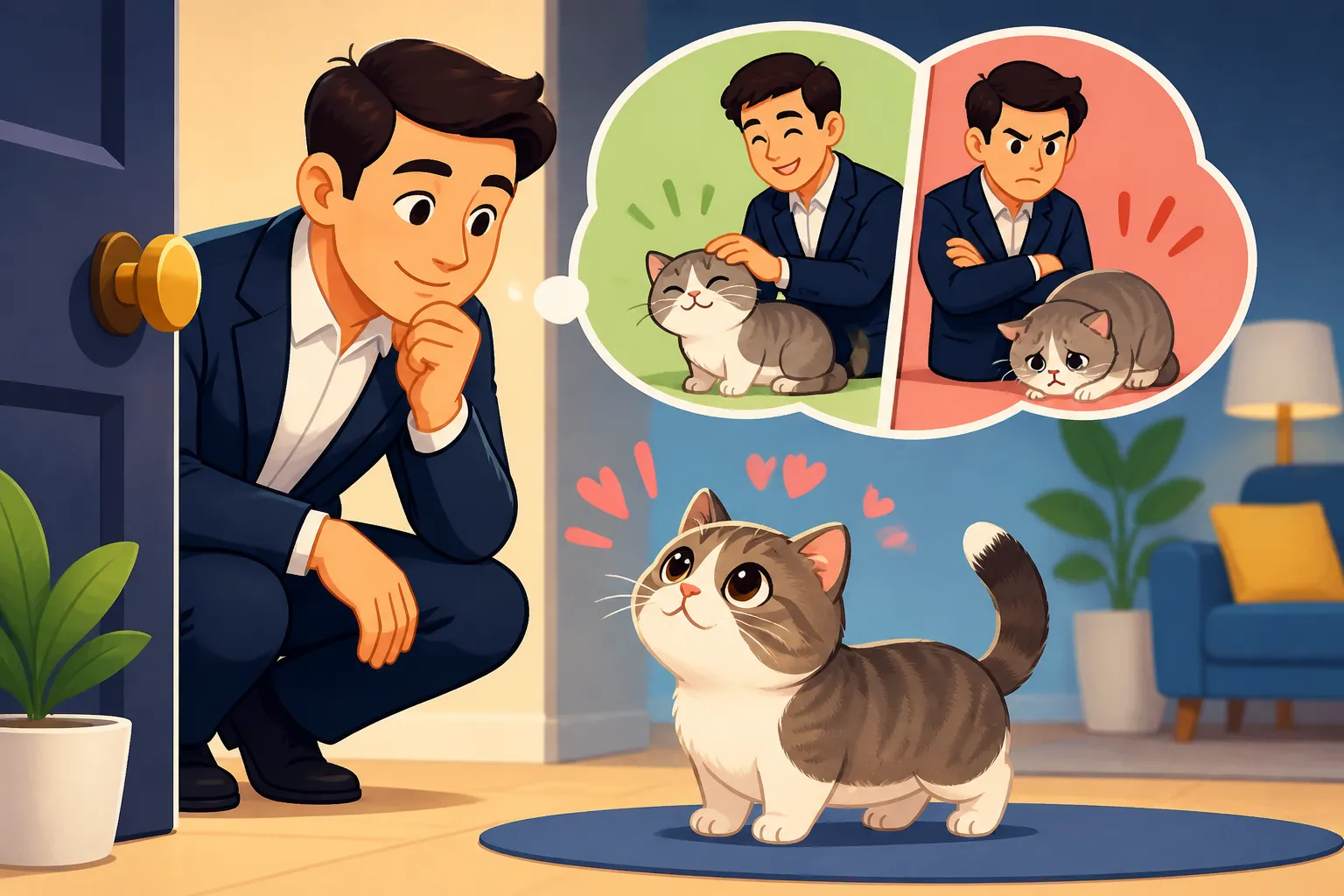
Whether a Landlord Treats a Munchkin Any Differently
Moving into a new place with your beloved Munchkin can bring a unique set of worries, especially when it comes to pet policies. It's totally understandable to fret about whether your adorable, short-legged companion might face different rules or restrictions compared to a regular-sized cat. This guide is here to walk you through how landlords typically view cats, what specific aspects they might consider with a Munchkin, and how you can proactively address any concerns to ensure a smooth transition for you and your furry family member.
The Landlord's Perspective: What They Really Care About
When a landlord sets a pet policy, they're usually thinking about a few key things: potential damage to the property, noise complaints from neighbors, and any liability issues that might arise. While it's true that some landlords are simply "no pets" people, many are open to them, particularly cats, who often have a better reputation than dogs for being less destructive or noisy.
Pet Policies: Breed vs. Behavior
Most landlord pet policies, especially those concerning cats, tend to focus more on the behavior of the animal rather than the specific breed. For dogs, you'll often see breed restrictions due to stereotypes or actual insurance exclusions for certain breeds deemed "aggressive." With cats, this is far less common. A Munchkin is, at the end of the day, a cat. They generally share the same behavioral traits as any other domestic feline, albeit with some physical limitations due to their shorter legs.
The core concerns a landlord usually has about any cat include scratching furniture, using the bathroom outside the litter box, and general wear and tear. Your job as a Munchkin owner is to demonstrate that your cat is well-behaved, impeccably litter-trained, and won't be a source of problems. The fact that they have short legs doesn't inherently make them more or less prone to these issues. If anything, their inability to reach high places might even be a subtle selling point! They're not likely to be scaling your highest kitchen cabinets like an Olympic gymnast, which can actually prevent some types of damage.
Insurance Concerns and "Dangerous" Breeds
This is where Munchkin owners often breathe a sigh of relief. Unlike some dog breeds that are frequently blacklisted by homeowner's and renter's insurance policies, cat breeds are almost never singled out as "dangerous" or high-risk. This means that a landlord's insurance provider is highly unlikely to have any specific exclusions or higher premiums simply because you have a Munchkin cat.
For many landlords, the biggest liability concern with pets is aggression or bite incidents, which are exceedingly rare with cats and practically unheard of with a breed as generally docile and sweet-natured as the Munchkin. You won't typically encounter the same hurdles that owners of certain large or historically "aggressive" dog breeds face when trying to find pet-friendly housing. This lack of breed-specific insurance issues makes a Munchkin a much easier sell to a landlord who might otherwise be wary of pets. You can assure them that your feline friend poses no unique risk in this regard, and indeed, pet insurance providers like Healthy Paws, for instance, offer coverage for all cats, regardless of leg length, focusing on health rather than breed-specific liability.
Making Your Munchkin a Landlord's Dream Tenant
Securing a pet-friendly rental often comes down to how well you can present yourself and your pet as responsible, low-risk tenants. For Munchkin owners, this means highlighting their unique traits in a positive light and proactively addressing any general cat-related concerns.
Demonstrating Responsible Pet Ownership
When applying for a rental, think about creating a "pet resume" for your Munchkin. Yes, it sounds a bit over-the-top, but it can make a huge difference! This isn't just a cute idea; it's a practical way to show your landlord you're serious about your pet's well-being and maintaining their property.
Here's what to include:
- Veterinary Records: Provide proof of up-to-date vaccinations, deworming, and a certificate of spay or neuter. This shows your cat is healthy and unlikely to contribute to overpopulation issues or spread disease.
- Flea and Tick Prevention: Demonstrate a consistent schedule for preventative treatments. No landlord wants a flea infestation!
- Litter Box Habits: Emphasize that your Munchkin is fully litter-trained and that you maintain a pristine litter box environment. You can even mention that you use appropriate litter and ensure easy access with a low-entry box, preventing accidents. This diligence is crucial, as a cat that regularly eliminates outside the box can cause significant damage and odor. Why a Munchkin Carries Litter on Its Underside
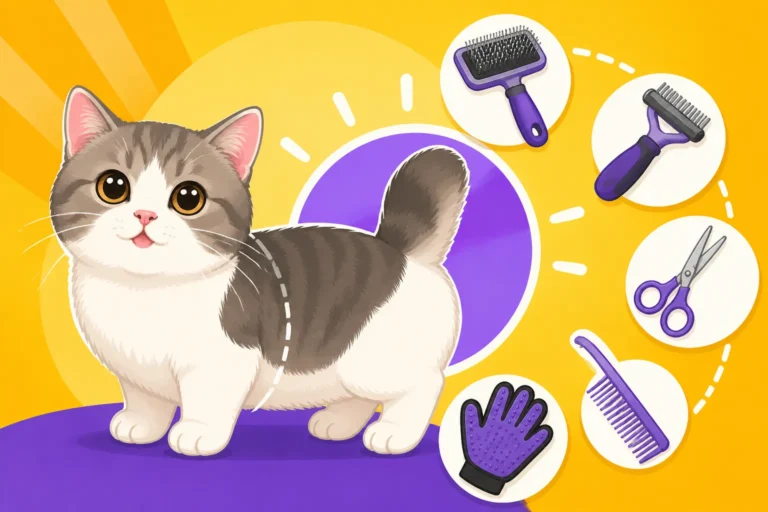
- Grooming Routine: If you have a long-haired Munchkin, explain your regular grooming schedule. Mats can be a health issue, but also create shedding and cleanliness problems. Mentioning that you ensure your Munchkin gets regular brushing, especially around their hindquarters where they might struggle to reach, can reassure a landlord about hygiene. Whether a Munchkin Needs a Sanitary Clip
- References: If you've rented with pets before, a letter from a previous landlord praising your pet's behavior and your adherence to pet policies is gold. Your vet can also provide a reference vouching for your pet's health and your responsible care.
These details showcase you as a conscientious pet owner, which in turn suggests you'll be a conscientious tenant overall.
Mitigating Potential Concerns
Landlords often have standard worries about cats, regardless of breed. Proactively addressing these can set you apart.
- Scratching: This is a big one. Explain that your Munchkin has multiple appropriate scratching surfaces, such as vertical posts and horizontal scratchers. Because Munchkins can't typically stretch up as high as other cats, horizontal scratchers or shorter, sturdy posts are often preferred. Which Scratching Post a Munchkin Can Use You might even consider temporary soft nail caps if your cat is prone to scratching furniture, though many cats respond well to redirection to proper scratchers.
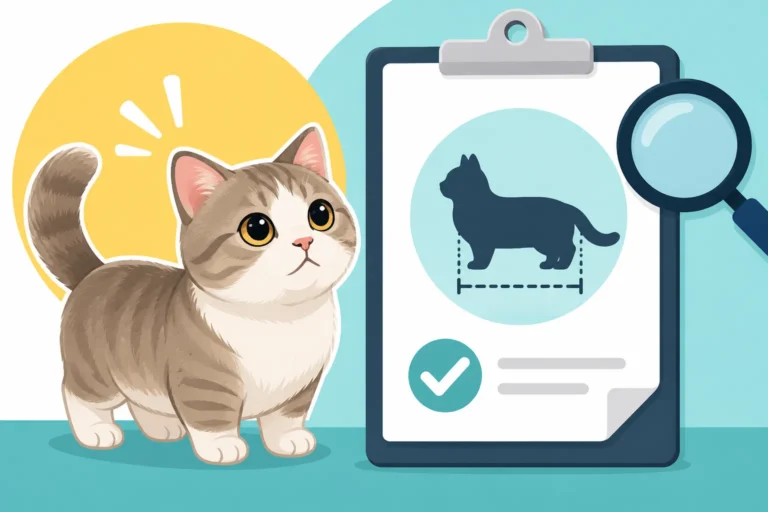
- Odor: Assure your landlord you're committed to keeping your home odor-free. This involves scooping the litter box multiple times a day, using high-quality clumping litter, and possibly even having an air purifier. Many pet supply brands, like Chewy, offer a wide array of litter box solutions and odor eliminators specifically designed for pet homes. You can also explain that a clean cat, properly groomed, especially given What a Munchkin's Belly Nearly Touches the Floor, minimizes external odors.
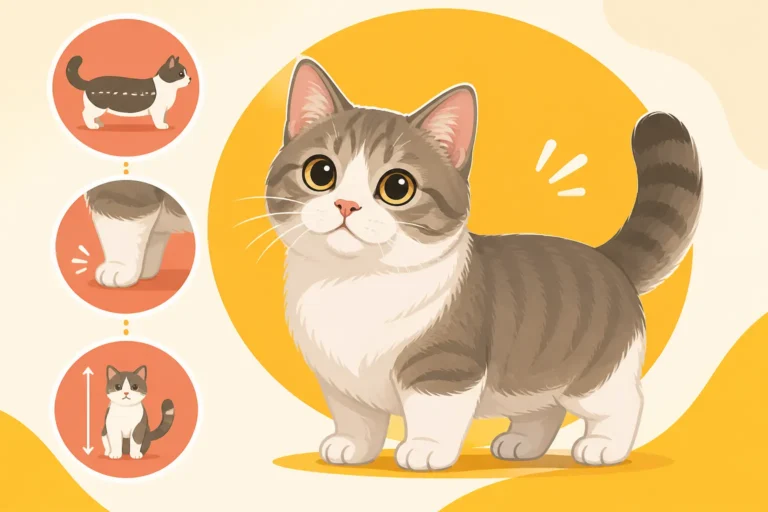
- Noise: Cats are generally quiet, and Munchkins are no exception. They don't typically bark or howl, and their small size means their footsteps are barely noticeable. While they might get the "zoomies" sometimes, this rarely causes significant disturbance. You can point out that their low-slung bodies make them less likely to create loud thudding noises by jumping off high furniture, a common complaint with larger dogs. Why a Munchkin Cannot Make the Kitchen Counter
- Cleanliness: Regular vacuuming and cleaning are key. Emphasize your commitment to maintaining a spotless home, which includes dealing with shedding (especially for long-haired Munchkins) and keeping common areas tidy.
The Pet Interview & Meet-and-Greet
Some landlords might ask to meet your Munchkin, which is a fantastic opportunity to showcase their wonderful personality.
- Prepare Your Munchkin: Make sure your cat is well-groomed, relaxed, and comfortable with strangers. If your Munchkin is shy, keep the interaction brief and low-key.
- Highlight Their Temperament: Munchkins are known for being playful, curious, and often very affectionate. Let your cat's sweet nature shine through.
- Show Their Adapted Environment: If the landlord visits your current home, or if you can bring photos, show them how your home is set up for your Munchkin. This could include low-entry litter boxes, ramps to furniture, and floor-level food and water bowls. This demonstrates foresight and a commitment to their comfort and safety. How Low a Munchkin Litter Box Entry Should Be
By showing your landlord that you've thought about every detail of your Munchkin's care and how it impacts the living space, you build trust and confidence.
Navigating Pet Policies and Lease Agreements
Understanding the financial and legal aspects of pet ownership in a rental property is paramount. Landlords impose various fees and conditions, and knowing what to expect and how to negotiate can save you both money and stress.
Understanding Pet Fees, Rent, and Deposits
It's crucial to understand the different financial obligations associated with having a pet in a rental. These are often separate from your regular security deposit and monthly rent.
- Pet Deposit: This is a one-time, refundable fee collected at the start of your tenancy. It's intended to cover any potential damages caused by your pet beyond normal wear and tear. If your Munchkin is impeccably behaved and causes no damage, you should get this back. The amount can vary widely but is typically equivalent to a portion of one month's rent.
- Pet Fee: Unlike a deposit, a pet fee is a one-time, non-refundable charge. Landlords use this to cover administrative costs or general pet-related wear and tear that isn't specific damage. While it's non-refundable, it still gives you the right to have your pet.
- Pet Rent: This is a recurring monthly charge, paid in addition to your regular rent. It's becoming increasingly common and can range from a small fee to a significant addition to your monthly housing costs. Landlords often justify pet rent as covering the "privilege" of having a pet, or to offset the increased maintenance they anticipate.
The key is to carefully read your lease and understand which of these apply. You might find a combination, such as a non-refundable pet fee and monthly pet rent. While you can sometimes negotiate these, especially the deposit or fee, pet rent is often a fixed policy. For pet parents budgeting, it's essential to factor these costs in.
Lease Clauses Specific to Pets
Beyond the fees, the lease agreement will contain specific clauses outlining your responsibilities as a pet owner. Pay close attention to these:
- Weight or Size Limits: While rare for cats, some generic pet clauses might mention weight limits. Given that Munchkins are relatively small cats, this is almost never an issue. However, always confirm.
- Number of Pets: There will almost certainly be a limit on the number of pets allowed per unit.
- Outdoor Access: Most leases for cat owners specify that cats must be kept indoors. This is particularly important for Munchkins, who are vulnerable outdoors due to their short stature and inability to defend themselves or escape predators effectively. Why a Munchkin Should Never Be Let Outdoors
- Waste Disposal: Clauses will require proper disposal of pet waste, which for cats means diligent litter box maintenance.
- Professional Cleaning: Many leases include a clause stating that upon move-out, you must have the carpets and sometimes the entire unit professionally cleaned, specifically mentioning pet odor or dander removal. Keep receipts for this!
- Renter's Insurance with Pet Liability: Some landlords require you to carry renter's insurance and to add pet liability coverage. This protects you (and indirectly, them) in the rare event your cat causes harm to a third party or significant property damage that exceeds your deposit. This is where researching pet insurance providers like Healthy Paws, which also offer comprehensive coverage for health issues, can be beneficial for peace of mind.
Always read these clauses carefully and ask for clarification if anything is unclear before signing the lease.
Service Animals and Emotional Support Animals (ESAs)
It's important to understand that service animals and emotional support animals (ESAs) are not legally considered "pets" under the Fair Housing Act in the United States. This means that landlords generally cannot deny housing to a tenant with a legitimate service animal or ESA, regardless of their standard "no pets" policy, and they cannot charge pet fees or pet rent for these animals.
- Service Animals: These are typically dogs (though miniature horses can also qualify) specifically trained to perform tasks for an individual with a disability.
- Emotional Support Animals (ESAs): These animals provide comfort and support to individuals with a mental or emotional disability, and their presence is prescribed by a licensed mental health professional.
If your Munchkin qualifies as a legitimate ESA, you would need proper documentation from a licensed professional to present to your landlord. It's crucial not to misrepresent your pet as a service or emotional support animal without proper qualification, as this can have legal repercussions. If your Munchkin is simply a beloved companion, then they fall under standard pet policies.
| Landlord Concern | How Munchkins Are Perceived | How to Mitigate as an Owner |
|---|---|---|
| Property Damage | Less likely to jump high, but can scratch/urinate. | Provide ample scratchers, ensure diligent litter box habits, show pet-proofed home. |
| Noise | Very quiet, rarely bark/howl. | Emphasize quiet nature; regular play to reduce "zoomies" disruption. |
| Odor | Potential for litter box smell. | Meticulous litter box cleaning, high-quality litter, air purifiers. |
| Liability/Aggression | Not considered a "dangerous" breed. | Highlight docile temperament, provide vet references. |
| Insurance Issues | No breed-specific exclusions. | Confirm with your insurance; consider renter's insurance with pet liability. |
| General Upkeep | Requires regular grooming/care. | Present pet resume with vet records, grooming routine, cleanliness commitment. |
Long-Term Considerations and Maintaining a Good Relationship
Even after you've moved in, the journey of being a responsible pet owner in a rental property continues. A good relationship with your landlord is built on trust, communication, and demonstrating ongoing care for both your pet and their property.
Proactive Communication with Your Landlord
One of the best things you can do is maintain open and honest communication with your landlord. Don't wait for issues to arise; be proactive. If you're going away for a week and have a pet sitter coming, a quick heads-up to your landlord can prevent any misunderstandings. If you notice a minor issue in the apartment that might eventually affect your Munchkin's adapted environment, like a loose floorboard near a ramp, report it promptly.
Transparency builds a foundation of trust. If your Munchkin, heaven forbid, has an accident outside the litter box (which can happen, especially if they're older or unwell), addressing it immediately and informing your landlord of the steps you've taken to clean and sanitize can make a world of difference. It shows you're accountable and committed to preventing long-term problems. This kind of relationship can be invaluable if a problem ever does arise, making them more likely to work with you instead of against you.
Adapting Your Rental Home for a Munchkin
Living with a Munchkin means thinking about accessibility, and your rental home is no exception. While you might not be able to make permanent structural changes, there's plenty you can do to ensure your Munchkin thrives without impacting the property negatively.
- Ramps and Steps: These are non-negotiable for a Munchkin. Ensure your cat has safe, easy access to all their favorite high spots like sofas, beds, and windowsills. This prevents them from repeatedly jumping down, which can put strain on their unique spine and joints. Ramps and Steps Are Munchkin Equipment, Not Luxuries There are many portable, non-damaging options available. A good set of pet steps or a sturdy ramp not only helps your cat but also protects your landlord's furniture from being used as a dangerous launching pad.
- Low-Entry Litter Boxes: As we've discussed, easy access to the litter box is critical. Make sure your Munchkin can walk in and out comfortably, reducing the risk of accidents. Which Litter Box a Munchkin Can Actually Enter You can even find decorative options that blend into your home decor, making them less conspicuous.
- Secure Windows and Balconies: Cats love windows, and Munchkins are no exception. Ensure all window screens are secure and balconies are safely enclosed, preventing any accidental falls. While Munchkins are often less prone to jumping high, a curious cat can always find a way to get into mischief.
- Protecting Floors and Carpets: Use mats under food and water bowls to catch spills, and consider washable rugs in high-traffic areas or where your Munchkin likes to play. This protects the landlord's flooring from wear, tear, and potential stains.
These adaptations show responsibility and foresight, demonstrating that you're actively working to prevent property damage while providing a high quality of life for your pet.
When a Landlord's Policy Changes
It's a fear many renters have: what if the landlord sells the property, new management takes over, or the pet policy changes unexpectedly? While your existing lease agreement should protect you for its duration, it's good to be aware of possibilities.
- Know Your Lease: Your current lease is your legal shield. Any changes to pet policy cannot typically be applied mid-lease unless there's a specific clause allowing it, or if both parties agree to an amendment. Read your lease carefully before renewal time.
- Policy Updates: When your lease is up for renewal, a landlord might introduce new pet fees or restrictions. At this point, you have the option to agree to the new terms, try to negotiate, or seek new housing. If you've been an exemplary tenant and your Munchkin has caused no issues, you might have more leverage to negotiate or be grandfathered in under older terms.
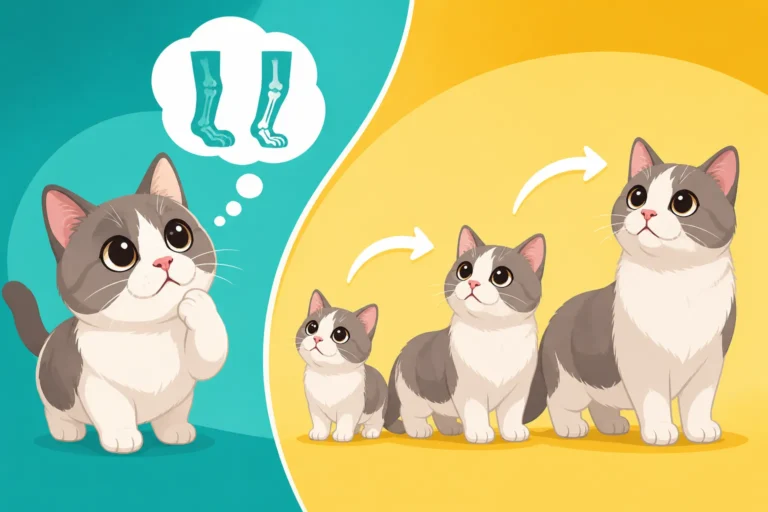
- Building Trust: Maintaining a positive relationship with your landlord by being a fantastic tenant overall will always serve you well. A landlord who knows you're responsible and that your Munchkin is well-behaved is far less likely to want to lose you as a tenant, even if policies shift. They've seen firsthand that your Munchkin is not a problem. Even if your Munchkin does start showing signs of age, such as Whether a Munchkin Gets Arthritis Earlier, and requires more modifications, a good landlord will be more amenable to understanding and allowing those necessary changes.
Ultimately, having a Munchkin shouldn't pose any unique challenges when renting, beyond the general considerations of being a responsible pet owner. Landlords are typically concerned with damage and nuisance, and a well-cared-for Munchkin is no more (and often less) of a risk than any other indoor cat. By being prepared, proactive, and transparent, you can ensure a happy home for both you and your short-legged friend, no matter whose roof you're under.
Disclaimer
This article is for general informational purposes only and does not constitute professional advice. Laws, prices and regulations vary by location and change over time. Consult a qualified professional for guidance on your specific situation.