Why a Munchkin Is Given Up When Its Owner Moves Upstairs
Moving to a new home is a whirlwind of packing boxes, changing addresses, and navigating new surroundings, which can be incredibly stressful for us humans. But when you have a Munchkin cat, especially one who's always known a single-story existence, an upstairs move isn't just an inconvenience; it can become a profound challenge that sadly, in some cases, leads to the heartbreaking decision to rehome. This guide will explore why a multi-level home can be such a problem for these short-legged companions and what an owner faces in such a situation.
The Unique Mobility Challenges of a Munchkin Cat
Munchkin cats are adored for their distinctive short legs, a genetic trait that gives them their charming, low-slung appearance. While they are incredibly agile and playful on flat surfaces, their unique anatomy means that vertical challenges, like stairs, present a completely different ballgame. It's not just about cuteness; it's about physics and biology.
Stair Navigation: A Herculean Task
Imagine trying to climb a mountain when your legs are half the length they should be. That's essentially what a flight of stairs can feel like for a Munchkin. Their short limbs aren't designed for the repetitive, high-impact movements required to ascend or descend a full staircase safely and comfortably.
- Ascending: Going up means lifting their entire body weight with those short front legs, straining their shoulders and spine. They often have to jump or hop multiple steps, which is exhausting and puts undue stress on their joints over time. It's not a smooth climb; it's a series of mini-leaps. A healthy young Munchkin might manage a few steps with enthusiasm, but repeated climbs can quickly lead to fatigue and potential injury. Owners often observe a unique, almost rabbit-like hop as their Munchkin attempts to conquer a staircase, which, while endearing, is far from ideal biomechanically.
- Descending: Coming down is often even more precarious. Their low center of gravity and short legs make it difficult to brace themselves, and they can easily misjudge a step, leading to tumbles. The impact of landing repeatedly on their front legs from a height can contribute to wear and tear on their joints, especially their elbows and shoulders, much earlier than a cat with normal leg length. This is a primary reason Why a Munchkin's Shoulders Wear First and What Repeated Landing Does to a Munchkin's Elbows are significant concerns. They often resort to sliding down on their bellies or taking a series of uncontrolled jumps, which is not only unsafe but can be quite frightening for them.
Spinal Strain and Joint Health
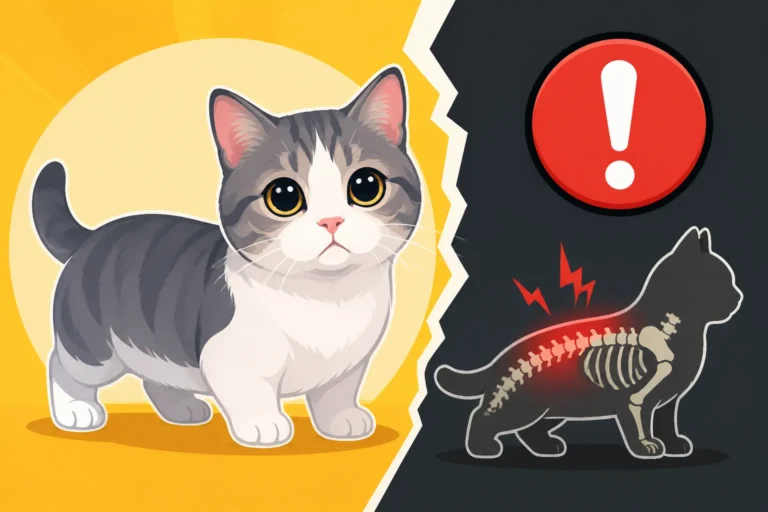
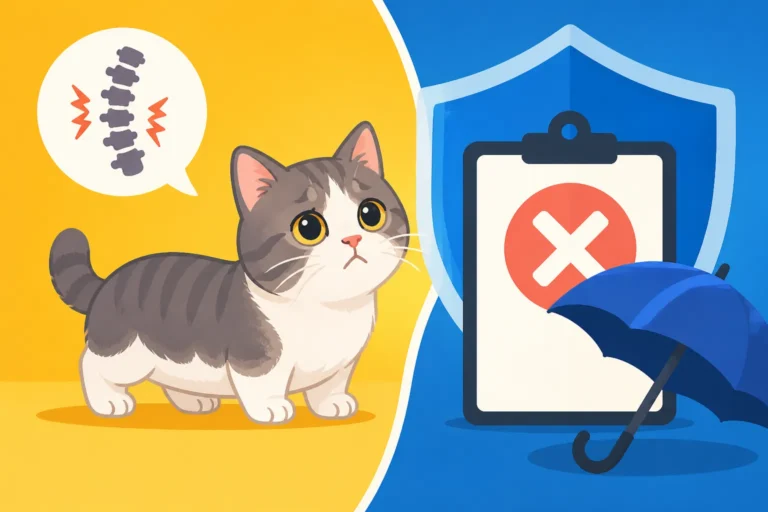
The Munchkin's short legs mean their spine carries a load differently than a cat with standard leg length. While their spine itself is typically of normal length, the mechanics of movement, especially jumping and climbing, put different pressures on it. Why a Munchkin's Spine Carries a Load a Normal Cat's Does Not explains this in detail. Repeatedly navigating stairs, even short flights, can exacerbate any underlying predisposition to spinal issues, though Munchkins are not inherently more prone to conditions like lordosis (a spinal curvature) than other breeds unless specifically bred poorly. However, the strain of such movements can certainly worsen existing conditions or accelerate age-related joint issues.
Furthermore, the general wear and tear on their joints from attempting to live in a vertical world is a serious consideration. While they are not inherently prone to arthritis any earlier than other breeds, consistently forcing their bodies to perform tasks they aren't anatomically suited for can undoubtedly accelerate joint degeneration. This is why many vets suggest interventions to protect a Munchkin’s mobility as they age.
The Impact on a Munchkin's Quality of Life and Behavior
When a cat accustomed to free roam on one level suddenly finds itself in a home with inaccessible floors, it can lead to significant behavioral changes and a diminished quality of life. Owners, often unknowingly, create barriers that isolate their beloved pet.
Isolation and Restricted Access
Imagine living in a house where half the rooms are simply off-limits to you. That's what happens to a Munchkin in a multi-story home without adaptations. If the main living areas, or even the owner's bedroom, are upstairs, the Munchkin might be confined to the lower level. This can lead to:
- Reduced Social Interaction: Cats are social creatures on their own terms, and many enjoy being wherever their humans are. If the family spends most of its time upstairs, a Munchkin stuck downstairs can feel isolated and lonely. They might vocalize excessively, develop anxiety, or simply become withdrawn. What a Munchkin Does All Day at Floor Level might involve them waiting by the bottom of the stairs, wishing they could join you.
- Limited Resources: Where are the litter boxes? The food and water bowls? If these essential resources are upstairs, the Munchkin might be forced to attempt dangerous climbs or, worse, resort to accidents outside the litter box because it simply cannot reach its designated spot. This is why Why a Munchkin Will Go Outside a Box It Cannot Enter is a common problem in such scenarios.
- Inability to Escape: Cats naturally seek high ground when they feel threatened, want to observe, or simply need a quiet retreat. In a multi-level home, if all the safe, elevated spots are unreachable, a Munchkin is deprived of its natural coping mechanisms. This can be particularly stressful if there are children or other pets in the home that might inadvertently corner the cat, as Why a Munchkin Cannot Get Away From a Dog or Why a Munchkin Cannot Climb Out of a Child's Reach highlights.
Behavioral Changes and Stress
A stressed cat is not a happy cat. The constant frustration of being unable to reach preferred spots, coupled with potential isolation, can manifest in various ways:
- Litter Box Aversion: As mentioned, if the litter box is inaccessible, a Munchkin may start eliminating outside it. This isn't spite; it's a desperate attempt to find a suitable place when the proper one is out of reach or too painful to access.
- Overgrooming or Undergrooming: Stress can lead to obsessive grooming, causing skin irritation or hair loss. Conversely, if a Munchkin is feeling down or isolated, they might neglect their grooming altogether, especially parts of their body they already struggle to reach, such as their hindquarters. What a Munchkin Cannot Reach to Groom is already a concern, and stress can make it worse.
- Vocalization and Attention Seeking: A lonely or frustrated Munchkin might become excessively vocal, crying or meowing more than usual to get attention or express their unhappiness. They might follow their owners around constantly, attempting to be picked up, which relates to How a Munchkin Asks to Be Picked Up.
- Reluctance to Play: If movement is painful or stressful, a Munchkin might become less active and playful, which can lead to weight gain. This in itself is a critical problem for Munchkins, as Why Weight Is More Dangerous on a Munchkin clearly states, putting even more strain on their already challenged joints.
The Owner's Perspective: Guilt and Logistical Nightmares
For many owners, the decision to rehome a beloved pet is agonizing and often comes from a place of deep love and desperation. When a move to an upstairs apartment forces the issue, it’s usually because the owner has exhausted all other options or recognized that they cannot provide an adequate quality of life.
Constant Worry and Guilt
An owner of a Munchkin in a multi-story home often lives with a constant undercurrent of worry. They worry about their cat falling down the stairs, about the long-term impact on their joints, and about their cat feeling lonely or excluded. This guilt can be heavy. They might feel like they're failing their pet, even if the situation was unavoidable.
- Safety Concerns: Every time the cat attempts the stairs, the owner's heart might be in their mouth. Will they make it? Will they fall? The fear of injury is very real.
- Quality of Life Concerns: Seeing their Munchkin struggle or be confined to one floor can lead to deep concern about the cat's overall happiness and well-being.
- The Emotional Burden of Lifting: While some Munchkins enjoy being carried, needing to lift your cat every time they want to go between floors can become a significant physical and emotional burden, especially if the owner has mobility issues themselves or if the cat is large. It creates a dependency that isn't ideal for the cat's independence either.
The Cost and Effort of Adaptation
Adapting a multi-story home for a Munchkin isn't impossible, but it requires significant effort, thought, and often financial investment. For some, these costs and logistical challenges simply become too great.
Essential Adaptations and Their Drawbacks
-
Ramps and Steps: The most common solution is installing ramps or pet stairs.
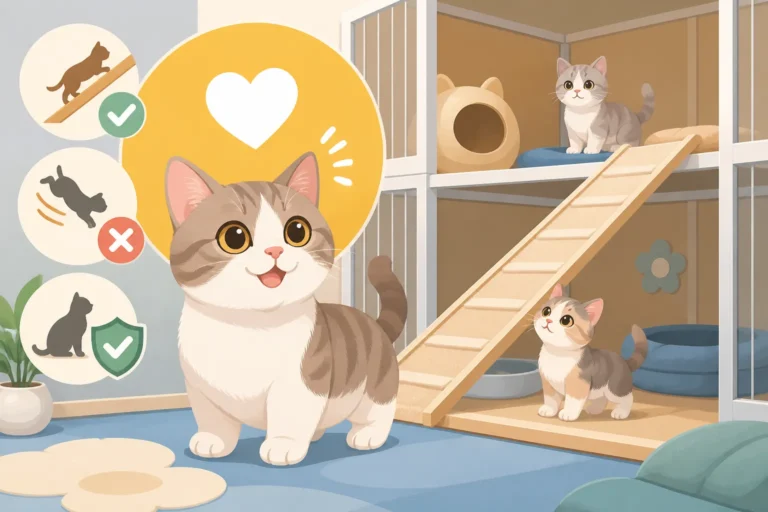
- Placement: These need to be strategically placed at every single access point – leading to sofas, beds, windowsills, and, crucially, to navigate stairs themselves. A single flight of human stairs might require multiple smaller ramps or a set of pet stairs that span the entire height.
- Variety: Not all ramps are created equal. They need to be wide enough, have a gentle incline, and offer good traction. How Steep a Munchkin's Ramp Can Be is a critical consideration. Many commercial pet ramps are too steep for a Munchkin's comfort and safety.
- Cost: Outfitting an entire multi-story home can be surprisingly expensive. A full set of quality ramps and steps can add up quickly. What a Full Set of Munchkin Ramps Costs and What Building Munchkin Steps Yourself Costs give an idea of the investment.
- Space: Ramps take up floor space, which can be an issue in smaller apartments or hallways. They can also become tripping hazards for humans.
- Maintenance: Ramps and steps need to be kept clean and stable.
- Acceptance: There's no guarantee your Munchkin will even use the ramps. Some cats take to them readily, while others prefer to continue jumping or find alternative (and potentially riskier) routes. How to Teach a Munchkin to Use a Ramp often takes patience and positive reinforcement.
-
Duplicate Resources: To minimize the need for stair navigation, owners often have to duplicate resources on both floors.
- Litter Boxes: You'll need at least one low-entry litter box on each accessible floor. This means more boxes to clean, more litter to buy, and more space dedicated to them. Many owners find options from Chewy that fit the bill perfectly.
- Food and Water Bowls: These also need to be accessible on every floor where the cat spends time. Raised food bowls can also help ease strain on their shoulders while eating. Why a Raised Bowl Eases a Munchkin's Shoulders.
- Beds and Resting Spots: Ensuring cozy, floor-level sleeping spots on all accessible levels prevents the cat from trying to jump onto high beds or furniture if they’re feeling tired.
-
Restricted Areas: Sometimes, the only solution is to restrict the Munchkin's access entirely from certain areas, perhaps using baby gates or keeping doors closed. While this can provide safety, it contributes to the isolation problem.
Financial Strain
Beyond the initial cost of ramps and duplicate supplies, there's the ongoing financial implication. A Munchkin living in a challenging environment might require more frequent vet visits for joint checks, potential pain management, or even specialized care if an injury occurs. This is where pet insurance from providers like Healthy Paws can be incredibly valuable, offering peace of mind that unexpected medical costs can be managed. Additionally, some owners might opt for joint-supporting diets or supplements tailored to specific needs. What a Year of Joint Support Costs a Munchkin Owner is a line item many donin't consider initially. All of these factors contribute to What a Munchkin Costs Over Thirteen Years, potentially making it more expensive than a normal-legged cat in an adapted home.
The Inevitable Decision to Rehome
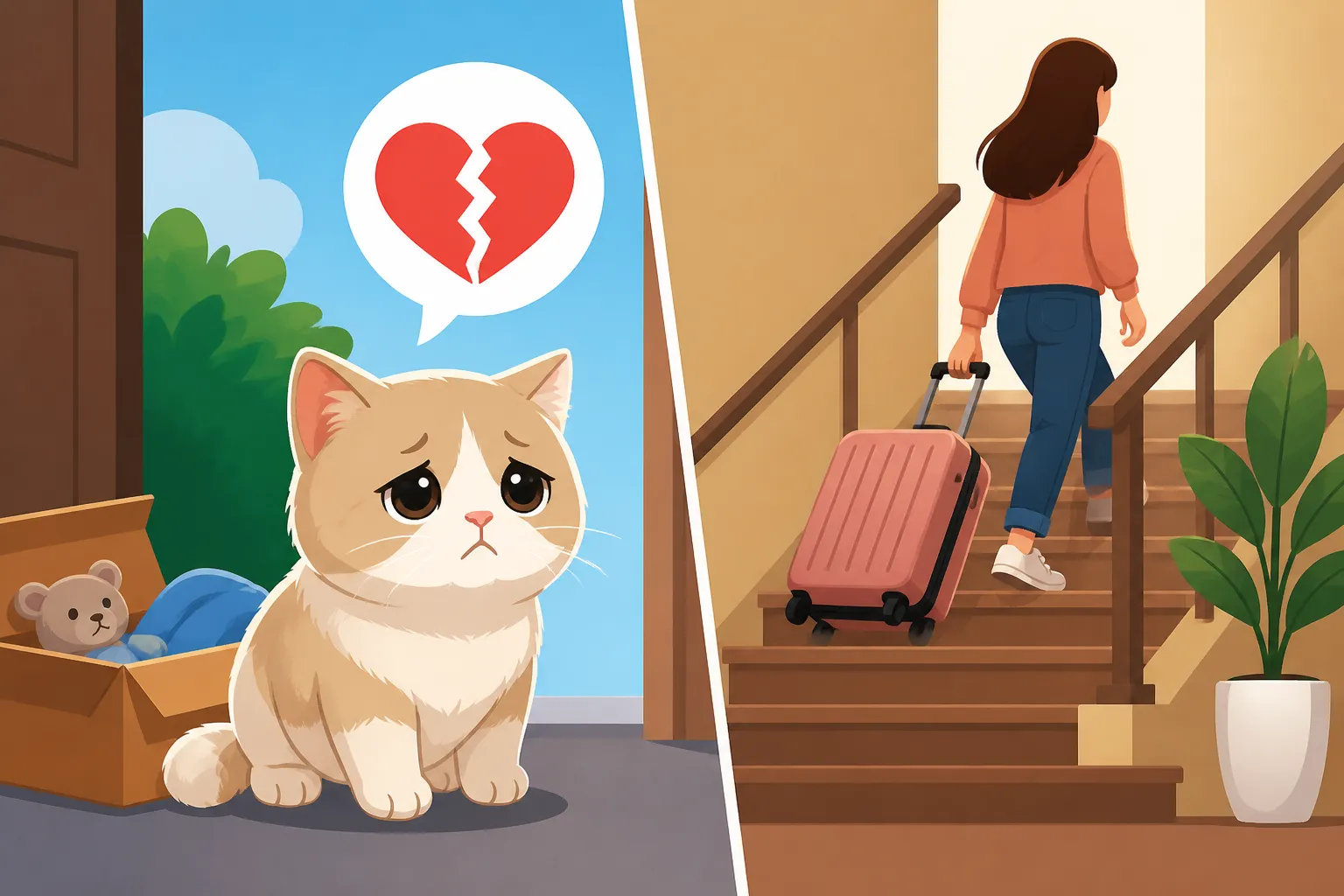
When the logistical hurdles, financial strain, and the guilt of seeing their beloved cat struggle become overwhelming, rehoming unfortunately becomes a consideration. It's never an easy decision, and it's almost always made with the cat's best interests at heart. Owners realize that they can no longer provide the environment their Munchkin truly needs to thrive, an environment where they can move freely and safely without constant struggle or fear.
Finding a new home means looking for a family in a single-story residence, or one with a very open floor plan and few, if any, stairs. It means ensuring the new owners understand the specific care needs and limitations of a Munchkin cat. Why a Munchkin in an Unadapted House Ends Up Rehomed is a stark reality that highlights the importance of thorough vetting during the rehoming process, to ensure the next home is truly better suited.
Table: Challenges & Adaptations for Munchkins in Multi-Story Homes
Here’s a quick overview of the common challenges and their corresponding adaptations for Munchkin owners moving to a multi-story home:
| Challenge Faced by Munchkin | Impact on Cat's Well-being | Common Adaptation | Cost/Effort Level |
|---|---|---|---|
| Stair Navigation (Up) | Physical strain, exhaustion | Ramps/Steps for Stairs | High (multiple ramps/stairs) |
| Stair Navigation (Down) | Risk of falls, joint impact | Ramps/Steps for Stairs | High (multiple ramps/stairs) |
| Isolation/Lack of Access | Loneliness, anxiety, reduced activity | Duplicate resources on each floor | Medium (more litter, bowls, beds) |
| Inaccessible Resources | Accidents outside litter box, dehydration, hunger | Low-entry litter boxes, floor-level food/water | Medium (purchase multiple items) |
| Inability to Reach High Spots | Stress, lack of safe retreat | Floor-level beds, accessible window perches | Low to Medium (rearrange furniture, specific beds) |
| Spinal & Joint Strain | Pain, early arthritis | Joint-supporting diet, supplements, veterinary checks | Medium to High (ongoing cost) |
| Difficulty with Grooming | Matting, skin issues | Regular owner grooming, professional sanitary clips | Medium (time & possible professional fees) |
Preventing Rehoming: Proactive Measures and Resources
If you're a Munchkin owner considering a move to an upstairs apartment, or if you already live in one and are facing these challenges, know that you're not alone. The key is often proactive planning and leveraging available resources.
Before the Move
- Assess the New Home: Thoroughly evaluate the new apartment or house before committing. How many stairs are there? How steep are they? Are there open areas where ramps can be installed without becoming hazards? Consider a Single Story Home Suits a Munchkin Best, so if possible, prioritize such properties.
- Budget for Adaptations: Factor in the cost of ramps, steps, extra litter boxes, food bowls, and potential vet visits into your moving budget. Think about Why a Munchkin's House Costs More Than the Cat due to necessary modifications.
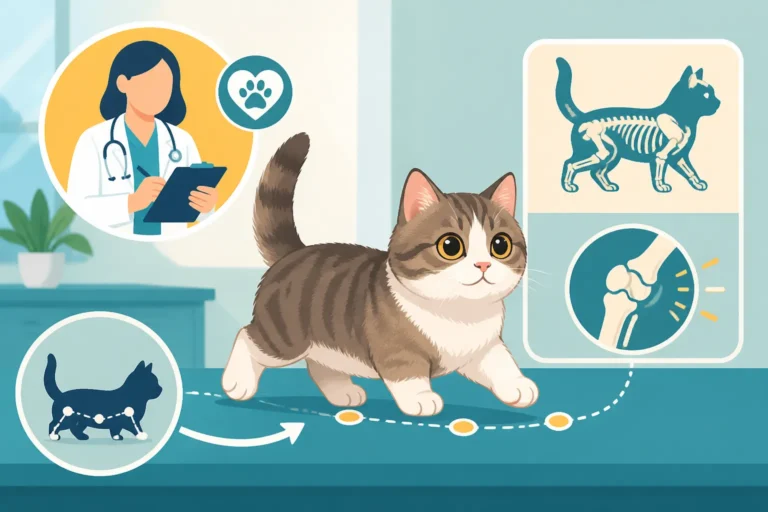
- Consult Your Vet: Discuss your moving plans with your veterinarian. They can offer advice on joint support, monitor your Munchkin's health, and recommend specific adaptations based on your cat's age and physical condition. Why a Munchkin Kitten Needs an Early Vet Check is a good start, but continuous care is vital.
After the Move
- Gradual Introduction: Introduce your Munchkin to the new environment slowly. Let them explore the lower level first, then gradually introduce them to ramps and steps leading to the upper floor, using treats and positive reinforcement. How to Teach a Munchkin to Use a Ramp requires patience and consistency.
- Strategic Placement: Place ramps and steps in high-traffic areas where your cat will naturally want to go. Ensure they are stable and don't wobble, as How to Anchor a Ramp So a Munchkin Trusts It is crucial for their confidence.
- Routine Vet Checks: Maintain regular veterinary check-ups to monitor joint health and address any signs of discomfort early. Which Blood Values Matter Most in a Munchkin and Whether a Munchkin Needs X Rays as It Ages are important conversations to have with your vet.
- Weight Management: Keeping your Munchkin at a healthy weight is paramount to minimizing strain on their joints. Why Weight Control Is the Whole Munchkin Care Plan and How to Score a Munchkin's Body Condition are essential reading for any Munchkin owner.
- Consider Pet Insurance: Investigate pet insurance options from companies like Healthy Paws. Comprehensive coverage can help alleviate the financial burden of unexpected health issues, including those related to joint stress or accidents.
- Grooming Assistance: Due to their physical limitations, Munchkins often need help grooming their hindquarters. Regularly check for mats and provide gentle brushing or consider professional sanitary clips if needed. Whether a Munchkin Needs a Sanitary Clip is often a reality for these cats.
Ultimately, the decision to rehome a Munchkin due to an upstairs move is a testament to the profound challenges this architectural change presents for their unique anatomy and welfare. It highlights the deeply empathetic bond owners share with their pets, prioritizing their cat's comfort and well-being even when it means making a painful choice. Understanding these difficulties is the first step in either preventing the situation or handling it with the utmost care and compassion.
Disclaimer
This article is for general informational purposes only and does not constitute professional advice. Laws, prices and regulations vary by location and change over time. Consult a qualified professional for guidance on your specific situation.