Why a Munchkin Will Go Outside a Box It Cannot Enter
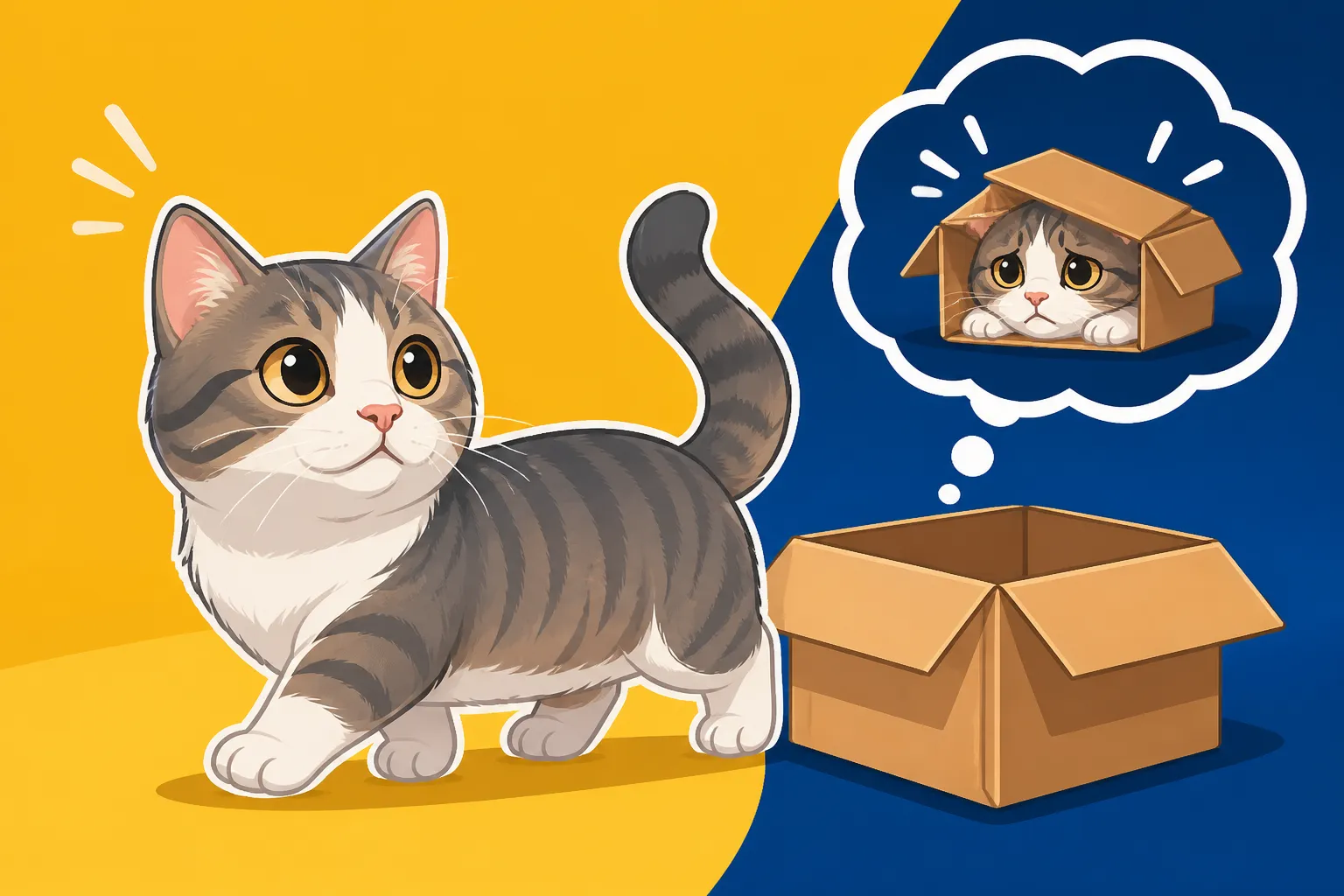
It's incredibly frustrating when your sweet Munchkin suddenly starts doing their business outside the litter box, especially when they've been perfectly litter-trained for ages. You might walk into a room, catch a whiff, and then find a puddle or something worse right next to a perfectly clean litter box. It's easy to assume it's a behavioral protest, but for a Munchkin, it often boils down to a fundamental physical challenge: they simply cannot get into the box comfortably anymore. Their unique physiology means that what works for a standard cat might become an insurmountable barrier for them, leading to these unwelcome "accidents" that are really just a cry for an accessible bathroom.
The Core Problem: Accessibility is Everything for a Munchkin
Imagine needing to use the restroom, but every toilet you encounter requires you to climb a small wall just to get to it. That's often what a standard litter box feels like for a Munchkin cat. Their adorable short legs, while enabling that charming ferret-like run, present significant challenges when it comes to navigating vertical obstacles. What seems like a low lip to us can be a high hurdle for them.
Why Standard Litter Boxes Just Don't Cut It
Most litter boxes, even those marketed as "standard," are designed with a typical-sized cat in mind. This means the entry lip, or side height, can range anywhere from four to six inches, or even higher for hooded or self-cleaning models. For a long-legged cat, this is a negligible step. They hop right over it without a second thought. But for a Munchkin, whose legs are significantly shorter, that four to six inches can be a monumental climb.
Think about it from their perspective. They approach the box, plant their front paws on the edge, and then have to heave their body up and over. This involves a lot of bending, straining, and twisting of their spine, all while trying to maintain balance in a shifting substrate like litter. It’s not just inconvenient; it can be genuinely uncomfortable or even painful. They might try it a few times, perhaps even successfully, but the cumulative effort and potential discomfort lead them to seek easier alternatives. If the carpet right next to the box requires no climb at all, which option do you think a smart, comfort-seeking cat will choose? This isn't defiance; it's self-preservation.
The Pain of Repeated Jumping and Straining
Every time a Munchkin attempts to hoist itself over a high litter box lip, it puts stress on its delicate joints and spine. While Munchkins are generally active and playful, their unique bone structure means certain movements are more taxing. Their shorter legs mean their spine carries a different load than a normal-legged cat, and repetitive high-impact movements, like jumping, can exacerbate existing conditions or contribute to new ones over time.
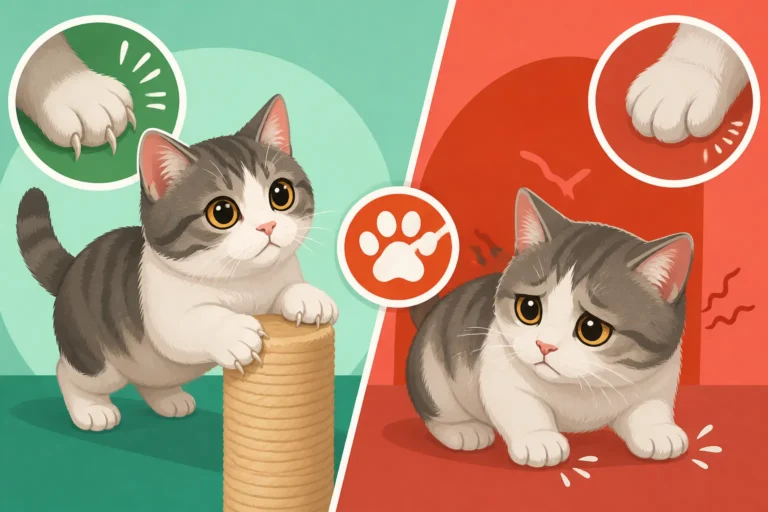
Conditions like lordosis, a spinal curvature that can affect some Munchkins, or pectus excavatum, a sunken chest, can make strenuous movements even more difficult and potentially painful. A cat with even a mild case of What Lordosis Does to a Munchkin or What Pectus Excavatum Does to a Munchkin's Chest might find the effort to get into a high-sided box almost unbearable. They learn quickly to associate the litter box with discomfort. If they have to strain to get in, or worse, if coming down into the box causes an awkward landing on their front legs, they'll avoid it. They're not trying to be naughty; they're trying to spare themselves pain. Owners often observe their Munchkin circling the box, hesitant, before ultimately deciding to relieve themselves nearby. This hesitation is a huge clue that the box itself is the problem.
Recognizing the Signs Your Munchkin is Struggling
It’s easy to dismiss out-of-box urination or defecation as a "behavioral problem" or spite, but for a Munchkin, it's rarely that simple. Their actions are usually a direct communication about a physical need not being met. Understanding these cues can save you a lot of cleaning and your cat a lot of stress.
Beyond Just "Accidents": Behavioral Cues
If your Munchkin is struggling with their litter box, you might see more than just the obvious "accident." Pay close attention to their behavior around the box:
- Hesitation: Do they approach the box, sniff around, and then walk away repeatedly before finally using it (or not)? This indecision is a clear sign they're evaluating the difficulty.
- Unusual postures: When they do try to enter, do they look awkward, stretched, or unbalanced? Are they trying to "belly slide" over the edge rather than stepping?
- Using the immediate vicinity: Often, the "accident" isn't far from the box at all. It might be right next to it, or just behind it. This tells you they intended to use the box but found it too difficult at the last moment. They're still trying to follow the rules, but their body just won't cooperate.
- Increased vocalization: Some cats will vocalize more, meowing or complaining, especially if they're experiencing pain or discomfort related to their mobility.
- Changes in grooming: If a Munchkin struggles with pain or stiffness, they might groom less, particularly their hindquarters. This, in turn, can lead to matting and further discomfort, creating a vicious cycle. Whether Matting Becomes a Health Problem in a Munchkin
- Hiding or avoiding: A cat that's in pain might become more withdrawn or hide more, which can be misconstrued as being "mad" about the accidents, when in fact, they're just hurting.
These subtle cues are vital. They tell you that your cat isn't acting out; they're genuinely encountering a physical barrier.
The "Goldilocks Zone" for Litter Box Entry
Finding the perfect litter box for a Munchkin is like finding the "Goldilocks Zone"—it needs to be just right. Not too high, not too low, but perfectly accessible. The ideal entry height for a Munchkin is typically no more than 2-3 inches. Any higher than that, and you're asking them to perform a small feat of acrobatics every time they need to go.
Consider the dimensions of the box itself, too. While the entry height is paramount, the overall length and width should still be generous. A good rule of thumb for any cat is a box that is at least 1.5 times the length of their body (from nose to the base of the tail). This allows them to step in, turn around comfortably, and dig without feeling cramped. For a Munchkin, a normal-length body means they still need a spacious box, even if the legs are short.
Here's a quick comparison of what to look for:
| Feature | Standard Litter Box (typical) | Munchkin-Friendly Litter Box (ideal) |
|---|---|---|
| Entry Height | 4-7 inches | 2-3 inches (max) |
| Overall Length | 1.5x body length (min) | 1.5x body length (min) |
| Overall Width | Sufficient for turning | Sufficient for turning comfortably |
| Sides | Often high on all sides | Low entry, but high back walls are good |
| Hooded | Common | Generally avoided (traps odors, restricts movement) |
| Litter Depth | 2-3 inches | 2-3 inches (enough for digging) |
This "Goldilocks Zone" ensures that your Munchkin can enter, use, and exit the box with ease, minimizing strain and promoting good litter habits. It also respects their dignity; no one wants to struggle in the bathroom!
Practical Solutions: Adapting Your Litter Box Setup
The good news is that solving this problem is often straightforward and doesn't require complex behavioral therapy. It's about adapting their environment to their physical capabilities.
Low-Entry Litter Boxes: The Immediate Fix
The most direct solution is to invest in litter boxes specifically designed with low entry points. These are often marketed as "senior cat" or "kitten" litter boxes, but they are absolutely perfect for Munchkins. Many pet retailers, like Chewy or Amazon, offer a wide variety of these.
When you're looking, pay attention to the front lip measurement. You want something truly low, ideally around 2 inches. Some boxes might have a ramp built right into them, which can also be a great solution, but ensure the ramp isn't too steep. A gentle incline is best to reduce stress on their joints. Look for sturdy plastic models that won't tip or slide as your Munchkin steps in and out. The last thing you want is a wobbly box that adds to their insecurity. Remember, a larger footprint for the box can also help with stability. Which Litter Box a Munchkin Can Actually Enter
DIY Modifications and Ramps
If buying new boxes isn't an immediate option, or you want to customize something, DIY solutions can be very effective.
- Cutting down existing boxes: You can take a standard plastic litter box and carefully cut a U-shaped or V-shaped notch out of one side to create a low entry point. Use a sturdy utility knife, a small saw, or even a Dremel tool, taking care to smooth any sharp edges afterward with sandpaper. This creates a ramp-like entry without having to buy a specialized product. How to Cut Down a Litter Box for a Munchkin
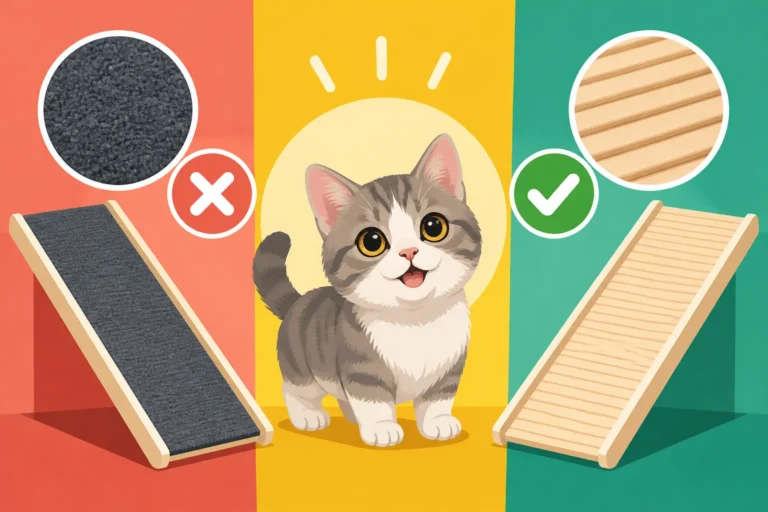
- Adding ramps: If you have higher-sided boxes you like, consider adding a small, stable ramp leading up to the entry. You can buy pet ramps designed for small dogs or modify a piece of sturdy wood or plastic. Cover the ramp with carpet or a non-slip mat to provide good traction. The angle of the ramp is crucial; it should be as gentle as possible to minimize strain on their legs and back. Ensure the ramp is securely attached to the box or weighted down so it doesn't move when your Munchkin uses it.
- Step-stool approach: For slightly higher boxes, a very low, wide step stool placed directly in front of the box can act as an intermediate step. Again, non-slip surfaces are key. The goal is to break down one big jump into two smaller, easier "steps."
Remember, any modification should be safe, stable, and have good traction. A slippery surface or a wobbly ramp will deter your Munchkin just as much as a high lip.
Strategic Placement and Multiple Boxes
Beyond the box itself, where you put it makes a huge difference.
- Easy access: Place litter boxes in quiet, easily accessible locations. For a Munchkin, this means avoiding stairs entirely for their primary boxes. If you live in a multi-story home, you must have at least one accessible box on each floor your Munchkin frequents. Expecting them to navigate a full flight of stairs just to use the bathroom is unfair and impractical for their short legs (see Why a Munchkin Should Not Use Stairs Repeatedly).
- Multiple locations: The general rule of thumb for cats is one litter box per cat, plus one extra, placed in different areas of the house. This holds true for Munchkins, but with an added emphasis on ensuring all boxes are accessible. If you have two Munchkins, aim for three accessible boxes spread out. This prevents any territorial squabbles over the "easy" box and ensures an option is always close by.
- Privacy but not isolation: Cats like a degree of privacy, but they also need to feel safe. Avoid placing boxes in noisy, high-traffic areas, but also don't tuck them away in a dark corner where your cat might feel trapped or vulnerable. A quiet corner in a main room, or a laundry room that isn't always bustling, can work well.
- Open and inviting: While some cats prefer hooded boxes, these can be more challenging for a Munchkin. The constricted space can make turning around or maintaining balance difficult. An open-top, low-entry box is almost always the best choice for them. Why a Covered Box Is Wrong for a Munchkin
By addressing both the physical design and the placement of their litter boxes, you create an environment where your Munchkin feels confident and comfortable relieving themselves, significantly reducing "accidents."
Beyond Entry: Other Litter Box Considerations for Munchkins
While entry height is paramount, there are other aspects of the litter box experience that can impact a Munchkin's willingness to use it. These details might seem minor, but for a cat with unique physical traits, they can make a big difference.
Litter Type and Depth
The type of litter you use and how deep you fill the box can also influence a Munchkin's comfort.
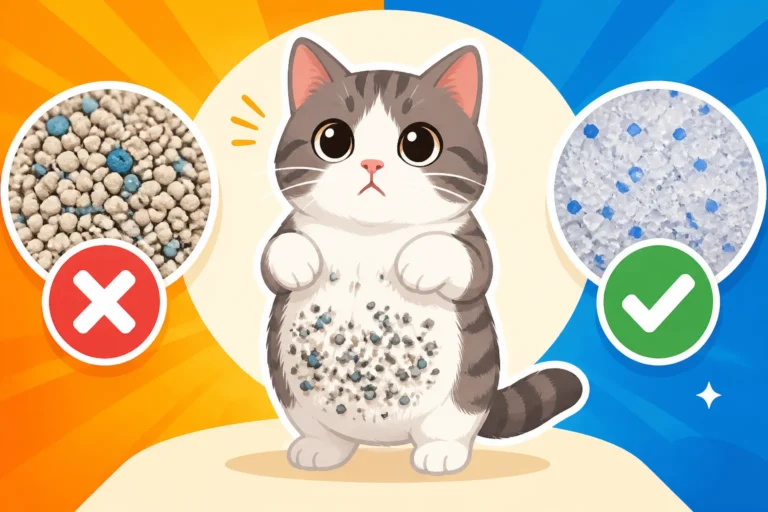
- Litter sticking to their belly: Because Munchkins sit lower to the ground, their belly fur is much closer to the litter. Fine-grained clay litters or certain silica gel litters can easily cling to their fur, especially if it's long. Imagine having tiny bits of gritty material stuck to your underside after every bathroom trip! This can be irritating and lead to them avoiding the box. Consider litters that are larger granule, like some recycled paper pellets or coarser clumping litters, which are less likely to stick. Which Litter Sticks to a Munchkin's Belly
- Litter depth: While cats generally prefer a good depth for digging (around 2-3 inches), ensure it's not so deep that it makes entry even harder for a Munchkin. If the litter is piled high, it effectively raises the internal "floor" of the box, making the lip even more pronounced. Maintain a consistent, moderate depth that allows for digging and covering without creating extra obstacles.
Cleaning and Hygiene
A clean litter box is crucial for all cats, but especially for Munchkins who might be more prone to tracking litter or getting soiled.
- Frequent scooping: Because their bellies are lower, and they might have to do more maneuvering, a Munchkin might get more litter on themselves. This means that if the box isn't scooped frequently, they're more likely to step in soiled litter or get waste on their fur. A dirty box is a strong deterrent for any cat, but for a Munchkin, it's amplified. Scoop at least twice a day, if not more, to keep the box pristine.
- Regular full changes: Beyond scooping, a full litter change and a thorough cleaning of the box with mild soap and water should happen regularly, perhaps weekly or bi-weekly depending on usage. This eliminates residual odors that might put your cat off.
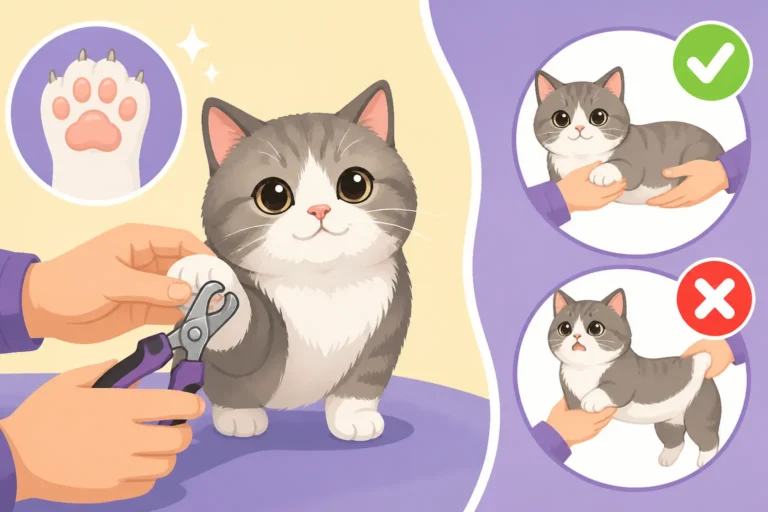
- Grooming their hindquarters: With their short legs, some Munchkins struggle to properly groom their own hindquarters after using the litter box. This can lead to feces getting stuck in their fur, which is not only unhygienic but also uncomfortable and can cause skin irritation. Regular grooming by you, including possibly a sanitary clip for long-haired Munchkins, becomes essential. Whether a Munchkin Needs a Sanitary Clip This ensures they stay clean and don't associate the litter box with getting dirty. Many owners find effective grooming tools on Chewy or Amazon.
Health Checks and Vet Visits
If you've addressed all the litter box accessibility and hygiene issues and your Munchkin is still having accidents, it's time for a visit to the veterinarian.
- Ruling out medical issues: Out-of-box behavior can be a symptom of underlying health problems, such as urinary tract infections (UTIs), kidney disease, diabetes, or even arthritis. A cat in pain, especially joint pain, might avoid the litter box if the act of getting in and out or squatting is uncomfortable. Your vet can perform a thorough examination, including urine tests and blood work, to rule out medical causes. Which Blood Values Matter Most in a Munchkin
- Discussing mobility and pain management: Be sure to discuss your Munchkin's mobility with your vet, particularly if they are getting older or showing any stiffness. Arthritis can set in early in some cats, and for a Munchkin, the added strain on their joints from their short legs can make it even more pronounced. Your vet might suggest joint supplements, pain relief medication, or even physiotherapy to improve their comfort and mobility. What Pain Relief a Stiff Munchkin Can Take It's crucial to address any physical discomfort that might be making litter box use difficult.
By being proactive and attentive to these details, you can ensure your Munchkin has a comfortable, clean, and accessible place to do their business, leading to a happier cat and a cleaner home.
Disclaimer
This article is for general informational purposes only and does not constitute professional advice. Laws, prices and regulations vary by location and change over time. Consult a qualified professional for guidance on your specific situation.