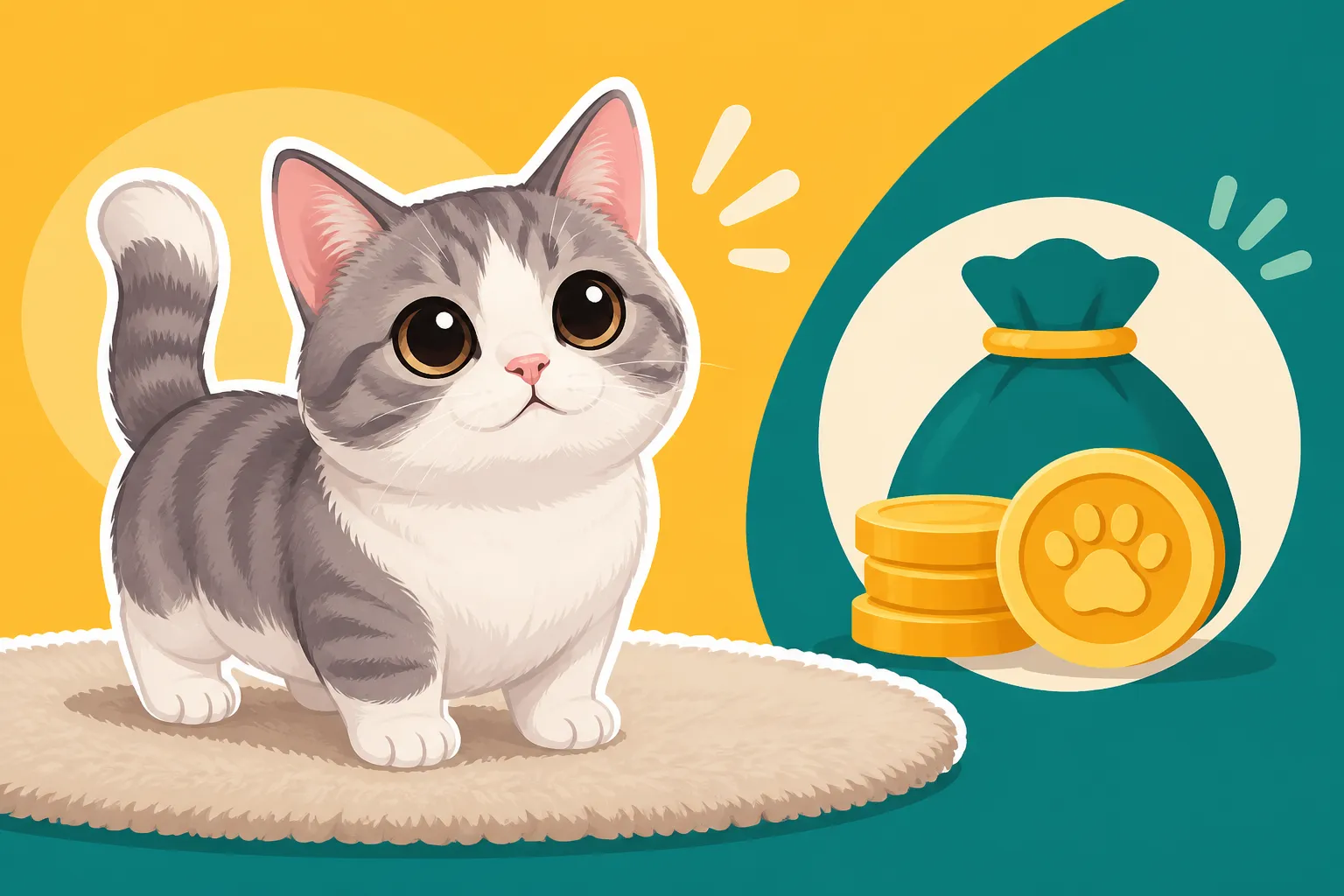
How Much a Rug Hugger Munchkin Costs
The allure of a "Rug Hugger" Munchkin cat is undeniable – those incredibly short legs give them a distinct, almost comical charm that many find irresistible. However, falling in love with these adorable little felines often means facing a significant financial commitment that goes well beyond the initial adoption fee. This guide is here to walk you through the realistic costs associated with bringing a "Rug Hugger" Munchkin into your life, from the initial investment to the ongoing specialized care they require, so you can make an informed decision and be fully prepared.
Understanding the "Rug Hugger" Premium
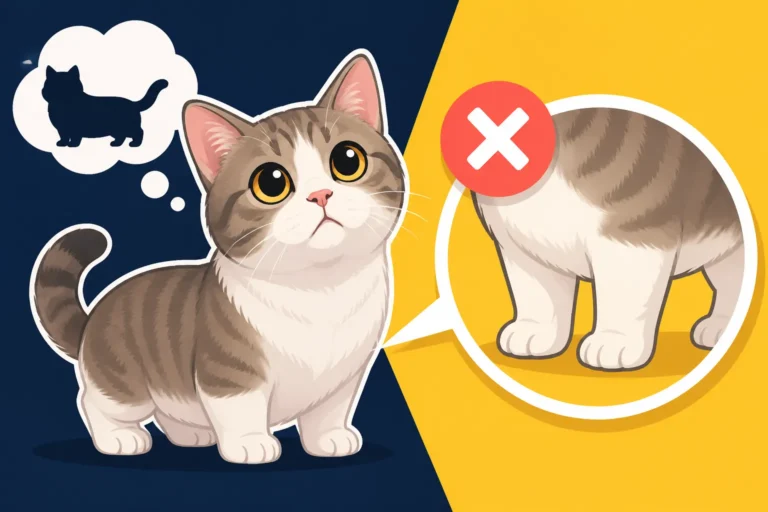
When we talk about a "Rug Hugger" Munchkin, we're not just talking about any short-legged cat. This term describes a Munchkin at the absolute extreme end of the leg-length spectrum, meaning their legs are notably shorter than even a standard Munchkin. They literally appear to "hug the rug" as they move, their tiny stature making them particularly endearing and, unfortunately, often commanding a higher price tag. This extreme shortness is often seen as highly desirable by enthusiasts, making these particular cats rarer and therefore more expensive.
The unique appearance of a "Rug Hugger" comes from the same genetic mutation that gives all Munchkins their short legs, but in these cases, the expression of the gene results in maximum shortness. This isn't just a casual term; for many breeders and potential owners, the visual distinctiveness of a true "Rug Hugger" is a key selling point. It's important to recognize that this extreme characteristic is what often drives their premium price, as many people actively seek out the most diminutive examples of the breed. This concept is explored further in Why Shorter Legs Raise a Munchkin's Price.
The Initial Investment: What Drives the Price of a Rug Hugger
Bringing home a "Rug Hugger" Munchkin involves a substantial initial outlay, and it's vital to understand what factors contribute to this cost. This isn't just about paying for a cute cat; you're paying for a specific genetic expression, health screening, and the breeder's expertise.
Breeder Reputation and Health Screening
A responsible Munchkin breeder invests heavily in the health and well-being of their breeding cats and kittens. This includes extensive genetic testing, regular veterinary check-ups, appropriate vaccinations, and a healthy environment. For Munchkins, specifically, breeders should be screening for conditions like lordosis (a spinal curvature) and pectus excavatum (a sunken chest), though definitive genetic markers for these are not always available. The reputation of the breeder, their transparency about health history, and the care they provide directly influence the price. You're paying for the peace of mind that comes from a kitten raised with proper care, rather than a questionable backyard operation. This is why a thorough vet check for a Munchkin kitten, including palpating the spine, is crucial before purchase.
Moreover, a "Rug Hugger" is often considered the most desirable type of Munchkin, and ethical breeders will ensure that these kittens are healthy examples of their unique conformation. This means that the care invested in producing such a specific physical trait is factored into the cost. It's not uncommon for the shortest-legged kittens in a litter to be reserved first and at a higher price point, as they fit the "Rug Hugger" description most closely. Understanding How Much a Rug Hugger Munchkin Costs requires looking at the quality of care and breeding behind the kitten.
Pedigree and Registration
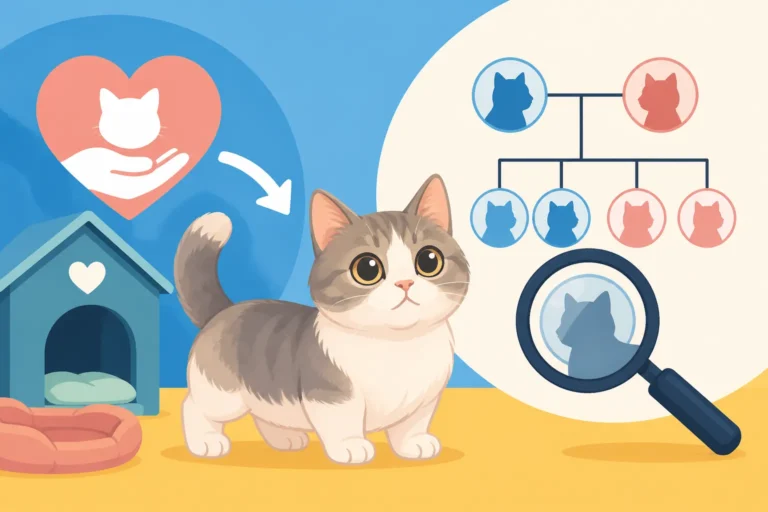
For many purebred cats, pedigree and registration with an organization like The International Cat Association (TICA) add to the kitten's value. While Munchkins are a recognized breed by TICA, individual leg length variations like "Rug Hugger" aren't specific registration categories. However, a kitten from a lineage of show-quality Munchkins, or from parents with excellent health records, will naturally command a higher price. These pedigrees confirm the cat's ancestry and can indicate a history of careful breeding practices.
A reputable breeder will provide registration papers, a health guarantee, and a contract that outlines expectations for the kitten's care. This is a significant part of the cost, reflecting the efforts made to preserve the breed standard and ensure healthy lines. It’s also worth noting that kittens fitting the "Rug Hugger" description are often highly sought after, meaning breeders can command top dollar for them, especially if they are from a strong, well-documented lineage. This contributes to Why the Shortest Legged Munchkin Kitten Goes First.
Geographical Location and Demand
The price of a "Rug Hugger" Munchkin can also vary significantly based on your geographical location and the local demand for the breed. In areas where Munchkins are particularly popular, or where there are fewer reputable breeders, prices tend to be higher. For instance, the demand for Munchkins in certain parts of Asia is incredibly high, often resulting in substantially higher prices compared to North America.
Shipping costs, if you're acquiring a kitten from out of state or country, also add to the initial investment. While it might be tempting to seek out a cheaper kitten from a less reputable source, remember the old adage: you get what you pay for. A lower initial price can often mean higher veterinary bills down the line due to undisclosed health issues. Always factor in the total cost, including potential travel, when budgeting for your "Rug Hugger."
Ongoing Costs: Adapting Your Home and Lifestyle
Beyond the initial purchase, owning a "Rug Hugger" Munchkin requires ongoing financial commitment, primarily due to their unique physical needs. Their short stature means you'll need to make adjustments around your home and be prepared for specific care routines.
Specialized Equipment and Home Adaptations
Your home needs to become a Munchkin-friendly zone, and this often means investing in specialized equipment. Because they can't jump as high as a regular cat, ramps and steps are essential to help them access furniture, beds, and windowsills. These aren't luxuries; they're necessities to ensure your Munchkin can navigate their environment safely and prevent them from repeatedly attempting jumps that could strain their joints. What a Full Set of Munchkin Ramps Costs can give you an idea of this initial setup expense.
Beyond ramps, consider low-entry litter boxes. A "Rug Hugger" will struggle to step into a standard litter box with high sides. You might need to modify existing boxes or purchase specific senior or low-entry designs. What a Low Entry Munchkin Litter Box Costs might surprise you. Even simple things like raised food and water bowls can make a big difference, preventing strain on their neck and shoulders while they eat. Brands like Chewy offer a wide variety of such adaptive products, from ramps to ergonomic bowls.
Diet and Weight Management
Munchkins, especially "Rug Huggers" with their extremely short legs, have a lower center of gravity and naturally burn fewer calories than a long-legged cat. This means weight control is paramount to prevent undue stress on their spine and joints. Even a small amount of excess weight can significantly impact their mobility and overall health. Therefore, investing in high-quality, controlled portions of cat food is critical.
Regardless of the brand, precise portion control is key. Your vet can help you determine the ideal caloric intake for your specific cat. Monitoring their weight regularly and adjusting their food intake accordingly is a lifelong commitment. This directly ties into Why Weight Is More Dangerous on a Munchkin.
Grooming Requirements
While "Rug Huggers" come in various coat lengths, their low-slung bodies and inability to easily reach certain areas mean they often require more grooming assistance from their human companions. Longhaired "Rug Huggers" are particularly prone to matting on their hindquarters and belly because they can't twist and reach to clean themselves effectively. Regular brushing is a must, and some owners opt for professional grooming, including sanitary clips, to prevent discomfort and skin issues.
Even shorthaired "Rug Huggers" can benefit from regular wiping of their hindquarters, especially after using the litter box, as their low stature can sometimes lead to messiness. This ongoing grooming is an additional time and potential financial commitment. For more detailed information, consider How Often a Longhaired Munchkin's Back Half Needs Brushing and Whether a Munchkin Needs a Sanitary Clip.
Specialized Veterinary Care and Insurance
This is perhaps the most crucial ongoing cost consideration for any Munchkin, but particularly for a "Rug Hugger" whose extreme conformation might predispose them to certain issues. While many Munchkins live long, healthy lives, their unique skeletal structure does mean they carry a higher risk for certain conditions. Spinal issues like lordosis or even osteoarthritis in their unusually loaded joints are concerns that require vigilant veterinary care.
Regular check-ups, potentially more frequent as they age, are vital. Your vet might recommend joint supplements as a preventative measure, or pain management if arthritis develops. Why a Munchkin's Vet Year Includes Its Joints outlines the importance of this. Having pet insurance can be a game-changer for managing these potential health costs. Providers like Healthy Paws offer coverage that can help offset the expense of diagnostics, treatments, and even potential physiotherapy if your "Rug Hugger" develops mobility challenges. It's wise to research policies and enroll your cat early, ideally before any pre-existing conditions are noted. This is especially pertinent to Whether Pet Insurance Covers a Munchkin's Spine.
Long-Term Financial Planning: The Senior Years
As your "Rug Hugger" Munchkin ages, typically after eight years old, their needs can evolve, bringing additional financial considerations. Just like with humans, senior pets often require more specialized care, and their unique physiology means these needs can be more pronounced.
Managing Age-Related Mobility Issues
Even with the best care, age can catch up to any cat, and for a "Rug Hugger," this often manifests as decreased mobility. Arthritis is a common concern in older felines, but in Munchkins, the strain on their short limbs and spine can accelerate its onset or severity. You might notice your cat moving more slowly, struggling with jumps they once managed, or showing signs of stiffness, particularly in their shoulders and elbows. Whether a Munchkin Gets Arthritis Earlier is a common question among owners.
Managing age-related mobility issues can involve a combination of approaches:
- Medication: Your vet might prescribe anti-inflammatory drugs or pain relievers to keep your cat comfortable.
- Joint Supplements: Glucosamine and chondroitin supplements can help support joint health, but these need to be consistent and are an ongoing cost.
- Environmental Adjustments: You may need to add more ramps, lower beds, or create completely flat, accessible pathways around your home.
- Physiotherapy: In some cases, veterinary physiotherapy or hydrotherapy can be beneficial to maintain muscle strength and flexibility. This is a specialized service and can be a significant expense, as detailed in What Physiotherapy for a Stiff Munchkin Costs.
These interventions are not one-time costs; they are part of a long-term strategy to ensure your senior "Rug Hugger" maintains a good quality of life.
Increased Veterinary Monitoring
Older Munchkins, like all senior cats, benefit from more frequent veterinary check-ups. These visits allow your vet to closely monitor for common age-related conditions such as kidney disease, hyperthyroidism, and dental issues, in addition to keeping an eye on their joints and overall mobility. Early detection of these conditions can lead to more effective management and better outcomes, but it does mean more vet bills, diagnostic tests (like blood panels and X-rays), and potential prescription medications.
It's wise to budget for increased veterinary expenses as your "Rug Hugger" enters their golden years. A comprehensive pet insurance plan, if obtained early in their life, can prove invaluable in helping to manage these costs, but be aware of any policy limitations or exclusions related to pre-existing conditions. Always discuss your cat's specific needs and your financial concerns with your veterinarian to create a tailored senior care plan.
End-of-Life Care
While nobody likes to think about it, planning for end-of-life care is an important aspect of responsible pet ownership. This can include palliative care to keep your senior "Rug Hugger" comfortable as they decline, euthanasia services when the time comes, and aftercare options such as cremation. These are costs that every pet owner eventually faces, and it's important to be emotionally and financially prepared for them.
Cost Breakdown Table
To give you a clearer picture, here's a general breakdown of the types of costs associated with a "Rug Hugger" Munchkin, keeping in mind that actual figures will vary widely.
| Cost Category | Description | Why it's higher for a "Rug Hugger" |
|---|---|---|
| Initial Purchase | Price from a reputable breeder, including health checks, vaccinations, and registration. | "Rug Hugger" leg length is highly sought after due to its extreme nature and aesthetic appeal, often making these kittens the most expensive in a litter, reflecting careful breeding for this specific trait. |
| Home Adaptations | Ramps, steps, low-entry litter boxes, raised food bowls, specialized cat trees. | Their extreme shortness requires these aids for safe mobility and access to household items; standard cat furniture is often unusable. |
| High-Quality Food | Premium cat food, potentially joint-supportive formulas, controlled portions. | Crucial for weight management to prevent undue strain on their spine and joints, which are already under more stress due to their conformation. |
| Grooming Supplies | Brushes, combs, wipes, specialized shampoos. | Due to inability to reach hindquarters and belly, more frequent owner intervention is needed, especially for longhaired varieties, to prevent mats and skin issues. |
| Professional Grooming | Sanitary clips, full grooms (especially for longhaired types). | Can be a necessity if the cat struggles with self-grooming, preventing matting and hygiene issues. |
| Routine Vet Care | Annual check-ups, vaccinations, parasite prevention. | Standard for all cats, but the veterinarian will pay closer attention to spinal health and joint mobility due to the Munchkin's unique conformation. |
| Specialized Vet Care | X-rays for spinal assessment, joint supplements, pain medication for arthritis, physiotherapy. | Higher likelihood of needing diagnostics and treatments for lordosis, pectus excavatum, or early-onset osteoarthritis in later life. Healthy Paws insurance can help here. |
| Pet Insurance | Monthly premiums for accident and illness coverage. | Highly recommended to offset potential costs of treating breed-specific issues like spinal problems and arthritis, which can be expensive. |
| Toys & Enrichment | Floor-level toys, puzzle feeders, tunnels. | Must be chosen to suit their inability to jump and climb high, ensuring they can still engage in play safely and stimulate their minds and bodies. |
Making an Informed Decision
Bringing a "Rug Hugger" Munchkin into your home is a decision that extends far beyond their adorable appearance. It's a commitment to understanding and meeting their unique needs, which often translates into higher financial costs compared to a typical domestic shorthair. From the premium adoption fee to the necessary home adaptations, specialized grooming, and ongoing veterinary vigilance for potential joint and spinal issues, every aspect of their care requires consideration.
By understanding these potential expenses upfront, you can ensure that you are fully prepared to provide a loving, safe, and comfortable life for your tiny, "Rug Hugging" companion. While the costs might seem daunting, for those who are prepared, the joy and companionship a Munchkin can bring are truly priceless.
Disclaimer
This article is for general informational purposes only and does not constitute professional advice. Laws, prices and regulations vary by location and change over time. Consult a qualified professional for guidance on your specific situation.