Whether a Long Legged Munchkin Can Be Registered
It's completely understandable to feel a bit lost in the maze of cat breed registries and genetics, especially when it comes to a unique breed like the Munchkin. You've heard about short-legged Munchkins, of course, but what about their long-legged siblings? Can they be registered, and do they even count as Munchkins? This guide aims to clear up all that confusion, explaining the genetics, the role of breed registries, and why these long-legged beauties are actually indispensable to the breed's health and future.
Understanding Munchkin Genetics and Leg Length
Before we dive into registration specifics, it's crucial to grasp the genetic reality of the Munchkin cat. The trait that gives Munchkins their signature short legs is due to a dominant gene. This means a cat only needs one copy of this gene to express the short-legged trait. However, it's not quite that simple, and understanding this inheritance pattern is key to understanding why some kittens in a Munchkin litter have normal legs.
The Dominant Munchkin Gene
The Munchkin gene, responsible for their distinctive short stature, is what we call an autosomal dominant gene. This means that if a cat inherits just one copy of this gene from either parent, it will develop short legs. However, there's a critical detail that shapes Munchkin breeding practices and the composition of every litter: two copies of the Munchkin gene are lethal. An embryo inheriting two copies of the short-leg gene will not survive. This is why you'll never see a breeder intentionally breeding two short-legged Munchkins together; it's considered unethical and results in a tragic loss of life, as explored further in What Happens to a Homozygous Munchkin Embryo.
Because of this, all short-legged Munchkin cats are heterozygous, meaning they carry one copy of the dominant short-leg gene and one copy of the normal-leg gene. When a short-legged Munchkin is bred with a normal-legged domestic cat (which is the only ethical way to breed them), statistically, about half of the kittens in the litter will inherit the short-leg gene and have short legs. The other half will inherit two copies of the normal-leg gene and will have legs of regular length. This is precisely Why Half a Munchkin Litter Has Normal Legs. These normal-legged kittens are genetically distinct from their short-legged siblings; they do not carry the Munchkin dwarfism gene at all.
Distinguishing Leg Lengths in a Litter
When a Munchkin litter arrives, it's often a mix of both short-legged and long-legged kittens. Visually, the difference becomes apparent fairly early on, usually by a few weeks of age. The short-legged kittens, of course, exhibit the characteristic adorably stubby legs that sit low to the ground. Their body length, however, remains proportional to a typical cat, giving them their unique appearance. This contrast is interesting to note, as Why a Munchkin's Legs Are Short but Its Body Is Not highlights that it's primarily the long bones of the legs that are affected, not the spine or torso.
The long-legged kittens, on the other hand, look just like any other domestic cat. Their legs are of normal proportion and length, allowing them the full range of motion, jumping ability, and agility you'd expect from a non-Munchkin feline. They don't have the bowed front legs or the low-slung belly that characterizes their short-legged siblings. Breeders usually grade leg length at around 12 weeks of age, once the kittens are more developed, to determine their conformation. It's important to remember that these long-legged kittens are not "failed" Munchkins; they are an inherent, natural, and necessary outcome of Munchkin genetics.
The Role of Registries in Munchkin Recognition
The world of cat registries can be a bit confusing, with different organizations having different rules and standards for recognizing breeds. For Munchkin cats, and by extension, their long-legged counterparts, the primary registry that offers recognition and registration is The International Cat Association (TICA).
TICA's Stance on Munchkins
TICA is the only major cat registry that fully recognizes the Munchkin breed for championship status, a process that wasn't without its controversies, as detailed in TICA Judges the Munchkin and CFA Will Not Register It. For TICA, a Munchkin isn't just a cat with short legs; it's a cat with a specific lineage descending from registered Munchkin parents, or from specific approved outcrosses. This is a crucial distinction. When a Munchkin cat is bred to a non-Munchkin domestic cat (as is standard practice), all the kittens born from that pairing are considered Munchkins by TICA, regardless of their leg length.
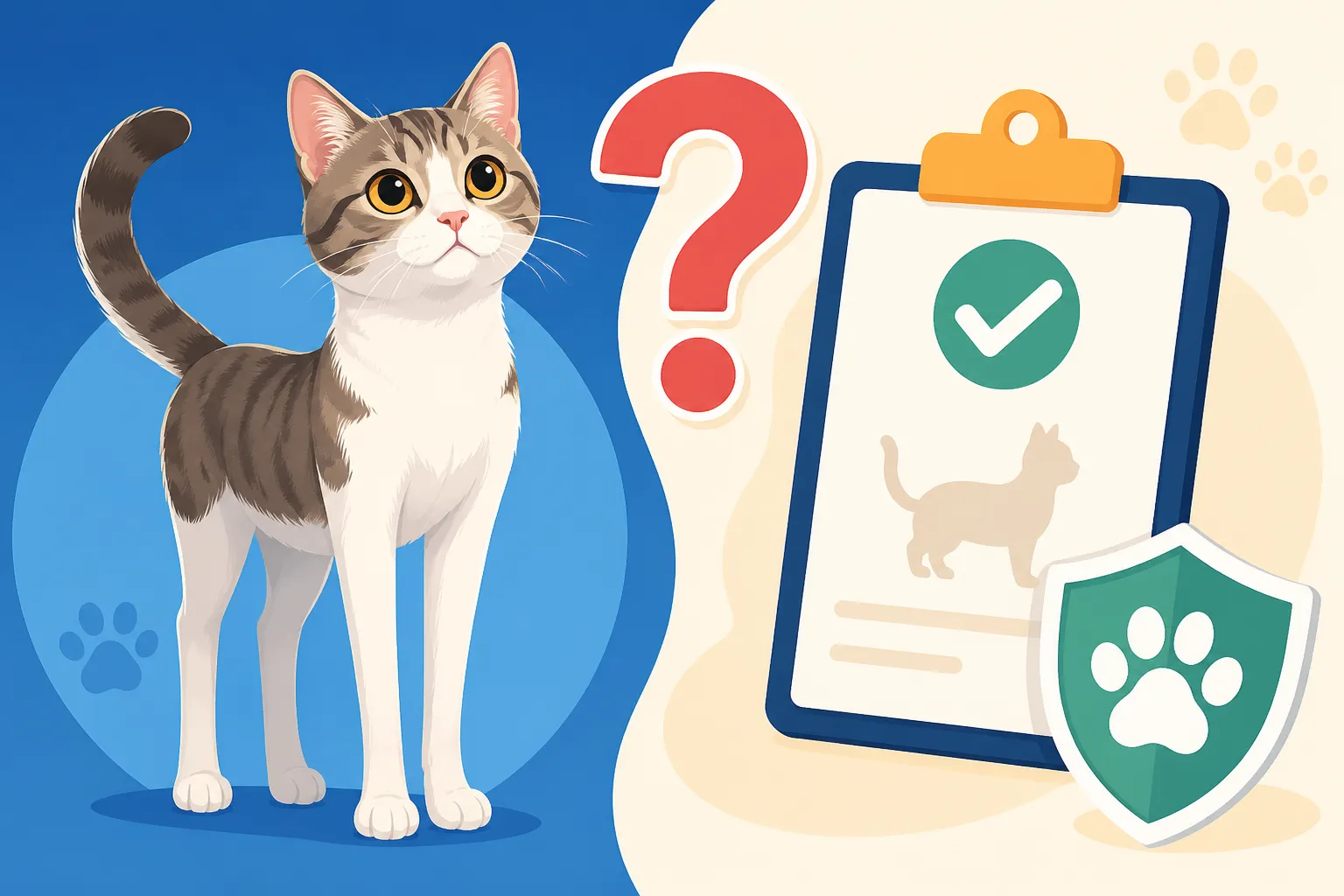
This means that long-legged kittens from a Munchkin litter are absolutely eligible for TICA registration. They are registered as "Munchkin Shorthair Non-Standard" or "Munchkin Longhair Non-Standard," depending on their coat type. The "Non-Standard" designation simply means they do not meet the short-legged conformation standard required for show championship, but they are still recognized as purebred Munchkins by parentage. This allows breeders to track their lineage, maintain accurate records, and ensure the integrity of the breed's development.
Why Other Registries Differ
While TICA embraces the Munchkin, many other prominent cat registries worldwide, such as the Cat Fanciers' Association (CFA) in the United States and the Governing Council of the Cat Fancy (GCCF) in the UK, do not recognize the Munchkin breed at all. Their primary objection often stems from concerns about the welfare implications of breeding cats with an inherited physical deformity, arguing that the short legs may predispose them to health issues.
For registries that do not recognize the Munchkin breed, the question of registering a long-legged Munchkin is moot. Since the breed itself isn't recognized, none of its offspring, regardless of leg length, would be eligible for registration under their system. In these contexts, a long-legged cat from Munchkin parents would simply be considered a domestic shorthair or longhair cat, with no special breed designation, as they do not carry the specific gene that defines the Munchkin. This highlights the unique position TICA holds in the Munchkin community, providing the only pathway for formal breed recognition and lineage tracking for both short-legged and long-legged offspring.
Registering a Long-Legged Munchkin
So, if you have a long-legged kitten born to registered Munchkin parents, what does the registration process look like, and why is it even necessary? It's a fundamental part of responsible breeding and ensures the long-term health of the Munchkin gene pool.
The "Non-Standard" or "Long-Legged Variant"
Within TICA, as mentioned, long-legged Munchkins are registered as "Non-Standard." This designation is important because it clearly indicates that while they are genetically purebred Munchkins by descent, they do not express the short-leg trait that defines the breed's physical standard for showing. Think of it like this: they are full members of the family, even if they don't look exactly like their famous relatives.
These "non-standard" cats are absolutely vital to the Munchkin breed. They do not carry the gene for dwarfism, as clarified by Whether a Long Legged Munchkin Carries the Gene. This makes them perfect candidates for outcrossing programs. Ethical Munchkin breeders rely heavily on these non-standard cats to be bred back to short-legged Munchkins. This practice is essential because it brings in fresh genetics from non-Munchkin lines, helping to keep the overall gene pool wide and healthy, thereby preventing inbreeding depression and reducing the likelihood of other genetic issues. Without these long-legged variants, the breed would struggle to maintain genetic diversity.
Purpose of Registration for Long-Legged Cats
Registering long-legged Munchkins serves several critical purposes, primarily for the health and sustainability of the breed:
- Lineage Tracking: Registration allows breeders to meticulously track the family tree of their cats. This is vital for making informed breeding decisions, ensuring that no two short-legged Munchkins are ever bred together (due to the lethal homozygous gene), and identifying healthy lines.
- Gene Pool Expansion: As discussed, long-legged Munchkins are used as outcrosses. By registering them, breeders can ensure these cats come from known, healthy lines, contributing positively to the overall genetic health of the Munchkin population. Which Domestic Cats Are Used as Munchkin Outcrosses elaborates on the importance of these diverse genetics.
- Ethical Breeding Practices: Responsible breeders adhere to registry rules, which include not breeding two short-legged cats. The registered status of long-legged cats helps maintain this ethical standard, ensuring the health of kittens and the future of the breed. It underscores the concept of How Munchkin Dwarfism Is Inherited and the necessity of thoughtful pairings.
- Health Guarantees: For potential buyers, seeing registered long-legged parents or relatives can offer reassurance about the health background of a short-legged kitten. While a long-legged Munchkin kitten typically costs less than its short-legged sibling, as explored in What a Long Legged Munchkin Kitten Is Worth, their registered status validates their purebred lineage and often reflects the breeder's commitment to transparency and health. Even though long-legged Munchkins generally face fewer breed-specific health concerns related to their stature, having a solid pet insurance plan from a provider like Healthy Paws is always a wise decision for any feline companion, protecting against unexpected veterinary costs.
The Value and Role of Long-Legged Munchkins
It might seem counterintuitive to value a cat that doesn't display the defining characteristic of its breed, but long-legged Munchkins are far more than just "normal" cats from a special litter. They are the unsung heroes of the Munchkin breed, crucial for its vitality and ethical continuation.
Essential for Breeding Programs
The existence of long-legged Munchkins is not a flaw; it's a testament to the safety and ethical considerations built into responsible Munchkin breeding. Since breeding two short-legged Munchkins together would result in the tragic loss of the entire homozygous litter, breeders must always pair a short-legged Munchkin with a normal-legged cat. This normal-legged cat can be an approved domestic outcross, or it can be a long-legged Munchkin from previous generations. Using a long-legged Munchkin is often preferred because it maintains the Munchkin lineage while introducing the necessary genetic diversity and ensuring the health outcomes of the litter.
These long-legged cats carry all the desirable traits of the Munchkin breed—temperament, health, coat quality—but without the specific dwarfism gene. They act as a genetic bridge, preventing the gene pool from becoming too narrow and protecting against the devastating impact of Munchkin Dwarfism Is Dominant and Lethal in Two Copies. The practice of careful outcrossing, often utilizing these long-legged variants, is essential for the breed's long-term health, as discussed in Why the Munchkin Gene Pool Stays Wide. Without them, responsible breeding would be impossible, and the breed would quickly face severe genetic issues.
Long-Legged Munchkins as Pets
Beyond their critical role in breeding, long-legged Munchkins make fantastic pets in their own right. They possess the same delightful, outgoing, and playful personalities that Munchkin owners adore. They are curious, social, and often form strong bonds with their human families. The key difference, of course, is their physical ability. With normal-length legs, they can jump, climb, and run with the same ease and agility as any other domestic cat. This means they face none of the potential mobility limitations or joint stresses that their short-legged siblings might, leading to a typically robust and active life.
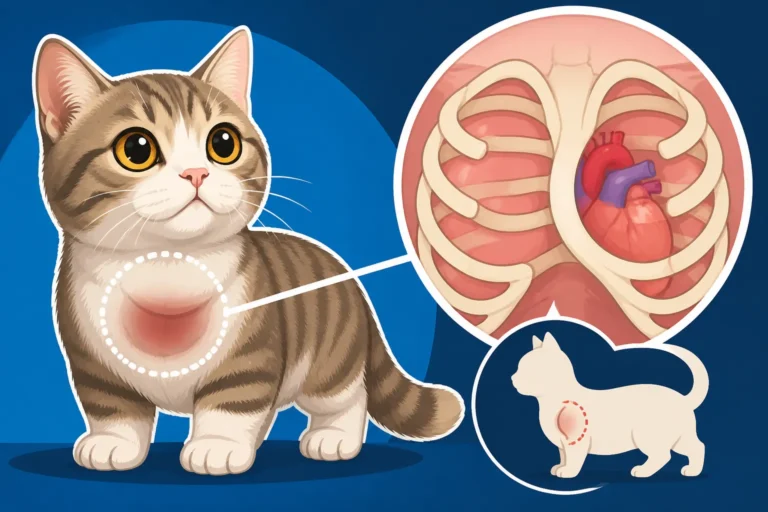
Because they don't carry the dwarfism gene, long-legged Munchkins generally do not experience the skeletal or spinal issues sometimes associated with the short-legged mutation, such as lordosis or pectus excavatum. This can mean a healthier life overall, and potentially lower veterinary costs related to orthopedic concerns. For owners looking for the wonderful temperament of a Munchkin without the unique care considerations of short legs, a long-legged variant is an excellent choice. Many of these wonderful cats find loving homes, often as beloved companions, and are sometimes referred to as What Happens to the Long Legged Munchkin Kittens. They are vibrant, healthy cats that bring all the joy of a feline companion, often with the added peace of mind regarding breed-specific physical challenges.
Here's a quick comparison of short-legged versus long-legged Munchkin registration and roles:
| Feature | Short-Legged Munchkin | Long-Legged Munchkin (Non-Standard) |
|---|---|---|
| Genetic Trait | Carries one copy of the dominant short-leg gene (M/m) | Carries two copies of the normal-leg gene (m/m) |
| Physical Appearance | Characteristic short legs, normal body length | Normal leg length, indistinguishable from a standard domestic cat |
| TICA Registration | Registered as "Munchkin" (Shorthair/Longhair) | Registered as "Munchkin Non-Standard" (Shorthair/Longhair) |
| Show Eligibility | Eligible for Championship Status in TICA shows | Not eligible for Championship Status in TICA shows |
| Breeding Role | Must be bred to a normal-legged cat to produce viable litters | Essential for outcross programs, bred to short-legged Munchkins |
| Gene Carrier | Yes, carries the Munchkin gene | No, does not carry the Munchkin gene |
| Health Considerations | Potential for breed-specific issues like lordosis | Generally similar health profile to a domestic cat |
| Pet Value | Highly sought-after, higher price | Excellent companion, typically lower price than short-legged siblings |
In conclusion, yes, a long-legged Munchkin can absolutely be registered, particularly with TICA, the primary registry for the breed. These cats, officially known as "Non-Standard" Munchkins, are not only recognized but are profoundly important for the genetic health and ethical continuation of the entire Munchkin breed. They are living proof of responsible breeding practices and offer a wonderful option for families seeking the delightful personality of a Munchkin cat without the physical characteristics that define the short-legged variant.
Disclaimer
Please note that the information provided in this guide is for general informational purposes only and should not be considered a substitute for professional veterinary advice. Always consult with a qualified veterinarian regarding your pet's health, care, and any specific concerns related to breed-specific conditions. Breed standards and registry rules can change, so always refer to the official websites of organizations like TICA for the most current information.