What the TICA Munchkin Standard Asks For
It can be incredibly confusing to try and understand what makes a Munchkin cat truly a "Munchkin" in the eyes of an official breed registry, especially with so much conflicting information out there. Many people wonder if their adorable short-legged furball fits the bill, or what specific traits a reputable breeder aims for. This guide will walk you through the precise standards set by The International Cat Association (TICA), which is the primary registry that officially recognizes and champions the Munchkin breed.
Understanding Breed Standards: More Than Just Looks
When you hear "breed standard," it might conjure images of rigid rules about appearances, almost like a beauty contest for cats. While looks are definitely a part of it, a breed standard goes much deeper. It's a comprehensive blueprint that defines the ideal characteristics of a breed, encompassing everything from temperament to health and overall structure. For a unique breed like the Munchkin, these standards are particularly important.
The Purpose of a Breed Standard
Think of a breed standard as a guiding document for responsible breeders. It outlines the traits they should strive to produce in their kittens and helps them make informed decisions about breeding pairs. For judges at cat shows, it’s the definitive rubric against which every entry is measured. But beyond the show ring, it serves a vital purpose in maintaining the integrity and health of the breed. It helps to ensure that breeders aren't just creating cats with short legs, but rather healthy cats with short legs that fit the desired profile. It also offers transparency to potential owners, giving them a clear idea of what to expect from a well-bred Munchkin.
Without a clear standard, a breed can quickly diverge, leading to inconsistent types and potentially exaggerating certain traits to the detriment of the animal's well-being. This is why organizations like TICA invest so much effort into developing and refining these guidelines. They're about preserving the breed's unique qualities while discouraging practices that could lead to widespread health issues or poor temperament. It’s a delicate balance, especially for a breed as distinctive as the Munchkin.
Who Sets the Standard for the Munchkin?
When it comes to the Munchkin cat, there's often a lot of debate about its recognition. Unlike some other popular breeds, the Munchkin isn't universally accepted by all major cat registries. The International Cat Association, or TICA, stands as the primary and most prominent organization that fully recognizes the Munchkin as a championship breed. This means TICA allows Munchkins to be shown, judged, and earn titles based on their adherence to the breed standard.
Other organizations, like the Cat Fanciers' Association (CFA) or the Governing Council of the Cat Fancy (GCCF) in the UK, have explicitly chosen not to recognize the Munchkin due to concerns related to its unique leg structure and potential associated health issues. This split causes a lot of confusion for prospective owners and even for some in the cat fancy community. Therefore, when discussing the "Munchkin Standard," it's almost always in the context of TICA's official document. Their standard is the one that breeders refer to and aim for when producing and showing Munchkin cats. For more on this, you might find TICA Judges the Munchkin and CFA Will Not Register It to be an illuminating read. It really highlights the different approaches various cat organizations take.
The General Appearance: What TICA Expects from a Munchkin
Beyond the obvious short legs, the TICA standard paints a picture of the Munchkin as a charming, medium-sized cat with a surprising level of agility and a distinct overall balance. It’s not just about having short limbs; it’s about how those limbs integrate into an otherwise normal-bodied cat, creating a unique yet harmonious appearance.
Overall Impression and Balance
TICA describes the ideal Munchkin as a medium-sized cat with a medium-length body, well-muscled and without any signs of coarseness. The overall impression should be one of a healthy, alert, and active feline that is both sturdy and graceful, despite its unique stature. It’s crucial that the short legs don't make the cat look awkward or disproportionate. Instead, the standard emphasizes balance and fluidity. The body should have good depth, with a well-developed chest and firm hips.
When a judge looks at a Munchkin in the ring, they aren't just looking at the legs. They are evaluating the entire cat to ensure it moves and holds itself with confidence and ease. The TICA standard specifically notes that the Munchkin should not appear stunted or disabled. This means a good Munchkin will have a normal body length and girth, proportionate to a regular domestic cat, with the only significant deviation being the length of its limbs. This contributes to the breed's reputation as a playful and energetic companion, able to zoom around and interact with its environment despite its low-slung profile. Understanding What a Munchkin Looks Like Against the TICA Standard is key to appreciating this unique balance.
Head and Facial Features
The TICA standard details specific requirements for the Munchkin's head and facial features, aiming for an expressive and pleasing look. The head should be a modified wedge with rounded contours, neither pointed nor excessively broad. Proportion is key here, with the head being in good balance with the rest of the body. The top of the head should be relatively flat from the forehead to the back of the skull, maintaining a gentle curve.
The eyes are an important feature, often described as walnut-shaped, neither round nor almond, and set fairly wide apart, contributing to an open and sweet expression. Any eye color is accepted, and there’s no specific correlation required with coat color. The ears should be medium in size, set high and wide on the head, with slightly rounded tips. They should be well-furnished with hair, adding to the cat's soft appearance. A gentle muzzle, well-defined but not overly pronounced, and a firm chin complete the facial structure. It's about a soft, appealing look that reflects the breed's generally affectionate and curious temperament, without any extremes that might suggest health issues.
Body Structure and Torso
While the legs get all the attention, the TICA standard for the Munchkin's body structure and torso is equally important, emphasizing a robust yet flexible form. The body should be medium in length, with a well-muscled appearance that speaks to its underlying strength and agility. This isn't a delicate cat; it's designed to be active and playful, capable of navigating its world effectively. The chest should be full and firm, allowing for ample lung capacity, and the hips should also be firm and well-developed, giving the cat a solid foundation.
The standard specifically calls for a body that maintains a "normal" appearance, meaning it should not appear shortened or compressed like the torso of some other dwarf breeds. This normal body length is crucial because it helps distribute weight evenly and supports the spine adequately. A slight rise from the shoulders to the rump is permissible, but any extreme curvature of the spine (like lordosis, where the spine sags severely) would be a fault. The tail should be medium to long, tapering slightly to a rounded tip, and carried erect when the cat is moving. This careful description of the torso ensures that while the legs are distinct, the rest of the Munchkin's anatomy is that of a healthy, capable feline.
The Defining Feature: Munchkin Leg Conformation
The legs are, without a doubt, the most striking and defining characteristic of the Munchkin cat. This is where the breed gets its name and its unique appearance. However, the TICA standard isn't just about "short legs"; it's about a very specific type of shortness that maintains the cat's functionality and health.
Acceptable Leg Length and Proportions
TICA's standard for Munchkin legs emphasizes that they should be "short and stout." This isn't a vague description; it means the legs should be noticeably shorter than those of a typical domestic cat, but also well-muscled and strong. The bones should be of normal thickness, not fragile or spindly, and the feet should be round and compact. Crucially, the standard dictates that the front legs may appear slightly bowed when viewed from the front, and this is considered characteristic rather than a fault. However, extreme bowing or any other deformity that impedes movement or suggests discomfort is certainly not desirable.
The hind legs are generally slightly longer than the front legs, leading to a gentle rise from the shoulders to the rump. This slight incline is normal and helps the Munchkin maintain its balance and unique gait. What's absolutely vital is that the leg length, while short, must not interfere with the cat's ability to run, play, and live a normal, active life. The ideal Munchkin moves with a "ferret-like" fluidity, agile and quick despite its low-slung body. This proportional balance is what allows a Munchkin to be so active, and it's a key factor judges look for. For more on what defines this unique structure, take a look at How a Munchkin's Leg Length Is Measured and What a Standard Munchkin Leg Length Is.
Why Extreme Shortness Isn't Always Desirable
While short legs are the hallmark of the Munchkin, TICA's standard makes it clear that there's a limit to how short is desirable. "Rug Huggers," as they are sometimes called, are cats with extremely short legs that are often sought after for their novelty. However, excessive shortness can be detrimental to the cat's mobility and overall quality of life. The standard aims for functional shortness – legs that allow the cat to be active, jump to reasonable heights (with assistance or steps), and groom itself adequately.
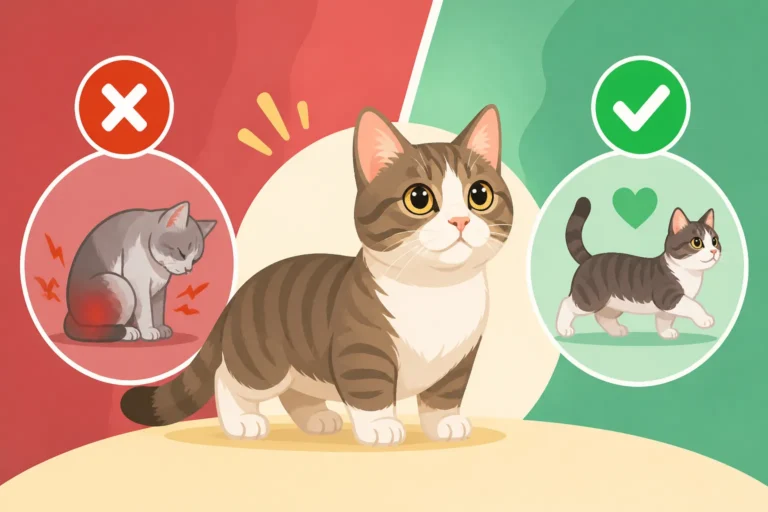
Cats with legs that are too short might struggle with basic movements, develop spinal issues due to an uneven distribution of weight, or find it impossible to groom their hindquarters, leading to hygiene problems. While the standard does not explicitly prohibit a specific measurement, the emphasis on healthy movement and a "sturdy" build implicitly discourages extreme examples. A responsible breeder will prioritize a kitten's long-term health and mobility over simply chasing the "shortest" look. They understand that while a cat from Chewy might bring joy, its overall well-being is paramount. Excessive bowing or turning of the front paws, while some bowing is acceptable, can also become problematic if it causes pain or limits natural movement, as discussed in Whether a Munchkin's Bowing Is a Fault or a Defect.
Movement and Gait
One of the most captivating aspects of the Munchkin cat is its distinctive movement and gait. TICA's standard emphasizes that despite their short legs, Munchkins should move with a remarkable agility and confidence. Their walk isn't a waddle or a struggle; it's a fluid, almost ferret-like glide that allows them to navigate their environment with surprising speed and grace. The back legs, being slightly longer, provide a powerful propulsion, enabling them to sprint and dart around corners with ease.
When observing a Munchkin, you should see a cat that is light on its feet, capable of quick changes in direction. There should be no signs of stiffness, lameness, or discomfort in its gait. The standard looks for unrestricted movement, indicating healthy joints and a well-supported spine. While they won't scale bookshelves like a long-legged cat, a healthy Munchkin should be able to jump onto low furniture, utilize ramps, and play vigorously on the floor. Any awkwardness, hesitancy, or visible pain during movement would be considered a serious fault, as it would indicate that the short leg trait is negatively impacting the cat's well-being and not meeting the breed's functional requirements.
Coat, Color, and Condition: The Details That Matter
Beyond the defining legs, the TICA Munchkin standard also covers the less unique but equally important aspects of their appearance: coat, color, and overall physical condition. These elements contribute to the breed's aesthetic appeal and reflect the cat's health and the care it receives.
Coat Lengths and Textures
The TICA standard embraces variety when it comes to the Munchkin's coat, recognizing both short-haired and long-haired varieties. This flexibility allows for a wider genetic pool and diverse aesthetic preferences among owners.
- Shorthair: The short-haired Munchkin should have a medium plush coat that is soft and resilient to the touch. It should lie smoothly against the body, offering good protection without being overly coarse or wiry. The coat density can vary, but it should always appear healthy and vibrant.
- Longhair: Long-haired Munchkins boast a semi-long coat, meaning it's not floor-length like some Persian coats, but still provides a luxurious, flowing appearance. The texture should be silken and smooth, rather than cottony or dense. There should be a moderate undercoat, and some ruffing around the neck, britches (longer hair on the hind legs), and a full, plume-like tail are all desirable features.
In both coat types, the hair should appear well-kept, free from mats (especially for long-hairs), and reflect good health. The breed standard for Which Coat Lengths a Munchkin Comes In confirms this variety, emphasizing that regardless of length, the coat quality should be excellent.
Allowed Colors and Patterns
One of the wonderful things about the Munchkin breed is its incredible diversity in color and pattern. TICA's standard is highly inclusive, accepting virtually all recognized cat colors and patterns. This means you can find Munchkins in a dazzling array of hues and designs, from solid blacks, whites, and creams to intricate tabbies, torties, calicos, bi-colors, and colorpoints.
This broad acceptance allows breeders to focus more on health, structure, and temperament, rather than limiting their breeding programs to specific color lines. It also means that every Munchkin cat can truly be unique in its appearance. Whether you prefer the classic elegance of a solid blue, the striking stripes of a mackerel tabby, or the vibrant patches of a calico, there’s a Munchkin out there to match your preference. The beauty is in the variety, and the standard simply asks for clear, rich colors and well-defined patterns appropriate to the specific genetic expression. This freedom from color restrictions is a hallmark of the breed and makes each Munchkin a little surprise package of visual delight. How Many Colors a Munchkin Comes In really highlights this broad spectrum.
General Health and Condition
The TICA standard places significant emphasis on the overall health and physical condition of the Munchkin. A cat presented for judging should be in prime physical shape, reflecting excellent care and robust genetics. This means having a firm, well-muscled body, a clean and lustrous coat, bright, clear eyes, and clean ears. Any signs of illness, lethargy, poor grooming, or visible parasites would be considered serious faults, as they indicate a failure to meet the basic standards of health and welfare.
Judges are trained to look beyond superficial beauty and assess the underlying vitality of the cat. They check for appropriate weight (neither obese nor underweight), good muscle tone, and an alert, active demeanor. A Munchkin should exhibit a curious and friendly temperament, not shyness or aggression, which could also be grounds for faulting. The breed standard isn't just about conforming to a specific look; it's about promoting the breeding of healthy, happy, and well-adjusted animals. This holistic approach ensures that the Munchkin's unique physical traits do not come at the expense of its overall well-being. A cat purchased from a responsible breeder, perhaps stocked with supplies from Chewy, should always arrive in excellent health.
Faults and Disqualifications: What TICA Says No To
While the TICA standard outlines what is desirable in a Munchkin, it's equally important to understand what constitutes a fault or a disqualification. These are traits that either detract from the ideal breed type or indicate a serious health concern that makes the cat unsuitable for breeding or showing. Recognizing these helps both breeders maintain quality and prospective owners make informed choices.
Genetic Concerns and Health Indications
TICA takes genetic health seriously, and certain physical manifestations linked to potential genetic problems are considered severe faults or disqualifications. The most critical aspect here involves the spine and other skeletal structures. Any evidence of spinal deformity such as severe lordosis (an inward curvature of the spine) or pectus excavatum (a sunken chest) would be a major fault. While mild forms might be noted, significant instances indicate an unhealthy exaggeration of the breed's genetic traits. Lordosis Is the Spinal Curve the Munchkin Argument Is About goes into depth on this particular concern.
Another concern is severe splaying of the feet or any indication of lameness or pain in the legs or joints. While a slight bow in the front legs is characteristic, a degree that impedes natural movement or suggests discomfort is unacceptable. Any sign of dwarfism affecting other parts of the body, leading to an abnormally short torso or an unusually large head for the body, would also be a serious fault. The goal is to celebrate the short legs without compromising the cat's overall health and well-being. Breeders are expected to screen their cats for these issues, ensuring that the unique Munchkin gene is expressed responsibly. What Faults a Munchkin in the Show Ring covers many of these concerns.
Structural Abnormalities Beyond Leg Length
Beyond the more severe genetic concerns, the TICA standard also identifies structural abnormalities that, while perhaps not life-threatening, detract significantly from the ideal Munchkin type. These might include an extremely cobby (stocky) or overly long and rangy body, which would compromise the desired medium-length torso. A head that is too small or too large for the body, or ears that are disproportionately sized or incorrectly set, would also be considered faults.
Likewise, any anomalies in the tail, such as a kinked or unusually short tail, are faults. The tail should be flexible and proportionate to the body, moving freely. Eyes that are crossed or appear misshapen, or any signs of chronic discharge, would also be marked down. Ultimately, the standard is looking for overall harmony and balance. While the short legs are unique, they should not be accompanied by other structural peculiarities that make the cat appear ungainly or unhealthy. These details ensure that the Munchkin presented in the show ring is not just a cat with short legs, but a well-formed example of the breed.
Temperament and Behavioral Issues
TICA's breed standard isn't solely focused on physical attributes; temperament plays a crucial role as well. A Munchkin presented for judging is expected to be docile, cooperative, and good-natured. It should be easily handled by the judge and exhibit a confident, curious, and outgoing personality. Any signs of aggression, shyness, fear, or an unwillingness to be handled are considered serious faults and can lead to disqualification. This isn't just about making the judge's job easier; it reflects the breed's expected companionability.
The Munchkin is known for its playful and affectionate nature, thriving on interaction with its human family. A cat that is timid or difficult to manage goes against the very essence of what makes the Munchkin such a beloved pet. While the stress of a show environment can make some cats nervous, an inherent behavioral issue suggests a lack of proper socialization or a genetic predisposition that should not be passed on. Therefore, breeders pay close attention to the temperament of their breeding cats, as it is a fundamental component of the breed standard, ensuring that these cats are not just beautiful, but also wonderful companions.
Living Up to the Standard: For Breeders and Owners
The TICA Munchkin standard isn't just a document for show judges; it's a vital tool for everyone involved with the breed, from dedicated breeders to loving pet owners. It sets the bar for responsible practices and helps ensure the long-term health and happiness of these unique cats.
The Breeder's Role in Upholding the Standard
For breeders, the TICA standard is their guiding light. It dictates every aspect of their breeding program, from selecting suitable breeding pairs to evaluating kittens before they go to their forever homes. A reputable breeder's goal is not simply to produce kittens with short legs, but to produce healthy, well-tempered Munchkins that embody the ideal characteristics outlined in the standard. This means prioritizing robust health, sound structure (especially a healthy spine, considering Why a Munchkin's Spine Carries a Load a Normal Cat's Does Not), and a friendly disposition above all else.
Breeders must carefully study pedigrees, conduct health screenings, and continually assess their cats against the standard. They look for good muscle tone, balanced proportions, correct leg conformation, and an overall impression of vitality. They also pay close attention to the temperament of their breeding cats, ensuring that only calm, friendly individuals contribute to future generations. This commitment extends to providing excellent early socialization for kittens and educating prospective owners on the unique needs of the breed. Ultimately, a breeder upholding the standard is safeguarding the future of the Munchkin. If you're looking for a kitten, asking What a Munchkin Breeder Should Be Able to Show You is a great way to gauge their adherence to these principles.
Why Owners Should Understand the Standard
As a Munchkin owner, or even a prospective one, understanding the TICA standard is incredibly empowering. It allows you to make informed decisions and recognize what truly constitutes a well-bred Munchkin. Knowing the standard helps you differentiate between a responsible breeder who prioritizes health and type, and one who might be cutting corners or exaggerating traits for novelty. When you're looking for a new family member, whether it's from a local breeder or sourced with supplies from Chewy in mind, you want to be sure you're getting a healthy, happy cat.
For instance, understanding the nuance of leg length helps you appreciate that "rug hugger" isn't necessarily the ideal, and might even be a sign of potential mobility issues down the line. Knowing about potential spinal concerns like lordosis or pectus excavatum enables you to ask pertinent questions of your breeder and monitor your cat's health throughout its life. It also helps you understand why ethical breeders insist on outcrossing to normal-legged cats, as detailed in Why Munchkin Outcrossing Was Necessary From the Start, ensuring genetic diversity and vitality. Ultimately, an informed owner can better advocate for their cat's health and well-being, providing the best possible home for their unique short-legged companion.
TICA Munchkin Breed Standard Snapshot
To give you a clearer overview, here's a snapshot of some key aspects of the TICA Munchkin Breed Standard. This table summarizes the ideal characteristics and what to look for.
| Feature | Ideal TICA Standard Description | Notes for Owners/Breeders |
|---|---|---|
| Size | Medium, moderate body length | Neither overly large nor unusually small. Balanced with leg length. |
| Legs | Short to moderate, well-muscled, good bone; hind slightly longer | Should not impede movement; slight front bowing acceptable. |
| Head | Modified wedge, rounded contours; balanced with body | Not pointed or overly broad. Expressive eyes, medium ears. |
| Eyes | Walnut-shaped, set wide apart, expressive | Any color accepted. Clear and bright. |
| Body | Medium length, well-muscled, firm chest and hips | Sturdy, without coarseness. No extreme spinal curvature. |
| Tail | Medium to long, tapering to rounded tip, carried erect | Flexible, proportionate to body. |
| Coat | Shorthair: Medium plush; Longhair: Semi-long, silken, moderate undercoat | Both must be healthy, well-kept, and free from mats. |
| Color/Pattern | All recognized colors and patterns accepted | No restrictions, focus on clear, rich presentation. |
| Temperament | Outgoing, intelligent, friendly, docile, easily handled | Confident, curious, and active. No shyness or aggression. |
| Faults | Extreme spinal curvature (lordosis/pectus), lameness, severe bowing | Any trait impeding health, mobility, or indicating discomfort. |
| Disqual. | Evidence of illness, poor temperament (aggression/extreme shyness) | Health must be paramount; temperament must be stable. |
This table provides a quick reference for the key points when considering the TICA standard for Munchkin cats.
Disclaimer
This article is for general informational purposes only and does not constitute professional advice. Laws, prices and regulations vary by location and change over time. Consult a qualified professional for guidance on your specific situation.