Where the Munchkin Name Came From
It’s a question many new Munchkin cat owners, and even seasoned cat enthusiasts, often ponder: where on earth did the delightful, whimsical name "Munchkin" come from? You see these adorable short-legged cats, often described as having a unique waddle or a peculiar sit, and the name just seems to fit. But it's not just a cute moniker; it’s rooted in a fascinating piece of literary history and became a defining characteristic for a breed that sparked a whirlwind of debate and affection in the cat world. This guide dives deep into the origins of the Munchkin's name, exploring its cultural ties, its significance within the cat fancy, and what it truly implies for these special felines.
The Curious Case of the Short-Legged Cat
Before there was a name, there was a cat. The story of the Munchkin breed is quite unique, starting not in a planned breeding program, but with a serendipitous discovery that captivated a cat lover's heart. It's a tale that often gets overshadowed by the discussions around the breed's ethics, but understanding its beginnings helps illuminate why such a distinctive name was eventually chosen.
A New Discovery in Louisiana
Imagine driving down a road in Rayville, Louisiana, back in 1983, and you spot a pregnant stray cat with incredibly short legs. That’s exactly what happened to Sandra Hochenedel, who rescued this cat she affectionately named Blackberry. This was no ordinary stray; Blackberry carried a spontaneous genetic mutation that resulted in her unusually short limbs. When Blackberry gave birth, half of her kittens inherited her short legs, and thus, the foundation of a new breed was inadvertently laid. The Munchkin Started Under a Truck in Louisiana in 1983 highlights this specific moment in history. It was a genetic anomaly that, for centuries, might have simply been dismissed or unseen, but in modern times, it sparked curiosity and eventually, a dedicated following.
The sheer novelty of these short-legged kittens was striking. They were otherwise healthy, playful, and completely normal in every other aspect, but their unique physical characteristic set them apart. This initial discovery was a quiet affair, a personal wonder, but it quickly grew beyond Hochenedel's backyard. The genetic trait, known as pseudoachondroplasia, meant that the long bones in their legs simply didn't grow to a typical length, while their spines and bodies remained standard. It was this stark contrast – a regular-sized cat body on unusually short legs – that made them so memorable and, ultimately, influenced their eventual naming.
Early Encounters and Public Curiosity
As more people encountered these fascinating felines, especially through early breeders like Kay LaFrance, who received one of Blackberry's male kittens, Toulouse, the interest grew. Blackberry and Toulouse Are the Two Cats Behind Every Munchkin further elaborates on their foundational roles. These cats moved differently, and their stature was immediately noticeable. They weren't just short; they had a particular way of moving, a low-slung gait, and a charming habit of sitting upright on their hind legs to get a better view, a behavior often likened to meerkats or prairie dogs. This unique posture would become one of their signature traits.
Before they had a formal breed name, people would simply describe them by their most obvious characteristic: "the short-legged cats." But as their numbers grew, and the possibility of establishing them as a distinct breed emerged, a more evocative and memorable name was needed. It had to capture their essence, their charm, and perhaps even a touch of their unusual nature. This period of pre-naming was one of observation and affection, where their endearing qualities began to shine through, paving the way for a name that truly resonated with their unique persona. People were captivated by their playful spirit and the undeniable cuteness factor that came with their stature, even as questions about their origins and health began to surface.
A Nod to Literary Whimsy: The Wizard of Oz Connection
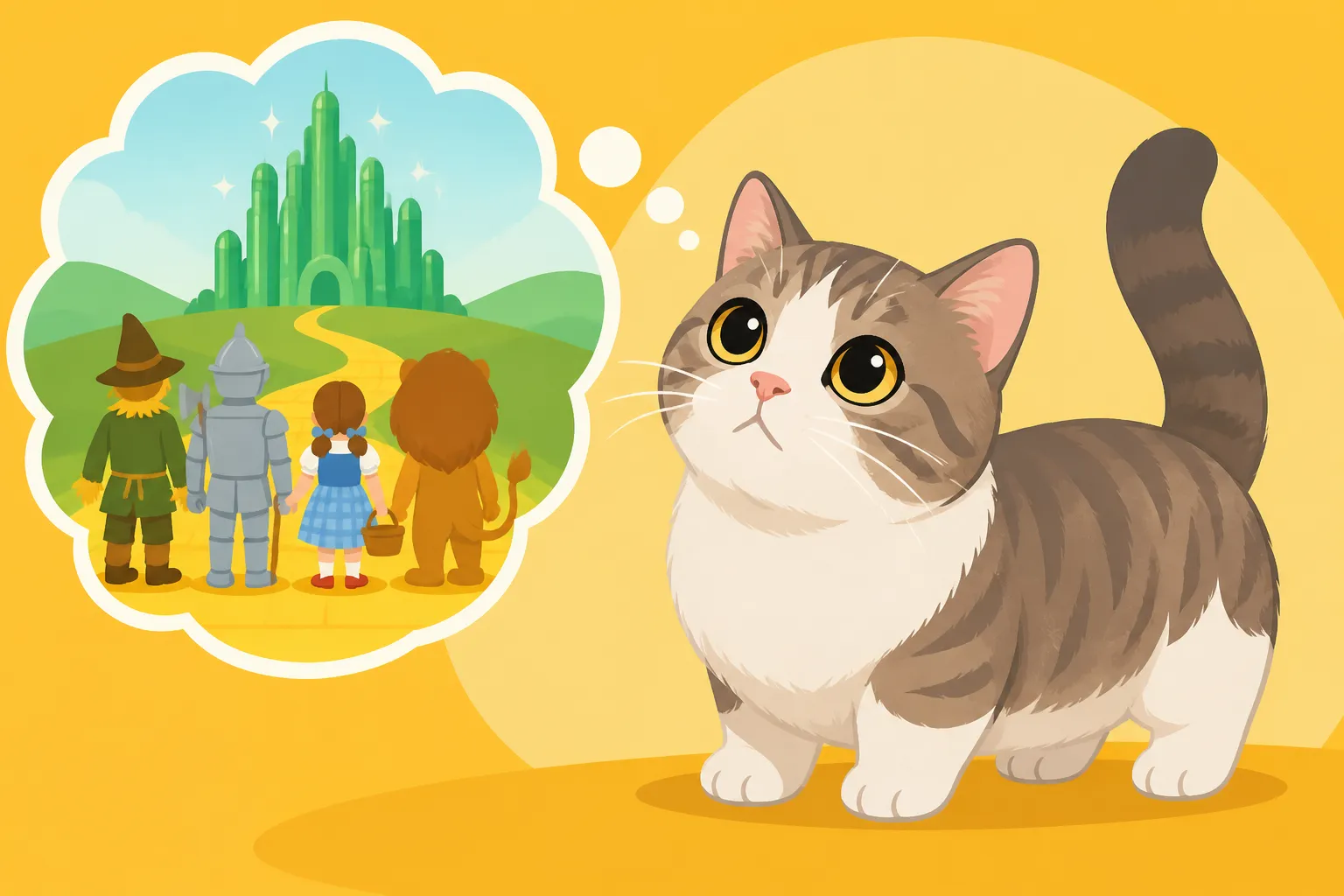
The name "Munchkin" wasn't pulled out of thin air. It was a conscious, playful choice, drawing directly from a beloved piece of American literature and cinema, perfectly encapsulating the breed's perceived small, charming, and somewhat whimsical nature.
Who Are the Munchkins in Oz?
For anyone familiar with L. Frank Baum's classic novel, "The Wonderful Wizard of Oz," or the iconic 1939 film adaptation, the "Munchkins" immediately bring to mind a specific image. They are the small, endearing, and colorfully dressed inhabitants of Munchkinland, the eastern quadrant of the Land of Oz. They are the first magical creatures Dorothy Gale encounters after her house lands in Oz, accidentally killing the Wicked Witch of the East. These characters are depicted as being shorter than average humans, with a childlike innocence and a joyful, if sometimes timid, disposition.
They are known for their distinctive voices and their memorable song, "Ding-Dong! The Witch Is Dead." The Munchkins represent a community of delightful, good-natured beings who are a core part of Oz's charm and wonder. They are small, but they are mighty in spirit and play a crucial role in Dorothy's journey. Their portrayal is one of quaintness, distinctiveness, and a certain magical quality, all elements that early breeders and enthusiasts saw reflected in their short-legged cats.
Drawing Parallels: Why the Name Fit
The connection between the Oz characters and the short-legged cats was almost immediate and undeniably clever. The cats, with their abbreviated limbs, naturally appeared smaller and lower to the ground, much like the fictional Munchkins. Beyond mere physical stature, there was a shared sense of charm, playfulness, and an almost mischievous spirit. These cats were observed to be incredibly curious, darting around on their little legs, often sitting up on their haunches like the "prairie dog sit" they are famous for, peering around with bright, inquisitive eyes. This pose, in particular, resonated with the image of small, upright beings.
The name "Munchkin" therefore wasn't just descriptive of their physical height; it also conveyed a sense of their personality and the joy they brought. It suggested something precious, endearing, and a little bit out of the ordinary, much like finding a magical creature in your own home. It was a name that evoked smiles and warmth, helping to position the breed as something enchanting and special, rather than merely a cat with a genetic anomaly. This clever branding played a huge role in how the breed was initially perceived by the public.
The Allure of a Whimsical Name
Choosing a name steeped in popular culture, especially one as universally beloved as "The Wizard of Oz," gave the breed an instant connection and a playful identity. It moved the perception beyond purely biological descriptions and into a realm of fantasy and charm. "Munchkin" is easy to remember, pronounce, and has a pleasant, soft sound to it. This whimsical quality helped to distinguish the breed and contribute to its early popularity. It made the cats approachable and gave them a story that people could instantly grasp and appreciate.
The name also served to highlight their distinctiveness without sounding clinical or overly scientific. It hinted at their unique appearance while simultaneously emphasizing their endearing qualities. This touch of whimsy can make a breed feel more accessible and less intimidating, especially when introducing something new and visually distinct to the wider public. It was a masterstroke in naming, instantly creating an emotional connection and a sense of wonder around these delightful short-legged felines. Whether you’re looking for a new toy for your Munchkin or just everyday supplies, you'll find plenty of options on sites like Chewy that cater to their playful spirit.
The Naming Process in the Cat Fancy World
Introducing a new breed to the established cat fancy is a rigorous process, and the chosen name plays a critical role in its acceptance and identity. For the Munchkin, this process was marked by both excitement and considerable debate, with the name itself often becoming a focal point.
The Role of Early Breeders and Advocates
The task of solidifying the Munchkin as a breed fell to dedicated individuals like Sandra Hochenedel and Kay LaFrance. They recognized the unique charm and genetic consistency of these cats and began a structured breeding program, always outcrossing to standard-legged domestic cats to ensure genetic diversity and health. It was during this period that the need for a formal name became paramount. They couldn't simply call them "short-legged cats" if they wanted to gain recognition. The name "Munchkin" was proposed, chosen specifically for its cultural resonance and its ability to charmingly describe the cat's most obvious feature.
These early advocates worked tirelessly to present their findings and their beloved cats to the larger cat community. They had to gather data, document pedigrees, and demonstrate that the short-legged trait was inherited in a predictable, healthy manner, and that the cats themselves were robust and well-adjusted. The name was not just a label; it was part of a larger presentation, a branding effort to introduce a novel feline to the world. It was a testament to their dedication that they pushed through initial skepticism and laid the groundwork for the breed's future.
Presenting to the Public and Registries
The formal introduction of the Munchkin cat, under its chosen name, to the international cat fancy was a pivotal moment. The breed made its public debut at a TICA (The International Cat Association) show in 1991, held in Madison Square Garden. This event, as described in When the Munchkin Was First Shown Publicly, was a landmark. It was here that many in the cat world first laid eyes on these unique felines. The name "Munchkin" was prominently used, attaching the whimsical Oz connection directly to the living, breathing cats.
The road to full championship status with TICA was long and often fraught with controversy, as explored in What TICA Championship Status Gives a Munchkin. But the name "Munchkin" stuck. It was memorable, distinct, and by then, intrinsically linked to the short-legged cat. The descriptive, yet endearing, quality of the name helped to create an identity for the breed, distinguishing it from other cat breeds and instantly informing people of its most notable characteristic without needing a lengthy explanation. It showed a deliberate effort to give the breed a unique and appealing brand from its very public inception.
Initial Reception and Controversy
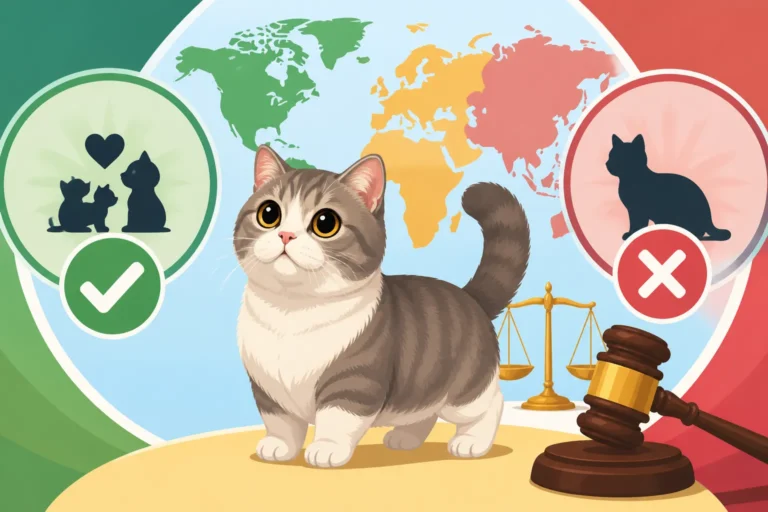
While the name "Munchkin" undeniably held a certain charm for the public, its reception within the cat fancy was anything but universally positive. Many traditionalists and welfare advocates immediately voiced concerns, not just about the name, but about the ethics of breeding cats with a genetic mutation that affects their physical structure. Why the Munchkin Divides the Cat Fancy More Than Any Breed delves into this complex debate. Critics argued that the name, while cute, perhaps trivialized what they saw as a serious health concern, suggesting that breeding for such a trait was akin to promoting a deformity.
The name, in a way, became a lightning rod for the broader discussion. It was a catchy, appealing name that drew people in, but it also made the breed an easy target for those who believed its very existence was problematic. The whimsical nature of "Munchkin" sometimes created a disconnect for opponents who saw a serious welfare issue, contrasting sharply with the playful image the name evoked. Despite the objections, the name endured, cementing its place in the lexicon of cat breeds and becoming synonymous with the short-legged cat, for better or worse, depending on one's perspective on the breed itself.
More Than Just a Name: What It Implies for the Breed
The name "Munchkin" carries a lot of weight, not just as an identifier but as a descriptor that shapes public perception and understanding of these unique cats. It's more than just a label; it's a statement about their size, their personality, and their place in the feline world.
The Image of Smallness and Playfulness
The name "Munchkin" inherently conjures an image of something small, adorable, and playful. This is perfectly aligned with the common perception of the cats themselves. While their bodies are actually of normal size, How Short a Munchkin's Legs Actually Are emphasizes that it's the legs that are significantly shortened, making them appear lower to the ground and somewhat smaller overall. This contributes to their often-described kitten-like appearance, which many owners find incredibly endearing throughout their lives. The name supports this perception of perpetual kittenhood and lightheartedness.
Furthermore, the "Munchkin" persona extends to their behavior. These cats are renowned for their playful, curious, and outgoing personalities. They are often described as being fearless explorers of their immediate environment, making up for their lack of vertical reach with speed and agility on the ground. A Munchkin Is a Normal Cat That Cannot Reach explores this behavior in depth. The name "Munchkin" fits this energetic, fun-loving image, suggesting a joyful and spirited companion. It’s a name that makes you smile, and their personalities often do the same.
Distinguishing from Other Dwarf Breeds
It's important to note that while "Munchkin" cats are short-legged, they are not universally classified as "dwarf" cats in the broader, often more pejorative sense. The term "dwarfism" in general can refer to a range of conditions, some of which come with severe health complications. The specific name "Munchkin," with its lighthearted connotations, helps to differentiate this breed. While their short legs are indeed a form of chondrodysplasia (a disorder of cartilage growth), the specific mutation in Munchkins is typically limited to limb length and doesn't usually affect other systems to the same severe degree as some other forms of dwarfism might.
This distinction is crucial for breeders and owners who advocate for the breed's health. The unique name, tied to a fictional race rather than a clinical term, allows for a specific identity that attempts to convey health and normalcy despite the unusual leg length. It helps prevent them from being lumped in with other breeds or conditions that might carry more severe, widespread health issues. How a Munchkin Differs From a Dwarf Cat provides more context on this important distinction, showing how the name helps manage public perception.
The Lingering Debate Around the Name and Breed
Despite its charm and widespread recognition, the name "Munchkin" remains part of the ongoing ethical debate surrounding the breed. For critics, the whimsical name can feel disingenuous, masking what they perceive as the deliberate breeding of a physical abnormality that could lead to discomfort or health problems. The very cuteness evoked by the name sometimes frustrates those who believe the breed's existence is unethical, as it can make it harder to have a serious discussion about potential welfare concerns.
However, for proponents and owners, the name "Munchkin" is a term of affection, representing a beloved companion who lives a full and happy life despite their short legs. They often point out that the cats are not in pain from their condition and live long, active lives, with proper care and environmental adaptations. What Munchkin Breeders Say in Reply gives insight into the breeder's perspective on these debates. The name, then, serves as a banner under which both the adoration and the controversy coalesce, forever linking these short-legged cats to a fantastical world and a real-world discussion about responsible breeding.
The Enduring Legacy of the Munchkin Name
The "Munchkin" name has transcended its initial purpose, becoming a recognizable term in popular culture and a foundational identifier for a whole lineage of cat breeds. Its impact is undeniable, shaping how these cats are seen and how new breeds are created.
Pop Culture and Public Recognition
In the decades since its formal introduction, the Munchkin name has cemented itself in the public consciousness. From viral internet videos showcasing their unique "prairie dog" sit to appearances in advertisements and on social media, the term "Munchkin cat" is widely understood to refer to a specific type of feline. Their distinctive look and playful demeanor make them highly photogenic and shareable, contributing to their widespread recognition. This isn't just a niche breed name; it's a term that resonates with a broad audience, even those unfamiliar with cat shows or pedigrees.
The inherent cuteness and the memorable name have undoubtedly contributed to their appeal. Whether someone is actively seeking to adopt a cat or simply scrolling through social media, the "Munchkin" cat grabs attention. This high level of public recognition, fueled by their whimsical name, has helped maintain their popularity and presence in the pet world, ensuring that the legacy of those original Louisiana short-legged cats continues to grow. When pet owners are searching for fun toys or specialized feeding dishes, they often turn to popular platforms like Chewy, which reflect the widespread appeal of breeds like the Munchkin.
Breed Hybrids and the Name's Proliferation
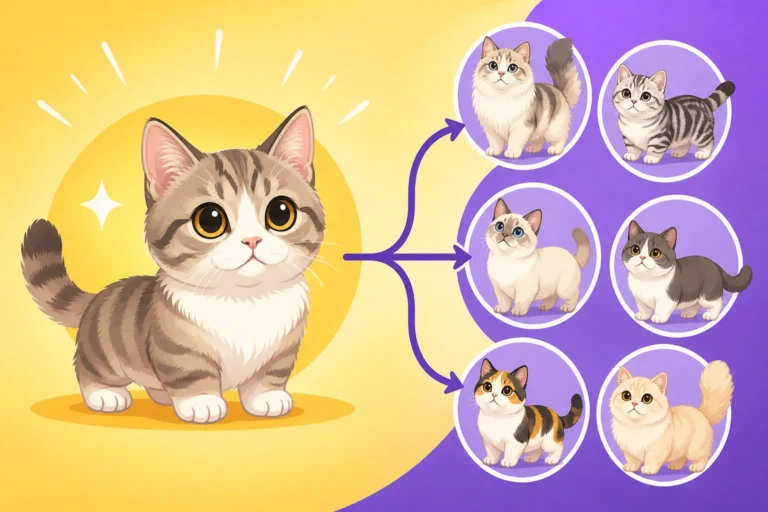
Perhaps one of the most significant legacies of the "Munchkin" name is its role as the root of numerous other short-legged cat breeds. Once the Munchkin established the viability and popularity of breeding for short legs, other breeders began crossing Munchkins with various other breeds to create new "designer" cats. These hybrid breeds almost invariably carry the "Munchkin" name, or a derivative, within their own breed names.
For example, you have the Minuet (Munchkin x Persian), the Bambino (Munchkin x Sphynx), the Lambkin (Munchkin x Selkirk Rex), and the Kinkalow (Munchkin x American Curl). Every Short Legged Breed Descends From the Munchkin truly emphasizes this point, showing how the original Munchkin laid the groundwork for an entire category of felines. The name "Munchkin" thus became a shorthand, signaling to potential owners that the cat in question possesses the characteristic short legs. This proliferation highlights the enduring impact and clear identity the original name provided, making it not just a name for one breed, but for a whole family of unique, short-legged felines. This consistent use of the name in hybrids, however, also fuels the ongoing ethical debate, especially when breeds stack multiple genetic mutations, a topic many animal welfare organizations, and even some pet supply retailers like Chewy, advocate caution about.
| Characteristic | Munchkin Cat | L. Frank Baum's Munchkins (Oz) |
|---|---|---|
| Origin of Name | Popular culture reference | Fictional characters |
| Physical Stature | Short legs, normal body | Shorter than average humans |
| Primary Trait | Chondrodysplasia (short limbs) | Generally small, childlike appearance |
| Personality often linked | Playful, curious, endearing | Joyful, innocent, friendly |
| Cultural Impact | Widely recognized cat breed | Iconic literary/film characters |
| Associated Feeling | Whimsical, cute, unique | Charming, fantastical, magical |
| Role in Cat Fancy | Foundational short-legged breed | N/A (fictional) |
Disclaimer
This article is for general informational purposes only and does not constitute professional advice. Laws, prices and regulations vary by location and change over time. Consult a qualified professional for guidance on your specific situation.