Whether the Munchkin Has Another Name
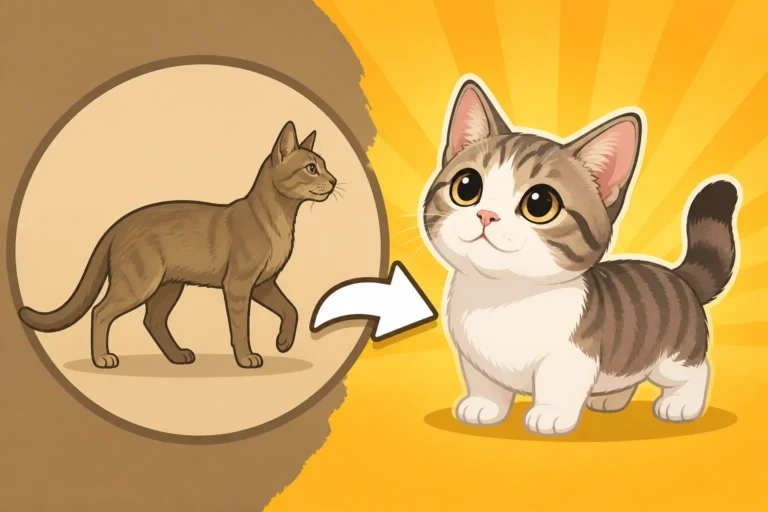
A Munchkin may be described online as a dwarf cat, a miniature cat, or even by a playful nickname, which can make it hard to tell whether those are genuine alternate breed names. This guide explains which labels mean the Munchkin, which are only informal descriptions, and which refer to different cats altogether.
The Munchkin’s recognized name
Is Munchkin the breed’s only proper name
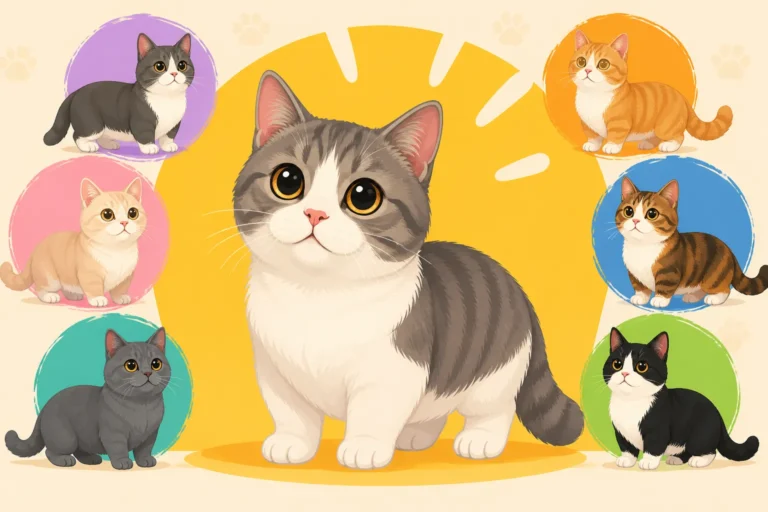
In ordinary breed use, Munchkin is the name of the cat breed, and Munchkin cat is the familiar full phrase. There is no widely accepted, separate official breed name that means exactly the same thing. A breeder, veterinarian, registry, or shelter may add words to describe a particular cat, but that does not automatically create another name for the breed.
This distinction is useful when you are searching for information. If you see “short-legged cat” or “dwarf cat,” the wording might describe a Munchkin, but it might also refer to a cat with a different background or a leg-length difference for another reason. The label alone does not establish breed identity.
The Munchkin’s name is associated with the little people in The Wizard of Oz. That origin explains the word, but it does not make “Oz cat” or “Munchkin people cat” formal alternatives. For more on the name’s background, see Why the Munchkin Is Named After the Wizard of Oz.
Does every short-legged cat have the Munchkin name
No. Short legs are a visible trait, not proof that a cat is a Munchkin. A short-legged cat may have documented Munchkin ancestry, may come from a related cross, or may simply have an unknown history. A shelter cat’s appearance can suggest a resemblance, but appearance alone cannot reliably confirm its pedigree.
There is also an important difference between a cat with a naturally inherited short-legged trait and a cat whose legs appear short because of injury, illness, or another developmental condition. If a cat has an unusual gait, uneven limbs, or signs of discomfort, a veterinarian is better placed than a photo caption to assess what is going on. How to Tell a Munchkin From a Cat With Injured Legs explores that distinction.
When you encounter a name in an advertisement, treat it as a starting point for questions, not a guarantee. Ask what the seller means by the term, whether the cat has registration or pedigree information, and whether you can see the cat move. A seller’s description is not a substitute for the cat’s medical history or reliable records.
Informal labels that may describe a Munchkin
Is dwarf cat another name for a Munchkin
“Dwarf cat” is sometimes used informally for a Munchkin because of its short legs. But it is a broad descriptive phrase, not a precise alternative name for the breed. It may be used loosely in online discussions, listings, or everyday conversation, and different people may mean different things by it.
That lack of precision can cause confusion. A person searching for “dwarf cat” may be looking for a Munchkin, a Munchkin cross, or simply a cat with a small stature. It is also possible for a listing to use “dwarf” as promotional wording without explaining the cat’s ancestry or health history. For a closer look at why the terms are not interchangeable, read How a Munchkin Differs From a Dwarf Cat.
“Miniature cat” has a similar problem. It can sound like a breed name, but it may only be a casual way to describe a small cat. It does not tell you whether the cat is a Munchkin, whether its short legs are inherited, or whether its size reflects a health concern. A cat’s overall frame and its leg length are separate details, and a catchy label can obscure that difference.
What about playful nicknames
People sometimes invent informal nicknames based on a Munchkin’s appearance, movement, or low-to-the-ground silhouette. These might appear in social media posts, casual conversation, or a seller’s description. They can be affectionate, but they are not standardized breed names, and you should not rely on them when looking for veterinary guidance, registration information, or breed-specific care.
Retail and search listings can add another layer of confusion. A retailer such as Chewy may help someone find general cat supplies, but a product category or search result does not verify a cat’s breed. If a listing or discussion uses a nickname, check what the writer means rather than assuming it is a recognized name.
| Label you may see | What it usually means | Is it an exact alternate name for the Munchkin |
|---|---|---|
| Munchkin cat | The Munchkin breed | Yes, this is the common full phrase |
| Dwarf cat | An informal description that may refer to a Munchkin or another short-statured cat | No |
| Miniature cat | A broad description of a small cat | No |
| Munchkin cross | A cat described as having Munchkin ancestry and another breed or type in its background | No, it describes a cross |
| Minuet | A distinct breed developed using Munchkin ancestry and Persian-type cats | No |
| Online nickname | A casual or promotional label | No |
The table is a useful first check, but context matters. Different sellers may use the same informal phrase in different ways. When a name affects a purchase or a care decision, ask for a clear explanation and supporting records rather than relying on the wording alone.
Names that are related but not interchangeable
Is a Minuet another name for a Munchkin
No. A Minuet is a separate breed associated with Munchkin ancestry and Persian-type cats. The name “Napoleon” was used for the Minuet in the breed’s earlier history, but that does not make Napoleon a general alternate name for every Munchkin.
The relationship between the two can make listings confusing. A Minuet may have short legs, and a casual description might emphasize that resemblance. But a related breed is still not simply another name for the Munchkin. If you are comparing a particular cat’s background, look for its documented breed description and ancestry rather than assuming that every short-legged cat belongs to one category. You can read What a Minuet Is and How It Relates to the Munchkin and How the Minuet Was Made From a Munchkin for more detail.
This also matters when you are reading care advice. Some needs may overlap between cats with similar body features, but advice for one breed or cross should not automatically be applied to another without considering the individual cat. If you are shopping for food, litter, or grooming supplies, Chewy’s product listings can help you identify general cat-care options; they cannot tell you whether a cat is a Munchkin or a Minuet.
Are Bambino and other Munchkin crosses alternate names
No. Names such as Bambino, Lambkin, Kinkalow, and Minuet are used for distinct breed types or crosses associated with Munchkin ancestry. They are not interchangeable synonyms for “Munchkin.” Some crosses also involve another distinctive inherited trait, so the name can signal a different combination of ancestry and physical characteristics.
That distinction is especially important when a listing uses a broad phrase such as “Munchkin type.” Ask the seller to name the specific breed or cross they are describing and explain the cat’s parentage. If they cannot provide a clear answer, or if the wording keeps shifting, be cautious about treating the label as reliable. The overview Why Munchkin Crosses Worry Veterinarians discusses why combining breed traits can raise additional questions.
A product page on Chewy, a social-media account, or a classified ad may use popular search terms to help people find a listing. Those terms are not the same as a pedigree record or a registry’s breed description. If the distinction matters to you, use the label to form questions, then seek evidence from the breeder or the cat’s records.
How to check what a name really means
Read the description, then look for evidence
If you see a term that sounds like another Munchkin name, start by asking whether it is being used as a breed name, a cross name, or a casual description. A careful description should make that clear. If someone says “dwarf,” for example, ask whether they mean a Munchkin, a Minuet, another cross, or simply a small cat.
For a cat sold as a pedigreed Munchkin, ask whether the breeder can show records that support that description. Look at the information about the parents and outcrosses, and ask what registration, if any, applies. Breed terminology and registry policies can differ, so it is better to verify the specific claim than to assume that every registry uses names in the same way. What the TICA Munchkin Standard Asks For and What a Munchkin Looks Like Against the TICA Standard can help you understand the breed description and appearance being discussed.
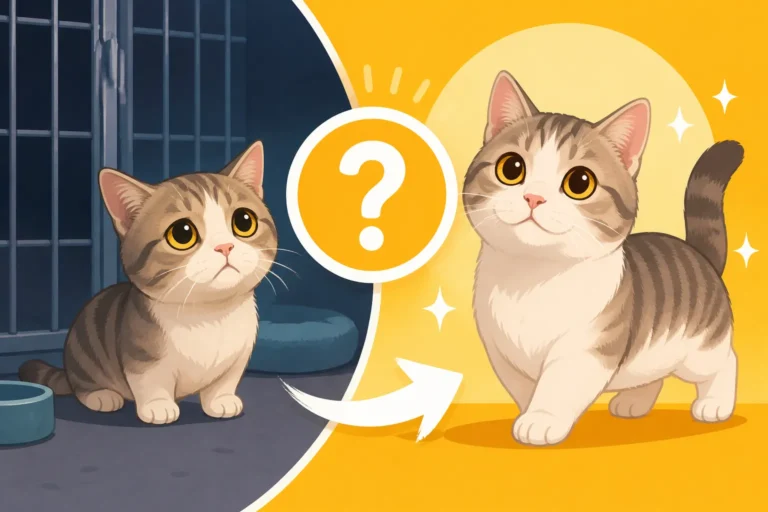
If you are considering a shelter cat, the situation is different. Shelters often have limited information about a cat’s ancestry, and a short-legged appearance may be recorded as a visual description rather than a confirmed breed. That does not make the cat any less deserving of a home. It simply means that “Munchkin-like” may be more accurate than a definite breed claim when there is no documented history. See Whether a Short Legged Shelter Cat Is a Munchkin for more about that distinction.
Separate a name from the care questions that matter
The name can be interesting, but it should not distract from the individual cat’s well-being. Whether a cat is described as a Munchkin, a cross, or simply short-legged, ask practical questions: Does the cat move comfortably? Can it reach its food, water, litter box, and resting places? Has a veterinarian assessed any concerns? These details are more useful for day-to-day decisions than a catchy label.
If a name appears in a store search, remember what that search can and cannot tell you. Chewy can be a place to browse everyday supplies, but a product category does not confirm a breed, and a breed label does not tell you which product is right for an individual cat. For health or mobility concerns, get advice from a veterinarian familiar with the cat rather than relying on a retail description or a social-media nickname.
The simplest rule is this: Munchkin is the breed name; phrases such as “dwarf cat” are informal descriptions; and names such as Minuet or Bambino refer to separate breed types or crosses. When the distinction matters, look beyond the wording and check the cat’s background, records, and health.
Disclaimer
This article is for general informational purposes only and does not constitute professional advice. Laws, prices and regulations vary by location and change over time. Consult a qualified professional for guidance on your specific situation.