When the Munchkin Was First Shown Publicly
Many people wonder how the Munchkin cat, with its undeniably unique appearance, first made its way into the public eye and what that initial reception was like. It's easy to assume such a distinctive breed would have an immediate, universally positive welcome, but the reality is often far more complex. This guide will take you through the fascinating and often contentious journey of the Munchkin cat's public debut, exploring its origins, its first appearances, and the lasting impact on the cat fancy.
The Genesis of the Munchkin Breed: From Stray to Spotlight
Before the Munchkin cat ever graced a show hall or magazine page, it had a humble, somewhat accidental beginning. Understanding its roots is crucial to appreciating the context of its public introduction and the discussions that have surrounded it ever since. This wasn't a breed intentionally crafted in a lab, but rather a natural genetic mutation that caught the attention of compassionate individuals.
The Original Stray and Her Legacy
The story of the Munchkin breed truly begins in 1983 in Rayville, Louisiana, when a schoolteacher named Sandra Hochenedel found two pregnant stray cats under a truck. One of these cats, a black shorthair, possessed strikingly short legs. Hochenedel named her Blackberry. When Blackberry gave birth, roughly half of her kittens also had these unusually short legs. This was the first clear indication that the trait was heritable, not merely a birth defect in a single cat.
Blackberry went on to have more litters, and it became evident that this wasn't an isolated incident. The gene responsible for the short legs was consistently passed down. One of Blackberry's male offspring, a black and white short-legged cat, was given to a friend, Kay LaFrance, who named him Toulouse. Together, Blackberry and Toulouse are considered the foundation cats of the entire Munchkin breed. Their progeny ensured that the unique genetic trait would continue, laying the groundwork for what would eventually become a recognized, albeit debated, breed. Blackberry and Toulouse Are the Two Cats Behind Every Munchkin is a deeper dive into their pivotal role.
The Initial Curiosity and Early Breeding Efforts
Following the discovery of Blackberry and her unique kittens, curiosity naturally turned into a desire to understand and propagate this fascinating trait. Sandra Hochenedel and Kay LaFrance began a selective breeding program, though it was informal at first. They learned that when a short-legged cat was bred to a normal-legged domestic cat (an "outcross"), roughly half the litter would inherit the short legs, while the other half would have legs of standard length. This pattern indicated a dominant gene, but also hinted at a more complex genetic story, as breeding two short-legged cats together was soon found to be problematic.
The early breeders recognized the importance of maintaining genetic diversity to prevent the accumulation of other health issues. This meant constantly introducing new, normal-legged domestic cats into the breeding lines, ensuring a robust and healthy foundation for the emerging breed. This practice continues to this day, making the Munchkin's gene pool surprisingly broad. You can explore How Munchkin Dwarfism Is Inherited for a more scientific explanation of this genetic phenomenon.
Stepping Onto the Public Stage: The First Appearance
The transition from a small, private breeding effort to a publicly recognized and showcased breed is a significant leap. For the Munchkin, this step was particularly dramatic, marked by both excitement and intense scrutiny. It wasn't just a debut; it was a flashpoint.
The Infamous Madison Square Garden Debut
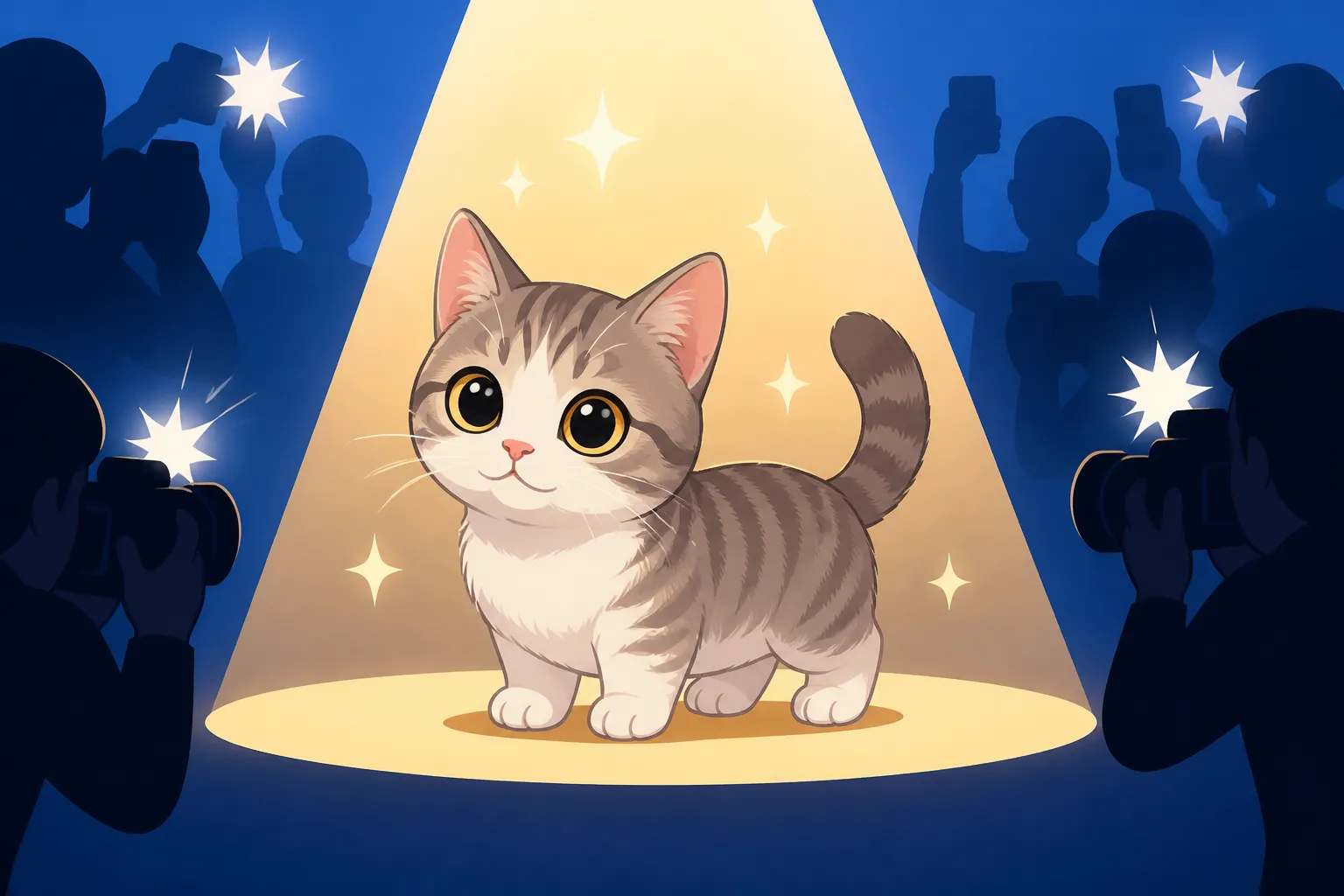
The Munchkin cat made its highly anticipated public debut at a TICA (The International Cat Association) show at Madison Square Garden in New York City in 1991. This was not a formal championship competition but rather an exhibition designed to introduce new and developing breeds to the cat fancy community and the public. Imagine the scene: a bustling, vibrant hall filled with cat enthusiasts, judges, and media, all eager to see the latest feline stars. And then, there were the Munchkins – small, low-slung cats with their distinctive short legs, trotting confidently across the judging table.
This exhibition was a pivotal moment. It was the first time many people had ever seen a cat with such unique proportions, and the reaction was, predictably, mixed. Some were charmed by their distinctive look and playful demeanor, while others were deeply concerned about the ethical implications of breeding cats with what appeared to be a skeletal anomaly. The debate was ignited on the spot, setting the tone for the breed's journey for decades to come.
The Immediate Public Reaction and Controversy
The initial public reaction to the Munchkin cat was far from unanimous adoration. While many found the cats adorable and their unique "ferret-like" gait captivating, a significant number of people, including some within the cat fancy, voiced strong objections. Critics immediately drew parallels to canine dwarf breeds like dachshunds and corgis, which are known for certain spinal issues due to their elongated backs and short legs. Concerns were raised about potential spinal problems, mobility limitations, and overall quality of life for these cats.
Journalists and attendees at the Madison Square Garden show reported a palpable split in opinion. The sheer novelty of the breed attracted a lot of attention, both positive and negative. It was clear that the Munchkin was not just another new cat breed; it was a breed that challenged existing perceptions of what a cat should look like and what constituted responsible breeding. This instant controversy ensured that the Munchkin would never have a quiet ascent to recognition.
TICA's Role in Munchkin Recognition
While many cat registries globally have shied away from recognizing the Munchkin, The International Cat Association (TICA) took a different path. Their decision to accept and eventually grant championship status to the breed played a monumental role in its establishment and proliferation. This move, however, was not without its own internal struggles and dissenting voices.
The 1994 New Breed Development Program
Following its public debut, TICA took the significant step of accepting the Munchkin into its New Breed Development Program in 1994. This program is designed to allow promising new breeds to be formally tracked, shown, and evaluated over time, with the ultimate goal of potentially achieving championship status. It was a rigorous process that involved detailed scrutiny of the breed standard, genetic health data, and consistent breeding practices. For breeders, this acceptance was a huge validation, providing a structured path forward and a platform to showcase their efforts on a wider scale.
The program required breeders to present comprehensive health data, pedigree information, and demonstrate that the cats were healthy, active, and capable of living a normal life despite their unique conformation. This was an ongoing effort to address the welfare concerns that had been raised since the breed's first public appearances. What TICA's 1994 Program Meant for the Munchkin delves deeper into the specifics of this crucial period.
Championship Status and Dissenting Voices
After years of being in the New Breed Development Program, TICA eventually granted the Munchkin cat full championship status in 2003. This meant that Munchkins could now compete for titles and awards alongside established breeds in TICA-sanctioned shows. For proponents of the breed, this was a triumph, a recognition of their dedication and the breed's increasing popularity. It signified that, in TICA's eyes, the Munchkin met the necessary health and breed standards to be considered a viable and legitimate breed. When TICA Gave the Munchkin Championship Status offers more context on this landmark decision.
However, this decision was met with considerable dissent within the cat fancy. Several prominent TICA judges resigned in protest, arguing that breeding for a genetic mutation that causes dwarfism was unethical and potentially detrimental to the cats' welfare. This internal conflict highlighted the deep philosophical divide that the Munchkin breed created. The argument often centered on whether the short legs constituted a "deformity" that compromised the cat's health and natural abilities. The controversy resonated far beyond TICA, influencing how other major registries viewed the breed. Why a Judge Resigned Over the Munchkin explores some of these strong objections.
The Aftermath and Ongoing Debate: A Legacy of Controversy
The Munchkin's public introduction and subsequent recognition by TICA set the stage for an enduring debate within the global cat community. Even decades later, opinions remain sharply divided, and the breed continues to be a focal point of discussion regarding ethical breeding practices.
Why Many Registries Refuse the Munchkin
While TICA embraced the Munchkin, most other major cat registries worldwide, such as the Cat Fanciers' Association (CFA) in North America, and the Governing Council of the Cat Fancy (GCCF) in the UK, have consistently refused to recognize the breed. Their primary objection stems from welfare concerns, specifically the ethical implications of breeding animals with a genetic mutation that causes dwarfism. They often argue that the shortened limbs and elongated spine could predispose the cats to health problems, particularly spinal issues, similar to those seen in certain dog breeds.
These organizations typically adhere to stricter standards regarding breed health and natural conformation, often viewing the Munchkin's defining characteristic as a potential welfare compromise rather than a unique trait to be celebrated. This stance creates a stark contrast in the global cat fancy, where TICA stands as one of the few major organizations to fully accept the breed. You can find more information about this in Why CFA Has Never Accepted the Munchkin.
The Enduring Welfare Concerns and Breeder Responses
The welfare debate surrounding Munchkin cats has persisted since their earliest public appearances. Critics express concerns about potential conditions like lordosis (an inward curvature of the spine) and pectus excavatum (a sunken chest), though proponents argue that these conditions are not statistically more prevalent in Munchkins than in the general cat population and are not directly linked to the short-leg gene. They also point to numerous studies and veterinary assessments that suggest Munchkins are generally healthy and active, able to run, play, and live full lives.
Munchkin breeders often emphasize their commitment to responsible breeding practices, which includes careful outcrossing to maintain genetic diversity and health screening of breeding stock. They assert that their cats do not suffer from mobility issues and adapt well to their environment, often demonstrating surprising agility despite their short stature. Many breeders highlight the playful, intelligent, and affectionate nature of Munchkins, arguing that these traits contribute to their excellent quality of life. Owners of Munchkins also often report no issues, finding their cats to be robust and happy companions. For further perspective, consider reading What Welfare Bodies Say About the Munchkin and What Munchkin Breeders Say in Reply.
| Aspect | Pro-Recognition Stance (TICA & Breeders) | Anti-Recognition Stance (CFA, GCCF & Critics) |
|---|---|---|
| Origin | Natural genetic mutation; not human intervention | Deemed a skeletal "deformity" |
| Health | Generally healthy, active; no direct link to major spinal/organ issues; studies show similar rates to general cat population | High risk of spinal problems (lordosis), pectus excavatum, mobility issues |
| Mobility | Agile, fast on flat surfaces, adapt well to surroundings; "ferret-like" gait | Limited jumping, climbing ability; potential pain from movement |
| Ethics | Responsible breeding ensures health; unique, charming trait; enhances feline diversity | Unethical to breed for a mutation causing dwarfism; prioritizes aesthetics over welfare |
| Lifespan | Normal lifespan, comparable to domestic cats | Potential for reduced quality of life or shortened lifespan due to associated conditions |
| Breeding Practices | Focus on outcrossing and genetic diversity; careful screening | Risk of perpetuating harmful traits; potential for "stacking" mutations with other breeds |
A Continuing Conversation for the Cat Fancy
Decades after its first public showing, the Munchkin cat remains a topic of fervent discussion. The debates sparked at Madison Square Garden continue to echo, shaping opinions and policies within the cat fancy. Whether one sees them as an adorable, resilient breed or an ethical quandary, there's no denying the Munchkin's impact on how we view and classify feline companions. It forces us to confront fundamental questions about selective breeding, the definition of a "healthy" cat, and the balance between aesthetic appeal and animal welfare.
For potential owners, this means that researching a Munchkin goes beyond simply admiring their cute appearance. It involves understanding the breed's history, the ongoing debates, and the specific care needs that arise from their unique anatomy. Reputable breeders will be transparent about these discussions and provide extensive health information for their lines. Whether the Munchkin Is the Right Cat for You is a great resource if you're considering bringing one of these distinctive felines into your home, helping you weigh all factors. Even when shopping for everyday items like cat food or toys, knowing the Munchkin's physical limitations helps. For instance, finding a low-sided litter box or a raised food bowl on Chewy can make a huge difference in their daily comfort.
Understanding the Munchkin Standard: What the Judges Look For
When a breed is introduced, especially one with such a distinctive physical trait, a clear breed standard becomes paramount. This document guides breeders and judges, outlining the ideal physical and temperamental characteristics of the breed. For the Munchkin, the standard needed to embrace its defining feature while also ensuring the overall health and functionality of the cat.
The TICA Munchkin Standard Explained
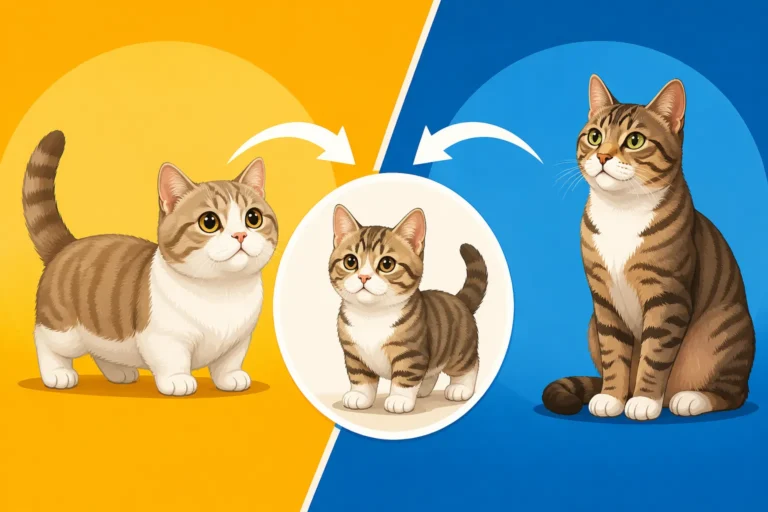
TICA's Munchkin breed standard is a comprehensive document that describes the ideal characteristics for the breed, focusing on both its unique short legs and its overall conformation. Contrary to some misconceptions, the standard does not merely celebrate the shortest possible legs. Instead, it aims for a well-proportioned cat where the short legs complement a body of otherwise normal length and musculature. The emphasis is on a cat that is agile, active, and appears healthy.
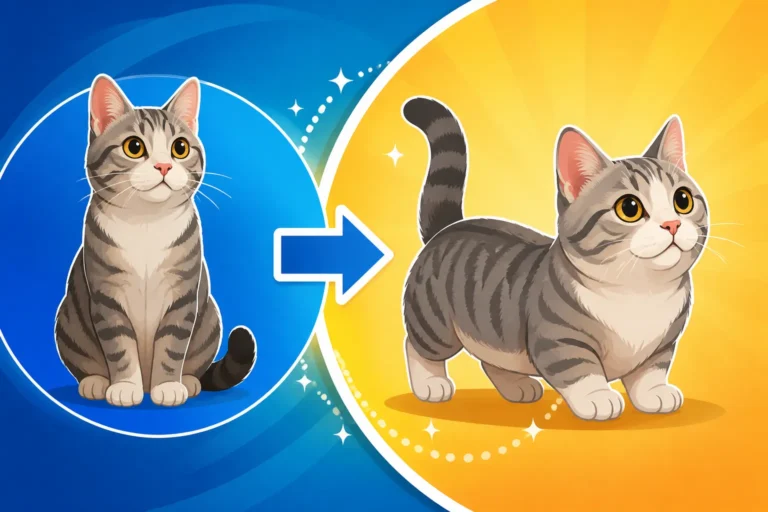
The standard describes a medium-sized cat with a moderate body type. The most distinctive feature, of course, is the legs, which are described as being short and well-muscled, with a slight bowing that is acceptable as long as it doesn't impede movement. The hind legs are often slightly longer than the front, which contributes to their characteristic "ferret-like" gait. The standard also covers head shape, ear set, eye shape, and coat type, allowing for a wide variety of colors and patterns, reflecting its diverse outcross origins. What the TICA Munchkin Standard Asks For provides more specific details on these requirements.
How Leg Length is Judged (and Priced)
In the show ring, judges assess the Munchkin's legs not just on their shortness, but on their overall conformation and how they impact the cat's movement. They look for legs that are sturdy and straight, with feet pointing forward. Extreme bowing or cow-hocked hindquarters would be considered faults. The cat should move freely and without apparent discomfort. The ideal is a cat that is well-balanced and agile, despite its stature.
Interestingly, leg length also plays a significant role in pricing within the breeder community. Kittens with particularly short legs, sometimes referred to as "rug huggers," often command higher prices due to their more pronounced breed characteristic. However, a reputable breeder prioritizes health and temperament above extreme shortness, ensuring that the cat's physical traits do not compromise its well-being. A visit to a breeder, or even watching videos of Munchkins navigating obstacles, perhaps on a specially designed cat tree from Chewy, can help illustrate how their unique build works in practice.
Living with a Munchkin: Adapting to Their Unique Needs
The Munchkin cat's public introduction brought to light not just the unique appearance, but also the reality that living with one requires certain considerations. These aren't limitations in a negative sense, but rather adaptations to ensure these spirited cats can navigate their world just as effectively as their long-legged cousins.
Creating an Accessible Environment
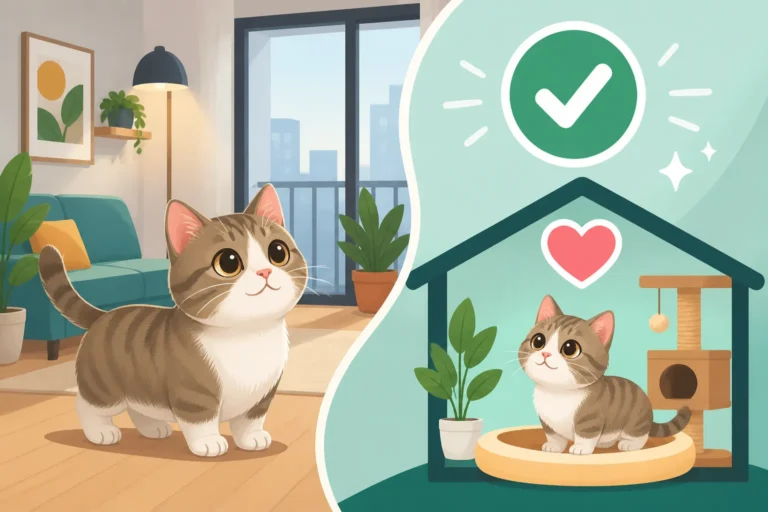
One of the most important aspects of caring for a Munchkin is creating an environment that caters to their short stature. While Munchkins are surprisingly agile and can jump higher than many might expect, they generally cannot reach the same heights as a standard cat. This means rethinking common household layouts. For instance, tall cat trees become inaccessible without modifications. Instead, multi-level cat trees with closely spaced platforms or carpeted ramps become essential. Brands like Chewy offer a variety of pet stairs and ramps that can make sofas, beds, and windowsills easily reachable.
It's about bringing their world down to their level, or providing safe, gradual ascents. This could involve strategically placed pet steps next to a favorite armchair, or ensuring their food and water bowls are easily accessible on the floor or on low, stable stands. Even something as simple as a litter box needs consideration; a low-entry box prevents strain when they step in and out. Thinking about how a Munchkin will interact with its environment means preventing unnecessary strain on their joints and spine, which is paramount for their long-term health. With a Munchkin the House Changes, Not the Cat is a good read for more practical tips.
Special Grooming and Weight Management
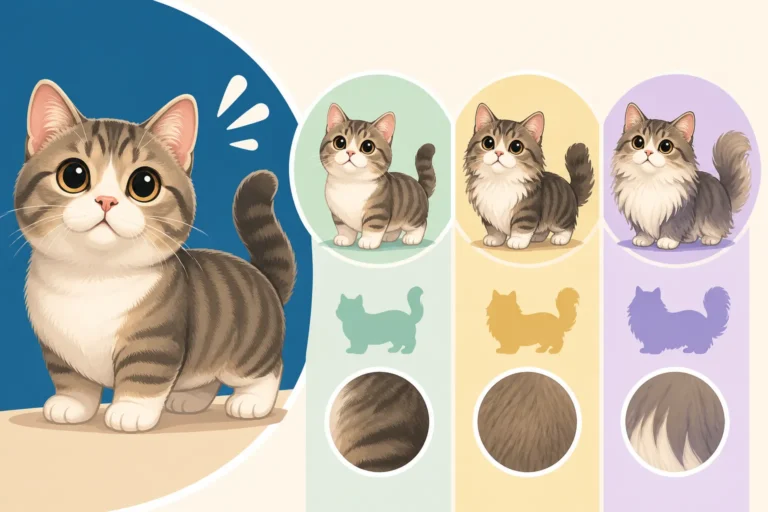
Due to their short legs and close-to-the-ground bodies, Munchkins sometimes require a little extra help with grooming, particularly for their hindquarters and belly. They can struggle to reach and thoroughly clean these areas, especially if they are long-haired. Regular brushing is crucial to prevent matting, which can lead to skin irritation and discomfort. A sanitary clip around the rear can also be very beneficial. This isn't a huge chore, but it's a consistent responsibility that comes with their unique physique.
Weight management is another critical aspect of Munchkin care. Every extra pound places additional strain on their short legs and spine. Because they may not be as vertically active as other cats, their caloric needs might be slightly lower. Monitoring their body condition closely and providing a balanced diet are key to preventing obesity, which can exacerbate any potential joint or spinal issues. Interactive play that encourages horizontal movement, such as chasing wand toys or rolling balls, is excellent for keeping them active and maintaining a healthy weight. Why Weight Control Is the Whole Munchkin Care Plan expands on this vital topic.
Disclaimer
This article is for general informational purposes only and does not constitute professional advice. Laws, prices and regulations vary by location and change over time. Consult a qualified professional for guidance on your specific situation.