Why Domestic Cats Were Used as Munchkin Outcrosses
Many potential Munchkin cat owners find themselves wondering why, if it's a distinct breed, it's often bred with ordinary domestic cats. It can feel a little confusing, especially when you're trying to understand the genetics and health implications behind these adorable short-legged felines. This guide will delve into the critical reasons why domestic cats, both short- and long-haired, have been and continue to be essential outcrosses in the Munchkin breeding program, explaining the genetic necessities and the benefits they bring to the breed's overall health and vitality.
The Genetic Imperative: Why Outcrossing Was Non-Negotiable
When we talk about the Munchkin breed, we're really talking about a specific genetic mutation that results in those signature short legs. But this isn't just any mutation; it's one with some unique rules that make strategic breeding absolutely necessary, and that’s where our beloved domestic outcrosses come in.
Understanding the Munchkin Gene and Its Lethality
The gene responsible for the Munchkin's short legs is what scientists call an autosomal dominant gene. What this means in simpler terms is that a cat only needs one copy of this particular gene to express the short-legged trait. If a cat inherits even one copy, it will have short legs. Sounds straightforward, right? Well, here’s where it gets a bit more complex, and profoundly important for breeders: if a kitten inherits two copies of this gene – one from each parent – it's often lethal. These kittens are referred to as homozygous for the Munchkin gene, and tragically, they typically do not survive gestation. They are never born. This is why you will never see Why Two Short Legged Munchkins Are Never Bred Together.
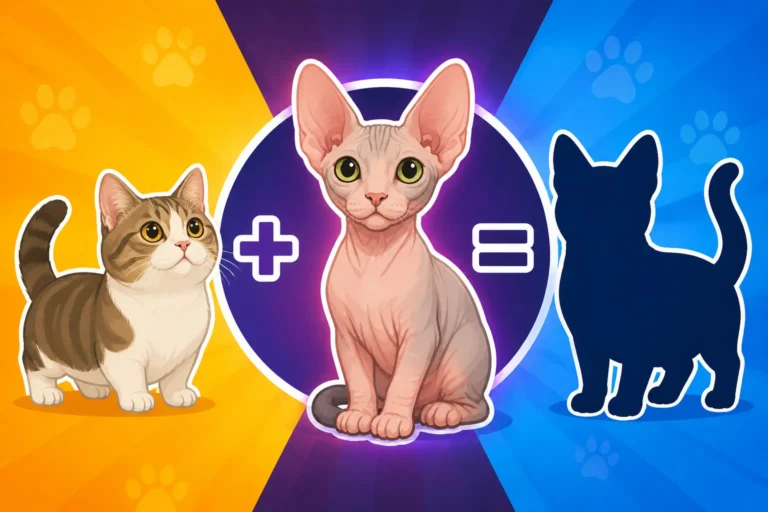
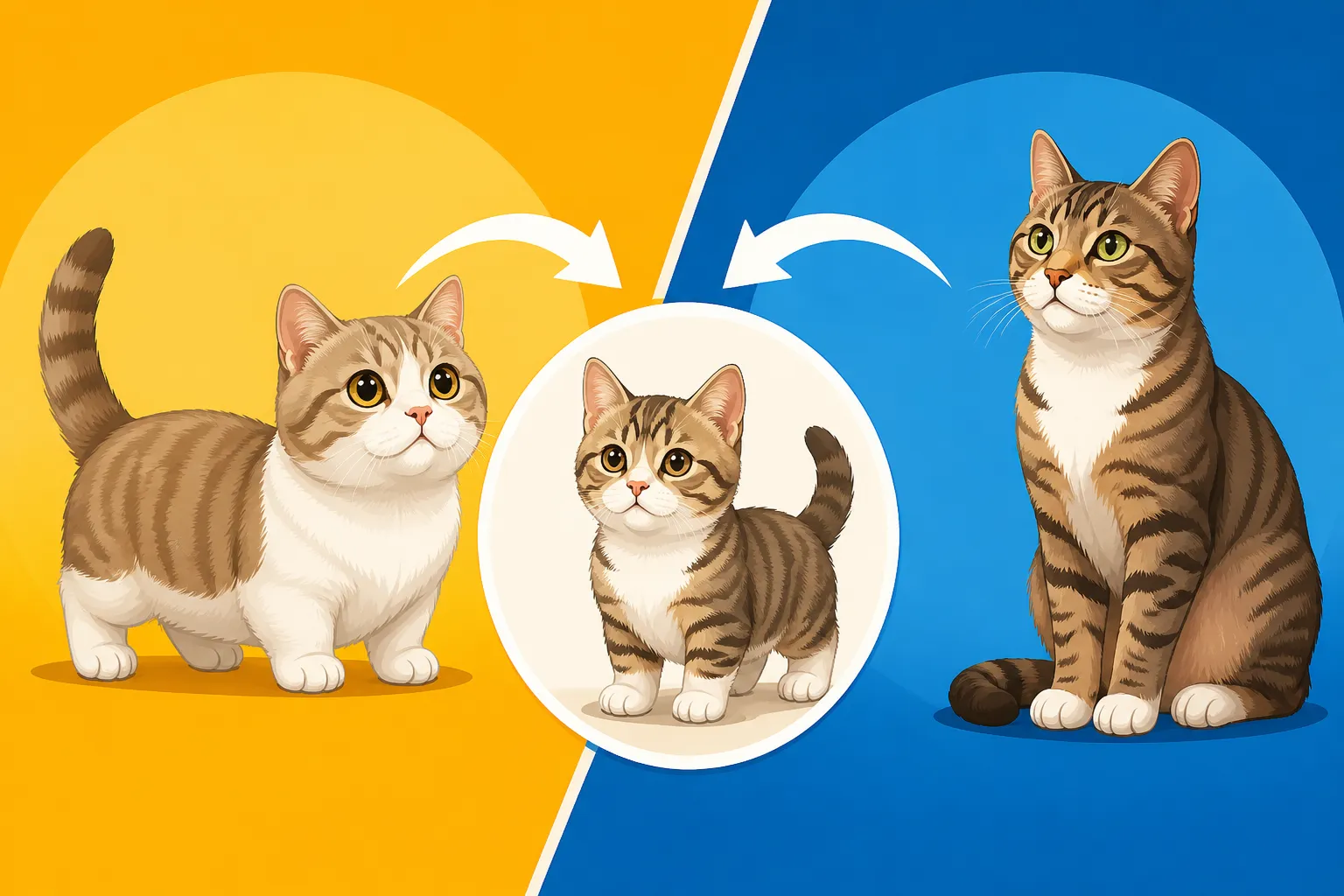
This genetic reality means that a Munchkin cat, by definition, only ever carries one copy of the short-leg gene. To produce more Munchkin kittens, you must breed a short-legged Munchkin (which carries one copy of the gene) with a cat that does not carry the gene at all. This non-carrier, in the context of Munchkin breeding, is usually a domestic cat. It’s a fundamental principle of the breed’s existence, ensuring that there’s always a viable parent to contribute a "normal" gene alongside the Munchkin gene. Understanding Munchkin Dwarfism Is Dominant and Lethal in Two Copies is key to grasping this necessity.
Preventing Inbreeding and Maintaining Health
Beyond the immediate genetic necessity of avoiding homozygous lethal pairings, there's a broader, equally critical reason for outcrossing: maintaining a wide and healthy gene pool. Any new breed, especially one founded on a spontaneous mutation, starts with a very limited genetic base. If breeders were only to mate short-legged Munchkins with other short-legged Munchkins, even if the homozygous lethal issue didn't exist, the gene pool would shrink dramatically over generations. This narrowing of the gene pool leads to inbreeding, which, while sometimes used to "fix" desired traits, also dramatically increases the risk of concentrating undesirable genetic health problems.
Imagine a small island population where everyone is related; any genetic predisposition to a certain illness becomes much more prevalent. The same applies to cats. By regularly incorporating healthy domestic outcrosses, Munchkin breeders actively work to dilute any potential inherited issues and prevent the accumulation of genetic weaknesses. It ensures that the breed remains robust and has the best possible chance at a long, healthy life, benefiting from the vigor that a diverse genetic background provides. This deliberate strategy is vital for Why the Munchkin Gene Pool Stays Wide.
The Foundation Stock: Early Days of the Munchkin Breed
To truly understand why domestic cats are integral to the Munchkin story, we need to rewind to the breed's humble beginnings. The Munchkin didn't start in a fancy cattery with a meticulously planned genetic program; it began with a fortunate discovery and the sensible decisions of early caretakers.
Blackberry and Toulouse: The Original Pioneers
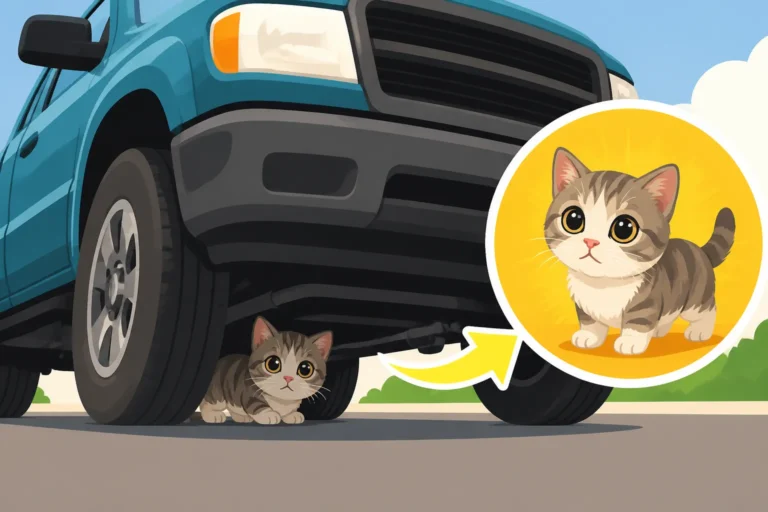
The entire Munchkin breed traces its lineage back to a single pregnant stray cat named Blackberry, found under a truck in Rayville, Louisiana, in 1983. Blackberry wasn't a pedigreed cat; she was a regular domestic short-haired cat, but with one crucial difference: she had unusually short legs. When Blackberry gave birth, half of her kittens inherited her short legs, and half had legs of normal length. Among these kittens was a short-legged male named Toulouse.
Blackberry and Toulouse became the accidental progenitors of what we now know as the Munchkin breed. They were not "designer" cats in the modern sense; they were simply resilient domestic felines who happened to carry a fascinating genetic trait. Their mixed-breed heritage meant that the very foundation of the Munchkin breed was rooted in the robust genetics of everyday house cats. The fascinating origin story of Blackberry and Toulouse Are the Two Cats Behind Every Munchkin highlights this perfectly, showing that the breed’s foundation was incredibly organic. What Happened in Rayville That Started the Munchkin truly emphasizes this serendipitous beginning.
The Need for Genetic Diversity in a New Mutation
When a brand new genetic mutation appears, as it did with Blackberry, it's a blank slate in terms of breed development. There are no established lines, no deep pedigrees to draw upon. If the early breeders had only bred Blackberry's short-legged offspring with each other (assuming, for a moment, the homozygous lethal issue wasn't a factor), the gene pool would have been incredibly shallow. This would have led to rapid inbreeding, and any pre-existing genetic quirks or vulnerabilities within Blackberry's immediate family would have become amplified throughout the new "breed."
Instead, early breeders wisely chose to outcross Blackberry's descendants with a variety of healthy, unrelated domestic cats. This wasn't about adding specific purebred traits; it was about injecting fresh, diverse genetics into the burgeoning Munchkin line. This proactive approach was crucial for the breed's viability, ensuring that while the short-leg trait was preserved, it was not at the expense of overall health and genetic strength. It was about building a strong, broad foundation rather than a narrow, fragile one.
What Makes a Domestic Cat a Suitable Outcross?
It's not just any cat that gets chosen for outcrossing in a responsible Munchkin breeding program. There are specific qualities that make domestic cats, often affectionately called "moggies" or "mutts," incredibly valuable partners in developing and maintaining the breed.
Health and Vigor: The Benefits of a Mixed Heritage
Domestic shorthair and longhair cats are, by their very nature, incredibly genetically diverse. They often come from generations of varied pairings, which means their gene pools are broad and robust. This inherent genetic diversity makes them excellent candidates for outcrossing because they bring a wealth of health and vigor to the Munchkin lines. They are less prone to the specific breed-related genetic diseases that can sometimes plague highly specialized purebred cats with smaller gene pools.
When a Munchkin is outcrossed with a healthy domestic cat, it introduces fresh genetic material that helps to strengthen the overall health profile of the offspring. This isn't just about avoiding a "bad" gene; it's about bolstering the "good" genes too. It's about drawing from a large, resilient genetic library that has evolved naturally over centuries. This broad genetic base is a key factor in ensuring Why the Munchkin Gene Pool Stays Wide remains healthy and adaptable, providing a strong counterpoint to the unique, isolated Munchkin gene.
Availability and Temperament: Practical Considerations for Breeders
Beyond genetics, there are very practical reasons why domestic cats are chosen. They are simply abundant! Finding a healthy, well-tempered domestic cat is far easier than trying to source an appropriate purebred cat for outcrossing, especially in the early stages of a new breed's development. Breeders can select from a wide range of domestic cats, allowing them to choose individuals not only for their robust health but also for their temperament.
Temperament is paramount in any breeding program. A gentle, friendly, and adaptable domestic cat will contribute those desirable personality traits to the Munchkin line, ensuring that the kittens inherit good dispositions. Responsible breeders aren't just looking for a "vessel" to carry the normal gene; they're looking for an individual who will positively contribute to the breed's character. They meticulously evaluate potential outcrosses, often observing them closely or working with local rescue organizations to find cats with ideal health records and personalities. Online retailers like Chewy can be a great resource for breeders sourcing quality nutrition and enrichment for all their cats, including outcrosses, ensuring they are in peak condition.
The Role of Outcrossing in Modern Munchkin Breeding
Outcrossing isn't just a historical footnote for the Munchkin breed; it's an ongoing, crucial practice that continues to shape its present and future. It's a testament to the breed's unique genetic requirements and the dedication of responsible breeders.
Maintaining the Breed Standard and Health Guidelines
Today, outcrossing remains a permitted and encouraged practice within the Munchkin breed standard, particularly by The International Cat Association (TICA), which is the primary registry for Munchkin cats. TICA's rules allow for outcrosses to non-pedigreed domestic cats, often referred to simply as Domestic Shorthairs or Domestic Longhairs. This ongoing allowance isn't a sign of an unfinished breed; rather, it's a recognition of the fundamental genetic imperative of the Munchkin. It ensures that breeders can continue to introduce fresh bloodlines whenever needed, helping to prevent the genetic isolation that can lead to health issues in other breeds.
By consistently bringing in new genetic material, breeders can maintain overall breed health, vitality, and even type. While the core trait of short legs is retained, the outcrosses contribute to a broader gene pool for other characteristics like coat color, pattern, eye color, and general conformation (excluding leg length). This helps in producing well-rounded, healthy Munchkin kittens that adhere to the breed standard while prioritizing their welfare. A responsible breeder will be transparent about their outcrosses and the health screenings performed on all breeding cats, including the domestics. This is crucial for understanding What a Munchkin Breeder Should Be Able to Show You.
Producing Both Short-Legged and Normal-Legged Offspring
One of the most interesting aspects of Munchkin genetics, directly related to outcrossing, is the predictable outcome of a Munchkin-to-domestic-cat mating. Because the Munchkin parent contributes either a short-leg gene or a normal-leg gene, and the domestic outcross always contributes a normal-leg gene, approximately half of the resulting kittens will have short legs (inheriting one short-leg gene from the Munchkin parent) and half will have normal-length legs (inheriting a normal-leg gene from both parents).
These normal-legged kittens are genetically indistinguishable from any other domestic cat; they do not carry the Munchkin gene. They are not "Munchkin carriers" – that concept doesn't apply to this specific gene, as the trait is dominant and fully expressed with one copy. These normal-legged kittens from a Munchkin litter are often sold as cherished pets, sometimes for a lower price, as they lack the breed-defining short legs. Understanding What Happens to the Long Legged Munchkin Kittens helps illustrate this genetic outcome. This consistent production of both short-legged and normal-legged kittens within a litter, facilitated by outcrossing, helps maintain genetic diversity within the lines, even if only the short-legged ones continue the Munchkin line.
The Ethical Debate and Breeder Responsibilities
The Munchkin breed, precisely because of its unique conformation, has been the subject of considerable discussion and debate within the veterinary community and cat fancy. This ongoing conversation underscores the profound responsibility that breeders carry, especially concerning their outcrossing practices.
Criticisms and Concerns Regarding Breed Health
Many veterinary associations and cat welfare organizations express concerns about the Munchkin breed. Their primary objection often centers on the potential for skeletal issues, such as lordosis (an inward curvature of the spine) or pectus excavatum (a sunken chest), which some critics argue are linked to the same genetic mutation or exacerbated by the short legs. These bodies often cite animal welfare considerations, questioning whether breeding for a specific physical trait that could lead to health problems is ethical. This is a complex topic, and you can learn more about What Welfare Bodies Say About the Munchkin and Why Vets Disagree About the Munchkin.
Responsible Munchkin breeders acknowledge these concerns and strive to breed only the healthiest cats. This is where diligent outcrossing becomes even more critical. By carefully selecting healthy, vigorous domestic outcrosses, breeders aim to produce Munchkin cats that are otherwise robust and free from additional genetic predispositions to illness. The idea is to isolate the short-leg trait as much as possible, preventing other health issues from piggybacking on a potentially narrowed gene pool. It's a constant balancing act to ensure the welfare of these unique felines.
The Importance of Responsible Breeding Practices
Simply engaging in outcrossing isn't a magic bullet; the quality of the outcrosses and the overall breeding program are paramount. Responsible breeders take several crucial steps to ensure the health and well-being of their Munchkin lines:
- Health Screening: All breeding cats, including domestic outcrosses, should undergo thorough veterinary health checks and screening for common feline diseases relevant to their background. This might include testing for conditions like Feline Leukemia Virus (FeLV), Feline Immunodeficiency Virus (FIV), and other genetic predispositions if the outcross has any known heritage.
- Temperament Assessment: As mentioned, temperament is vital. Breeders observe their outcrosses carefully to ensure they have stable, friendly, and well-socialized personalities that they will pass on to the kittens.
- Careful Selection: Breeders look for outcrosses with excellent overall conformation, good muscle tone, and no signs of skeletal abnormalities. They are seeking cats that embody robust health.
- Documentation: Responsible breeders maintain meticulous records of their breeding pairs, including the domestic outcrosses, tracking health information and lineage. This transparency is crucial for the breed's integrity.
These diligent practices ensure that the introduction of new genetics through outcrossing truly benefits the breed, rather than simply fulfilling a genetic requirement. Breeders invest time, effort, and resources into ensuring their cats are happy and healthy, often utilizing trusted suppliers like Chewy for premium cat food, supplements, and toys to support their animals' overall well-being. Ultimately, responsible outcrossing is a cornerstone of ethical Munchkin breeding, aimed at safeguarding the health and longevity of these distinctive cats.
| Outcross Type | Primary Genetic Role | Contribution to Offspring | Impact on Gene Pool | Typical Origin |
|---|---|---|---|---|
| Domestic Cat | Provides a "normal" gene to prevent homozygous lethal outcomes when bred with a Munchkin. | Contributes 50% of genetic material, including non-Munchkin traits. | Significantly widens gene pool, preventing inbreeding and maintaining genetic diversity. | Healthy, non-pedigreed domestic shorthair or longhair cats. |
| Munchkin (Short-legged) | Carries one copy of the dominant short-leg gene. | Contributes the short-leg gene to approximately 50% of kittens when bred with a domestic cat. | Passes on the defining short-leg trait, while still requiring outcrosses for viability. | Offspring from a Munchkin x Domestic Cat pairing that inherited the short-leg gene. |
Disclaimer
This article is for general informational purposes only and does not constitute professional advice. Laws, prices and regulations vary by location and change over time. Consult a qualified professional for guidance on your specific situation.