How Two Cats Founded the Whole Munchkin Breed
It’s easy to look at a Munchkin cat today and admire their unique charm without fully understanding the journey that brought them into our homes. Many people assume they are the result of years of selective breeding for a particular trait, but the truth is far more serendipitous, originating from a single, spontaneous genetic mutation. If you’ve ever wondered about the true roots of this fascinating breed, you're in the right place. This guide will take you back to the very beginning, tracing the lineage of every short-legged Munchkin back to two remarkable cats and the dedicated individuals who recognized their special nature.
The Serendipitous Discovery in Rayville, Louisiana
The story of the Munchkin breed doesn’t begin in a grand cattery or with a meticulously planned genetic program. Instead, it starts quite humbly, under a truck, in a small town in Louisiana, back in the early 1980s. This origin story is a testament to the unexpected ways new breeds can emerge, often from simple acts of kindness and observation. It truly underscores how The Munchkin Started Under a Truck in Louisiana in 1983.
The Stray Under the Truck: Blackberry's Arrival
In 1983, a woman named Sandra Hochenedel was going about her day in Rayville, Louisiana, when she encountered a pregnant stray cat seeking shelter beneath a truck. This wasn't just any stray; this particular feline had noticeably short legs. Imagine her surprise – a domestic cat with proportions unlike any she'd seen before, yet otherwise healthy and well-adjusted. Sandra, being an animal lover, decided to take the little cat in, giving her a safe place to live and eventually, a name: Blackberry. Blackberry's short stature wasn't the result of an injury or illness; it was a natural, though rare, genetic mutation that had simply appeared.
Blackberry’s arrival was the true genesis of the Munchkin breed. Her short legs were not debilitating, nor did they seem to cause her any discomfort. She moved with a curious, low-slung gait, but was otherwise a perfectly normal, affectionate cat. Sandra's decision to rescue her, rather than simply moving her along, was the pivotal moment. Without that act of compassion, Blackberry's unique genetics might never have been noticed, and the entire breed might never have come into existence. This little stray, with her unusually short limbs, was about to become a foundational matriarch.
A Litter of Surprises: The First Short-Legged Kittens
Soon after being taken in, Blackberry gave birth to a litter of kittens. This was the moment of revelation. When the tiny bundles arrived, Sandra discovered that not all of them shared their mother's distinctive trait. Some kittens had legs of a normal length, just like any other domestic cat, while others were born with the same short legs as Blackberry. This observation was crucial because it immediately suggested a genetic basis for the trait, rather than an environmental factor or injury. It showed that the number of short-legged kittens (How Many of the First Munchkin Litter Were Short Legged) could vary within the same litter.
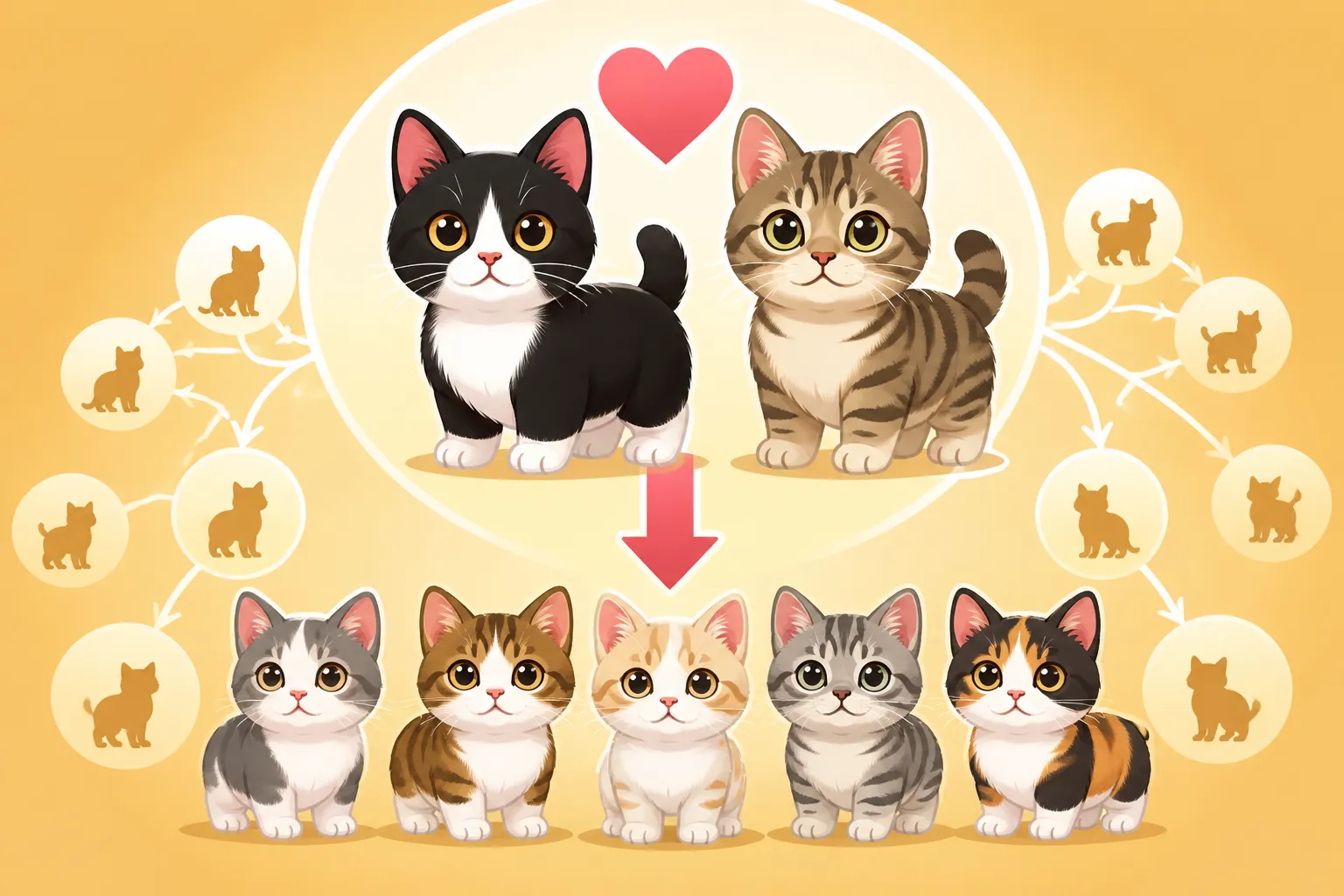
The presence of both short-legged and normal-legged kittens in the same litter hinted at an autosomal dominant inheritance pattern. This meant that only one copy of the gene was needed for a kitten to display the short-legged trait, and a parent with short legs had a roughly 50% chance of passing that gene on to each kitten. Had all the kittens been short-legged, it would have implied a different genetic mechanism or perhaps even a recessive trait where both parents needed to carry it. The fact that roughly half the litter inherited the short legs was a clear indication of a dominant gene at play, laying the groundwork for understanding how the breed would need to be managed genetically.
Toulouse: The Second Pillar of the Breed
While Blackberry was undoubtedly the matriarch, the burgeoning Munchkin breed needed more than one individual to establish a viable gene pool. The next critical step involved one of Blackberry's offspring, a cat who would become the foundational male. This careful propagation ensured that the unique trait could be passed on and developed responsibly. This is where Blackberry and Toulouse Are the Two Cats Behind Every Munchkin.
Sharing the Wonder: A Kitten for Kay LaFrance
Among Blackberry's first short-legged kittens was a male named Toulouse, who would play an equally vital role in the breed's establishment. Sandra Hochenedel, recognizing the special nature of these kittens and perhaps overwhelmed by a growing litter, decided to share the wonder with a friend. She gave Toulouse to Kay LaFrance, a fellow cat enthusiast. This act of sharing was immensely significant because it distributed the unique genetics and brought another dedicated individual into the fold who was equally fascinated by these short-legged cats.
Kay LaFrance became a passionate advocate for the emerging breed, and Toulouse became her focus. Having another person committed to understanding and nurturing these cats was instrumental in moving beyond a single spontaneous occurrence to the deliberate development of a new breed. Toulouse represented the male lineage, complementing Blackberry’s female line, effectively doubling the genetic foundation from which all future Munchkins would spring. Without Kay’s involvement and Toulouse’s contributions, the breed's development would have been much slower, if it even progressed at all beyond Blackberry's initial litter. It was a true collaboration of discovery and dedication.
Toulouse's Legacy: Expanding the Gene Pool
Toulouse, the short-legged male kitten, became the second cornerstone of the Munchkin breed. As he matured, Kay LaFrance began breeding him, initially with normal-legged domestic cats. This practice, known as outcrossing, was absolutely essential for expanding the genetic diversity of the fledgling breed. With only two original cats (Blackberry and Toulouse) carrying the unique gene, the gene pool was incredibly shallow. Breeding Toulouse to unrelated domestic cats brought in new genetic material, helping to prevent inbreeding depression and strengthen the overall health and vigor of the descendants.
Every short-legged Munchkin today can trace its ancestry back to either Blackberry or Toulouse, or a combination of both through their offspring. The early decision to use outcrosses for Toulouse’s matings meant that the short-legged trait was quickly integrated into a broader genetic background. This careful, deliberate expansion laid the groundwork for the breed’s eventual recognition. It wasn't just about creating more short-legged cats, but about creating healthy ones with a diverse genetic heritage, ensuring that What Toulouse Contributed to the Munchkin was more than just his genes, but a path to sustainability.
Understanding the Genetic Foundation: Autosomal Dominant Dwarfism
Understanding the genetics behind the Munchkin's short legs is crucial, not just for breeders, but for anyone who owns or cares for these delightful cats. It explains why they look the way they do and why certain breeding practices are absolutely non-negotiable for their health and welfare. The scientific explanation for their unique stature is quite specific, and it's what truly defines them as a breed.
The Single Gene at Play
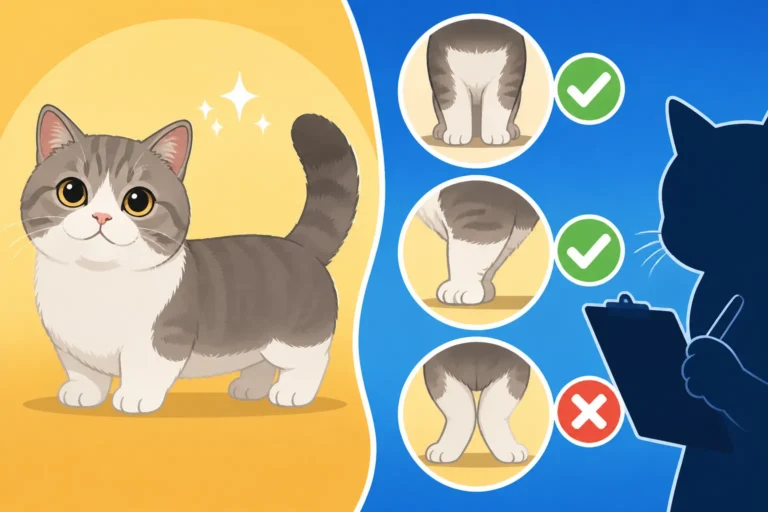
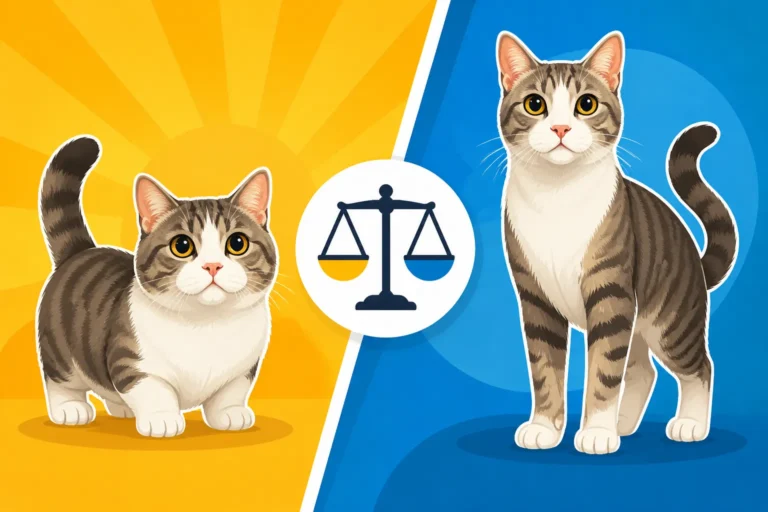
The characteristic short legs of the Munchkin cat are caused by a naturally occurring genetic mutation. This mutation results in a condition known as pseudoachondroplasia, which specifically affects the long bones of the legs, making them shorter than those of a typical cat, while the body and spine retain their normal length. The key scientific descriptor here is "autosomal dominant." This means two things: "autosomal" refers to the fact that the gene is not located on a sex chromosome, so both male and female cats are equally likely to inherit it. "Dominant" means that a kitten only needs to inherit one copy of this mutated gene from one parent to express the short-legged trait.
This dominant inheritance pattern is why you see both short-legged and normal-legged kittens in the same litter when a Munchkin is bred to a normal-legged cat. If a Munchkin (carrying one copy of the short-leg gene) mates with a domestic cat (carrying no copies), roughly half the litter will inherit the gene and have short legs, while the other half will not inherit the gene and will have normal legs. This genetic reality is a core principle of Munchkin breeding and helps explain Why a Munchkin is Always Bred to a Normal Legged Cat. It’s a very different genetic setup from other forms of dwarfism, some of which can be linked to more severe health complications.
Why Outcrossing Was (and Is) Essential
Given that Blackberry and Toulouse were the sole original carriers of the short-leg gene, the immediate challenge for early breeders was to expand the genetic pool without intensifying potential health risks from inbreeding. This is why outcrossing—breeding Munchkins to unrelated, normal-legged domestic cats—was, and remains, an absolutely essential practice. Without it, the risk of genetic bottlenecks and the concentration of undesirable recessive genes would be extremely high, potentially leading to serious health problems within the breed. Why Munchkin Outcrossing Was Necessary From the Start is deeply rooted in this early genetic reality.
The ongoing practice of outcrossing ensures a wide and diverse gene pool, which is a cornerstone of responsible breeding. Breeders carefully select healthy, well-tempered domestic cats (often referred to as "outcrosses" or "non-standard" Munchkins if they come from a Munchkin x non-Munchkin pairing but don't express the short legs themselves) to introduce new genetic material. This not only keeps the breed robust but also allows for a greater variety of colors, patterns, and coat lengths, all while maintaining the core short-legged characteristic. Organizations like TICA (The International Cat Association) recognize the importance of this and have guidelines for acceptable outcrosses, safeguarding the breed's future. For owners, this means that while their cat has short legs, its overall genetic background is quite diverse, reducing risks often associated with highly inbred breeds. Which Cats a Munchkin May Be Outcrossed To is a critical part of a breeder's strategy.
The Impact of a Narrow Beginning on Breed Development
Starting a breed from just two cats inherently presents certain challenges and responsibilities. The initial narrow gene pool required careful management and foresight from those early enthusiasts. This foundation period significantly shaped how the Munchkin breed developed and continues to influence breeding practices today.
Initial Concerns and Early Genetic Diversity
When a new breed emerges from such a limited number of founders, the primary concern among geneticists and cat fanciers alike is the potential for a lack of genetic diversity. A small gene pool can lead to increased risks of inherited diseases becoming widespread, simply because there aren't enough distinct genetic lines to dilute potential problems. In the early days of the Munchkin, breeders had to be acutely aware of this and take proactive steps to prevent such issues.
The dedication of early breeders to rigorous outcrossing was the saving grace. By consistently breeding Munchkins with unrelated domestic shorthairs, they effectively broadened the genetic foundation beyond Blackberry and Toulouse. This strategic approach brought in a fresh influx of genes, helping to minimize the concentration of any undesirable traits that might have inadvertently been present in the original two cats. This ongoing infusion of genetic diversity is a key reason why the Munchkin breed has maintained a relatively wide gene pool, mitigating many of the common concerns associated with founder effects in other breeds. It’s a powerful example of how responsible breeding can overcome initial genetic limitations, something you might learn more about when researching Why the Munchkin Gene Pool Is Wider Than Most.
Lessons Learned for Today's Breeders
The early challenges and successes in establishing the Munchkin breed have left a lasting legacy for contemporary breeders. The understanding that careful outcrossing is paramount for genetic health remains a guiding principle. Modern breeders continue to prioritize genetic diversity, carefully selecting breeding pairs and integrating new outcrosses to ensure the long-term vitality of the breed. This isn't just about preventing specific diseases; it's about maintaining overall robustness and resilience.
Today, responsible Munchkin breeders go beyond simply producing kittens with short legs. They often undertake health screenings, genetic testing (where available and relevant for potential outcross breeds), and meticulously track pedigrees to ensure healthy lines. Transparency with potential owners about the health of the breeding lines and the importance of continued outcrossing is a hallmark of ethical practice. Breeders also emphasize the need for new owners to provide appropriate care, like ensuring their cats don't become overweight, as extra pounds can put undue strain on their unique skeletal structure. You'll find many resources, even on sites like Chewy, offering advice on healthy diets and supplements for cats, underscoring the universal need for thoughtful pet care. This focus on preventative care and robust breeding practices is a direct inheritance from the pioneering efforts to establish the breed from its two humble founders.
| Feature | Blackberry (Founding Female) | Toulouse (Founding Male) |
|---|---|---|
| Origin | Stray, found under a truck in Rayville, Louisiana | Son of Blackberry |
| Role | Original carrier of the short-leg gene | Second foundational cat, spread the gene |
| Discovery Year | 1983 | 1983 (born in Blackberry's first litter) |
| Introduced By | Sandra Hochenedel | Sandra Hochenedel (to Kay LaFrance) |
| Genetic Contribution | Matriarch of all Munchkin lines | Patriarch of all Munchkin lines |
| Importance | Demonstrated spontaneous mutation | Expanded genetic base with outcrossing |
From Two Cats to a Recognized Breed
The journey from two unique stray cats to a recognized and cherished breed was not immediate or without controversy. It took dedicated advocacy, careful breeding, and a willingness to stand firm in the face of skepticism from parts of the cat fancy. The path from a Louisiana backyard to international recognition is a significant part of the Munchkin's story.
Gaining Recognition: TICA's Role
The unique appearance and delightful personality of the short-legged cats quickly captivated a small group of enthusiasts, including Sandra Hochenedel and Kay LaFrance. They began the process of formally developing the breed, working towards recognition by cat registries. The International Cat Association (TICA) became the primary champion for the Munchkin. In 1994, TICA officially accepted the Munchkin into its new breed development program, allowing them to be shown in exhibition classes. This was a monumental step, marking the first formal acknowledgment of their unique genetic trait within the established cat fancy. This move ignited significant debate within the cat community, with some judges and traditionalists expressing strong reservations about breeding cats with such a distinct physical mutation. Despite the controversy, TICA's commitment provided a crucial platform for the breed to gain legitimacy and further develop. You can learn more about this journey, especially What TICA Registered the Munchkin As in 1994.
Over the years, with continued responsible breeding, documented health, and consistent type, the Munchkin progressed through TICA's stringent development program. In 2003, nearly two decades after Blackberry was found, TICA granted the Munchkin full championship status. This meant Munchkins could compete for titles and awards alongside other established breeds, a testament to the dedication of breeders who had worked to ensure their health and adherence to the breed standard. This recognition was a pivotal moment, affirming the Munchkin's place in the diverse world of pedigreed cats. It wasn't just about winning ribbons; it was about solidifying their status as a legitimate and well-managed breed, establishing What TICA Championship Status Gives a Munchkin in the cat world.
The Legacy: Munchkin Hybrids and Public Perception
The establishment of the Munchkin as a distinct breed, tracing its lineage back to Blackberry and Toulouse, inevitably led to further developments within the cat fancy. The unique short-leg gene, once discovered, became a foundation for creating new "hybrid" breeds by outcrossing Munchkins to other established breeds. This is how breeds like the Minuet (Munchkin x Persian), the Bambino (Munchkin x Sphynx), and the Kinkalow (Munchkin x American Curl) came into existence. These hybrid breeds leverage the Munchkin's defining characteristic while incorporating traits from other beloved feline companions, showcasing how Every Short Legged Breed Descends From the Munchkin.
However, the legacy of Blackberry and Toulouse also carries with it an ongoing public debate and scrutiny. The very trait that makes Munchkins unique—their short legs—is often a point of contention. Critics raise concerns about potential welfare issues, drawing parallels to other breeds with extreme physical characteristics. This perception often overlooks the rigorous outcrossing programs and health monitoring undertaken by responsible breeders. The narrative frequently focuses on the appearance of the short legs rather than the actual health and mobility of the cats, which, for well-bred Munchkins, is generally excellent. As owners and advocates, it's our responsibility to educate others about the breed's true origins, its genetic foundations, and the continuous efforts of breeders to ensure their health and happiness.
Disclaimer
This article is for general informational purposes only and does not constitute professional advice. Laws, prices and regulations vary by location and change over time. Consult a qualified professional for guidance on your specific situation.