Which Cats a Munchkin May Be Outcrossed To
It can feel overwhelming trying to understand the intricacies of cat breeding, especially when a breed has such a unique genetic trait as the Munchkin. Many prospective owners and even seasoned cat enthusiasts get confused about how these short-legged beauties are actually bred, specifically wondering which other cats are allowed into their breeding lines. You’re not alone if you've scratched your head trying to figure out why and how outcrossing happens, and what it means for the kittens. This guide is here to shed light on exactly which cats a Munchkin may be outcrossed to, why it’s done, and what the implications are for the breed's health and future.
The Fundamental Need for Outcrossing in Munchkin Breeding
When you look at a Munchkin cat, their distinctive short legs are the first thing that catches your eye. This trait comes from a naturally occurring genetic mutation. However, this mutation isn't as straightforward as some might think when it comes to breeding. To maintain the breed's health and continue producing those adorable short-legged kittens, breeders must engage in a practice called outcrossing. It’s not just an option; it's an absolute necessity for the long-term well-being and genetic diversity of the Munchkin breed. Without careful outcrossing, the breed would quickly face severe health challenges and a dangerously narrow gene pool.
Understanding the Munchkin Gene and Its Inheritance
The gene responsible for the Munchkin's short legs is an autosomal dominant gene, but it comes with a critical caveat: it's lethal in two copies. This means that if a kitten inherits two copies of the short-leg gene (one from each parent), it will not survive. This genetic reality dictates a very specific breeding strategy. Therefore, you will never see two short-legged Munchkins bred together. It simply doesn't happen in responsible breeding programs because it would result in homozygous embryos that tragically don't develop to term. This crucial piece of information is fundamental to understanding Munchkin Dwarfism Is Dominant and Lethal in Two Copies and explains Why Two Short Legged Munchkins Are Never Bred Together.
Because of this, every short-legged Munchkin kitten must have inherited one copy of the gene from a short-legged parent and one normal gene from a normal-legged parent. The only way to achieve this is to always breed a short-legged Munchkin to a normal-legged domestic cat, which may or may not be a Munchkin-variant itself (a long-legged Munchkin, genetically speaking). This ensures that no kitten receives two copies of the dominant short-leg gene, thus avoiding the lethal outcome. This isn’t a choice; it's a genetic imperative. Without this specific breeding protocol, the Munchkin breed as we know it simply wouldn't exist beyond a single generation.
Maintaining Genetic Diversity and Health
Beyond the immediate genetic necessity, outcrossing plays a vital role in maintaining the overall health and vigor of the Munchkin breed. Any breed that starts from a small genetic foundation risks accumulating genetic predispositions to various health issues if new genetic material isn't regularly introduced. Imagine a family tree where everyone only marries their cousins—eventually, you start seeing the same health quirks popping up more and more frequently. Outcrossing prevents this genetic bottleneck. By introducing genes from diverse domestic cat populations, breeders can reduce the risk of inbreeding depression, bolster immune systems, and ensure a wide range of healthy traits.
This practice is essential for preventing the proliferation of undesirable genetic conditions that could otherwise become rampant in a closed gene pool. It helps to keep the breed robust and resilient. Organizations like The International Cat Association (TICA), which recognizes the Munchkin, understand this and have provisions for outcrossing in their breed standards. This strategic introduction of new bloodlines is precisely Why the Munchkin Gene Pool Stays Wide, ensuring that these charming cats remain as healthy as possible for generations to come. Without a commitment to outcrossing, the breed would inevitably suffer from a lack of genetic diversity, potentially leading to a higher incidence of health problems that could otherwise be avoided.
The Approved Outcross Breeds for Munchkin Cats
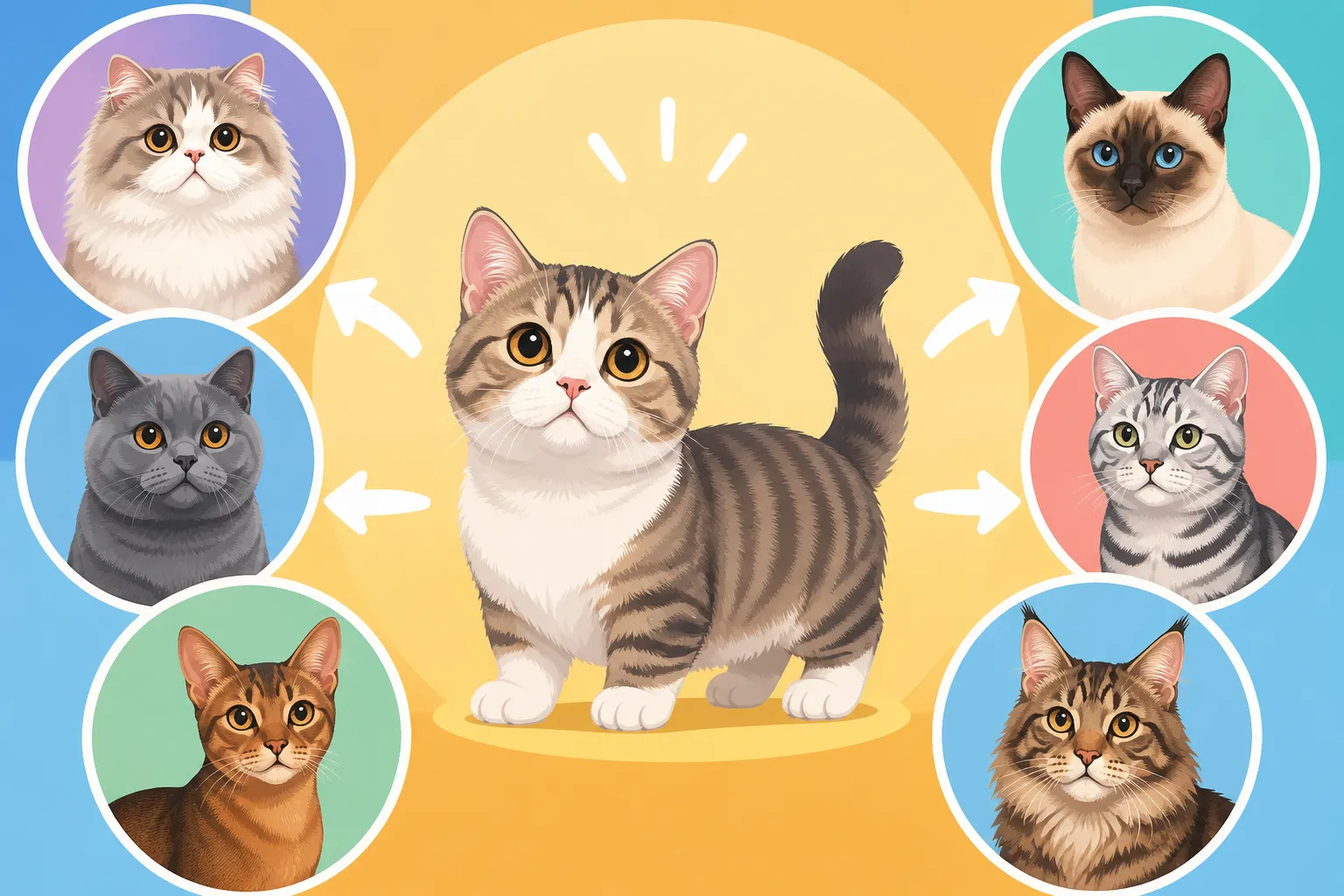
So, if Munchkins must always be bred with normal-legged cats, which cats are eligible to be "outcrossed" into their lines? The answer is intentionally broad to maximize genetic diversity while still maintaining the fundamental traits of the Munchkin. The core principle is to introduce healthy, genetically diverse cats that don't carry other skeletal mutations or severe breed-specific health issues. This keeps the focus squarely on the Munchkin's unique leg length without complicating things with additional genetic baggage.
Domestic Shorthairs and Longhairs
The most common and universally accepted outcrosses for Munchkins are everyday domestic cats – specifically, healthy domestic shorthairs and domestic longhairs. These are your typical "moggy" cats, the kind you might find at an animal shelter or even as strays. They are selected primarily for their robust health, good temperament, and extensive genetic diversity. Unlike many pedigreed breeds that have been carefully selected for specific traits over centuries, domestic cats often have a very broad genetic background, which is exactly what Munchkin breeders are looking for. They bring a fresh influx of genes into the Munchkin pool, helping to dilute any potential inherited weaknesses and enhance overall vitality.
When choosing a domestic shorthair or longhair for outcrossing, responsible breeders pay close attention to the individual cat's health history, temperament, and physical conformation. They look for well-balanced cats with no obvious health issues, good muscle tone, clear eyes, and a friendly disposition. The idea is to bring in the best possible genetic material. These outcrosses aren't chosen for any specific "look" other than general health and good structure; their primary contribution is their genetic breadth. This practice ensures that the Munchkin breed continues to benefit from the incredible genetic resilience found in the general cat population. Many breeders purchase supplies for their outcrosses from reputable retailers like Chewy, ensuring they have healthy, well-nourished cats contributing to the next generation.
Specific Recognized Outcrosses in Practice
While domestic shorthairs and longhairs form the backbone of Munchkin outcrossing, various other pedigreed breeds have also been intentionally incorporated over the years, though these are sometimes specifically aimed at creating new hybrid breeds. However, for direct Munchkin outcrossing, the focus remains on robust health and genetic diversity. The official TICA standard for Munchkins allows for domestic shorthair and longhair outcrosses. The goal is not to introduce other pedigreed traits into the Munchkin breed itself, but to use these cats as a source of healthy genes.
The key takeaway is that the chosen outcross should contribute health and genetic strength without introducing new breed-specific problems. This is why you won't see breeders typically outcrossing Munchkins to breeds known for significant hereditary conditions, unless they are specifically aiming to create a new, separate hybrid breed with distinct characteristics (and even then, great care is needed). The flexibility in outcrossing allows for a wide variety of coat colors, patterns, and even hair lengths within the Munchkin breed, reflecting the diverse genetics brought in by these careful pairings. You can find a vast array of quality foods and health supplements for cats of all breeds, including those used for outcrossing, on platforms like Chewy. This accessibility to diverse nutritional options supports the overall health of breeding stock. It’s critical that breeders are transparent about their outcrosses and What a Munchkin Breeder Should Be Able to Show You regarding their breeding lines and health checks.
What Happens to the Offspring of an Outcross?
When a short-legged Munchkin is bred to a normal-legged cat (an outcross), the genetic outcome is predictable and forms the very foundation of the breed's continuation. Understanding this process is key to grasping how Munchkin populations are maintained and why particular kittens end up with different leg lengths. It’s a fascinating look at Mendelian genetics in action, right there in the litter box!
Short-legged vs. Long-legged Kittens
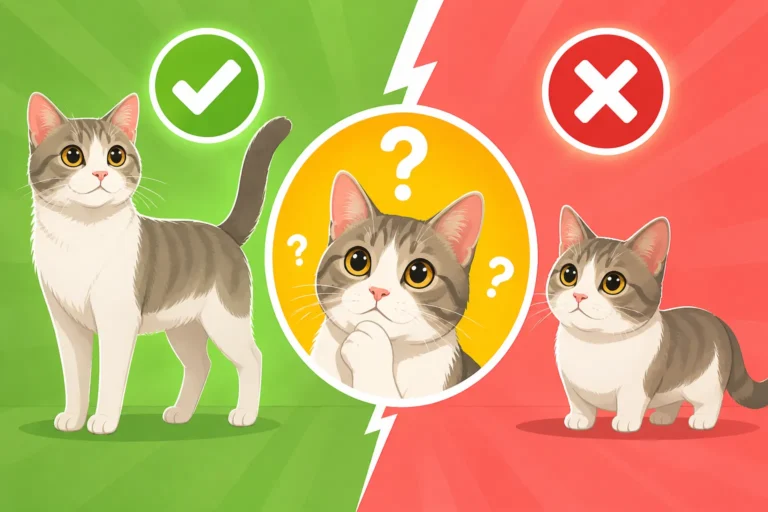
Due to the dominant inheritance pattern of the Munchkin gene, approximately half of the kittens in any litter resulting from a Munchkin-to-outcross breeding will have short legs, while the other half will have legs of normal length. This is a classic 50/50 genetic split. The short-legged kittens have inherited one copy of the Munchkin gene from their short-legged parent and one normal gene from their normal-legged parent. The long-legged kittens, on the other hand, inherited a normal gene from both parents, meaning they do not express the short-leg trait. This is a crucial point to understand, and it's detailed further in Why Half a Munchkin Litter Has Normal Legs.
It's important to remember that both types of kittens are equally valuable and are considered Munchkins by TICA, even if only the short-legged ones carry the distinctive physical trait. The presence of normal-legged kittens in every litter is not a "failure" of the breeding; it's a necessary and expected part of responsible Munchkin breeding, directly resulting from the genetics involved. These normal-legged kittens are often sold as pets, but they also play a vital role in future breeding lines, as we'll discuss next.
The Role of Long-legged Offspring in Breeding Programs
So, what becomes of the normal-legged kittens born from a Munchkin outcross? They are absolutely essential to the long-term health and continuation of the breed. These "non-standard" Munchkins, as they are sometimes called, are healthy, genetically diverse cats. They do not express the short-leg trait because they didn't inherit the dominant Munchkin gene. This means they are visually indistinguishable from any other domestic cat of similar coat and body type. However, some long-legged Munchkins from these litters can still be incredibly important for breeding programs. This is because What Happens to the Long Legged Munchkin Kittens can vary depending on their specific genetic makeup and the breeder's goals.
The normal-legged kittens born from a Munchkin parent are often referred to as "carriers" if they are not visually short-legged but could carry the gene (which is incorrect for a truly normal-legged Munchkin; only the short-legged ones carry the gene). More accurately, a long-legged Munchkin is a cat that simply did not inherit the short-leg gene from its Munchkin parent. Therefore, it does not carry the Munchkin gene and cannot pass it on. This is important to clarify, as Whether a Long Legged Munchkin Carries the Gene is a common point of confusion. The beauty of these normal-legged cats is that they can be used for future outcrosses themselves, providing a fresh infusion of genes without reintroducing the short-leg trait. This is particularly useful for breeders who want to strengthen specific lines or introduce new colors or patterns while still benefiting from the robust genetics of a non-Munchkin parent. They ensure that the genetic pool remains wide and healthy, preventing issues that arise from excessive inbreeding.
The Ethical Considerations and Controversial Crosses
While outcrossing is a fundamental and necessary practice for the Munchkin breed, not all outcrosses are created equal, and some raise significant ethical concerns within the veterinary community and among animal welfare organizations. The key issue often revolves around combining the Munchkin gene with other genetic mutations that also affect skeletal structure or health, potentially leading to cumulative health problems.
Avoiding Double Mutations
The most contentious issue in Munchkin breeding involves creating "hybrid" breeds by crossing Munchkins with other pedigreed cats that possess their own unique genetic mutations, especially those affecting bone or cartilage development. A prime example, and one that garners significant criticism, is the cross between a Munchkin and a Scottish Fold. Scottish Folds have a genetic mutation that causes their ears to fold forward, but this same gene also affects cartilage throughout their entire body, often leading to severe and painful degenerative joint disease, especially in their spine, ankles, and tail. Combining the Munchkin's short-leg gene with the Scottish Fold's cartilage defect is seen by many as stacking two known skeletal mutations onto one cat, potentially compounding health problems and increasing suffering. This is precisely Why Munchkin Hybrids Stack Two Mutations.
The ethical argument against such crosses is strong: it knowingly creates animals with a higher likelihood of significant health issues, potentially leading to chronic pain and reduced quality of life. Many veterinary associations and cat registries outside of TICA outright refuse to recognize or register these "double mutation" breeds. The question of Whether a Scottish Fold Munchkin Should Exist is met with a resounding "no" from a large segment of the animal welfare and veterinary community, highlighting a critical area where responsible breeding must prioritize the animal's welfare above aesthetic novelty. It's a clear line in the sand for many who believe breeders have a moral obligation to avoid creating animals destined for discomfort.
The Importance of Responsible Breeding Practices
Ultimately, the responsibility for ethical outcrossing and breeding practices rests squarely on the shoulders of the breeder. A responsible Munchkin breeder will always prioritize the health, temperament, and long-term welfare of their cats over novelty or profit. This means carefully selecting outcrosses that are robustly healthy, free from known genetic predispositions to disease, and have excellent temperaments. They will be transparent about their breeding practices, openly discuss the genetics of their cats, and be able to provide health clearances for their breeding stock.
Responsible breeders understand that simply producing a short-legged cat isn't enough; they must strive to produce healthy, happy cats that will live long, comfortable lives. They educate prospective owners about the unique care requirements of Munchkins, including the importance of weight management, joint health, and an adapted home environment. Resources like Chewy, for example, offer a wide range of specialized diets and mobility support products that can be crucial for Munchkins as they age, emphasizing the commitment responsible owners make. They also understand the importance of genetic diversity, screening for common feline diseases, and adhering to breed standards that promote health. If you are considering a Munchkin, finding a breeder who demonstrates this level of commitment is paramount.
| Outcross Type | Key Contribution | Pros | Cons |
|---|---|---|---|
| Domestic Shorthair | Broad genetic diversity, robust health | Excellent for widening gene pool, introducing new colors/patterns | No specific pedigreed traits, appearance can be unpredictable |
| Domestic Longhair | Broad genetic diversity, robust health, long fur | Excellent for widening gene pool, introducing long coat varieties | No specific pedigreed traits, appearance can be unpredictable |
| Specific Breeds | Certain physical traits (e.g., specific colors, coat types) | Can introduce desired aesthetics for creating new recognized hybrids | Risk of introducing breed-specific health issues or stacking mutations |
Disclaimer
This article is for general informational purposes only and does not constitute professional advice. Laws, prices and regulations vary by location and change over time. Consult a qualified professional for guidance on your specific situation.