Why the Munchkin Gene Pool Is Wider Than Most
If you've ever found yourself marveling at the unique charm of a Munchkin cat, with their adorable short legs and playful personalities, you might also be wondering about their genetic background. One of the questions that often comes up in discussions about this distinctive breed is concerning their gene pool – and for good reason. Unlike many established pedigree breeds that often suffer from incredibly limited genetic diversity due to generations of closed breeding, the Munchkin breed actually boasts a surprisingly wide and varied gene pool, a factor crucial for its ongoing health and vitality, and this guide is here to explain exactly why that is the case.
The Origins of Necessity: How the Munchkin Gene Pool Began Broad
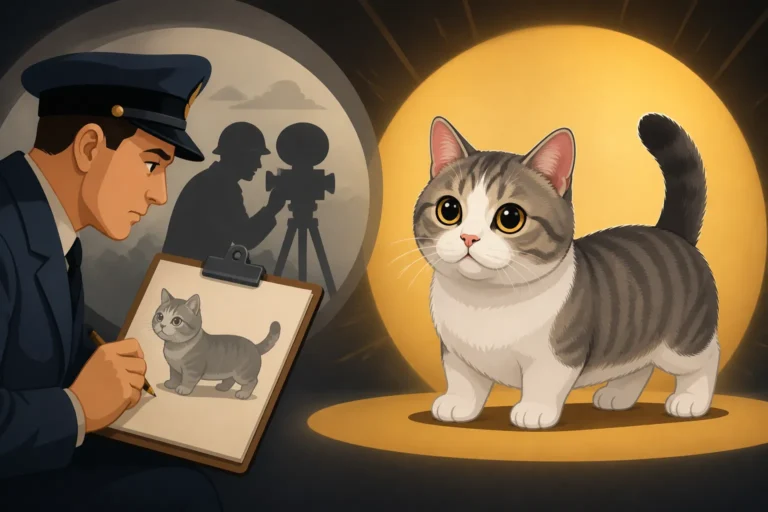
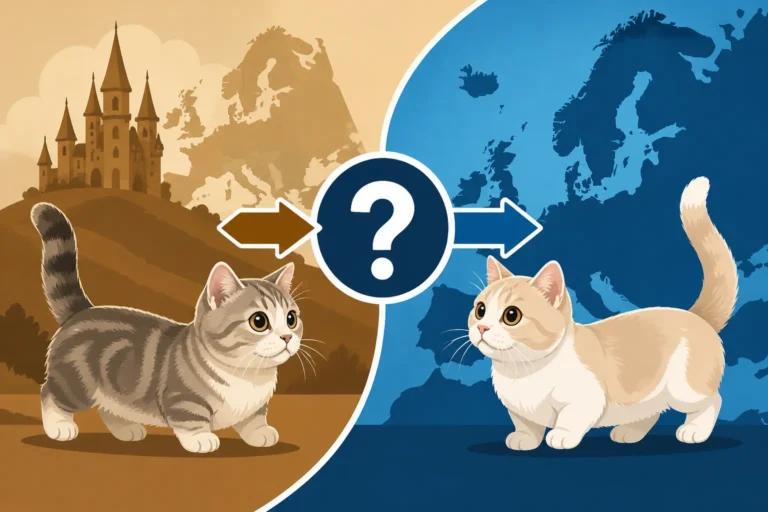
The story of the Munchkin cat is quite fascinating, really, and it directly explains why their genetic diversity is so much wider than you might initially assume. It all began with a stray cat named Blackberry, found under a truck in Louisiana in 1983. This little cat had unusually short legs, a spontaneous genetic mutation that was passed on to some of her kittens. This was the true genesis of the breed, a serendipitous beginning that set the stage for a unique approach to breeding.
The First Foundational Cats and Unplanned Outcrossing
Blackberry herself was a domestic shorthair, a common "moggie" as we often call them, with no known pedigree. When she had her first litter, half of the kittens also displayed the short-legged trait. One of these kittens, a male named Toulouse, was given to a friend, and he too went on to sire litters. The Munchkin Started Under a Truck in Louisiana in 1983 and Blackberry and Toulouse Are the Two Cats Behind Every Munchkin perfectly illustrate this origin. These two cats, Blackberry and Toulouse, became the foundational cats for the entire breed. But here's the kicker: they weren't purebreds with carefully documented pedigrees and limited ancestors. They were just regular domestic cats. This meant that from day one, the genetic material they contributed was already a melting pot of what makes up the average house cat – a naturally broad foundation.
Because of this humble beginning, the initial "gene pool" for Munchkins wasn't a carefully selected, closed group. It was, quite literally, the local feline population in Louisiana. This differs dramatically from breeds developed from a small number of specific, often related, purebred animals. The very first Munchkin breeders were, by necessity, working with cats that had vast, undocumented genetic histories, which inherently provided a significant head start in terms of diversity.
Why Outcrossing Was Immediately Essential for the Breed's Survival
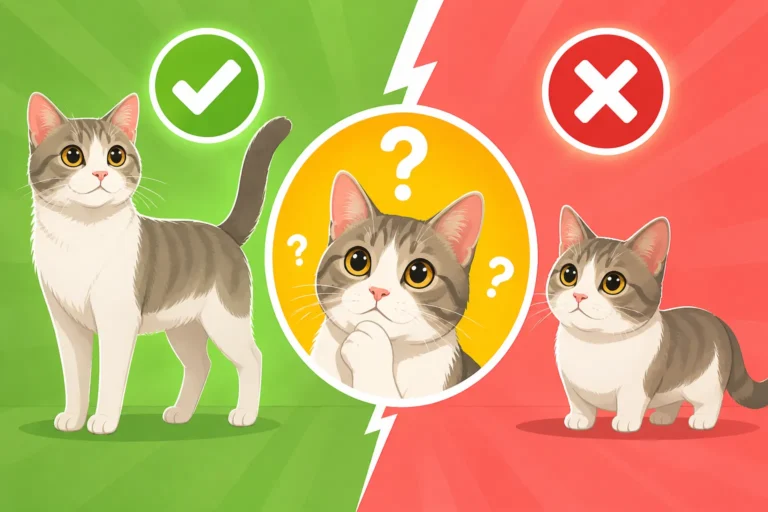
The short-legged trait in Munchkins, known as pseudoachondroplasia, is caused by an autosomal dominant gene. This means that only one copy of the gene is needed for a cat to have short legs. However, here's the critical piece of information: cats that inherit two copies of this dominant gene (known as homozygous individuals) are not viable and do not survive past the embryonic stage. What Two Copies of the Munchkin Gene Do is a difficult truth of the breed. This genetic reality means that it's impossible, and frankly unethical, to breed two short-legged Munchkins together. Every short-legged Munchkin must be bred to a normal-legged cat. Why a Munchkin Is Always Bred to a Normal Legged Cat is a fundamental rule in responsible breeding.
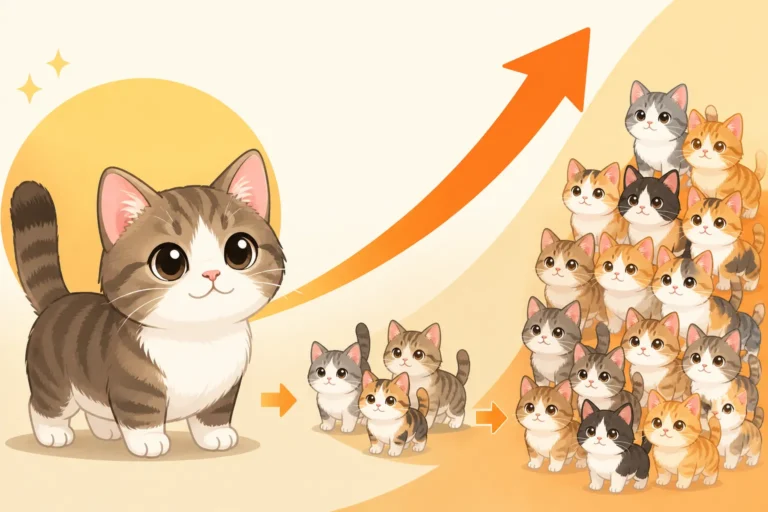
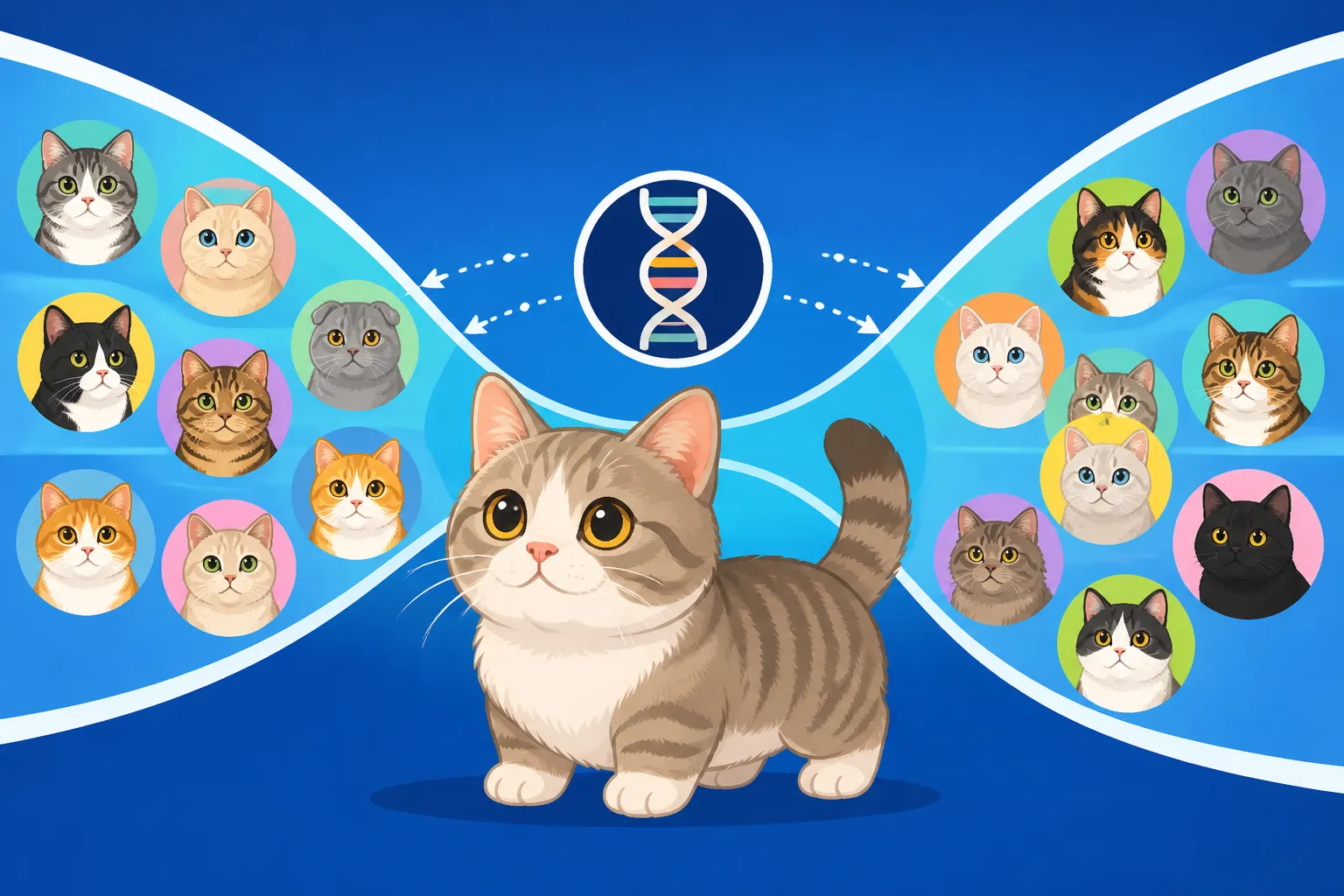
This genetic imperative meant that from the absolute beginning, the breed could not exist without continuous outcrossing to non-Munchkin, normal-legged cats. This wasn't a choice made later to "improve" the breed; it was a fundamental requirement for its continuation. Each generation of Munchkins has had new genetic material introduced from a wide array of domestic cats, ensuring that the gene pool remains constantly refreshed. This continuous infusion of new blood is the primary reason the Munchkin gene pool is exceptionally wider than many other pedigree breeds.
TICA's Role in Formalizing Outcrossing for Genetic Diversity
When a breed is new and has unique genetic requirements, the way it gains recognition and is subsequently managed by cat registries is paramount. The International Cat Association (TICA) played a crucial role in the Munchkin's development by allowing and, in fact, mandating, a structured outcrossing program. This wasn't just a casual suggestion; it was built into the very fabric of the breed's standard and breeding protocols.
The Acceptance of Domestic Shorthairs and Longhairs
TICA, known for its progressive approach to new breeds, granted the Munchkin preliminary new breed status in 1994 and full championship status in 2003. A key part of their acceptance was the explicit allowance for outcrossing to non-pedigreed domestic shorthairs and longhairs. This was, and still is, revolutionary for a recognized breed. While most breeds close their studbooks once established, TICA understood the genetic necessity for the Munchkin. This policy means that a breeder can take a well-selected domestic cat – literally, a beautiful and healthy house cat – and breed it to a Munchkin. The resulting kittens, if they inherit the short-legged gene, can then be registered as Munchkins.
This continuous influx of genetic material from the general domestic cat population is a powerful safeguard against the genetic bottlenecks that plague many purebreds. It means that the diverse traits found in the average healthy domestic cat, from robust immune systems to varied genetic resistance to common ailments, are regularly reintroduced into the Munchkin lines. This prevents the accumulation of recessive genetic health issues that often become prevalent when a gene pool is closed and limited to a small number of founders.
The Importance of a Diverse Outcross Selection
Breeders don't just pick any domestic cat off the street for outcrossing. Responsible breeders carefully select healthy, well-tempered domestic shorthairs and longhairs for their outcross programs. They look for cats with good conformation, strong health histories, and desirable traits. Which Domestic Cats Are Used as Munchkin Outcrosses elaborates on the types of cats chosen. The goal is to bring in genetic diversity while still aiming to produce kittens that conform to the Munchkin breed standard in terms of body type (excluding leg length, of course).
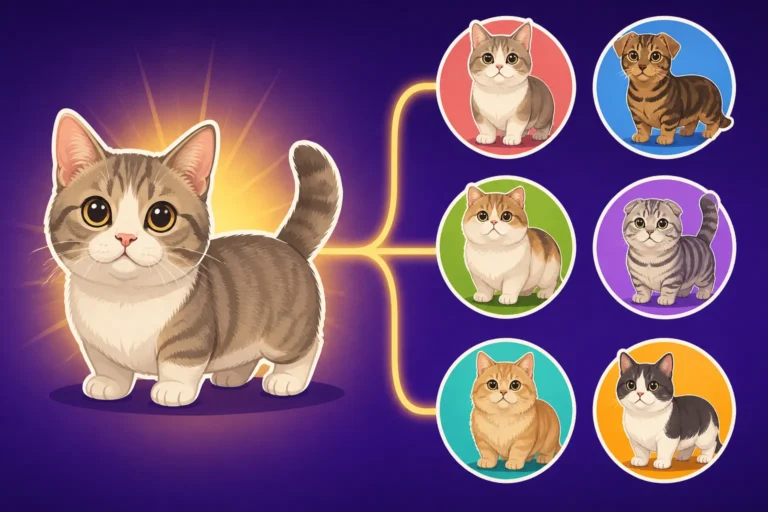
The fact that so many different types of domestic cats can be used as outcrosses means that the genetic input is incredibly broad. It's not limited to one specific type of domestic cat or even a handful of chosen individuals. This wide selection pool ensures that breeders can actively manage and improve the genetic health of their lines, making informed choices to avoid any potential weaknesses that might arise from limited breeding. It's a proactive approach to maintaining vigor and resilience within the breed, something many other breeds can only dream of.
The Ongoing Practice: Keeping the Gene Pool Wide and Healthy
The practice of outcrossing isn't just a historical footnote for the Munchkin; it's a living, breathing part of their breeding program today. This commitment to maintaining a wide gene pool is vital for the long-term health and reputation of the breed. It requires constant vigilance and responsible practices from breeders.
Responsible Breeding and Genetic Health Screening
For any breeder, whether working with Munchkins or another breed, genetic health screening is a cornerstone of responsible practice. In the case of Munchkins, while the wide gene pool helps mitigate some risks, breeders still need to be diligent about screening their cats for common feline diseases. This includes checking for conditions prevalent in domestic cats, as well as any issues that might theoretically become more concentrated even with outcrossing. Which Diseases a Munchkin Breeder Must Declare highlights the importance of transparency. While there isn't a specific Whether a Munchkin DNA Test Exists for the short-leg gene itself, breeders use careful pedigree tracking and health certifications for all breeding cats, including their outcrosses.
A responsible Munchkin breeder will be able to show you the health records of their breeding cats, including any outcrosses they've used. This often involves veterinary checks for general health, and sometimes specific tests depending on the prevalent health concerns in their region or associated with the domestic cat lines they are utilizing. This thorough approach, combined with the outcrossing protocol, ensures that the genetic contributions to the Munchkin breed are as robust and healthy as possible, leading to happier, healthier kittens for future owners. When looking for supplies for your feline friend, especially for a new Munchkin kitten, online retailers like Chewy often provide transparent information on product ingredients, which can be useful when selecting food that supports overall health and development.
The Distinction Between Outcrossing and Hybridizing
It's important to distinguish between planned outcrossing with domestic cats, which TICA permits for the Munchkin, and the creation of hybrid breeds. Outcrossing within the Munchkin breed aims to infuse new genetic diversity from unpedigreed domestic cats while maintaining the core Munchkin characteristics. The resulting short-legged kittens are still considered Munchkins. However, when a Munchkin is bred to another pedigreed breed, such as a Sphynx to create a Bambino, or a Persian to create a Minuet, these are considered hybrid breeds. While these hybrids can be beautiful and popular, they can also introduce different genetic concerns, especially if the other breed carries its own set of hereditary health issues. Why Munchkin Hybrids Stack Two Mutations can be a serious consideration.
Some hybrid breeds intentionally combine two mutations, like the Scottish Fold Munchkin, which pairs the short legs of the Munchkin with the cartilage defect that causes the folded ears of the Scottish Fold. This practice is often highly controversial among veterinarians and welfare advocates, as it can potentially combine two distinct genetic issues. The Munchkin's wide gene pool, achieved through outcrossing to healthy domestic cats, is fundamentally different from the deliberate stacking of specific breed-related mutations, and it's a critical difference for potential owners to understand.
Benefits and Challenges of a Continuously Open Gene Pool
The open gene pool of the Munchkin breed is a double-edged sword, offering significant advantages in genetic health while also sparking ongoing debates about welfare and breed recognition. Understanding both sides of this coin is essential for anyone considering a Munchkin or interested in feline genetics.
Mitigating Inbreeding Risks and Preserving Vigor
The most significant benefit of the Munchkin's continuously open gene pool is its effectiveness in mitigating the risks associated with inbreeding. Many purebred cat breeds have been developed from a very small number of foundational animals and have had closed gene pools for decades, if not centuries. This leads to a high coefficient of inbreeding, where cats become genetically very similar. The downside? Any recessive genetic disease present in those foundational lines can become widespread, and overall genetic vigor can decline, leading to weaker immune systems and reduced fertility.
The Munchkin, by contrast, has a natural, mandated system to prevent this. Each time a domestic cat is outcrossed into a Munchkin line, a fresh burst of genetic variation is introduced. This helps to "cleanse" the lines of any accumulating recessive genes, reducing the likelihood of widespread hereditary diseases. It preserves what is often referred to as "hybrid vigor" – the increased strength and health that comes from greater genetic diversity. This means that, from a pure genetic health standpoint (setting aside the controversy of the short legs themselves), Munchkins often possess a more robust constitution than many breeds with highly restrictive gene pools.
| Benefit | Description | Impact on Munchkin Health and Vigor |
|---|---|---|
| Reduced Risk of Genetic Diseases | A larger gene pool dilutes the presence of recessive genetic issues common in small, closed gene pools. | Fewer instances of specific hereditary conditions, stronger overall health. |
| Increased Hybrid Vigor | Introducing new bloodlines (outcrossing) often leads to stronger immune systems and better reproductive success. | Cats are generally hardier, more resilient to common ailments. |
| Broader Genetic Diversity | Allows for a wider range of genetic traits, preventing genetic bottlenecks and promoting adaptability. | Enhanced ability to adapt to environmental changes and resist new diseases. |
| Maintenance of Breed Standard | Responsible outcrossing helps ensure the healthy perpetuation of the breed's defining physical characteristics. | Helps maintain the unique short-legged trait without compromising other aspects of health. |
The Eternal Debate: Welfare vs. Genetic Health
Despite the clear genetic health benefits of a wide gene pool, the Munchkin breed remains highly controversial. The core of the debate isn't about the diversity of their genes, but about the nature of the primary gene itself: the dwarfism that causes their short legs. Many animal welfare organizations and veterinary bodies argue that intentionally breeding for a genetic mutation that causes physical abnormalities, even if the cats appear otherwise healthy and active, is unethical. They view the short legs as a conformational defect that can potentially lead to spinal issues like lordosis or pectus excavatum, and joint problems like osteoarthritis, particularly as the cat ages.
Proponents of the breed, including TICA and many breeders, counter that Munchkins are generally healthy, active, and lead normal lives, and that the short-leg gene itself doesn't cause pain or debilitation if bred responsibly. They often point to the breed's wide gene pool as evidence of their commitment to overall health. It's a complex ethical discussion, and while the wide gene pool helps immensely with general genetic health, it doesn't resolve the fundamental debate over the welfare implications of breeding for the dwarfism trait itself. This is Why Vets Disagree About the Munchkin and What Welfare Bodies Say About the Munchkin are such frequently discussed topics within the cat fancy. Ultimately, while the wide gene pool certainly offers significant advantages in preventing many common purebred health issues, it doesn't entirely silence the criticisms surrounding the breed's very existence.
Disclaimer
This article is for general informational purposes only and does not constitute professional advice. Laws, prices and regulations vary by location and change over time. Consult a qualified professional for guidance on your specific situation.